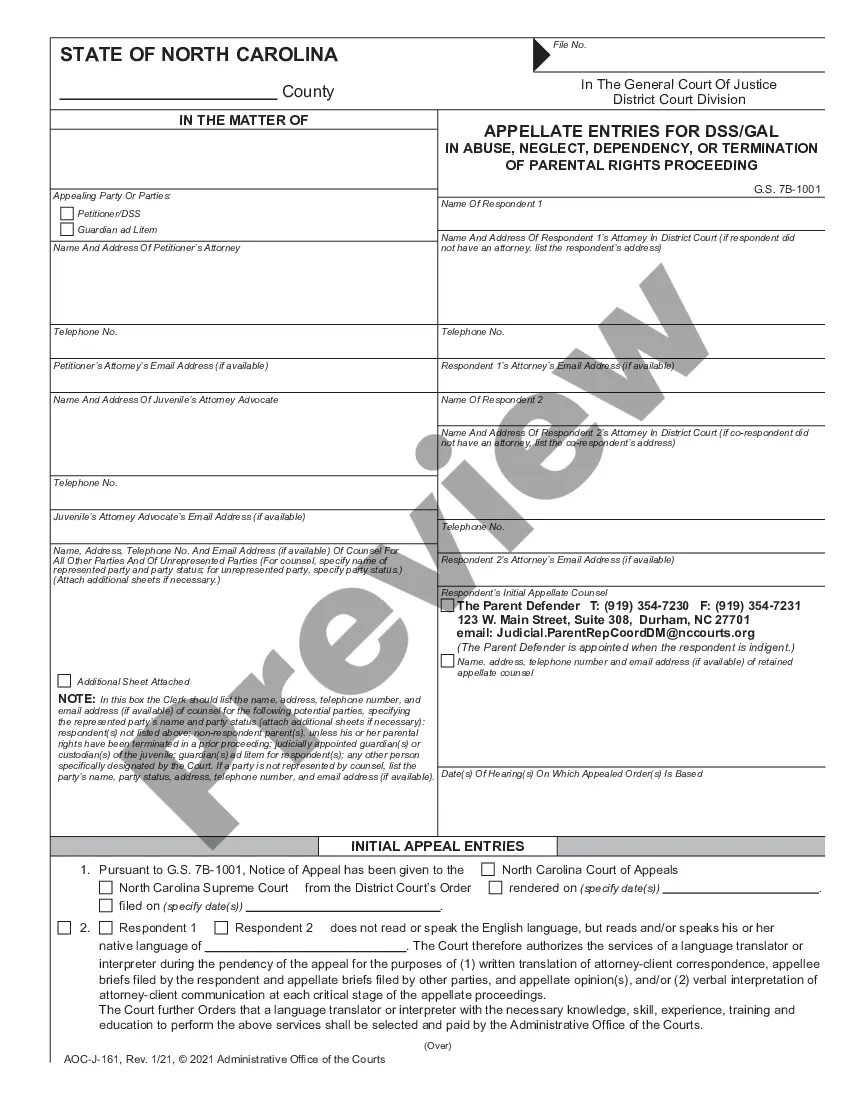
Intellectual Property Rights Assignment
Overview of this form
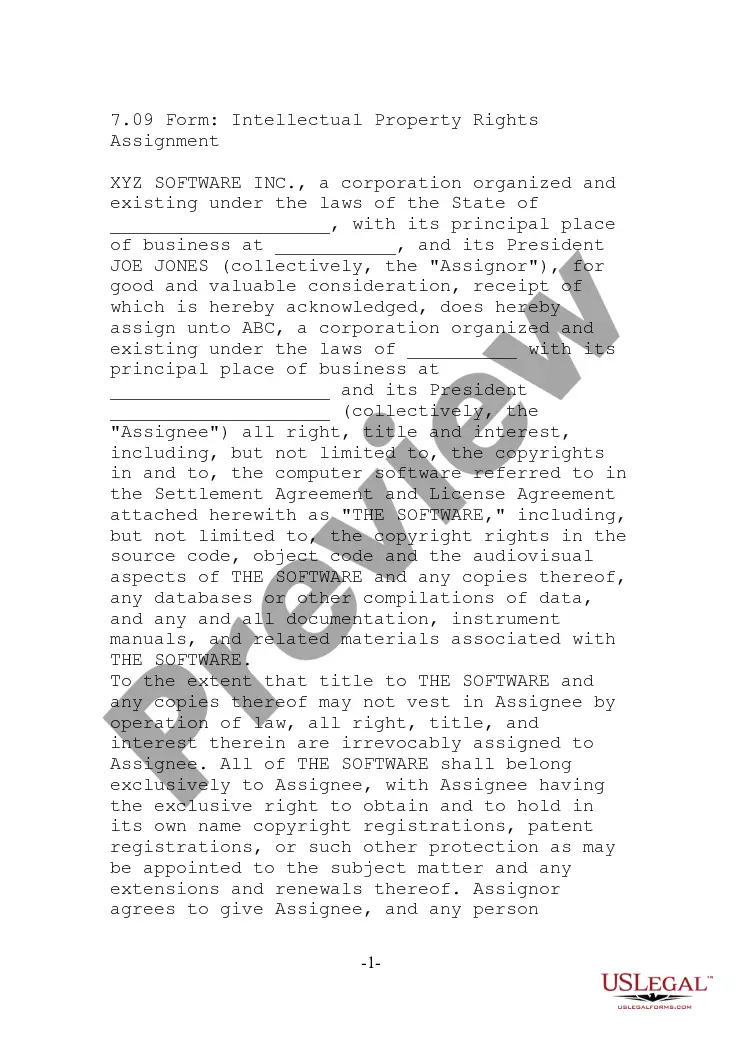
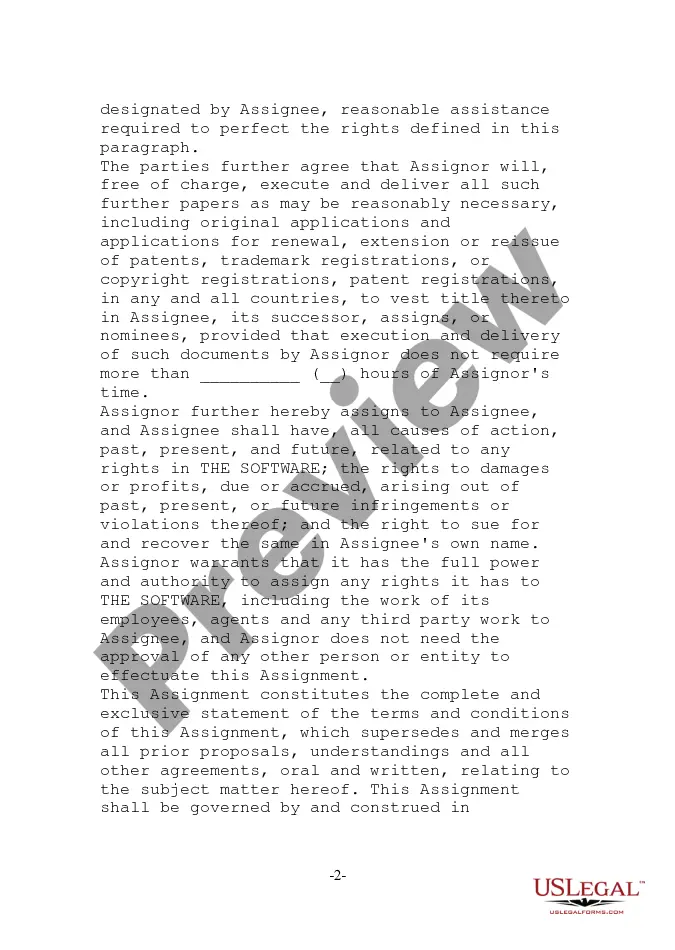
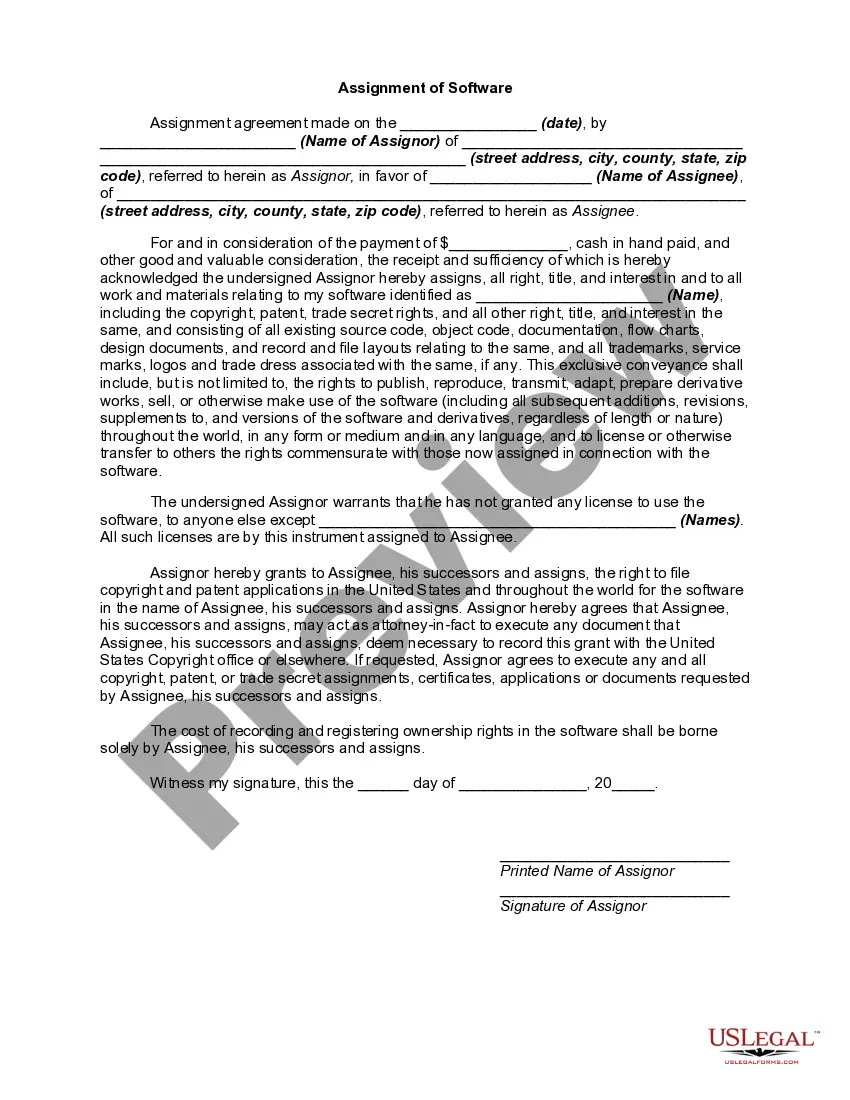
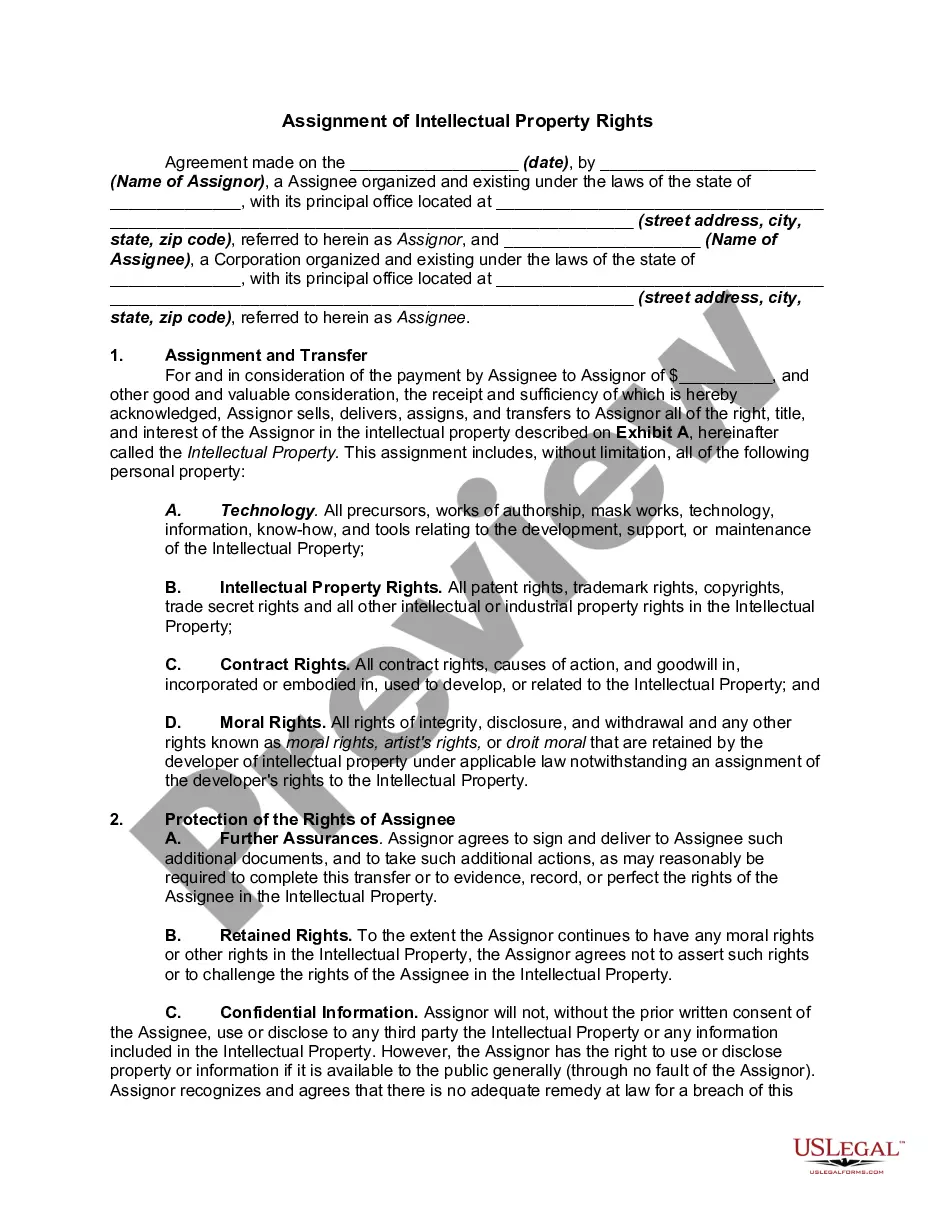
The Intellectual Property Rights Assignment form is a legal document designed to facilitate the transfer of copyright and other intellectual property rights from one party to another. This form is essential to ensure that businesses and individual contractors can protect their ownership rights concerning software or computer services. Unlike similar forms, it provides detailed clauses for assignments, warranties, and rights to pursue future claims related to the software, making it comprehensive for effective legal use.
What’s included in this form
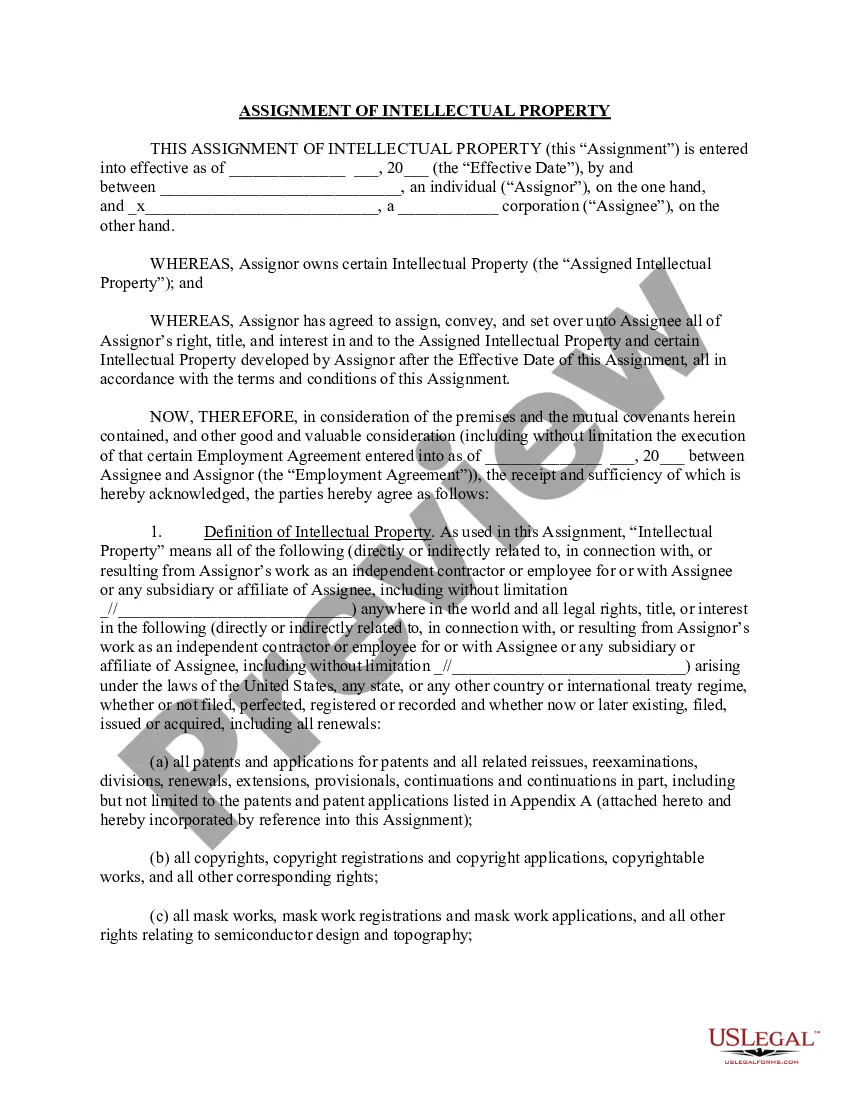
- Identification of the Assignor and Assignee, including corporate details.
- Specific assignment of rights related to computer software, including copyrights.
- Warranties provided by the Assignor regarding their authority to assign rights.
- Agreement on further actions needed to perfect rights, such as executing additional documents.
- Provisions for pursuing infringements related to assigned rights.
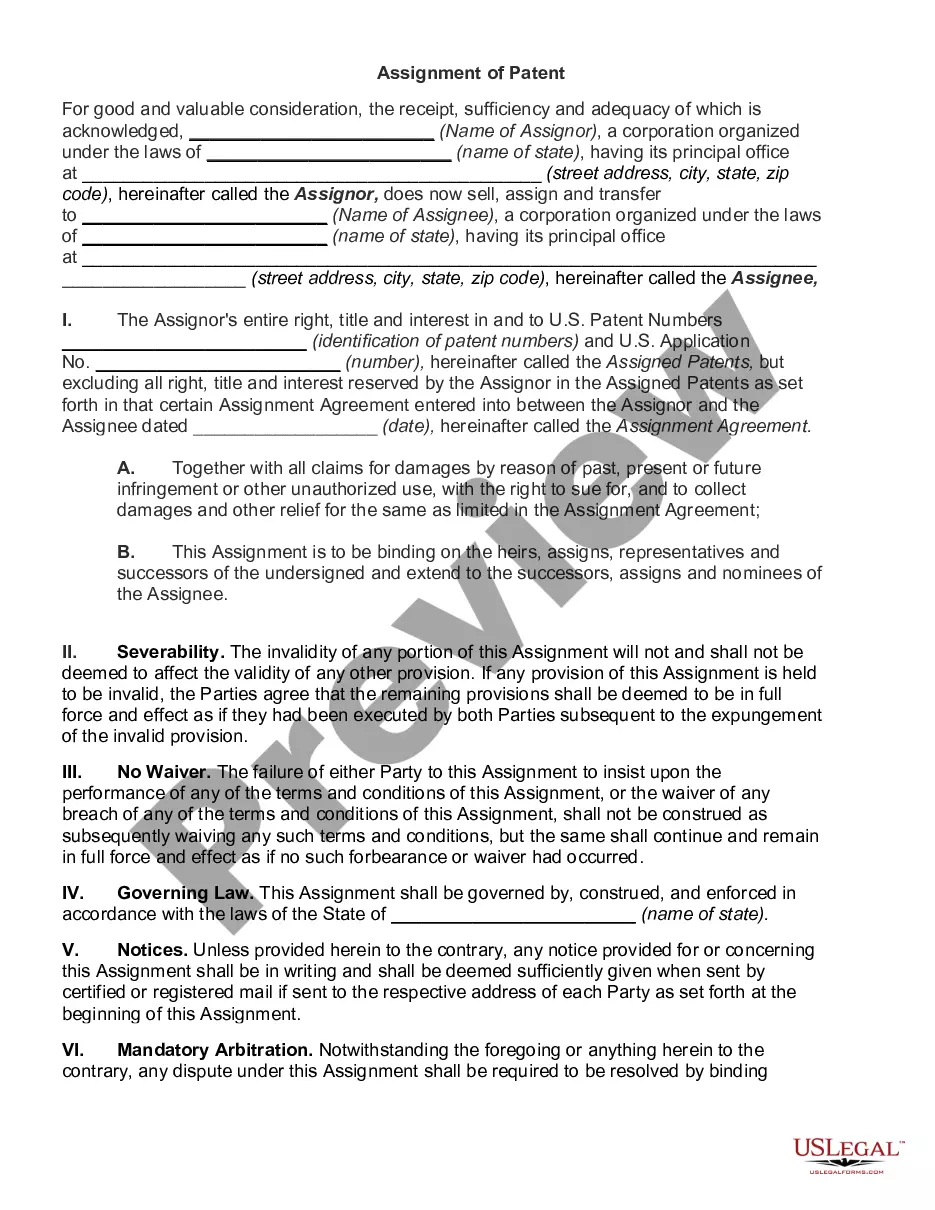
- Choice of law clause indicating which state's laws govern the agreement.
When this form is needed
This form should be used when a business or individual contractor wants to formally assign their rights in software or related intellectual property to another entity. Scenarios include the sale of software products, transferring rights after a contractor's work, or ensuring business ownership of software developed by employees or third parties. It is particularly useful during mergers, acquisitions, or divestitures in the tech sector.
Intended users of this form
- Businesses that develop software or digital services.
- Individual contractors or freelancers involved in software development.
- Corporations acquiring software from others.
- Developers seeking to protect their copyright and intellectual property rights.
How to prepare this document
- Identify the parties involved by entering the legal names of the Assignor and Assignee.
- Specify the state laws governing the assignment in the designated fields.
- Detail the software or intellectual property being assigned clearly, ensuring all relevant documents are attached.
- Enter the signatures of both parties, including dates and titles where applicable.
- Ensure all warranties and acknowledgments are fulfilled by checking each clause carefully before signing.
Notarization guidance
This form usually doesn’t need to be notarized. However, local laws or specific transactions may require it. Our online notarization service, powered by Notarize, lets you complete it remotely through a secure video session, available 24/7.
Get your form ready online
Our built-in tools help you complete, sign, share, and store your documents in one place.
Make edits, fill in missing information, and update formatting in US Legal Forms—just like you would in MS Word.
Download a copy, print it, send it by email, or mail it via USPS—whatever works best for your next step.
Sign and collect signatures with our SignNow integration. Send to multiple recipients, set reminders, and more. Go Premium to unlock E-Sign.
If this form requires notarization, complete it online through a secure video call—no need to meet a notary in person or wait for an appointment.
We protect your documents and personal data by following strict security and privacy standards.

Make edits, fill in missing information, and update formatting in US Legal Forms—just like you would in MS Word.

Download a copy, print it, send it by email, or mail it via USPS—whatever works best for your next step.

Sign and collect signatures with our SignNow integration. Send to multiple recipients, set reminders, and more. Go Premium to unlock E-Sign.

If this form requires notarization, complete it online through a secure video call—no need to meet a notary in person or wait for an appointment.

We protect your documents and personal data by following strict security and privacy standards.
Avoid these common issues
- Failing to specify all relevant details about the software or intellectual property in the assignment.
- Not including all necessary signatures or official titles, which may lead to a lack of enforceability.
- Ignoring state-specific legal requirements, which can affect the validity of the transfer.
Why complete this form online
- Convenience of downloading and completing the form from any location.
- Immediate access to a legally vetted template tailored to your needs.
- Editable format allows for quick customization to fit specific situations.
What to keep in mind
- This form is essential for transferring intellectual property rights clearly and legally.
- Correct completion ensures protection of ownership rights and avoids future disputes.
- Understanding the responsibilities and expectations set forth in the assignment is crucial for both parties.
Legal terms and meanings
- Assignor: The party who is transferring rights in the intellectual property.
- Assignee: The party receiving the rights being transferred.
- Copyright: A legal right that grants the creator of original works exclusive rights to their use and distribution.
- Intellectual Property: Creations of the mind, such as inventions, artistic works, and symbols, names, and images used in commerce.
Looking for another form?

Form popularity
FAQ
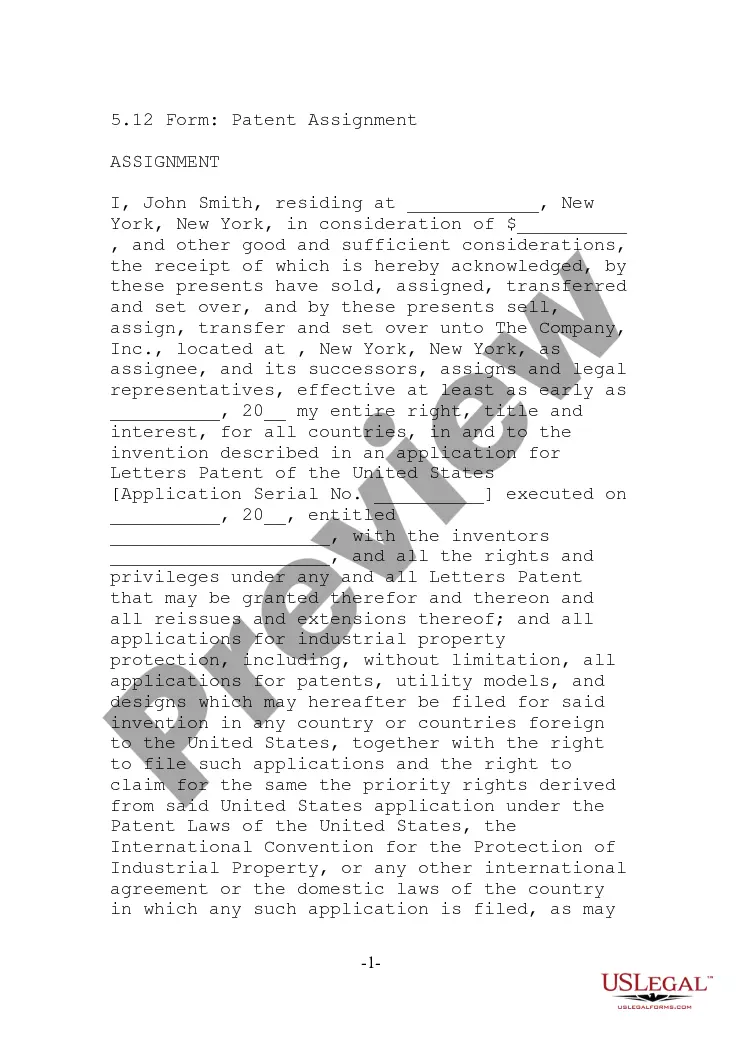
The assignment of intellectual property (IP) refers to the process by which ownership of work product created for a company by an employee or consultant is transferred to the entity.
Trade Secrets. Trade secrets refer to specific, private information that is important to a business because it gives the business a competitive advantage in its marketplace. Patents. Copyrights. Trademarks.
In an assignment of copyright rights, the owner sells his or her ownership rights to another party and has no control over how the third party uses those rights. A copyright assignment is sometimes referred to as a sales agreement for copyright.
Intellectual property (IP) refers to creations of the mind, such as inventions; literary and artistic works; designs; and symbols, names and images used in commerce.
Assignment of Copyright (Section 18) The owner of the copyright of a work has the right to assign his copyright to any other person. The effect of assignment is that the assignee becomes entitled to all the rights related to the copyright to the assigned work2.
Intellectual property (IP) refers to the ownership of an idea or design by the person who came up with it. It is a term used in property law. It gives a person certain exclusive rights to a distinct type of creative design, meaning that nobody else can copy or reuse that creation without the owner's permission.
Intellectual property rights are legal rights that provide creators protection for original works, inventions, or the appearance of products, artistic works, scientific developments, and so on. There are four types of intellectual property rights (IP): patents, trademarks, copyrights, and trade secrets.
Intellectual property (IP) is ideas, information and knowledge. In the University context IP can be viewed as the results and outcomes of research 'intellectual' because it is creative output and 'property' because it is viewed as a tradable commodity.
Use EPAS to create and submit a Patent Assignment Recordation Coversheet by completing on-line web forms and attaching the supporting legal documentation as black and white TIFF or PDF for submission via the internet. You may email questions about filing electronic patent assignments to EPAS@uspto.gov .