Louisiana Written Stipulation of Facts
About this form
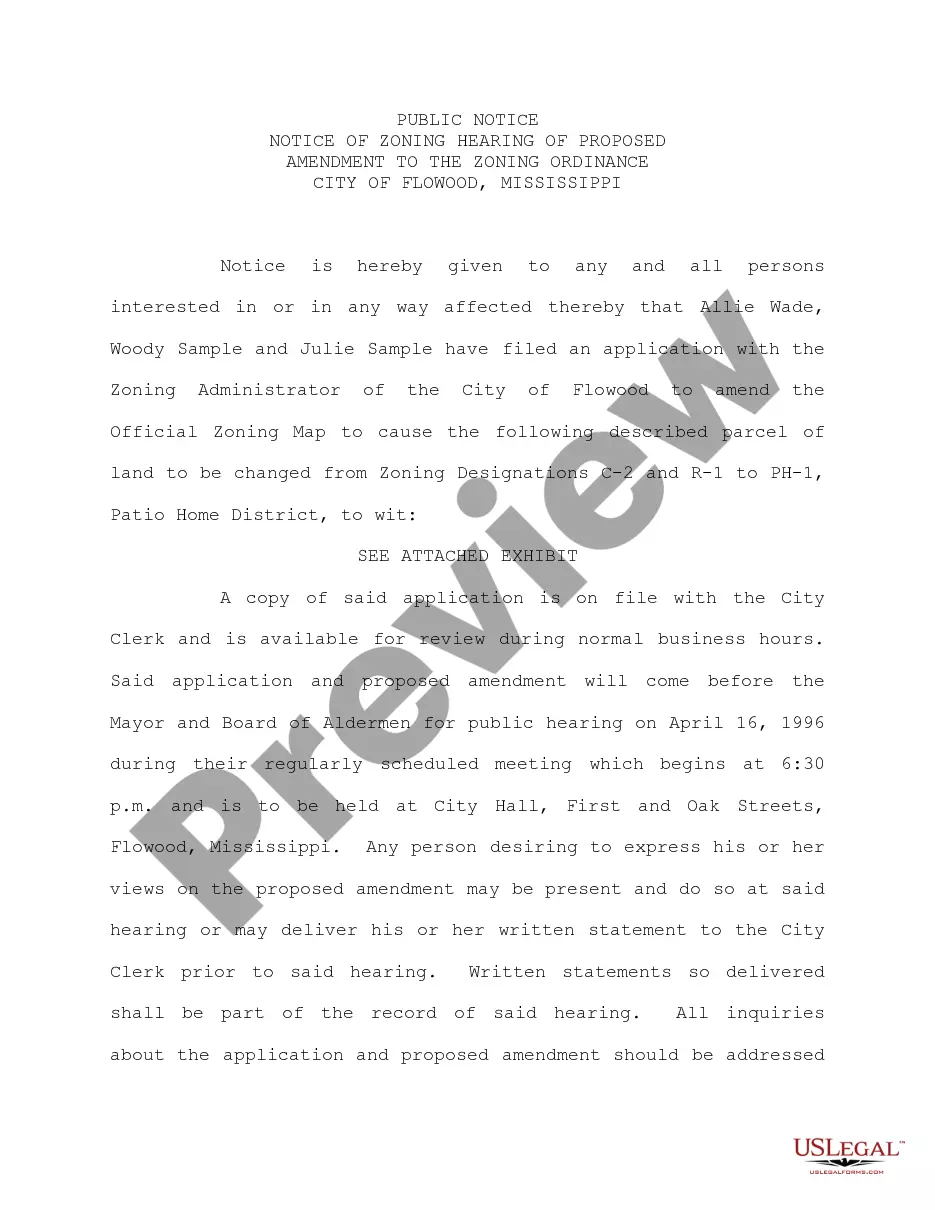
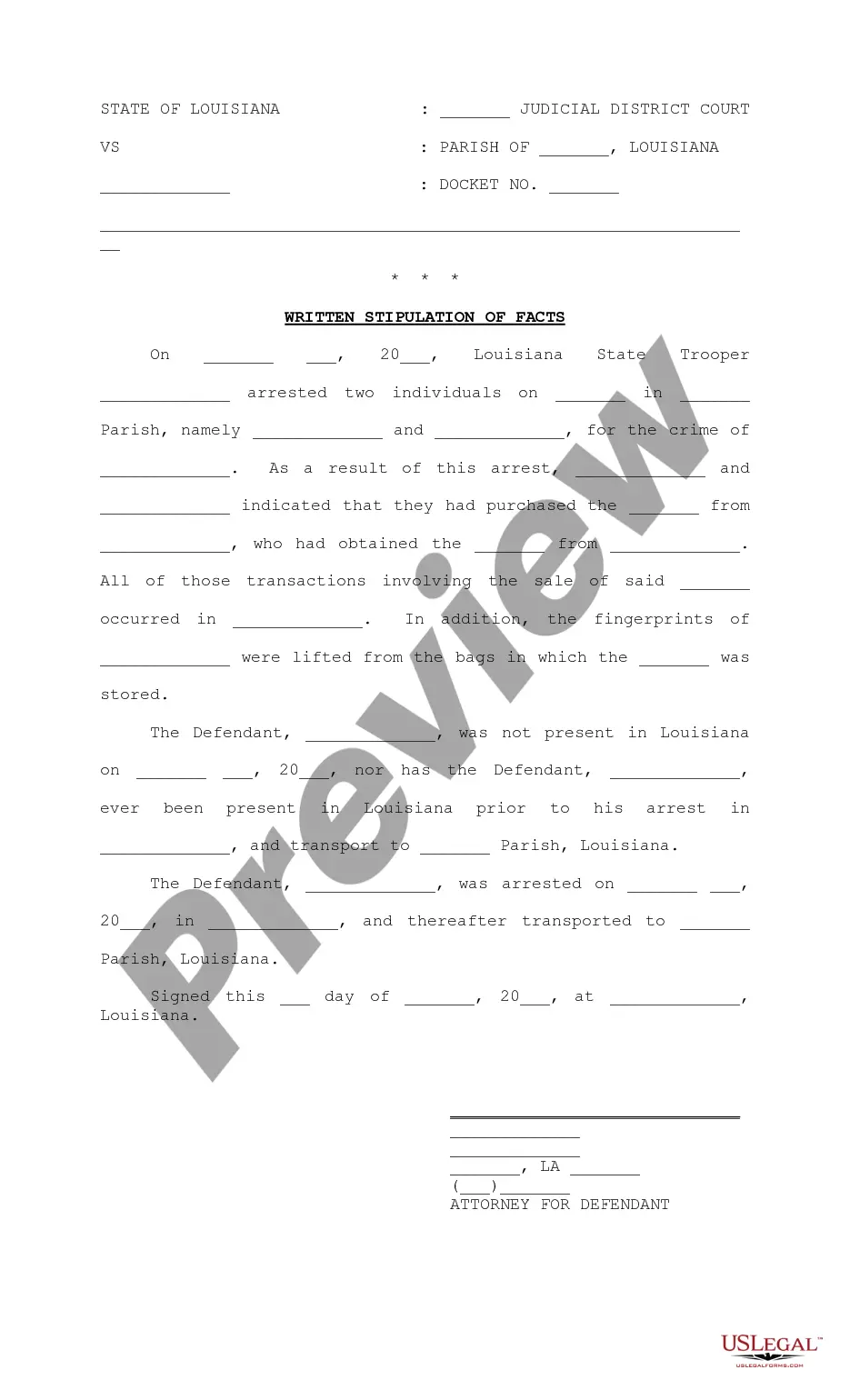
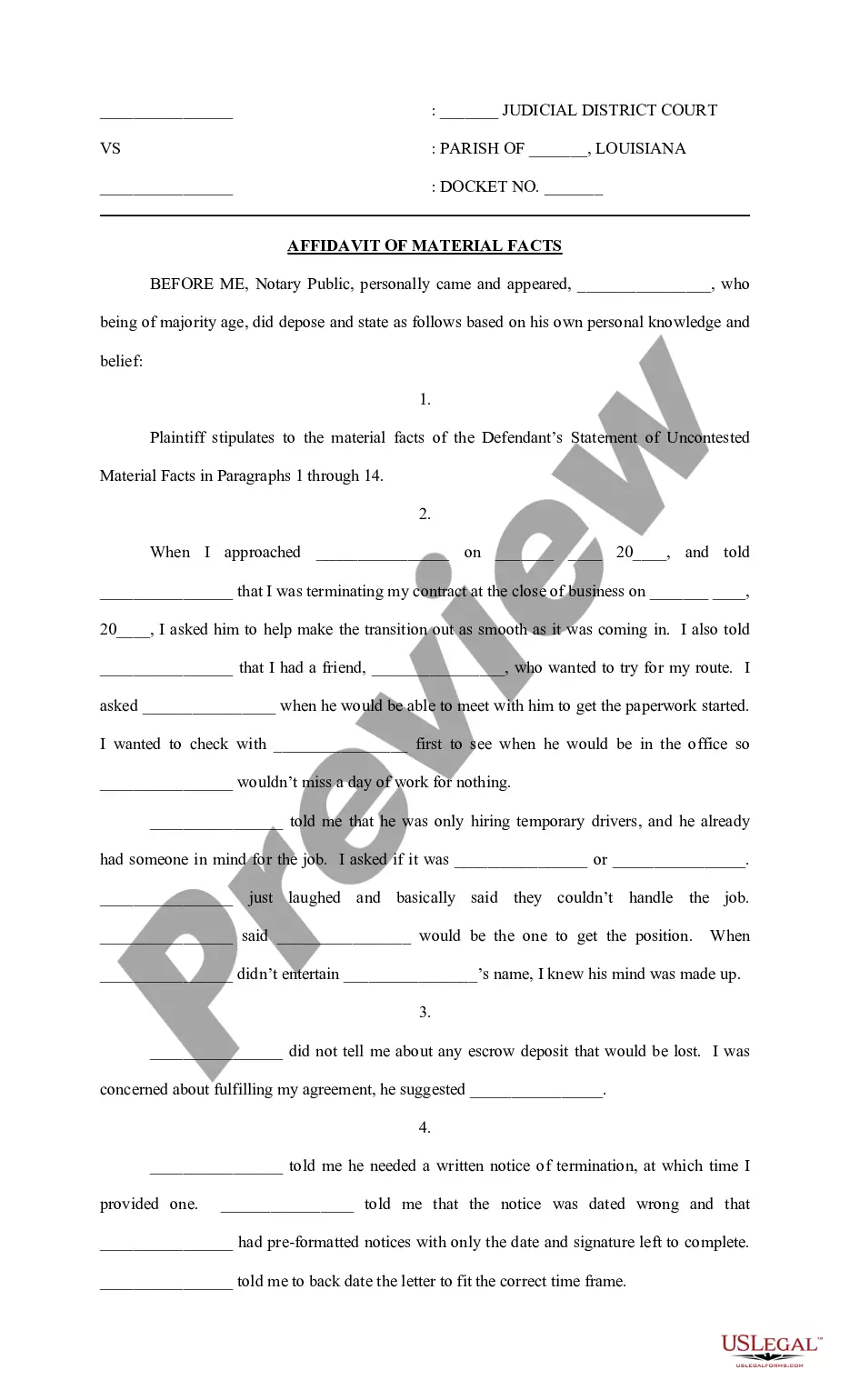
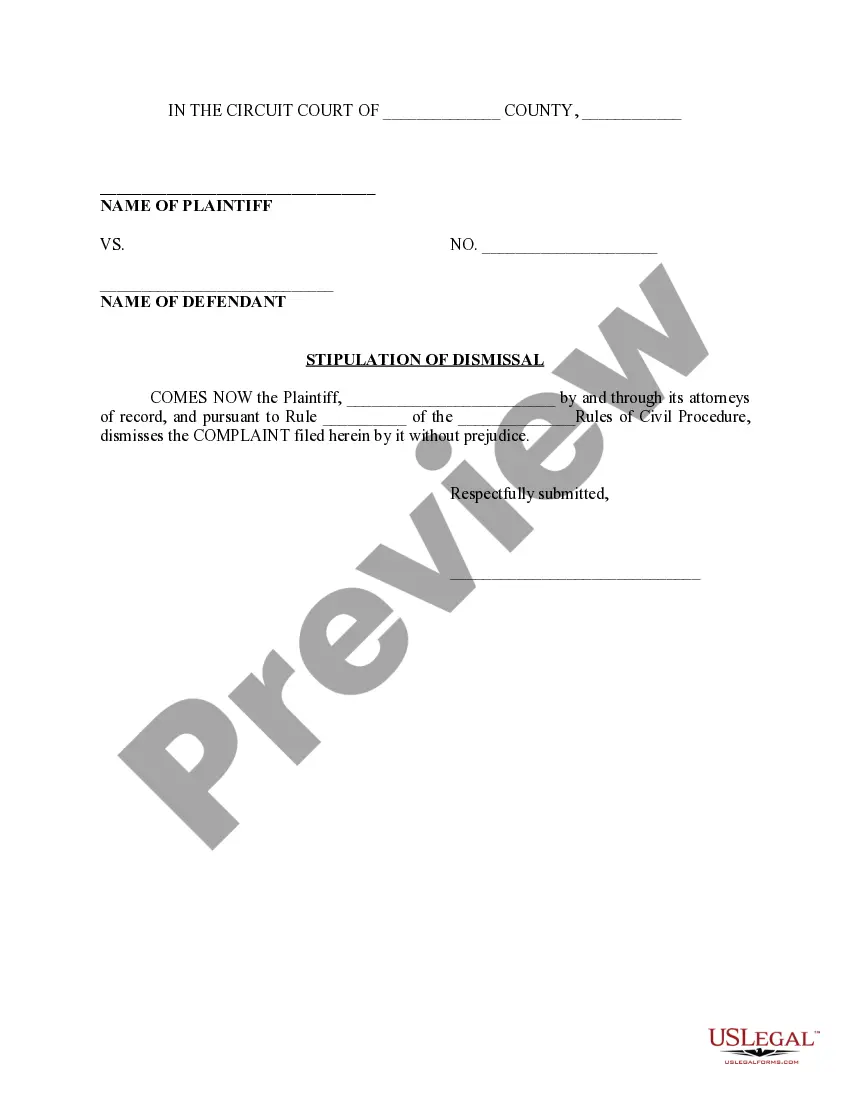
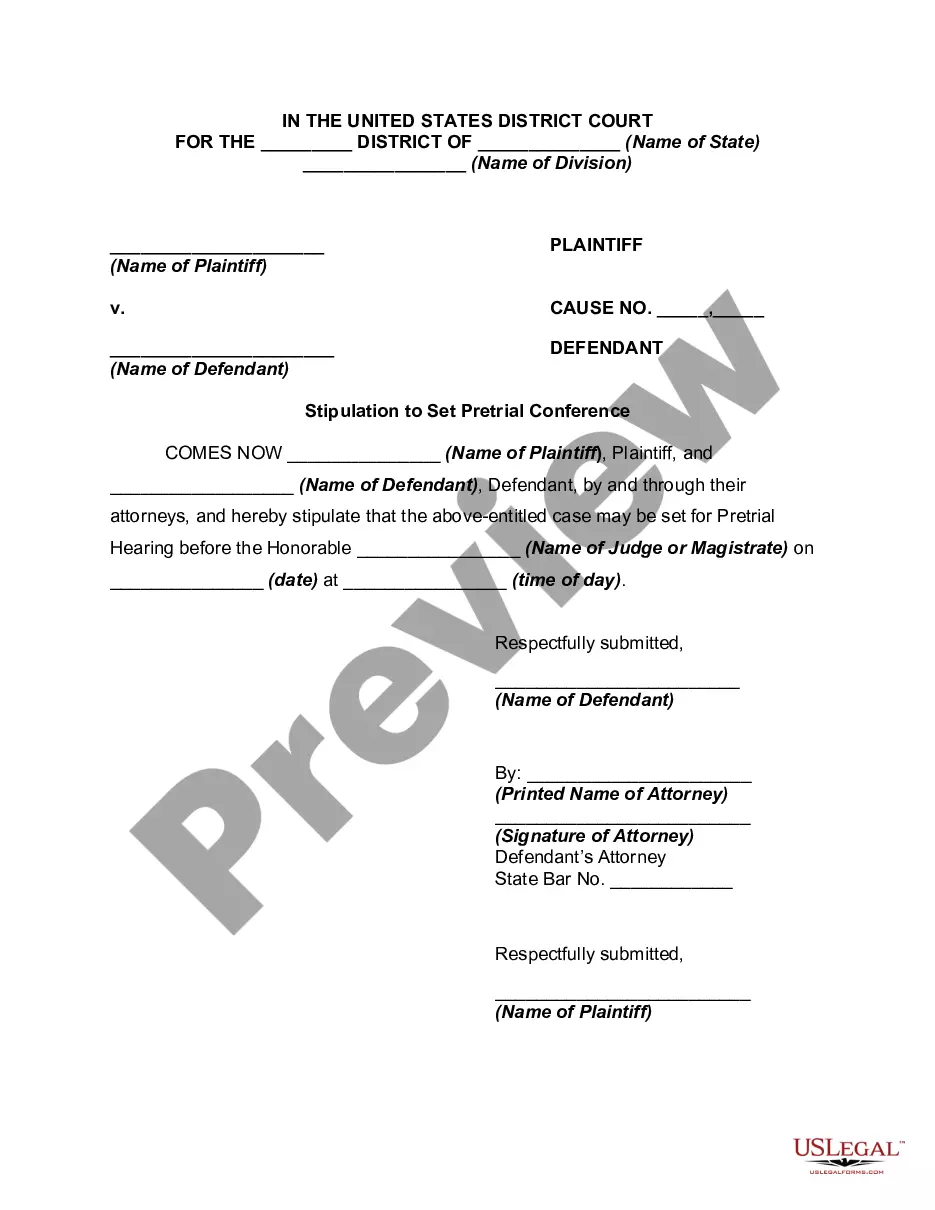
The Written Stipulation of Facts is a legal document that outlines agreed-upon facts in a legal case, which can significantly impact proceedings. This form is typically used to clarify specific details that both parties acknowledge as true, such as a defendant's presence at a crime scene. It differs from other legal forms in that it focuses explicitly on established facts rather than legal arguments or claims.
Key components of this form
- Heading indicating the jurisdiction and court details.
- Date of the stipulation and parties involved in the agreement.
- Specific facts relating to the case being stipulated, including the defendant's presence.
- Signature lines for both the defense counsel and the assistant district attorney.
When to use this form
This form is generally used in criminal cases when the defense and prosecution agree on certain facts, such as the defendant's whereabouts during an alleged crime. It is particularly useful in cases where the evidence may be disputed, and both parties wish to streamline the judicial process by clarifying undisputed matters.
Intended users of this form
The following individuals or parties should consider using the Written Stipulation of Facts:
- Defendants in criminal cases.
- Defense attorneys assisting in the preparation of legal defenses.
- Prosecuting attorneys interested in formalizing agreed facts.
- Judges overseeing criminal cases that require clarity on factual matters.
Instructions for completing this form
- Start by filling in the date and the jurisdiction at the top of the document.
- Identify and list the parties involved, including the names of the defendant and representatives.
- Clearly state the facts that both parties agree upon regarding the case.
- Review the document for accuracy, ensuring all details are correct.
- Obtain signatures from both the defense counsel and the assistant district attorney.
Does this document require notarization?
This form usually doesn’t need to be notarized. However, local laws or specific transactions may require it. Our online notarization service, powered by Notarize, lets you complete it remotely through a secure video session, available 24/7.
Get your form ready online
Our built-in tools help you complete, sign, share, and store your documents in one place.
Make edits, fill in missing information, and update formatting in US Legal Forms—just like you would in MS Word.
Download a copy, print it, send it by email, or mail it via USPS—whatever works best for your next step.
Sign and collect signatures with our SignNow integration. Send to multiple recipients, set reminders, and more. Go Premium to unlock E-Sign.
If this form requires notarization, complete it online through a secure video call—no need to meet a notary in person or wait for an appointment.
We protect your documents and personal data by following strict security and privacy standards.

Make edits, fill in missing information, and update formatting in US Legal Forms—just like you would in MS Word.

Download a copy, print it, send it by email, or mail it via USPS—whatever works best for your next step.

Sign and collect signatures with our SignNow integration. Send to multiple recipients, set reminders, and more. Go Premium to unlock E-Sign.

If this form requires notarization, complete it online through a secure video call—no need to meet a notary in person or wait for an appointment.

We protect your documents and personal data by following strict security and privacy standards.
Avoid these common issues
- Failing to double-check facts included in the stipulation.
- Omitting required signatures from all relevant parties.
- Submitting the form without the necessary court date or docket number.
- Using vague language that does not clearly define the agreed-upon facts.
Why use this form online
- Convenience of accessing and completing the form from anywhere at any time.
- Editable formats allow customization to meet specific case needs.
- Reliable templates drafted by licensed attorneys to ensure legal compliance.
- Secure storage and easy downloading of completed documents.
Looking for another form?

Form popularity
FAQ
A stipulation is an agreement between two parties that is submitted to the judge for approval. It eliminates the need to go to court and have a judge decide an issue. A written Stipulation and Order includes the parties' agreement, both of their notarized signatures, and the judge's signature.
Orders are generally temporary pending the final resolution of the complaint issues by judgment after the trial or by a court-ratified settlement.A 'stipulation' is an agreement between parties that a certain fact may be considered true or accepted, or that a certain procedure may be followed in court.
Figure out what guideline child support amount is. Agree on an amount and other issues. Write up your agreement. Sign your Stipulation (agreement) Turn in your Stipulation to the court for the judge to sign. File your Stipulation after the judge signs it.
Stipulate \\STIP-yuh-layt\\ verb. 1 : to make an agreement or covenant to do or forbear something : contract. 2 : to demand an express term in an agreement. 3 : to specify as a condition or requirement (as of an agreement or offer)
A stipulation is an agreement between two parties that is submitted to the judge for approval.A written Stipulation and Order includes the parties' agreement, both of their notarized signatures, and the judge's signature. Once signed by the judge, the agreement becomes a legally binding order.
First of all, it's highly advisable that you refrain from signing any such document without first having it reviewed by your own attorney. Secondly, based on the limited information you have provided in your post, the stipulation will actually get filed with the court once it is signed by all necessary parties.
Stipulated agreements can be modified after a party shows that any change of circumstance has occurred. With litigated judgments, a party will only be able to modify the child custody order if they can show a significantly changed circumstance warranting a modification.