Louisiana Affidavit regarding request for return of improperly seized property
What this document covers
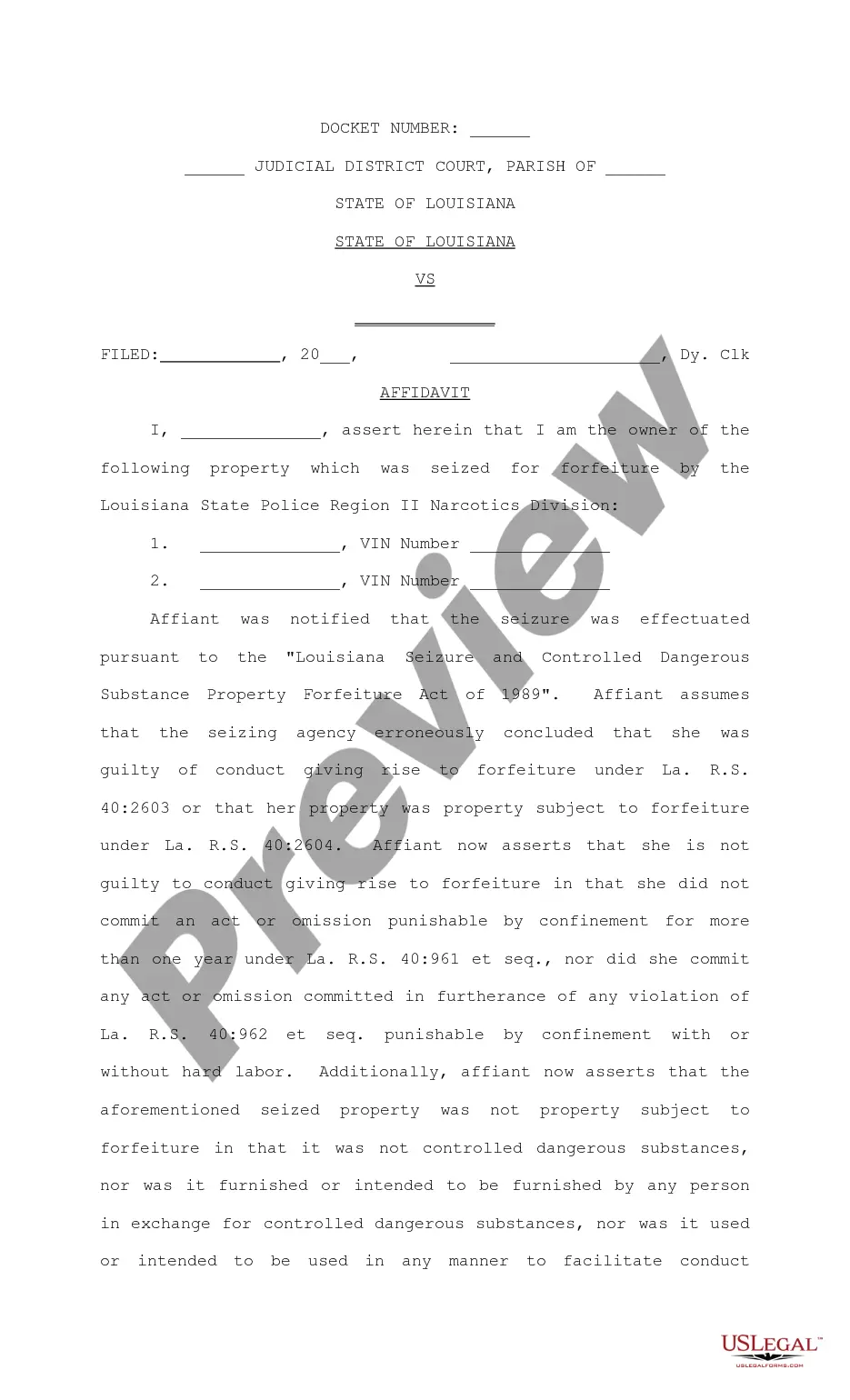
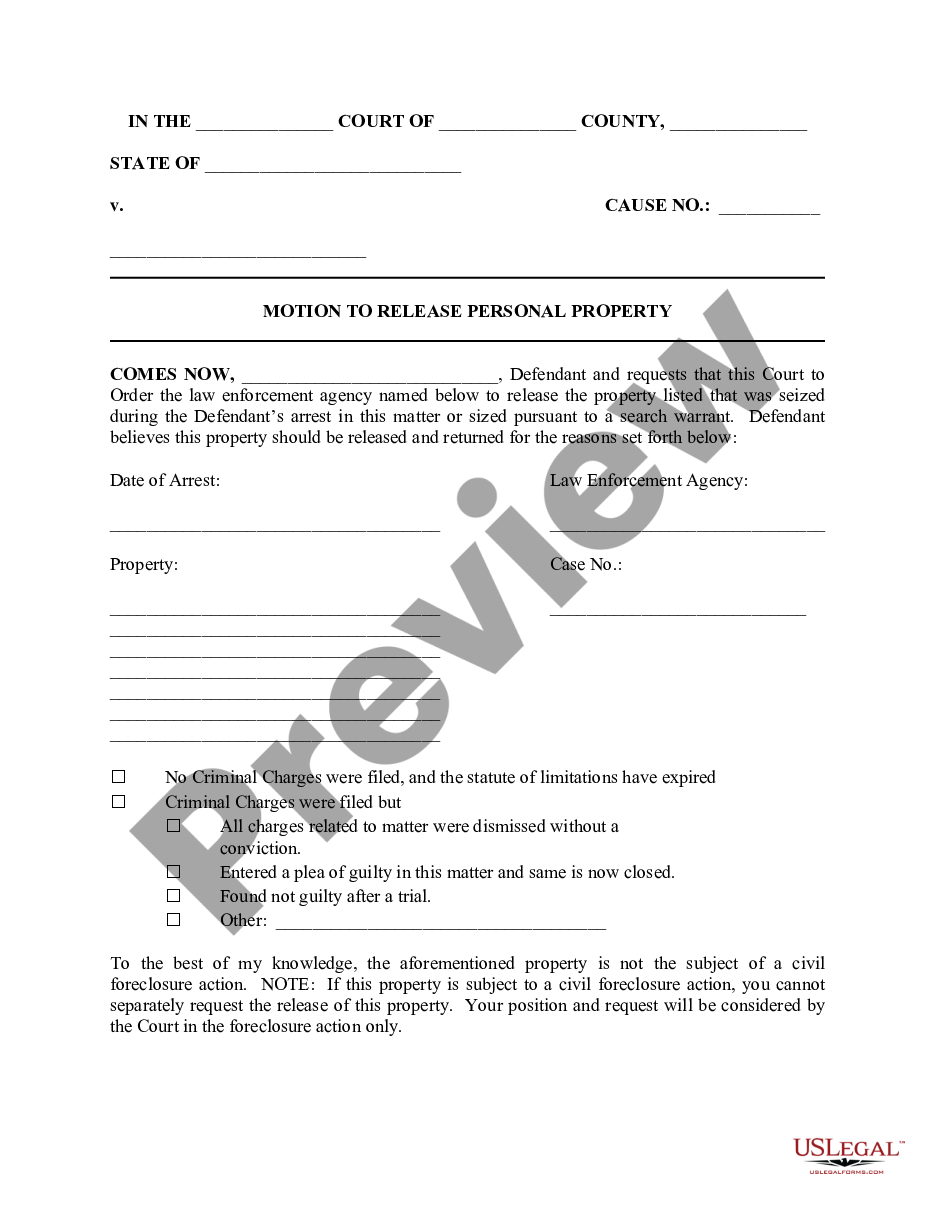
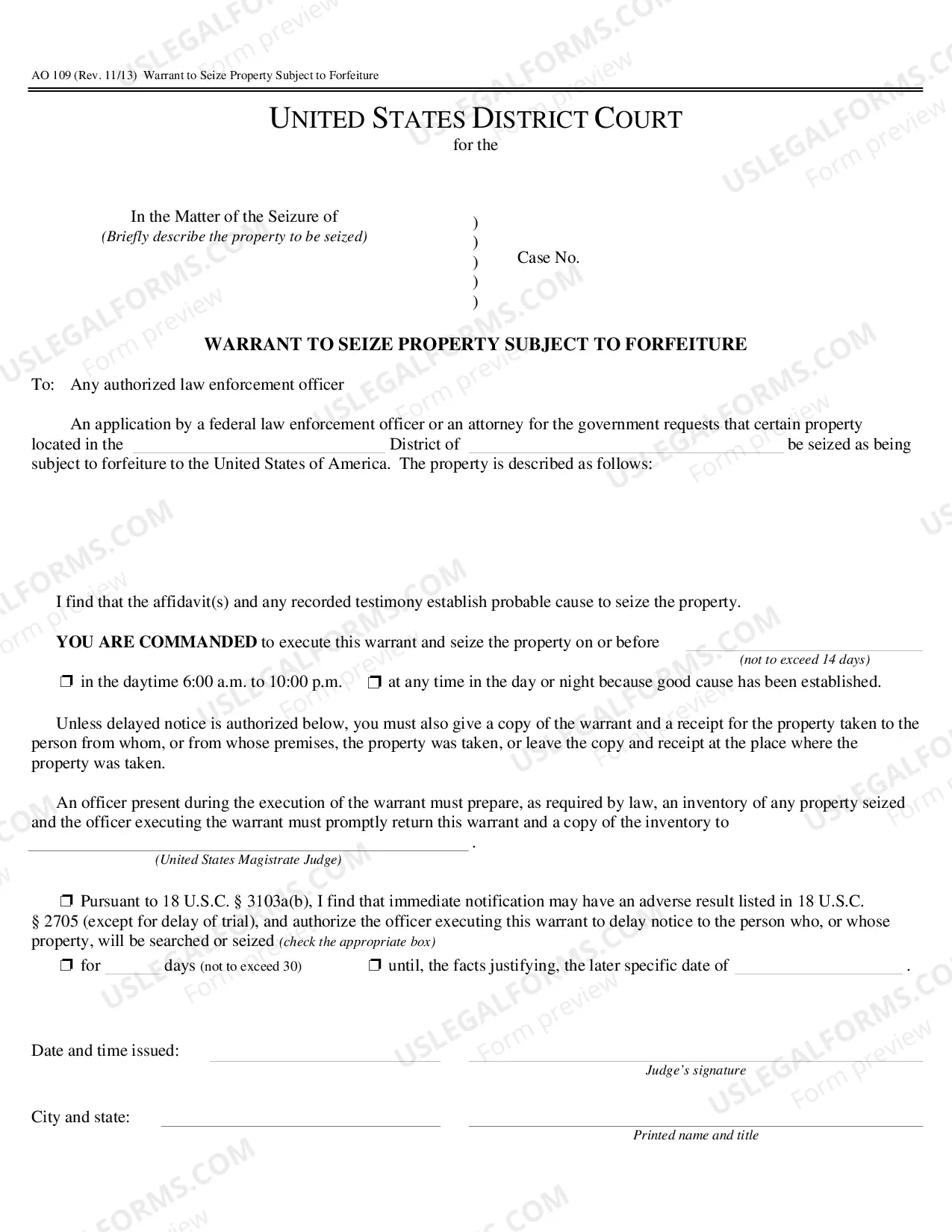
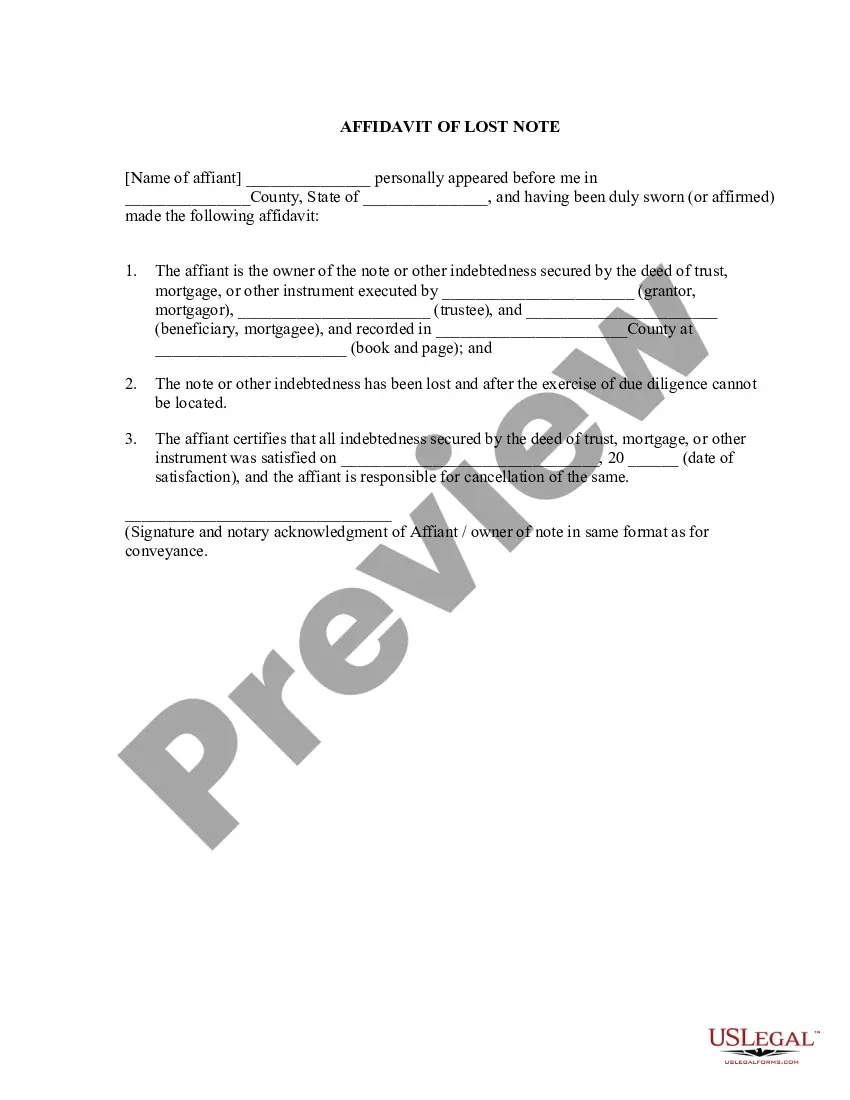
The Affidavit regarding request for return of improperly seized property is a legal document used to reclaim ownership of property that has been seized by law enforcement. This form is specifically designed for individuals who believe their property was wrongfully taken under state forfeiture laws, such as those outlined in Louisiana statutes. It serves as a formal request to the court for the return of the seized items and helps to clarify that the affiant did not engage in conduct warranting forfeiture.
Form components explained
- Identification of the affiant as the property owner.
- Details of the seized property, including VIN numbers.
- Assertion of the claim that the seizure was unwarranted.
- Statement explaining the basis for requesting the return of the property.
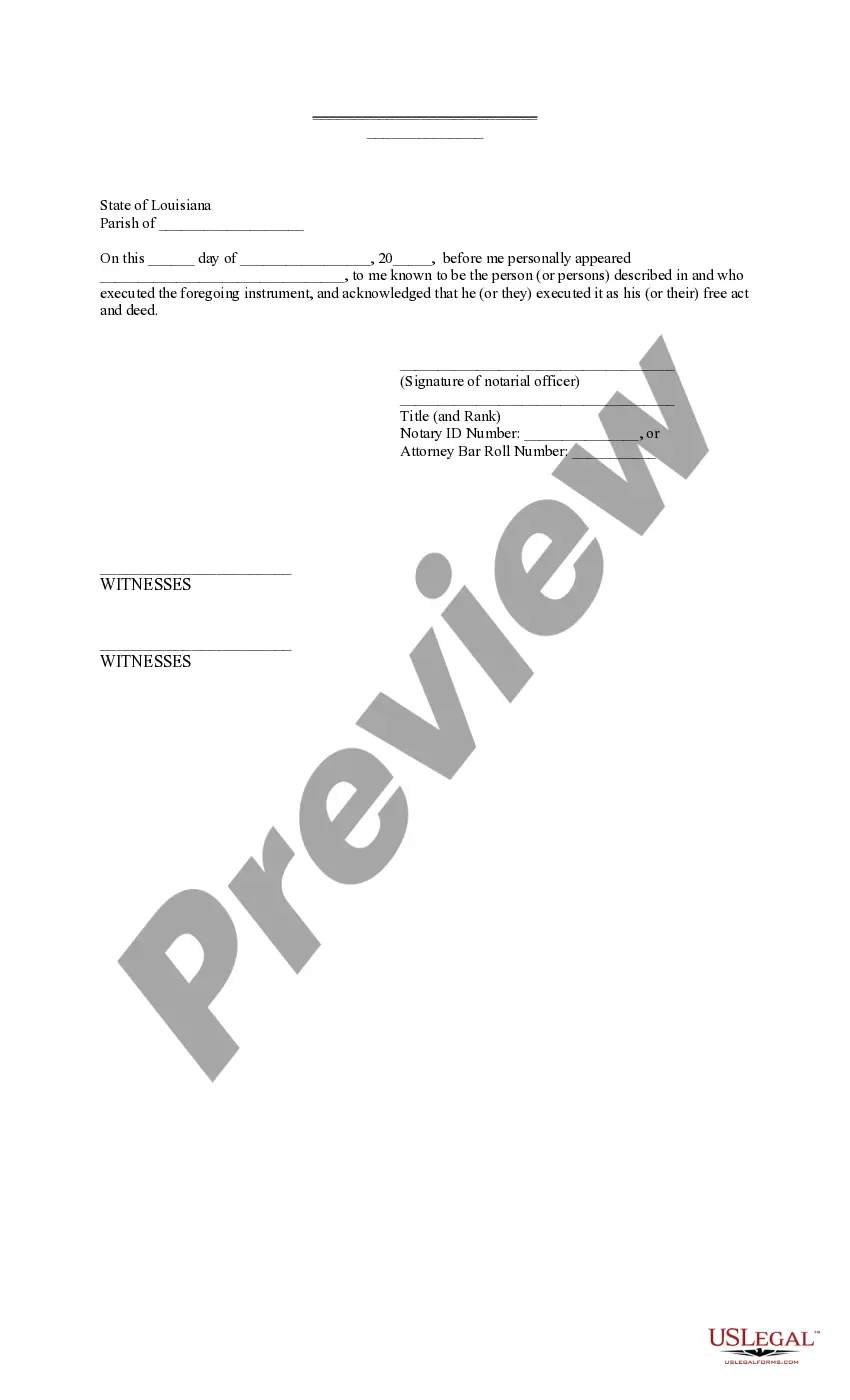
- Signature of the affiant and notarization details.
When to use this document
This form is used when you have had property, such as vehicles or other assets, seized by law enforcement and you believe that the seizure was made in error. If you were not involved in any illegal activities that triggered the forfeiture laws, this affidavit can help you formally request the return of your property.
Who can use this document
- Individuals whose property has been seized by law enforcement.
- Property owners who believe their assets were taken without just cause.
- Those who want to challenge the legality of the seizure and reclaim their property.
How to complete this form
- Identify yourself as the affiant and provide your contact information.
- List the seized property, including specific identifiers like VIN numbers.
- Clearly state why you believe the seizure was made in error.
- Include a declaration regarding your lack of involvement in illegal activities.
- Sign the document in front of a notary public.
Is notarization required?
This document requires notarization to meet legal standards. US Legal Forms provides secure online notarization powered by Notarize, allowing you to complete the process through a verified video call, available 24/7.
Get your form ready online
Our built-in tools help you complete, sign, share, and store your documents in one place.
Make edits, fill in missing information, and update formatting in US Legal Forms—just like you would in MS Word.
Download a copy, print it, send it by email, or mail it via USPS—whatever works best for your next step.
Sign and collect signatures with our SignNow integration. Send to multiple recipients, set reminders, and more. Go Premium to unlock E-Sign.
If this form requires notarization, complete it online through a secure video call—no need to meet a notary in person or wait for an appointment.
We protect your documents and personal data by following strict security and privacy standards.

Make edits, fill in missing information, and update formatting in US Legal Forms—just like you would in MS Word.

Download a copy, print it, send it by email, or mail it via USPS—whatever works best for your next step.

Sign and collect signatures with our SignNow integration. Send to multiple recipients, set reminders, and more. Go Premium to unlock E-Sign.

If this form requires notarization, complete it online through a secure video call—no need to meet a notary in person or wait for an appointment.

We protect your documents and personal data by following strict security and privacy standards.
Common mistakes to avoid
- Failing to provide complete details about the seized property.
- Not signing or improperly signing the document before notarization.
- Incorrectly asserting ownership or involvement in illegal conduct.
Advantages of online completion
- Convenient access to legal documents without needing to visit an attorney.
- Editable templates that allow you to personalize your affidavit quickly.
- Secure storage of your forms, making it easy to retrieve and submit as needed.
Looking for another form?


Form popularity
FAQ
The Louisiana Affidavit regarding request for return of improperly seized property is a sworn document used to reclaim ownership of property seized by law enforcement under Louisiana forfeiture laws. It formally requests the court to return the items and asserts that the affiant did not engage in conduct warranting forfeiture. Use it when you believe the seizure was in error and you want the court to return your property.
Yes, this form requires identification of the affiant as the property owner. Beyond that, standard ID requirements are set by the filing court and notarization rules. Bring government-issued ID when submitting and at notarization; if you cannot provide acceptable ID, consult an attorney for guidance on how to proceed.
This form does not address evidentiary rules; it is a civil procedure document used to request the return of seized property. It requires identifying the affiant, detailing the seized property (including VINs), stating why the seizure was unwarranted, and providing a signature with notarization. For evidence standards, consult a licensed attorney.
This form does not cover 5150 mental health holds; it's used to request return of improperly seized property. It is intended for individuals whose assets were seized and who believe the seizure was improper. If you need information on that law, seek appropriate legal resources.
This form page does not provide details on Article 195.1; it is a standalone civil procedure document designed to reclaim seized property under Louisiana forfeiture laws. For the exact text and how it interacts with your case, consult the Louisiana Code of Civil Procedure or a licensed attorney.
This form is tailored to Louisiana's forfeiture framework. It requires identification of the affiant as the property owner, details the seized property (including VINs), and includes a notarization step, all designed to be filed in Louisiana courts to reclaim property believed to be improperly seized.