Mississippi Oath of administration
Understanding this form
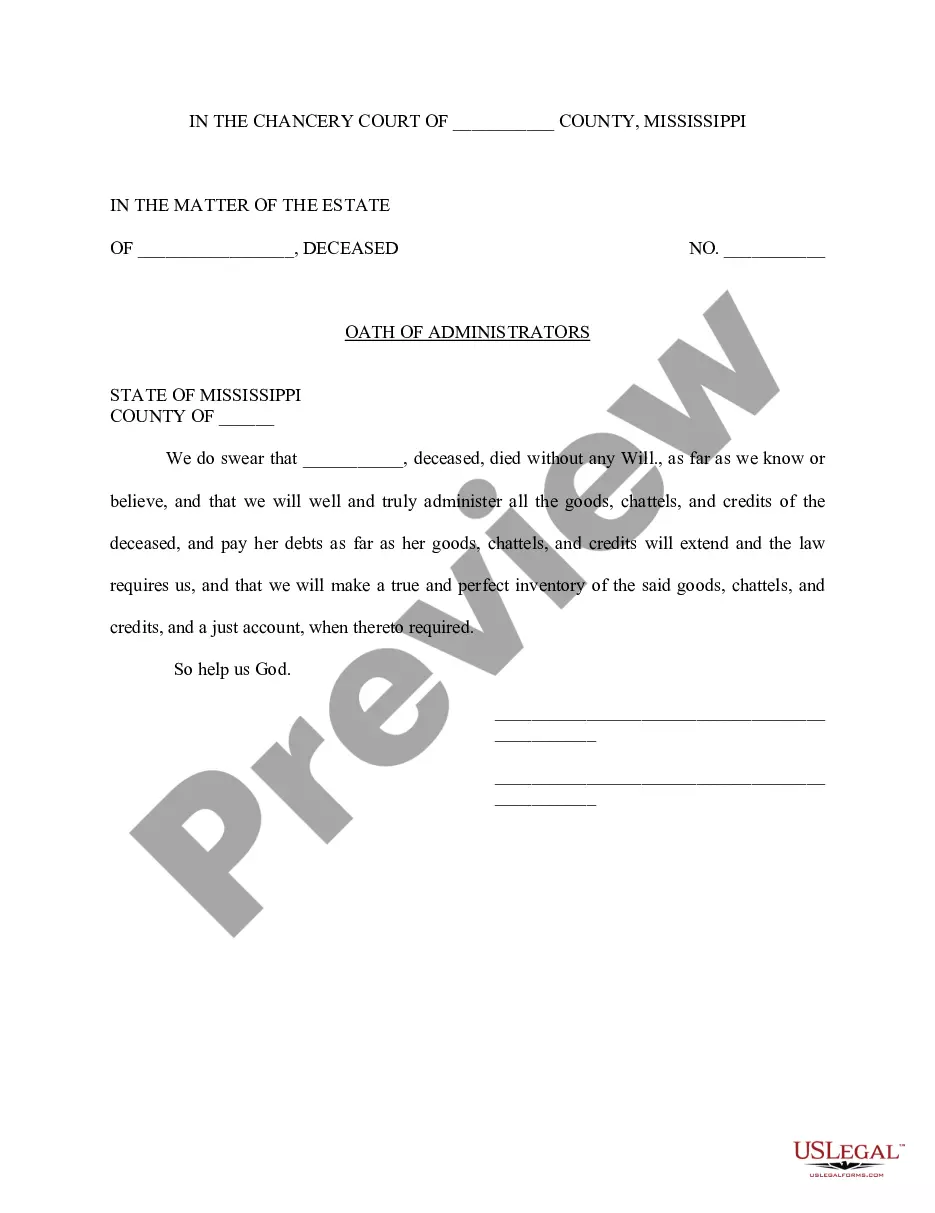
The Oath of Administration is a legal document used in Mississippi when a person has been appointed as the administrator of an estate of someone who has passed away without a valid will. This form affirms the administrator's commitment to manage the estate according to state law, ensuring debts are paid and an accurate inventory is provided. Unlike other estate documents, this oath specifically addresses the administration responsibilities of an estate where no will exists.
Form components explained
- Decedent's information: Space to enter the name of the deceased.
- Affirmation clause: Statement confirming the death without a will and the pledge to administer the estate according to the law.
- Signature lines: Signature fields for the administrator, requiring sworn testimony.
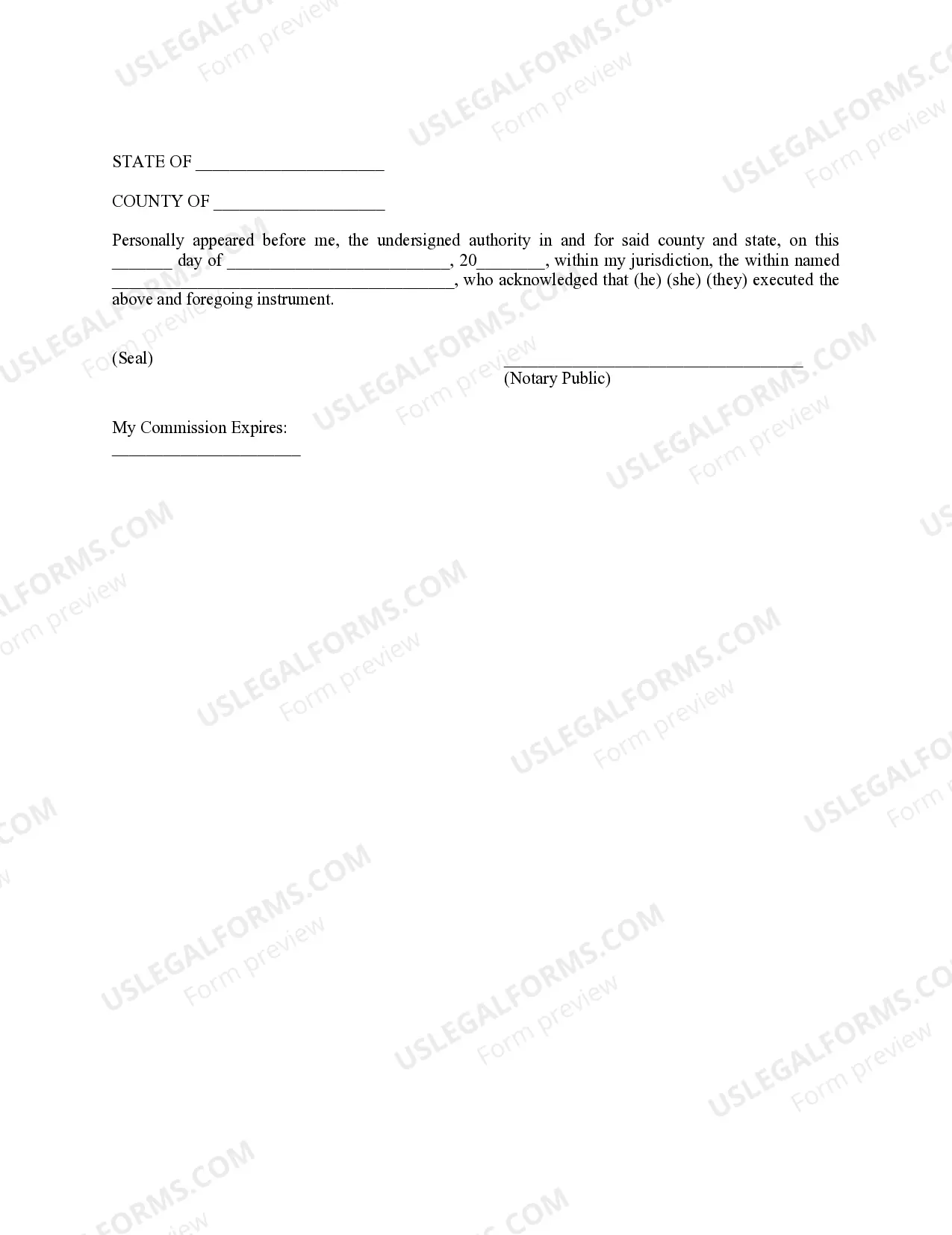
- Notary section: Area for the notary public to acknowledge the oath.
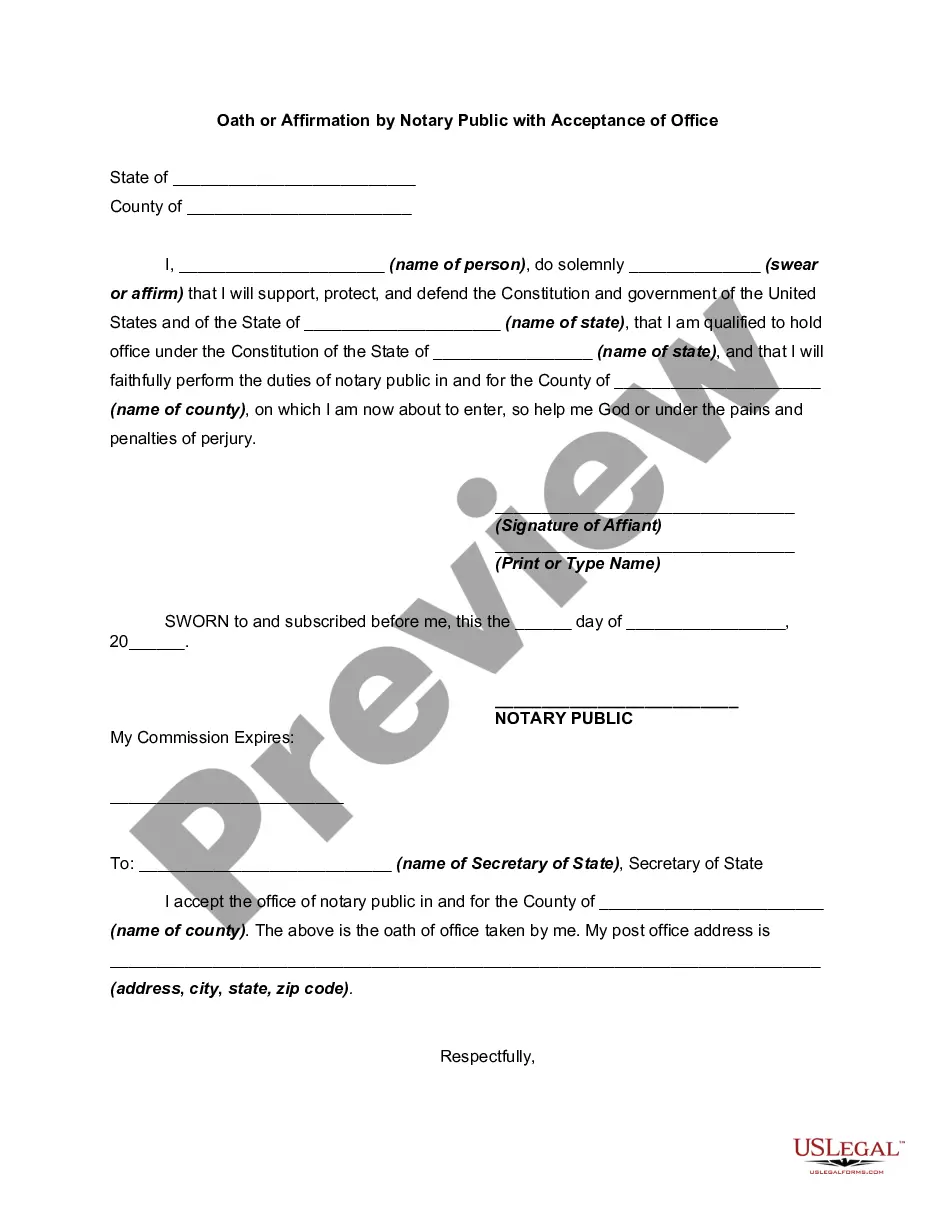
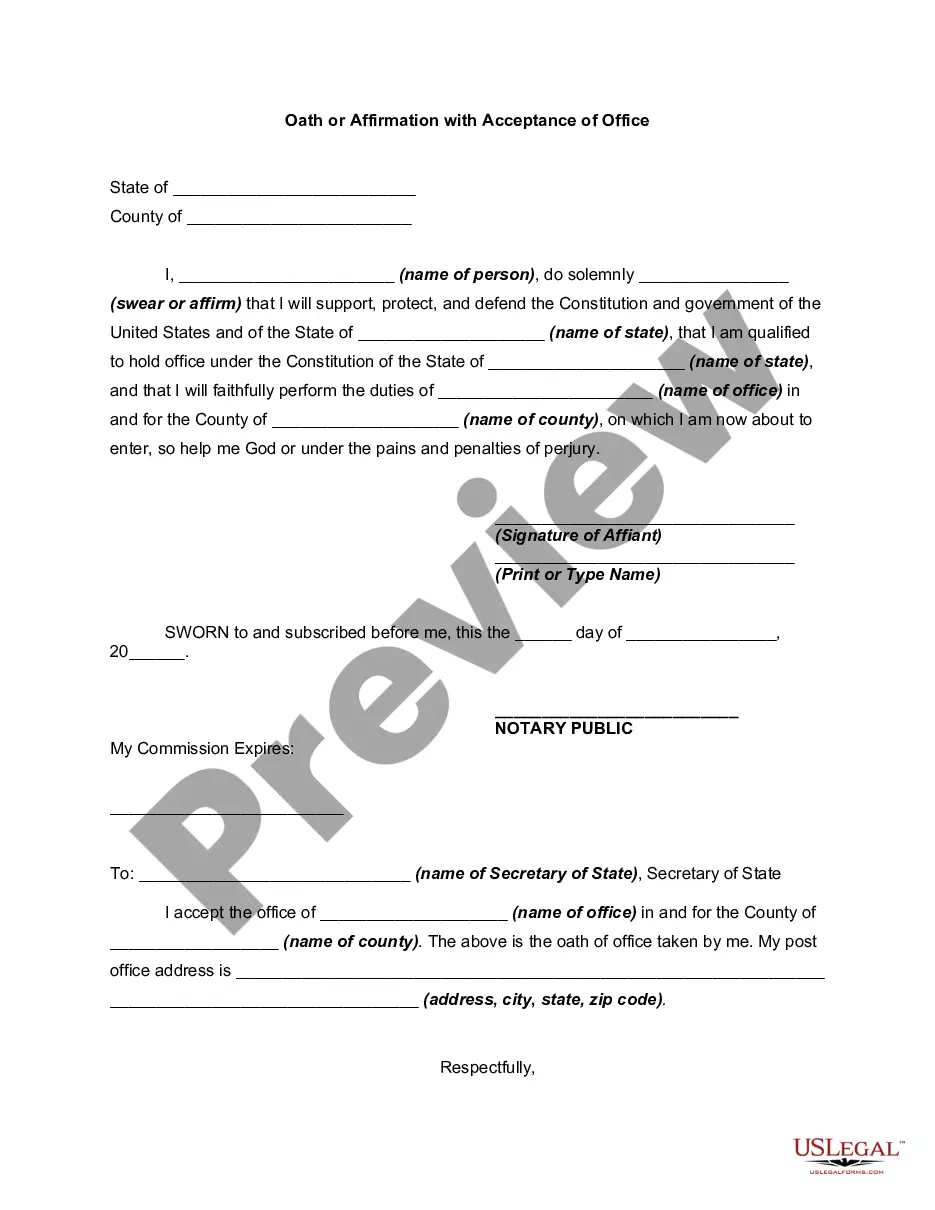

When to use this document
This form is needed when someone is appointed as the administrator of an estate for a deceased individual who did not leave a will. It is typically used during the probate process to validate the administrator's authority to manage the deceased's assets, pay debts, and ensure the lawful distribution of the estate.
Who should use this form
- Individuals appointed as the administrator of an estate in Mississippi.
- Heirs or beneficiaries of the deceased who need to ensure the estate is properly managed.
- Legal representatives acting on behalf of the administrator.
How to prepare this document
- Enter the name of the deceased in the designated section.
- Confirm the statement regarding the absence of a will.
- Sign the form in the presence of a notary public.
- Have the notary public complete their section, including their signature and commission expiration date.
Notarization guidance
Yes, this form must be notarized to be legally valid. This ensures that the administrator's oath is properly sworn and recognized by the state. US Legal Forms offers integrated online notarization, allowing you to complete this process securely and conveniently through a video call.
Get your form ready online
Our built-in tools help you complete, sign, share, and store your documents in one place.
Make edits, fill in missing information, and update formatting in US Legal Forms—just like you would in MS Word.
Download a copy, print it, send it by email, or mail it via USPS—whatever works best for your next step.
Sign and collect signatures with our SignNow integration. Send to multiple recipients, set reminders, and more. Go Premium to unlock E-Sign.
If this form requires notarization, complete it online through a secure video call—no need to meet a notary in person or wait for an appointment.
We protect your documents and personal data by following strict security and privacy standards.

Make edits, fill in missing information, and update formatting in US Legal Forms—just like you would in MS Word.

Download a copy, print it, send it by email, or mail it via USPS—whatever works best for your next step.

Sign and collect signatures with our SignNow integration. Send to multiple recipients, set reminders, and more. Go Premium to unlock E-Sign.

If this form requires notarization, complete it online through a secure video call—no need to meet a notary in person or wait for an appointment.

We protect your documents and personal data by following strict security and privacy standards.
Common mistakes
- Failing to provide the correct name of the deceased.
- Omitting the signature of the administrator.
- Not having the document notarized properly.
Why use this form online
- Instant access to the form and easy download for immediate use.
- Convenient editing options to customize the form for your specific needs.
- Reliability of templates drafted by licensed attorneys, ensuring compliance with legal standards.
What to keep in mind
- The Oath of Administration is essential for managing an estate without a will in Mississippi.
- It must be signed and notarized to have legal standing.
- Using this form correctly ensures compliance with state probate laws.
Looking for another form?
Form popularity
FAQ
The Mississippi Oath of Administration is a probate form used when a person is appointed administrator of an estate where the decedent died without a valid will. It affirms the administrator's commitment to administer the estate under Mississippi law, pay debts, and provide an accurate inventory. The form includes the decedent's information, an affirmation clause, signature lines for sworn testimony, and a notary section.
During probate, the administrator must act within Mississippi law and under the oath. Do not take actions outside the administrator's authority, misrepresent assets or debts, delay inventories, or distribute assets before debts and claims are resolved. The Mississippi Oath of Administration establishes sworn duties to keep accurate records and follow the law.
Common probate mistakes include failing to file required papers on time, not preparing a complete inventory, overlooking creditors, and distributing assets before debts are settled. The Mississippi Oath of Administration requires the administrator to manage the estate according to law and keep sworn, accurate records during the probate process.
Timing after probate varies by case and court rules in Mississippi. Some matters require waiting periods before certain actions or distributions, and the administrator must act under the oath to manage assets appropriately. Always confirm the exact waiting periods with the probate court or a licensed attorney.
The biggest mistake with wills is assuming they always govern asset transfer. This form, the Mississippi Oath of Administration, applies when there is no will, appointing an administrator who swears to administer the estate according to Mississippi law, pay debts, and prepare an accurate inventory.
The Mississippi Oath of Administration is used when the decedent died without a valid will, appointing an administrator to manage the estate under state law. An executor's oath, by contrast, is used when there is a will naming someone to administer according to the will’s terms.