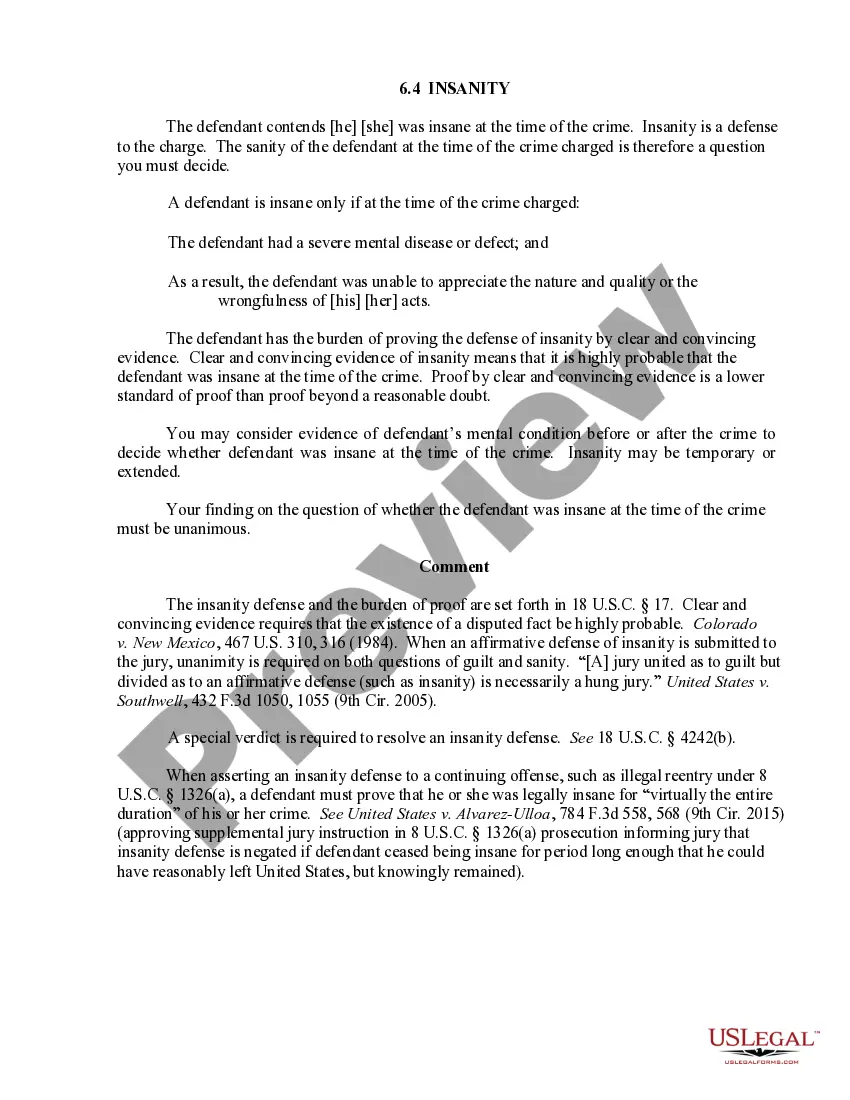
Kentucky Invention Nonexclusive License Agreement
Description
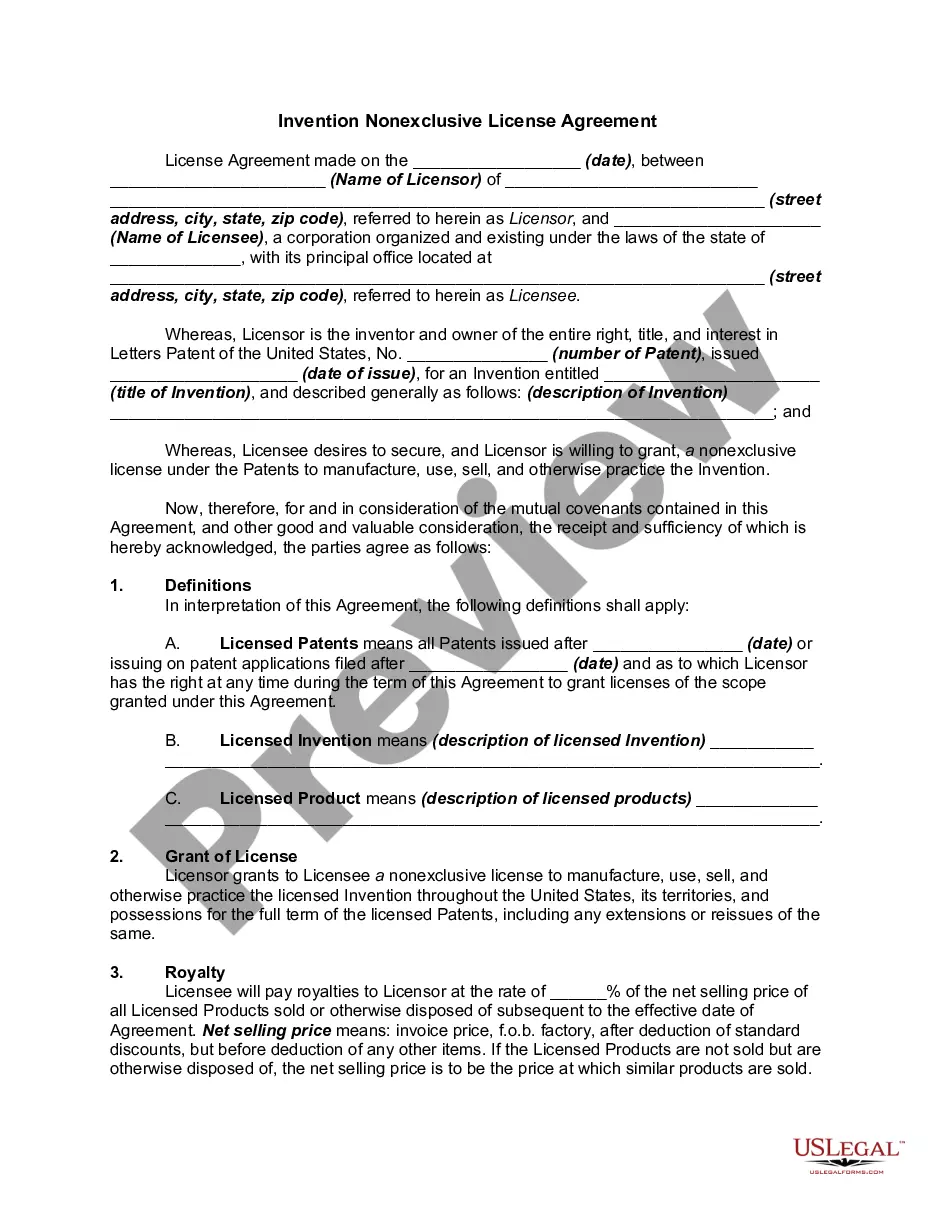
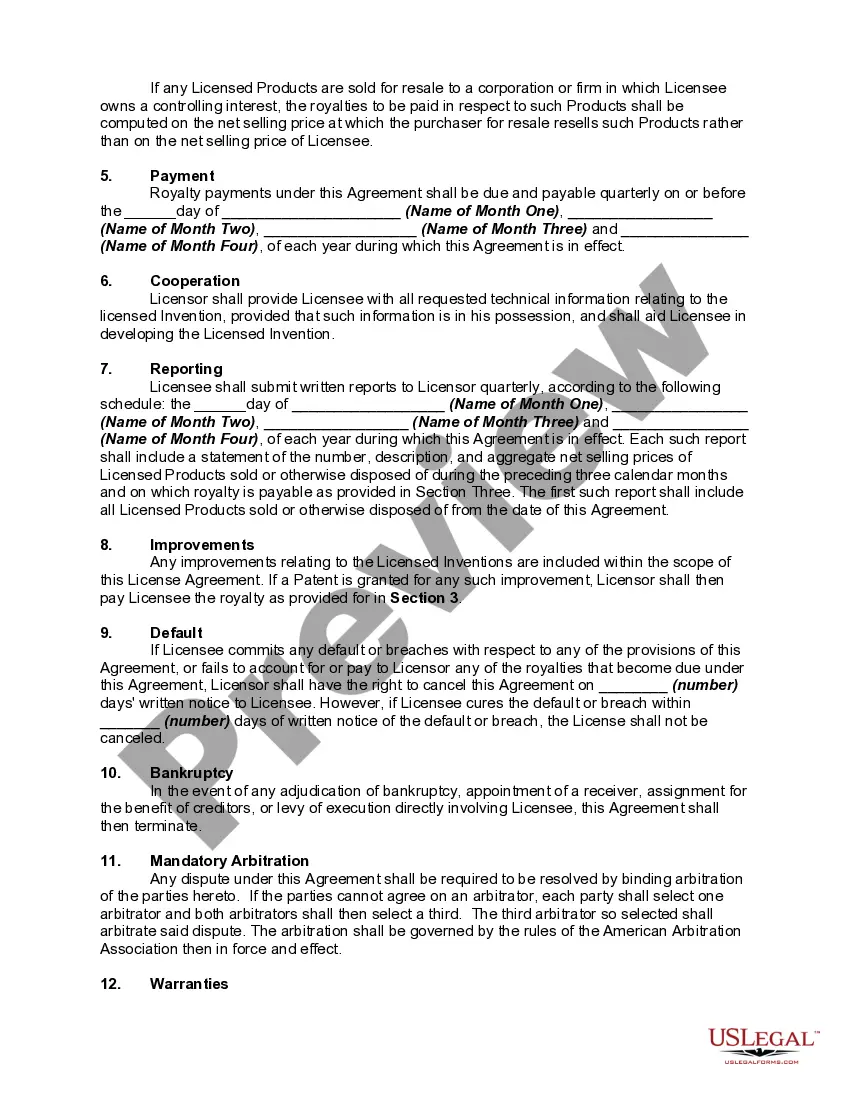
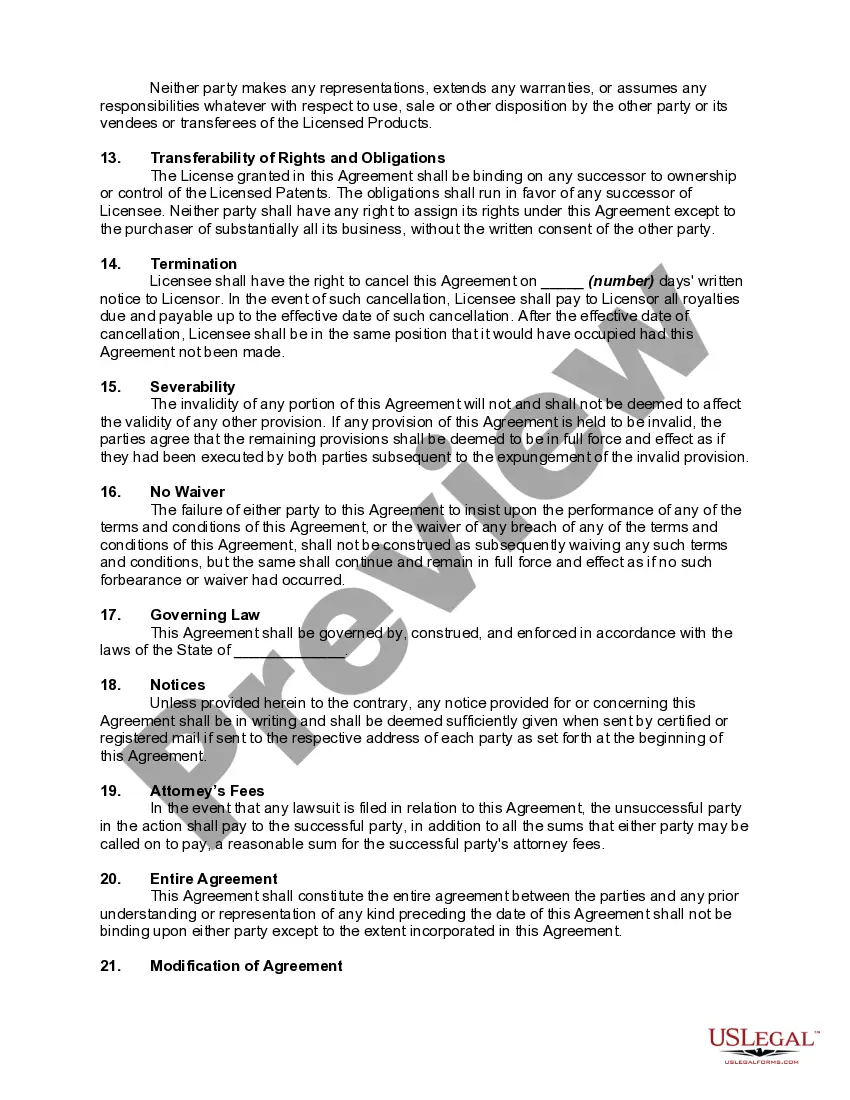
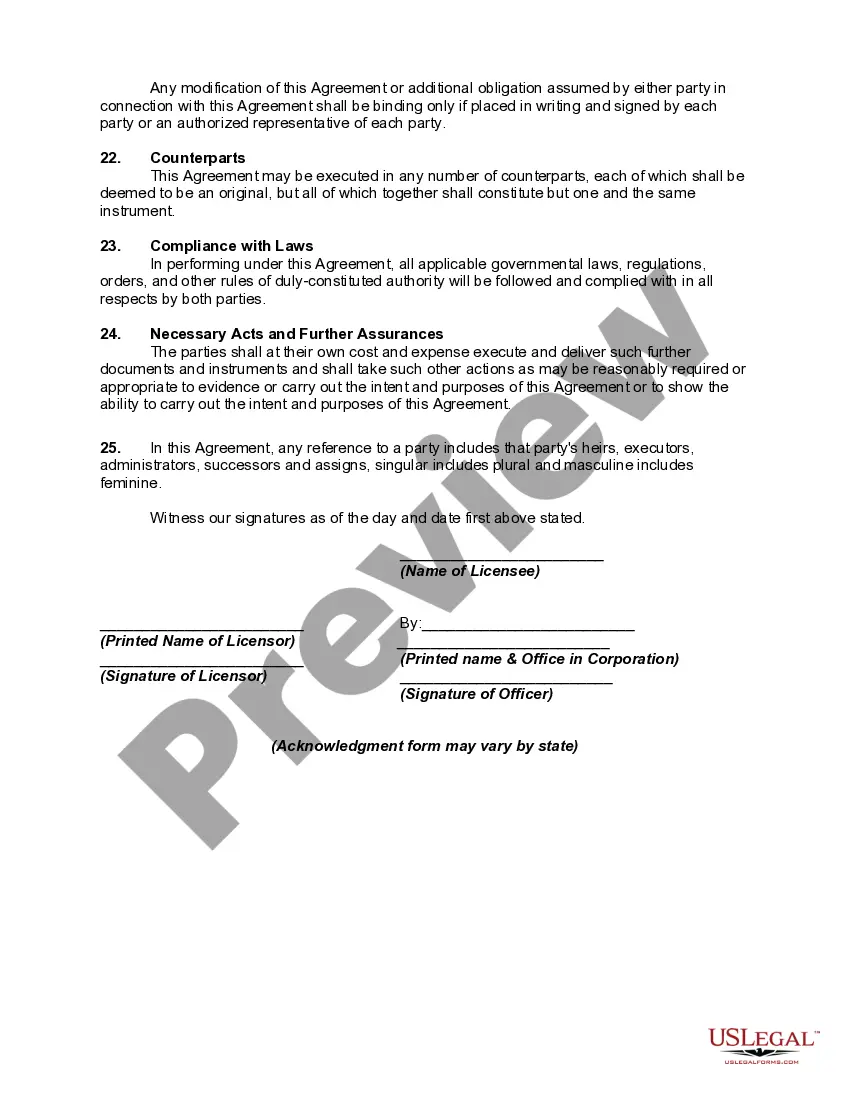
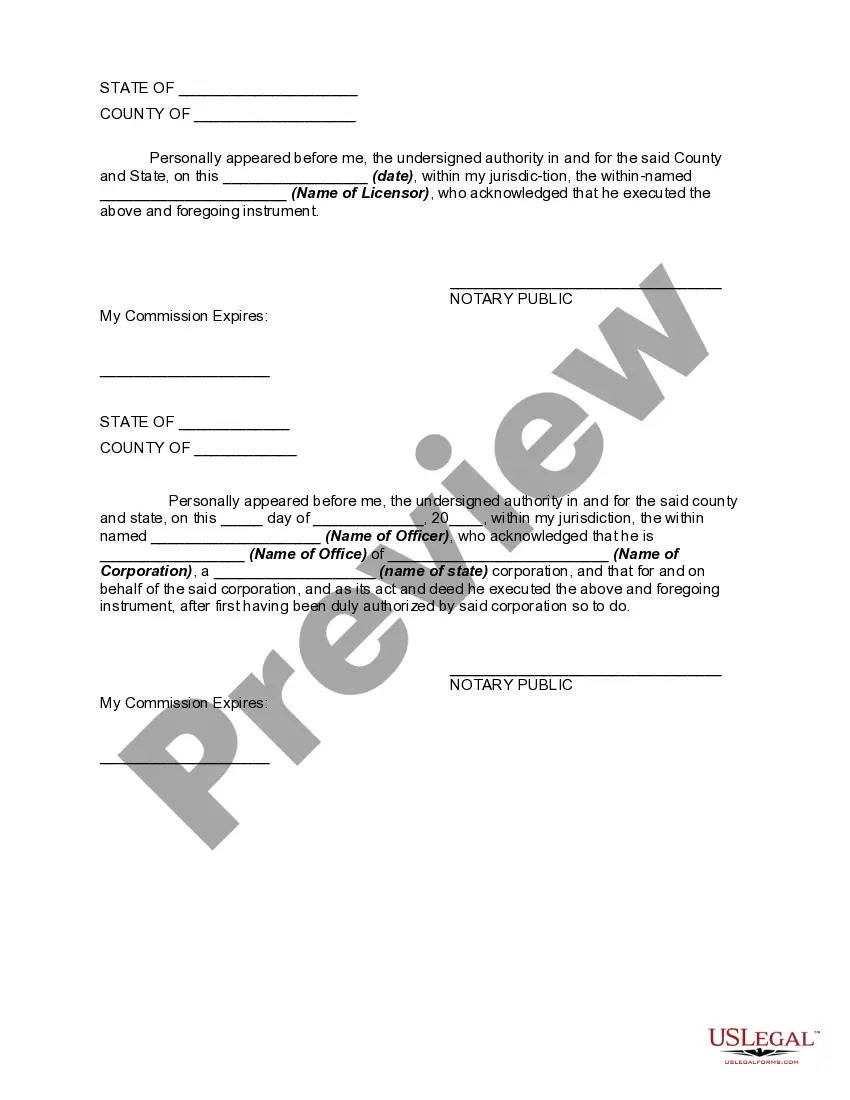
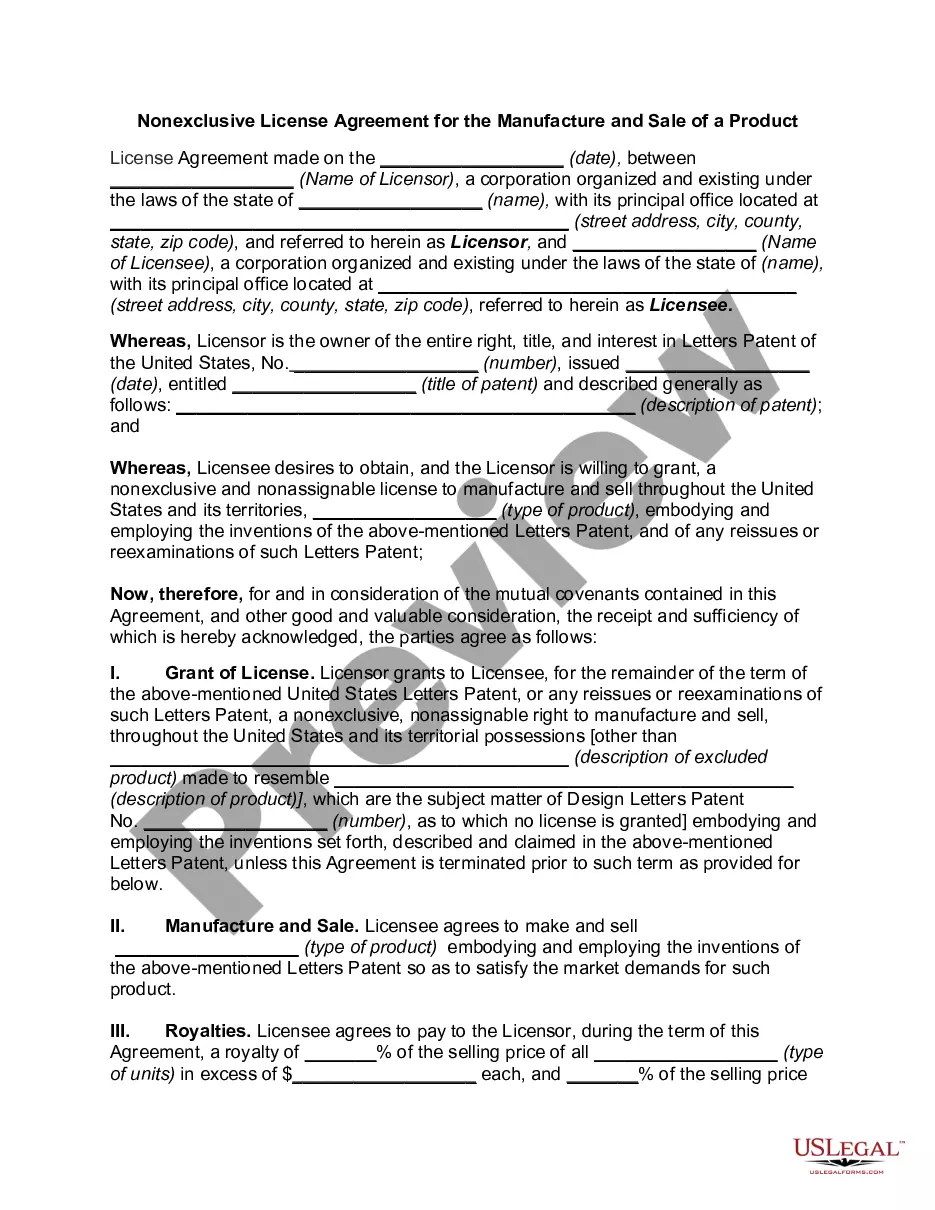
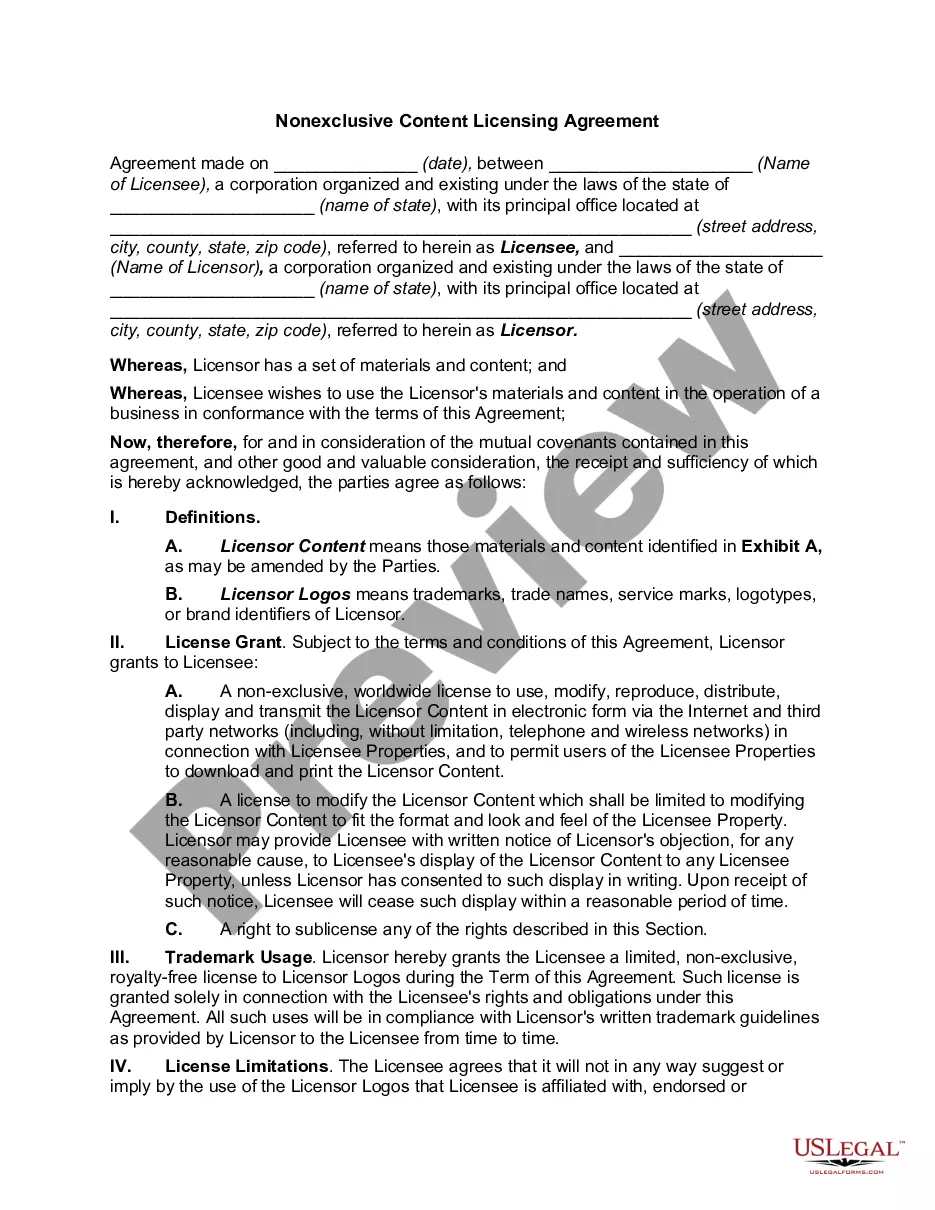
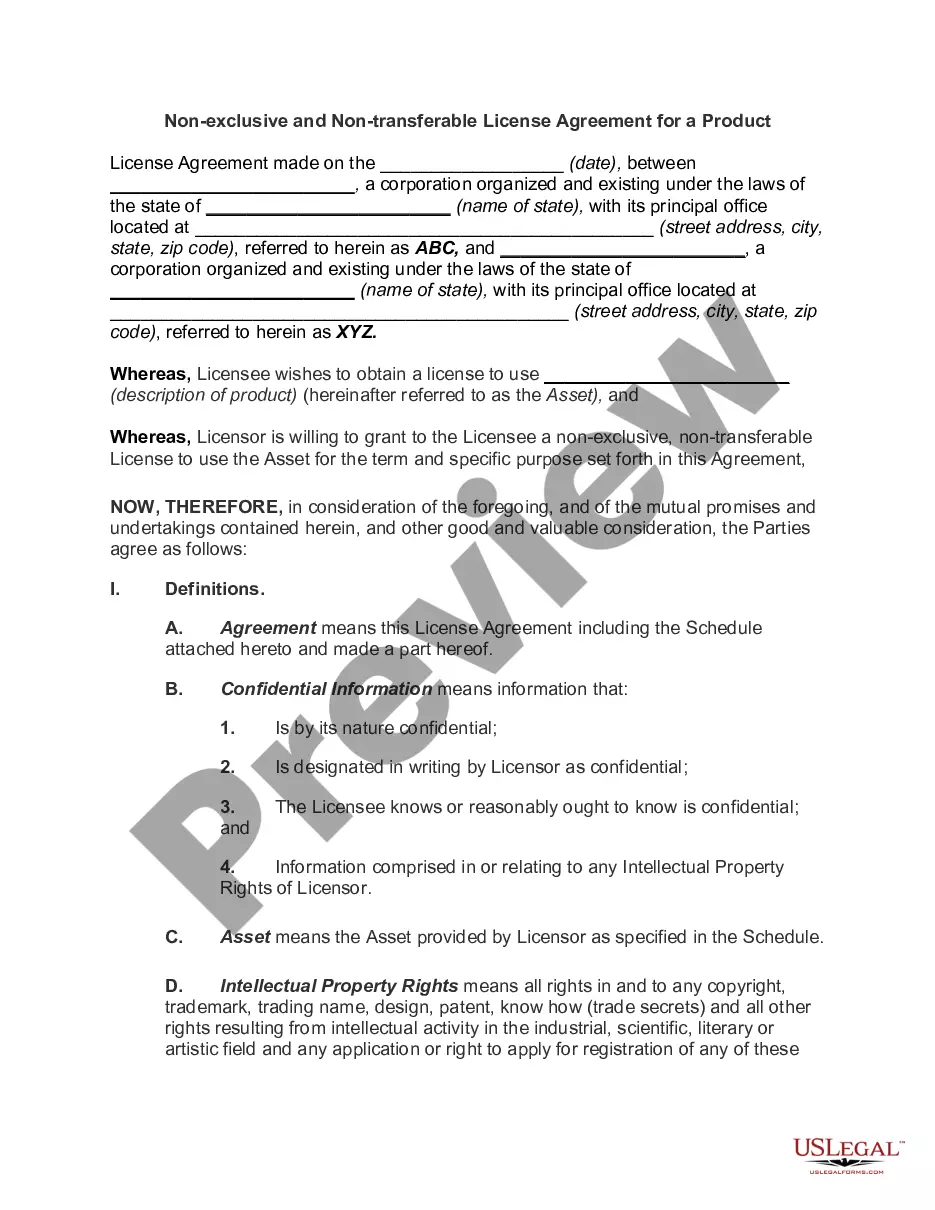
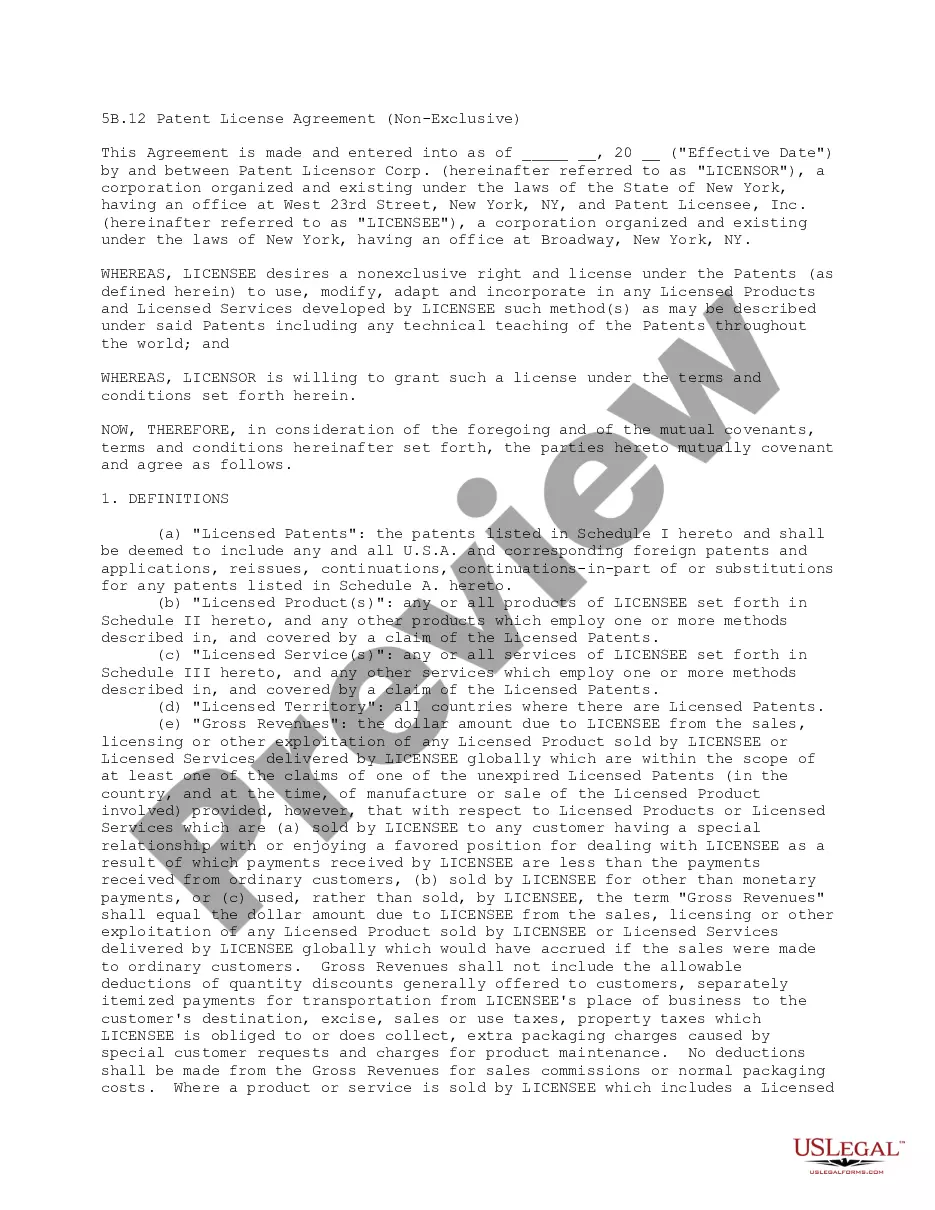
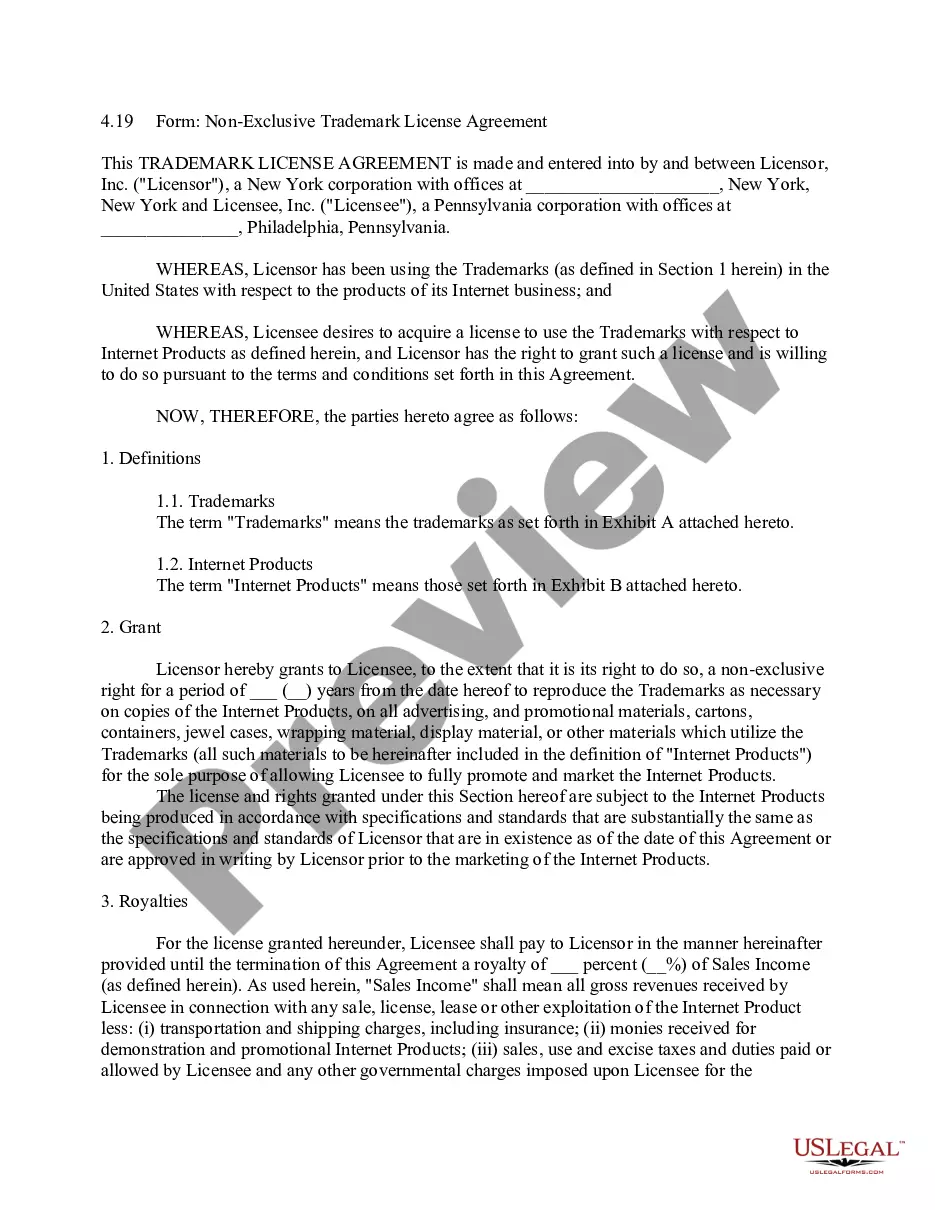
How to fill out Invention Nonexclusive License Agreement?
US Legal Forms - one of the most prominent collections of legal documents in the United States - offers a variety of legal document templates that you can download or print.
By using the website, you can discover thousands of forms for commercial and personal purposes, organized by categories, states, or keywords.
You can access the latest versions of documents such as the Kentucky Invention Nonexclusive License Agreement within moments.
If the form does not suit your requirements, use the Search field at the top of the screen to find the one that does.
If you are satisfied with the form, confirm your choice by clicking the Get Now button. Then, choose the pricing plan you prefer and provide your credentials to register for an account.
- If you are already a member, Log In and retrieve the Kentucky Invention Nonexclusive License Agreement from the US Legal Forms library.
- The Download button will appear on each form you view.
- You can access all previously downloaded forms in the My documents tab of your account.
- If this is your first experience with US Legal Forms, here are simple steps to help you begin.
- Ensure you have selected the correct form for your area/state.
- Click the Review button to examine the form's content.
Form popularity
FAQ
Employers typically own intellectual property developed by their employees, but there is room for negotiation. Intellectual property rights can be a concern for employees regarding works created or developed within the workplace context.
Practitioners and licensing executives often refer to three basic types of voluntary licenses: non-exclusive, sole, and exclusive. A non-exclusive licence allows the licensor to retain the right to use the licensed property and the right to grant additional licenses to third parties.
In a typical licensing agreement, the licensor grants the licensee the right to produce and sell goods, apply a brand name or trademark, or use patented technology owned by the licensor.
A license is simply an agreement by which you let someone else commercially use or develop your invention for a period of time. In return, you receive money, usually either a one-time payment or continuing payments called royalties.
In short, a patent license agreement is a legal contract created to define the terms under which a licensee may create, sell, and use a patented invention from a licensor (or patent owner). This agreement also spells out how royalties will be paid to the licensor/patent owner.
Although the employer is afforded a nonexclusive license to use the invention without paying royalties to the employee, the invention actually is owned by the employee. This employee has the right to exploit it commercially, typically by selling or licensing it to other users.
The general rule is that you own the patent rights to an invention you create during the course of your employment unless you either: signed an employment agreement assigning invention rights, or. were specifically hired (even without a written agreement) for your inventing skills or to create the invention.
Under the law, the general rule is that the copyright in and to the work product of an individual employee or independent contractor is owned by that individual unless an exception applies.
A licensing agreement allows one party (the licensee) to use and/or earn revenue from the property of the owner (the licensor). Licensing agreements generate revenues, called royalties, earned by a company for allowing its copyrighted or patented material to be used by another company.
If the employee was hired for the specific purpose of inventing a defined product or process, the invention belongs to the employer. General inventions made at the employer's expense but not at the employer's specification are often not the property of the employer.