Kentucky Storage and Indemnity Agreement - Field Warehouse
Description
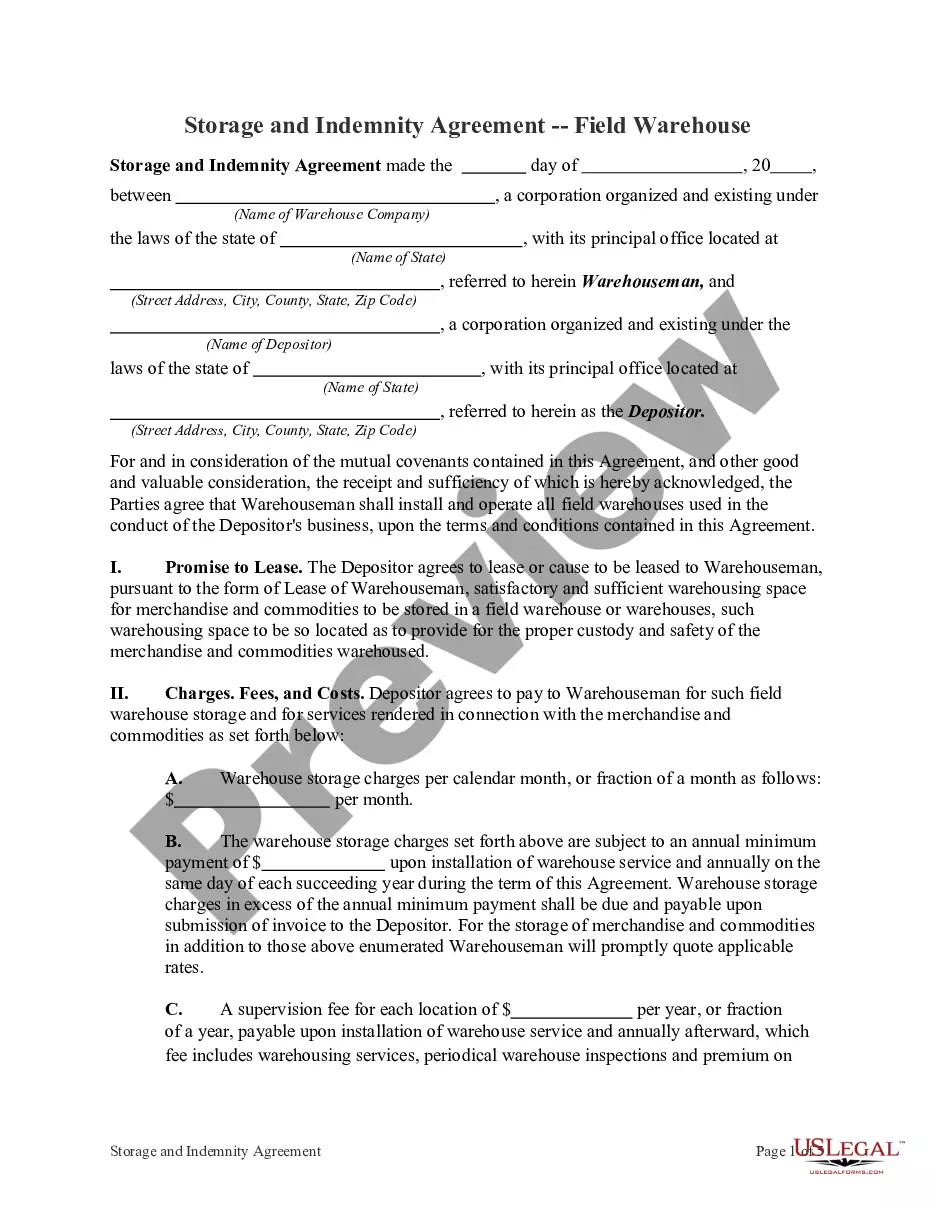
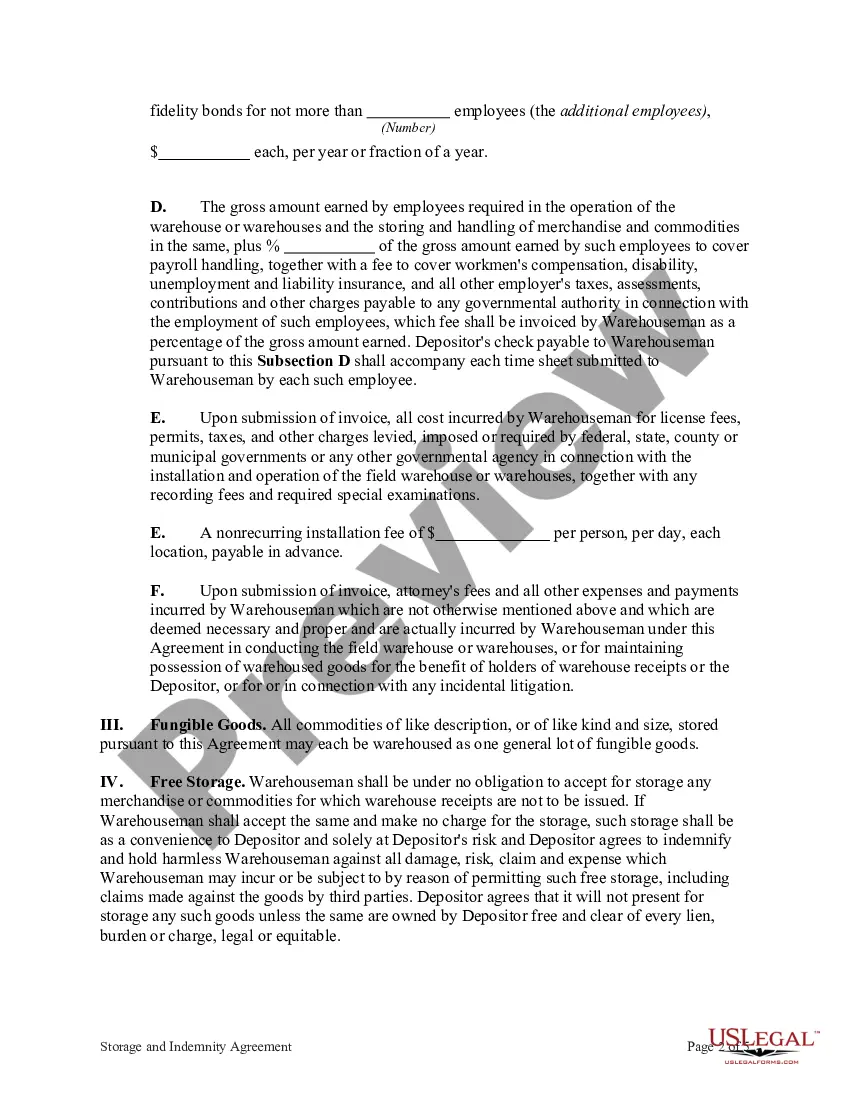
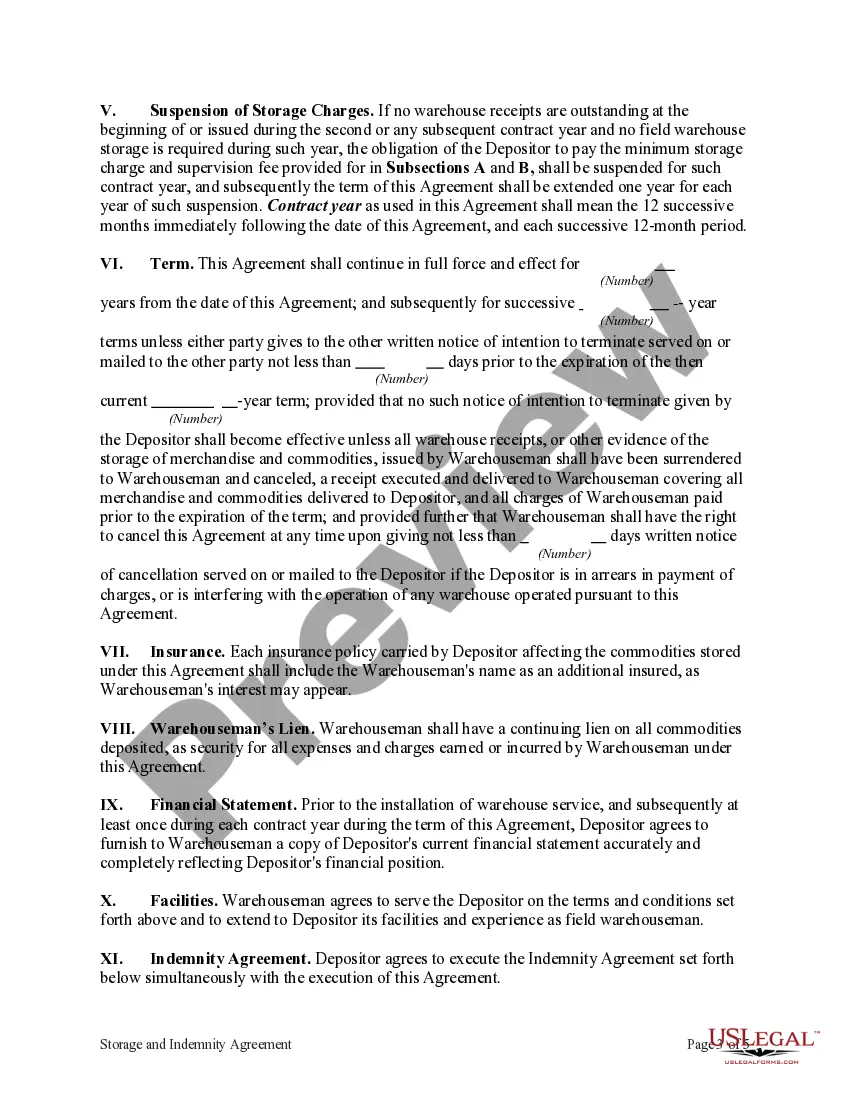
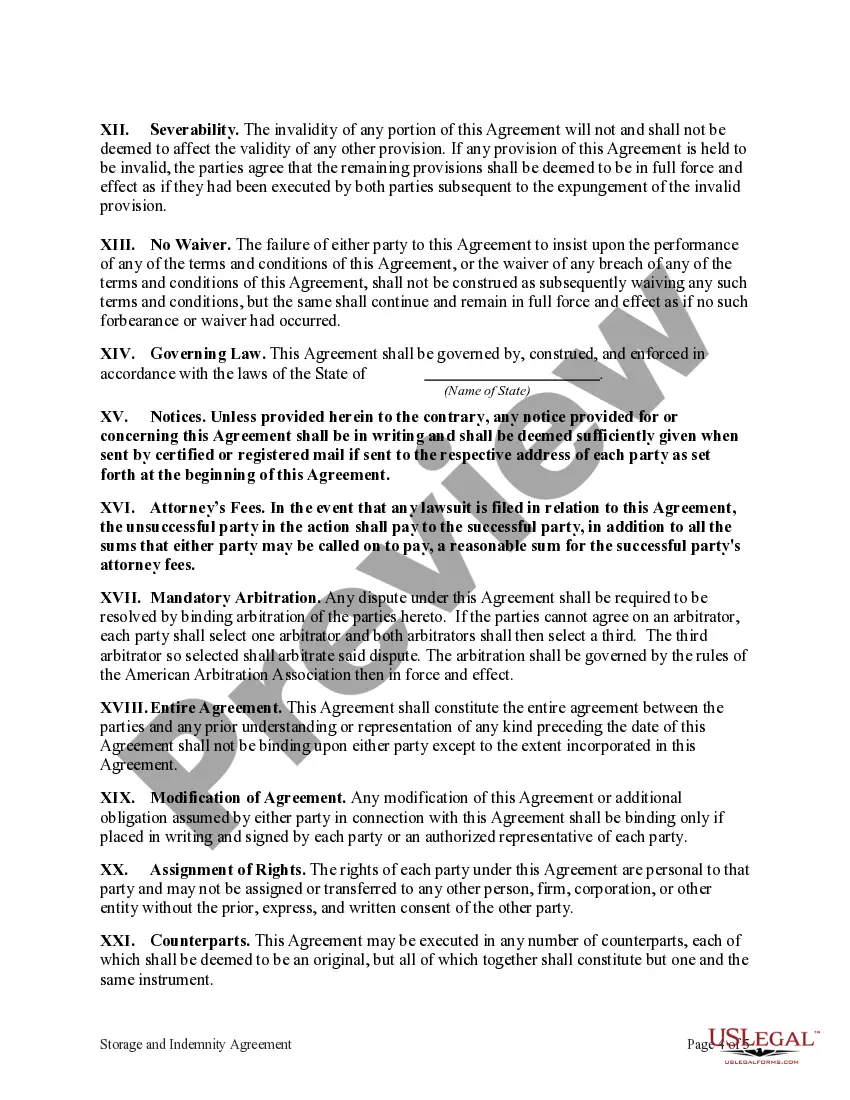
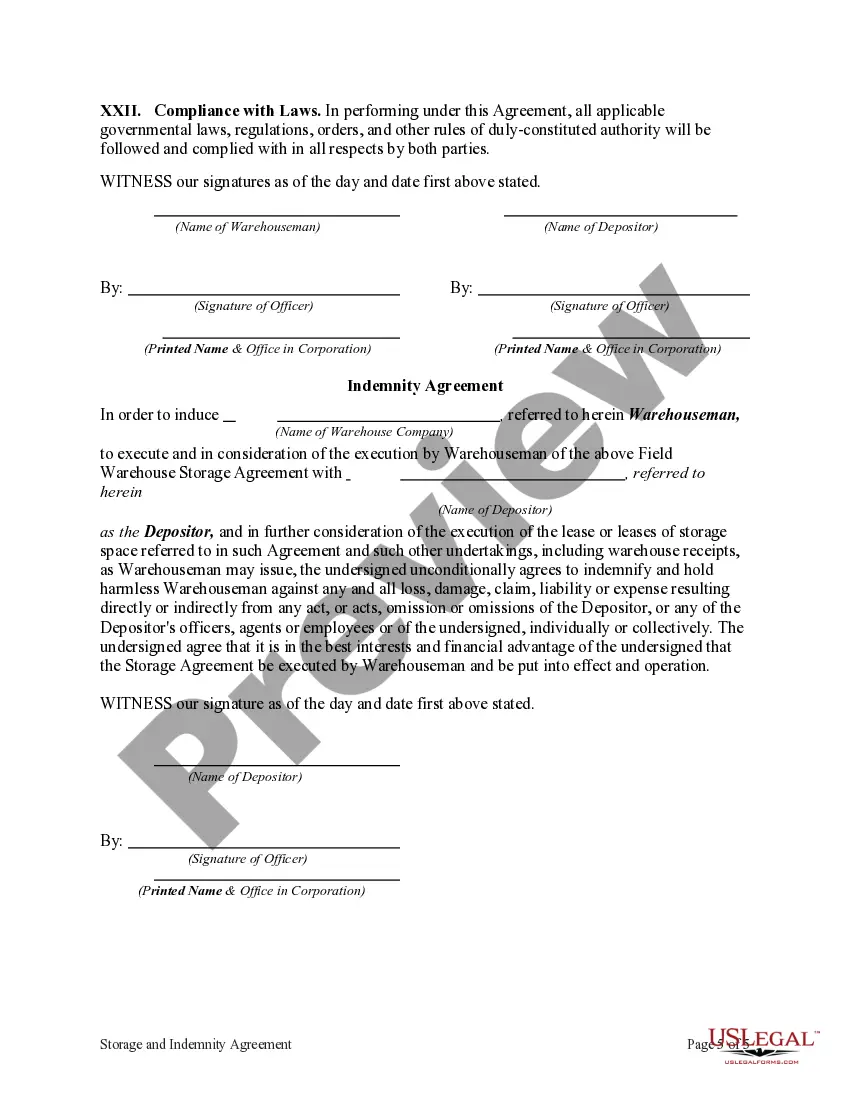
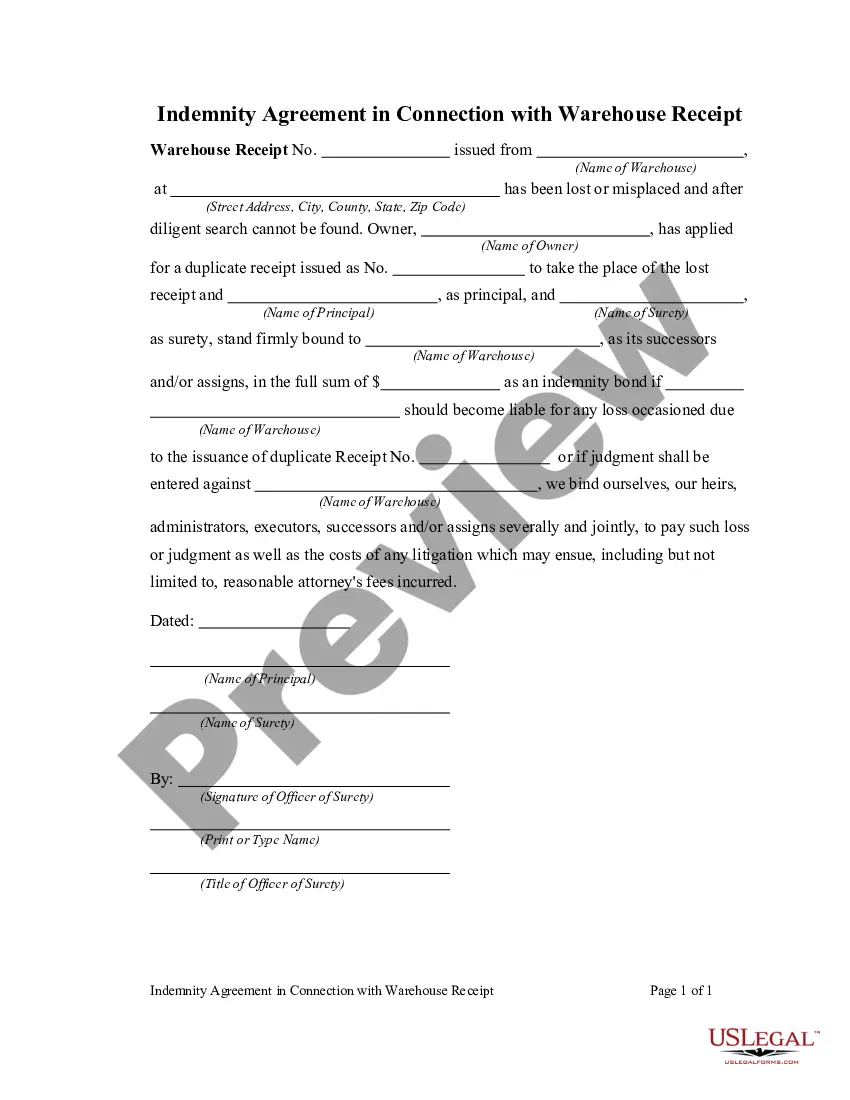
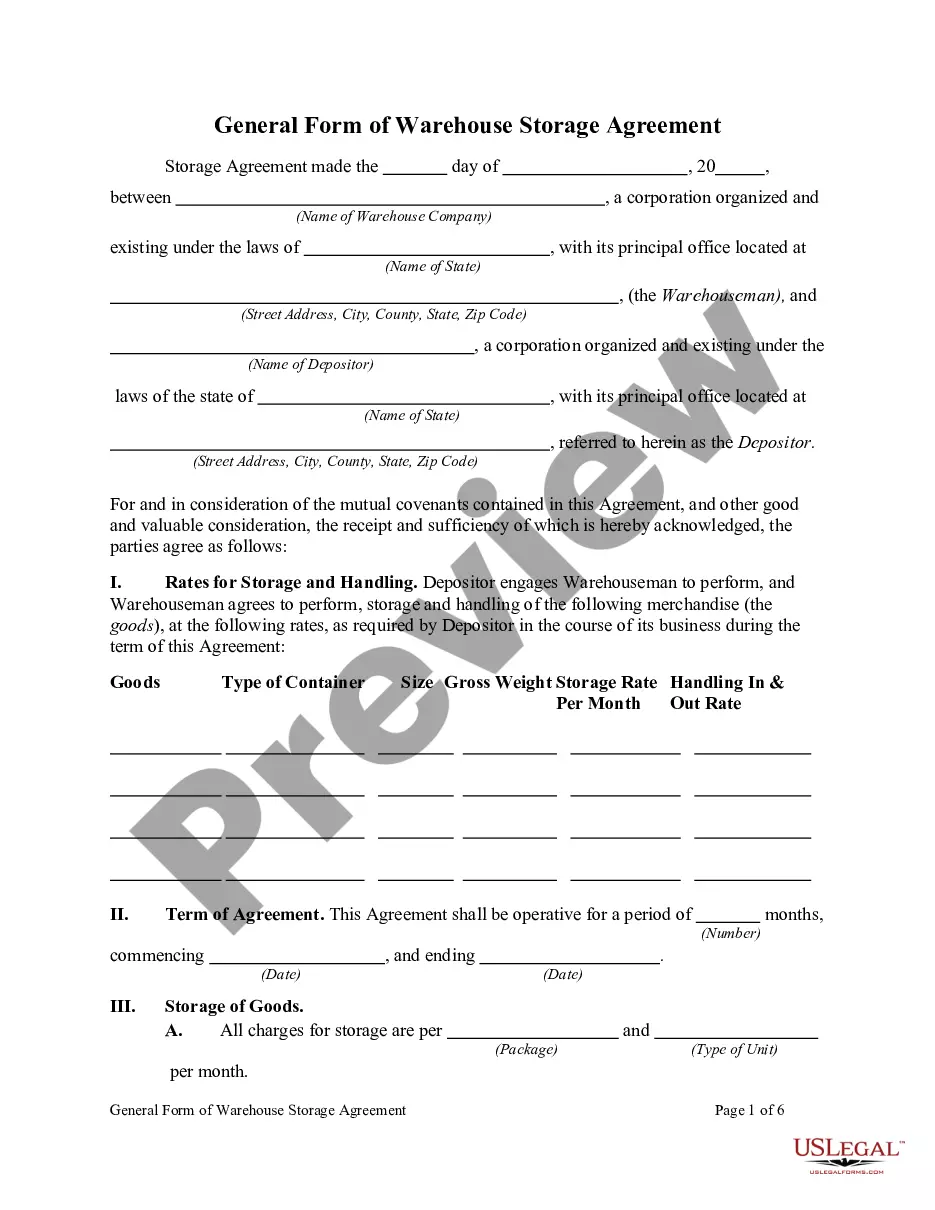
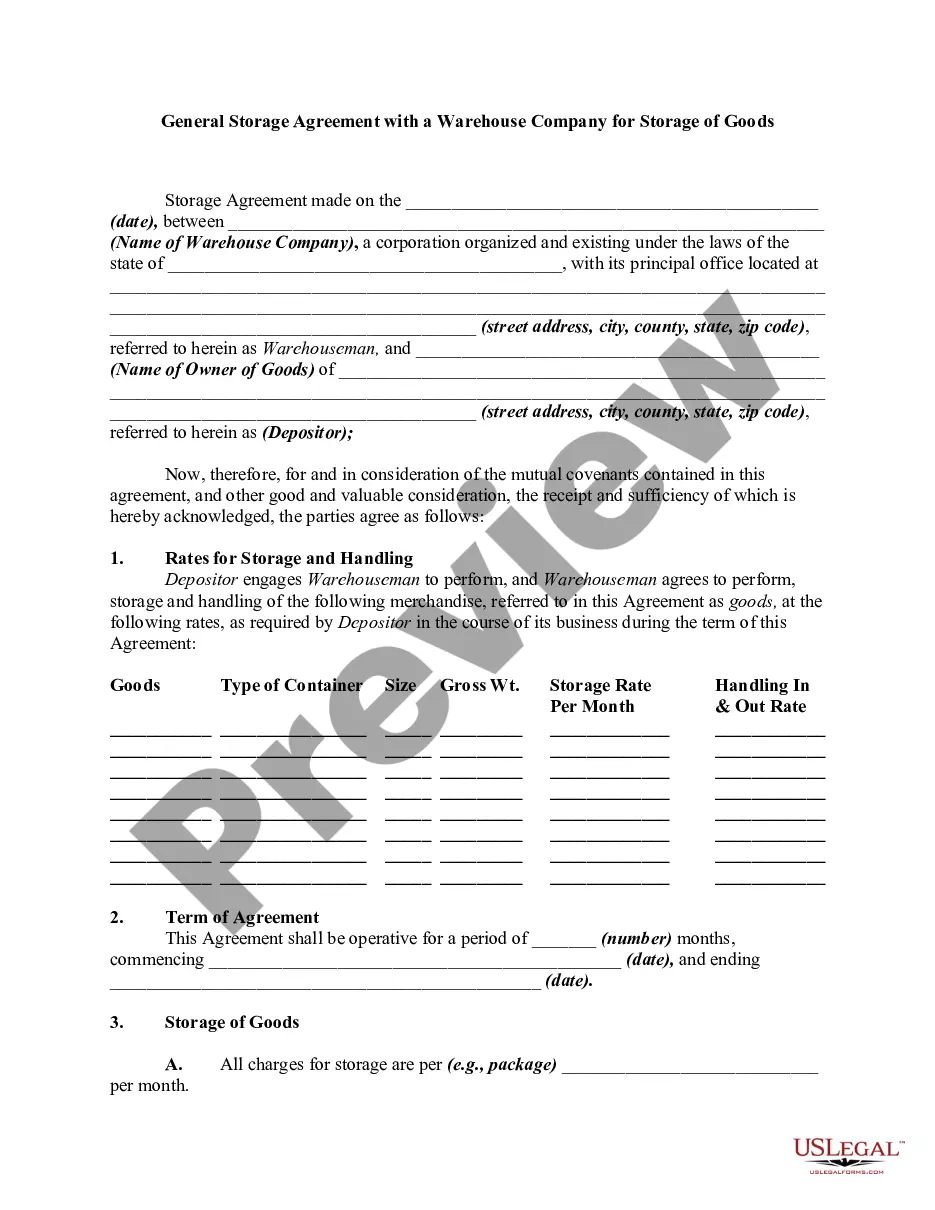
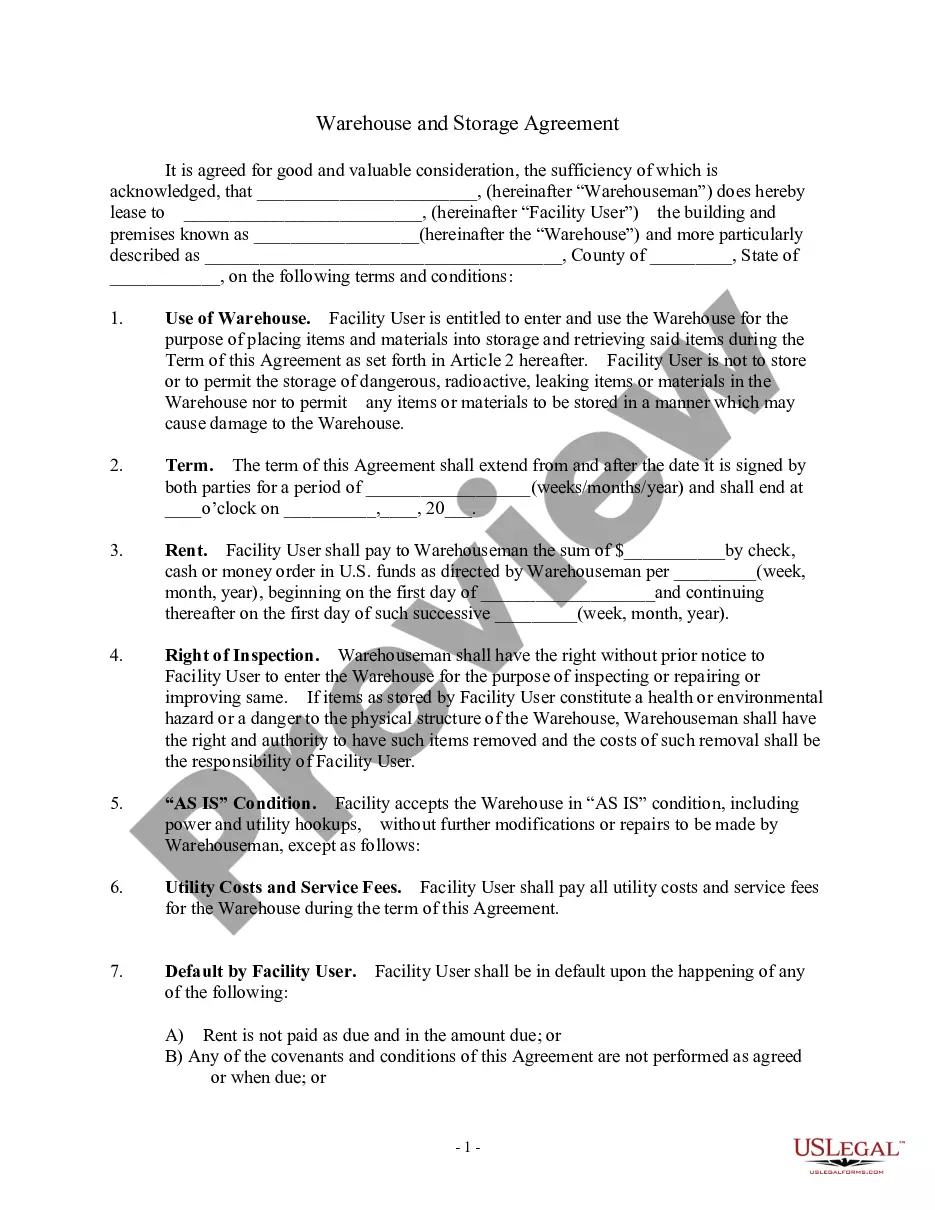
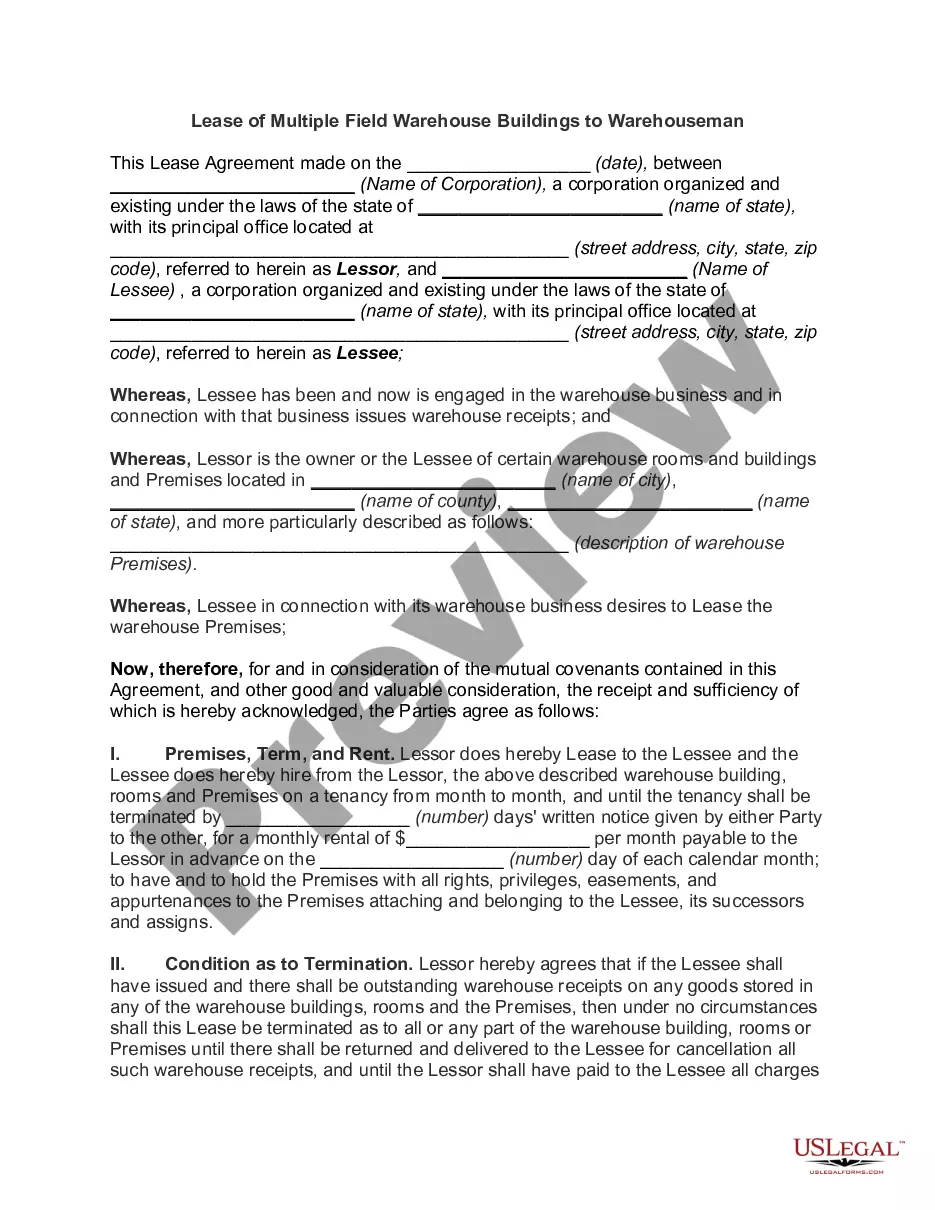




How to fill out Storage And Indemnity Agreement - Field Warehouse?
Selecting the optimal sanctioned document template can be quite a challenge. Naturally, there are numerous templates available on the internet, but how do you obtain the sanctioned form you need? Utilize the US Legal Forms website.
The service offers thousands of templates, including the Kentucky Storage and Indemnity Agreement - Field Warehouse, which can be utilized for both business and personal purposes. All templates are reviewed by professionals and comply with state and federal regulations.
If you are already registered, Log In to your account and click the Download button to locate the Kentucky Storage and Indemnity Agreement - Field Warehouse. Use your account to search through the legal templates you have previously purchased. Navigate to the My documents section of your account to retrieve another copy of the document you need.
US Legal Forms represents the largest collection of legal forms where you can explore a variety of document templates. Take advantage of the service to download properly crafted documents that adhere to state regulations.
- If you are a new user of US Legal Forms, here are simple instructions to follow.
- First, ensure you have selected the correct form for your locality. You can browse the form using the Review button and check the form details to confirm it is suitable for you.
- If the form does not meet your needs, use the Search field to find the appropriate form.
- Once you are sure the form is correct, click the Purchase now button to obtain the form.
- Choose the pricing plan you desire and input the necessary information. Create your account and pay for your order using your PayPal account or credit card.
- Select the file format and download the legal document template to your device.
- Complete, amend, print, and sign the obtained Kentucky Storage and Indemnity Agreement - Field Warehouse.
Form popularity
FAQ
A field warehouse arrangement is a specific setup that allows goods to remain at the owner's location while being pledged as collateral for financing. This arrangement often involves an agreement with a third-party warehousing company that ensures inventory is secure and monitored. It is a practical solution for businesses that need liquidity without having to relocate their products. Incorporating the Kentucky Storage and Indemnity Agreement - Field Warehouse ensures a solid understanding between all parties involved.
A field warehousing agreement provides security for loans where the inventory is stored on the borrower's premises but is controlled by a third party. It allows businesses to access needed capital while still maintaining their goods at home. This type of agreement is often used in industries where space and financing play crucial roles. The Kentucky Storage and Indemnity Agreement - Field Warehouse simplifies these arrangements, protecting both the lender and the borrower.
A warehouse agreement serves as a contract that establishes a business relationship between a warehouse operator and a business or individual needing storage. This document specifies conditions regarding the handling and safekeeping of the stored items. It is important to know what your responsibilities are and what level of liability is assumed in this contract. Engaging with the Kentucky Storage and Indemnity Agreement - Field Warehouse offers clarity to both parties involved.
A warehousing agreement outlines the terms between the owner of goods and a warehouse provider. It details the responsibilities and obligations of both parties for the storage of goods. This agreement often includes aspects like insurance, storage fees, and liability, ensuring both parties understand their rights. Understanding the Kentucky Storage and Indemnity Agreement - Field Warehouse can help you in establishing a strong legal framework.
Standard indemnity wording typically includes phrases that establish liability and coverage terms between parties. In the context of the Kentucky Storage and Indemnity Agreement - Field Warehouse, it might state that 'the indemnifying party shall indemnify and hold harmless the indemnified party from any claims arising from the use of the storage services.' Clear wording helps prevent misunderstandings and legal disputes.
To fill out an indemnity agreement, clearly outline the parties involved and define the scope of indemnity. Under the Kentucky Storage and Indemnity Agreement - Field Warehouse, ensure you specify the types of losses or damages covered and the duration of the agreement. Taking time to review the details helps ensure both parties understand their rights and responsibilities.
The best example of indemnity often entails agreements in service contracts, like the Kentucky Storage and Indemnity Agreement - Field Warehouse. Here, one party agrees to protect the other from any financial loss resulting from specified events, such as damage to goods stored. This arrangement emphasizes the shared responsibility and accountability crucial in business transactions.
An indemnity claim occurs when one party seeks compensation for losses incurred due to the actions of another party. For example, if a warehouse loses a client's stored goods due to negligence, the client could submit an indemnity claim based on the Kentucky Storage and Indemnity Agreement - Field Warehouse. This claim helps recover losses and shows the importance of having clear agreements in place.
To write an indemnity statement, start with a clear introduction of the parties involved, followed by a declaration of indemnity. For instance, under the Kentucky Storage and Indemnity Agreement - Field Warehouse, you can state that one party will indemnify the other against future claims or damages. Be precise and ensure all terms are easily understood, which supports transparency.
Filling out an indemnity form involves providing accurate information about the parties involved and the subject of the indemnity. Make sure to include details such as names, addresses, and the specific terms of indemnity you agree to under the Kentucky Storage and Indemnity Agreement - Field Warehouse. Always double-check your entries for clarity, as it helps prevent future disputes.