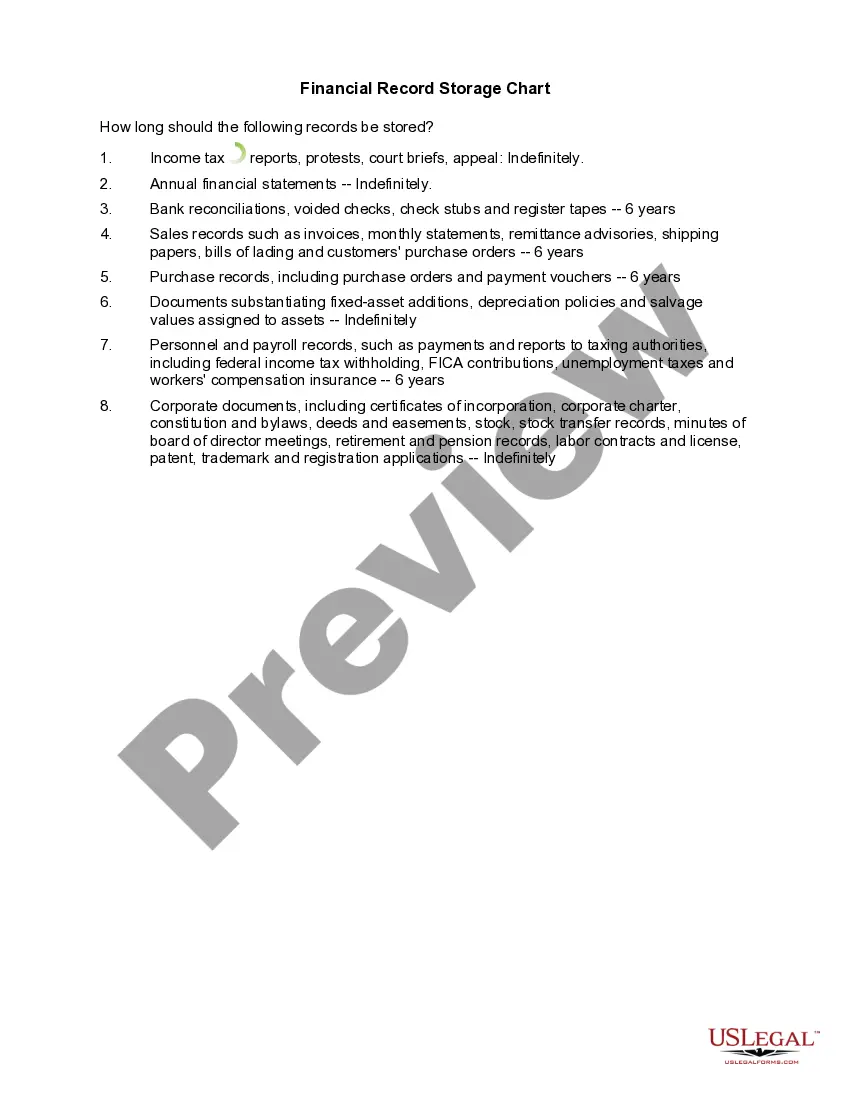
Kentucky Financial Record Storage Chart
Description
Get your form ready online
Our built-in tools help you complete, sign, share, and store your documents in one place.
Make edits, fill in missing information, and update formatting in US Legal Forms—just like you would in MS Word.
Download a copy, print it, send it by email, or mail it via USPS—whatever works best for your next step.
Sign and collect signatures with our SignNow integration. Send to multiple recipients, set reminders, and more. Go Premium to unlock E-Sign.
If this form requires notarization, complete it online through a secure video call—no need to meet a notary in person or wait for an appointment.
We protect your documents and personal data by following strict security and privacy standards.

Make edits, fill in missing information, and update formatting in US Legal Forms—just like you would in MS Word.

Download a copy, print it, send it by email, or mail it via USPS—whatever works best for your next step.

Sign and collect signatures with our SignNow integration. Send to multiple recipients, set reminders, and more. Go Premium to unlock E-Sign.

If this form requires notarization, complete it online through a secure video call—no need to meet a notary in person or wait for an appointment.

We protect your documents and personal data by following strict security and privacy standards.
Looking for another form?




How to fill out Financial Record Storage Chart?
Are you in a position where you need documents for both business or specific objectives almost daily.
There are numerous legitimate document templates accessible online, but finding forms you can trust isn't easy.
US Legal Forms provides a vast array of form templates, including the Kentucky Financial Record Storage Chart, which are designed to comply with federal and state requirements.
Once you locate the correct form, click on Get now.
Select the pricing plan you prefer, fill in the required information to create your account, and purchase the order using your PayPal or Visa or Mastercard.
- If you are already familiar with the US Legal Forms website and have an account, simply Log In.
- Then, you can download the Kentucky Financial Record Storage Chart template.
- If you don’t have an account and want to start using US Legal Forms, follow these steps.
- Find the form you need and verify that it is for the correct city/region.
- Utilize the Review button to inspect the document.
- Check the outline to ensure you have selected the appropriate form.
- If the form isn’t what you are looking for, use the Lookup field to find a form that meets your requirements.
Form popularity
FAQ
The best way to store financial information involves a combination of security and ease of access. Digital storage is increasingly favored due to its convenience and backup capabilities. Leveraging the Kentucky Financial Record Storage Chart can provide insight into effective storage strategies, helping you choose a solution that fits your needs and keeps your information safe.
Financial records can be kept through various methods, such as cloud storage, filing cabinets, or even specialized record management systems. It's essential to choose a method that offers both security and accessibility. The Kentucky Financial Record Storage Chart outlines best practices for storing these records, ensuring they are protected and well-organized.
Financial records must be organized and easily accessible. You can do this either through digital storage solutions or by keeping physical copies in a secure location. Utilizing the Kentucky Financial Record Storage Chart can help you categorize your documents effectively, making it simpler to find what you need when you need it.
Yes, maintaining financial records for seven years remains a common practice. This period allows you to comply with IRS guidelines and protects you from potential audits. The Kentucky Financial Record Storage Chart can guide you on what to retain and for how long, ensuring that you meet required obligations without unnecessary clutter.
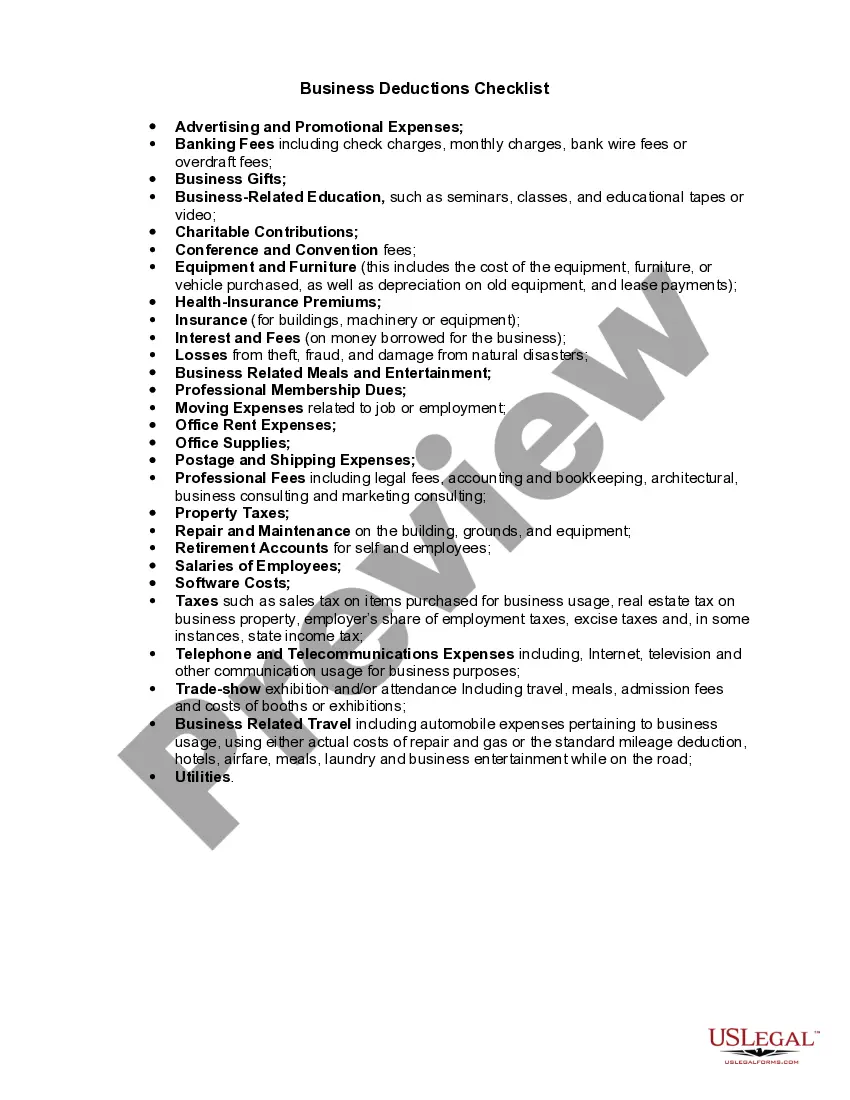
You must retain records that support income or deductions claimed on tax returns, along with any documentation related to significant financial decisions. Business owners should also maintain records of sales, purchases, and payroll for compliance. The Kentucky Financial Record Storage Chart is a valuable tool that outlines these requirements and helps you stay organized.
The IRS does not automatically destroy tax records after seven years; however, it recommends keeping them for that duration. If there are unresolved issues or certain cases of fraud, longer retention may be necessary. Using the Kentucky Financial Record Storage Chart can help you track which documents to keep and when to dispose of them.
year retention policy refers to the practice of keeping records for a minimum of seven years from their creation date. This policy helps individuals and businesses remain compliant with legal and tax requirements. By adhering to the Kentucky Financial Record Storage Chart, you can ensure you retain essential records without accumulating unnecessary clutter.
Personal records such as medical bills, insurance claims, and any documentation supporting tax deductions should be kept for seven years. This retention period ensures you have the appropriate backup in case of inquiries or disputes. The Kentucky Financial Record Storage Chart simplifies your personal record retention process and promotes organized storage.
Key financial records include bank statements, investment documents, and receipts related to significant purchases. These documents may help you verify information in the event of an audit or a financial dispute. Utilizing the Kentucky Financial Record Storage Chart can assist you in organizing and retaining these crucial records effectively.
You should keep tax returns and supporting documents for seven years to comply with IRS guidelines. This practice also applies to any records of income, deductions, and credits claimed. Maintaining these records aligns with the Kentucky Financial Record Storage Chart and helps ensure you are prepared for any potential audits.