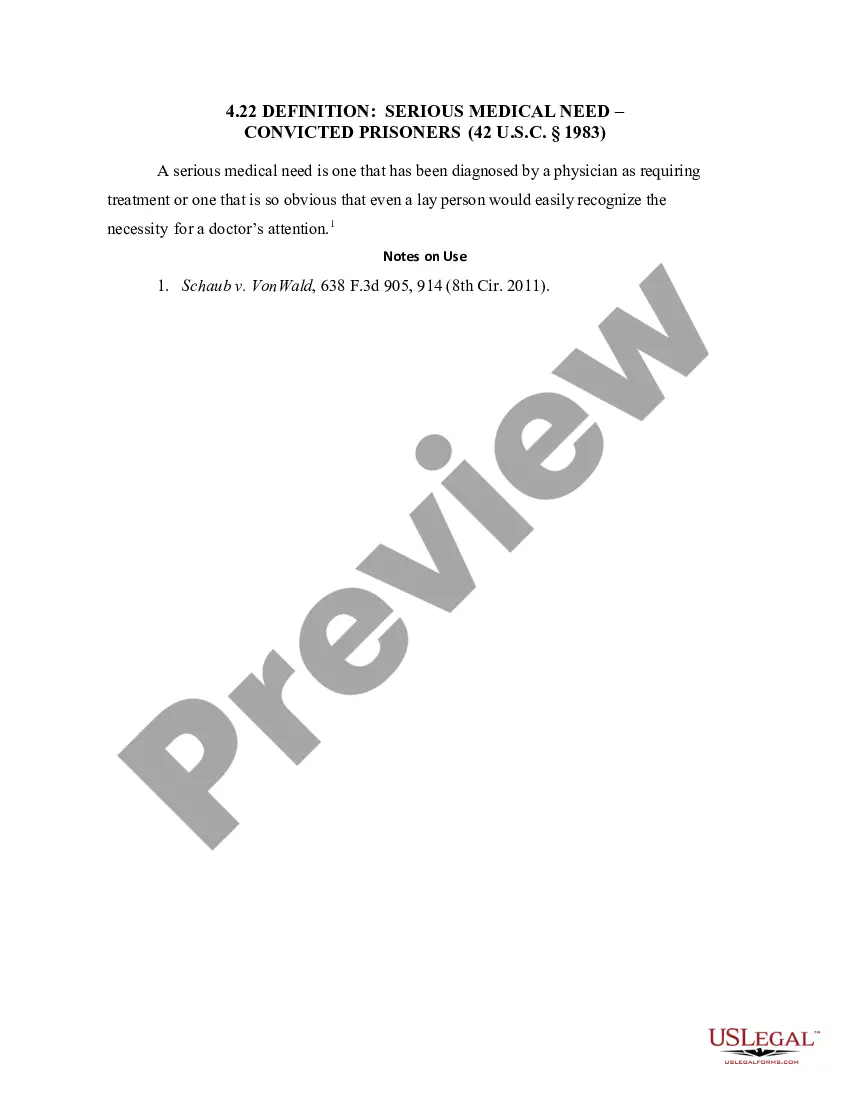
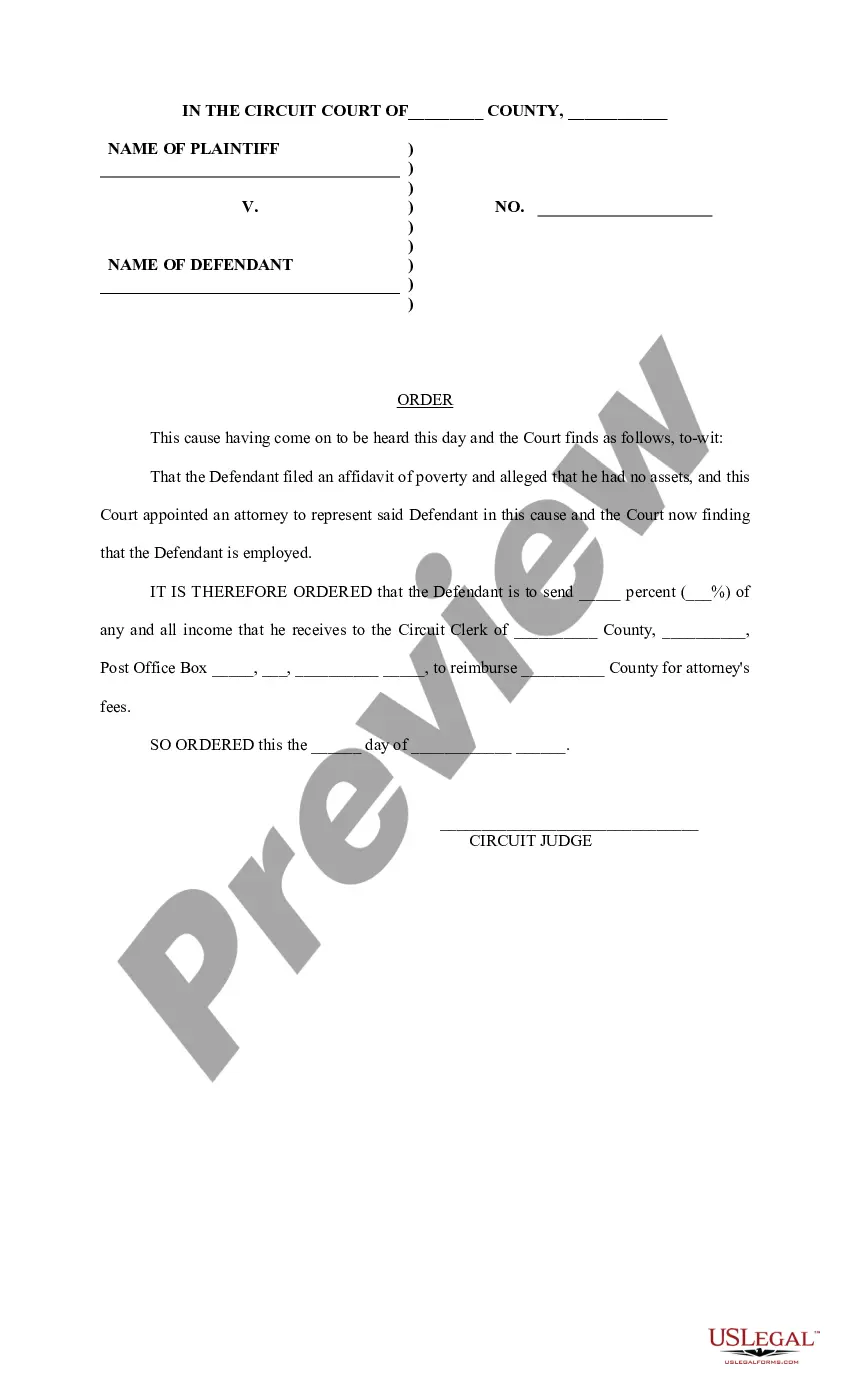
Kansas Order
Description
Get your form ready online
Our built-in tools help you complete, sign, share, and store your documents in one place.
Make edits, fill in missing information, and update formatting in US Legal Forms—just like you would in MS Word.
Download a copy, print it, send it by email, or mail it via USPS—whatever works best for your next step.
Sign and collect signatures with our SignNow integration. Send to multiple recipients, set reminders, and more. Go Premium to unlock E-Sign.
If this form requires notarization, complete it online through a secure video call—no need to meet a notary in person or wait for an appointment.
We protect your documents and personal data by following strict security and privacy standards.

Make edits, fill in missing information, and update formatting in US Legal Forms—just like you would in MS Word.

Download a copy, print it, send it by email, or mail it via USPS—whatever works best for your next step.

Sign and collect signatures with our SignNow integration. Send to multiple recipients, set reminders, and more. Go Premium to unlock E-Sign.

If this form requires notarization, complete it online through a secure video call—no need to meet a notary in person or wait for an appointment.

We protect your documents and personal data by following strict security and privacy standards.
Looking for another form?
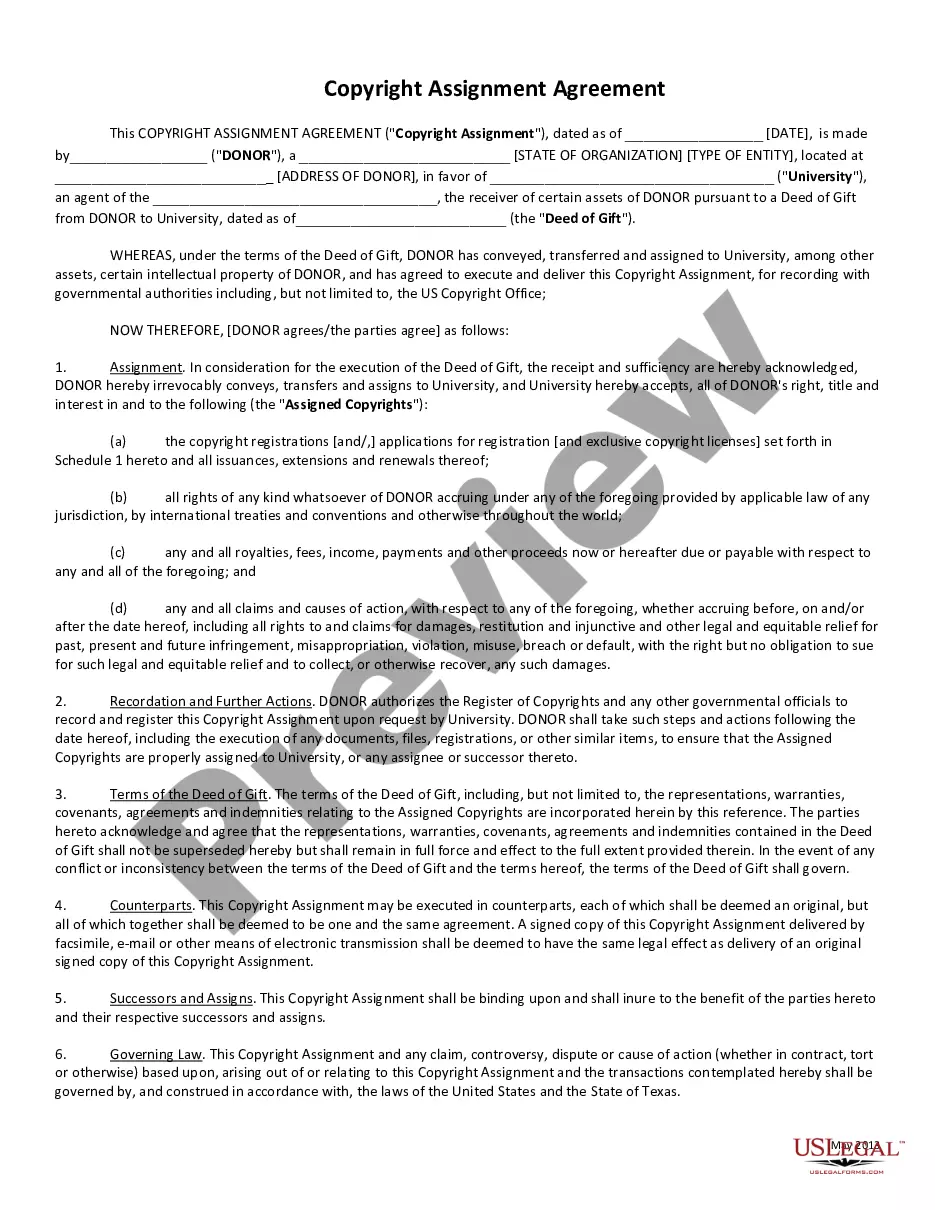

How to fill out Order?
It is feasible to spend time online searching for the legal document template that meets the federal and state criteria you need. US Legal Forms offers a wide array of legal forms that are reviewed by professionals.
You can easily download or print the Kansas Order from the service. If you have a US Legal Forms account, you may Log In and click on the Download button. After that, you may complete, modify, print, or sign the Kansas Order. Every legal document template you obtain is yours permanently.
To acquire another copy of any purchased form, visit the My documents tab and click on the relevant button. If you are using the US Legal Forms website for the first time, follow the simple instructions below: First, ensure that you have selected the correct document template for the county/city of your choice. Review the form details to confirm you have chosen the right template. If available, utilize the Review button to examine the document template simultaneously.
Avoid altering or removing any HTML tags. Only synonymize plain text outside of the HTML tags.
- If you wish to find another version of the form, use the Search section to find the template that meets your needs and requirements.
- Once you have located the template you desire, click Buy now to proceed.
- Select the pricing plan you prefer, enter your details, and register for your account on US Legal Forms.
- Complete the transaction. You may use your credit card or PayPal account to purchase the legal form.
- Choose the format of the document and download it to your device.
- Make alterations to your document if applicable. You can complete, revise, sign, and print the Kansas Order.
- Download and print numerous document templates using the US Legal Forms site, which offers the largest variety of legal forms. Utilize professional and state-specific templates to address your business or personal needs.
Form popularity
FAQ
(a) Order; Content. When the court directs a party to prepare an order, the party must prepare the order in ance with the court's directions. As used in this rule, ?order? includes a journal entry or other document containing a court ruling.
Public court records are available at each courthouse. Each court has a computer reserved for public searches of court case information and court records in that court. Sealed cases and sealed records are not public, and some cases are exempt from disclosure under the Kansas Open Records Act (K.S.A. 45-221).
The general public may obtain the following types of adult conviction criminal history information: Court convictions for violations of Kansas law that are felonies or misdemeanors. Court convictions for violations of municipal ordinances or county resolutions that are equivalent to misdemeanors under state statute.
The Kansas Open Records Act allows you to inspect and obtain copies of public records maintained by Kansas courts, as long as those records are not exempt from disclosure.
A party may request oral argument?either in the motion or in a response filed by the adverse party under subsection (b). The court must grant a timely request for oral argument unless it states in the ruling or by separate communication that oral argument would not aid the court materially.
268 sets out the mandatory requirements of the electronic document filing and transmission systems in Kansas appellate and district courts. The purpose of the standards is to ensure the integrity of the court record and provide a capability for filing that is at least as good as existing paper systems.
Federal case files are maintained electronically and are available through the internet-based Public Access to Court Electronic Records (PACER) service. PACER allows anyone with an account to search and locate appellate, district, and bankruptcy court case and docket information.
Public court records are accessible at each courthouse and through a variety of online searches.