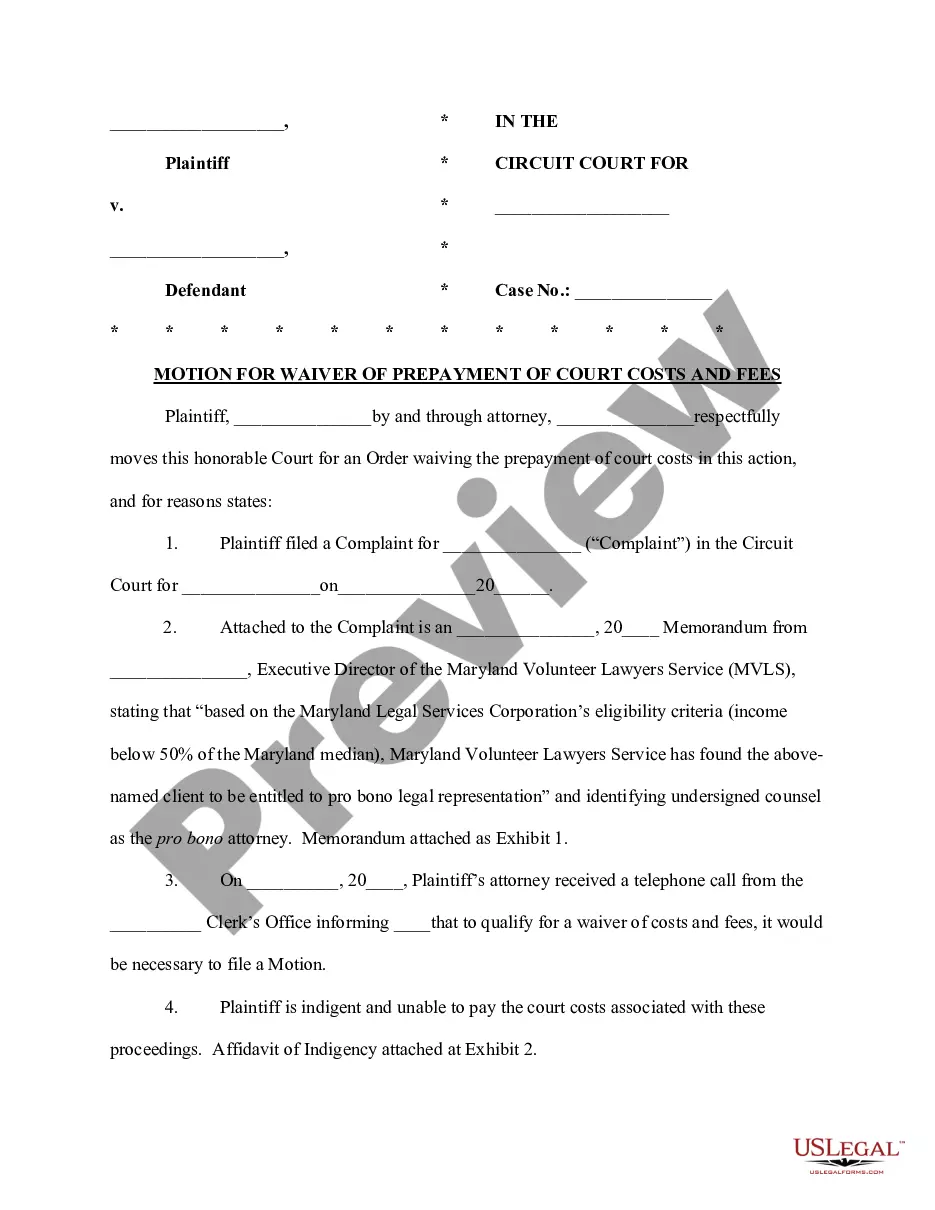
Kansas Salary Verification form for Potential Lease
What this document covers
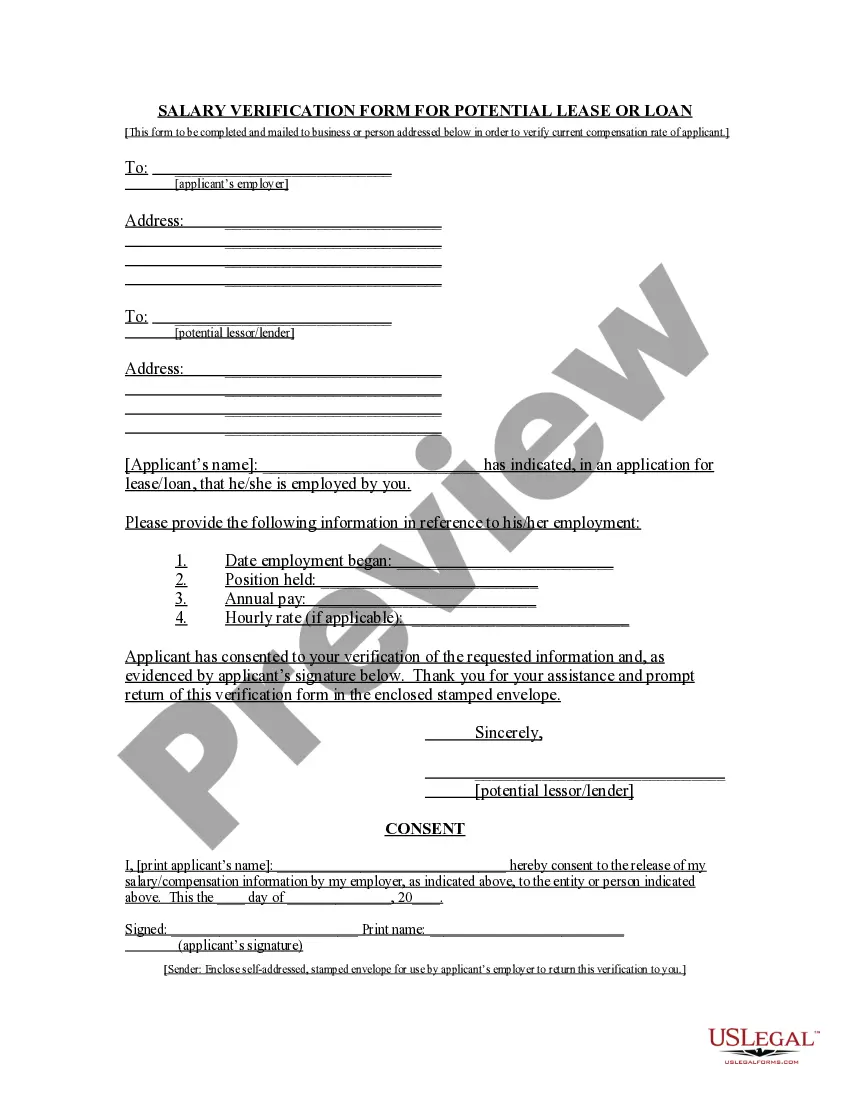
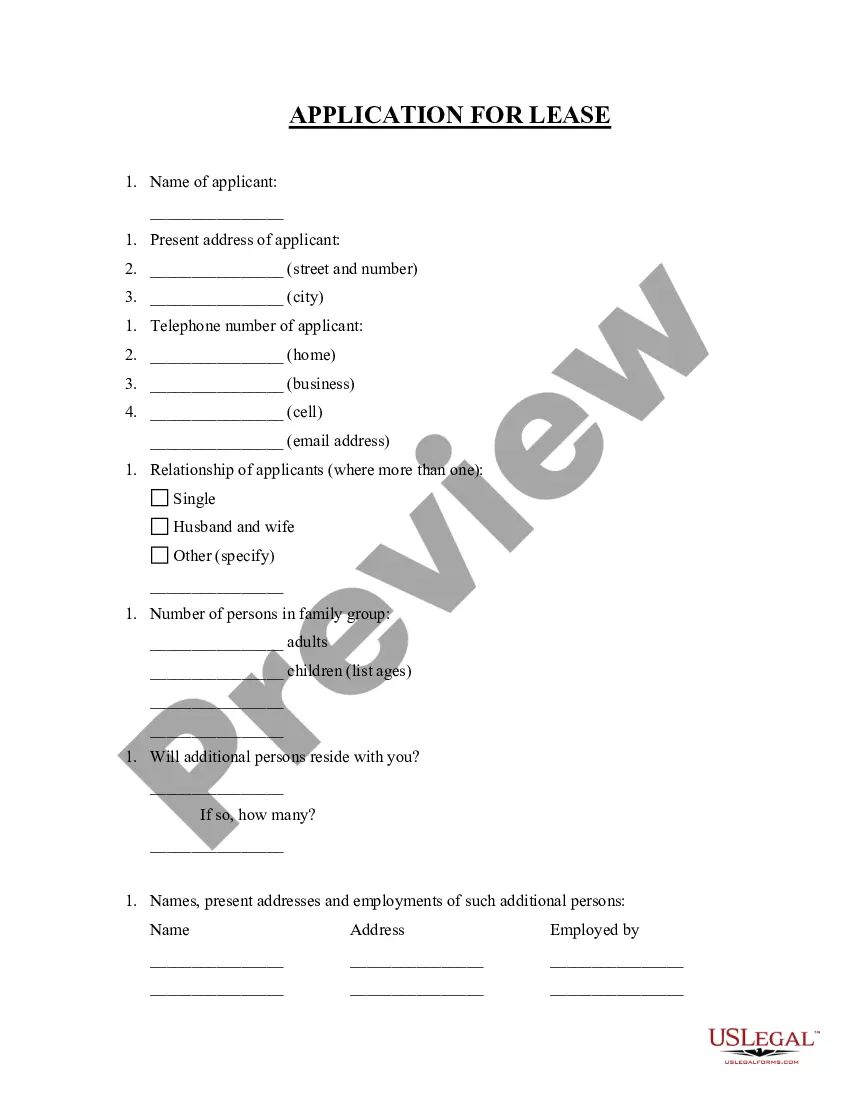
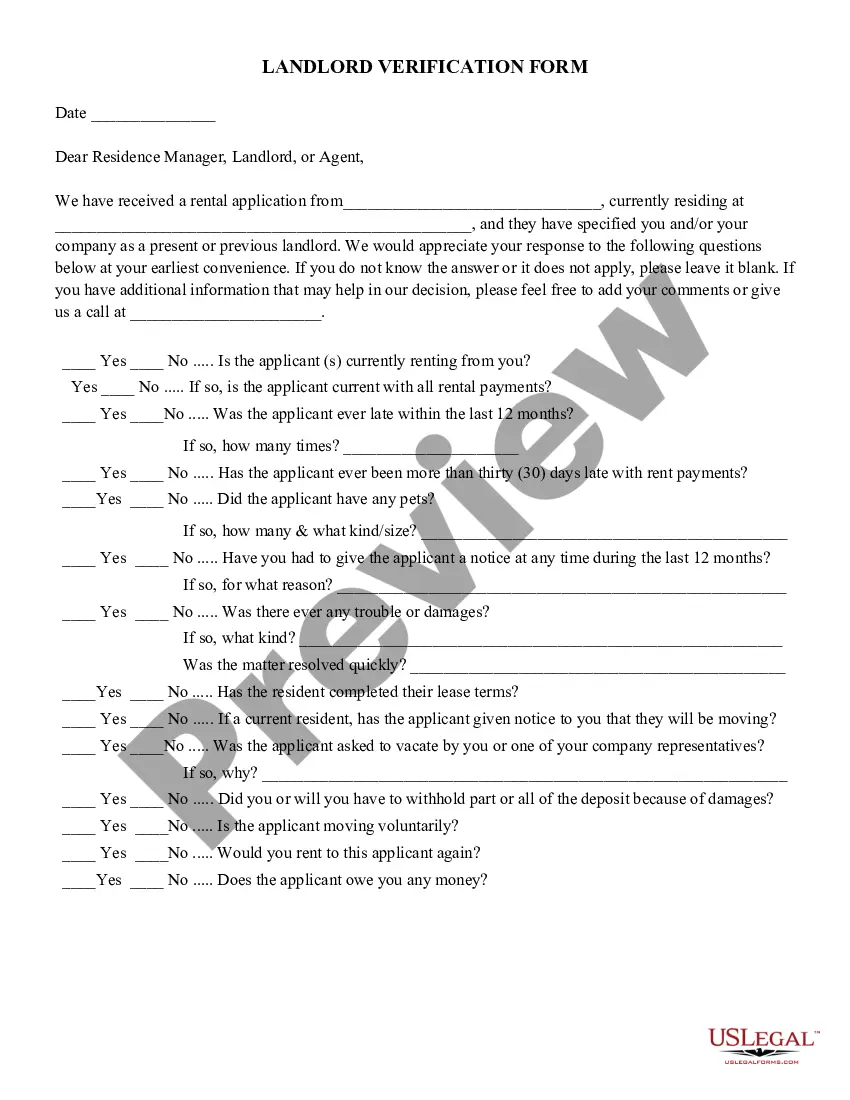
The Salary Verification Form for Potential Lease is a crucial document used by landlords to confirm the income of lease applicants. This form is specifically sent to an applicant's employer to verify the reported income during the leasing application process, ensuring accuracy and transparency. Unlike other forms, this one is tailored for verifying salary details, with a Tenant Consent Form included to authorize the employer's disclosure of the applicant's salary information.
What’s included in this form
- Applicant's employer details: Name and contact information of the employer receiving the form.
- Employment information: Dates of employment, position held, and compensation details, including annual pay and hourly rate.
- Consent section: A signature line where the applicant authorizes the release of their salary information.
- Thank you note: An expression of appreciation to the employer for their prompt response regarding the verification.
- Returning instructions: A self-addressed stamped envelope for the employer to return the completed form easily.

Situations where this form applies
This form should be used whenever a potential tenant submits a rental application that includes income information. Landlords need to confirm the accuracy of this information to assess the tenant's ability to pay rent. It is especially important in situations where applicants have variable income or when additional verification is needed beyond what is provided in the application.
Who this form is for
Eligibility and intended audience for the Salary Verification Form includes:
- Landlords seeking to verify a potential tenant's income for lease approval.
- Property managers responsible for tenant screening processes.
- Tenant applicants who need to provide income confirmation through their employer.
- Employers who need clear guidelines on providing salary information upon request from prospective landlords.
Instructions for completing this form
- Fill in the employer's name and contact information at the top of the form.
- Specify the applicant's job position and the date their employment began.
- Enter the applicant's annual salary and hourly rate, if applicable.
- Have the applicant sign and date the consent section of the form for authorization.
- Include a self-addressed stamped envelope for the employer's convenience in returning the completed form.
Notarization requirements for this form
This form does not typically require notarization unless specified by local law. It is important to verify if your jurisdiction has additional requirements regarding the verification process.
Get your form ready online
Our built-in tools help you complete, sign, share, and store your documents in one place.
Make edits, fill in missing information, and update formatting in US Legal Forms—just like you would in MS Word.
Download a copy, print it, send it by email, or mail it via USPS—whatever works best for your next step.
Sign and collect signatures with our SignNow integration. Send to multiple recipients, set reminders, and more. Go Premium to unlock E-Sign.
If this form requires notarization, complete it online through a secure video call—no need to meet a notary in person or wait for an appointment.
We protect your documents and personal data by following strict security and privacy standards.

Make edits, fill in missing information, and update formatting in US Legal Forms—just like you would in MS Word.

Download a copy, print it, send it by email, or mail it via USPS—whatever works best for your next step.

Sign and collect signatures with our SignNow integration. Send to multiple recipients, set reminders, and more. Go Premium to unlock E-Sign.

If this form requires notarization, complete it online through a secure video call—no need to meet a notary in person or wait for an appointment.

We protect your documents and personal data by following strict security and privacy standards.
Common mistakes to avoid
- Failing to include the applicant's consent signature.
- Not providing an adequate return envelope or instructions for the employer.
- Leaving out crucial employment details, such as the start date or position held.
- Sending the form to the wrong employer or incorrect contact person.
Benefits of using this form online
- Convenience: Downloadable forms make it easy to obtain necessary documentation quickly.
- Editability: Users can fill in details directly, ensuring accuracy and clarity.
- Reliability: Forms drafted by licensed attorneys are designed to meet legal standards.
Looking for another form?

Form popularity
FAQ
The first sentence should explain who is writing the letter and why. It should also give the name of the tenant, so the purpose of the letter is clear. The writer may be a property manager or the owner of the property. The landlord can include, if applicable, a statement on the character of the tenant.
Written rent receipts are usually acceptable as long as they include the date, amount of rent you paid and the name and signature of the person receiving your rent. If you don't have a rental agreement, you can use these documents to show your history as a renter.
State the purpose of the letter. In the first paragraph, explain that you are writing to verify that the tenants live on your property. Also include the address where they live. For example, you can write, I am writing to confirm that Mr.
When you rent a new home, your landlord may require proof that you've purchased a renters insurance policy. In most cases, this simply means either sending over a copy of your policy or requesting that your insurer add your landlord as an interested party to your policy.
A rental verification helps landlords and property managers to verify the rental history of their applicant. This is done through a background check combined with a phone call verification.Calling the previous and current landlord is an important step of the rental verification.
Lease verification is a process of ensuring the negotiated terms of a company's commercial premises lease are accurately reflected in the rental billings received from its landlord. Rent, for most businesses, is the second highest expense after labour.
The landlord verification form is a document used by a landlord when verifying the previous rental information of an applicant for tenancy. The requesting landlord must send the form to the applicant's current or past landlord in order to obtain all details related to the tenancy of the individual.