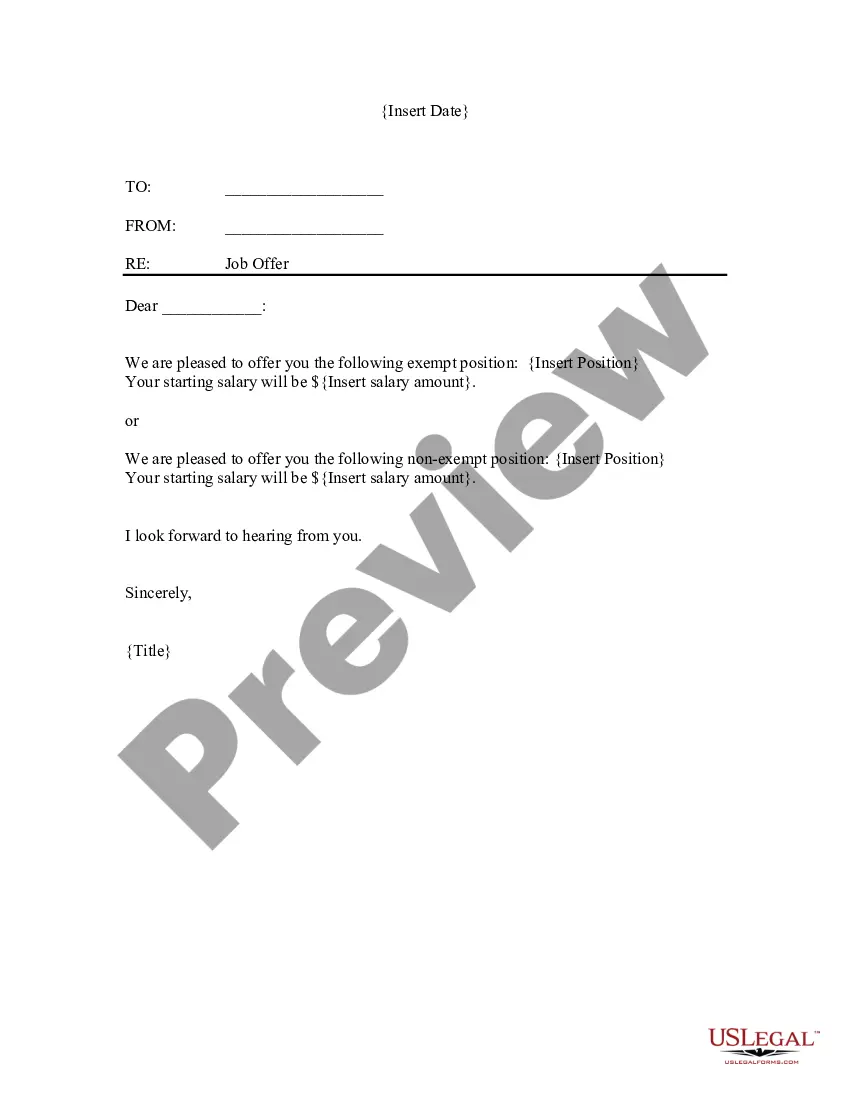
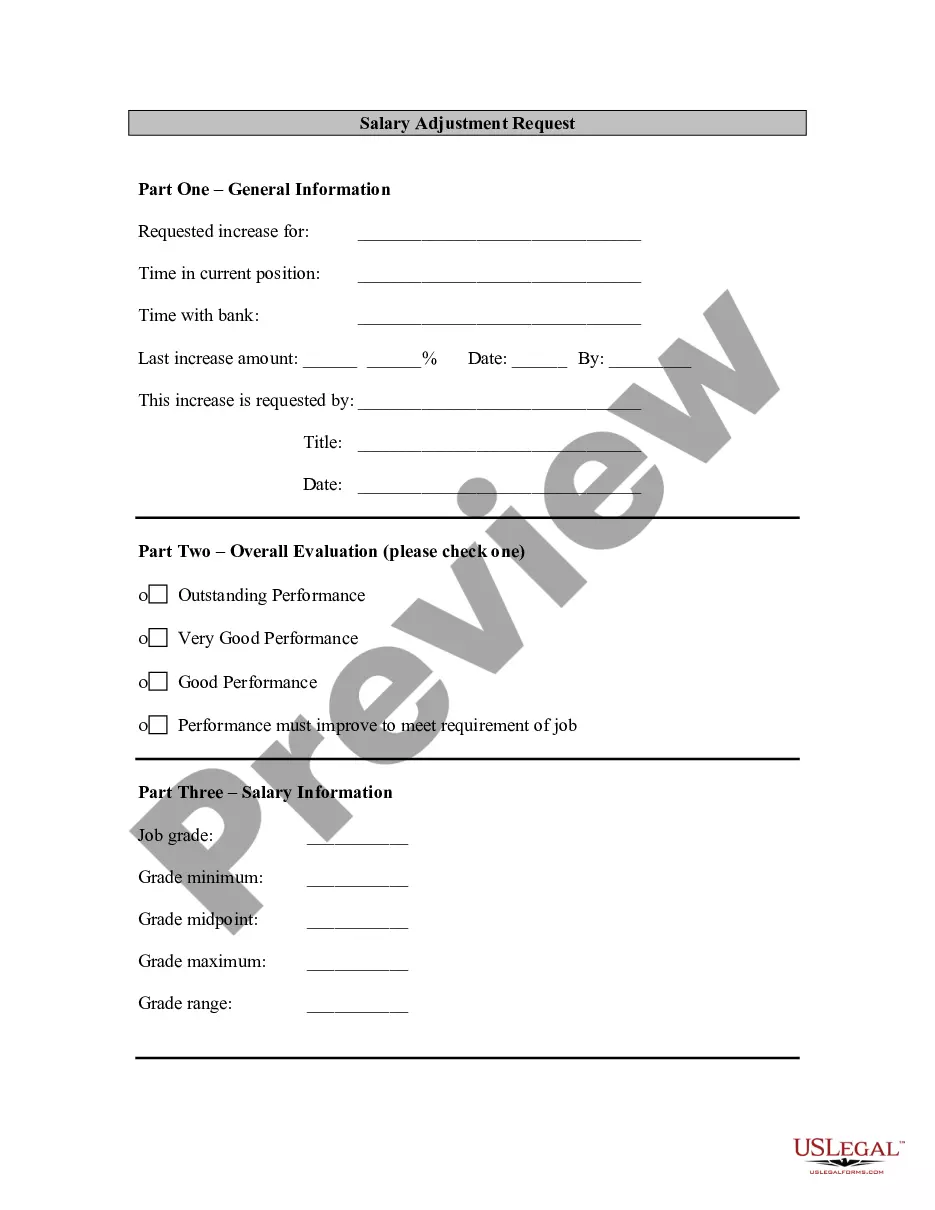
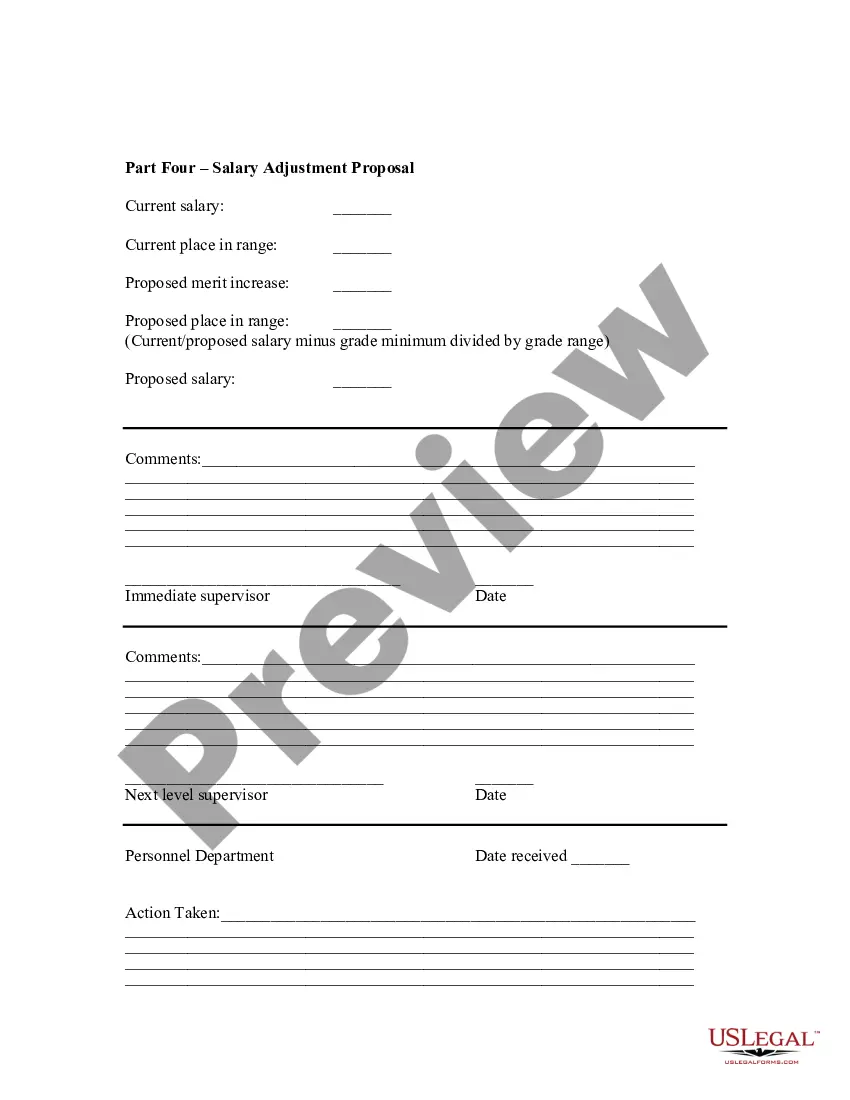
Indiana Salary Adjustment Request
Description
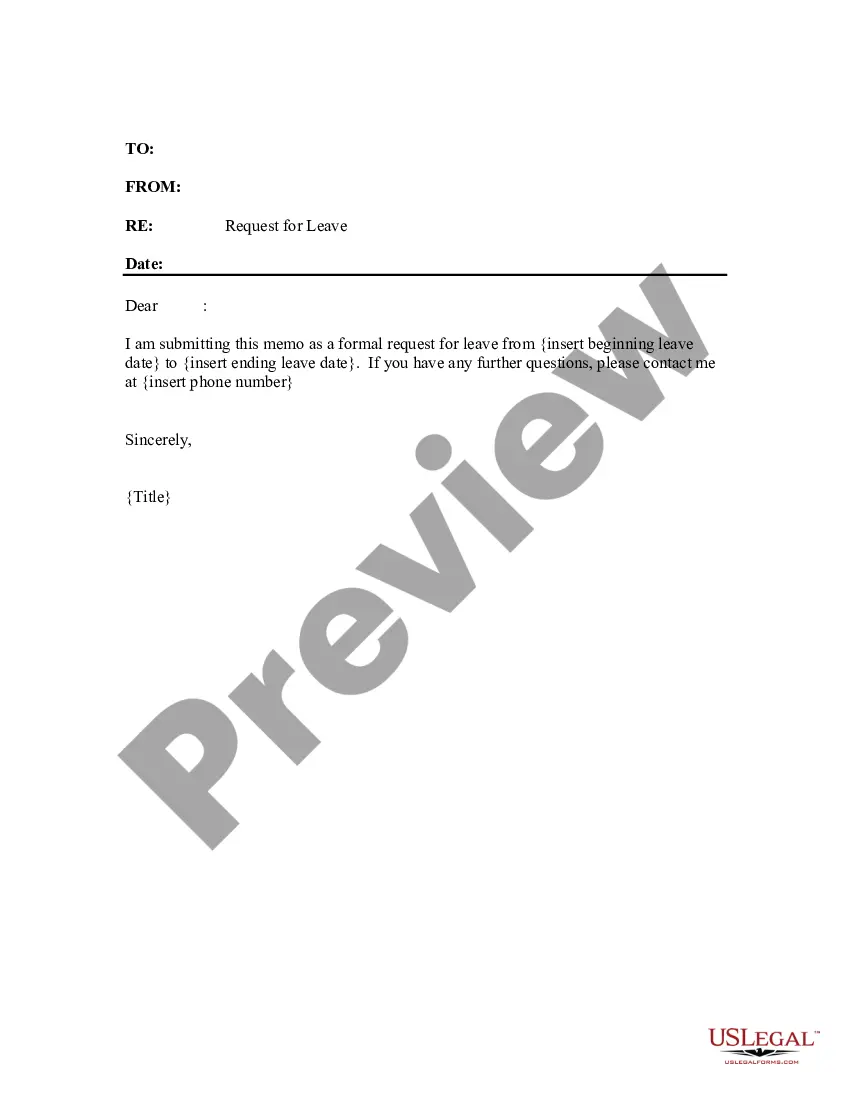
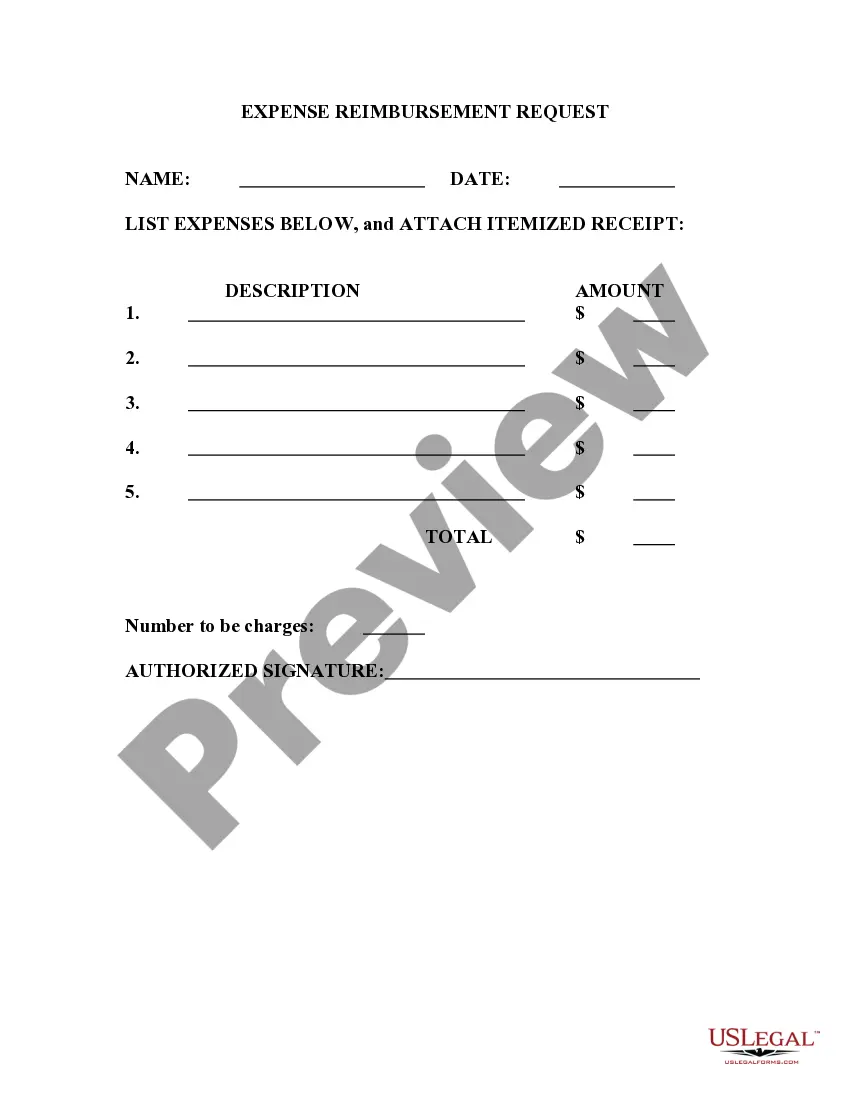
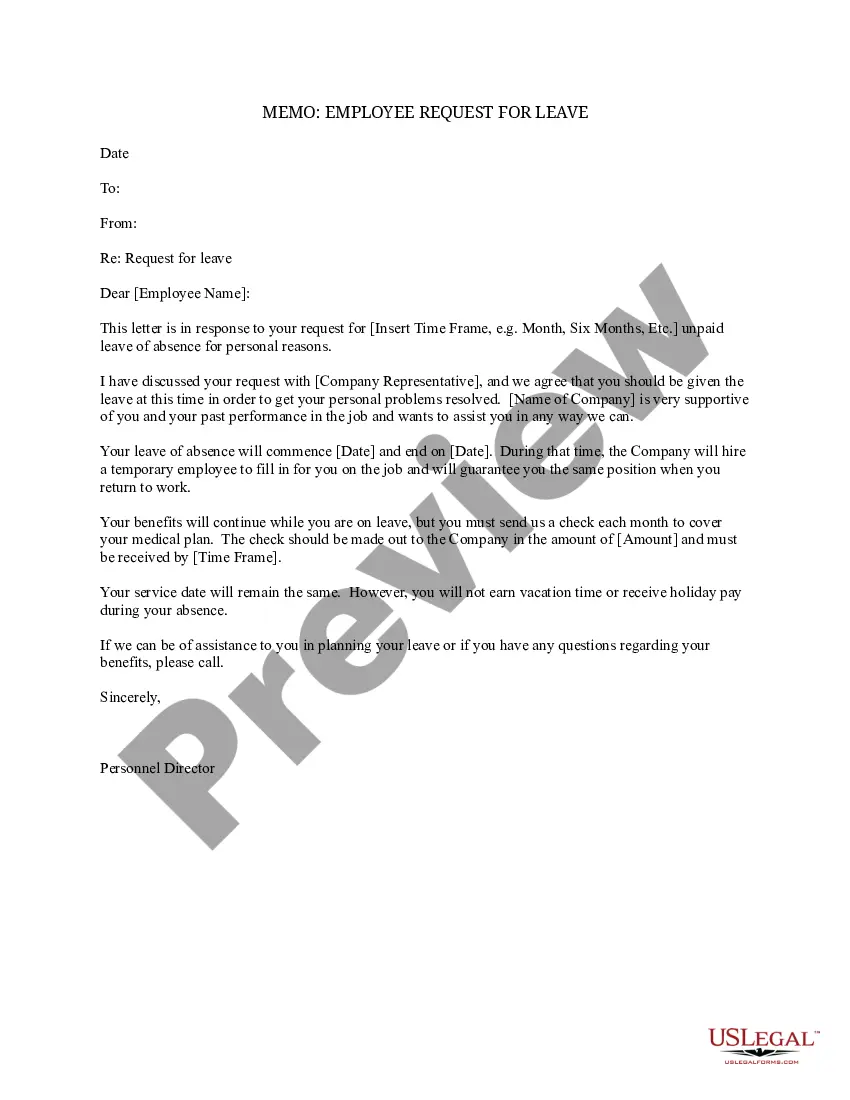
Get your form ready online
Our built-in tools help you complete, sign, share, and store your documents in one place.
Make edits, fill in missing information, and update formatting in US Legal Forms—just like you would in MS Word.
Download a copy, print it, send it by email, or mail it via USPS—whatever works best for your next step.
Sign and collect signatures with our SignNow integration. Send to multiple recipients, set reminders, and more. Go Premium to unlock E-Sign.
If this form requires notarization, complete it online through a secure video call—no need to meet a notary in person or wait for an appointment.
We protect your documents and personal data by following strict security and privacy standards.
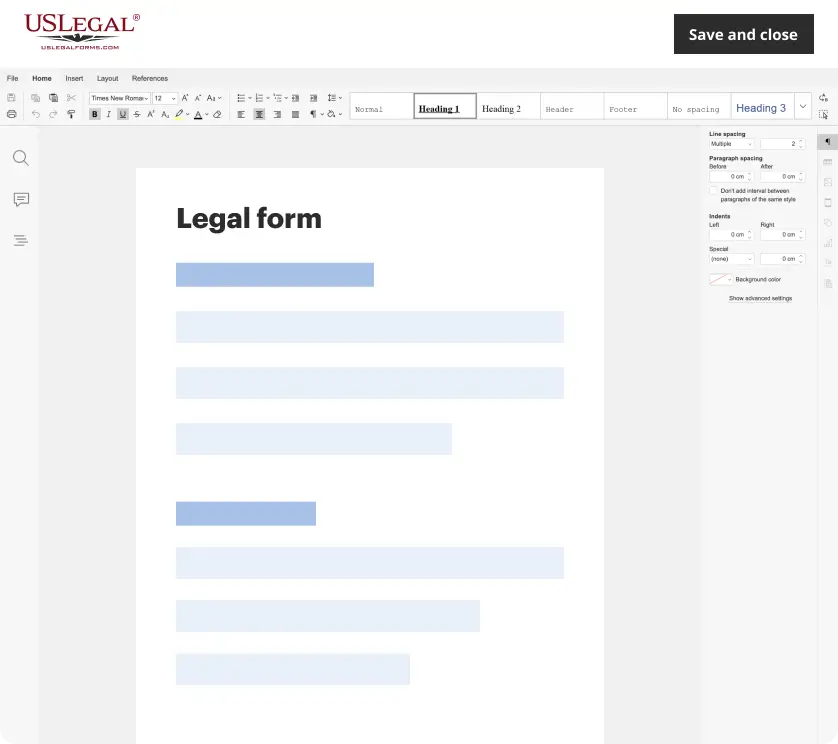
Make edits, fill in missing information, and update formatting in US Legal Forms—just like you would in MS Word.
Download a copy, print it, send it by email, or mail it via USPS—whatever works best for your next step.
Sign and collect signatures with our SignNow integration. Send to multiple recipients, set reminders, and more. Go Premium to unlock E-Sign.

If this form requires notarization, complete it online through a secure video call—no need to meet a notary in person or wait for an appointment.
We protect your documents and personal data by following strict security and privacy standards.
Looking for another form?






How to fill out Salary Adjustment Request?
You might spend numerous hours online striving to locate the legal document template that satisfies the federal and state requirements you need.
US Legal Forms offers an extensive collection of legal documents that can be assessed by experts.
It is easy to download or print the Indiana Salary Adjustment Request from my services.
To find another version of the form, utilize the Search section to identify the template that meets your needs and requirements.
- If you already have a US Legal Forms account, you can Log In and click the Download button.
- After that, you can fill out, modify, print, or sign the Indiana Salary Adjustment Request.
- Every legal document template you acquire is yours to keep forever.
- To obtain an additional copy of any purchased form, navigate to the My documents section and press the relevant button.
- If this is your first time using the US Legal Forms site, adhere to the straightforward instructions below.
- Firstly, ensure that you have selected the appropriate document template for the county/town of your choice.
- Review the form outline to confirm you have chosen the correct form.
Form popularity
FAQ
A pay adjustment is an increase or decrease in an employee's salary or wage. Pay adjustments can be temporary, but they are not one-time changes made for payroll mistakes.
An employer cannot usually impose a pay cut unilaterally on employees. However, there are situations where this may be possible for example, the right to reduce their remuneration package may be covered in the employment contract.
On average, companies offer employees a wage raise of 3-5%. Even if this range can not appear to be a fair rise, bear in mind that regular compensation increases over time might build up to a greater salary than you earned when you first started at the company.
Pay increases tend to vary based on inflation, location, sector, and job performance. Most employers give their employees an average increase of 3% per year. Consistent job switching may have an impact on the rate at which your salary increases.
Reasons to make a pay adjustmentYou give the employee a raise for merit or experience. You give an employee a cost of living increase. You increase wages as a market adjustment or to keep up with competitors. You are trying to equal out wages among your employees.
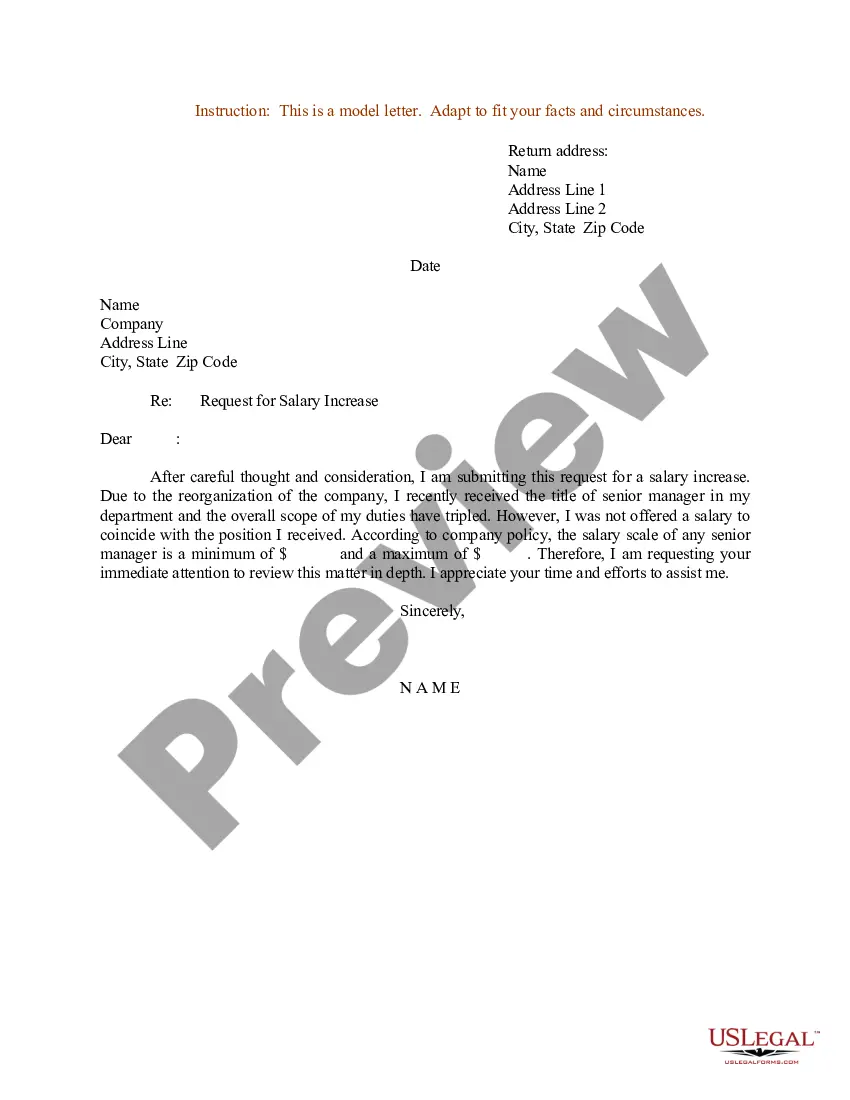
Be straightforward in addressing your request for a raise to your manager. Tell the manager you are asking for the raise at this time because of the accomplishments and contributions you have made, and the additional responsibilities you have taken on. Be prepared with your documentation.
Employees who meet their goals and meet the company's expectations are generally entitled to a 3% increase, which is the national average. Some employers may only offer a nominal increase of 2% to some workers while others may receive a jump of 5% or more.
It's always a good idea to ask for anywhere between 10% to 20% higher than what you're making right now. You may be able to ask for more based on your performance, length of time with the company, and other factors. Make sure you come prepared when you negotiate your raise and be confident.
How to increase your salary at workGain more qualifications. The more skills you have at your disposal, the more valuable an employee you are.Maintain a consistent performance.Take more responsibilities.Get an outstanding performance review.Seek regular feedback.Understand your role.Be likable.Ask for it.
When to Ask for a RaiseYour Employer Posted Strong Quarterly Earnings.You Aced a Performance Review.You Made a Significant Achievement.You Find Out You're Being Underpaid.You Took On More Job Responsibilities.You Received a Job Offer from Another Company.You Just Hit the One-Year Mark.You Received a Promotion.