Indiana Land Trust Agreement

State:
Multi-State
Control #:
US-02093BG
Format:
Word; 
Rich Text
Instant download

Description

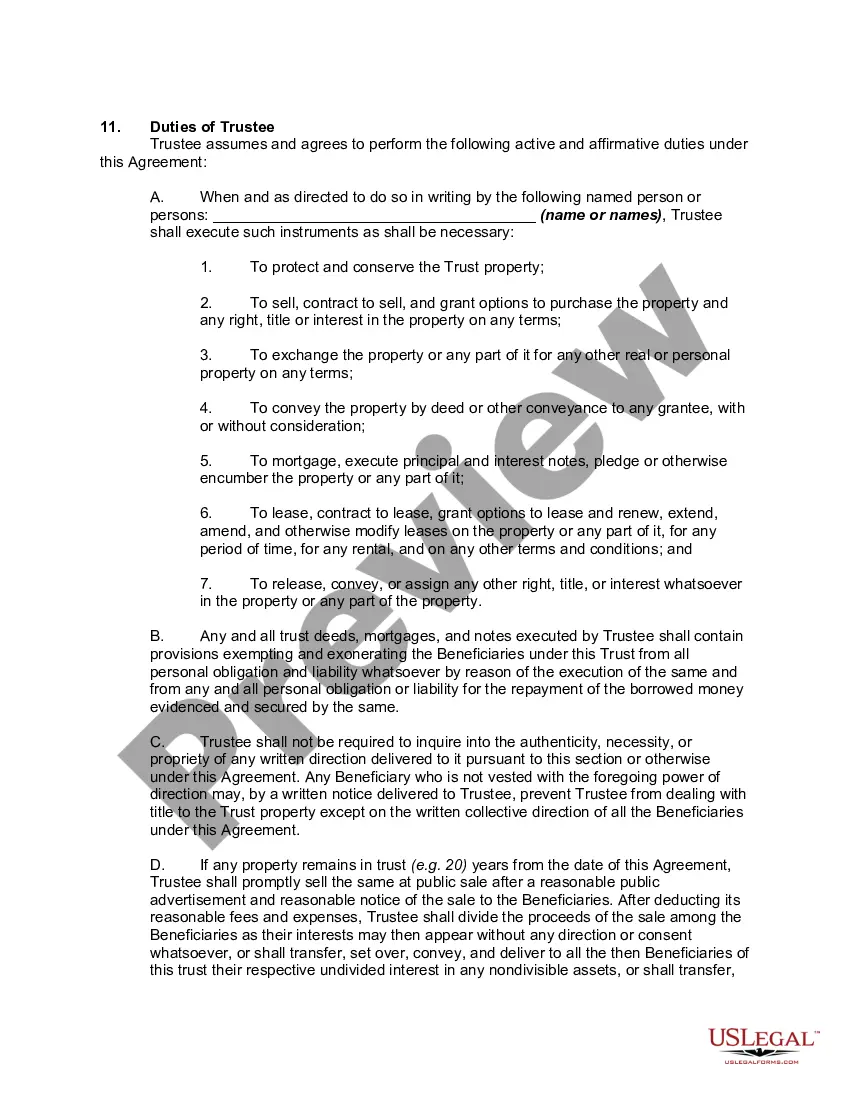
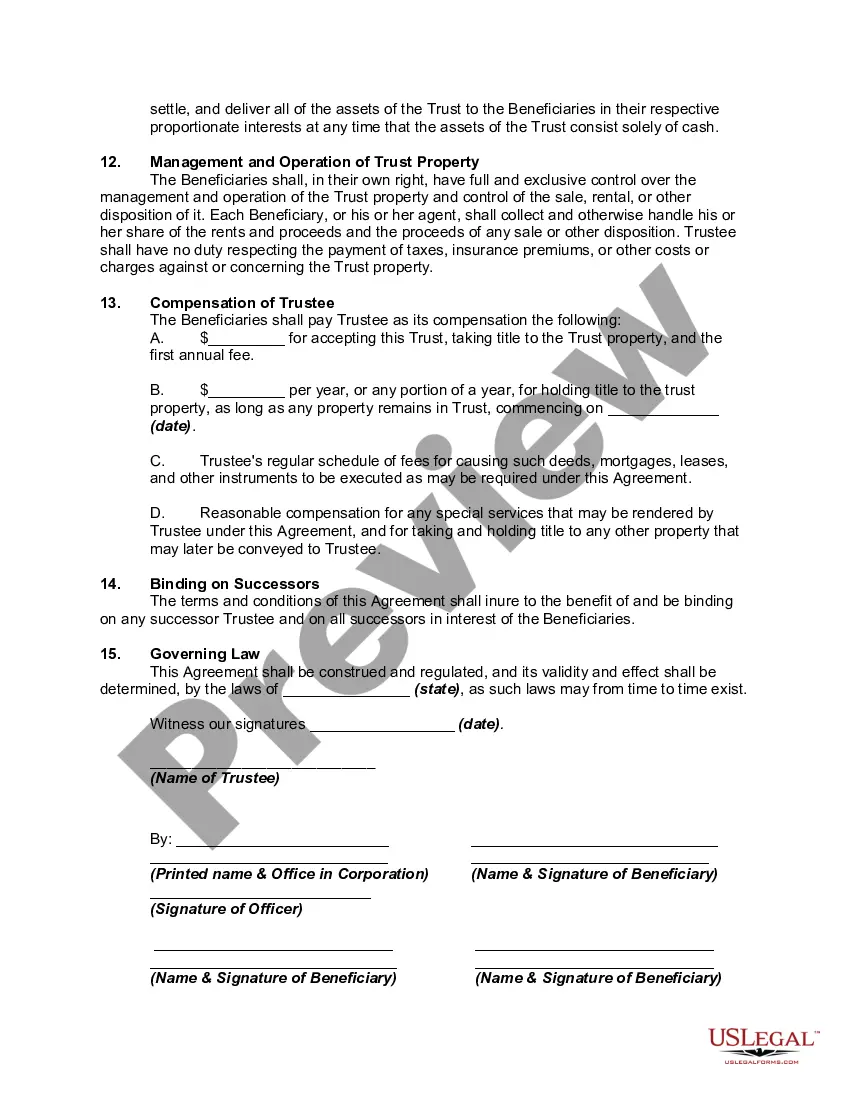
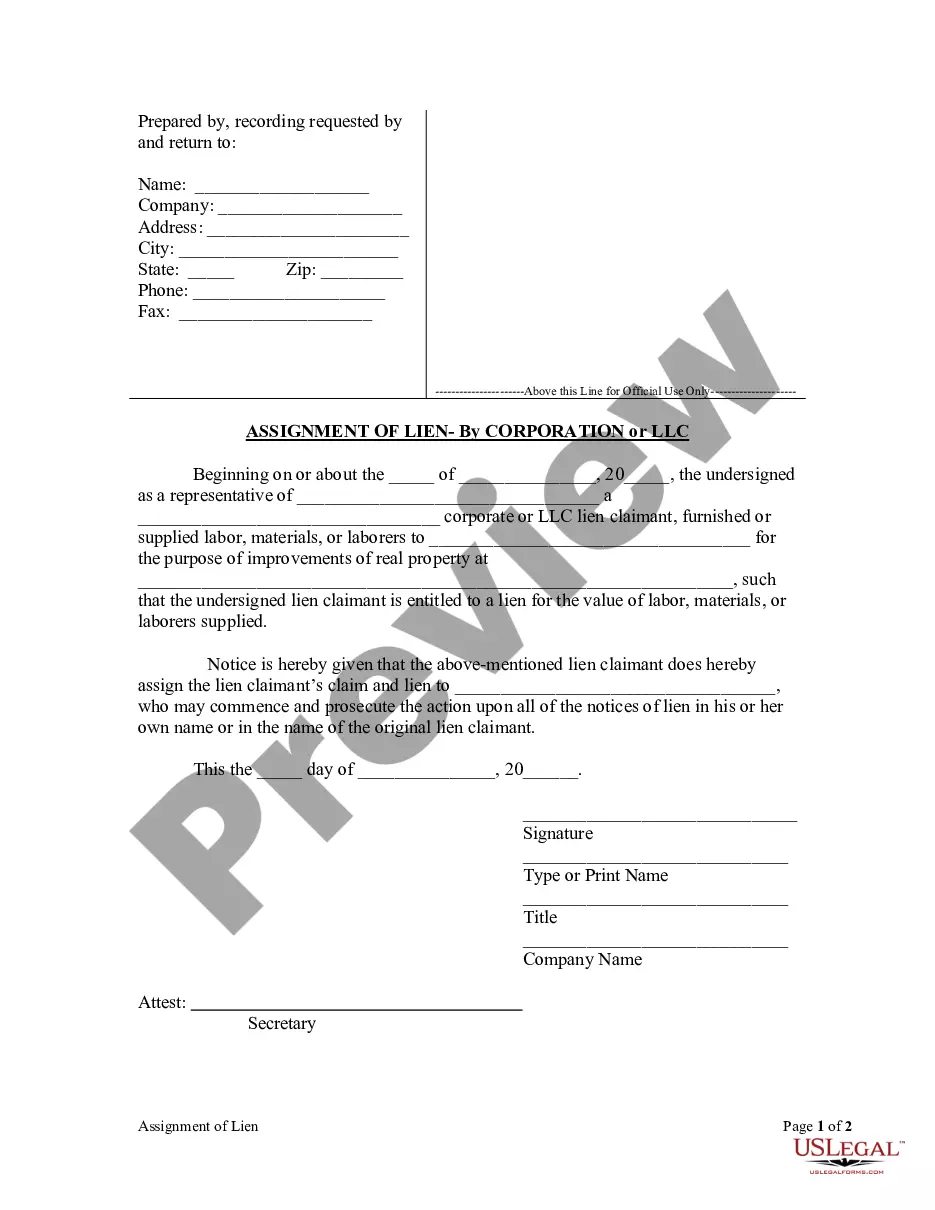
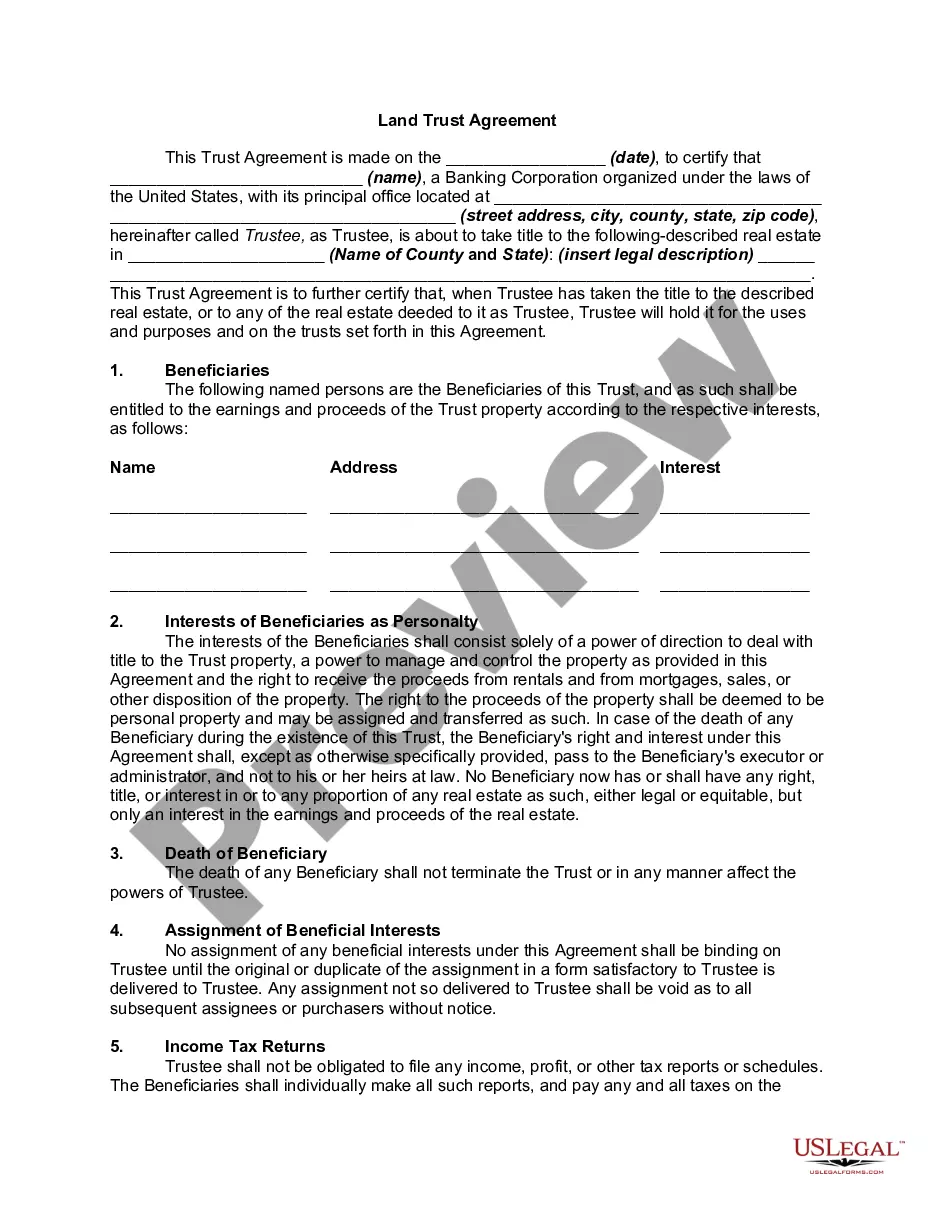
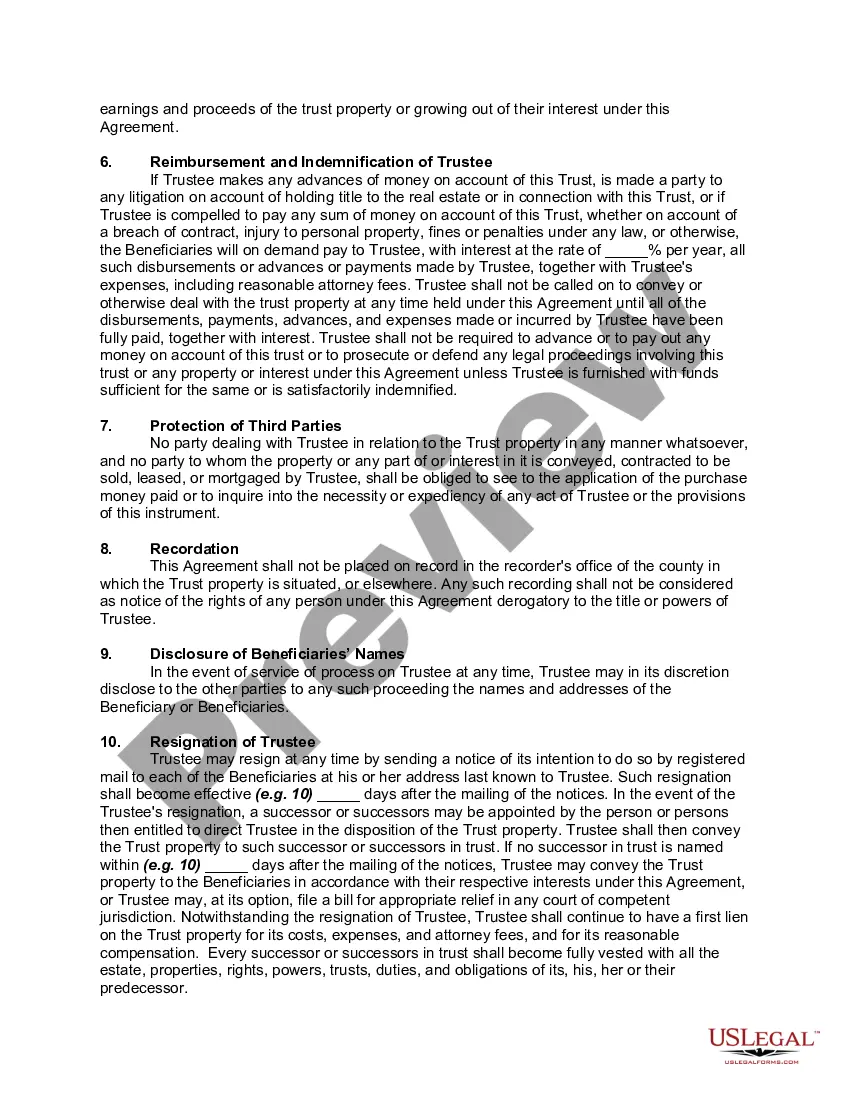
There are two basic instruments required to establish a land trust. One is a deed in trust conveying the real estate to a trustee. The other is a trust agreement defining the rights and duties of the trustee and the beneficiaries, which is mentioned in the deed of trust but is not recorded. The deed in trust should convey title to real property to a trustee and confer complete trust powers on the trustee so that the trustee can deal with third parties without reference to the trust agreement. Restrictions on the trustee's powers should be set forth in the trust agreement.


This form is a generic example that may be referred to when preparing such a form for your particular state. It is for illustrative purposes only. Local laws should be consulted to determine any specific requirements for such a form in a particular jurisdiction.
Free preview
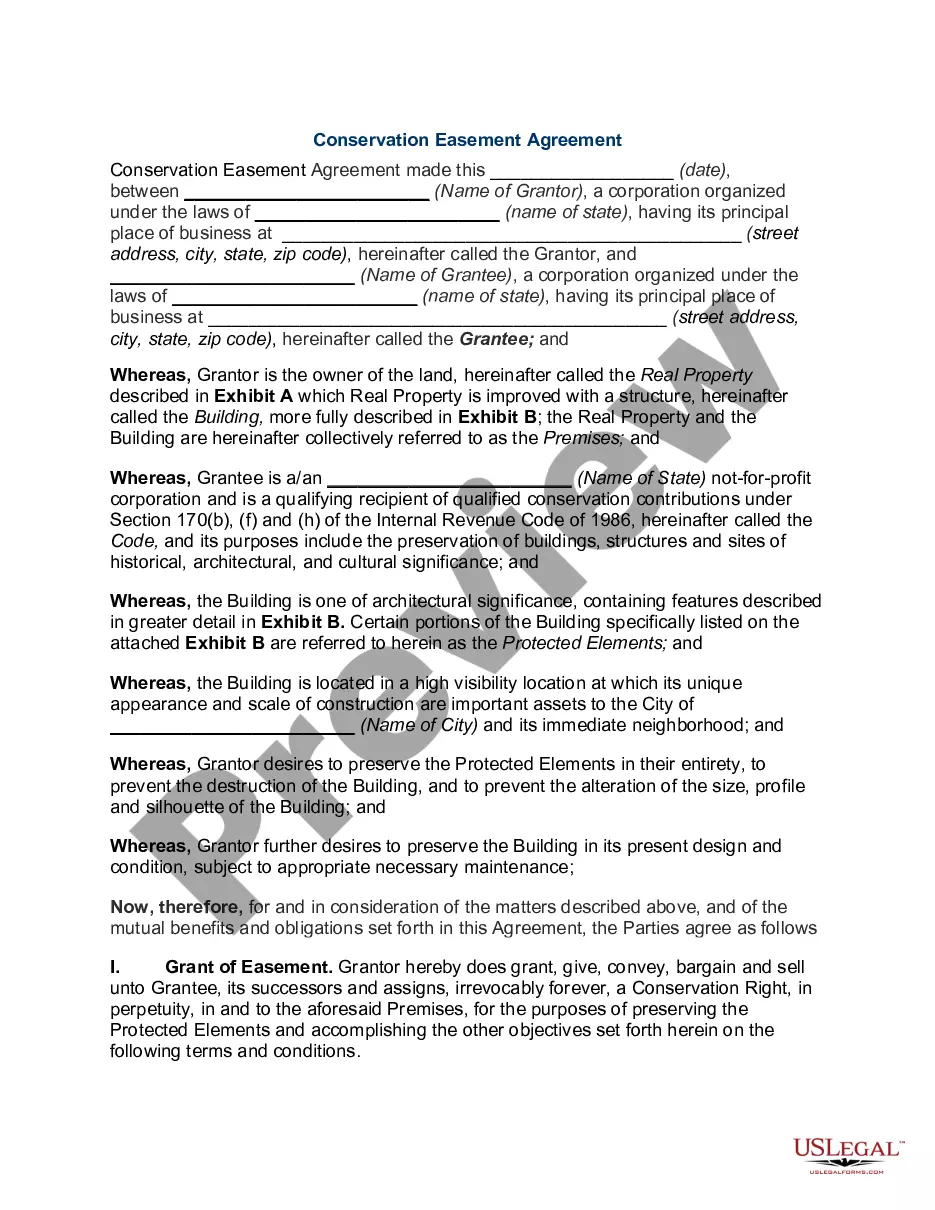
  • Preview Land Trust Agreement
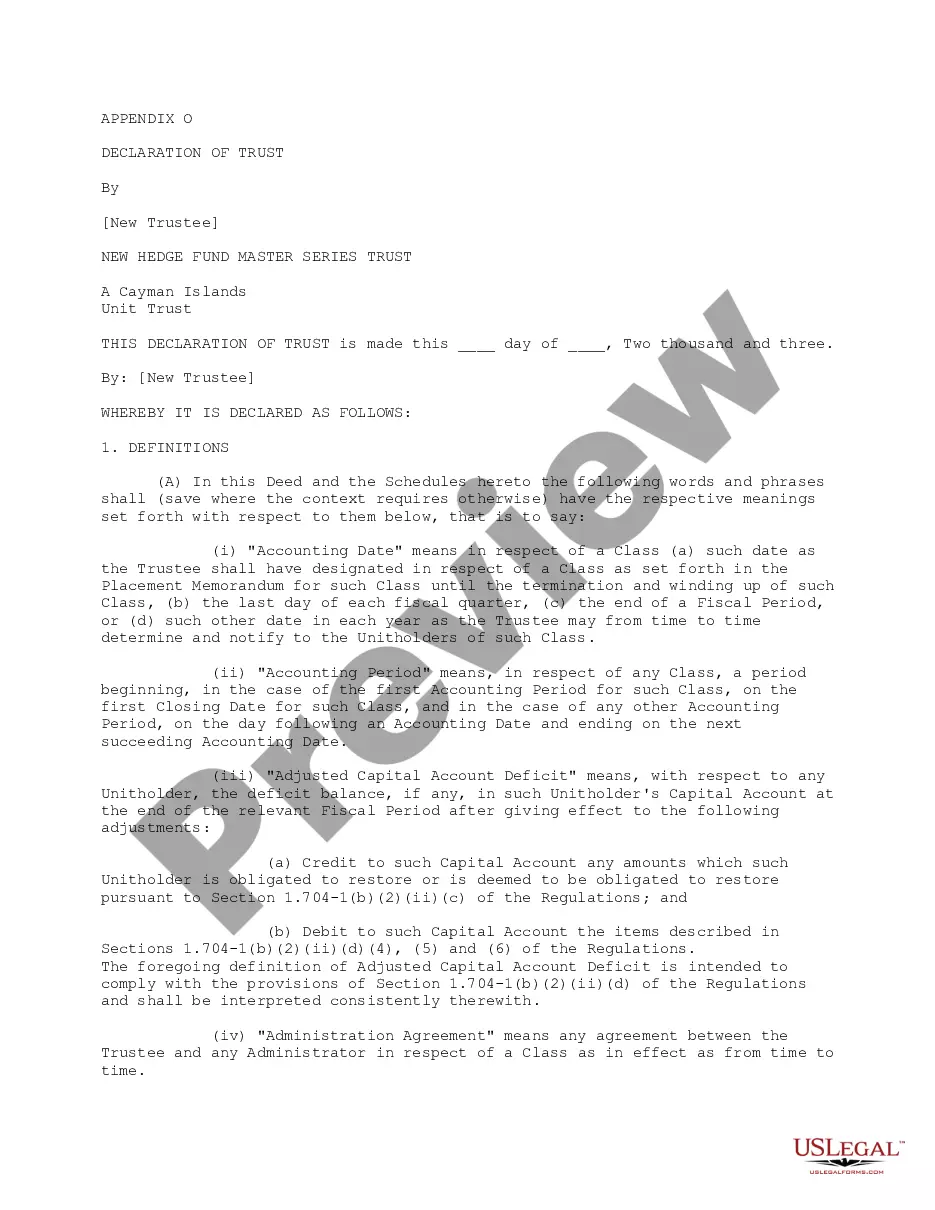
  • Preview Land Trust Agreement
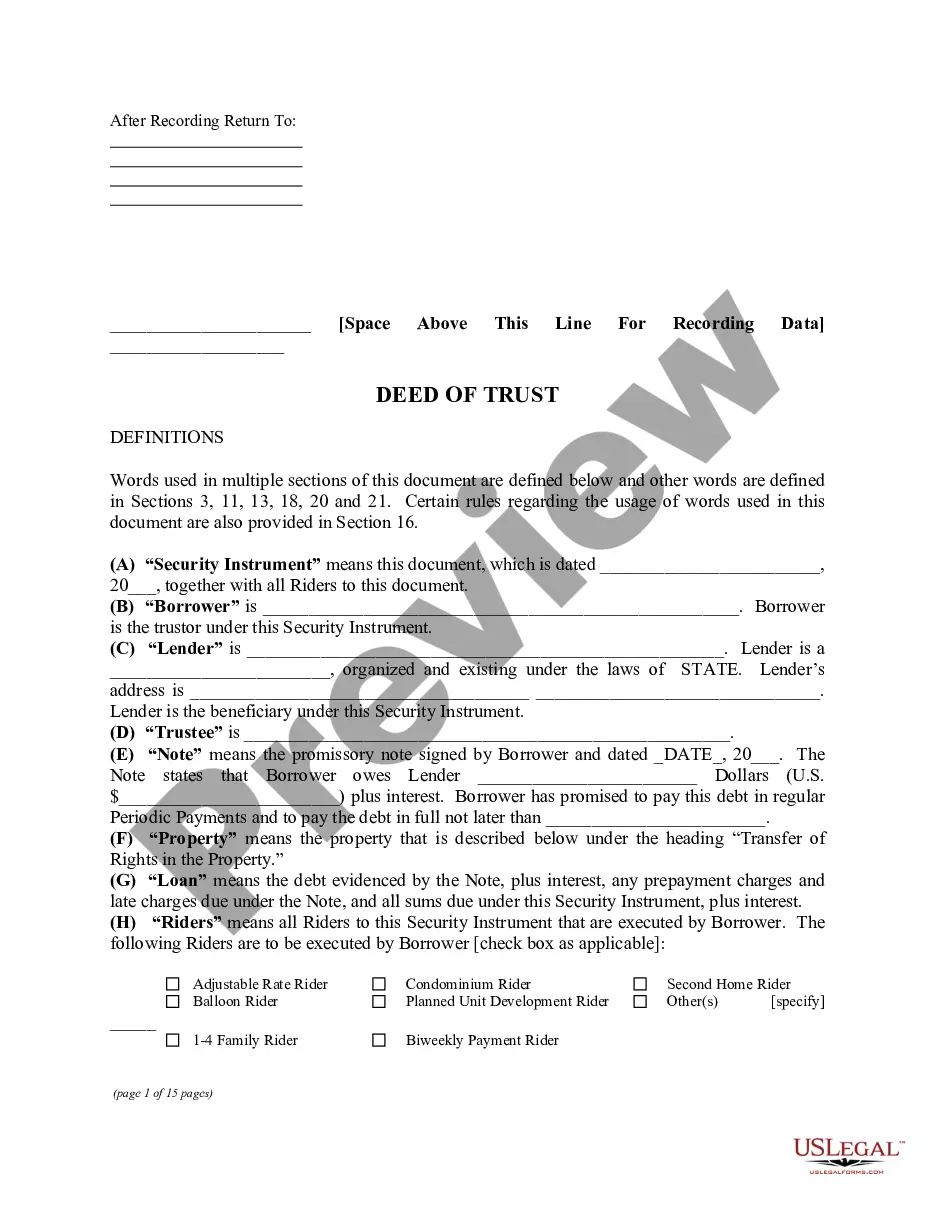
  • Preview Land Trust Agreement
  • Preview Land Trust Agreement
  • Preview Land Trust Agreement

How to fill out Land Trust Agreement?

You can spend hours online trying to locate the official document format that meets the state and federal standards you require.

US Legal Forms offers a vast array of legal forms that are examined by professionals.

You can easily download or print the Indiana Land Trust Agreement from your service.

If you wish to obtain another version of the form, use the Search field to find the format that meets your needs and requirements.

  1. If you already have a US Legal Forms account, you may Log In and click the Obtain button.
  2. Then, you can complete, modify, print, or sign the Indiana Land Trust Agreement.
  3. Every legal document format you purchase is yours forever.
  4. To obtain another copy of any purchased form, go to the My documents tab and click the corresponding button.
  5. If you are using the US Legal Forms website for the first time, follow the simple instructions below.
  6. First, ensure that you have selected the correct document format for the state/region of your choice.
  7. Review the form description to confirm you have chosen the right form.
  8. If available, utilize the Preview button to review the document format as well.

Form popularity

FAQ

An example of a trust clause in an Indiana Land Trust Agreement could be a provision detailing the trustee’s powers regarding asset management. For instance, it might state that the trustee has the authority to sell or lease property within the trust as necessary for its maintenance and growth. Including such clauses helps clarify the roles and expectations involved, ensuring that all parties understand the terms of the trust. Clear clauses enhance the effectiveness of your Indiana Land Trust Agreement.

To write an Indiana Land Trust Agreement, you should start by outlining the purpose of the trust and identifying the assets involved. Next, designate a trustee who will manage the trust and establish the rights and responsibilities of all parties. Clear language is crucial to avoid ambiguity, and incorporating specific terms can help align the agreement with your intentions. For a thorough and compliant document, consider utilizing services like USLegalForms, which can provide templates tailored to your needs.

Typically, a qualified attorney prepares the Indiana Land Trust Agreement to ensure compliance with state laws and regulations. Lawyers specializing in estate planning or real estate law can help craft an agreement that meets your specific needs. It's advisable to engage a professional familiar with Indiana's legal landscape. This step helps avoid pitfalls and ensures your agreement is robust and enforceable.

A trust document does not legally need to be notarized; however, it is beneficial to do so. In the case of an Indiana Land Trust Agreement, notarization can provide added legal assurance and help prevent future disputes over the trust's validity. By taking this extra step, you enhance the trust's reliability and protect your estate planning intentions.

To file a trust in Indiana, you need to create a trust document, like an Indiana Land Trust Agreement, and ensure it is properly executed. While there is no official state filing required for most trusts, you may need to record the trust with the county recorder if it involves real estate. Additionally, consulting with a legal expert or using platforms like uslegalforms can simplify the process and help you with all necessary paperwork.

While notarization is not mandatory for a trust to be valid in Indiana, it is highly recommended. An Indiana Land Trust Agreement, when notarized, can help avoid potential challenges down the line and ensure your wishes are honored. Using notarization can provide peace of mind, knowing your trust is recognized and properly executed.

In Indiana, notarization is not explicitly required for a trust document to be valid, including an Indiana Land Trust Agreement. However, having your trust notarized can strengthen its enforceability and provide a layer of protection against disputes. This extra step helps confirm that the document reflects your true intentions, which adds to the credibility of your estate planning.

For a trust, including an Indiana Land Trust Agreement, to be valid, it must have a clear grantor, a definite beneficiary, a valid purpose, and it should be in writing. These components ensure that the trust can operate effectively, providing legal clarity and protection for the assets held within. By understanding these four elements, you can confidently set up your trust to meet your needs.

A trust document becomes legal when it meets specific requirements set by state laws. For an Indiana Land Trust Agreement, it typically requires proper drafting, the intention to create the trust, and the signing of the document in the presence of a witness. Ensuring all these elements are correctly followed guarantees that your trust will stand up in court, protecting your assets and intentions.

Yes, Indiana does recognize land trusts as valid legal entities for managing property. This means that individuals can create land trusts to hold and manage their real estate through an Indiana Land Trust Agreement. This recognition offers property owners various benefits, including privacy and control over the property use.

Trusted and secure by over 3 million people of the world’s leading companies

Indiana Land Trust Agreement