Indiana Limited Liability Partnership Agreement
Description
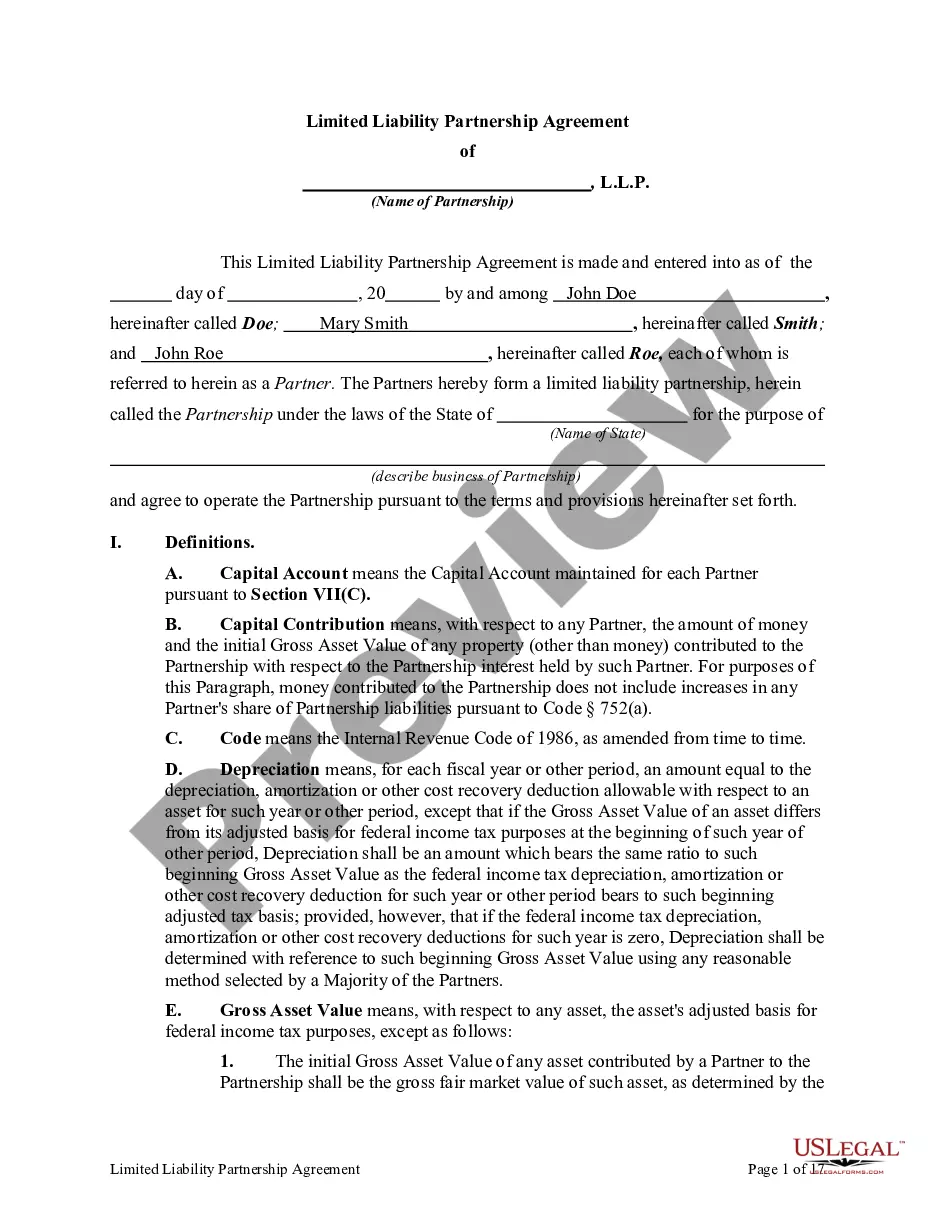
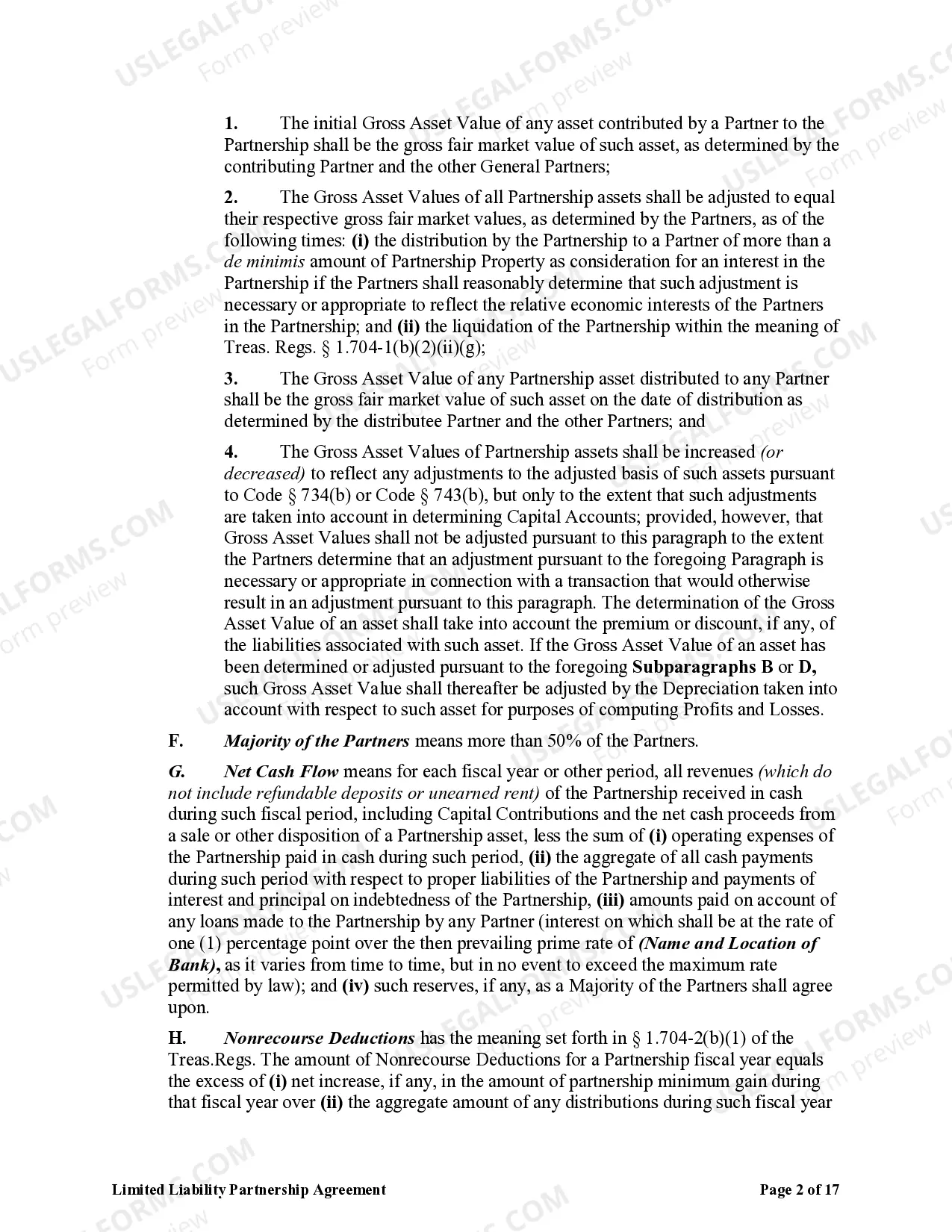
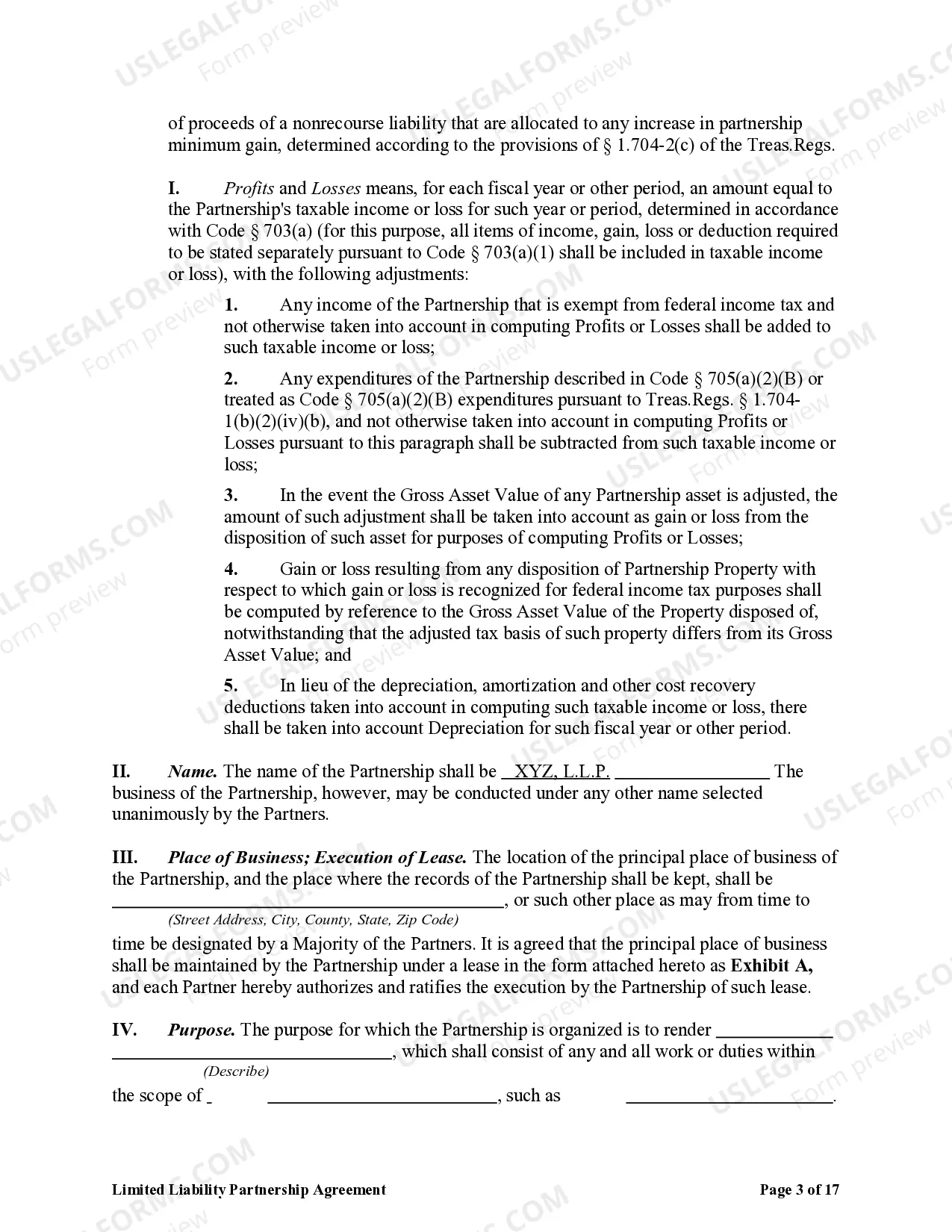
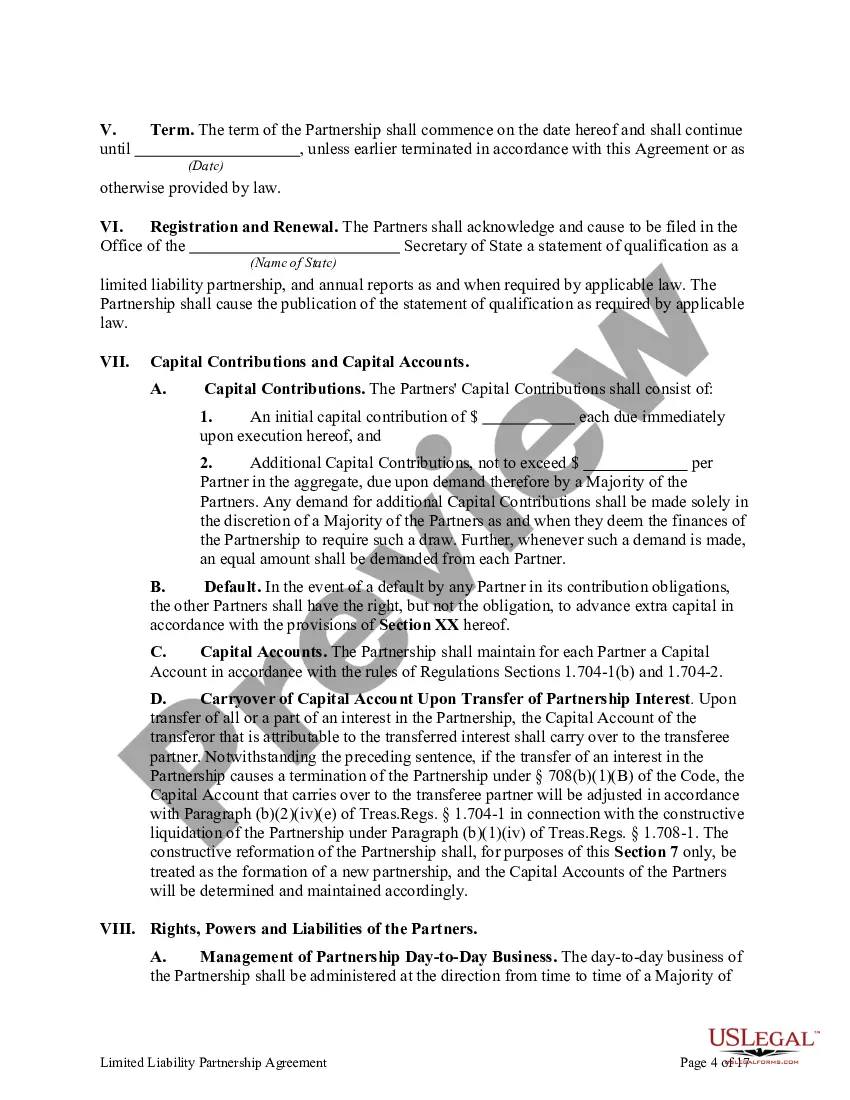
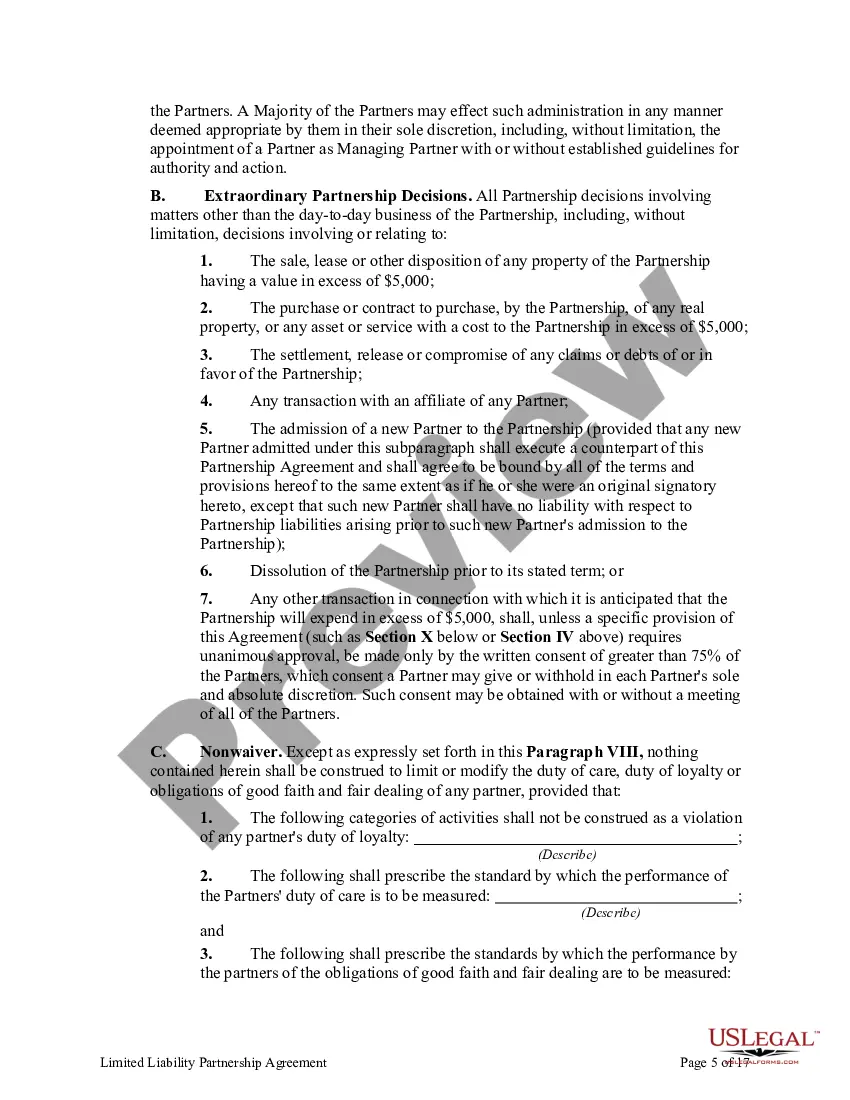
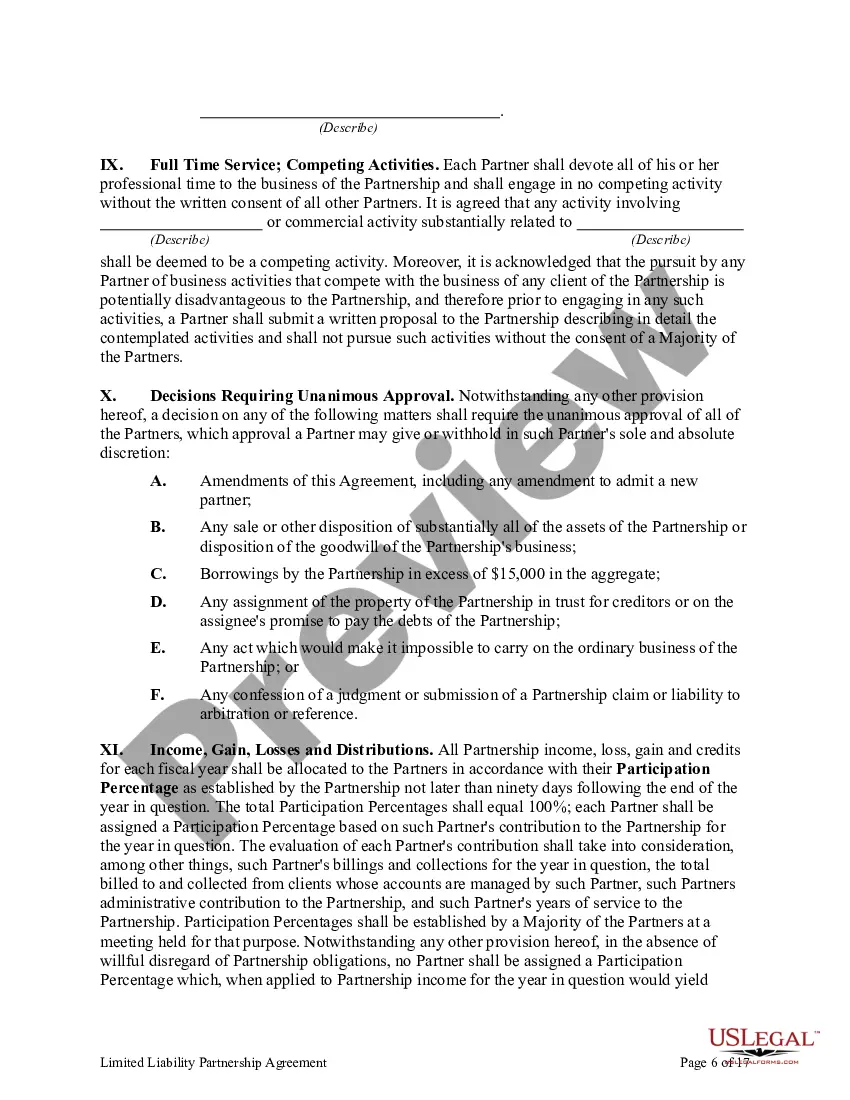
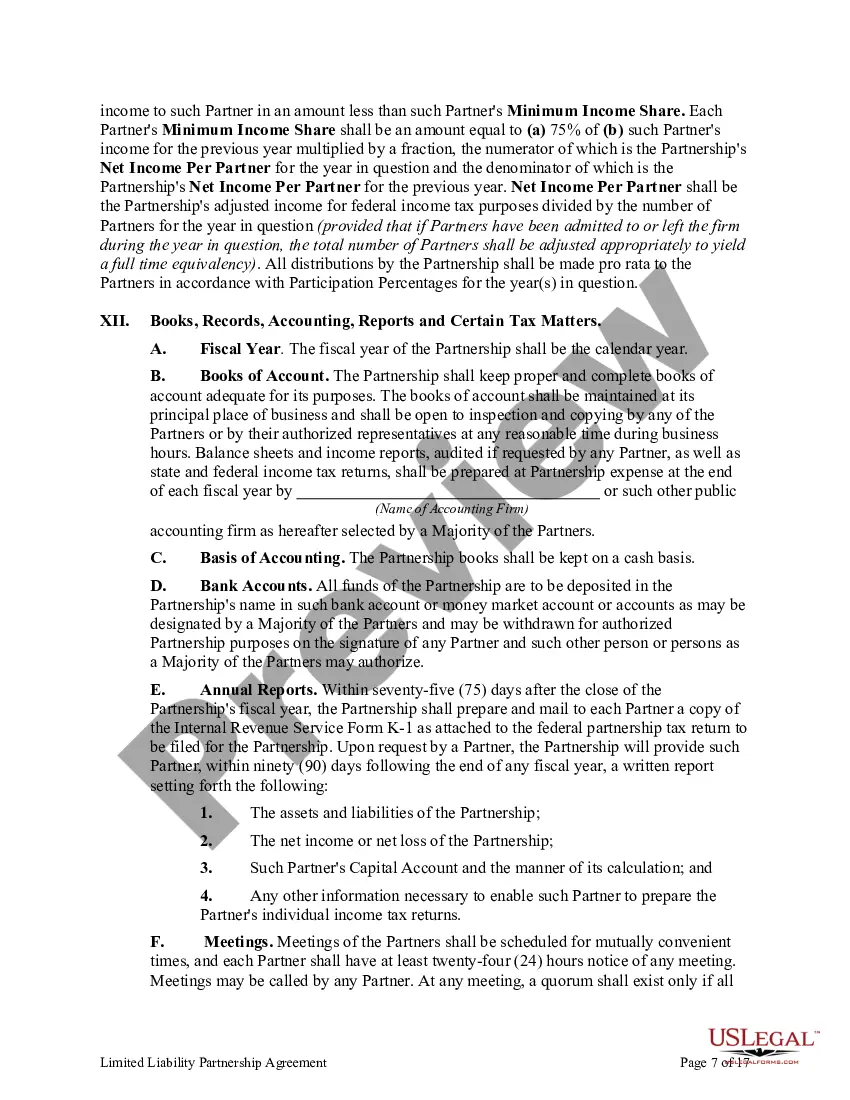
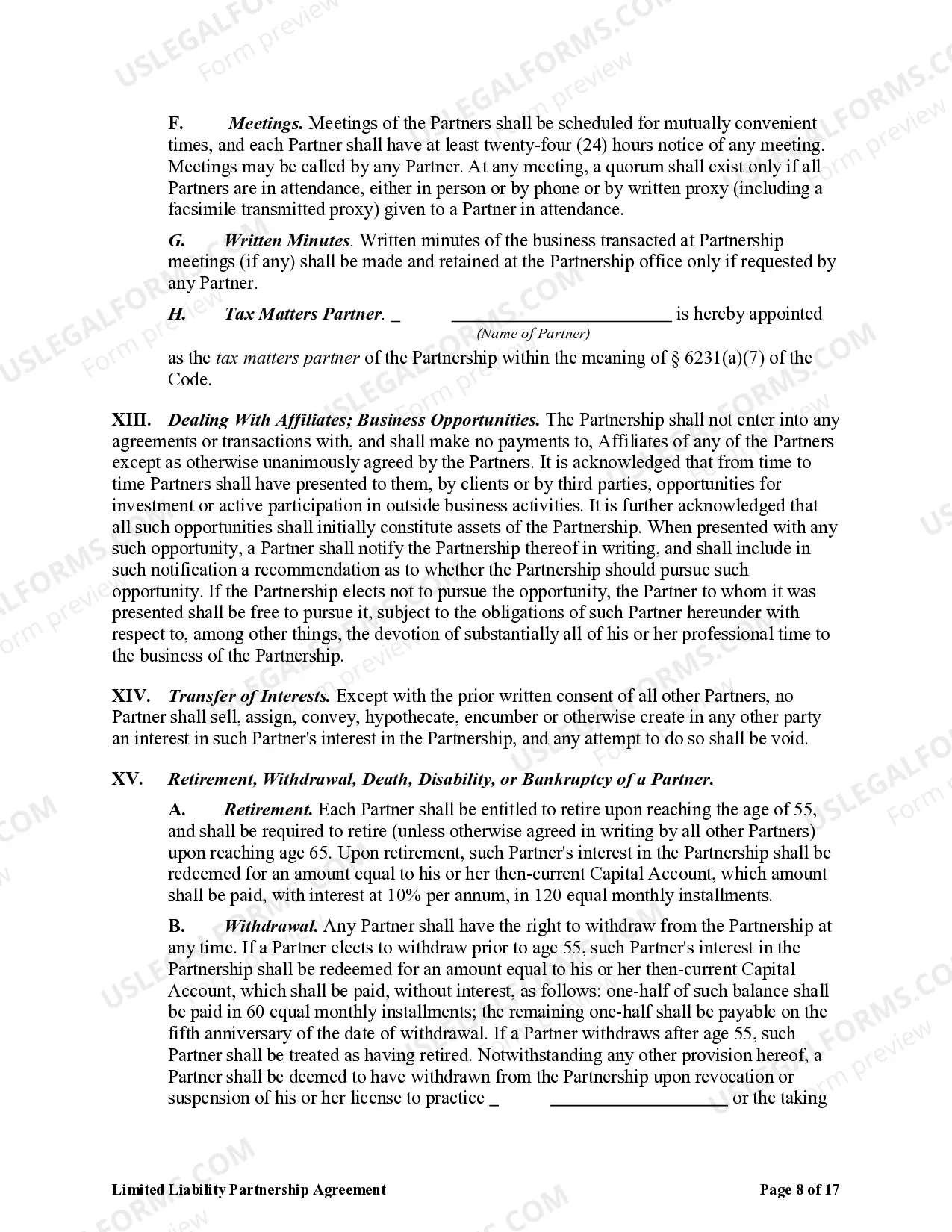
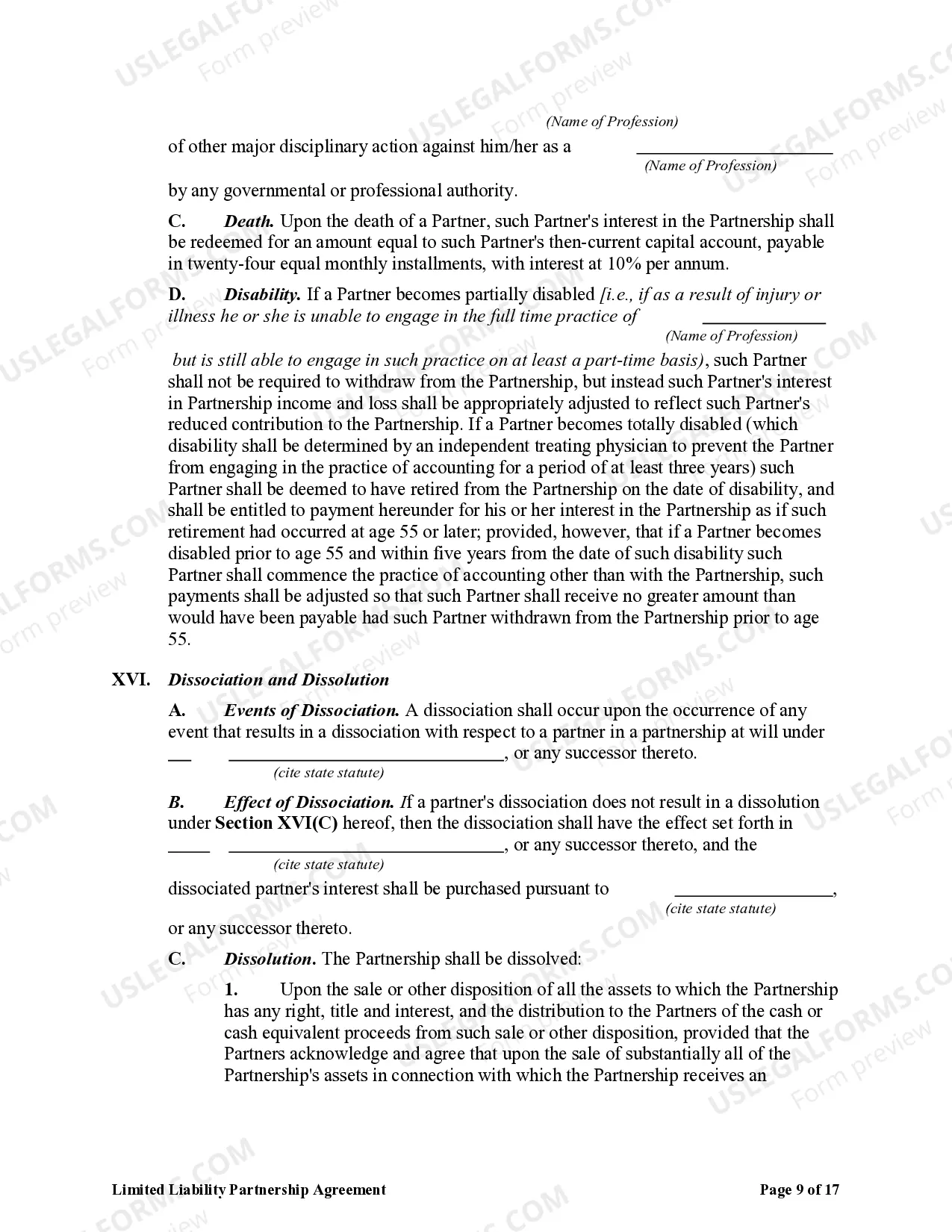
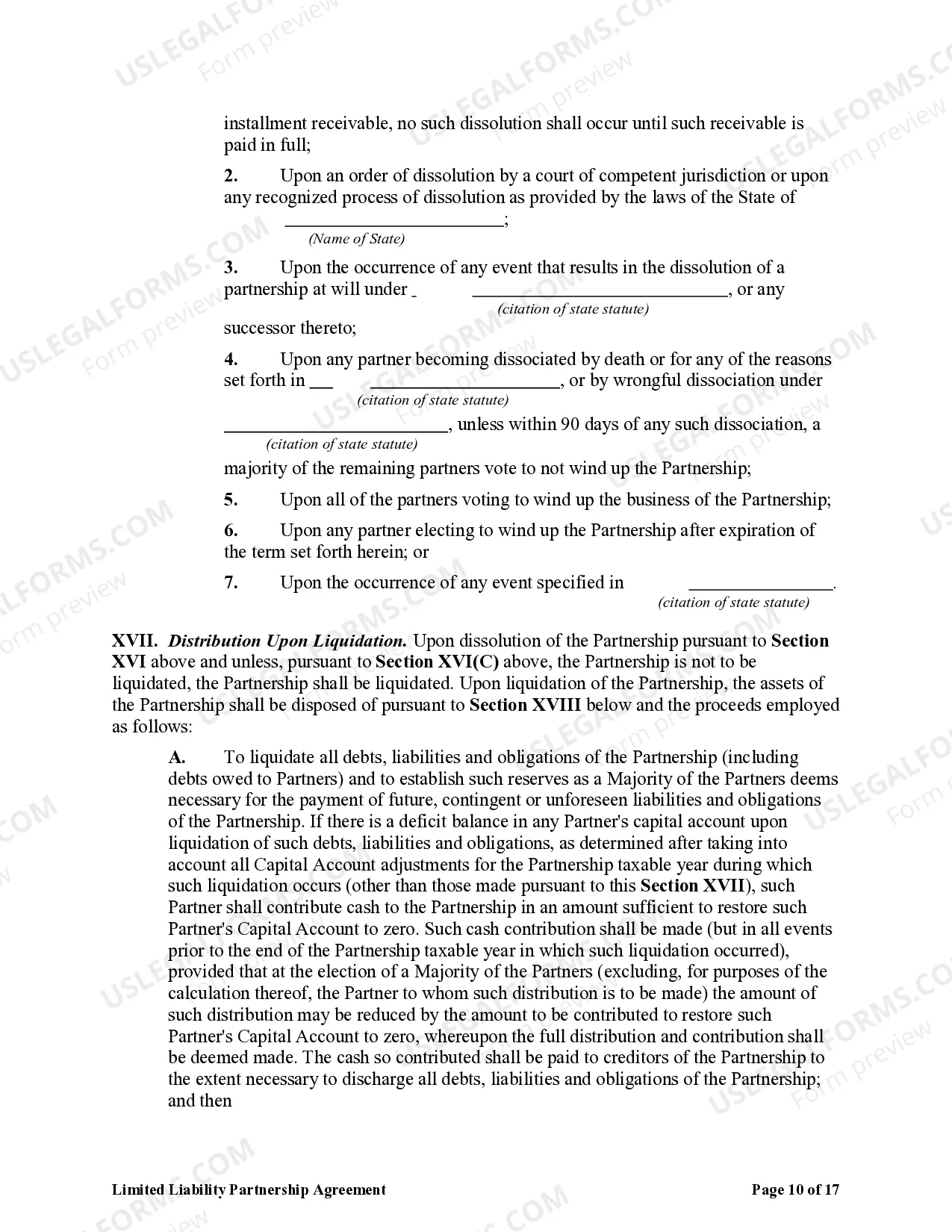

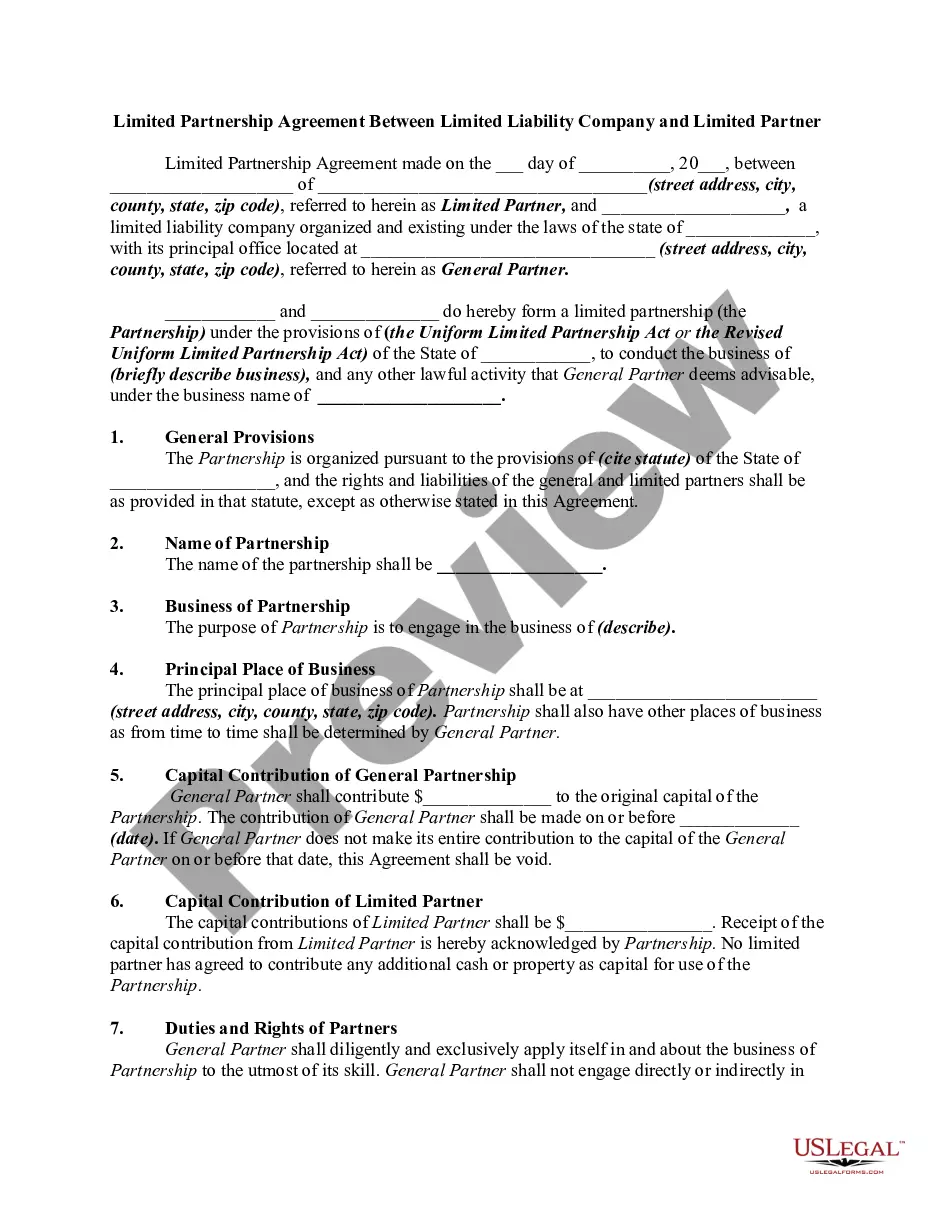
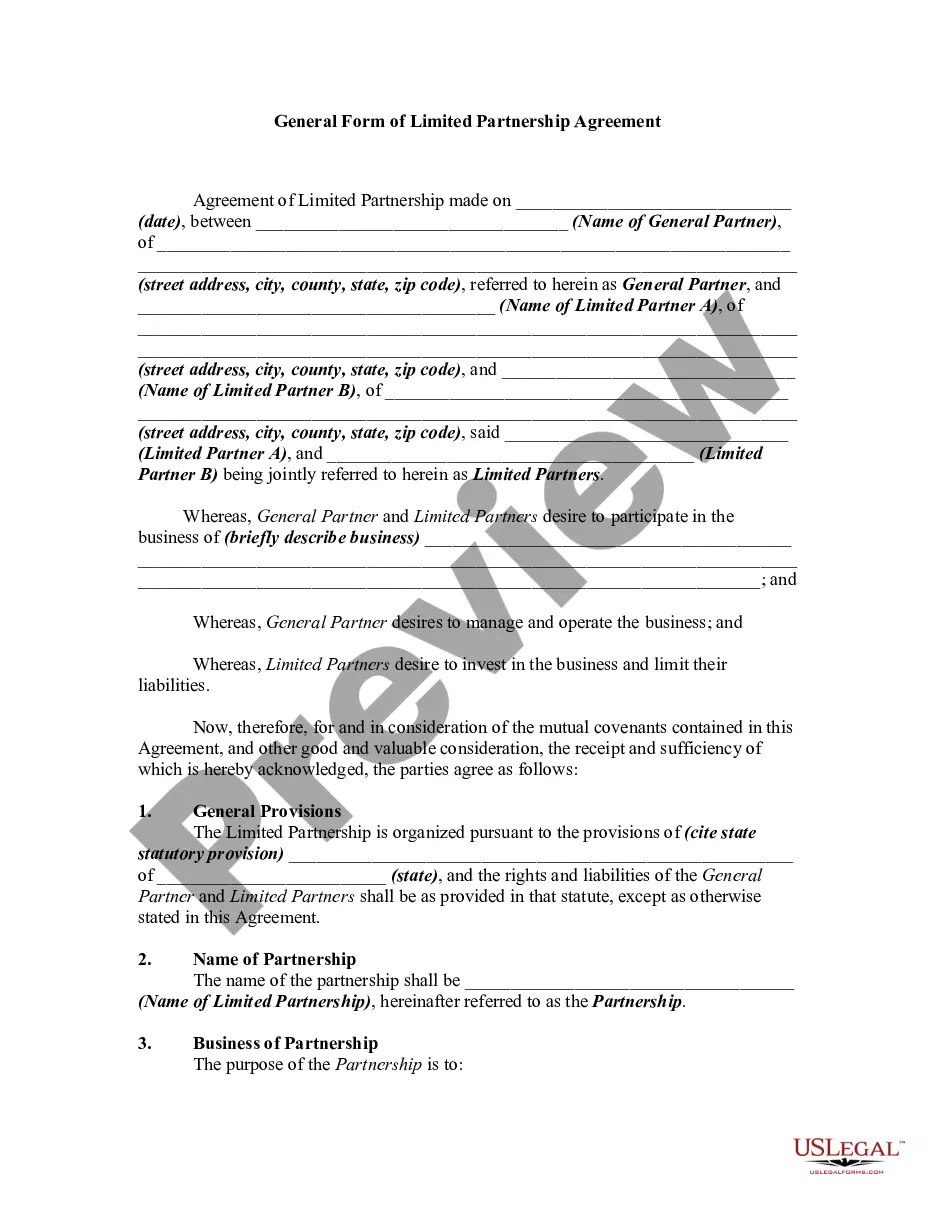
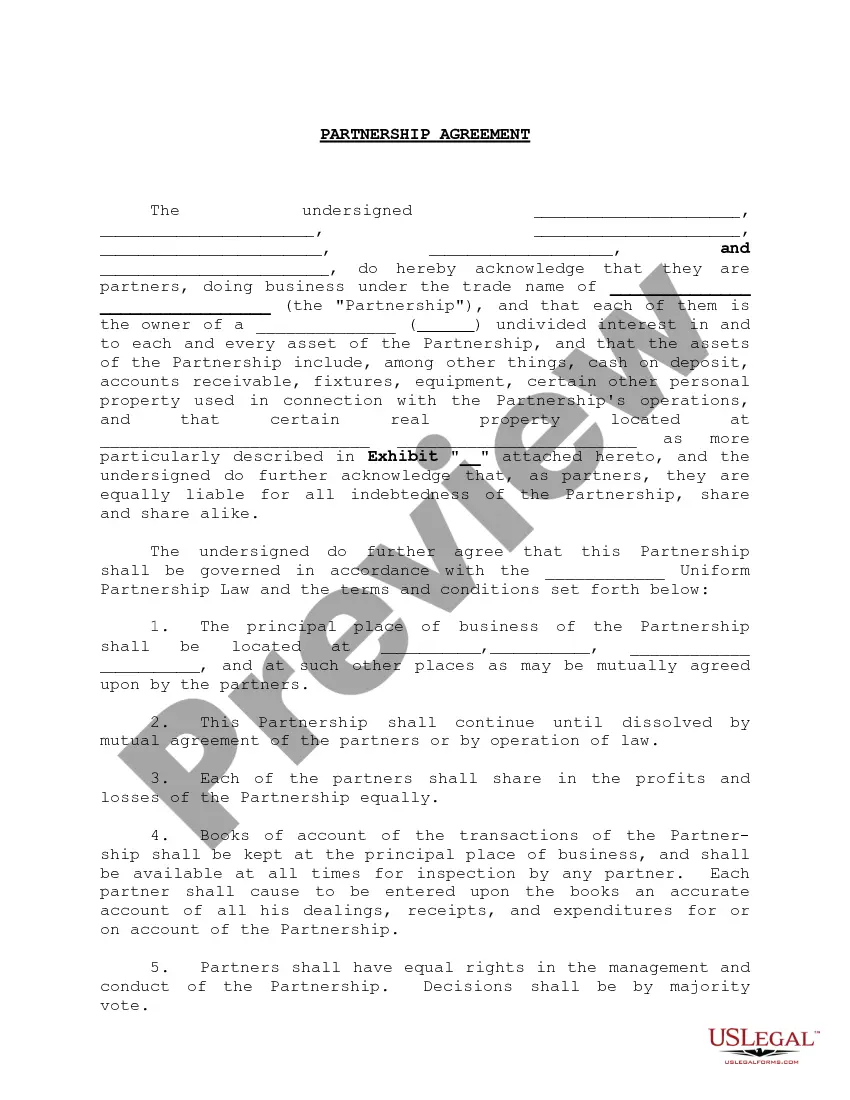
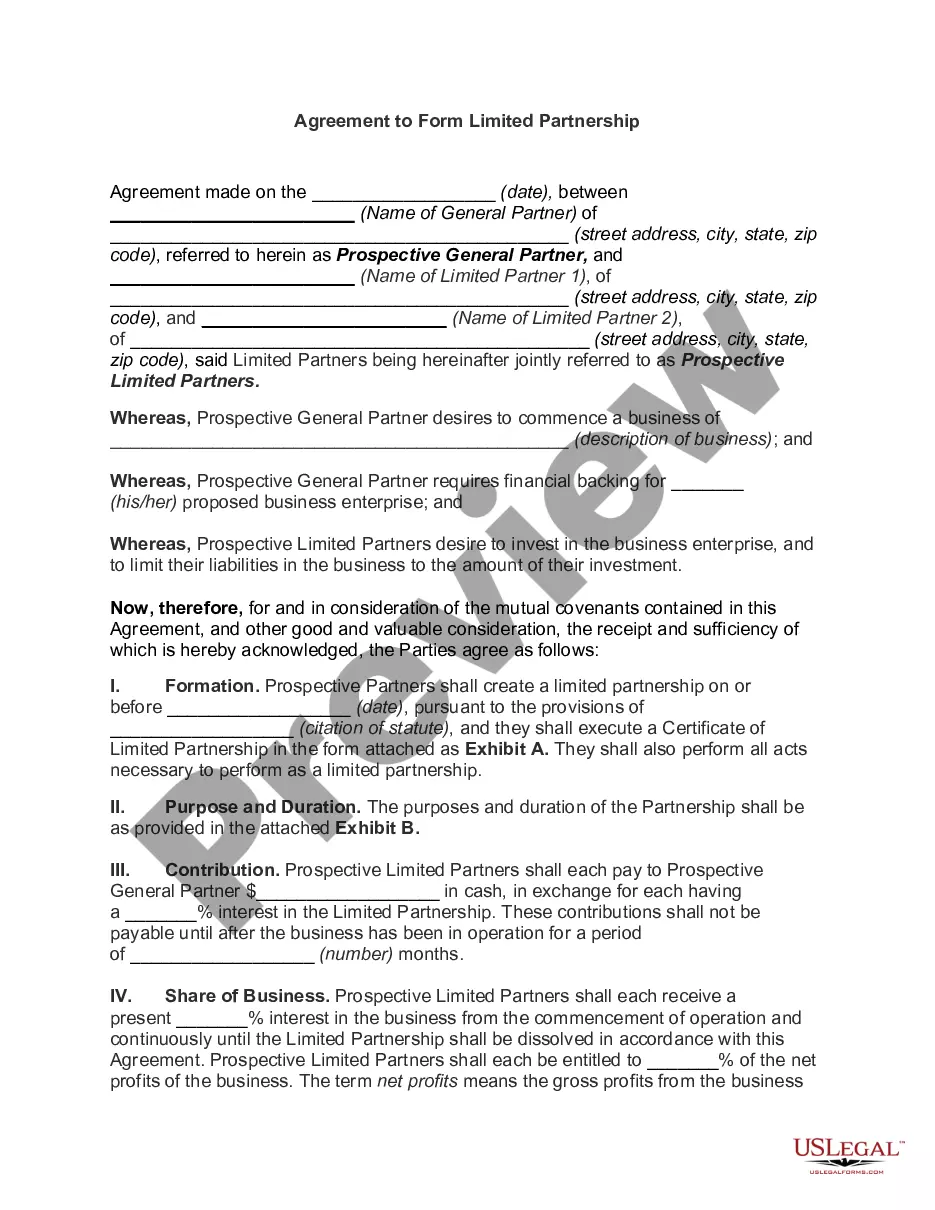
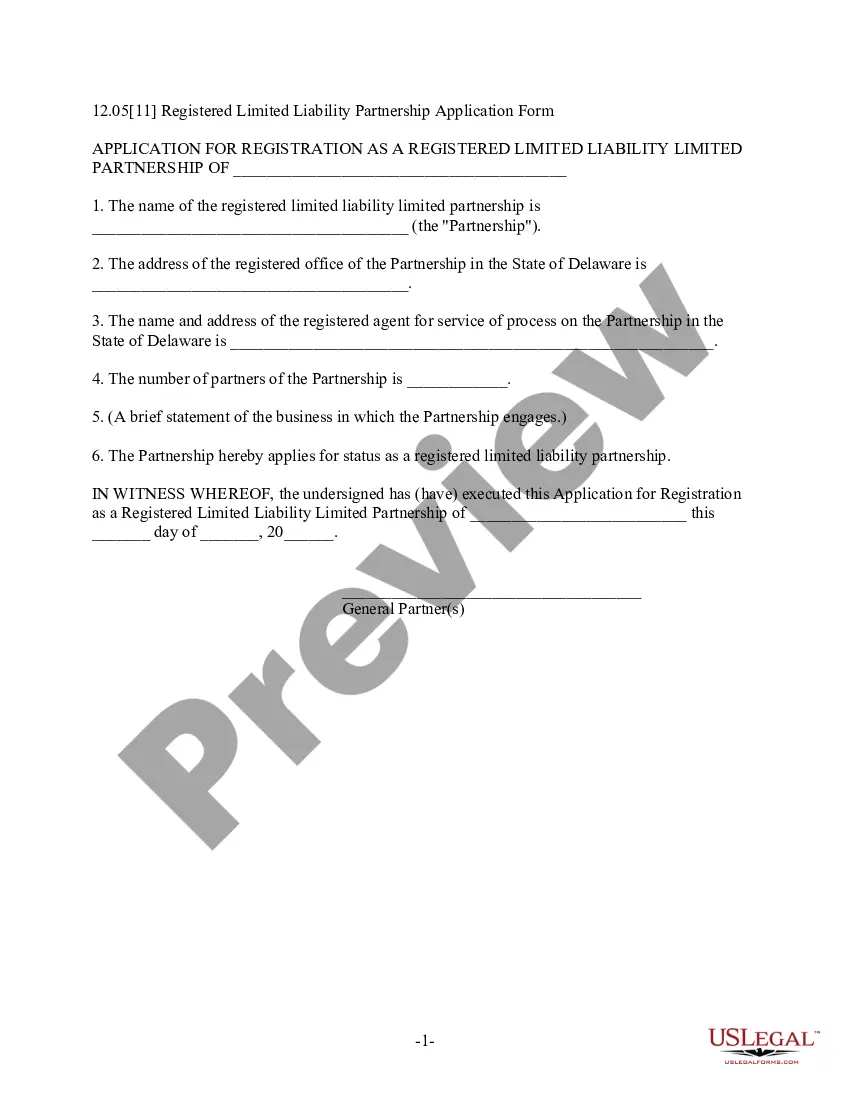
Get your form ready online
Our built-in tools help you complete, sign, share, and store your documents in one place.
Make edits, fill in missing information, and update formatting in US Legal Forms—just like you would in MS Word.
Download a copy, print it, send it by email, or mail it via USPS—whatever works best for your next step.
Sign and collect signatures with our SignNow integration. Send to multiple recipients, set reminders, and more. Go Premium to unlock E-Sign.
If this form requires notarization, complete it online through a secure video call—no need to meet a notary in person or wait for an appointment.
We protect your documents and personal data by following strict security and privacy standards.

Make edits, fill in missing information, and update formatting in US Legal Forms—just like you would in MS Word.

Download a copy, print it, send it by email, or mail it via USPS—whatever works best for your next step.

Sign and collect signatures with our SignNow integration. Send to multiple recipients, set reminders, and more. Go Premium to unlock E-Sign.

If this form requires notarization, complete it online through a secure video call—no need to meet a notary in person or wait for an appointment.

We protect your documents and personal data by following strict security and privacy standards.
Looking for another form?



How to fill out Limited Liability Partnership Agreement?
You might allocate time online attempting to locate the legal document template that fulfills the federal and state requirements you have.
US Legal Forms offers thousands of legal documents that can be assessed by professionals.
You can obtain or create the Indiana Limited Liability Partnership Agreement through their service.
If available, utilize the Preview button to view the document template as well.
- If you possess a US Legal Forms account, you can Log In and then click the Download button.
- After that, you can complete, modify, print, or sign the Indiana Limited Liability Partnership Agreement.
- Every legal document template you acquire is your own property indefinitely.
- To obtain another copy of the purchased form, navigate to the My documents tab and click the appropriate button.
- If you are using the US Legal Forms site for the first time, follow the simple instructions below.
- First, ensure that you have selected the correct document template for the state/city of your choice.
- Review the form outline to confirm you have chosen the right form.
Form popularity
FAQ
LLPs can face several challenges, including potential difficulties in securing loans or lines of credit. Lenders might view the structure outlined in an Indiana Limited Liability Partnership Agreement as riskier compared to corporations. Additionally, resolving disputes among partners can become complicated, which may hinder business operations if not managed well.
Another disadvantage of an LLP is the ongoing compliance requirements. Partners must ensure that the terms outlined in the Indiana Limited Liability Partnership Agreement are followed and updated as needed. This can require additional administrative effort, which some partners might find burdensome compared to other business structures.
A notable downside of an LLP is that it may not offer complete protection against personal liability in some situations. In an Indiana Limited Liability Partnership Agreement, while partners are generally protected from the actions of other partners, they can still face liability in cases of personal misconduct. This means potential risks still exist for partners who might be involved in negligent acts.
The greatest disadvantage of limited partnerships is the limited control that limited partners have. In an Indiana Limited Liability Partnership Agreement, general partners manage the entity, while limited partners usually invest capital without significant say in operations. This arrangement might deter some investors who desire more involvement in business decisions.
One significant disadvantage of a limited liability company (LLC) is that it can have complex tax structures. Unlike an Indiana Limited Liability Partnership Agreement, which may offer pass-through taxation benefits, LLCs often require more detailed accounting. This complexity might make it less attractive for some business owners who prefer simplicity in their tax obligations.
Yes, Limited Liability Partnerships (LLPs) typically have partnership agreements. An Indiana Limited Liability Partnership Agreement outlines the rights and responsibilities of each partner, which helps prevent conflicts. This document is essential for defining operational procedures and financial arrangements, ensuring clarity for all partners involved.
The minimum requirement to start a partnership in Indiana is two partners. This is essential to form a legal partnership under Indiana law. For added security, consider implementing an Indiana Limited Liability Partnership Agreement, which allows you to operate with limited liability while clearly defining each partner's contributions and responsibilities.
To start a partnership, you need at least one partner and a clear understanding of your business goals. Along with this, drafting a partnership agreement is crucial; it should outline each partner's role, financial contributions, and procedures for resolving disputes. An Indiana Limited Liability Partnership Agreement can streamline this process, ensuring all partners are protected and informed.
In Indiana, partnerships are generally not subject to state income tax at the entity level. Instead, profits and losses pass through to the partners, who report them on their individual tax returns. However, understanding the implications of your Indiana Limited Liability Partnership Agreement is important, as it can affect how partnerships are managed and taxed.
To initiate a partnership, you need to discuss your business venture with potential partners and agree on the terms of your collaboration. Drafting a partnership agreement is essential; this document will clarify each partner's contributions and expectations. Furthermore, consider using an Indiana Limited Liability Partnership Agreement, as it can provide additional protection for all partners involved.
