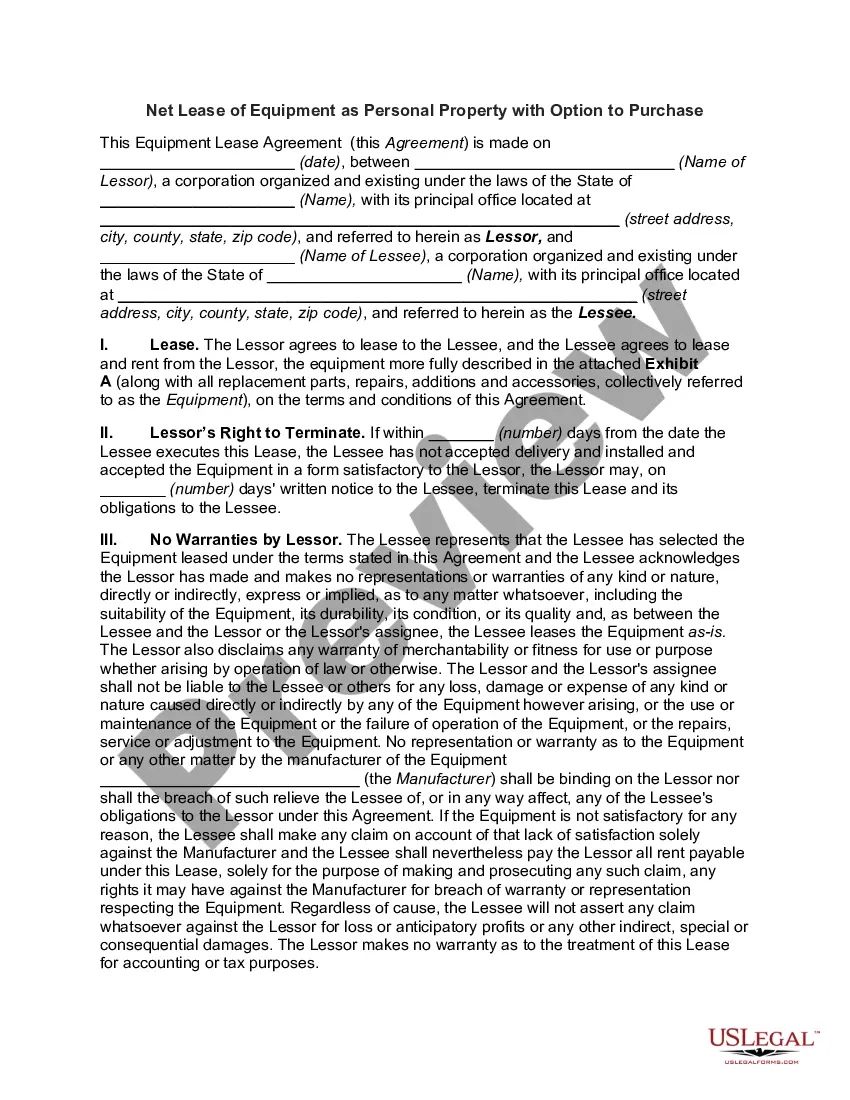
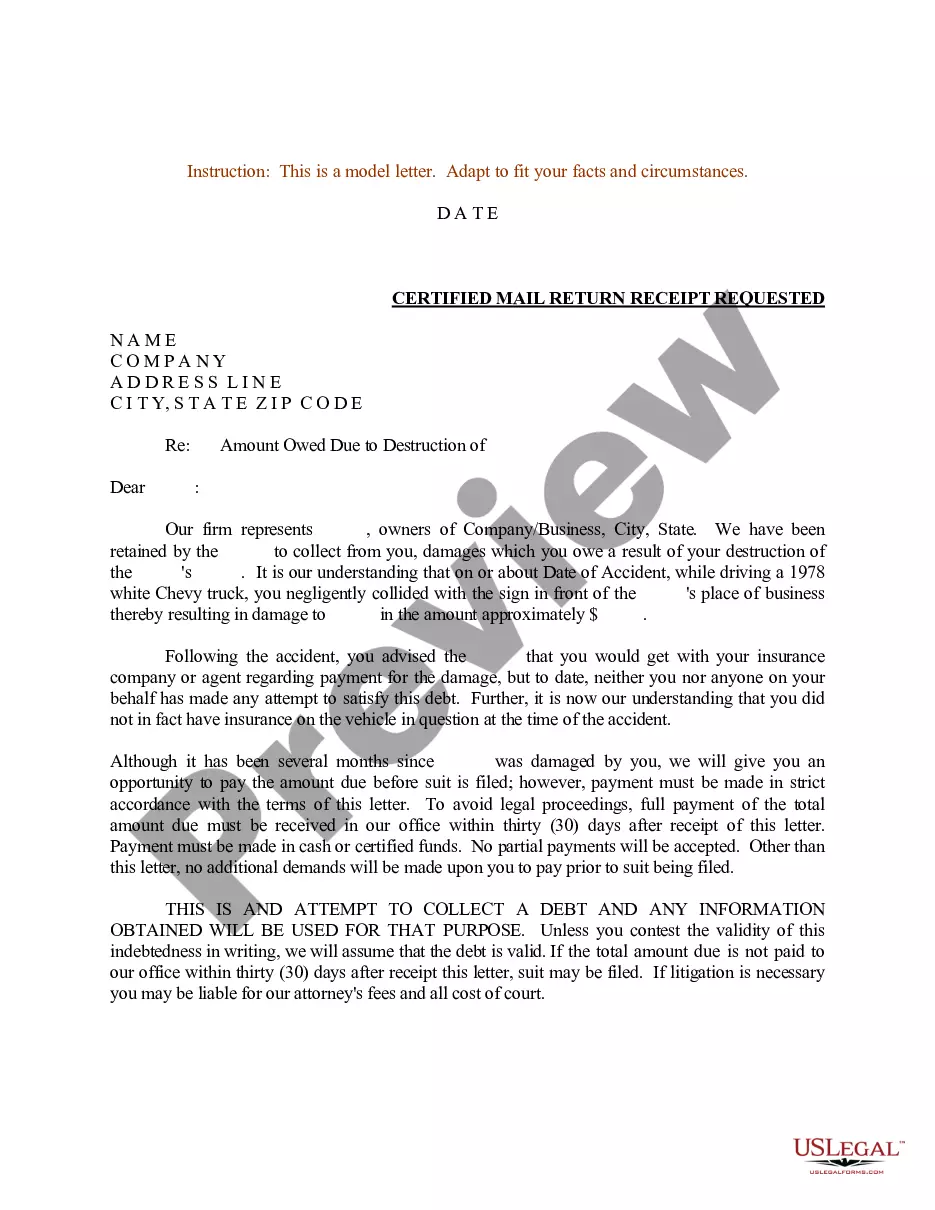
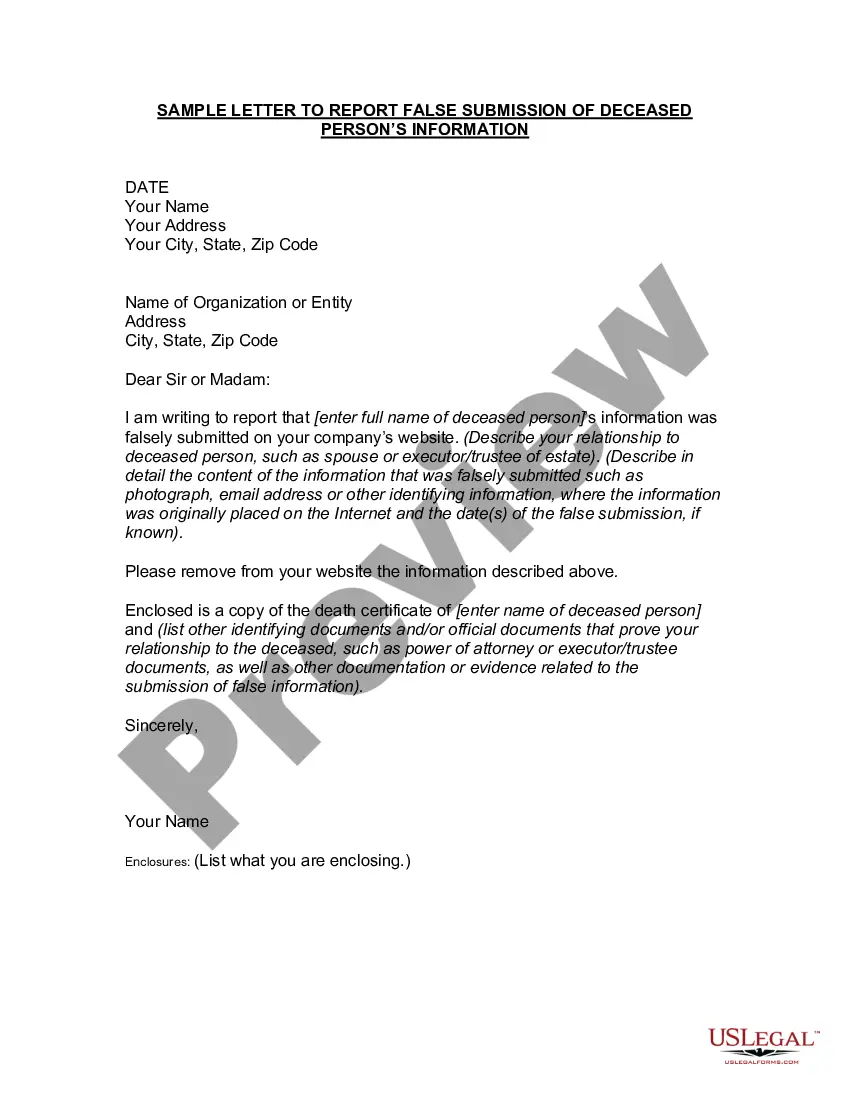
This form is a sample letter in Word format covering the subject matter of the title of the form.
Indiana Sample Letter for Recovery of Judgment from Defendants
Category:
State:
Multi-State
Control #:
US-0026LTR
Format:
Word;
Rich Text
Instant download
Description
Free preview



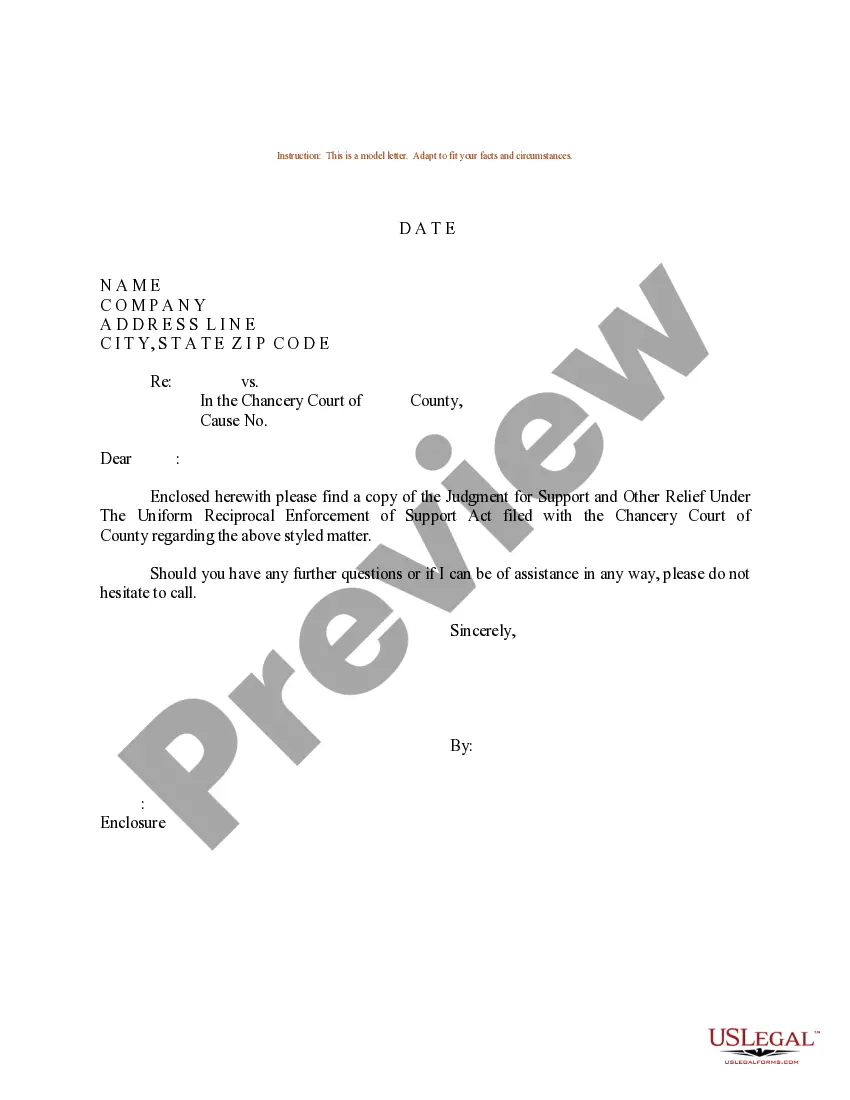

How to fill out Sample Letter For Recovery Of Judgment From Defendants?
You can spend numerous hours online looking for the correct legal document template that meets the federal and state requirements you require. US Legal Forms offers thousands of legal forms that are reviewed by professionals.
You can easily download or print the Indiana Sample Letter for Recovery of Judgment from Defendants from our platform. If you already have a US Legal Forms account, you may Log In and click the Download button. After that, you can fill out, modify, print, or sign the Indiana Sample Letter for Recovery of Judgment from Defendants.
Every legal document template you purchase is yours permanently. To obtain an additional copy of any purchased form, go to the My documents section and click the appropriate option.
Choose the format of the document and download it to your device. Make edits to the document if necessary. You can fill out, modify, sign, and print the Indiana Sample Letter for Recovery of Judgment from Defendants. Download and print thousands of document templates using the US Legal Forms website, which offers the largest selection of legal forms. Utilize professional and state-specific templates to address your business or personal needs.
- If you are using the US Legal Forms website for the first time, follow the simple instructions below.
- First, make sure you have selected the correct document template for the area/city you choose. Read the form description to ensure you have selected the right form.
- If available, utilize the Preview option to view the document template as well.
- If you would like to find another version of the form, use the Lookup field to find the template that fits your requirements.
- Once you have found the template you desire, click Buy now to proceed.
- Select the pricing plan you want, enter your details, and create an account on US Legal Forms.
- Complete the transaction. You can use your credit card or PayPal account to purchase the legal form.
Form popularity
FAQ
Drafting an answer to a debt collection lawsuit involves responding to each claim made by the creditor clearly and concisely. You should acknowledge the receipt of the lawsuit and state any defenses you may have, such as disputing the amount owed or claiming that the debt is not yours. An Indiana Sample Letter for Recovery of Judgment from Defendants can serve as a template to ensure you cover all necessary points in your response. Seeking guidance from legal resources can also enhance the effectiveness of your answer.
Once a judgment is entered against you in Indiana, the creditor can initiate collection actions, which may include wage garnishments or bank levies. This judgment can also impact your credit score, making it harder to secure loans or credit in the future. To navigate this process, you can utilize an Indiana Sample Letter for Recovery of Judgment from Defendants, which can help you communicate effectively with the creditor. Understanding your options is crucial to managing the consequences of a judgment.
A common reason to set aside a default judgment is if you were not properly notified of the lawsuit. Additionally, if you have a legitimate defense against the claims made, this can be grounds for setting aside the judgment. In such cases, you might consider using an Indiana Sample Letter for Recovery of Judgment from Defendants to outline your position and request a reconsideration. It’s essential to act quickly, as there are time limits to set aside a judgment.
If no payments are made after a reasonable time, you will have to go to Court again to seek a garnishment, or to get a payment schedule. If the suit was about property, you have to ask the Court to write you a ?Write of Replevin? which means the property must be given back to you.
The Court entered a judgment against you. When a judgment does not get paid, the Plaintiff is allowed to ask the Court to require the Defendant to come to a hearing so the Plaintiff can find out if the Defendant has any income or property which the Court can require the Defendant to use to pay towards the judgment.
After the judgment is obtained, the creditor can enforce the lien right for the first ten years by attempting to foreclose on any real property or personal property the judgment debtor owns.
(E) Failure to prosecute civil actions or comply with rules. Whenever there has been a failure to comply with these rules or when no action has been take in a civil case for a period of sixty (60) days, the court, on motion of a party or its own motion shall order a hearing for the purpose of dismissing such case.
The judgment lien definition is that if you owe a creditor money and don't pay, they can sue you for the balance. If the court rules in their favor, the creditor can file a judgment lien against you, which means that the court has permitted them to forcefully collect that debt from you.
(A) If an arrestee does not present a substantial risk of flight or danger to themselves or others, the court should release the arrestee without money bail or surety subject to such restrictions and conditions as determined by the court except when: (1) The arrestee is charged with murder or treason.
Indiana Wage Garnishments This process occurs when your employer is ordered to take a portion of your income and submit it to the court which will ultimately be then paid over to the creditor. This most likely will occur in a subsequent hearing called a proceeding supplemental.