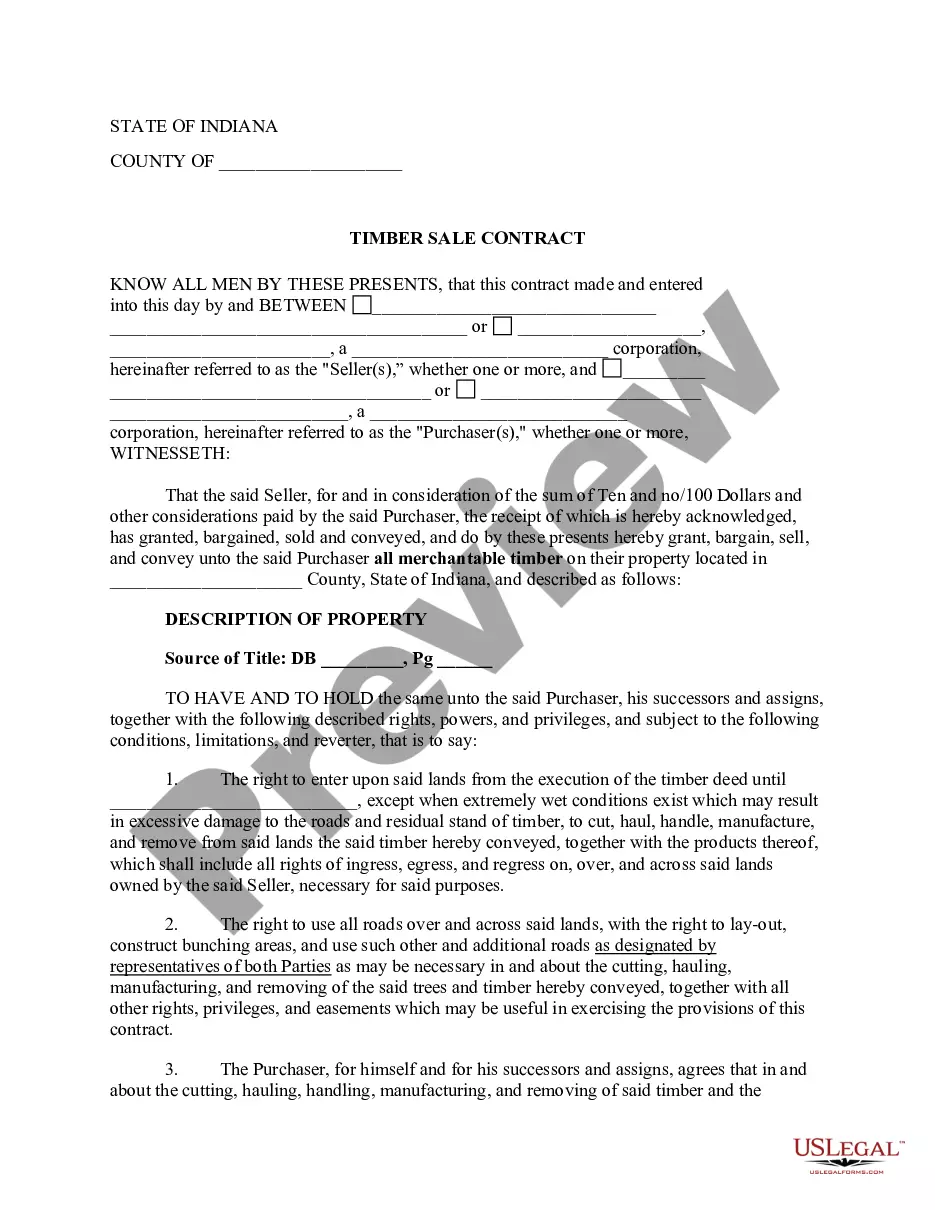
Indiana Discharge of Lien - Individual
Overview of this form
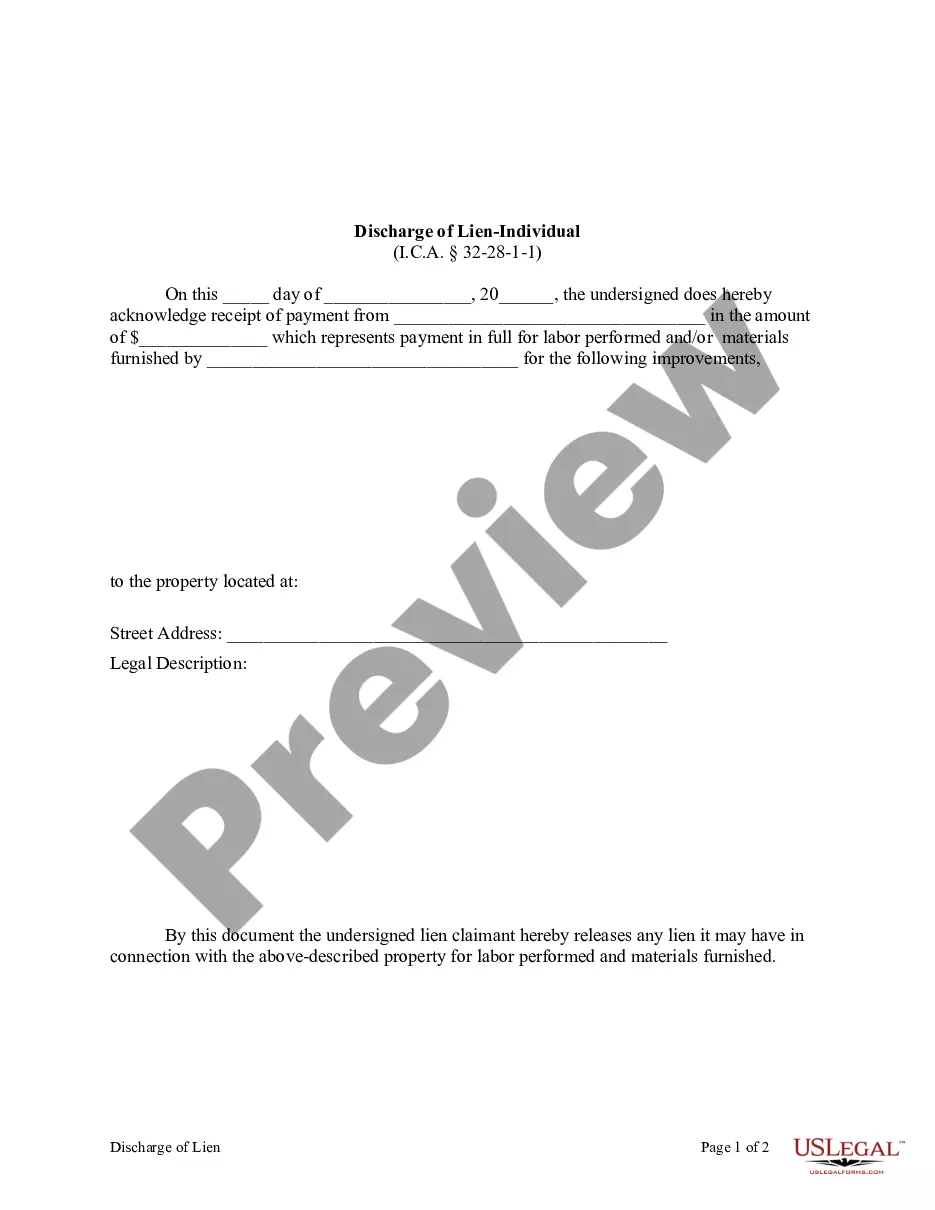
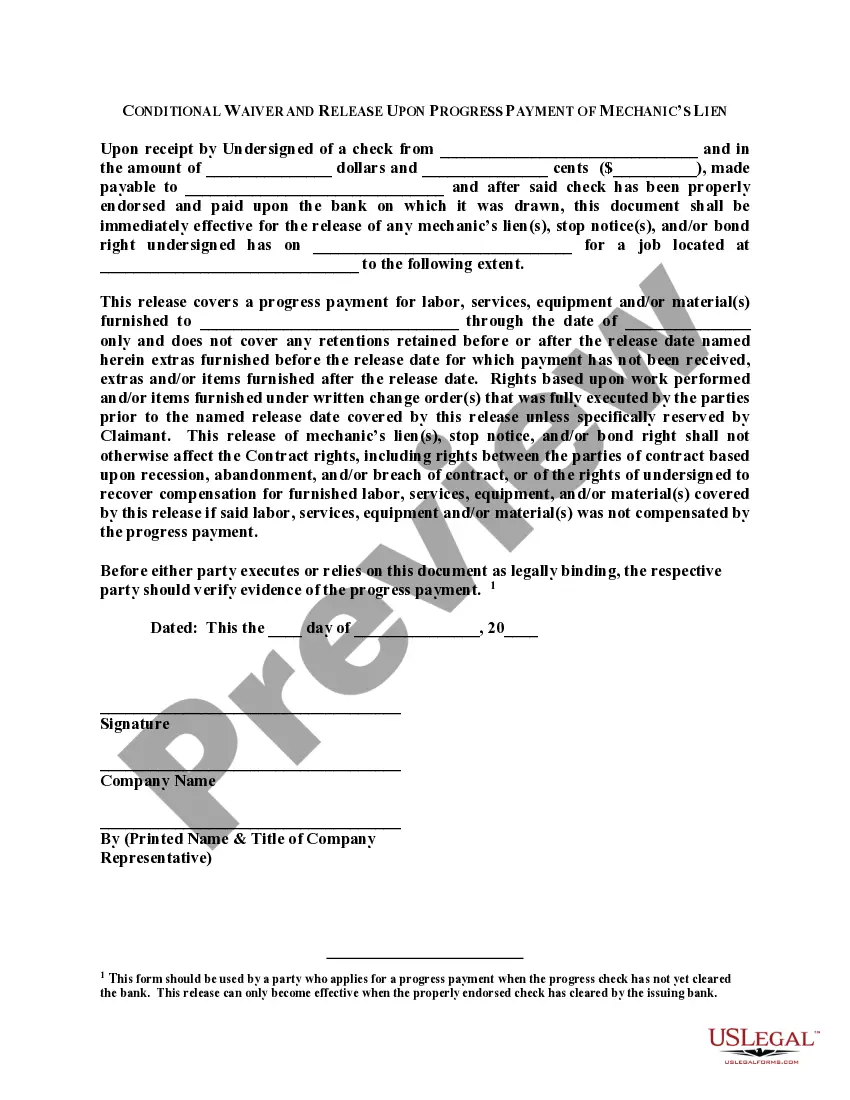
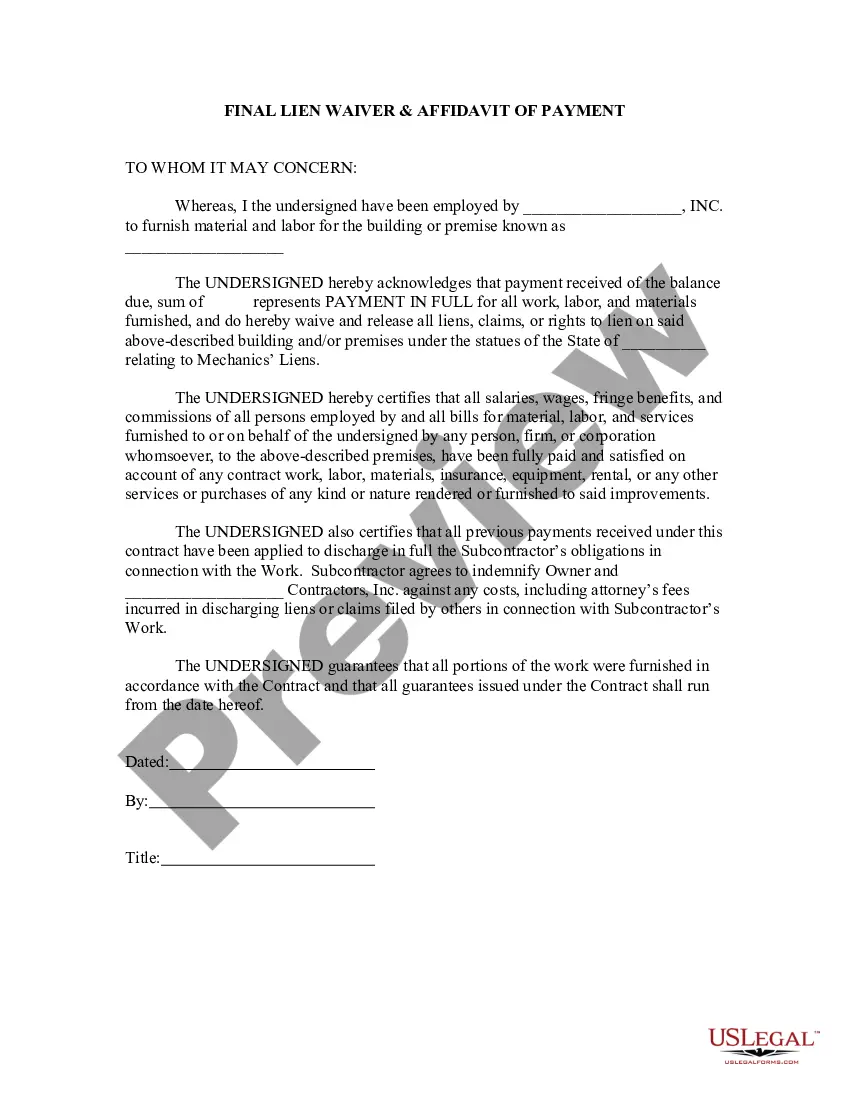
The Discharge of Lien - Individual form is a legal document used by a lien holder to formally release a property owner's obligation upon receiving full payment for services rendered or materials provided. This form is crucial in ensuring that the lien is removed from the property, providing the owner with clear title and security against future claims. Unlike other lien discharge forms that may be used in different contexts, this specific form is tailored for individual lien holders in Indiana to acknowledge payment and eliminate legal claims on the property.
Form components explained
- Date of payment acknowledgment.
- Name of the party receiving payment.
- Amount of payment received.
- Description of services or materials provided.
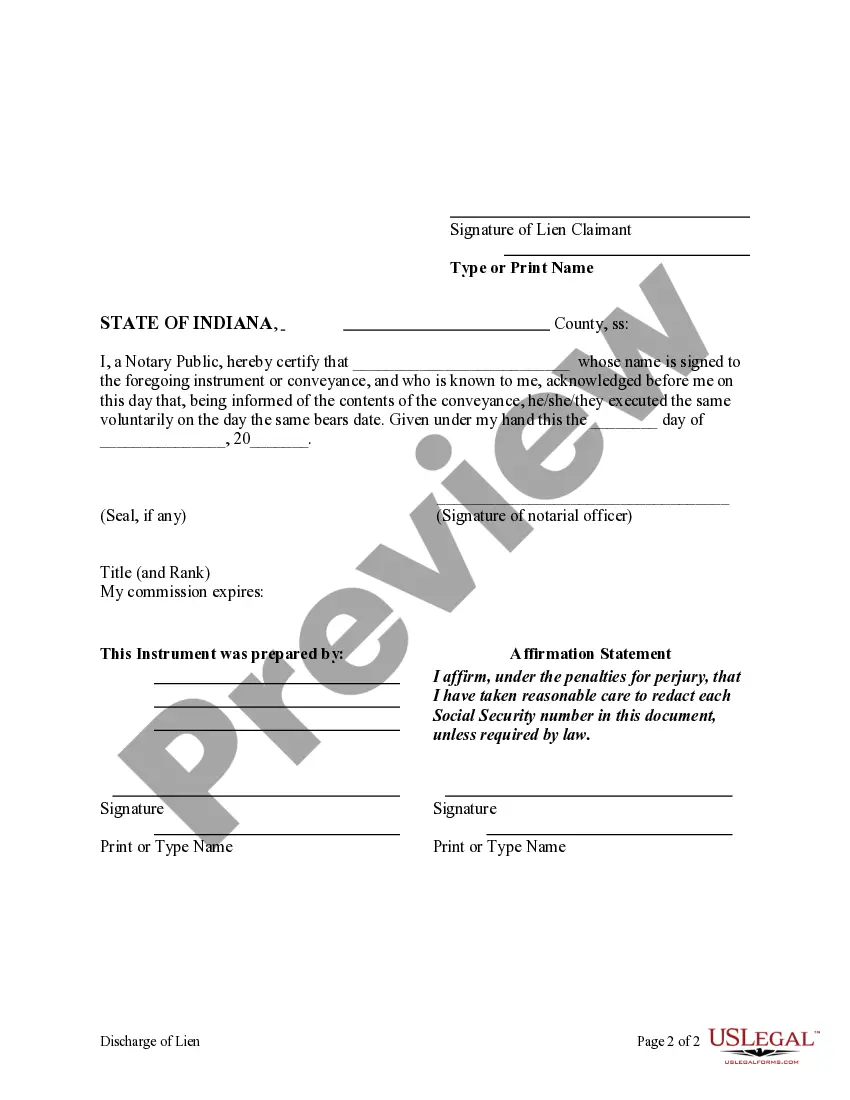
- Signature of the lien holder.
Situations where this form applies
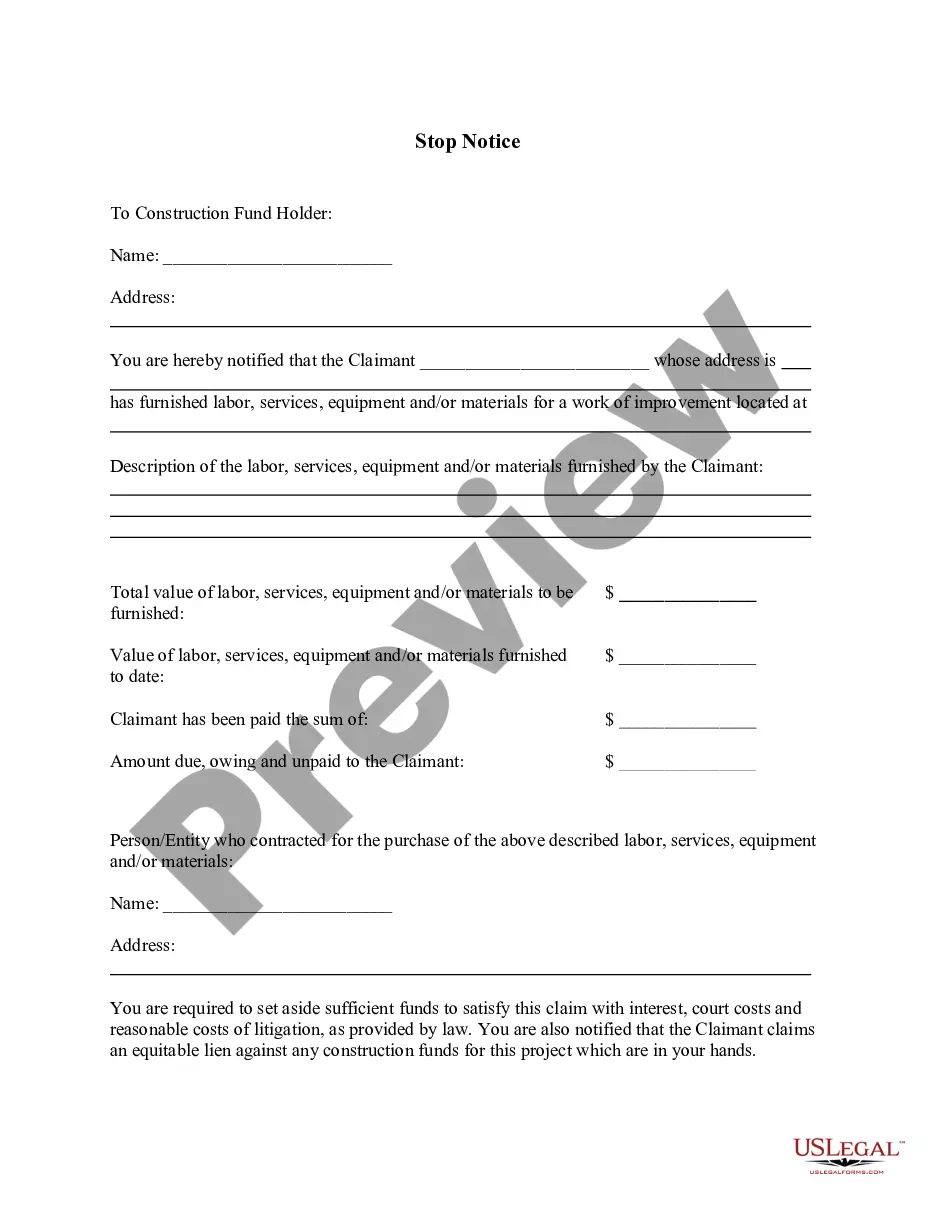
This form should be used when a lien holder has received full payment for services or materials provided to a property owner. It is particularly necessary when a property owner wishes to ensure that their property is free from any claims resulting from unpaid debts related to work done or supplies provided. Common situations include home renovations, construction projects, or any service where a lien may have been placed due to non-payment.
Intended users of this form
- Lien holders who have completed their services and received payment in full.
- Property owners who need to ensure their title is free of liens.
- Contractors or suppliers who have worked on a property and have legally placed a lien due to unpaid services.
Completing this form step by step
- Enter the date on which payment was received.
- Fill in the name of the party who made the payment.
- Specify the total amount paid for services and materials.
- Describe the services performed or materials provided.
- Sign the document as the lien holder to validate the discharge.
Does this form need to be notarized?
This form needs to be notarized to ensure legal validity. US Legal Forms provides secure online notarization powered by Notarize, allowing you to complete the process through a verified video call, available anytime.
Get your form ready online
Our built-in tools help you complete, sign, share, and store your documents in one place.
Make edits, fill in missing information, and update formatting in US Legal Forms—just like you would in MS Word.
Download a copy, print it, send it by email, or mail it via USPS—whatever works best for your next step.
Sign and collect signatures with our SignNow integration. Send to multiple recipients, set reminders, and more. Go Premium to unlock E-Sign.
If this form requires notarization, complete it online through a secure video call—no need to meet a notary in person or wait for an appointment.
We protect your documents and personal data by following strict security and privacy standards.

Make edits, fill in missing information, and update formatting in US Legal Forms—just like you would in MS Word.

Download a copy, print it, send it by email, or mail it via USPS—whatever works best for your next step.

Sign and collect signatures with our SignNow integration. Send to multiple recipients, set reminders, and more. Go Premium to unlock E-Sign.

If this form requires notarization, complete it online through a secure video call—no need to meet a notary in person or wait for an appointment.

We protect your documents and personal data by following strict security and privacy standards.
Common mistakes to avoid
- Failing to include the date of payment.
- Not providing an accurate description of services or materials.
- Leaving out signatures or not having the appropriate signer complete the form.
- Filling in incorrect amounts that do not match the payment.
Benefits of using this form online
- Convenient access to legal forms at any time.
- Editable content allowing for customization to fit specific agreements.
- Reliable templates drafted by licensed attorneys ensuring legal compliance.
Looking for another form?

Form popularity
FAQ
Yes, in Indiana, it is possible for a lien to be placed on your property without your knowledge. This often happens if a creditor files a lien due to unpaid debts. However, you should receive notice after the lien is recorded, making it crucial to regularly check public records related to your property. To navigate these complexities, considering the Indiana Discharge of Lien - Individual can help you understand your rights and options.
When a carpenter, plumber, roofer, or electrician works on a house, he or she can put a labor lien on the property if they are not paid. To file the lien, you must visit the Recorder of Deeds office in the county where the property is located.
2. States where the lien law doesn't require a written contract. In these states, contractors and suppliers are generally allowed to file a lien even if they don't have a written contract.These states typically permit parties with verbal, oral, or even implied contracts to claim lien rights.
With the judgment in hand, a judgment creditor can place a judgment lien on your real estate and occasionally on personal property depending on the state in which you live.
Indiana claimants must record their mechanics lien with the recorder's office in the county where the property is located. Claimants must provide at least two copies of the Indiana mechanics lien form.
The subcontractor would file a lien waiver before a lien is filed. By doing so, the subcontractor is giving up his or her right to a lien against the property. In comparison, a lien release (also known as release of lien, cancellation of lien, or a lien cancellation) would come into play after the filing of a lien.
Someone who is owed money is generally not able to just put a lien on property without first securing a judgment. Securing a judgment requires the creditor to sue the debtor. This may be through circuit court in many jurisdictions. If under a certain dollar amount, this suit may be through the small claims court.
Someone who is owed money is generally not able to just put a lien on property without first securing a judgment. Securing a judgment requires the creditor to sue the debtor. This may be through circuit court in many jurisdictions. If under a certain dollar amount, this suit may be through the small claims court.
A Lien Release (also considered a Lien Cancellation or Release of Lien) is a legally binding document that is sent by the current lien holder, the individual who has leased the property or provided payment to secure the property, that informs any debt in relation to that property has been fulfilled and they relinquish
Write your name and return address in the top three lines of the letter. Insert the complete date (month, day, year). Enter the recipient's name, title, company name and address on the next five lines. Greet the reader by writing "Dear (recipient's name):" Skip two lines. State the subject in a subject line.