Indiana Drainage Contract for Contractor
Overview of this form
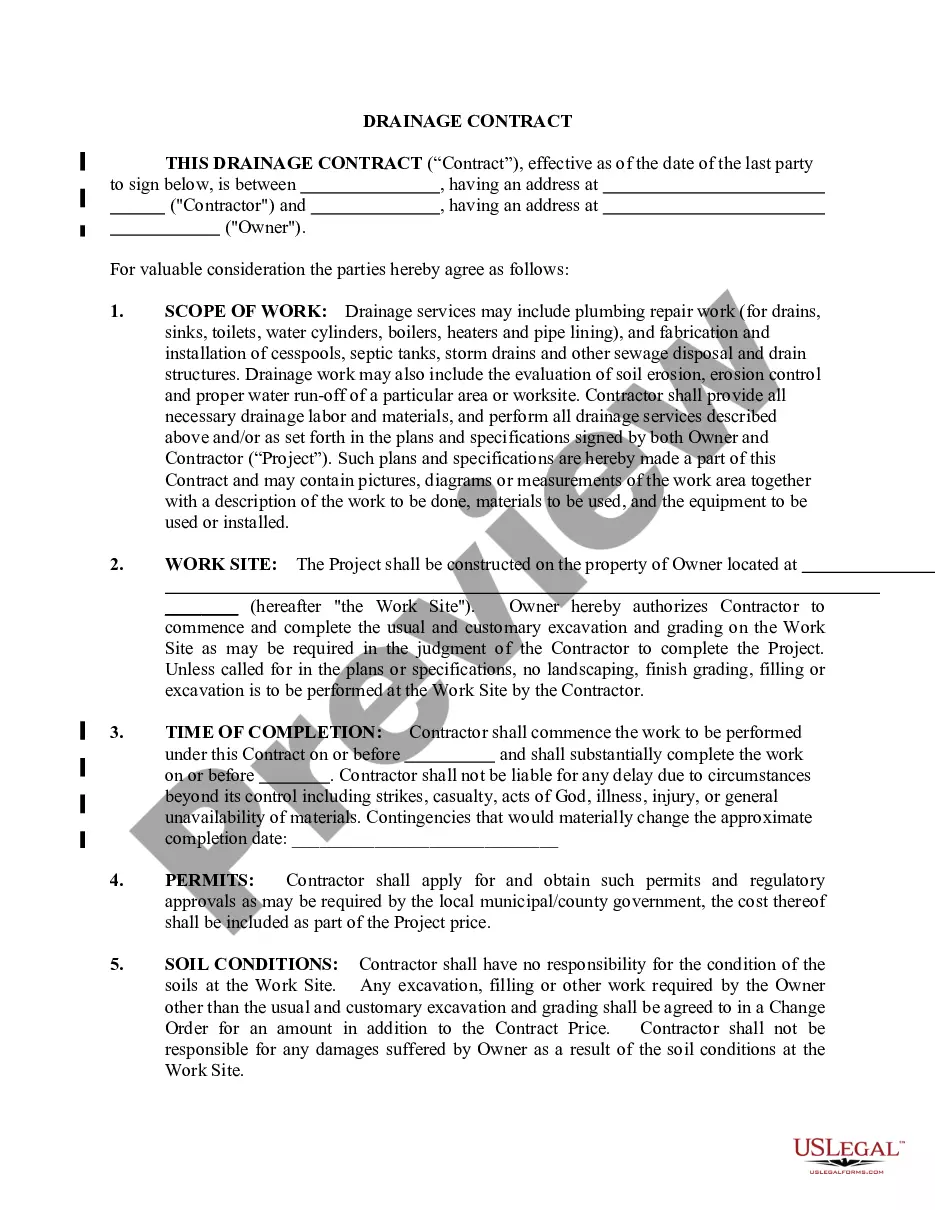
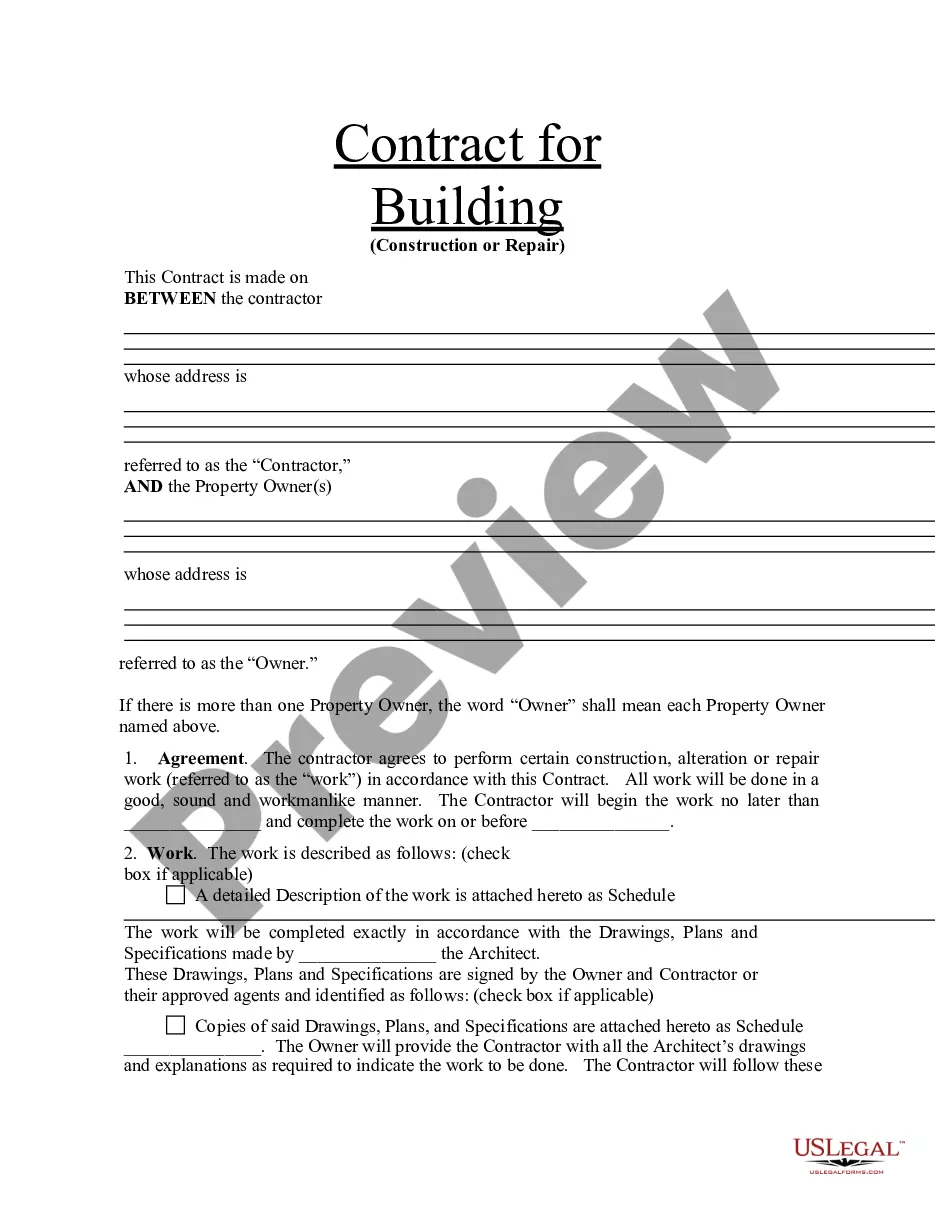
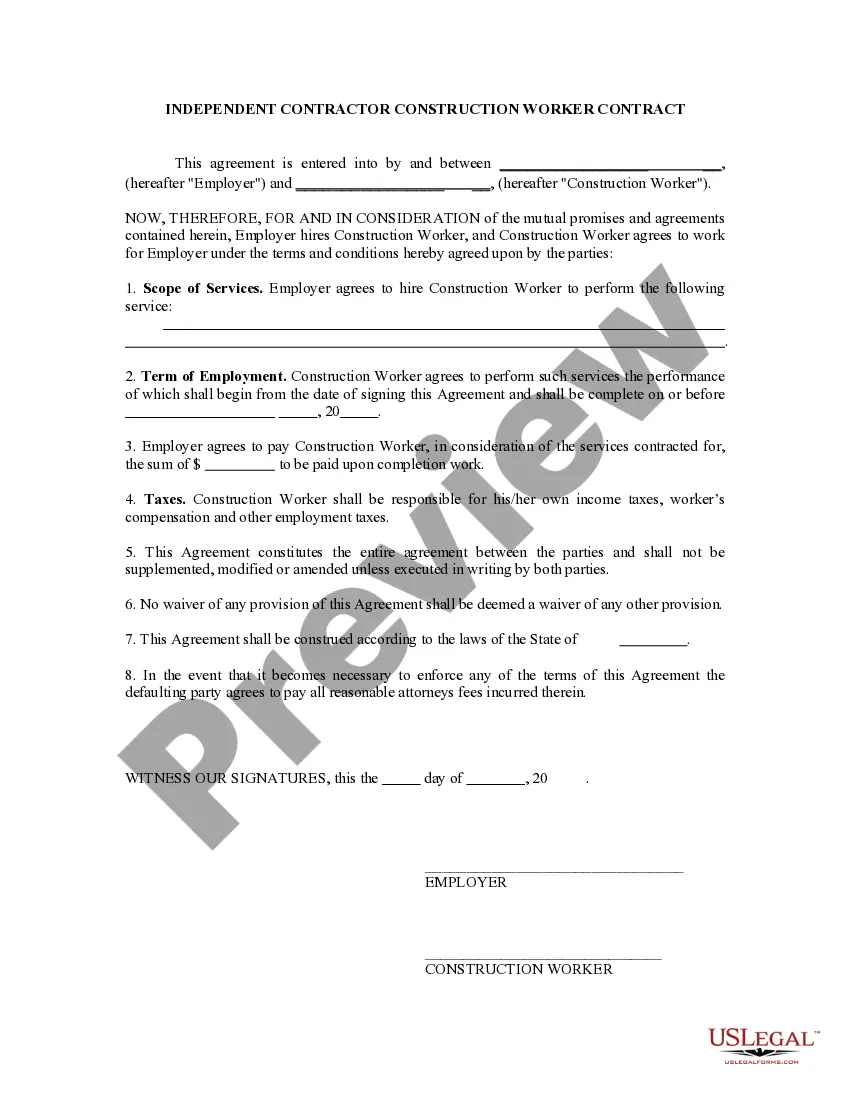
The Drainage Contract for Contractor is a legal agreement between drainage contractors and property owners. It outlines the terms of service, including payment arrangements, work specifications, and liability implications. This contract is designed to provide clarity on the responsibilities of both parties, making it distinct from other construction contracts by its focus on drainage projects specifically within Indiana laws.
Form components explained
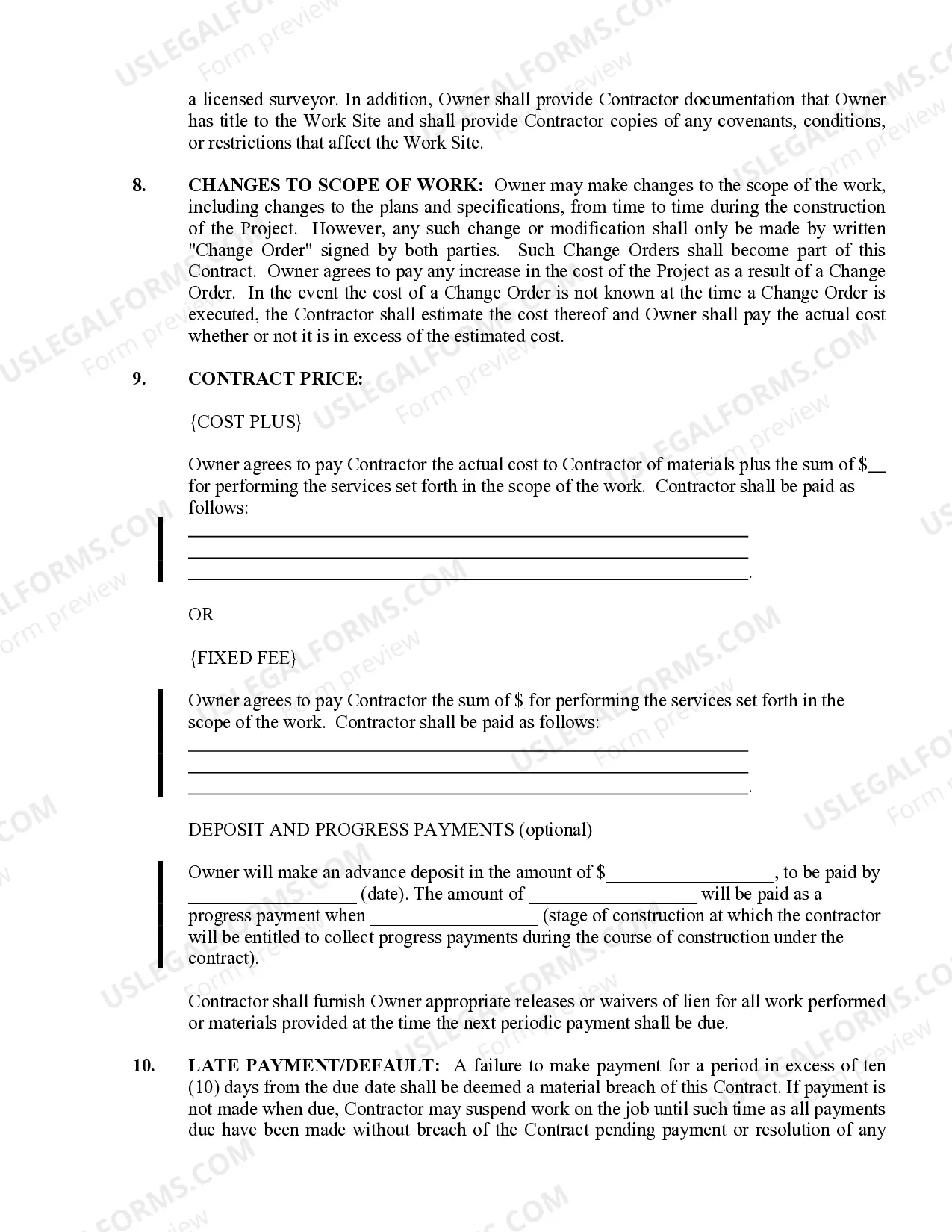
- Work Site: Defines the location of the project and specific requirements regarding the property.
- Permits: Obligates the contractor to obtain necessary local permits for the project.
- Soil Conditions: Clarifies contractor's non-responsibility for existing soil conditions.
- Insurance: Requires the contractor to maintain general liability and workers' compensation insurance.
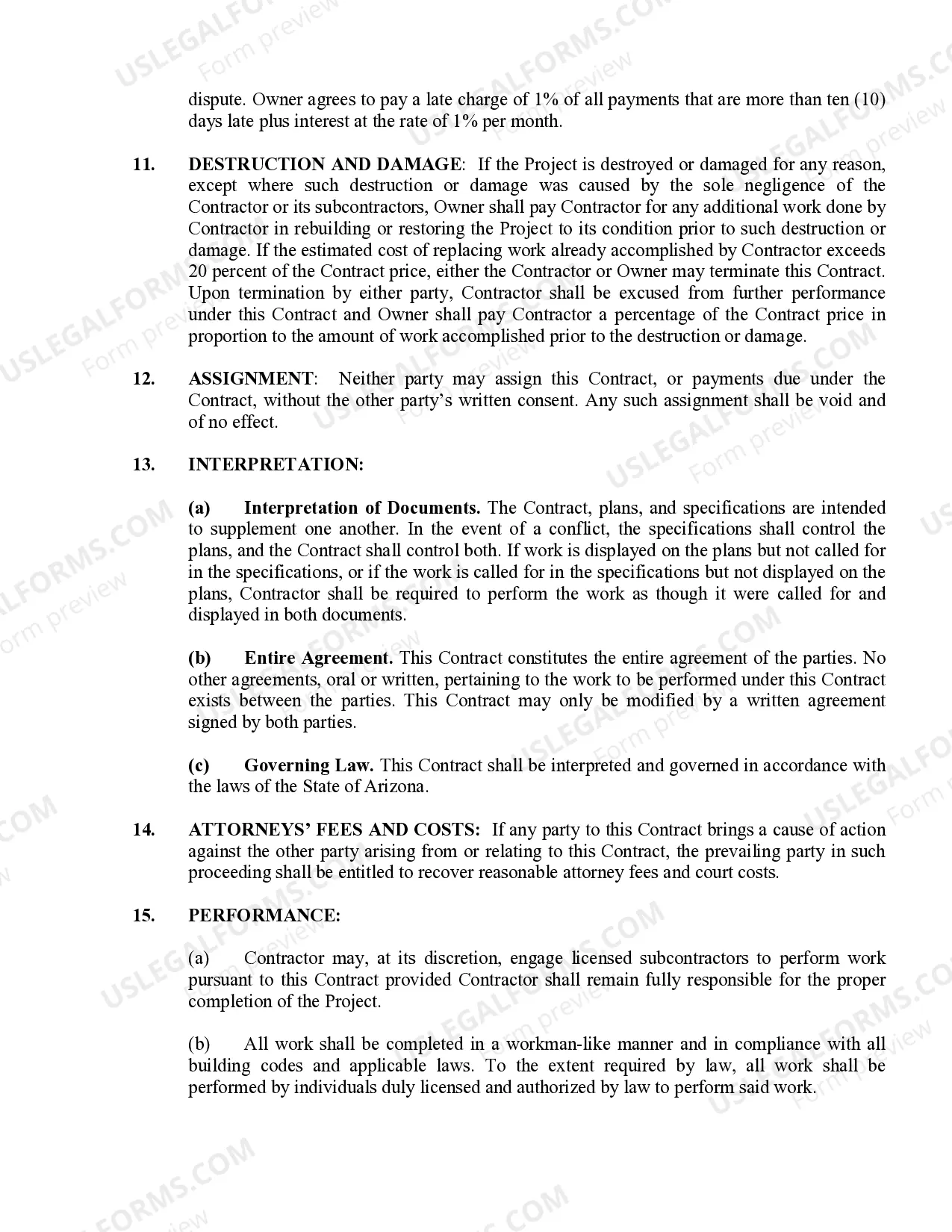
- Late Payment: Details the consequences of late payments and conditions for default.
- Destruction and Damage: Addresses responsibilities in case of project damage or destruction.
When to use this document
This form should be used when a property owner hires a drainage contractor for projects such as installing drainage systems, grading land, or repair works related to drainage issues. It is suitable when both parties agree on either fixed fee or cost-plus payment structures and need to clarify terms like warranties and insurance requirements.
Intended users of this form
- Property owners seeking professional drainage services.
- Drainage contractors needing a legally binding agreement.
- Businesses or individuals organizing drainage construction or repairs.
Completing this form step by step
- Identify the parties involved: Clearly state the names and contact information of the property owner and the contractor.
- Specify the work site: Include the exact address where the drainage work will take place.
- Outline payment terms: Choose between a cost-plus or fixed fee payment arrangement and write it down.
- Detail permits and approvals: Indicate all permits that the contractor will need to secure before work begins.
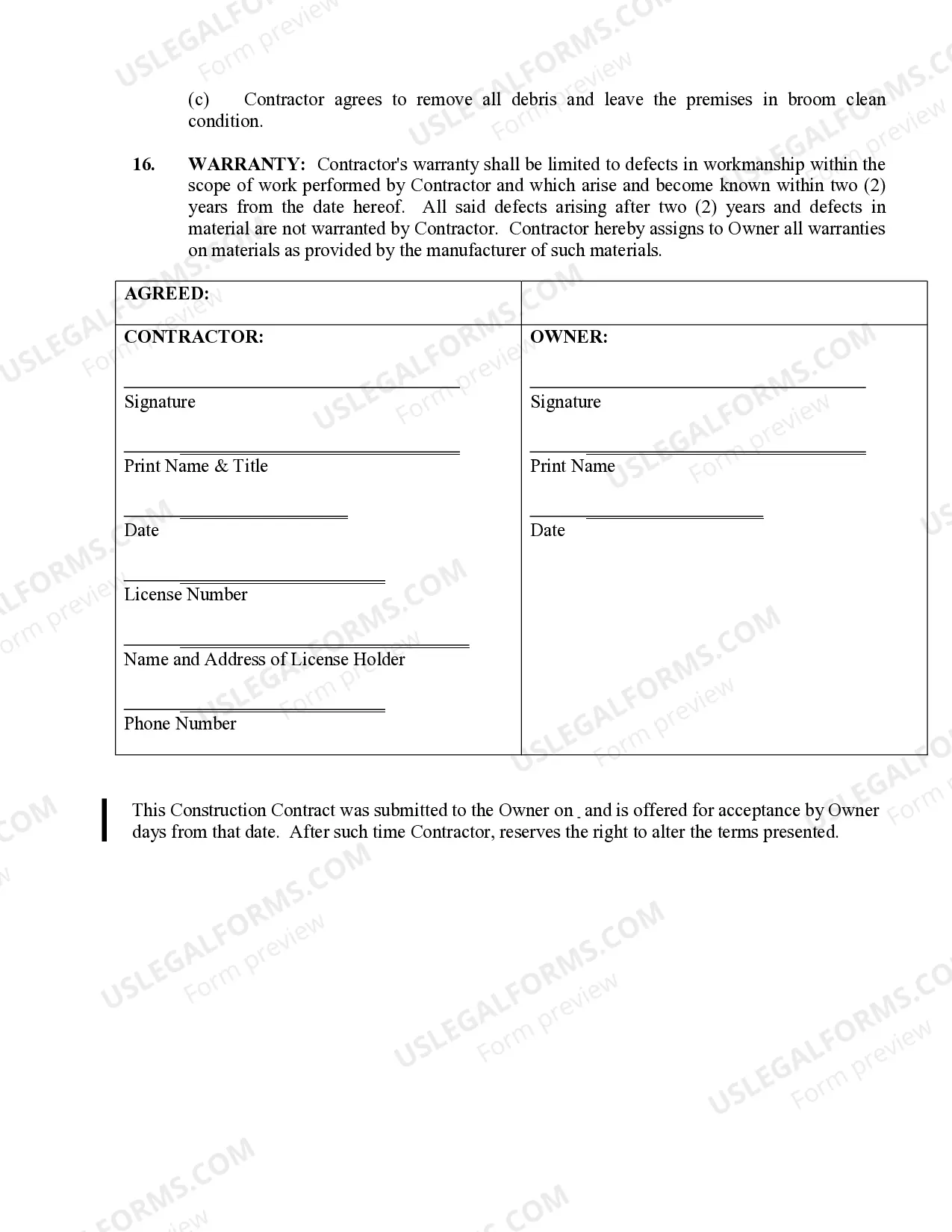
- Sign and date the contract: Ensure both parties sign the agreement to make it binding.
Does this form need to be notarized?
This form does not typically require notarization unless specified by local law.
Get your form ready online
Our built-in tools help you complete, sign, share, and store your documents in one place.
Make edits, fill in missing information, and update formatting in US Legal Forms—just like you would in MS Word.
Download a copy, print it, send it by email, or mail it via USPS—whatever works best for your next step.
Sign and collect signatures with our SignNow integration. Send to multiple recipients, set reminders, and more. Go Premium to unlock E-Sign.
If this form requires notarization, complete it online through a secure video call—no need to meet a notary in person or wait for an appointment.
We protect your documents and personal data by following strict security and privacy standards.

Make edits, fill in missing information, and update formatting in US Legal Forms—just like you would in MS Word.

Download a copy, print it, send it by email, or mail it via USPS—whatever works best for your next step.

Sign and collect signatures with our SignNow integration. Send to multiple recipients, set reminders, and more. Go Premium to unlock E-Sign.

If this form requires notarization, complete it online through a secure video call—no need to meet a notary in person or wait for an appointment.

We protect your documents and personal data by following strict security and privacy standards.
Avoid these common issues
- Failing to specify the exact work site can lead to disputes.
- Not clarifying payment terms can lead to misunderstandings later.
- Neglecting to include necessary permits or insurance requirements.
Advantages of online completion
- Convenient access to the form anytime, allowing for quick completion.
- Editability enables customization to meet specific project needs.
- Ensures reliability by providing a lawyer-drafted contract that complies with state laws.
Main things to remember
- The Drainage Contract for Contractor is essential for defining obligations between property owners and contractors.
- The form is tailored to comply with Indiana legal requirements.
- Clear payment terms and responsibilities help prevent disputes during the project.
Looking for another form?
Form popularity
FAQ
Agricultural drainage is using surface ditches, subsurface permeable pipes or both to remove standing or excess water from poorly drained lands.Excess water from the crop root zone can enter the pipe through the perforations and flow away from the field to a ditch or other outlet.
The major drainage basins in Indiana ( fig. 1) are the Great Lakes Basin, which includes the St. Joseph Basin, the Lake Michigan Basin, and the Maumee River Basin; the Upper Mississippi River Basin, which includes the Kankakee River Basin; the Wabash River Basin, which includes the upper, middle,
The term "drainage area" is defined as the land area where precipitation falls off into creeks, streams, rivers, lakes, and reservoirs. It is a land feature that can be identified by tracing a line along the highest elevation between two areas on a map, often a ridge.
Private drainage and erosion issues, as well as ground water issues, are the responsibility of the property owner. Drainage directed from gutters, downspouts or other private systems to neighboring properties is a civil matter between the property owners.
The Ohio River watershed includes the extreme southern part of the state as well as the extreme southwestern Indiana counties. This drainage area includes the cities of Evansville, Richmond and New Albany as well as the Indiana suburbs of Cincinnati, Ohio.
The major types of basins are river drainage basins, structural basins, and ocean basins. A river drainage basin is an area drained by a river and all of its tributaries. A river basin is made up of many different watersheds. A watershed is a small version of a river basin.
There is a right of drainage that allows water that flows across your land to flow downhill naturally to your neighbour's land.Not allowed water from your property is channelled through a down pipe or other pipe onto your neighbour's property.)
Pacific Northwest Basin. California River Basin. Great Basin. Lower Colorado River Basin. Upper Colorado River Basin. Rio Grande River Basin.
A right of way is a type of easement granted or reserved over the land for transportation purposes, such as a highway, public footpath, rail transport, canal, as well as electrical transmission lines, oil and gas pipelines.In the case of an easement, it may revert to its original owners if the facility is abandoned.