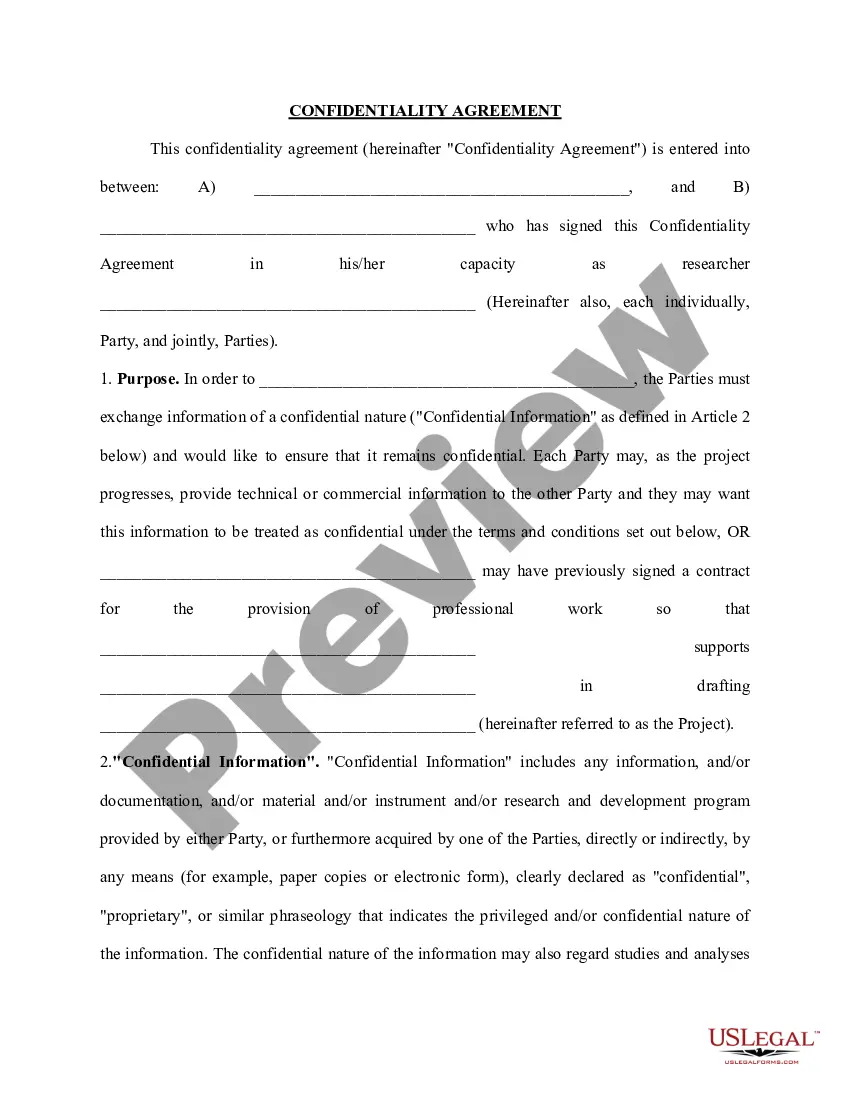
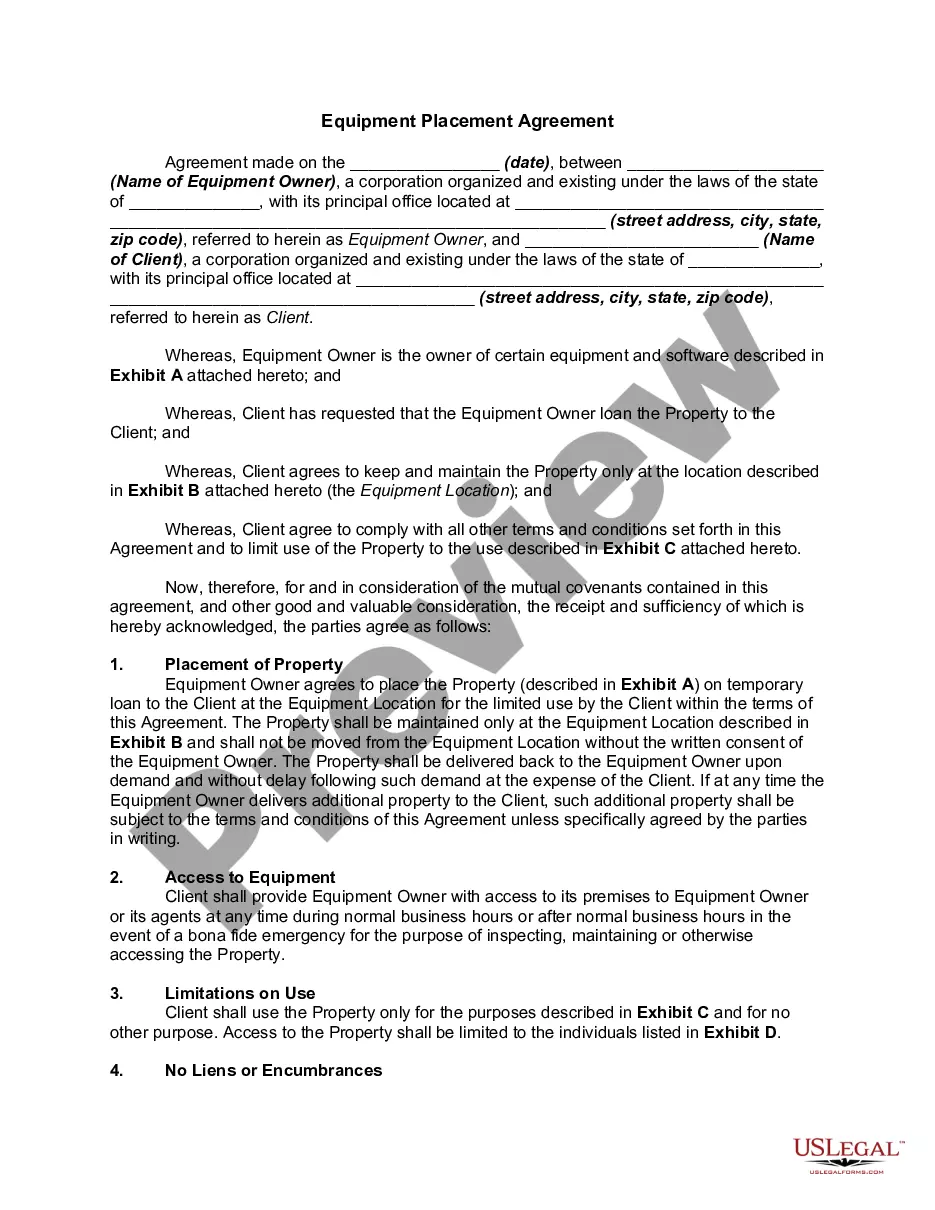
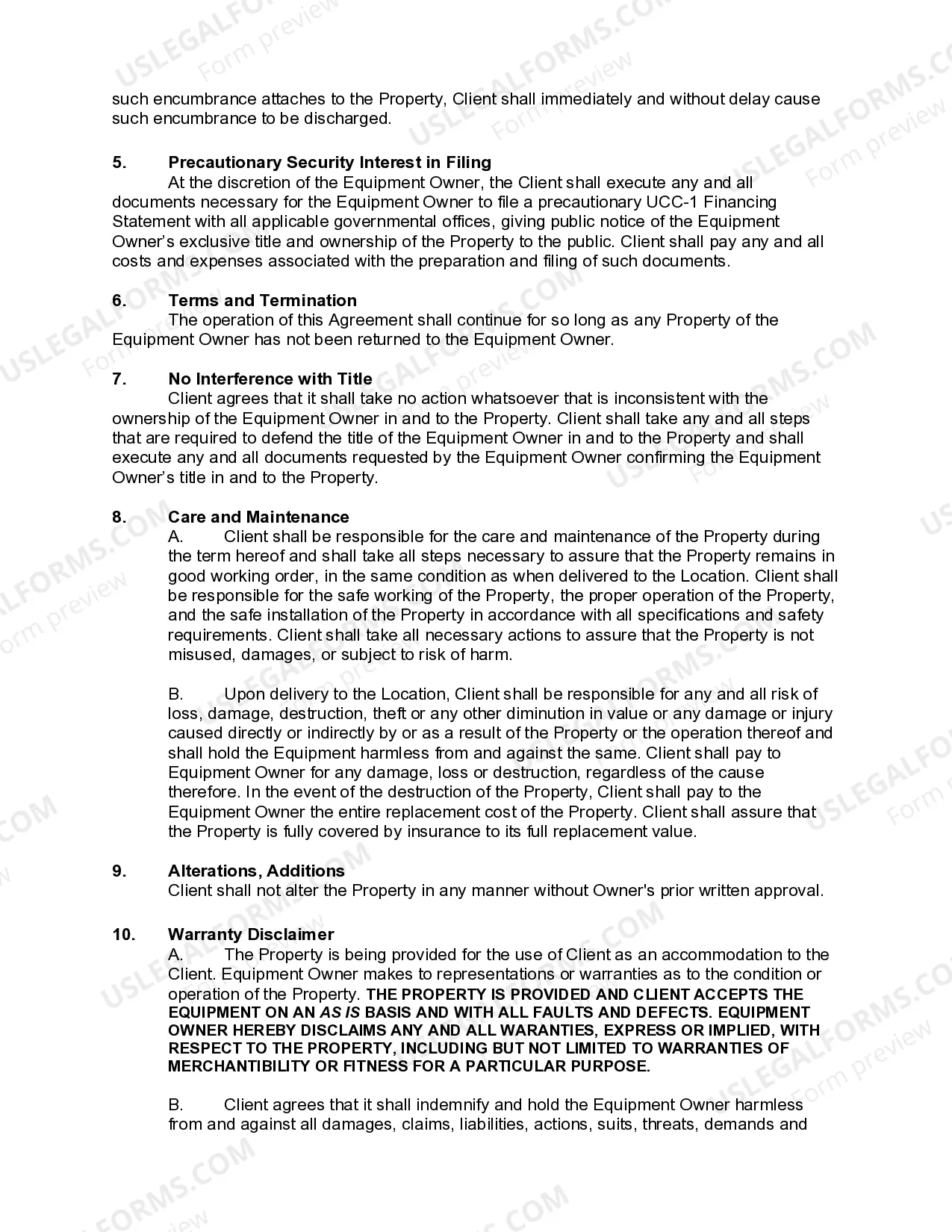
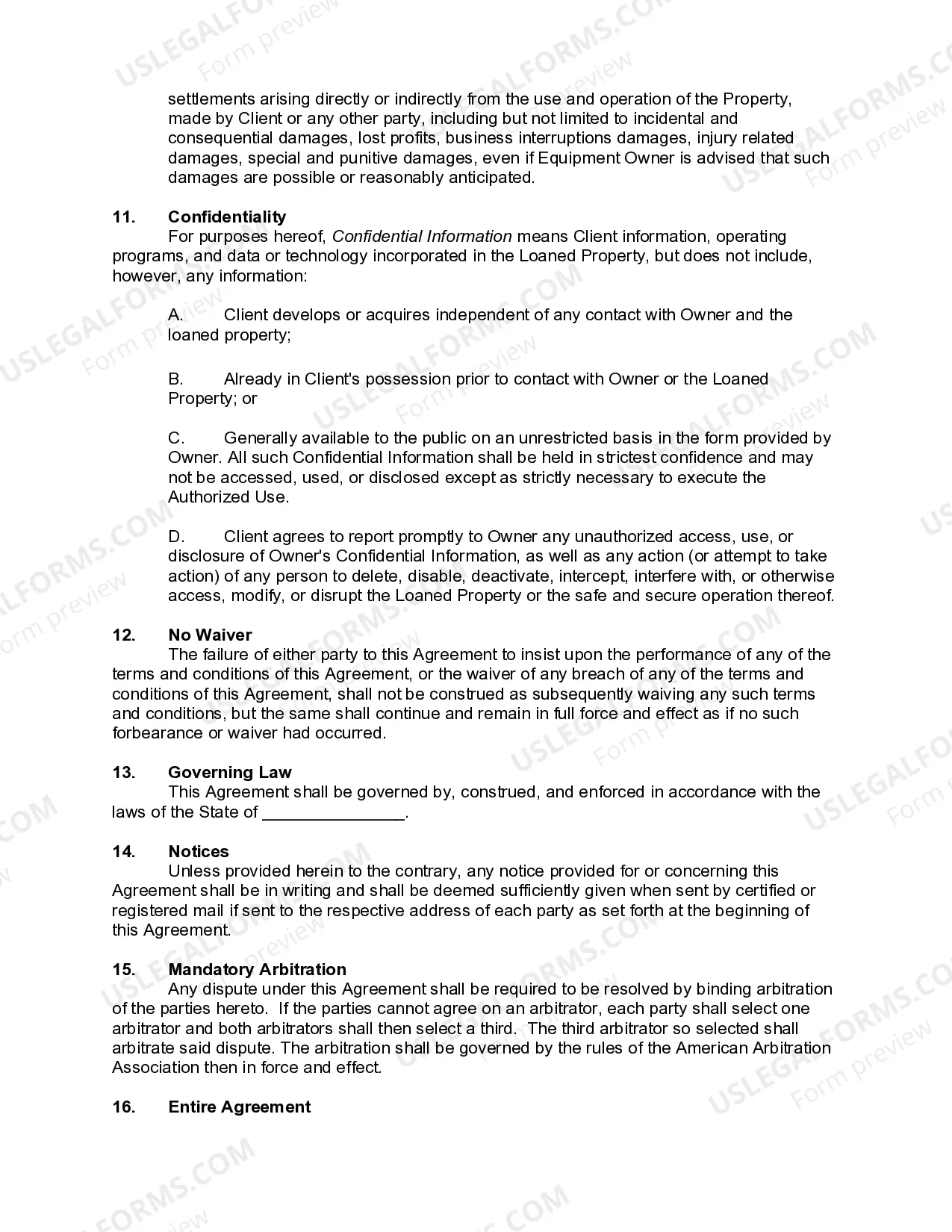
Illinois Equipment Placement Agreement
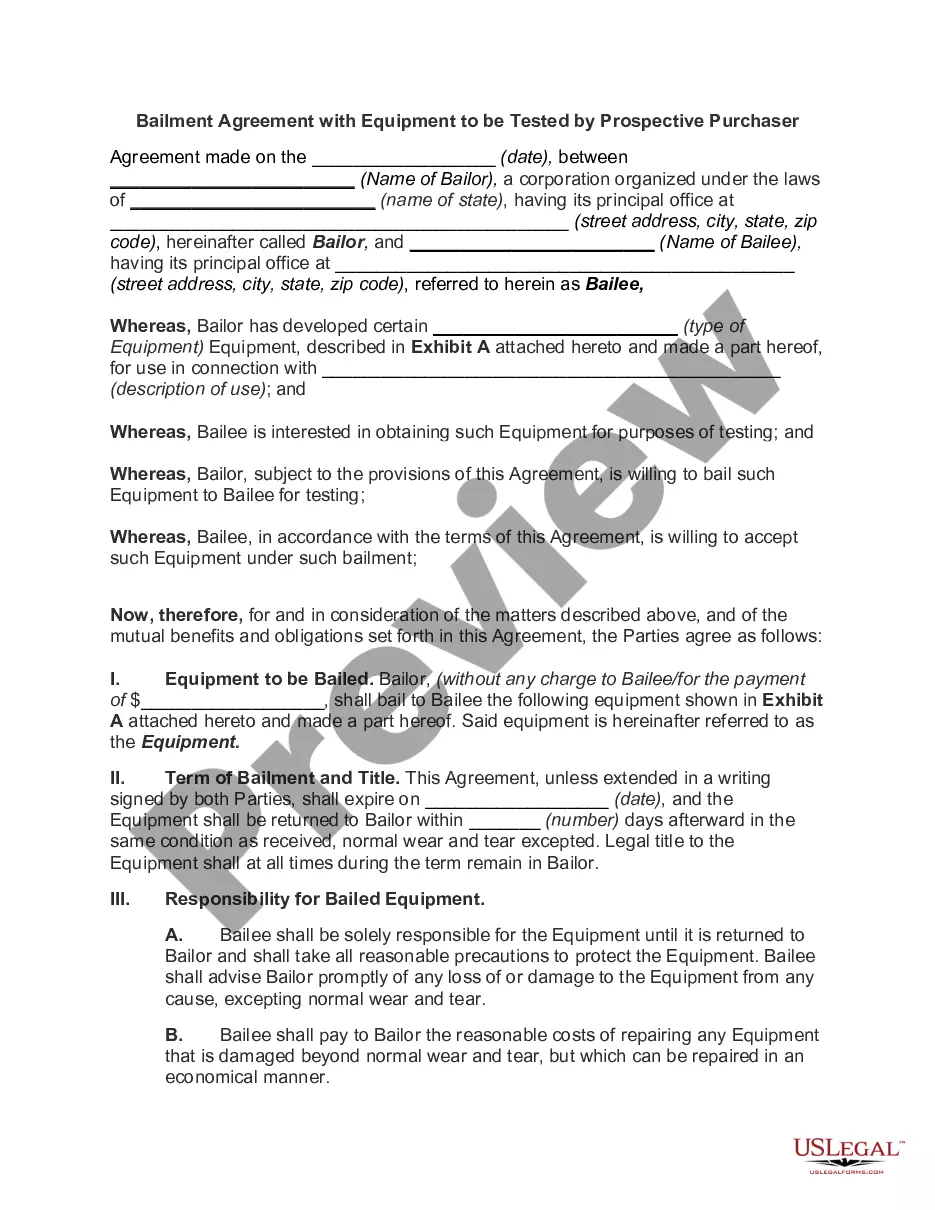
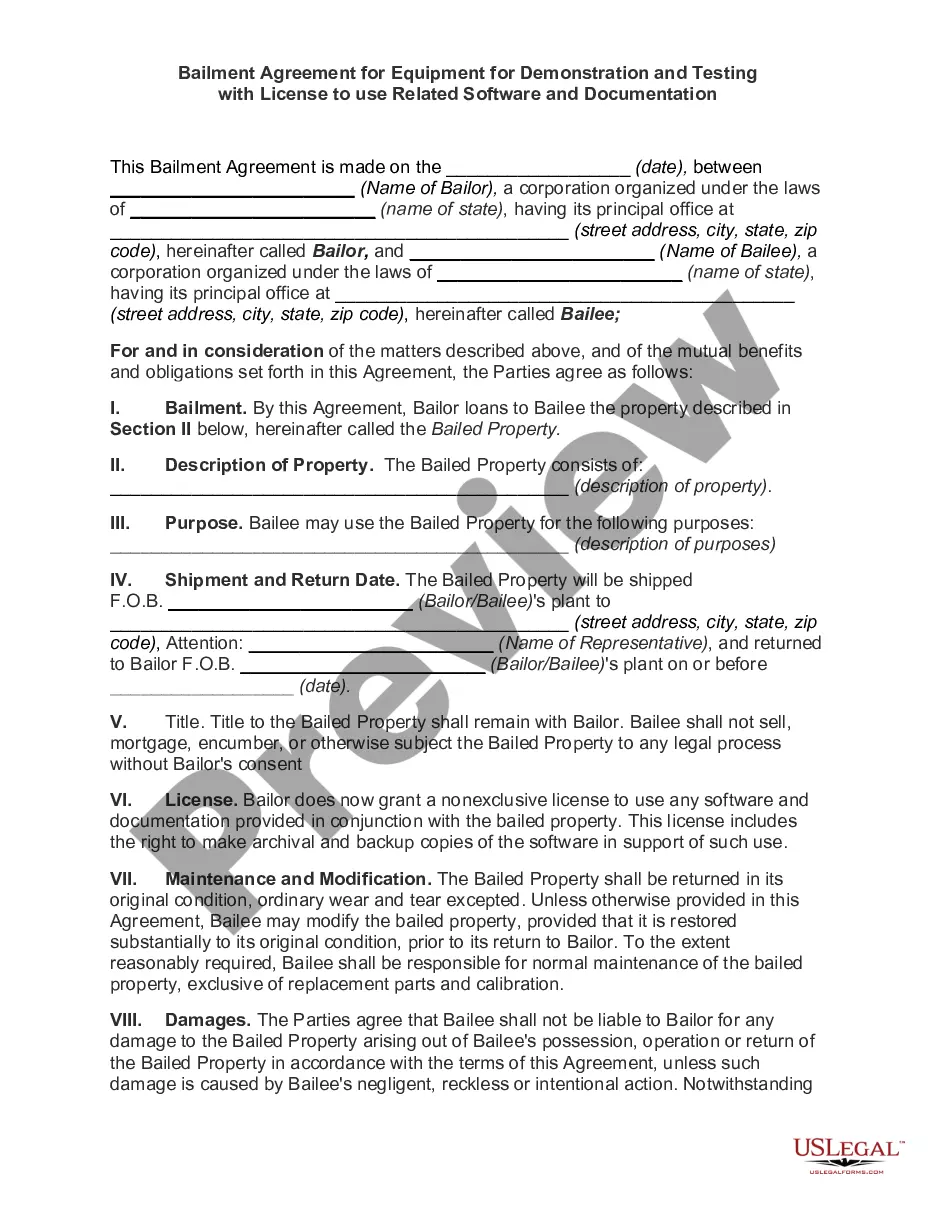
Description
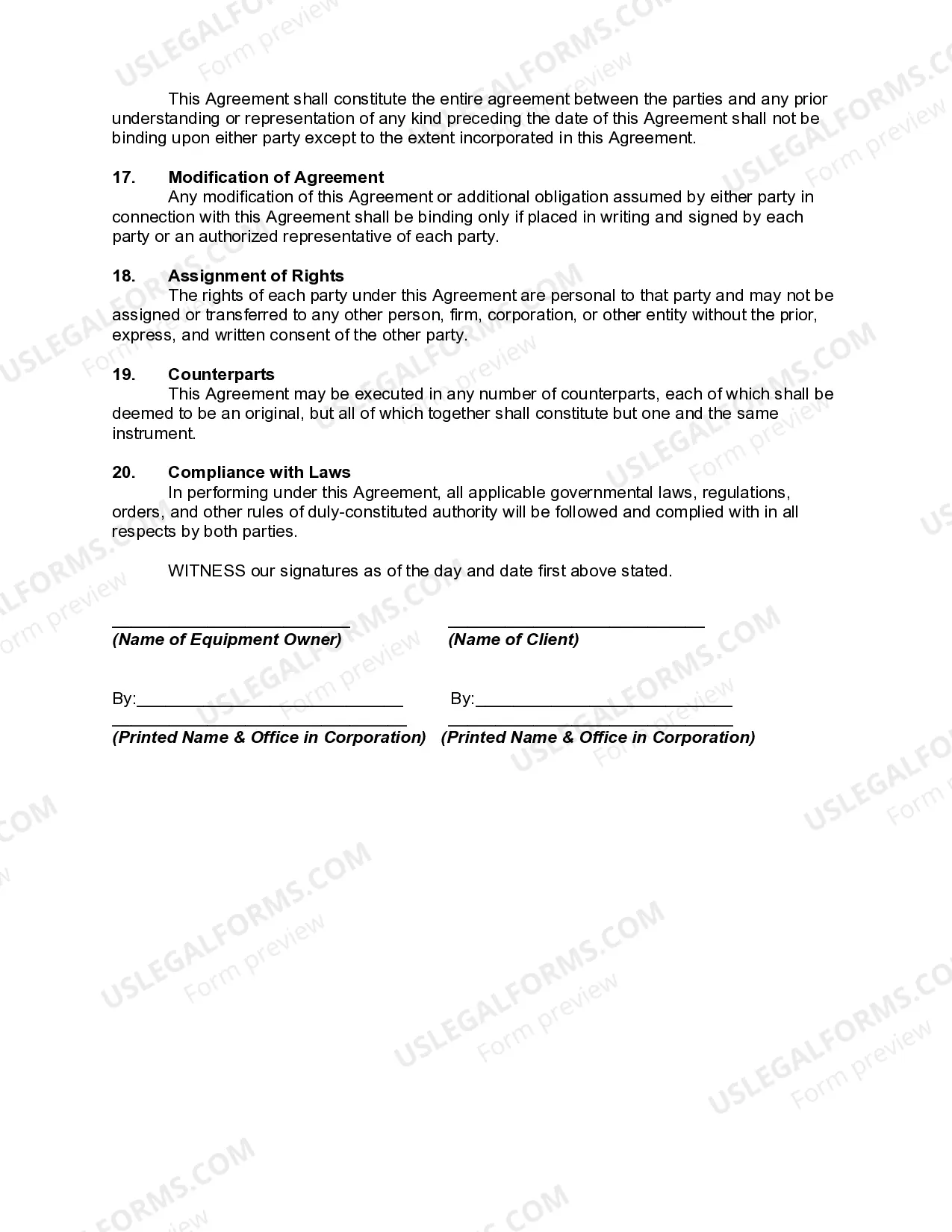
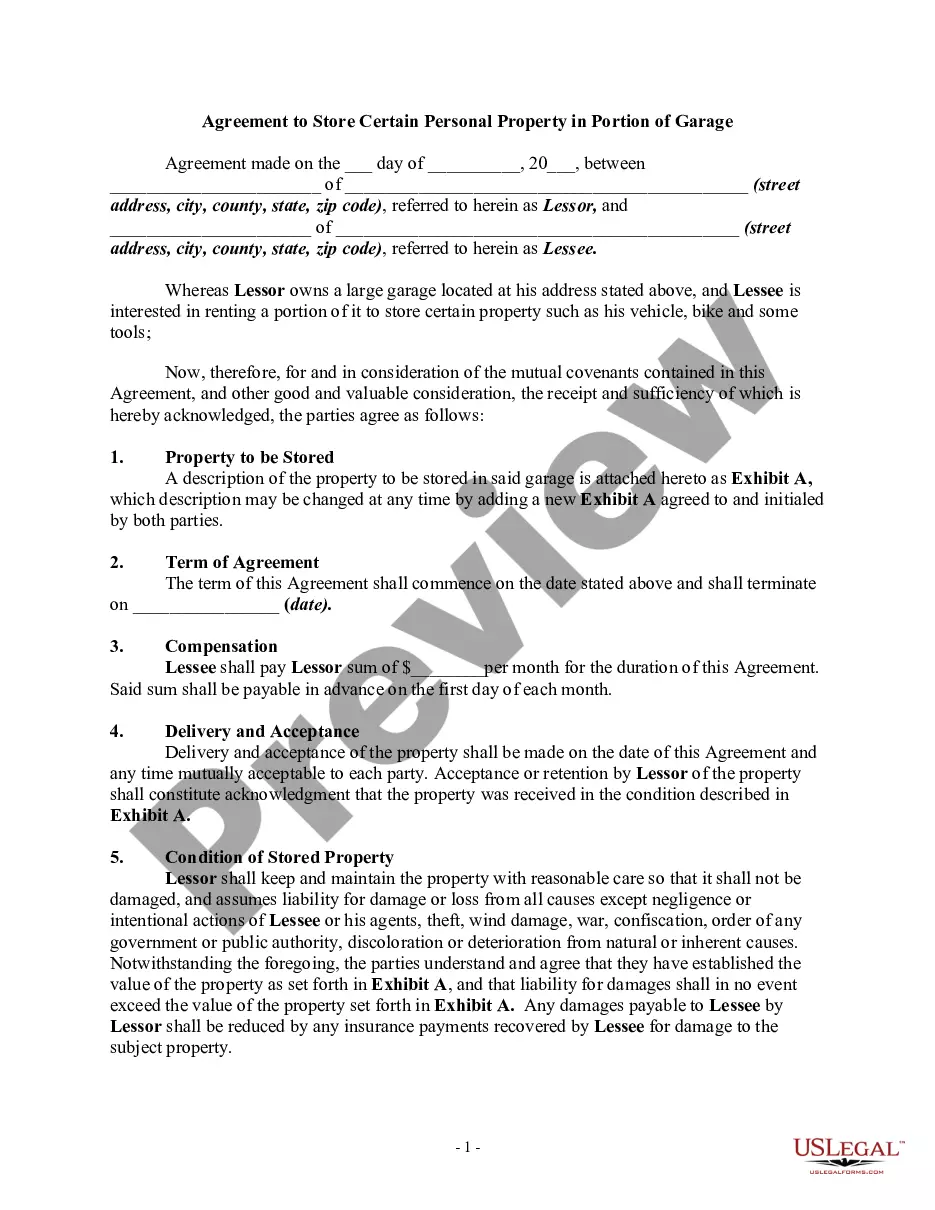
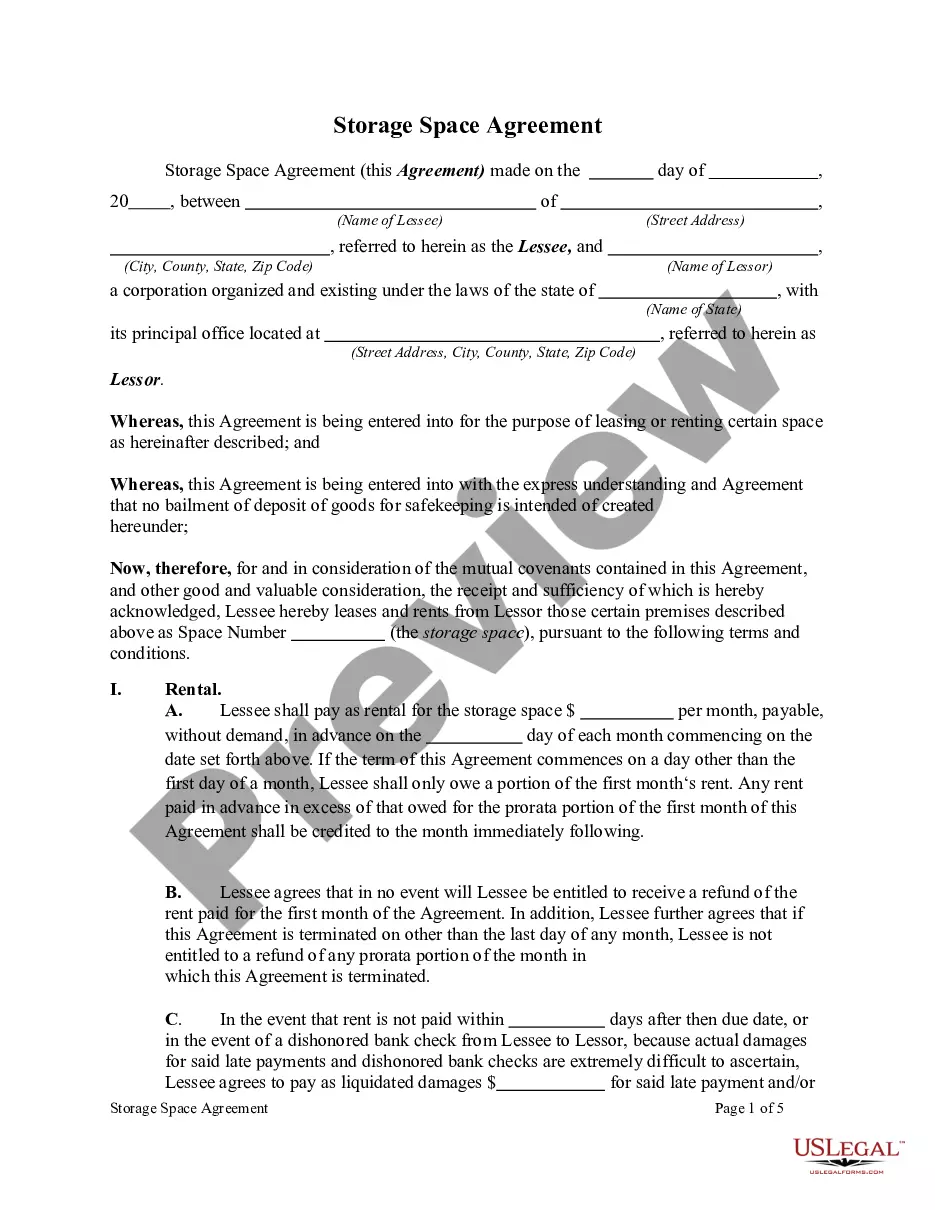
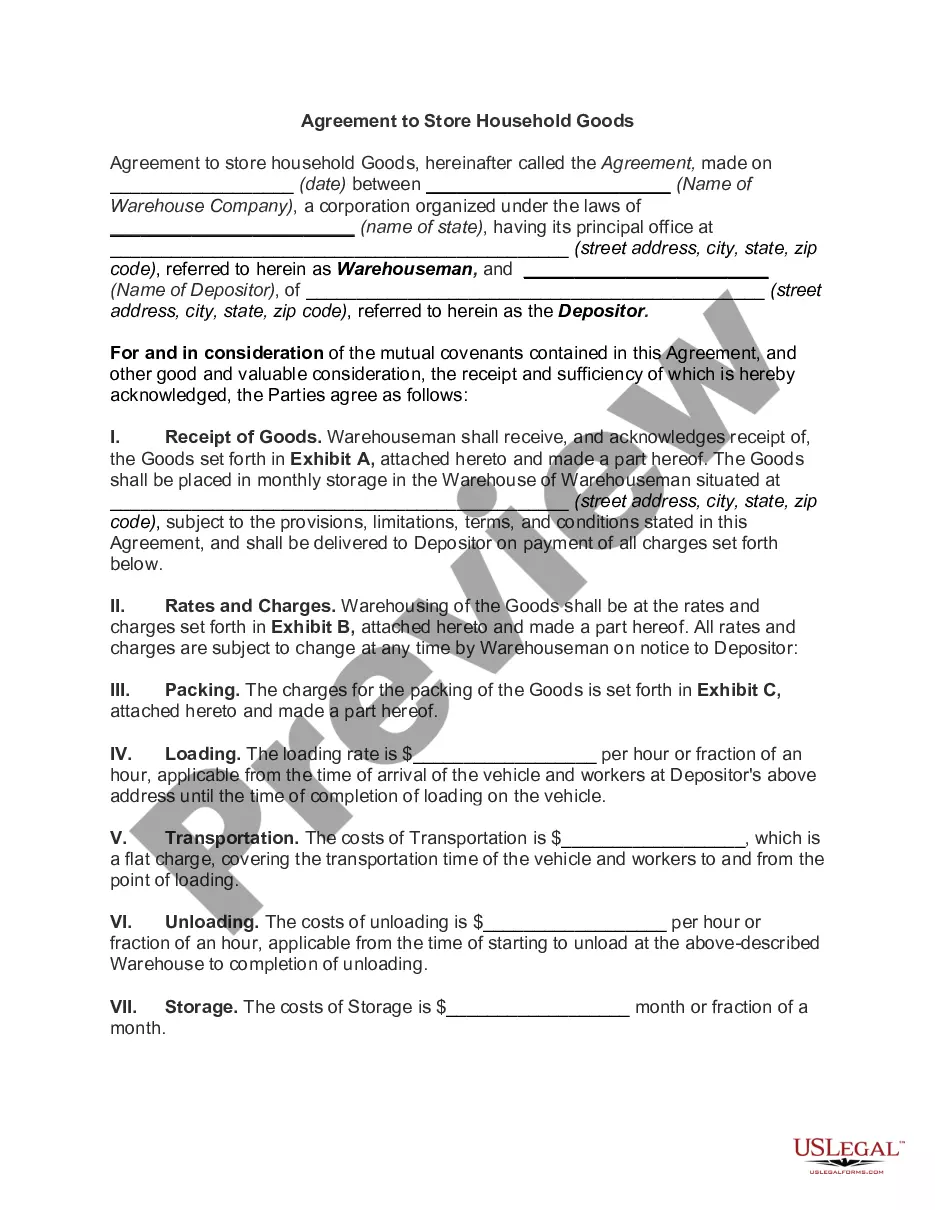
Get your form ready online
Our built-in tools help you complete, sign, share, and store your documents in one place.
Make edits, fill in missing information, and update formatting in US Legal Forms—just like you would in MS Word.
Download a copy, print it, send it by email, or mail it via USPS—whatever works best for your next step.
Sign and collect signatures with our SignNow integration. Send to multiple recipients, set reminders, and more. Go Premium to unlock E-Sign.
If this form requires notarization, complete it online through a secure video call—no need to meet a notary in person or wait for an appointment.
We protect your documents and personal data by following strict security and privacy standards.
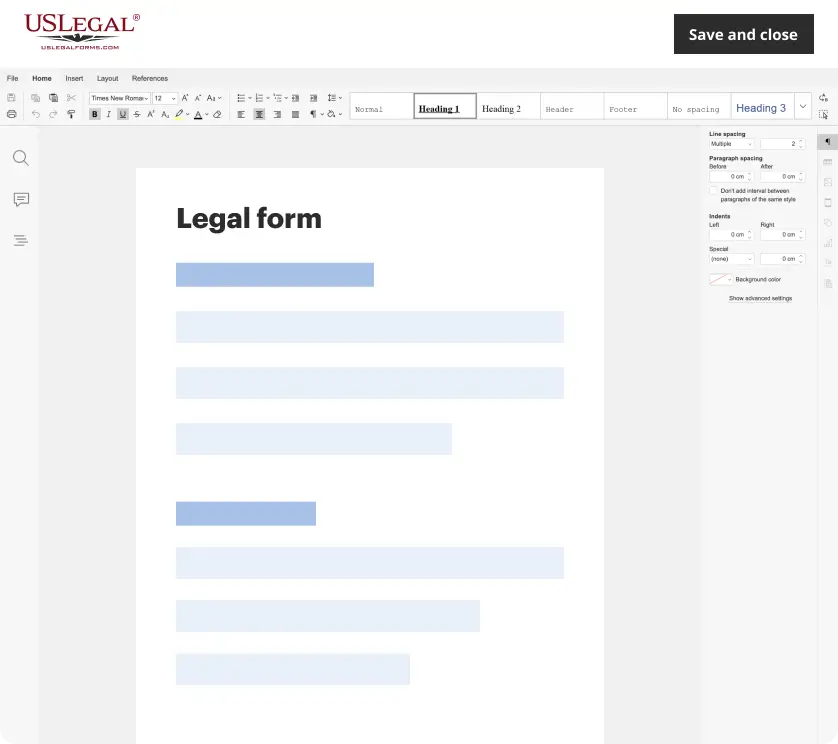
Make edits, fill in missing information, and update formatting in US Legal Forms—just like you would in MS Word.
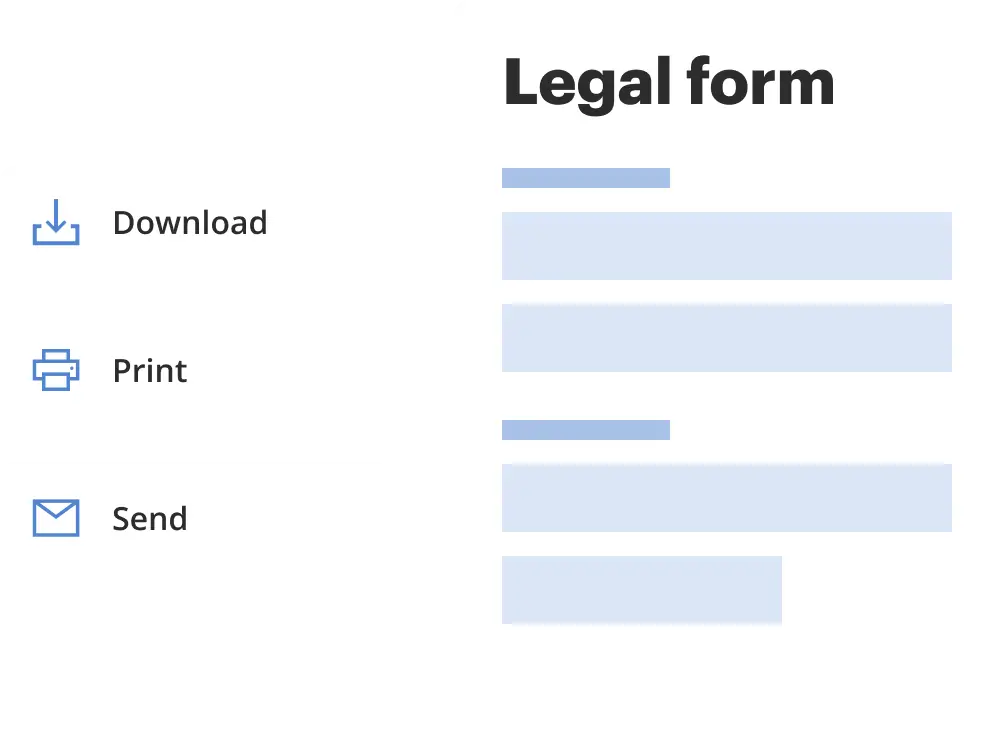
Download a copy, print it, send it by email, or mail it via USPS—whatever works best for your next step.
Sign and collect signatures with our SignNow integration. Send to multiple recipients, set reminders, and more. Go Premium to unlock E-Sign.
If this form requires notarization, complete it online through a secure video call—no need to meet a notary in person or wait for an appointment.
We protect your documents and personal data by following strict security and privacy standards.
Looking for another form?



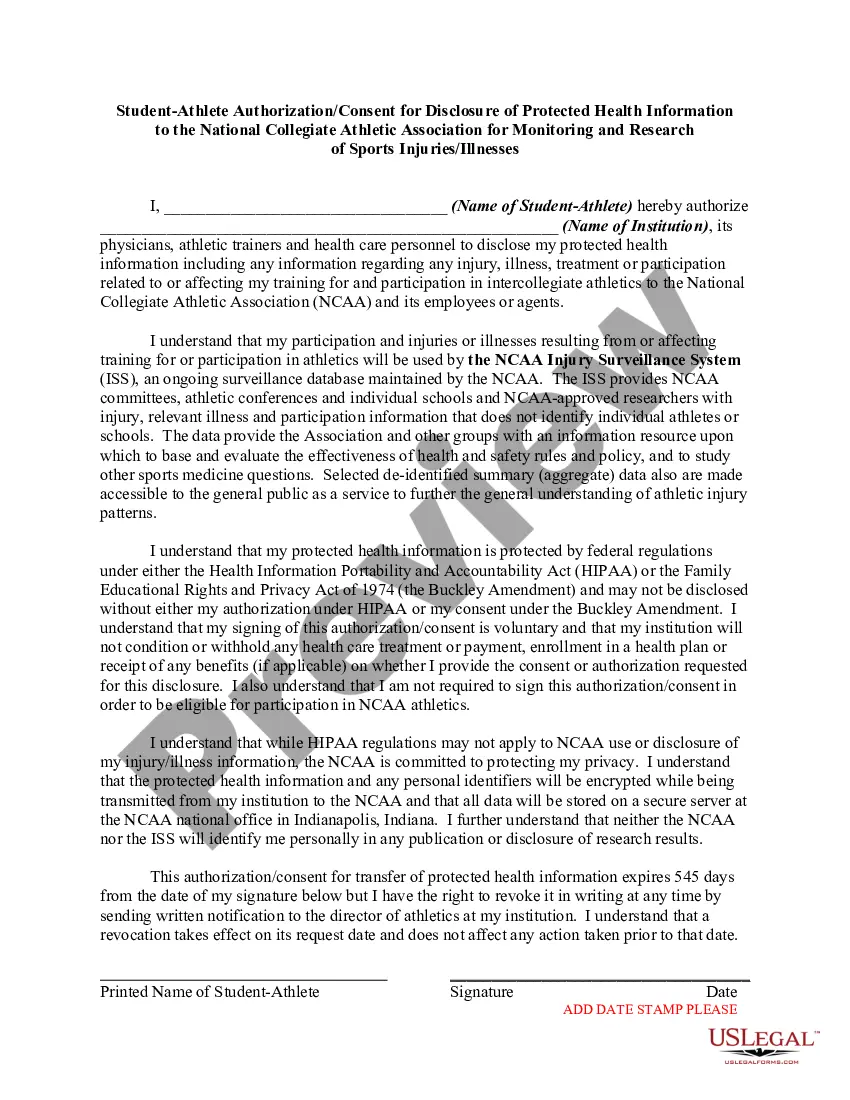



How to fill out Equipment Placement Agreement?
Have you ever found yourself in a circumstance where you require documents for either organizational or personal purposes nearly every day.
There is a wide range of legal document templates available online, but finding those you can rely on can be challenging.
US Legal Forms offers a vast selection of form templates, including the Illinois Equipment Placement Agreement, specifically designed to meet state and federal regulations.
Once you find the appropriate form, click on Purchase now.
Select the pricing plan you desire, complete the required information to create your account, and pay for your order using your PayPal, Visa, or Mastercard. Choose a convenient file format and download your copy.
- If you are already acquainted with the US Legal Forms website and have an account, simply Log In.
- Next, you can download the Illinois Equipment Placement Agreement template.
- If you do not yet have an account and wish to use US Legal Forms, follow these steps.
- Obtain the form you need and ensure it is for your correct state/region.
- Utilize the Review feature to evaluate the form.
- Read through the details to confirm that you have selected the correct document.
- If the form does not meet your expectations, use the Search field to find the form that suits your needs.
Form popularity
FAQ
A placement agreement is a formal document that regulates the terms for placing equipment between two parties. The Illinois Equipment Placement Agreement serves as a prime example of this type of legal contract, ensuring clear communication of obligations and expectations. By establishing these terms, both parties can work together smoothly and avoid misunderstandings.
A placement deal typically refers to a business arrangement in which one entity provides equipment to another for use under specified terms. For instance, the Illinois Equipment Placement Agreement outlines these terms, detailing how and when the equipment will be used. Such arrangements are vital for businesses that rely on temporary equipment solutions.
In general, the four types of agreements often include lease agreements, service agreements, sales agreements, and placement agreements. The Illinois Equipment Placement Agreement fits into the category of placement agreements, focusing specifically on the terms of equipment placement. Understanding these categories helps you navigate your legal options effectively.
A placing agreement refers to a contract where one party places equipment with another for an agreed duration and conditions. The Illinois Equipment Placement Agreement exemplifies this type of contract, ensuring both parties understand their roles and obligations. This kind of agreement fosters trust and minimizes conflicts during the equipment usage period.
Placement agreements, including the Illinois Equipment Placement Agreement, are legal contracts that outline the terms of placing equipment for specific purposes or timeframes. These agreements help clarify the responsibilities of both parties and provide a framework for equipment use. By detailing specific conditions and expectations, they protect your interests in the transaction.
To fill out an agreement like the Illinois Equipment Placement Agreement, gather all necessary information from both parties. This includes full names, contact details, and specific equipment descriptions. Review all terms for accuracy before signing, ensuring that both parties are in agreement about the conditions stated in the document.
When writing a simple Illinois Equipment Placement Agreement, begin with a straightforward title and identify the parties involved. Clearly define the services or equipment being exchanged, along with basic terms such as payment and duration. Keep language clear and concise to avoid confusion later, and make sure both parties sign the document.
To fill out a contractor agreement, start by entering the contractor's name and address, followed by the details of the services to be provided. In the case of an Illinois Equipment Placement Agreement, specify the equipment, payment terms, and duration of the agreement. Make sure each party reviews the terms to avoid future disputes, ensuring clarity in the document.
Filling out an Illinois Equipment Placement Agreement involves providing accurate information for each section, such as the names of the parties and specific details about the equipment involved. It is essential to review the terms carefully to ensure mutual understanding and compliance. After completing, both parties should retain a signed copy for their records.
To complete an Illinois Equipment Placement Agreement, ensure you correctly fill in all required information like dates and parties' names. Carefully read through the terms and conditions, making sure all necessary clauses are included. Once filled out, both parties should sign the document to make it legally binding.