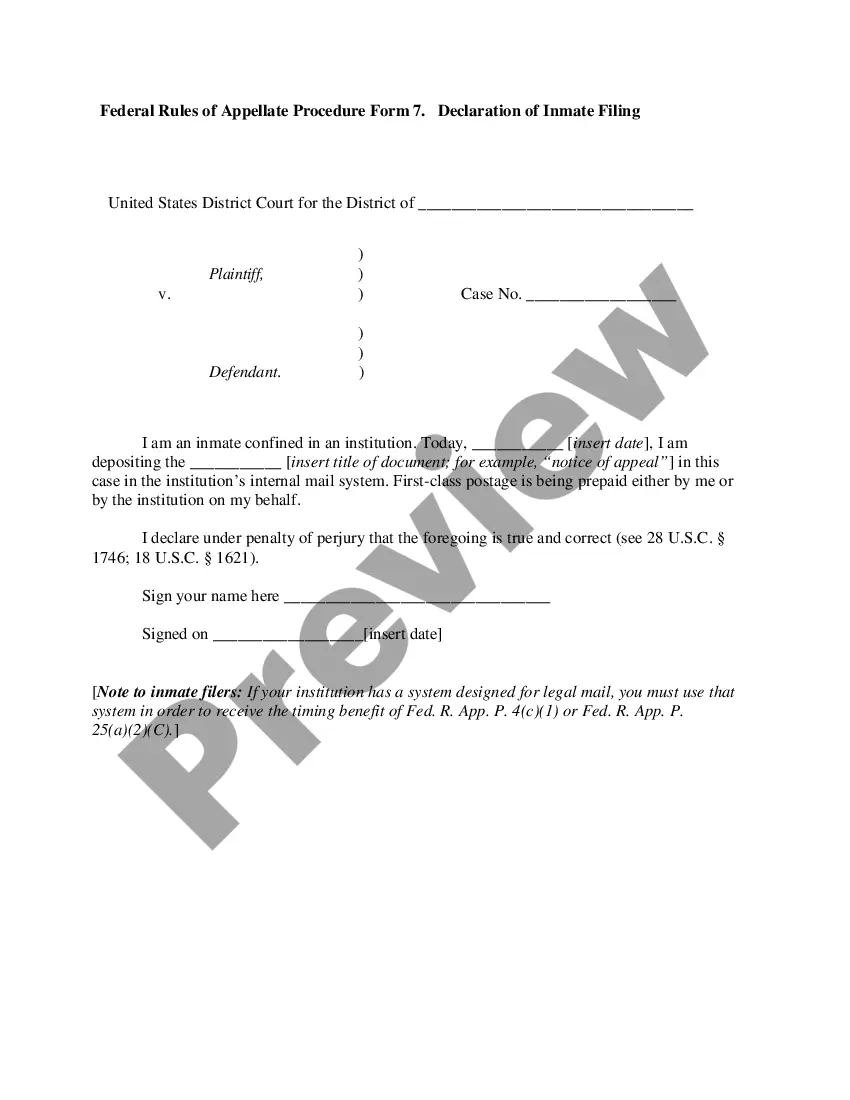
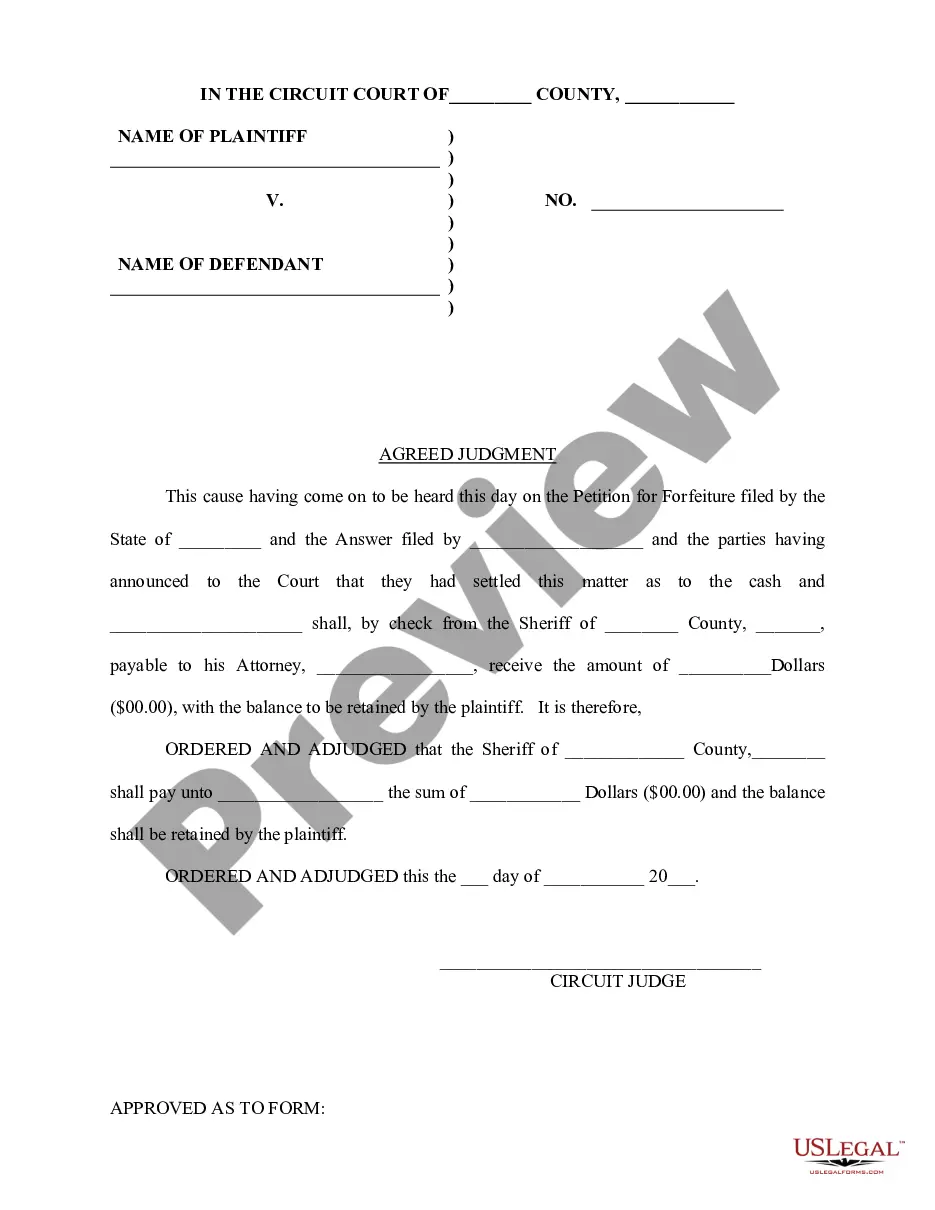
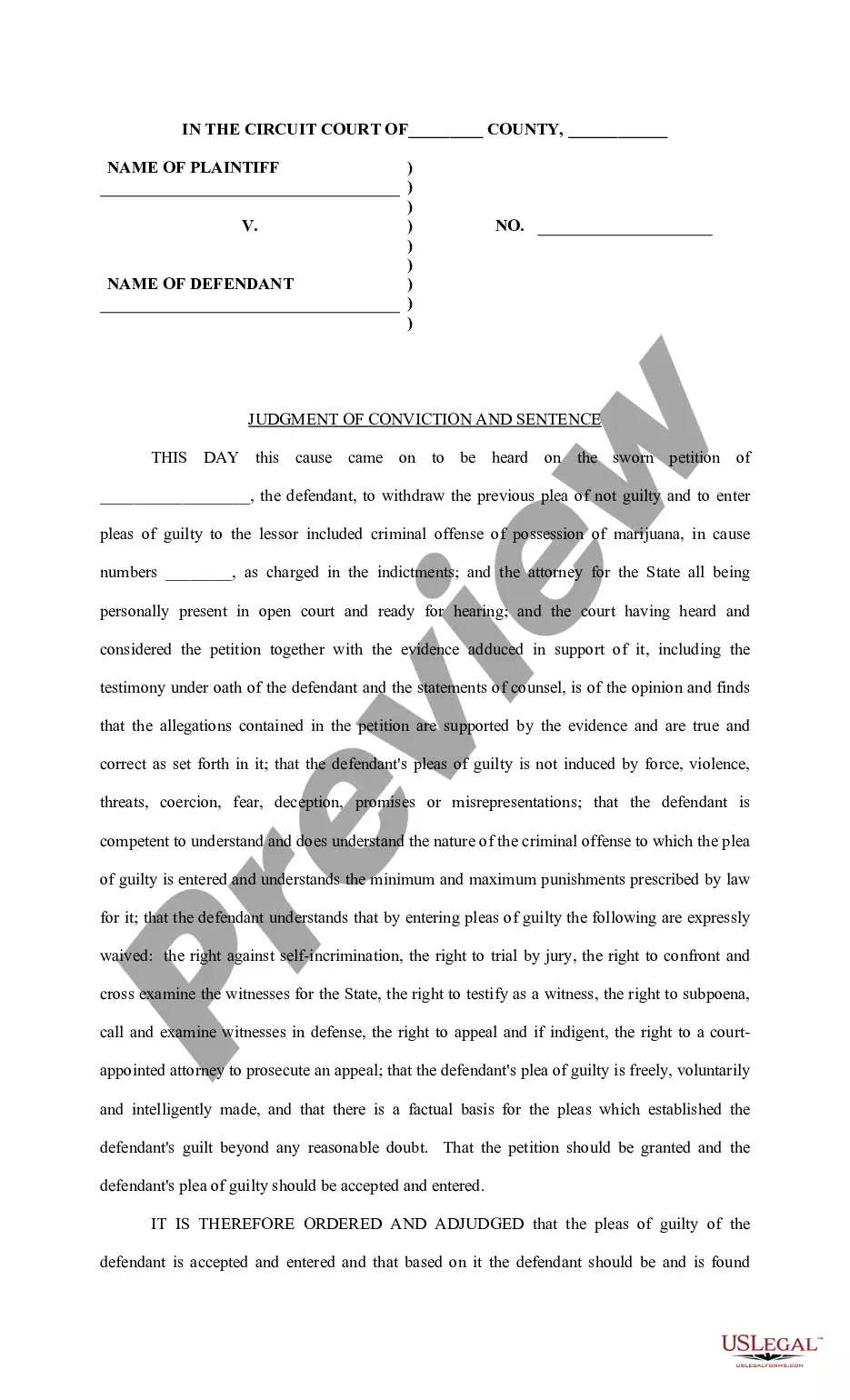
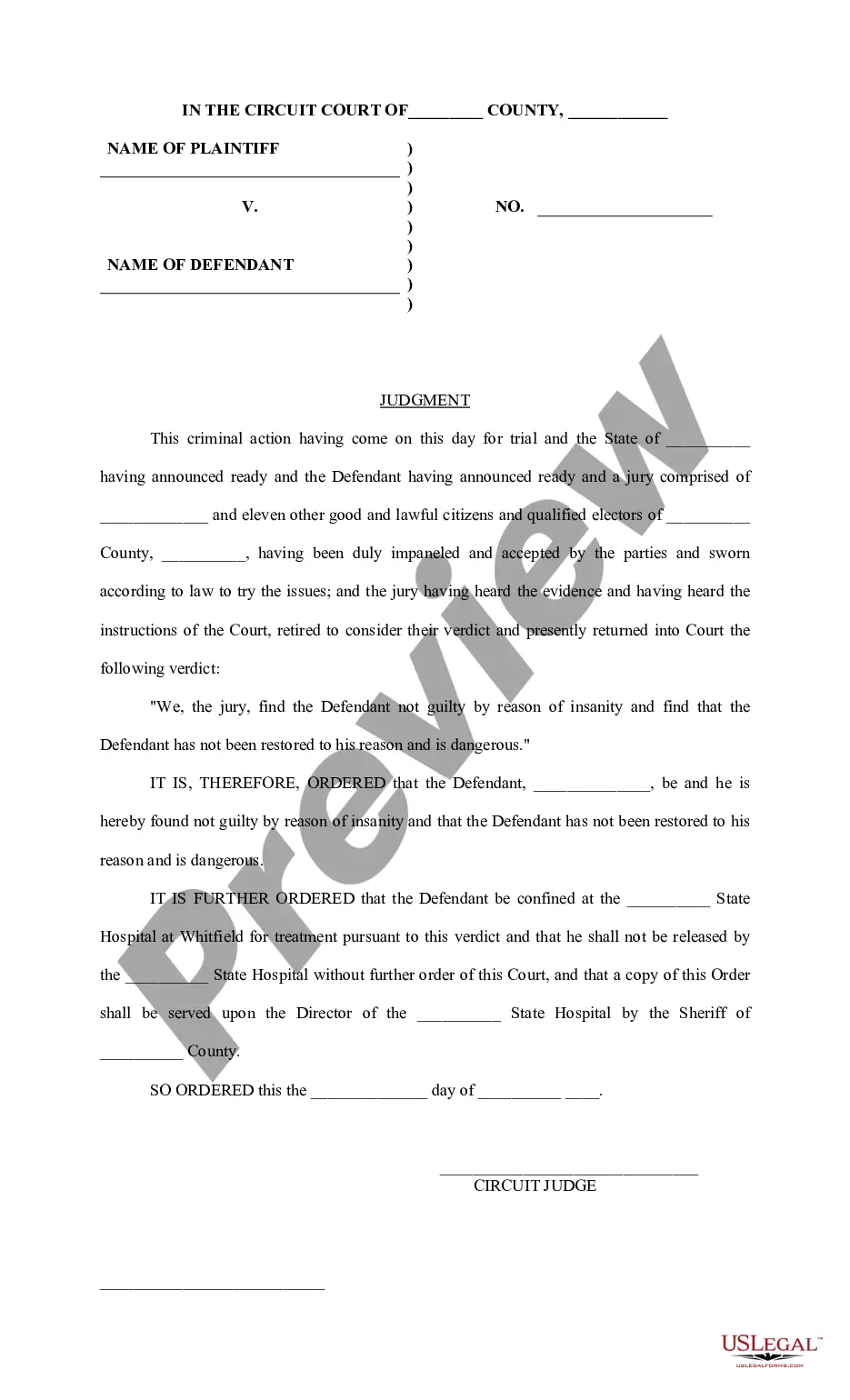
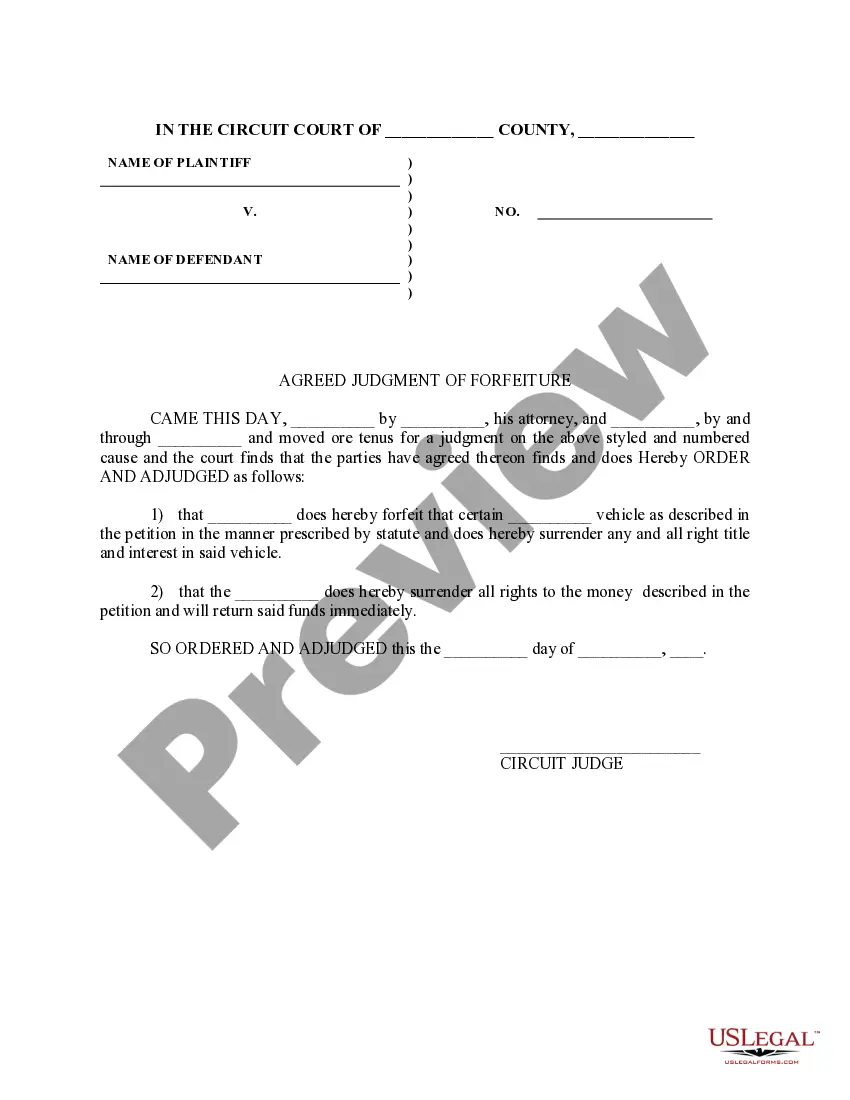
Illinois Agreed Judgment
Description

Get your form ready online
Our built-in tools help you complete, sign, share, and store your documents in one place.
Make edits, fill in missing information, and update formatting in US Legal Forms—just like you would in MS Word.
Download a copy, print it, send it by email, or mail it via USPS—whatever works best for your next step.
Sign and collect signatures with our SignNow integration. Send to multiple recipients, set reminders, and more. Go Premium to unlock E-Sign.
If this form requires notarization, complete it online through a secure video call—no need to meet a notary in person or wait for an appointment.
We protect your documents and personal data by following strict security and privacy standards.

Make edits, fill in missing information, and update formatting in US Legal Forms—just like you would in MS Word.

Download a copy, print it, send it by email, or mail it via USPS—whatever works best for your next step.

Sign and collect signatures with our SignNow integration. Send to multiple recipients, set reminders, and more. Go Premium to unlock E-Sign.

If this form requires notarization, complete it online through a secure video call—no need to meet a notary in person or wait for an appointment.

We protect your documents and personal data by following strict security and privacy standards.
Looking for another form?
How to fill out Agreed Judgment?
If you wish to finalize, acquire, or generate valid document templates, utilize US Legal Forms, the largest selection of valid forms available on the web. Utilize the site’s user-friendly and efficient search to find the documents you need.
Various templates for business and personal purposes are organized by categories and states, or keywords. Use US Legal Forms to locate the Illinois Agreed Judgment in just a few clicks.
If you are already a US Legal Forms member, Log In to your account and click the Get button to obtain the Illinois Agreed Judgment. You can also access forms you previously saved in the My documents section of your account.
Every valid document template you purchase belongs to you indefinitely. You have access to every form you saved in your account. Select the My documents section and choose a form to print or download again.
Compete and download, and print the Illinois Agreed Judgment with US Legal Forms. There are millions of professional and state-specific forms you can use for your business or personal needs.
- Step 1. Ensure you have selected the form for the correct city/state.
- Step 2. Use the Preview feature to review the form’s content. Don’t forget to check the summary.
- Step 3. If you are not satisfied with the form, use the Search box at the top of the page to find other versions of the valid form template.
- Step 4. Once you have identified the form you need, click the Buy now button. Choose your preferred pricing plan and enter your details to register for an account.
- Step 5. Process the transaction. You can use your credit card or PayPal account to complete the transaction.
- Step 6. Choose the format of the valid form and download it to your device.
- Step 7. Complete, modify, and print or sign the Illinois Agreed Judgment.
Form popularity
FAQ
After a default judgment has been awarded, the respondent has one last chance to contest it. He or she will have thirty days to ask the court to vacate this judgment. After this time period has passed, the default judgment is considered final.
Under Illinois law, judgments have an enforcement time limit of seven years from the date of their entry.
Currently, Illinois state courts do not have an offer of judgment provision. In some states, whether or not pre-judgment interest is allowed is dependent on an offer of judgment being made prior to trial (also known as an ?offer of compromise?).
Judgments, unless they fall into an exception below, live in 7 year installments. But with the right timing, a judgment can be enforced for 27 years. After a judgment is entered, the person who is owed the money, called the "creditor," can enforce the judgment for 7 years.
Illinois law governs the enforcement and resurrection of judgments. Under Illinois law, judgments have an enforcement time limit of seven years from the date of their entry.
If a creditor gets a judgment against you, it could remain in effect for up to 20 years. In many cases, it can also be renewed. The exact time frame depends on which state you live in and the type of judgment. You can get rid of a judgment by paying the money you owe or filing for bankruptcy protection.
A judgment is not a lien on real estate for longer than 7 years from the time it is entered or revived, unless the judgment is revived within 7 years after its entry or last revival and a new memorandum of judgment is recorded prior to the judgment and its recorded memorandum of judgment becoming dormant.