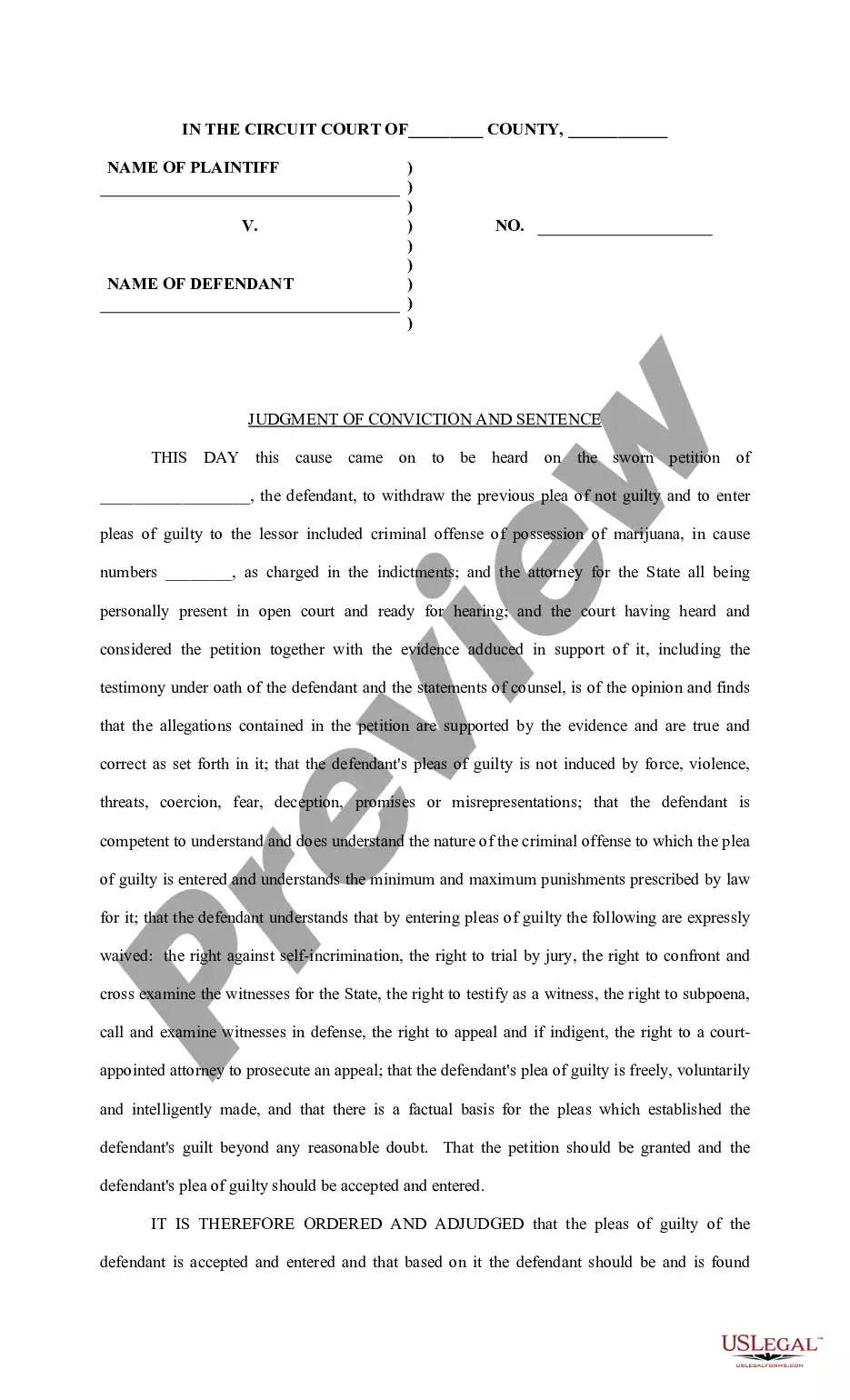
Illinois Judgment of Conviction and Sentence
Description

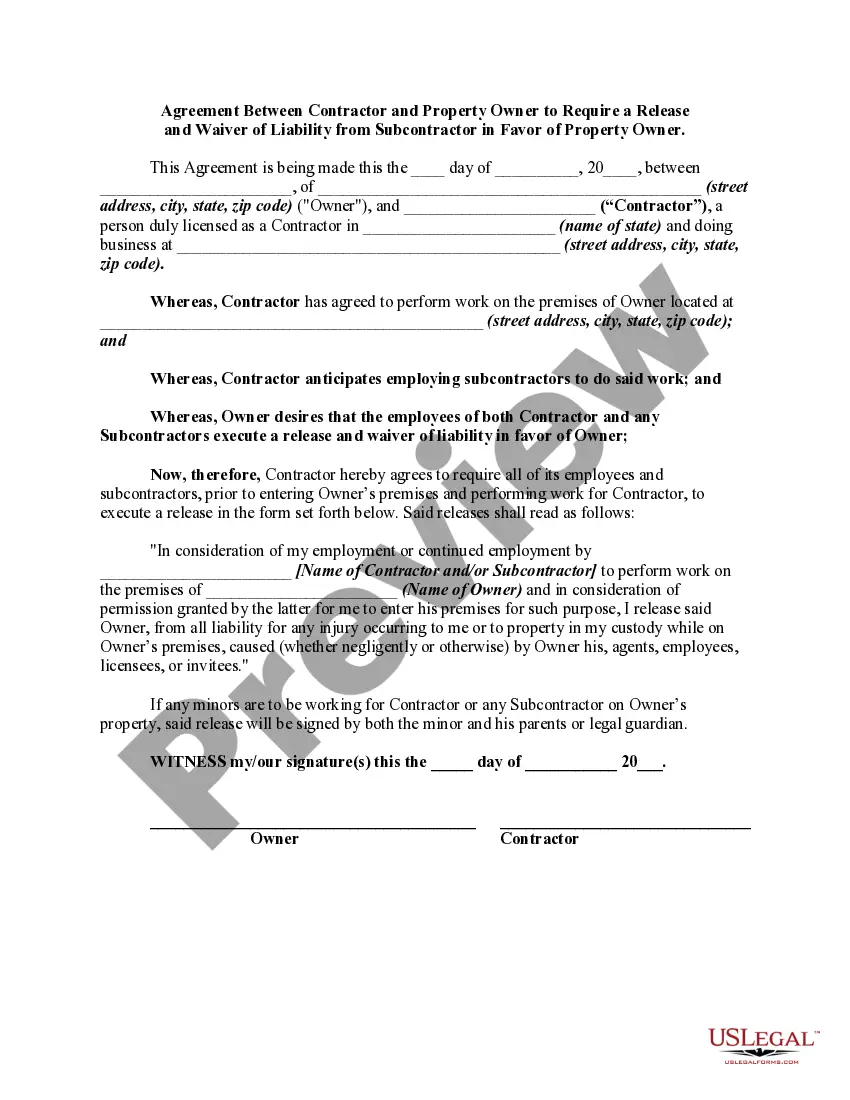


How to fill out Judgment Of Conviction And Sentence?
You can spend hours online trying to find the legal document template that complies with the federal and state regulations you require. US Legal Forms offers thousands of legal templates that are evaluated by experts.
You can conveniently acquire or print the Illinois Judgment of Conviction and Sentence from my services. If you possess a US Legal Forms account, you can Log In and click the Obtain button. Subsequently, you can complete, modify, print, or sign the Illinois Judgment of Conviction and Sentence.
Every legal document template you obtain is yours forever. To retrieve another copy of any purchased form, navigate to the My documents section and click the corresponding button.
Complete the transaction. You can use your Visa or Mastercard or PayPal account to pay for the legal document. Select the format of the document and download it to your device. Make modifications to your document if necessary. You can complete, edit, sign, and print the Illinois Judgment of Conviction and Sentence. Access and print thousands of document templates using the US Legal Forms Website, which provides the largest collection of legal forms. Utilize professional and state-specific templates to address your business or personal needs.
- If you are using the US Legal Forms website for the first time, follow the simple instructions below.
- Firstly, ensure you have selected the correct document template for the county/city of your choice.
- Review the form details to confirm you have chosen the appropriate template.
- If available, utilize the Preview button to glance through the document template as well.
- To find another version of the form, use the Search box to locate the template that meets your needs and requirements.
- Once you have identified the template you want, click Get now to continue.
- Choose the pricing plan you prefer, enter your credentials, and register for your account on US Legal Forms.
Form popularity
FAQ
Felonies are the most severe types of crime in Illinois and carry the most serious criminal penalties. A conviction for a single felony-level crime comes with a minimum of one year in jail. The DuPage County/Chicago criminal defense attorneys at Dolci & Weiland provide dedicated and aggressive legal representation.
(b) Concurrent terms; misdemeanor and felony. A defendant serving a sentence for a misdemeanor who is convicted of a felony and sentenced to imprisonment shall be transferred to the Department of Corrections, and the misdemeanor sentence shall be merged in and run concurrently with the felony sentence.
In other words, in concurrent sentencing, the sentences for multiple offenses overlap, meaning you only serve the total time of the longest sentence imposed. Using the previous example, you would serve the five-year and the three-year sentences simultaneously, resulting in a total of five years served.
If a judgment is old, it may need to be revived before it can be enforced. Illinois law governs the enforcement and resurrection of judgments. Under Illinois law, judgments have an enforcement time limit of seven years from the date of their entry.
"Conviction". "Conviction" means a judgment of conviction or sentence entered upon a plea of guilty or upon a verdict or finding of guilty of an offense, rendered by a legally constituted jury or by a court of competent jurisdiction authorized to try the case without a jury.
Statutory Sentence Credit refers to the percentage of time a determinate-sentenced individual in custody must spend incarcerated. Individuals in custody serve 50%, 75%, 85%, or 100% of their sentence, determined by statute, and based on the offense that was committed.
Until passage of "Truth in Sentencing" laws in the 1990s (730 ILCS 5/3-6-3), all individuals in custody were to spend half their sentences incarcerated in jail or prison (less awards of good time). Under "Truth in Sentencing" laws, those convicted of first degree murder will serve 100 percent of the sentence.
A concurrent sentence refers to a type of sentence judges are able to give defendants convicted of more than one crime. Instead of serving each sentence one after another, a concurrent sentence allows the defendant to serve all of their sentences at the same time, where the longest period of time is controlling.