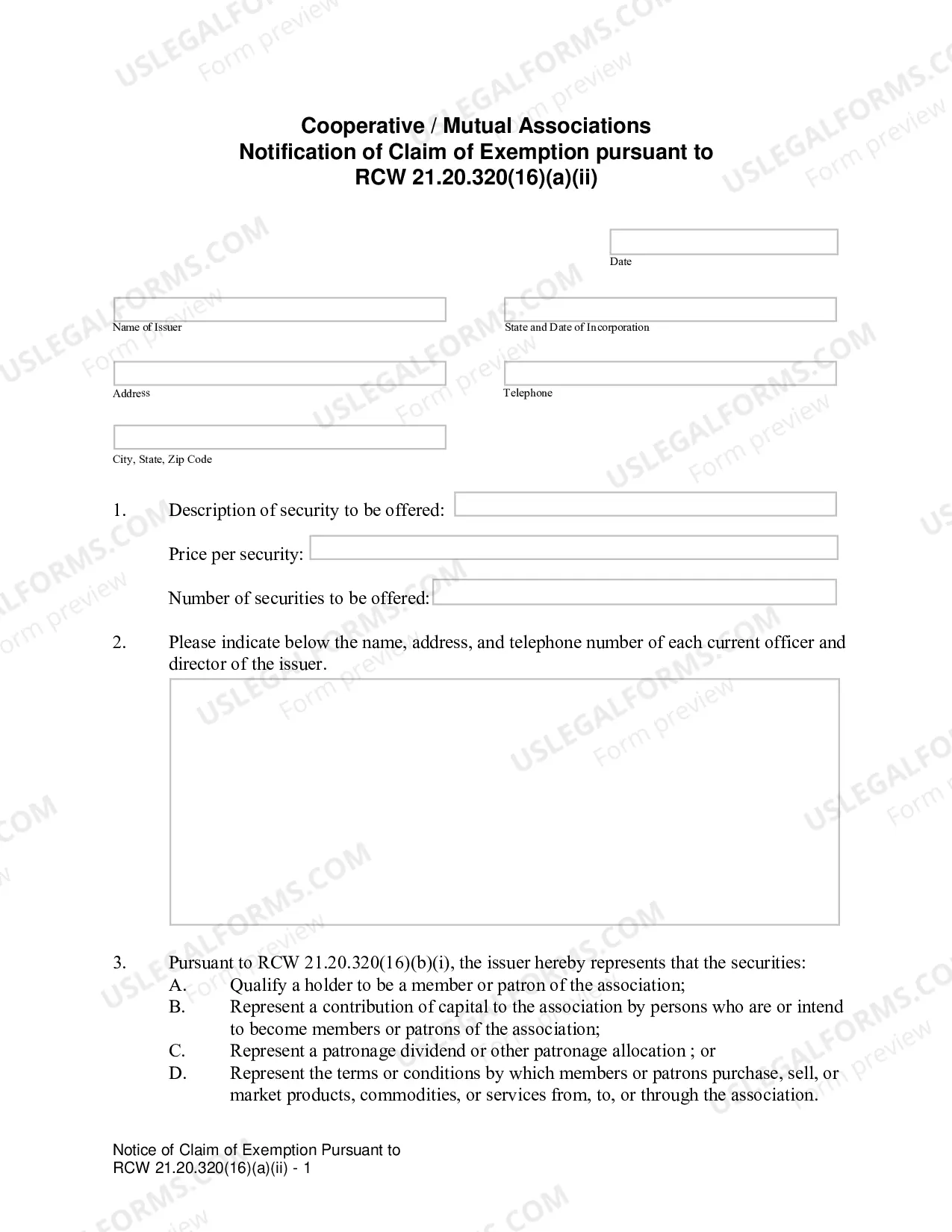
Illinois Petition for Name Change
What this document covers
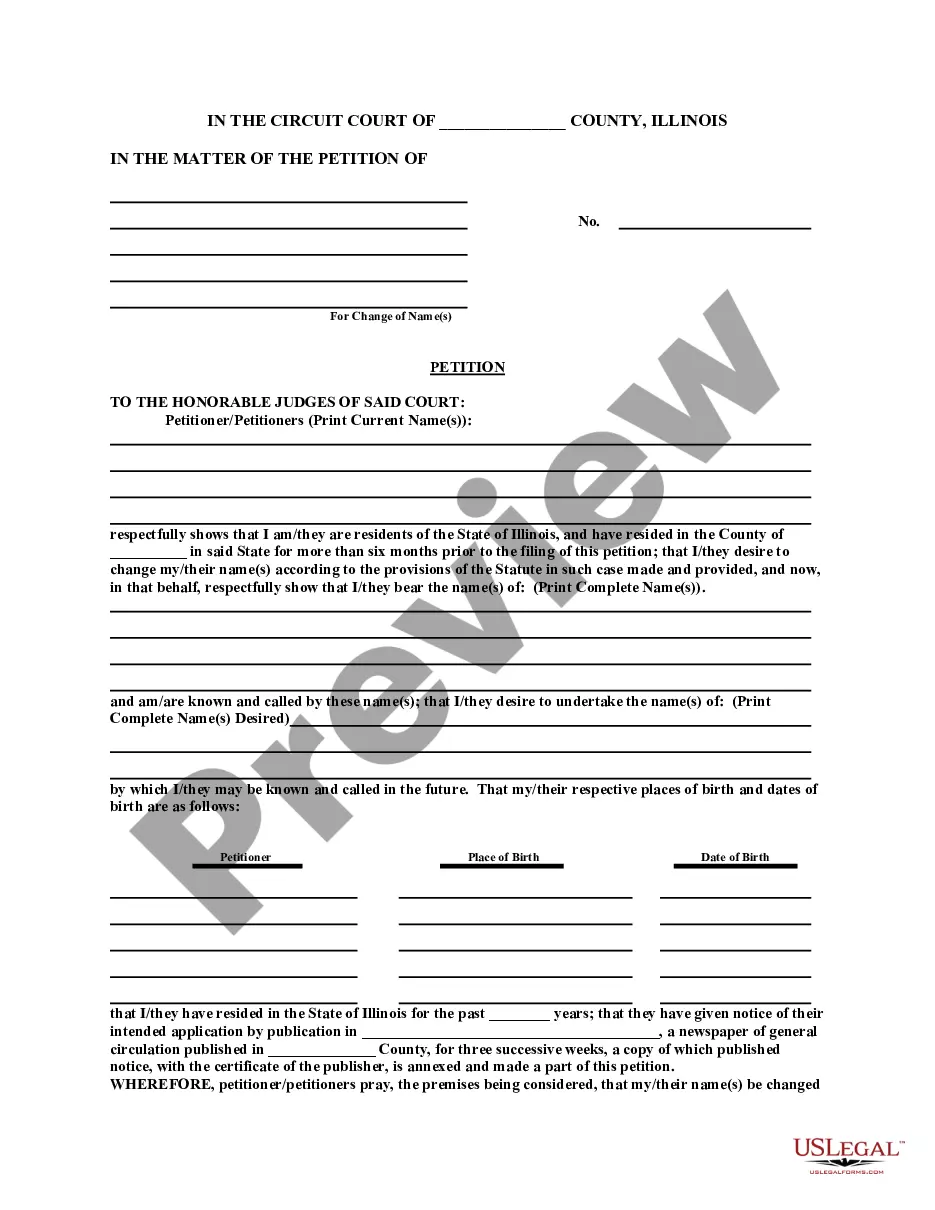
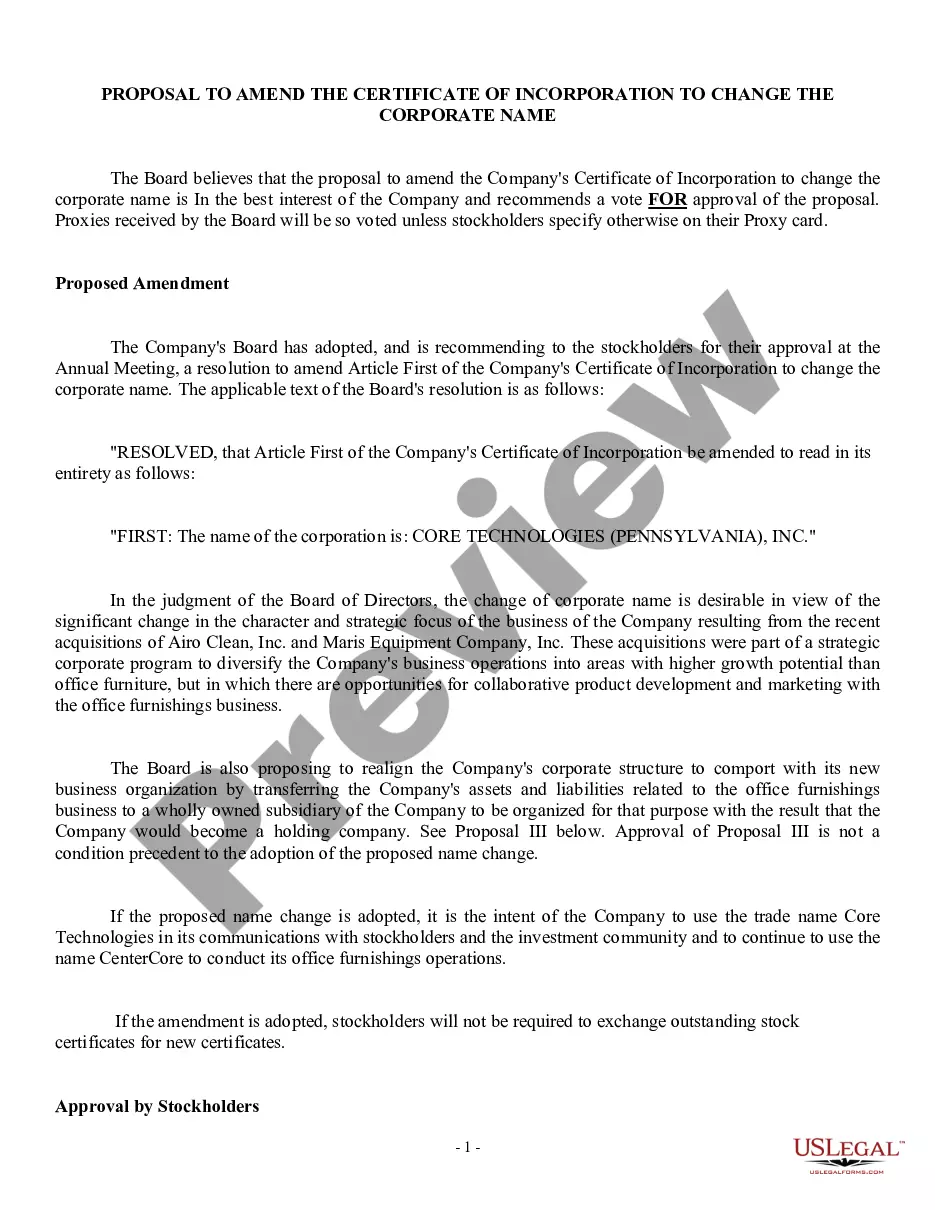
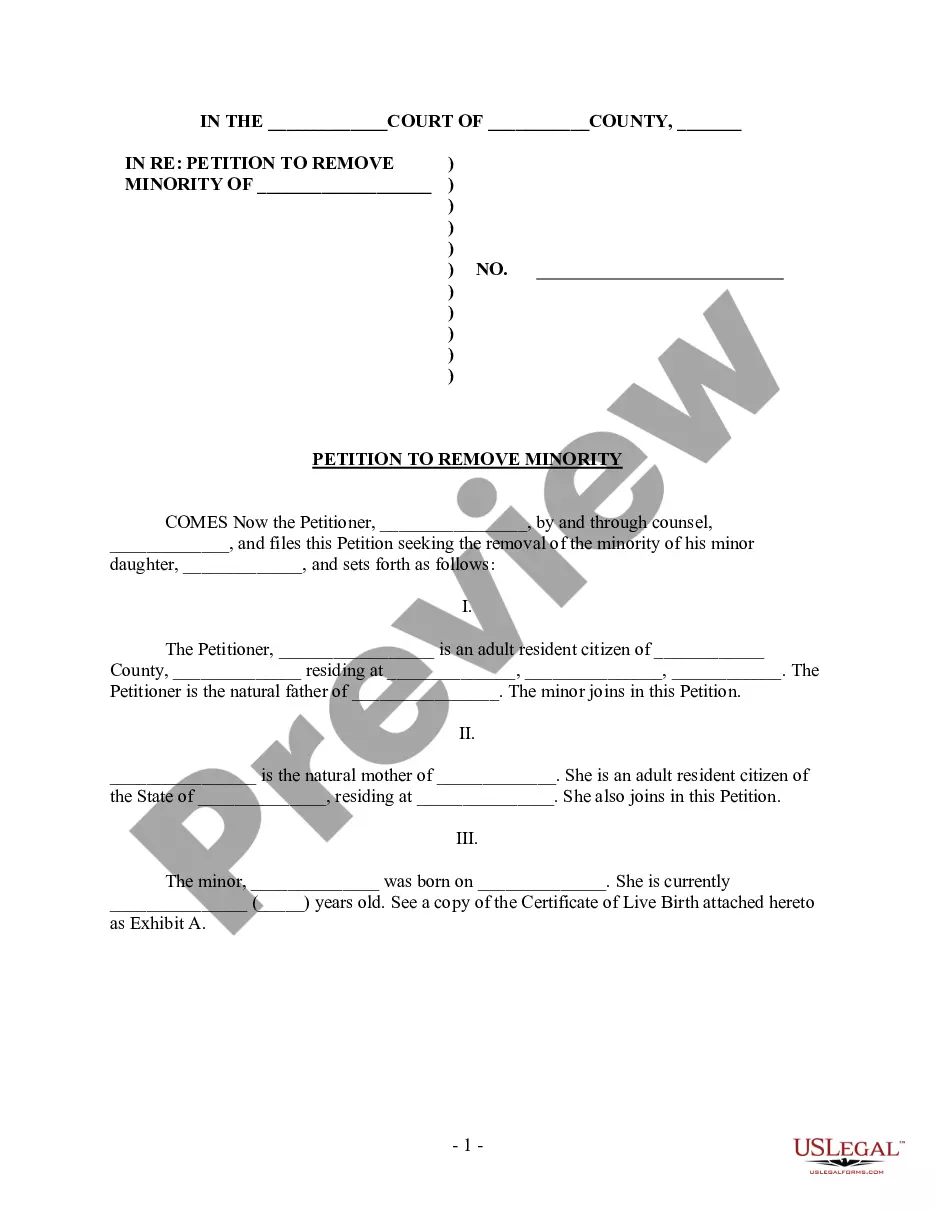
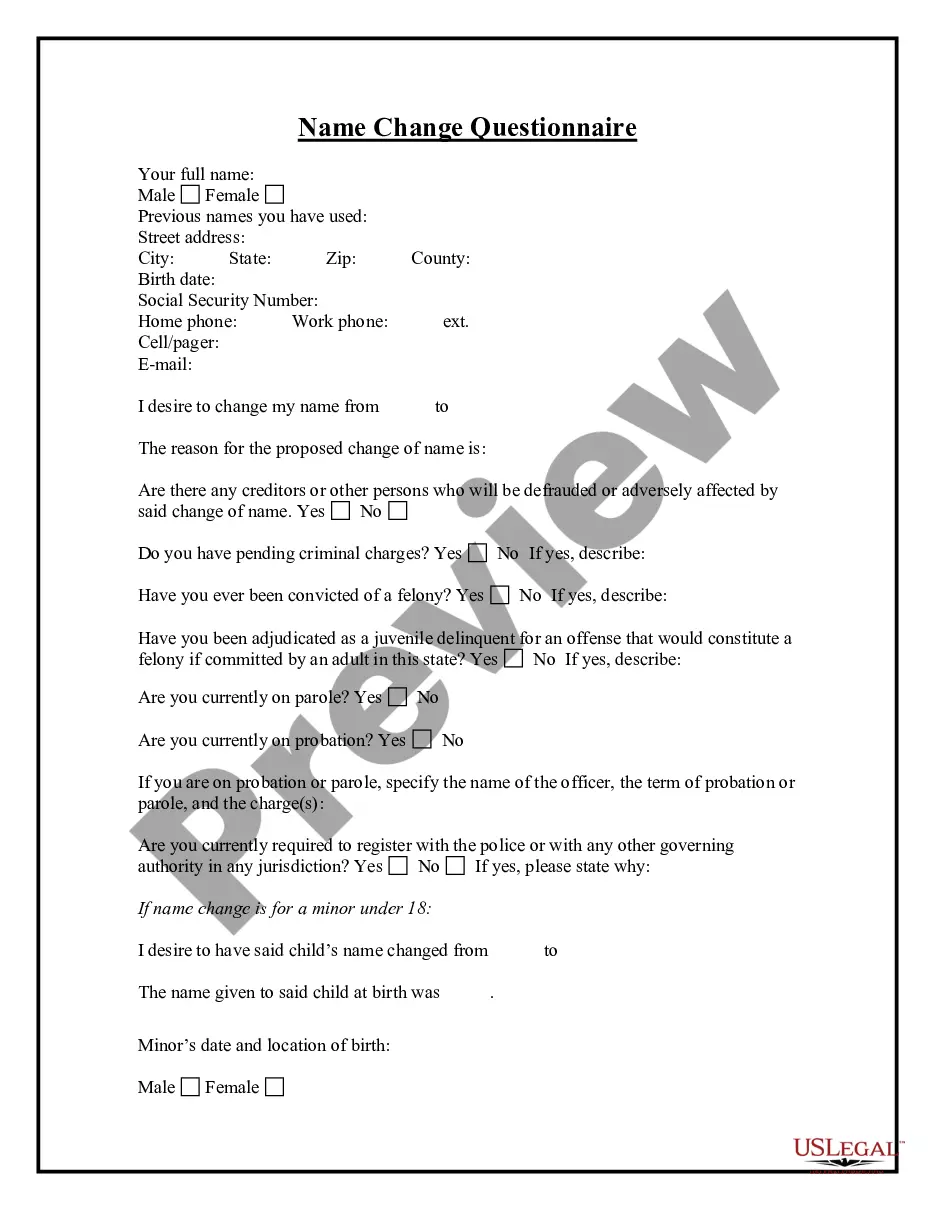
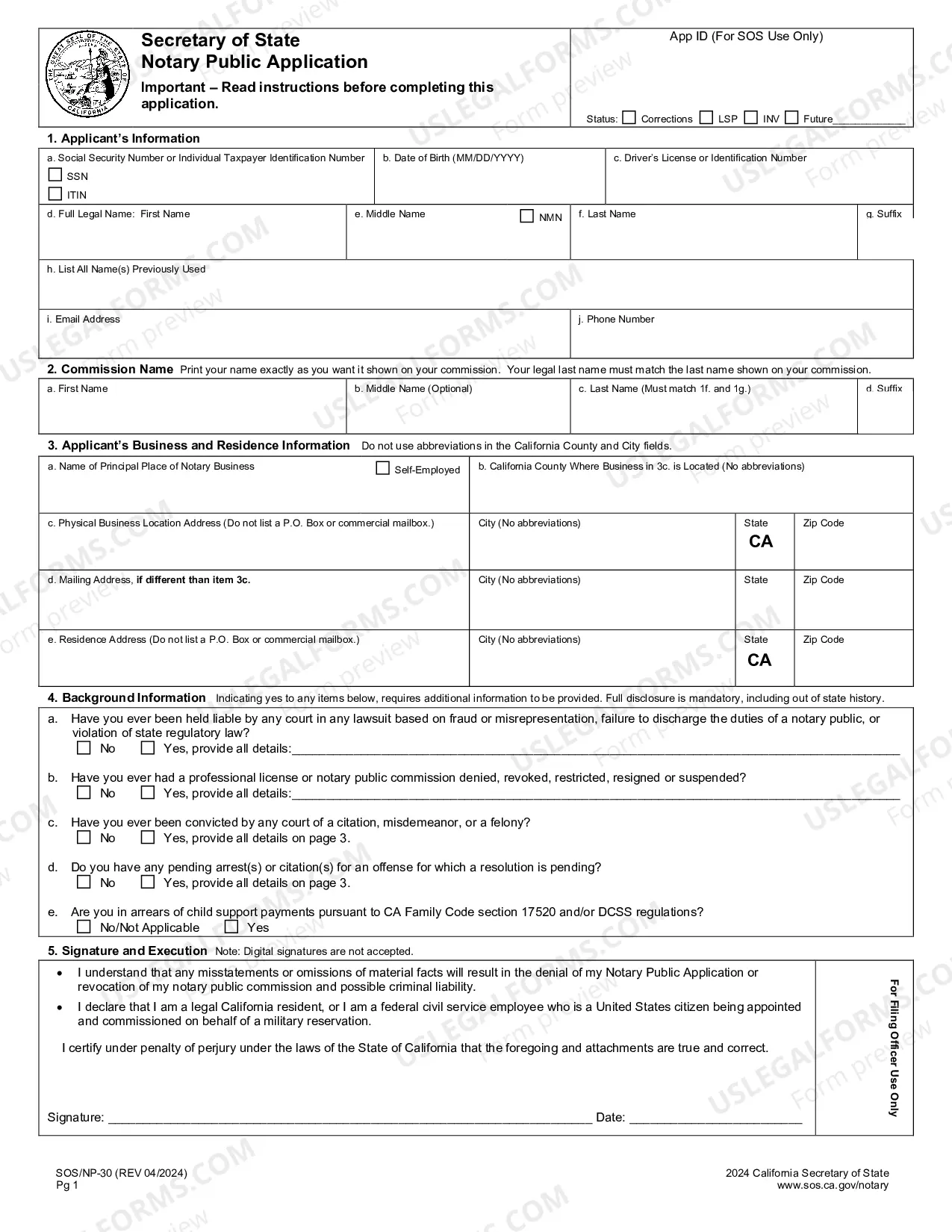
The Petition for Name Change is a legal document used to formally request a change of name for an individual. This form outlines the reasons for the name change and the necessary details. Unlike other forms such as name change affidavits, this petition is typically filed with a court and requires a judicial approval process to become legally binding.
Key components of this form
- Petitioner's information: Includes the name of the individual requesting the change.
- Current name: The legal name of the petitioner before the change.
- Requested name: The new name that the petitioner wishes to adopt.
- Reasons for the change: A section where the petitioner describes their motivations for changing their name.
- Verification statement: A declaration confirming the truthfulness of the information provided in the petition.


Common use cases
This form should be used when an individual desires to legally change their name for personal reasons, such as marriage, divorce, gender transition, or simply a preference for a different name. It is essential to file this petition if intending to ensure that the new name is legally recognized for all purposes, including identification documents and legal contracts.
Who needs this form
- Adults seeking to change their legal name.
- Parents wanting to change the names of their minor children.
- Individuals undergoing a divorce and wishing to revert to a maiden name.
- Transgender individuals wanting to adopt a name that aligns with their gender identity.
How to prepare this document
- Gather personal information: Collect relevant personal details like current name, requested name, and reasons for the change.
- Fill out the petition: Complete all required fields in the form accurately.
- Signature: Sign the petition to affirm the truthfulness of the information provided.
- File the form: Submit the completed petition to the appropriate court in your jurisdiction.
- Attend the court hearing: If required, be prepared to explain your reasons for the name change during a court appearance.
Notarization requirements for this form
This form does not typically require notarization unless specified by local law. Always check your local regulations to ensure compliance before submission.
Get your form ready online
Our built-in tools help you complete, sign, share, and store your documents in one place.
Make edits, fill in missing information, and update formatting in US Legal Forms—just like you would in MS Word.
Download a copy, print it, send it by email, or mail it via USPS—whatever works best for your next step.
Sign and collect signatures with our SignNow integration. Send to multiple recipients, set reminders, and more. Go Premium to unlock E-Sign.
If this form requires notarization, complete it online through a secure video call—no need to meet a notary in person or wait for an appointment.
We protect your documents and personal data by following strict security and privacy standards.

Make edits, fill in missing information, and update formatting in US Legal Forms—just like you would in MS Word.

Download a copy, print it, send it by email, or mail it via USPS—whatever works best for your next step.

Sign and collect signatures with our SignNow integration. Send to multiple recipients, set reminders, and more. Go Premium to unlock E-Sign.

If this form requires notarization, complete it online through a secure video call—no need to meet a notary in person or wait for an appointment.

We protect your documents and personal data by following strict security and privacy standards.
Common mistakes
- Failing to provide valid reasons for the name change.
- Omitting required signatures or contact information.
- Not researching the specific court procedures in your state.
- Submitting the form without making copies for personal records.
Why complete this form online
- Convenience of accessing the form anytime, from anywhere.
- Editability to tailor the form to specific needs before downloading.
- Reliability in using attorney-drafted templates that comply with legal standards.
Legal use & context
- A name change becomes legally effective only when approved by the court.
- This petition must be filed in the appropriate jurisdiction where the petitioner resides.
- All provided information must be accurate to avoid delays or legal complications.
Main things to remember
- The Petition for Name Change is essential for legally changing your name.
- Ensure that your reasons for the name change are clearly stated.
- Check state-specific requirements to adhere to local laws.
- Double-check the completed petition for accuracy before filing.
Looking for another form?


Form popularity
FAQ
The procedure to change your name in Illinois starts with filing the Illinois Petition for Name Change in the appropriate court. You will then schedule a hearing and must notify interested parties, such as your spouse and children. After the court approves your petition, you will receive an official court order that recognizes your new name. It's essential to follow these steps carefully to ensure a smooth name change process.
It's a long process. While a legal document such as a marriage certificate or court granted petition will allow you to change your name, it won't be truly official until you've submitted name change applications with the Social Security Administration, the DMV, and other relevant institutions.
File a Notice of Name Change. Publish the Notice in a local newspaper. File the Illinois Petition for Name Change. Attend a name change hearing. File an Illinois Order for Name Change.
It will take at least 8 weeks to change your name.
File a Notice of Name Change. Publish the Notice in a local newspaper. File the Illinois Petition for Name Change. Attend a name change hearing. File an Illinois Order for Name Change.
The price of changing your name on your Illinois vehicle title depends on whether or not you have a name change document: With name change document: $15. Without name change document: $95.
Show the required documents. You will need proof of your identity. Fill out and print an Application for a Social Security Card; and. Mail your application and documents to your local Social Security office.
Obtain an application for a new social security card. Gather the required documents. Complete the application. Locate the nearest driving facility. Gather the required documents. Fill out the application for a new driver's license.
A certified copy of the Order for Name Change ( Adult ), A money order for $15.00 made out to Illinois Department of Public Health, and. Your date of birth and place of birth.