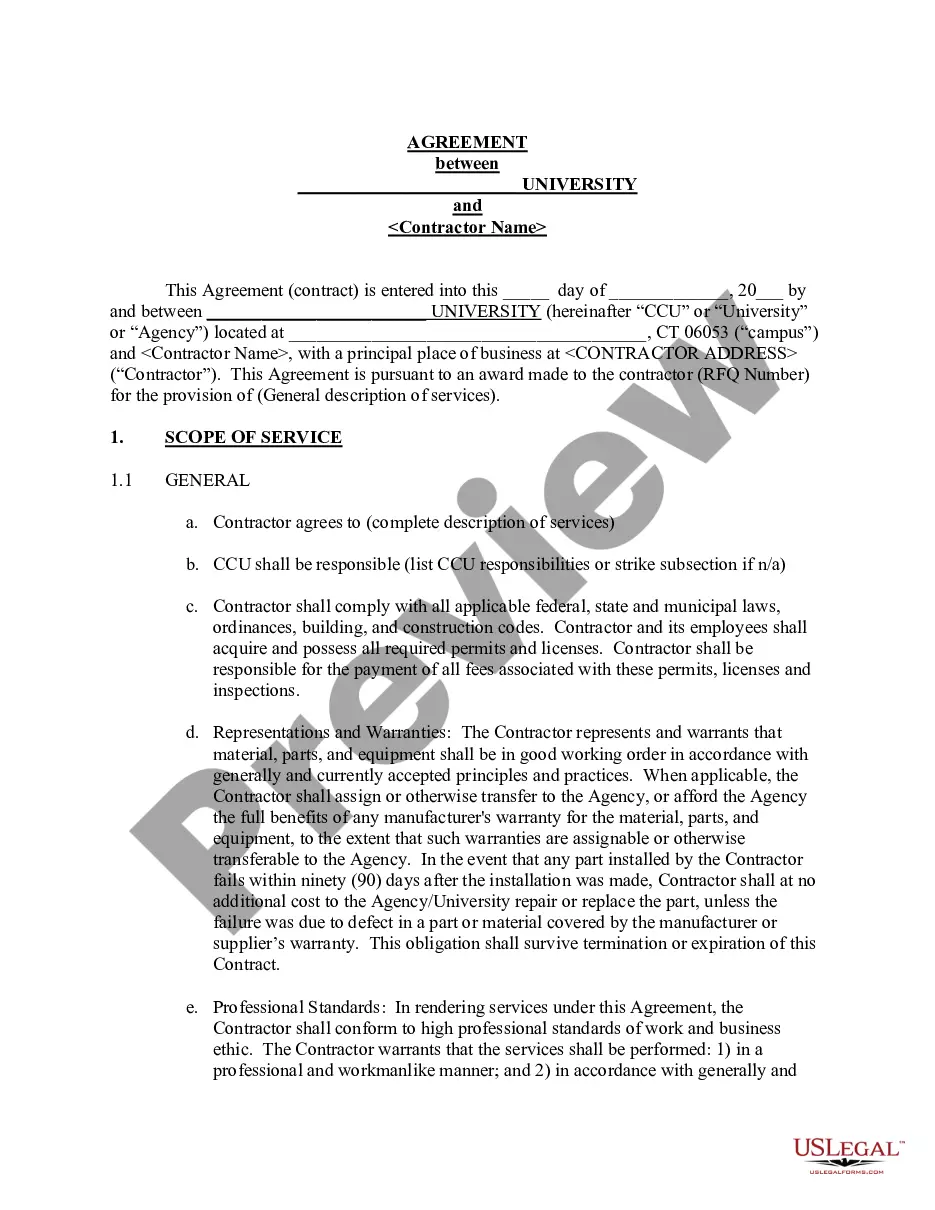
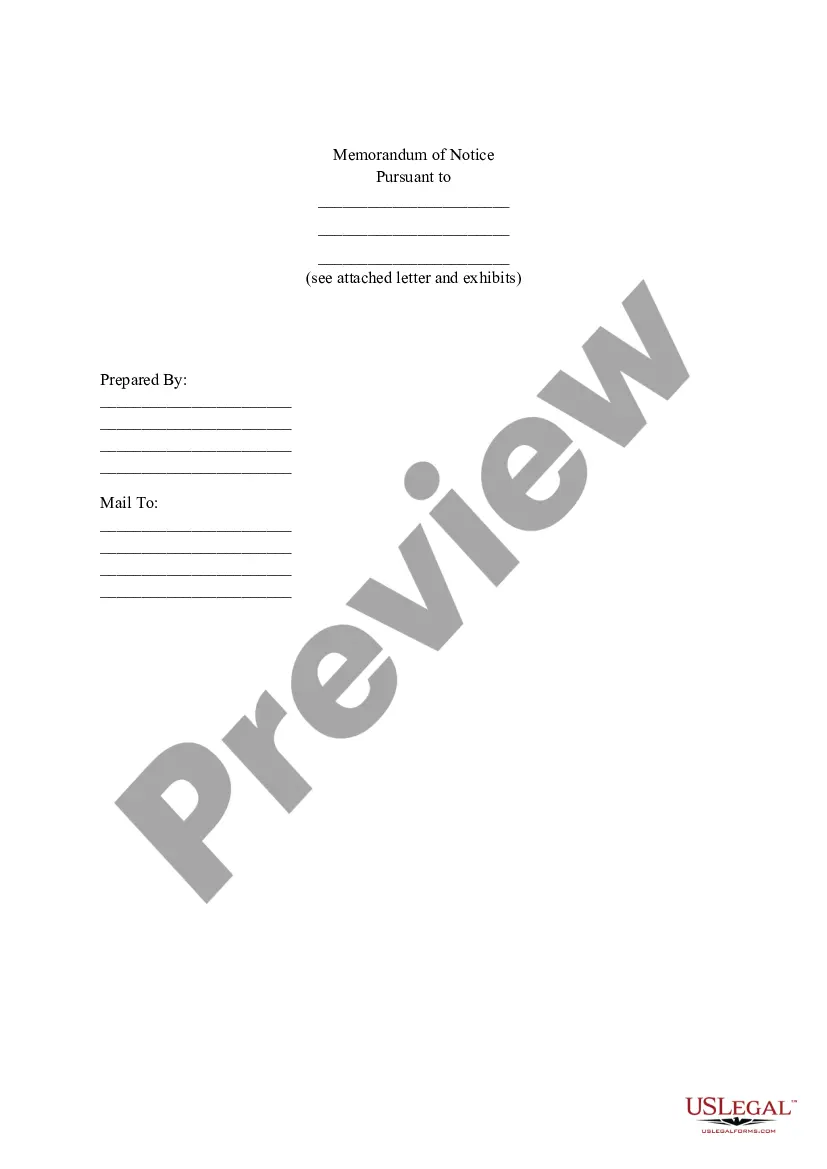
Illinois Memorandum of Notice
Understanding this form
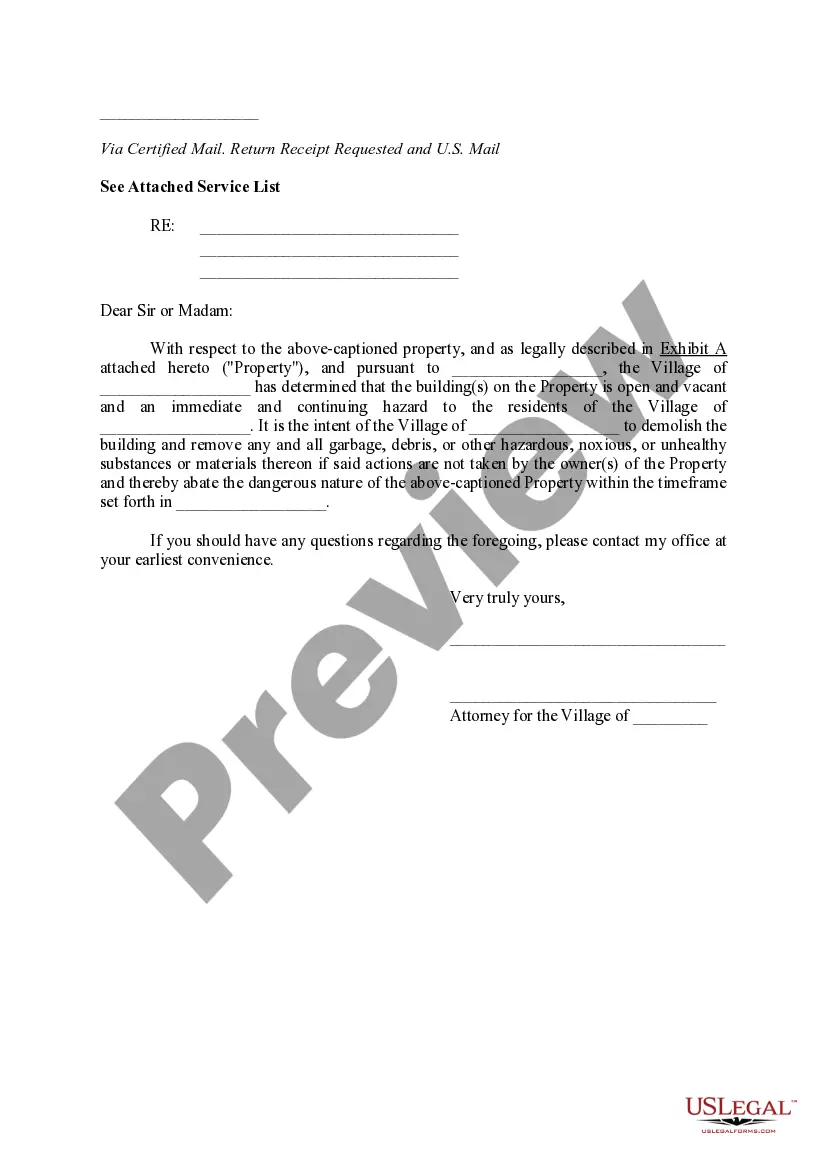
The Memorandum of Notice is a legal document used by local government entities to inform property owners about the intent to demolish a building that poses a danger to public safety. This form specifically addresses situations where a building is deemed open, vacant, and hazardous to residents. Unlike other notices, this form outlines the village's plan to take action if the owner does not address the hazardous conditions within a specified timeframe.
Key parts of this document
- Prepared by section, identifying the issuing authority.
- Mailing details for sending the notice via certified and regular mail.
- Subject line summarizing the property in question.
- Description of the property's hazardous condition and intent to demolish.
- Contact information for the village attorney for follow-up questions.
Situations where this form applies
This form should be used when a village or municipality determines that a building is vacant and poses a threat to public safety due to its condition. It is typically issued before demolition proceedings to alert property owners of the potential actions that may be taken if safety concerns are not addressed within a specific period.
Who should use this form
- Municipal governments looking to enforce building safety regulations.
- Village administrations responsible for public safety and welfare.
- Attorneys representing governmental clients in property matters.
How to prepare this document
- Identify the parties involved by filling in the prepared by and mail to sections.
- Specify the property in question, including its address and details as noted in Exhibit A.
- Include a description of the hazardous condition of the building in the designated section.
- Note the timeframe for the owner to take action before demolition occurs.
- Sign and date the form, including the attorney's information at the bottom.
Notarization requirements for this form
This form does not typically require notarization unless specified by local law. Ensure to review local regulations regarding property and demolition notices for any particular requirements.
Get your form ready online
Our built-in tools help you complete, sign, share, and store your documents in one place.
Make edits, fill in missing information, and update formatting in US Legal Forms—just like you would in MS Word.
Download a copy, print it, send it by email, or mail it via USPS—whatever works best for your next step.
Sign and collect signatures with our SignNow integration. Send to multiple recipients, set reminders, and more. Go Premium to unlock E-Sign.
If this form requires notarization, complete it online through a secure video call—no need to meet a notary in person or wait for an appointment.
We protect your documents and personal data by following strict security and privacy standards.

Make edits, fill in missing information, and update formatting in US Legal Forms—just like you would in MS Word.

Download a copy, print it, send it by email, or mail it via USPS—whatever works best for your next step.

Sign and collect signatures with our SignNow integration. Send to multiple recipients, set reminders, and more. Go Premium to unlock E-Sign.

If this form requires notarization, complete it online through a secure video call—no need to meet a notary in person or wait for an appointment.

We protect your documents and personal data by following strict security and privacy standards.
Typical mistakes to avoid
- Failing to provide accurate property details, leading to confusion.
- Not including the correct timeframe for the owner to address the issues.
- Omitting the attorney's signature or contact information.
Advantages of online completion
- Quick and easy access to legally vetted templates.
- Editability allows for customization based on specific properties.
- Convenience of downloading and using the form immediately.
Legal use & context
The Memorandum of Notice serves as an official communication from the village to the property owner, establishing a legal process prior to any demolition. Understanding how this form fits into local regulations is crucial for enforceability.
Main things to remember
- The Memorandum of Notice alerts property owners to hazardous conditions.
- Timing and clarity are crucial for legal compliance.
- Properly executing this form can prevent legal disputes during demolition actions.
Looking for another form?
Form popularity
FAQ
State law regulates several rent-related issues, including the amount of notice (at least 30 days in Illinois) landlords must give tenants to raise the rent and how much time (five days in Illinois) a tenant has to pay rent or move before a landlord can file for eviction.
Take action Usually, the judge will give you 7-14 days. The date you have to move out will be listed on the Eviction Order. The landlord cannot do anything before that date. If you need more time to move, you will need to file a motion with the court.
Stat. § 735/1.4) or changing the locks on the door of the rental unit. If the landlord tries to evict the tenant through one of these methods, without a court order, the landlord could owe the tenant damages. See the Nolo article Illegal Eviction Procedures in Illinois for more information.
In Illinois, if there is no lease or if the lease does not specify a move out date, the Landlord must give at least 30 days of notice to a tenant that the landlord wants to move out. This notice must be in writing and must arrive to the tenant at least 30 days prior to their move out date.
A notice of motion is a written application to the Court. This document requests the Court to issue a ruling or order on a legal matter. These motions are the first step a party must take before the Court can weigh in on a legal matter.
Notice Requirements for Illinois Tenants It is equally easy for tenants in Illinois to get out of a month-to-month rental agreement. You must provide the same amount of notice (30 days) as the landlord (unless your rental agreement provides for a shorter amount of notice).
In Chicago, a landlord cannot ask the tenant to renew more than 90 days before the lease ends. Also, the landlord must let the tenant know 30 days before the lease ends if the landlord doesn't want to renew the lease. Otherwise, the tenant gets to stay another 60 days.
Removal of the Tenant It is illegal for a landlord to try to force a tenant to move out of a rental unit. Even if the landlord is successful with the eviction lawsuit, the only person authorized to remove the tenant is a sheriff or constable. Illegal Eviction Procedures in Illinois has more information on this topic.
Tenant Responses When Served with a Five-Day Eviction Notice in Illinois.If the tenant pays the rent within the five-day time period, then the eviction process is over. If the tenant fails to pay rent in the future, the landlord must give the tenant a new eviction notice and repeat the eviction process.