Illinois Notice of Purchase Agreement
Overview of this form
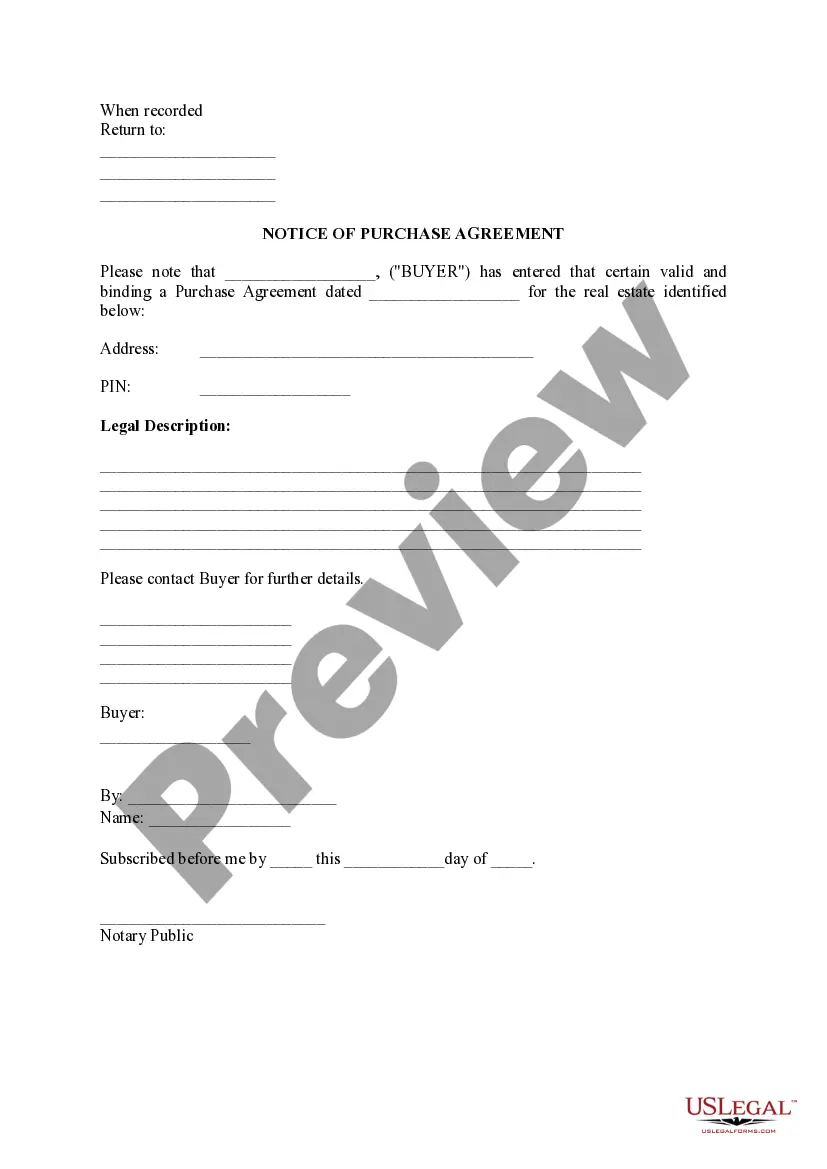
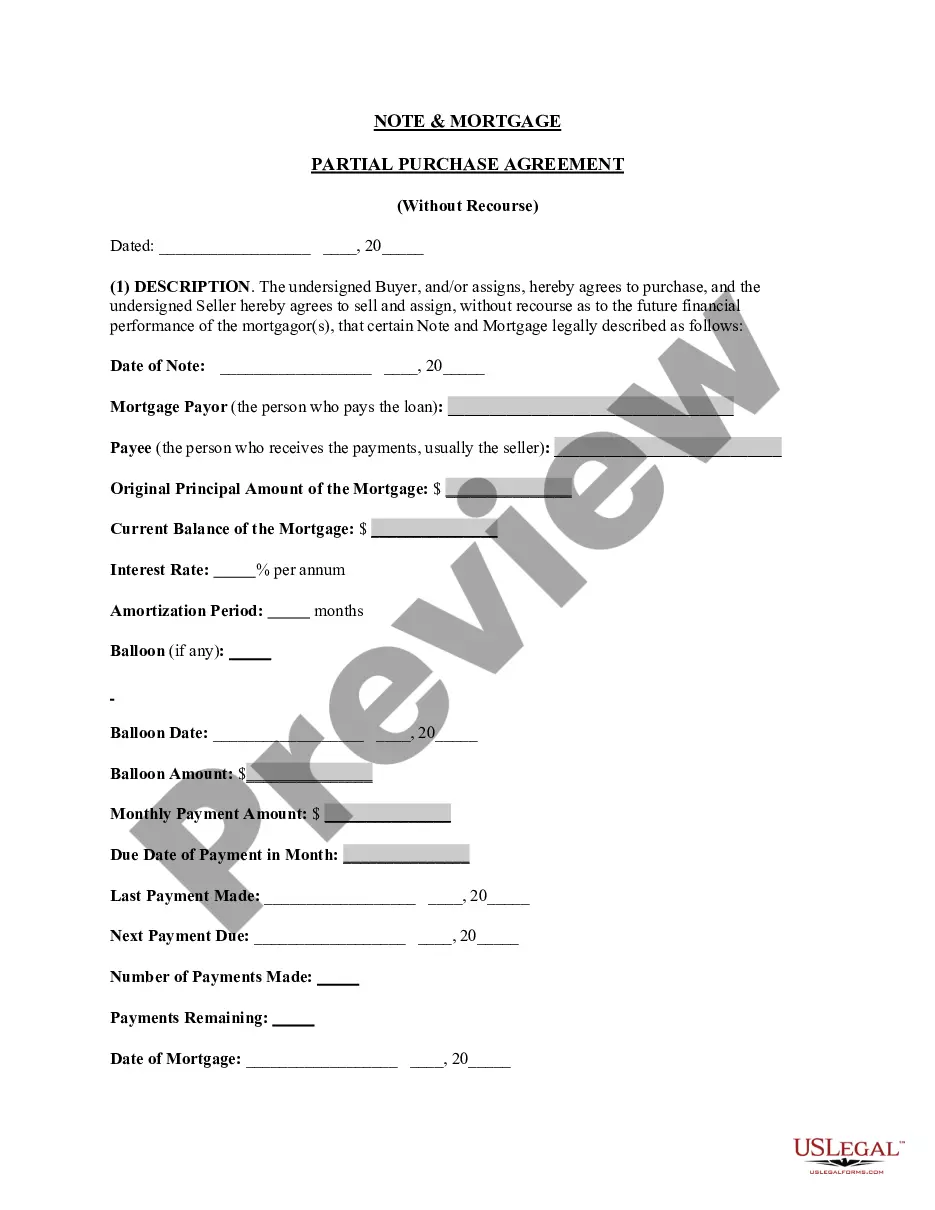
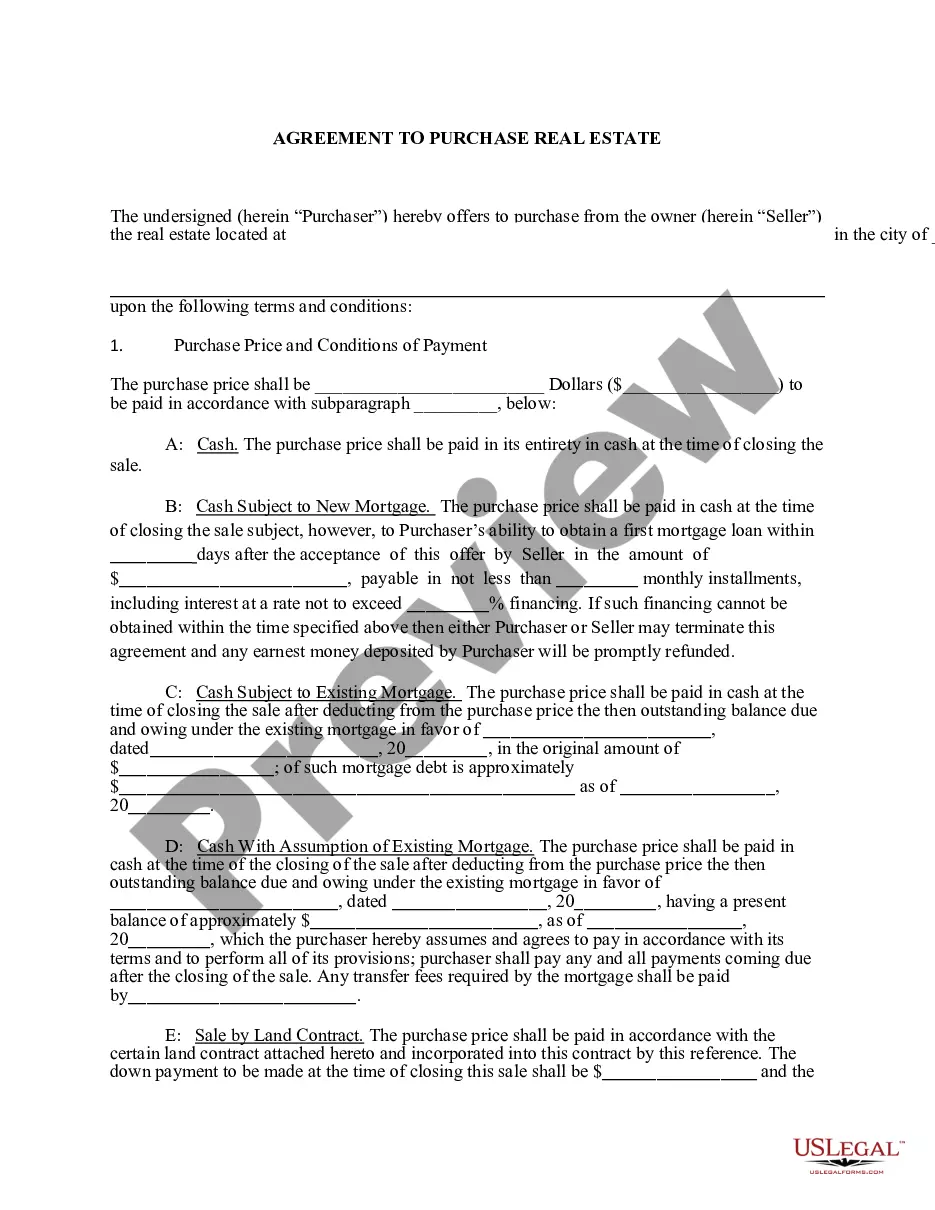
A Notice of Purchase Agreement is a legal document that signifies a binding agreement between a buyer and a seller regarding the purchase of real estate property. This form serves to notify interested parties that a Purchase Agreement has been executed, outlining the essential details of the transaction. Unlike other forms, such as sale contracts, the Notice of Purchase Agreement primarily focuses on the notification aspect rather than the terms of sale.
Key parts of this document
- Buyer's information: Name and contact details of the buyer.
- Purchase agreement date: The date when the Purchase Agreement was executed.
- Property details: Address, PIN, and legal description of the property involved in the transaction.
- Contact information: Details for communication with the buyer regarding the agreement.
- Signatures: Space for the buyer to sign and date the document, along with notary information.
Common use cases
This form is typically used after a Purchase Agreement has been established between a buyer and a seller of real estate. It is necessary to formally notify relevant parties, such as lenders or other interested stakeholders, that an agreement has been reached regarding the sale of a property. It may also be used when making public records to confirm the buyer's interest in the property.
Who this form is for
- Real estate buyers who have entered into a Purchase Agreement.
- Sellers who need to notify others of the agreement.
- Title companies or real estate attorneys managing the transaction.
- Individuals involved in the sale or purchase of real estate who seek to maintain proper documentation of their agreement.
Instructions for completing this form
- Identify the parties: Enter the buyer's name and the agreement date.
- Specify the property: Provide the property's address, PIN, and legal description.
- Enter contact details: Provide information for further inquiries regarding the purchase agreement.
- Sign the form: The buyer must sign and date the document to validate it.
- Obtain notarization: If applicable, ensure the form is notarized to meet legal requirements.
Notarization guidance
Yes, this form must be notarized to be legally valid. Notarization ensures the authenticity of the signatures and the legitimacy of the agreement. US Legal Forms offers integrated online notarization, allowing you to complete this process securely via video call at any time, without the need for travel.
Get your form ready online
Our built-in tools help you complete, sign, share, and store your documents in one place.
Make edits, fill in missing information, and update formatting in US Legal Forms—just like you would in MS Word.
Download a copy, print it, send it by email, or mail it via USPS—whatever works best for your next step.
Sign and collect signatures with our SignNow integration. Send to multiple recipients, set reminders, and more. Go Premium to unlock E-Sign.
If this form requires notarization, complete it online through a secure video call—no need to meet a notary in person or wait for an appointment.
We protect your documents and personal data by following strict security and privacy standards.

Make edits, fill in missing information, and update formatting in US Legal Forms—just like you would in MS Word.

Download a copy, print it, send it by email, or mail it via USPS—whatever works best for your next step.

Sign and collect signatures with our SignNow integration. Send to multiple recipients, set reminders, and more. Go Premium to unlock E-Sign.

If this form requires notarization, complete it online through a secure video call—no need to meet a notary in person or wait for an appointment.

We protect your documents and personal data by following strict security and privacy standards.
Avoid these common issues
- Leaving sections incomplete, particularly property details.
- Failing to provide accurate contact information for the buyer.
- Not including the correct date of the Purchase Agreement.
- Neglecting to sign or have the document notarized as required.
Advantages of online completion
- Convenience: Access and complete the form at your own pace without needing to visit a legal office.
- Editable: Tailor the document to fit your specific transaction requirements easily.
- Reliable: Ensure that you are using a legally vetted template created by licensed attorneys.
Summary of main points
- A Notice of Purchase Agreement is crucial for documenting a binding real estate transaction.
- Proper completion and notarization strengthen the enforceability of the agreement.
- Using this form online provides convenience and reliability in legal documentation.
Looking for another form?

Form popularity
FAQ
Can you back out of an accepted offer? The short answer: yes. When you sign a purchase agreement for real estate, you're legally bound to the contract terms, and you'll give the seller an upfront deposit called earnest money.
The General Rule: Contracts Are Effective When Signed Unless a contract contains a specific rescission clause that grants the right for a party to cancel the contract within a certain amount of time, a party cannot back out of a contract once they have agreed and signed it.
The identity of the buyer and seller. A description of the property being purchased. The purchase price. The terms as to how and when payment is to be made. The terms as to how, when, and where the goods will be delivered to the purchaser.
A purchase agreement is a legal document that is signed by both the buyer and the seller. Once it is signed by both parties, it is a legally binding contract. The seller can only accept the offer by signing the document, not by just providing the goods.
Depending on the state, and the type of contract, you may be able to change your mind, or rescind the contract if your decision is made within a specific time period. Whether there is a rescission period or not will depend on if there is a rescission clause in your contract.
A real estate deal can take a turn for the worst if the contract is not carefully written to include all the legal stipulations for both the buyer and seller.You can write your own real estate purchase agreement without paying any money as long as you include certain specifics about your home.
But unlike buyers, sellers can't back out and forfeit their earnest deposit money (usually 1-3 percent of the offer price). If you decide to cancel a deal when the home is already under contract, you can be either legally forced to close anyway or sued for financial damages.
Consider your purchase agreement A buyer can walk away at any time prior to signing all the closing paperwork from a contract to purchase a house. Ideally it is best for the buyer to do that with a contingency as that gives them a chance to get their earnest money back and greatly reduces the risk of being sued.
Purchase agreements usually include contingencies or situations in which you can back out of the contract without penalty. As long as you're pulling out of the purchase due to one of the contingencies listed on the purchase agreement, you're golden. If not, you may lose money.