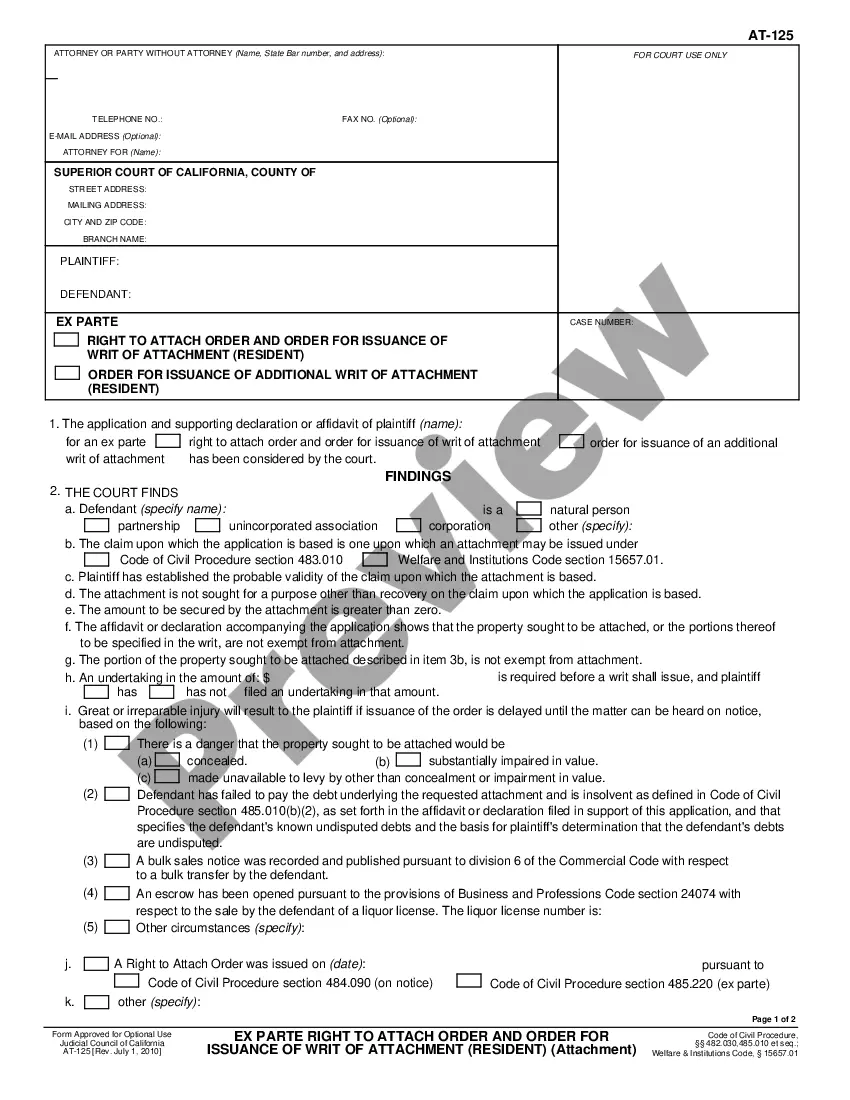
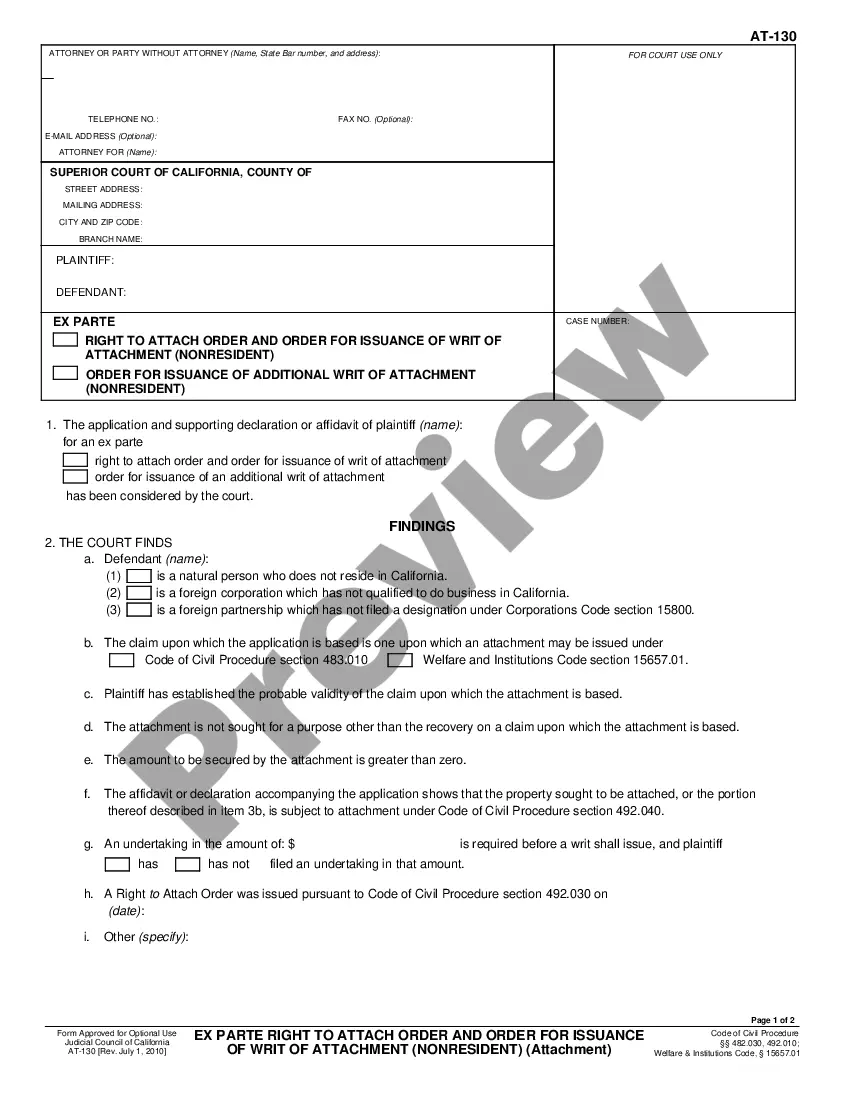
Illinois Architect - Mechanic's Lien - Notice and Claim - Corporation or LLC
What is this form?
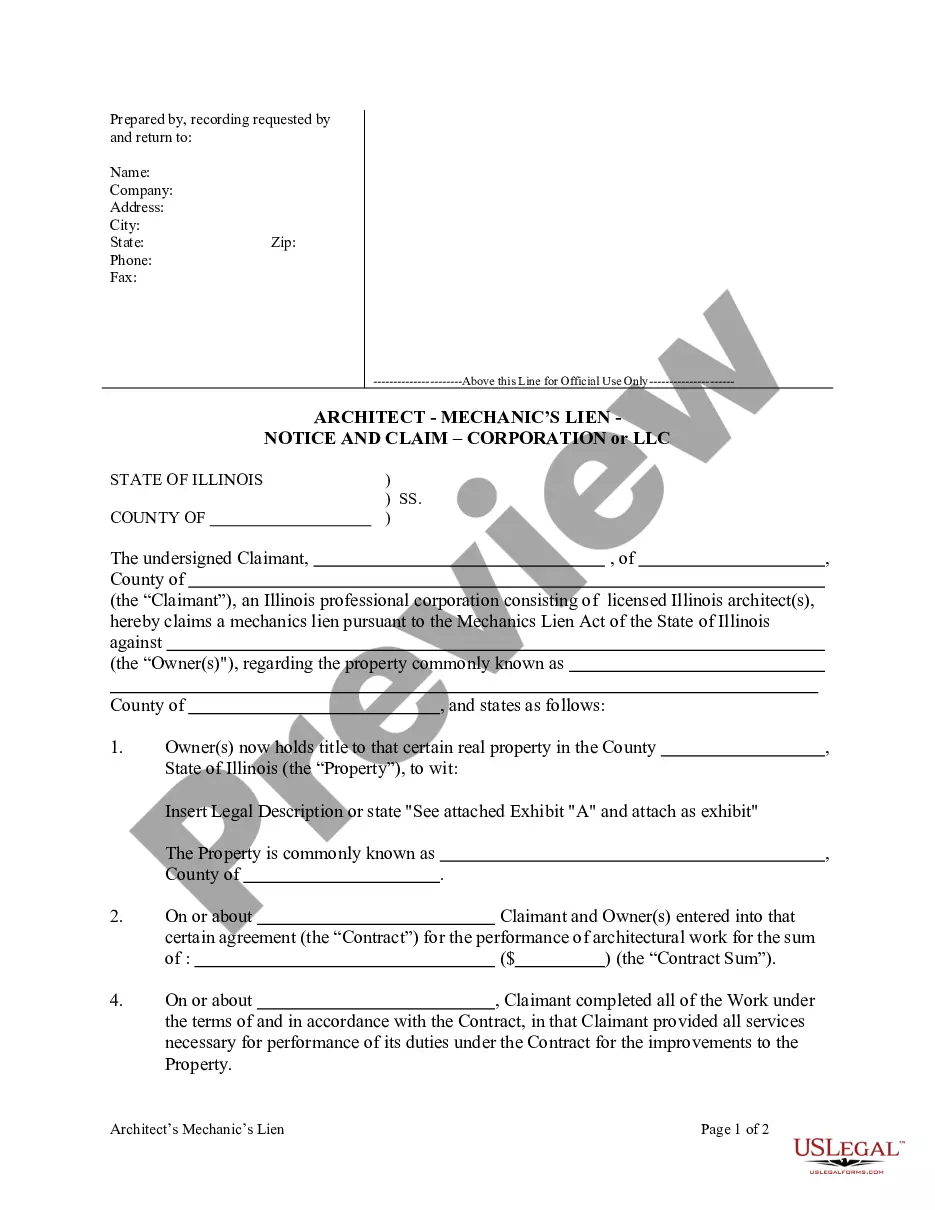
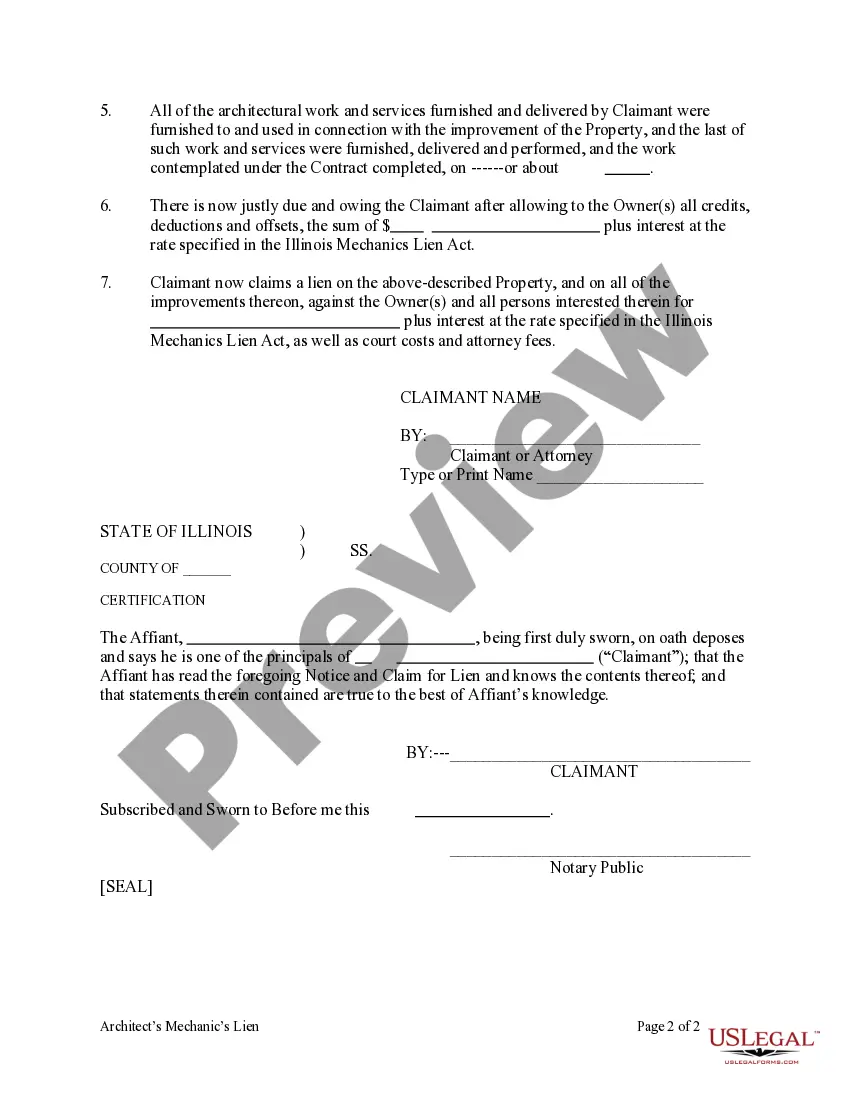
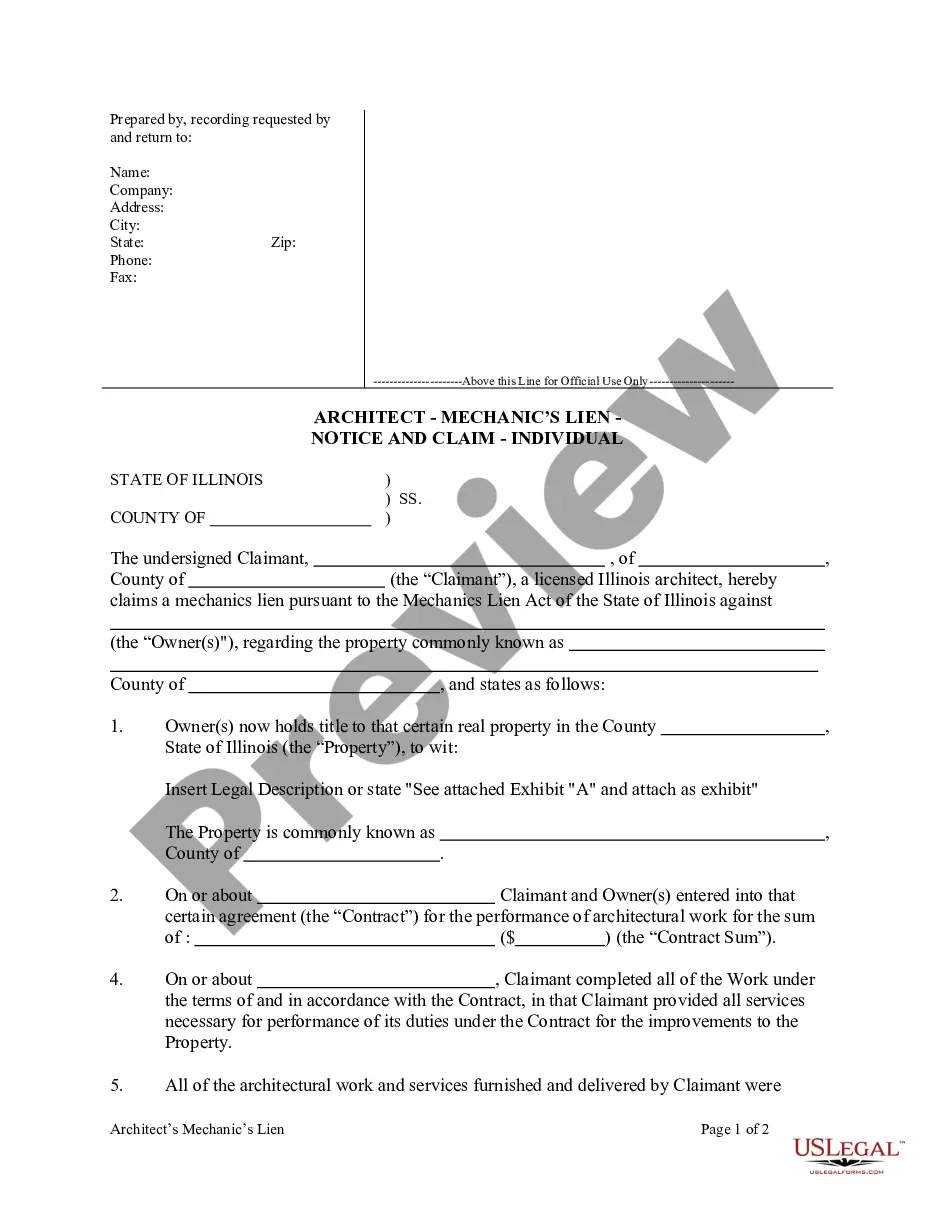
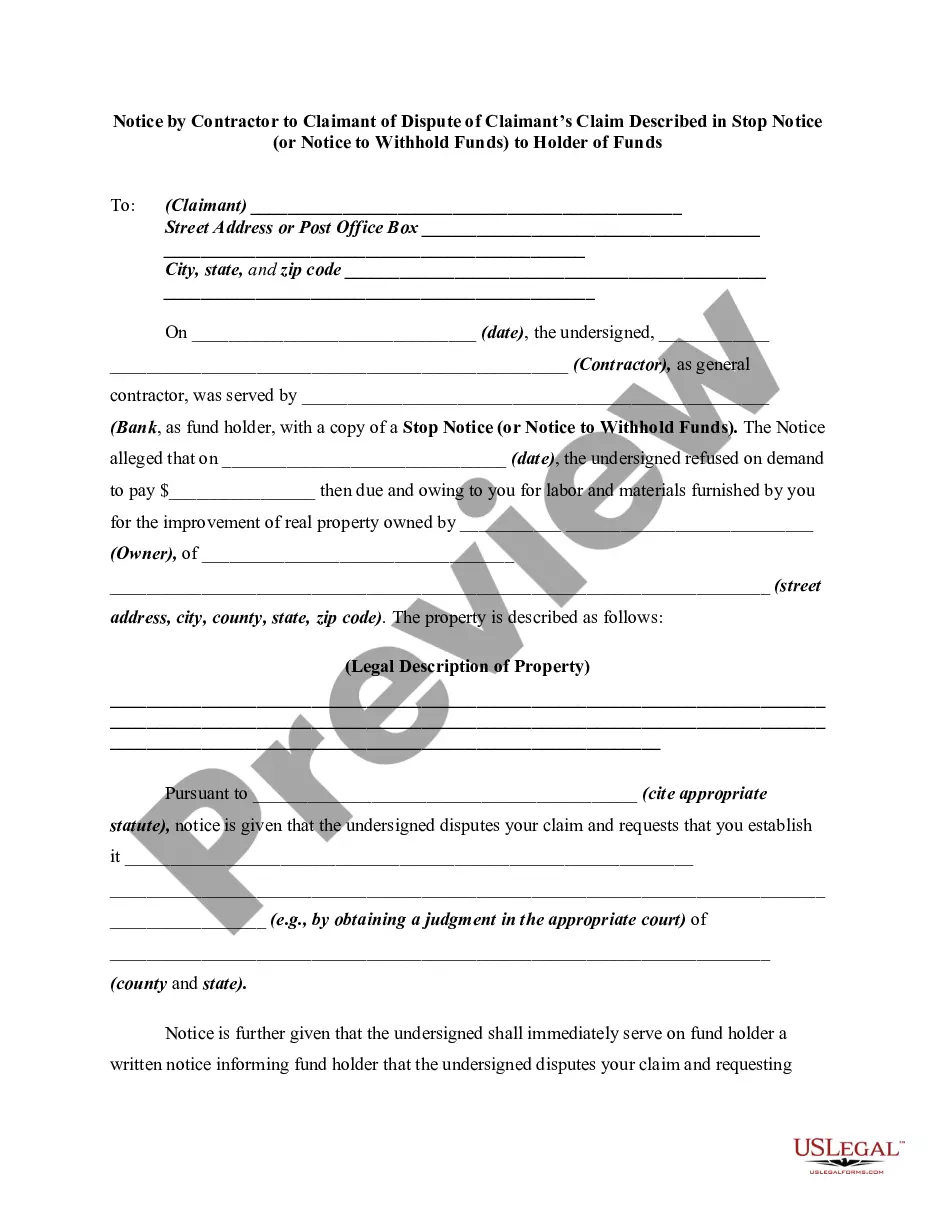
This form is known as the Architect - Mechanic's Lien - Notice and Claim for Corporations or LLCs. It is a legal document that allows a professional corporation or professional limited liability company of architects to formally establish a claim of lien on a property. This form is essential for architects seeking payment for services rendered, differentiating it from other types of lien notices which may not be specifically designed for architects or similar professionals in the construction industry.
Key components of this form
- Identification of the architect's corporation or LLC.
- Details of the property on which the lien is claimed.
- Explanation of the services provided and their costs.
- Notice of the claim to the property owner.
- Signature of an authorized representative from the corporation or LLC.
Situations where this form applies
This form should be used when an architect or architectural firm has provided services related to a construction project, but has not received payment for those services. It establishes a formal claim on the property, which can protect the architect's right to payment. Using this form is crucial in situations where other payment recovery methods may not be effective.
Who this form is for
This form is intended for:
- Professional corporations of architects.
- Professional limited liability companies (LLCs) offering architectural services.
- Architects seeking to secure their right to payment through a lien.
How to complete this form
- Identify the name and address of the corporation or LLC claiming the lien.
- Specify the property address where the services were provided.
- Detail the nature of the services provided and the total amount due.
- Include the property owner's name and contact information.
- Obtain the signature of an authorized representative from the corporation or LLC.
- File the completed form with the appropriate county office to enforce the lien.
Notarization requirements for this form
This form usually doesn’t need to be notarized. However, local laws or specific transactions may require it. Our online notarization service, powered by Notarize, lets you complete it remotely through a secure video session, available 24/7.
Get your form ready online
Our built-in tools help you complete, sign, share, and store your documents in one place.
Make edits, fill in missing information, and update formatting in US Legal Forms—just like you would in MS Word.
Download a copy, print it, send it by email, or mail it via USPS—whatever works best for your next step.
Sign and collect signatures with our SignNow integration. Send to multiple recipients, set reminders, and more. Go Premium to unlock E-Sign.
If this form requires notarization, complete it online through a secure video call—no need to meet a notary in person or wait for an appointment.
We protect your documents and personal data by following strict security and privacy standards.

Make edits, fill in missing information, and update formatting in US Legal Forms—just like you would in MS Word.

Download a copy, print it, send it by email, or mail it via USPS—whatever works best for your next step.

Sign and collect signatures with our SignNow integration. Send to multiple recipients, set reminders, and more. Go Premium to unlock E-Sign.

If this form requires notarization, complete it online through a secure video call—no need to meet a notary in person or wait for an appointment.

We protect your documents and personal data by following strict security and privacy standards.
Typical mistakes to avoid
- Failing to accurately identify the property where services were rendered.
- Not including all required details about the services and costs.
- Omitting signatures from the authorized representatives.
- Submitting the form without proper filing with the county office.
Advantages of online completion
- Convenience of filling out the form at any time without needing an appointment.
- Editability allows for corrections or updates before finalizing.
- Reliability, as forms are drafted by licensed attorneys to meet legal standards.
Looking for another form?
Form popularity
FAQ
Under Illinois law, any mechanics lien should be filed in the County Recorder of Deeds where the property being liened is located. This is crucial as the lien must be filed not only in the correct county but the correct office as well. The fees and specific document formatting vary depending on your county.
Posting a Bond Asselta says to expect to pay 110 percent of the lien amount. Submit the bond to the court. The lien will then transfer to the bond and clear the property's title. Wait for the contractor claimant to foreclose on the lien in the allotted period to dispute the lien in court.
Avoid harassing the people that owe you money. Keep phone calls short. Write letters. Get a collection agency to write demand letters. Offer to settle for less than is due. Hire a collection agency. Small claims court. File a lawsuit.
In order to enforce a lien, the contractor, subcontractor or supplier must file a lawsuit. The deadline to file a lawsuit is two years from the last date work was performed or materials were supplied. A recorded lien is valid for these two years, but a failure to sue within that time frame voids the lien.
Filing a Court Claim Before you can place a lien on business property, you must first have a court order a judgment directing the debtor to pay what is owed. After filing a claim with the court and submitting proof of the amounts owed to you, the business must answer and explain why the debt is not owed.
Negotiate with the contractor who placed the lien (the "lienor" to remove it. Obtain a lien bond to discharge the lien, or. File a lawsuit to vacate the lien.
If you borrow money to buy a house or a car, the lender gets a lien on the house or the car.The lien secures the loan, so that if you don't pay, the lender can take the property. The property you pledge to secure a loan is called collateral.
How Liens Work. A lien provides a creditor with the legal right to seize and sell the collateral property or asset of a borrower who fails to meet the obligations of a loan or contract. The property that is the subject of a lien cannot be sold by the owner without the consent of the lien holder.
When your efforts to collect a bill from a business that owes you money have been unsuccessful, you can place a lien on the assets of the business. As a lienholder, you gain legal rights to the company's property and the authority to sell the property and use the proceeds to repay what is owed to you.