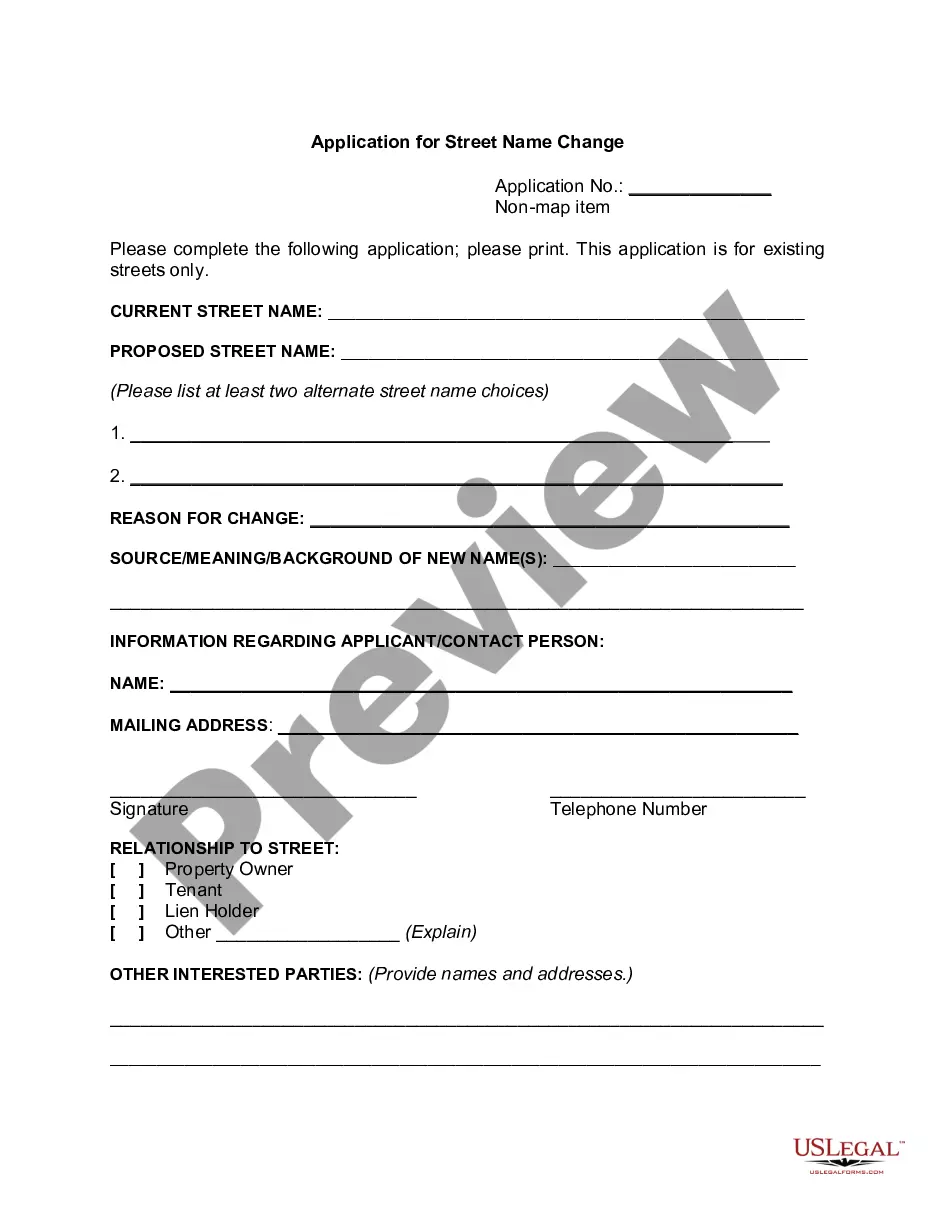
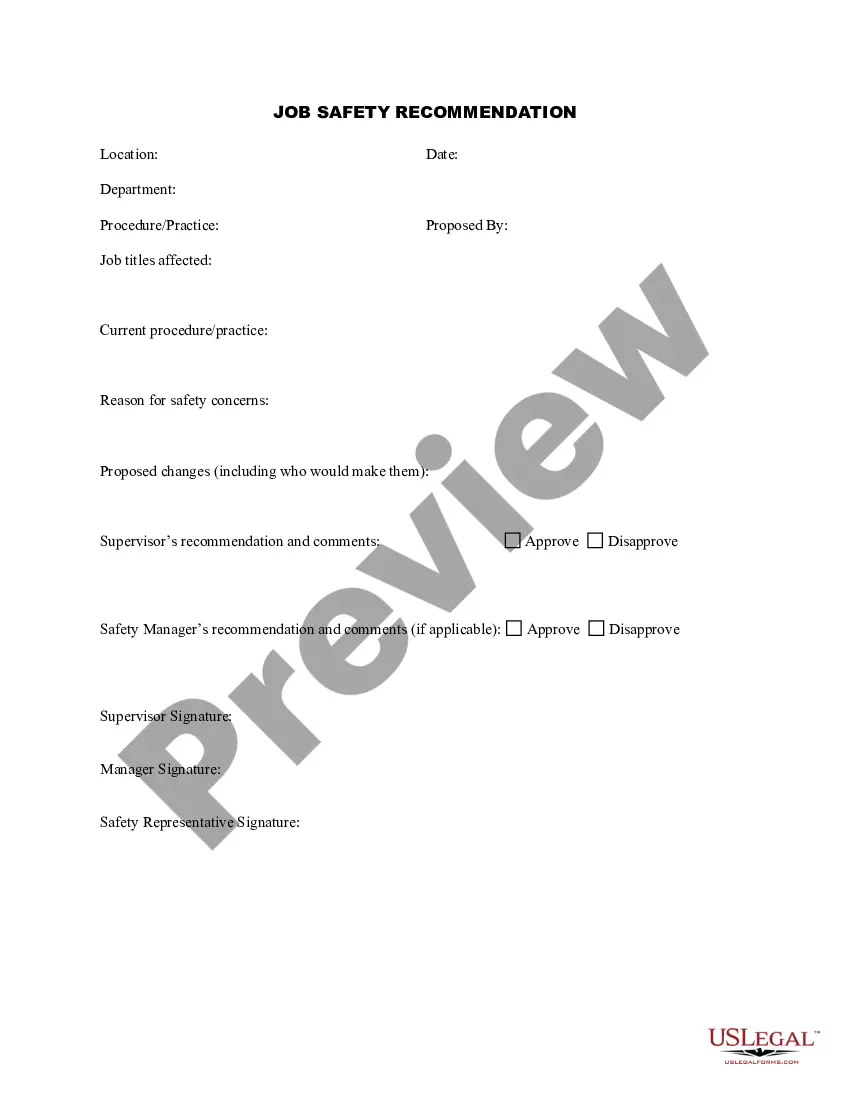
Idaho Job Safety Recommendation
Description
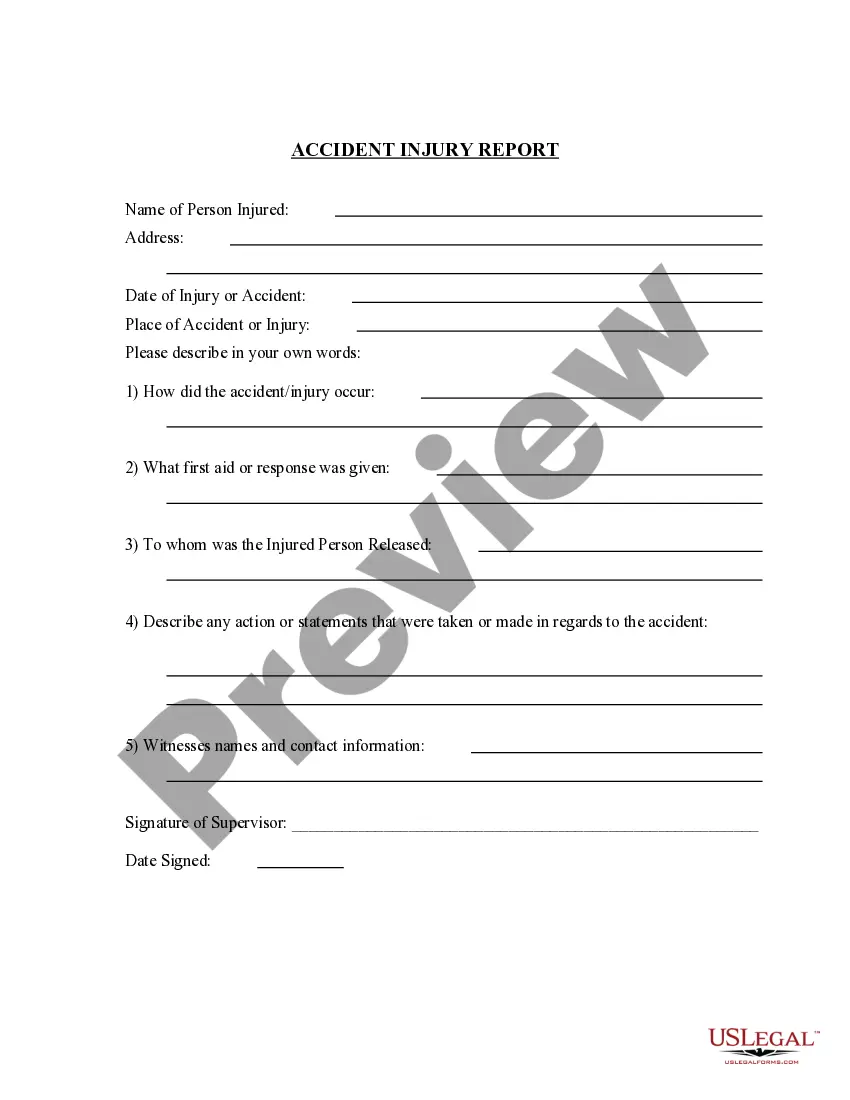
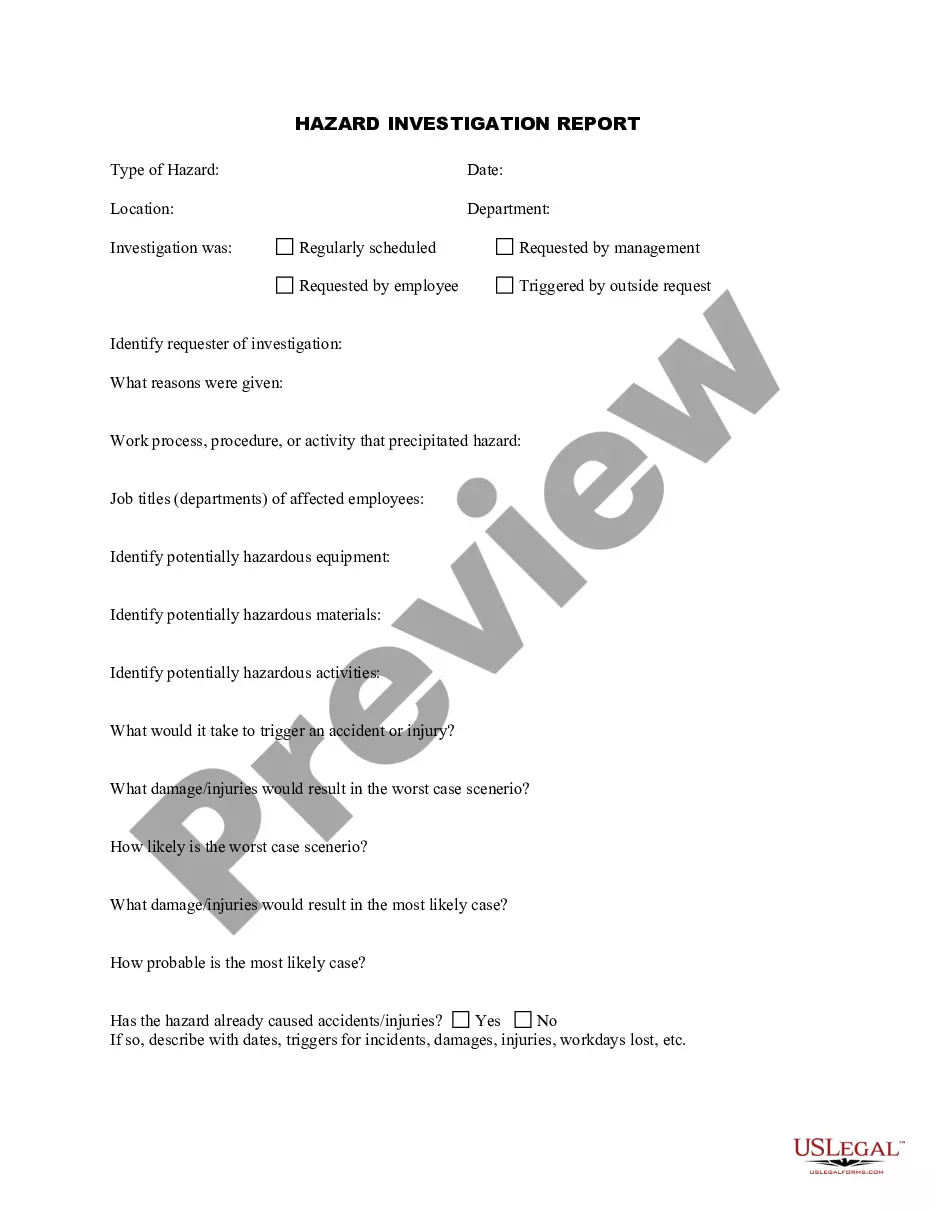
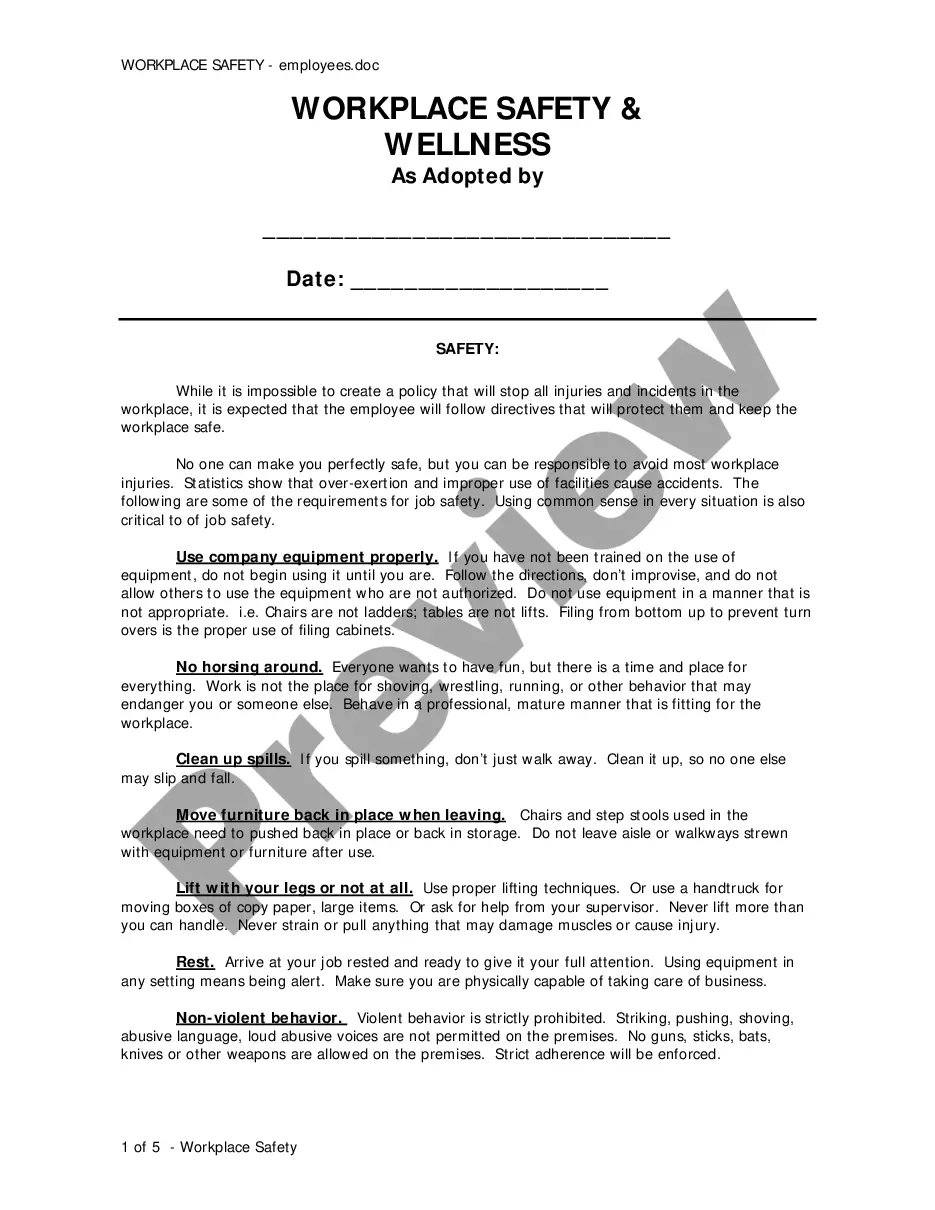
Get your form ready online
Our built-in tools help you complete, sign, share, and store your documents in one place.
Make edits, fill in missing information, and update formatting in US Legal Forms—just like you would in MS Word.
Download a copy, print it, send it by email, or mail it via USPS—whatever works best for your next step.
Sign and collect signatures with our SignNow integration. Send to multiple recipients, set reminders, and more. Go Premium to unlock E-Sign.
If this form requires notarization, complete it online through a secure video call—no need to meet a notary in person or wait for an appointment.
We protect your documents and personal data by following strict security and privacy standards.

Make edits, fill in missing information, and update formatting in US Legal Forms—just like you would in MS Word.

Download a copy, print it, send it by email, or mail it via USPS—whatever works best for your next step.

Sign and collect signatures with our SignNow integration. Send to multiple recipients, set reminders, and more. Go Premium to unlock E-Sign.

If this form requires notarization, complete it online through a secure video call—no need to meet a notary in person or wait for an appointment.

We protect your documents and personal data by following strict security and privacy standards.
Looking for another form?






How to fill out Job Safety Recommendation?
You can spend hours online looking for the valid document format that complies with the local and federal regulations you require.
US Legal Forms offers thousands of valid templates that have been reviewed by experts.
You can easily obtain or print the Idaho Job Safety Recommendation from our services.
In order to find an additional version of the form, use the Search box to locate the format that meets your needs and specifications.
- If you already possess a US Legal Forms account, you can sign in and click the Download button.
- Then, you can complete, modify, print, or sign the Idaho Job Safety Recommendation.
- Every valid document format you purchase is yours permanently.
- To get another copy of any purchased form, go to the My documents tab and click the appropriate button.
- If you are using the US Legal Forms website for the first time, follow the simple instructions below.
- First, make sure you have chosen the correct document format for the area/region of your choice.
- Check the form outline to ensure you have selected the right form.
Form popularity
FAQ
Not every state creates their own OSHA plans, but there are 22 states in the U.S. that administer these plans, which cover both public and private sector employees.
The following 22 states or territories have OSHA-approved State Plans that cover both private and state and local government workers:Alaska.Arizona.California.Hawaii.Indiana.Iowa.Kentucky.Maryland.More items...
Idaho OSHA : What you need to knowIdaho is not a state plan state; that is, it does not have a federally approved occupational safety and health regulatory program. Therefore, private sector workplaces are regulated by the federal standards.
Examples of OSHA standards include requirements to provide fall protection, prevent trenching cave-ins, prevent infectious diseases, ensure that workers safely enter confined spaces, prevent exposure to harmful substances like asbestos, put guards on machines, provide respirators or other safety equipment, and provide
OSHA Idaho Training Requirements While other states have their own occupational health and safety regulatory programs (also known as state plans) Idaho does not. Instead, they fall directly under OSHA jurisdiction.
Receive workplace safety and health training in a language they understand. Work only on machines that are safe. Receive safety equipment when required, like personal protective equipment, a harness or gloves. Have protection from toxic chemicals.
With no state program for the safety and health of workers, Idaho businesses fall under OSHA jurisdiction and must follow federal guidelines.
OSHA covers most private sector employers and workers in all 50 states, the District of Columbia, and the other United States (U.S.) jurisdictions either directly through OSHA or through an OSHA-approved State Plan.