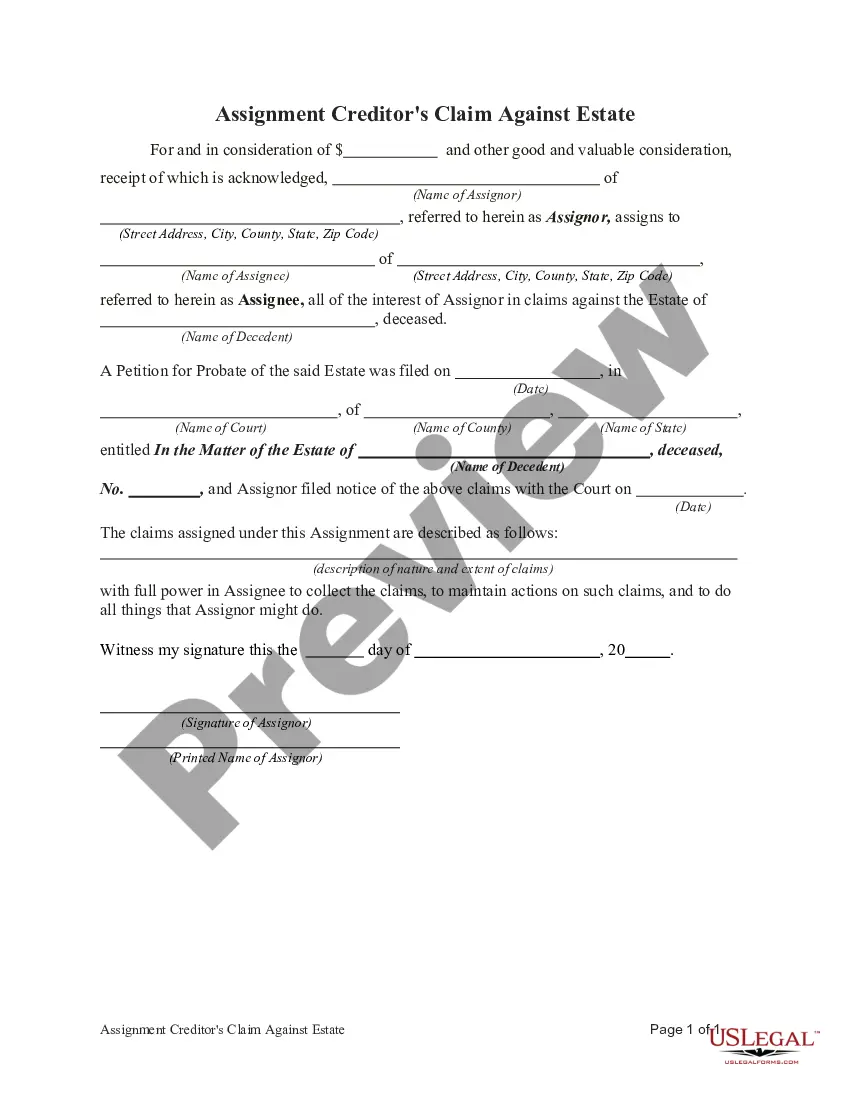
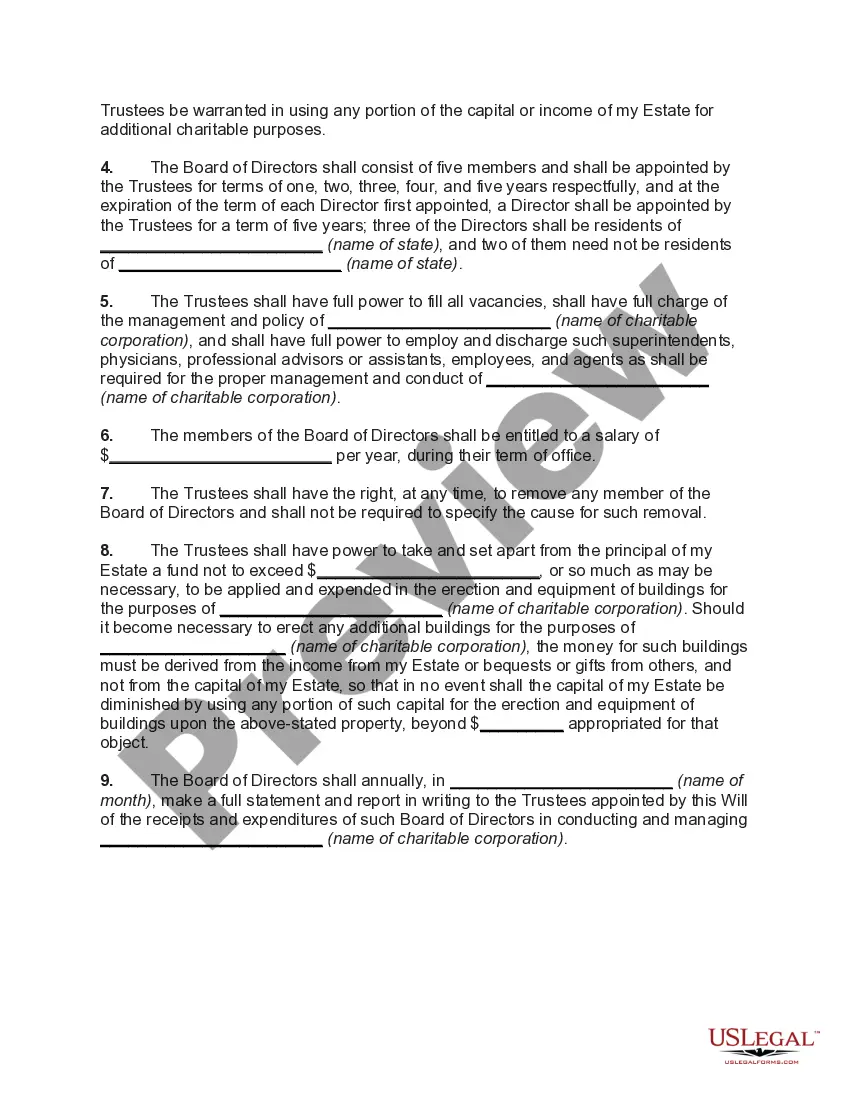
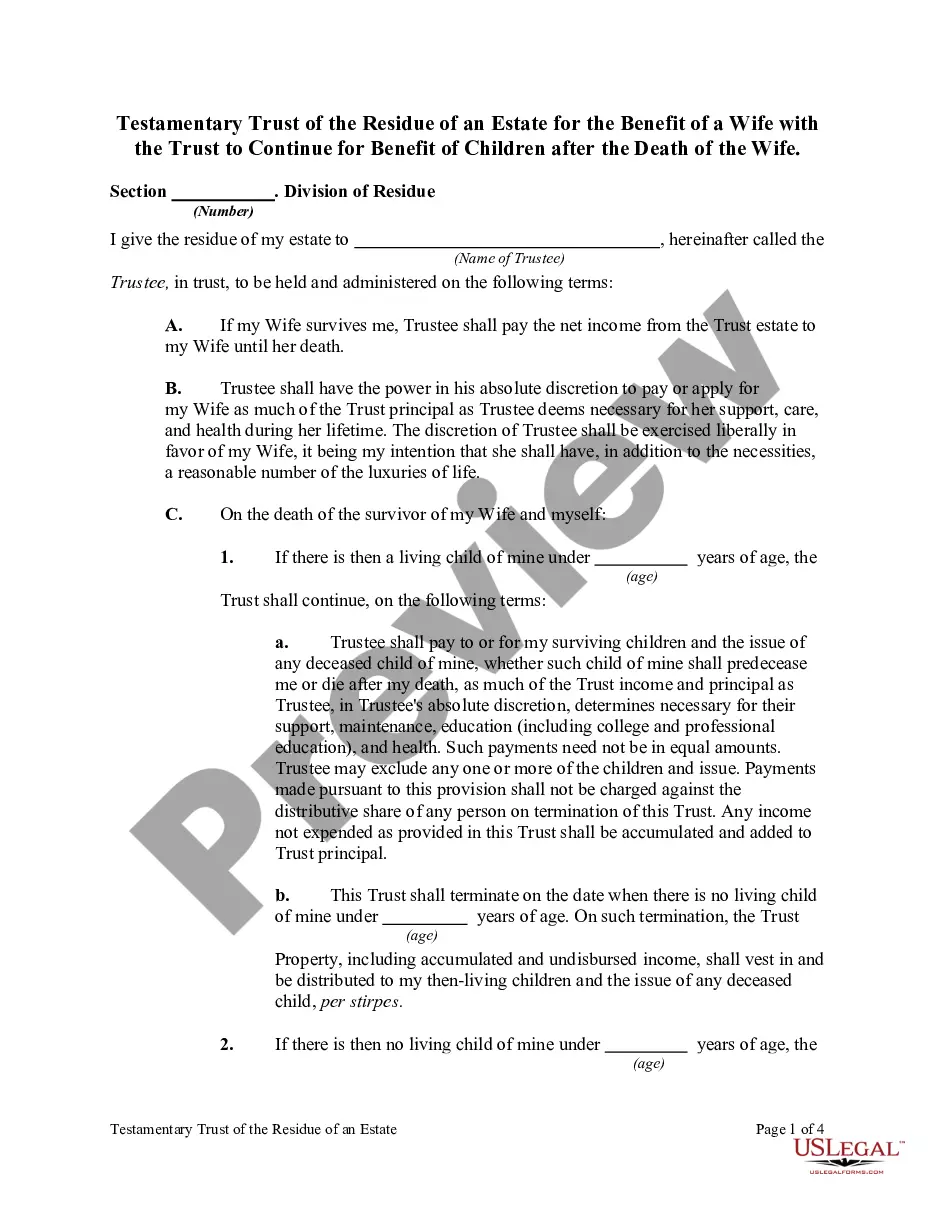
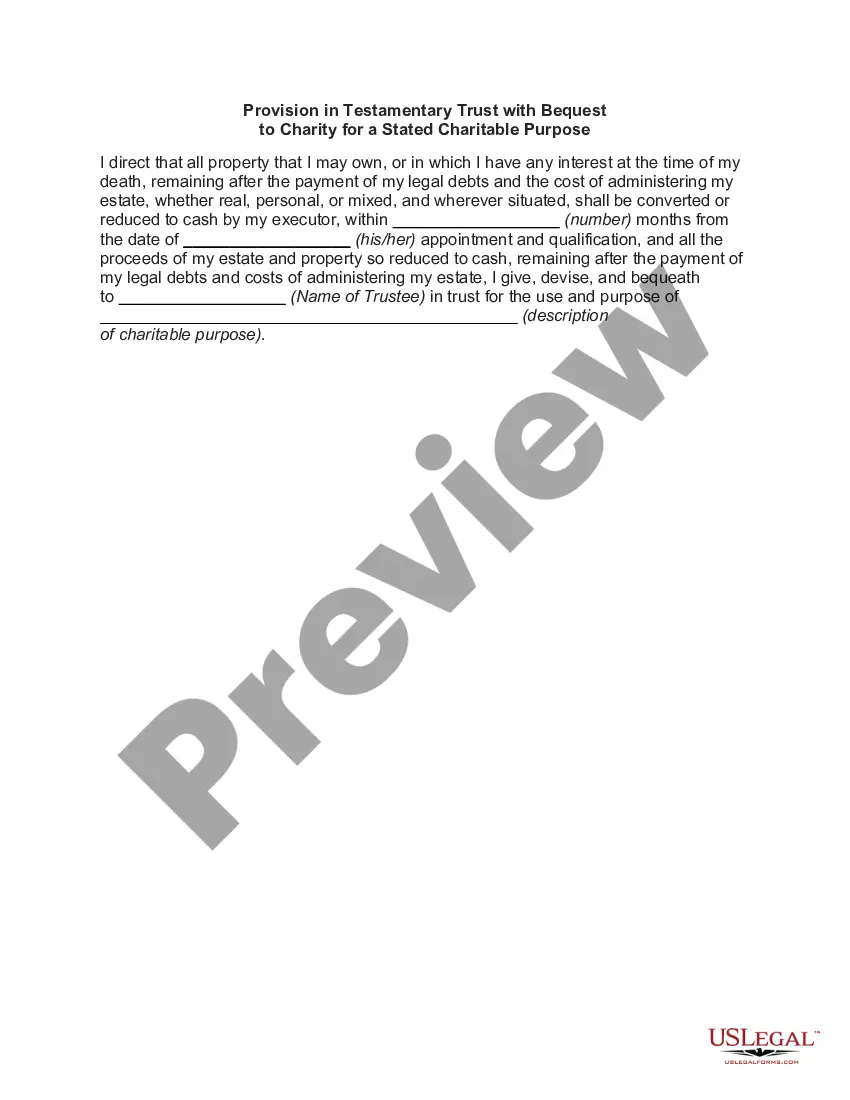
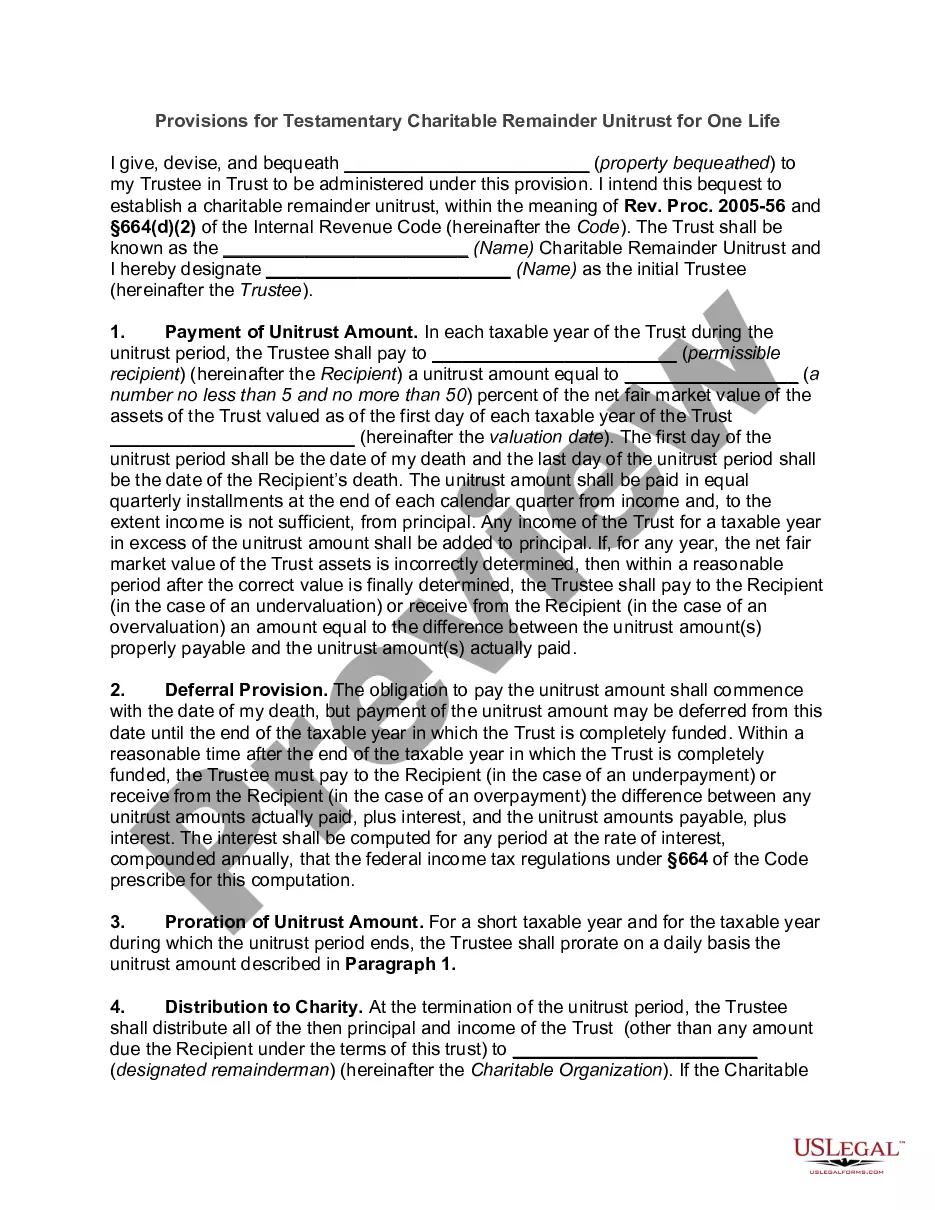
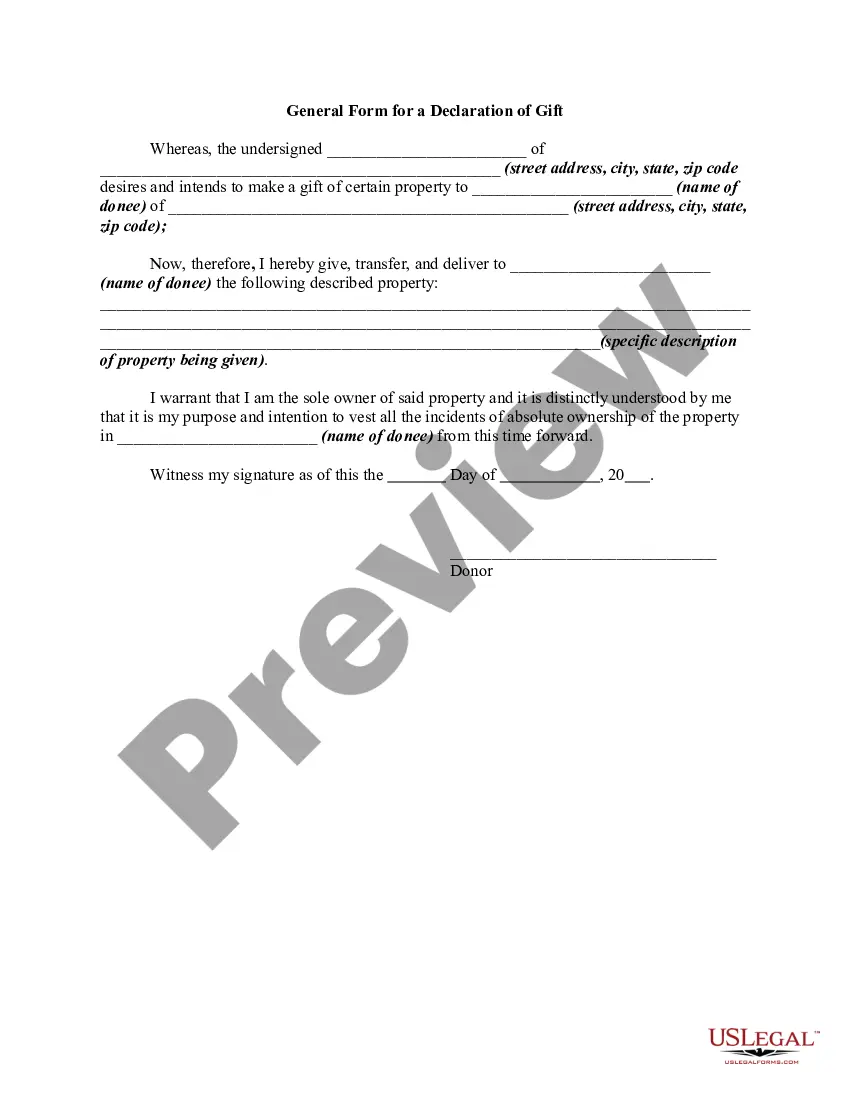
Idaho Testamentary Trust Provision for the Establishment of a Trust for a Charitable Institution for the Care and Treatment of Disabled Children
Description

Get your form ready online
Our built-in tools help you complete, sign, share, and store your documents in one place.
Make edits, fill in missing information, and update formatting in US Legal Forms—just like you would in MS Word.
Download a copy, print it, send it by email, or mail it via USPS—whatever works best for your next step.
Sign and collect signatures with our SignNow integration. Send to multiple recipients, set reminders, and more. Go Premium to unlock E-Sign.
If this form requires notarization, complete it online through a secure video call—no need to meet a notary in person or wait for an appointment.
We protect your documents and personal data by following strict security and privacy standards.

Make edits, fill in missing information, and update formatting in US Legal Forms—just like you would in MS Word.

Download a copy, print it, send it by email, or mail it via USPS—whatever works best for your next step.

Sign and collect signatures with our SignNow integration. Send to multiple recipients, set reminders, and more. Go Premium to unlock E-Sign.

If this form requires notarization, complete it online through a secure video call—no need to meet a notary in person or wait for an appointment.

We protect your documents and personal data by following strict security and privacy standards.
Looking for another form?


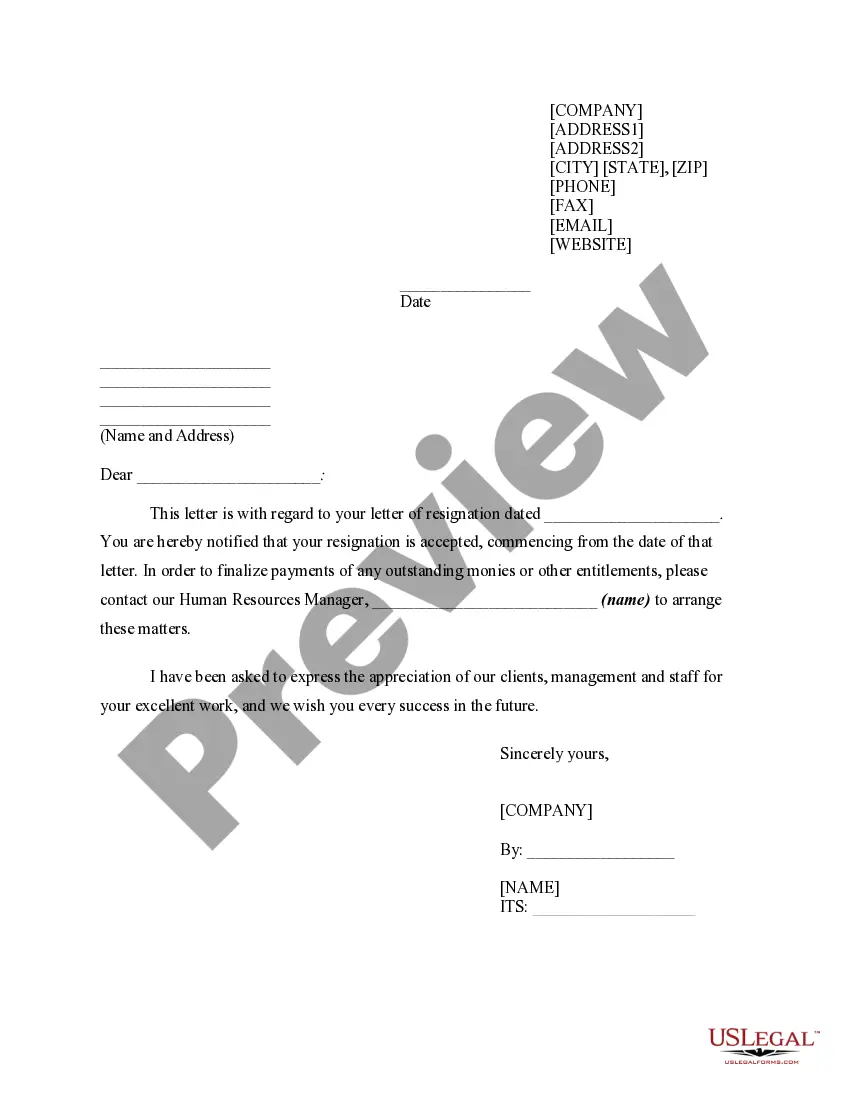
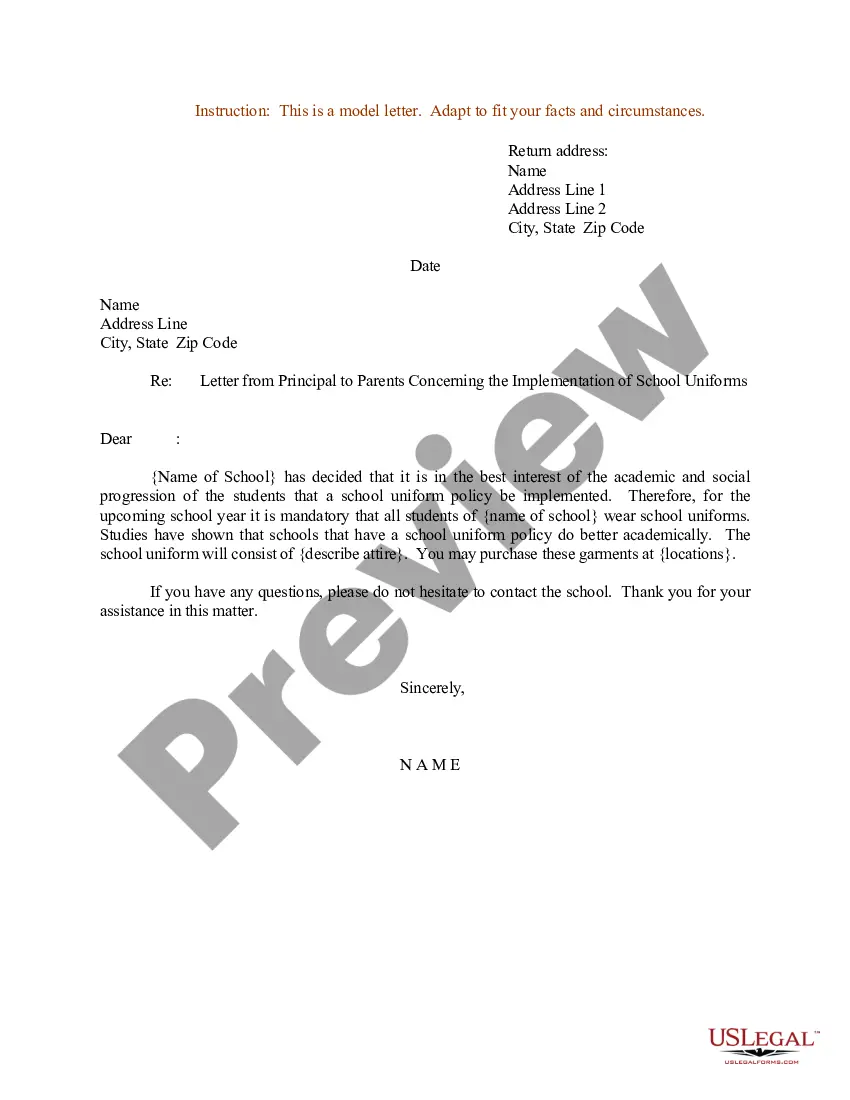
How to fill out Testamentary Trust Provision For The Establishment Of A Trust For A Charitable Institution For The Care And Treatment Of Disabled Children?
If you seek thorough, obtain, or printing valid document templates, utilize US Legal Forms, the largest assortment of legal forms available online.
Employ the site's straightforward and user-friendly search feature to locate the documents you require.
Various templates for business and personal purposes are categorized by types and states, or keywords. Use US Legal Forms to find the Idaho Testamentary Trust Provision for the Creation of a Trust for a Charitable Organization dedicated to the Care and Treatment of Disabled Children with just a few clicks.
Every legal document template you purchase is yours forever. You will have access to every form you downloaded in your account. Click the My documents section and select a form to print or download again.
Be proactive and obtain, and print the Idaho Testamentary Trust Provision for the Creation of a Trust for a Charitable Organization for the Care and Treatment of Disabled Children with US Legal Forms. There are millions of professional and state-specific forms available for your business or personal needs.
- If you are already a US Legal Forms user, Log In to your account and click the Download button to acquire the Idaho Testamentary Trust Provision for the Creation of a Trust for a Charitable Organization for the Care and Treatment of Disabled Children.
- You can also access forms you have previously downloaded in the My documents tab of your account.
- If you are using US Legal Forms for the first time, follow the steps outlined below.
- Step 1. Ensure you have selected the form for the correct city/region.
- Step 2. Utilize the Preview option to review the content of the form. Don’t forget to read the description.
- Step 3. If you are dissatisfied with the form, use the Search area at the top of the screen to find other variations of the legal form template.
- Step 4. Once you have found the form you want, click the Get now button. Choose your preferred pricing plan and provide your details to register for the account.
- Step 5. Complete the transaction. You can use your credit card or PayPal account to finalize the transaction.
- Step 6. Select the format of the legal form and download it onto your device.
- Step 7. Fill out, modify, and print or sign the Idaho Testamentary Trust Provision for the Creation of a Trust for a Charitable Organization for the Care and Treatment of Disabled Children.
Form popularity
FAQ
One of the drawbacks of a testamentary trust is the considerable responsibility it puts on the trustee. He must meet regularly with the probate court to demonstrate his safe handling of the trust, and depending on your wishes, his tasks may go on for many years.
A testamentary trust is created to manage the assets of the deceased on behalf of the beneficiaries. It is also used to reduce estate tax liabilities and ensure professional management of the assets of the deceased.
Testamentary trusts are discretionary trusts established in Wills, that allow the trustees of each trust to decide, from time to time, which of the nominated beneficiaries (if any) may receive the benefit of the distributions from that trust for any given period.
Key reasons for considering a trust:Control. A trust can control who will receive distributions, as well as when those will occur and on what terms.Protection.Privacy and probate savings.State estate and inheritance taxes.Incapacity planning.Charitable giving.Life insurance ownership.Special needs planning.More items...?
Living trusts and testamentary trustsA living trust (sometimes called an inter vivos trust) is one created by the grantor during his or her lifetime, while a testamentary trust is a trust created by the grantor's will.
A testamentary trust is a trust contained in a last will and testament. It provides for the distribution of all or part of an estate and often proceeds from a life insurance policy held on the person establishing the trust. There may be more than one testamentary trust per will.
As part of the probate process, letters testamentary are issued by your state's probate court. To obtain the document, you need a copy of the will and the death certificate, which are then filed with the probate court along with whatever letters testamentary forms the court requires as part of your application.
All trusts are required to contain at least the following elements:Trusts must identify the grantor, trustee and beneficiary. The grantor and trustee must be identified because they are parties to the contract.The trust res must be identified.The trust must contain the signature of both the grantor and the trustee.
A testamentary trust is a trust or estate that is generally created on and as result of the death of the person. The terms of the trust are established by the will or by court order in relation to the deceased individual's estate under provincial or territorial law.