Idaho Memorandum of Restrictive Covenants
What is this form?
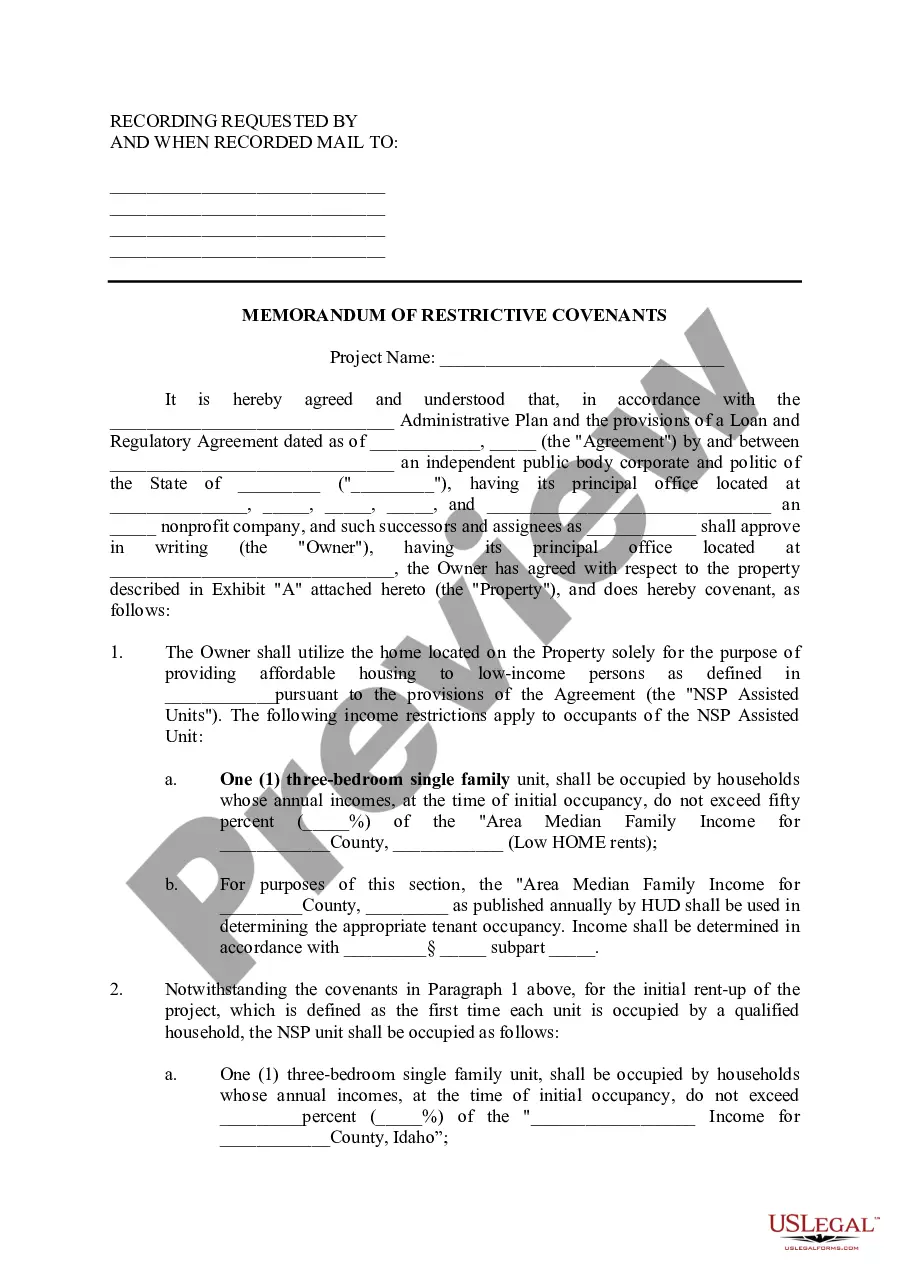
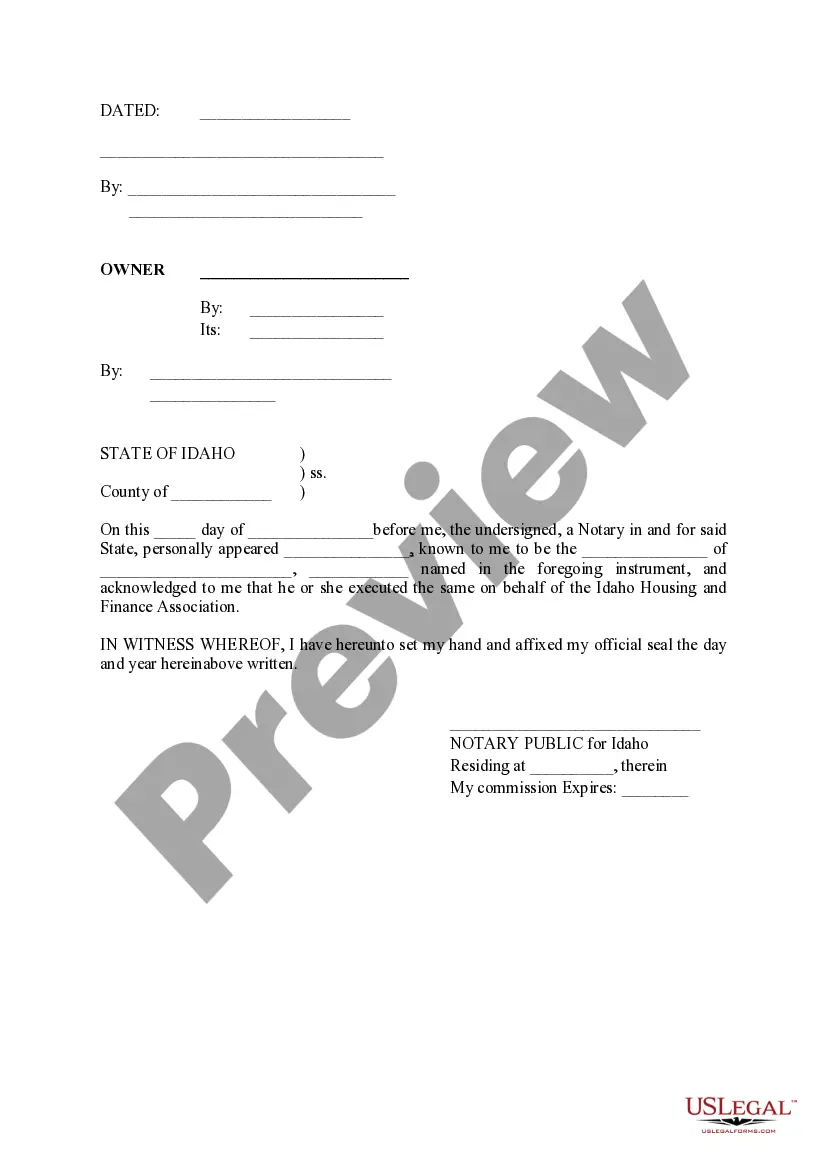
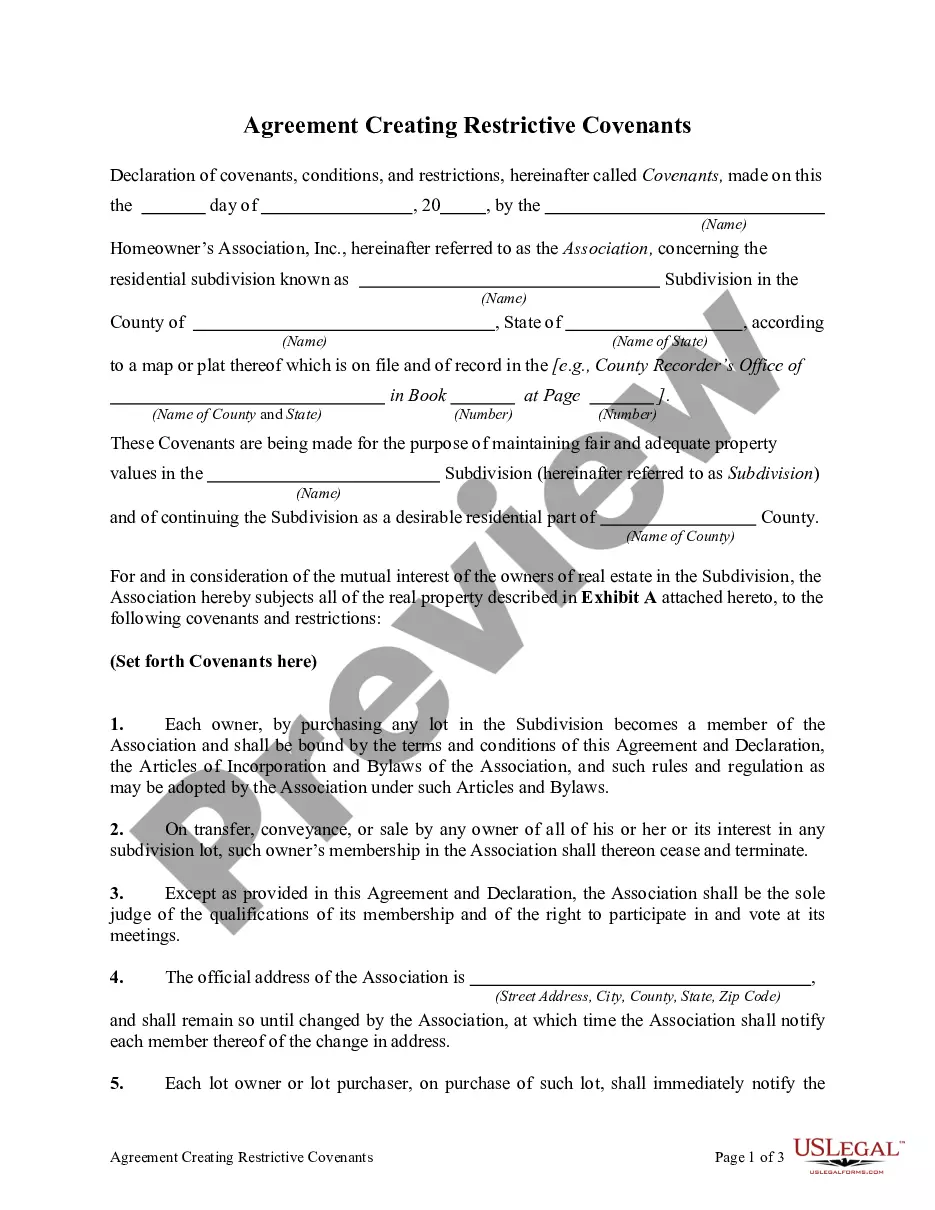
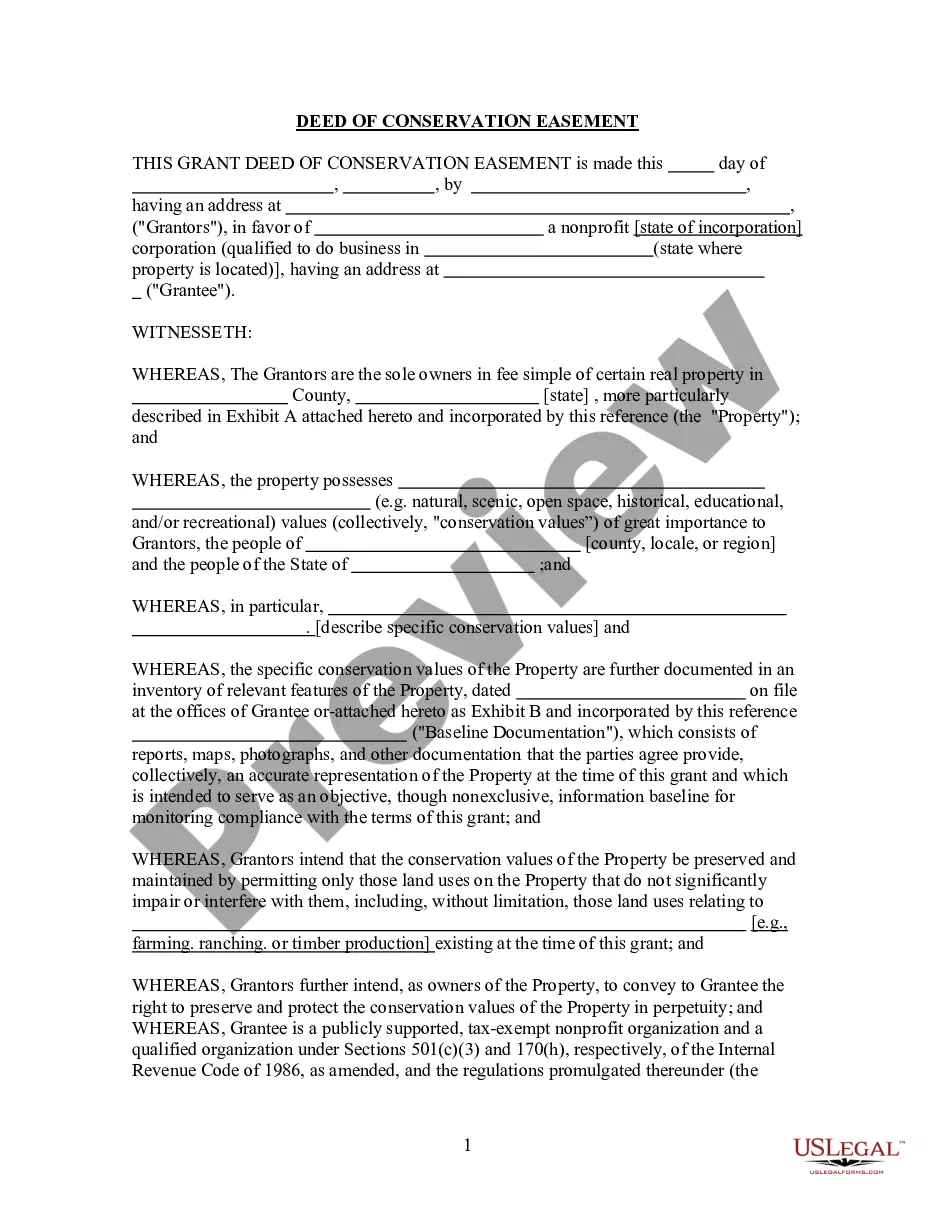
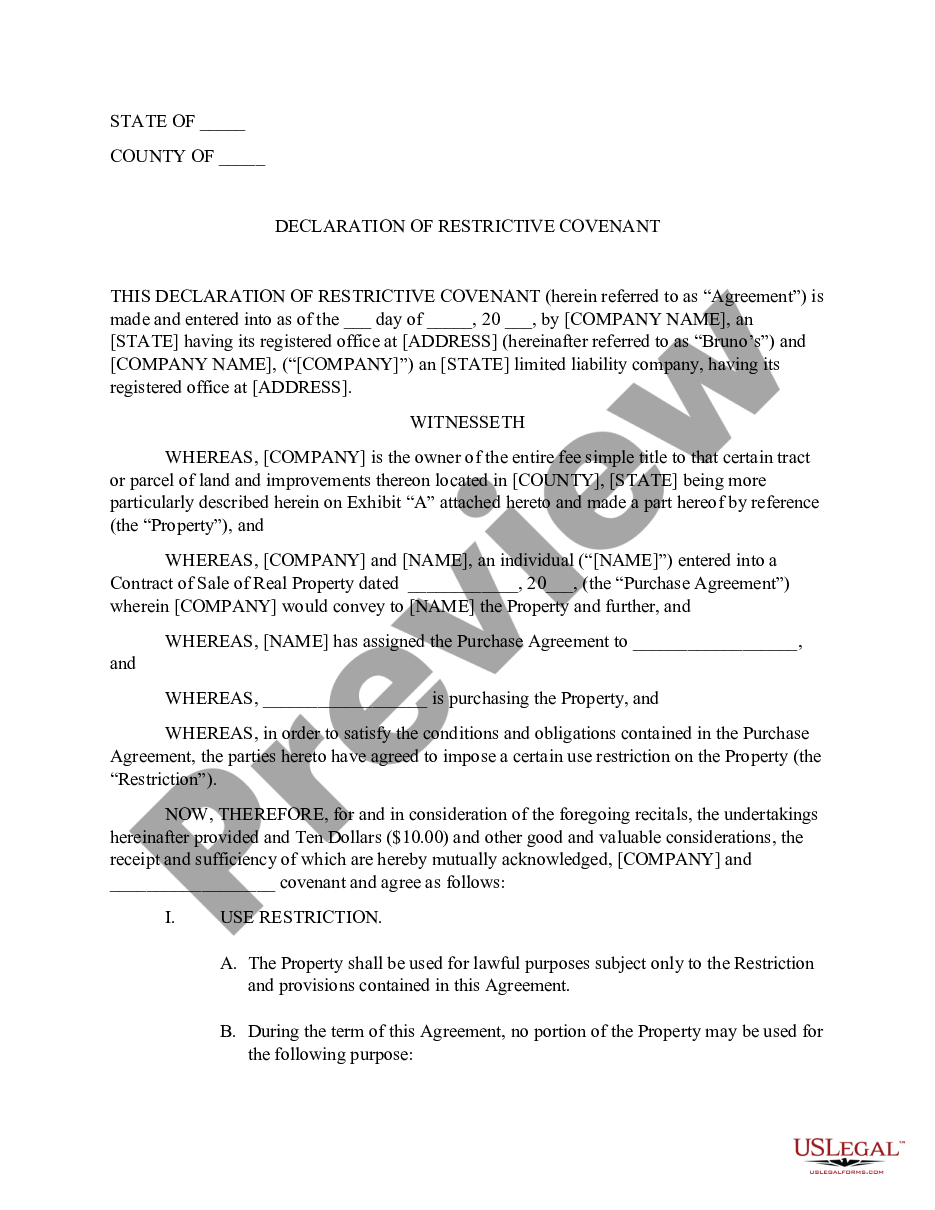
The Memorandum of Restrictive Covenants is a legal document that establishes limitations on how a property can be used, specifically for the purpose of providing affordable housing to low-income individuals. This form details the responsibilities of the property owner under certain regulatory agreements, ensuring compliance with applicable laws and guidelines. Unlike other property agreements, this memorandum focuses exclusively on the use of the property for affordable housing, making it a crucial tool for promoting community welfare.
Form components explained
- Identification of the project name and parties involved in the agreement.
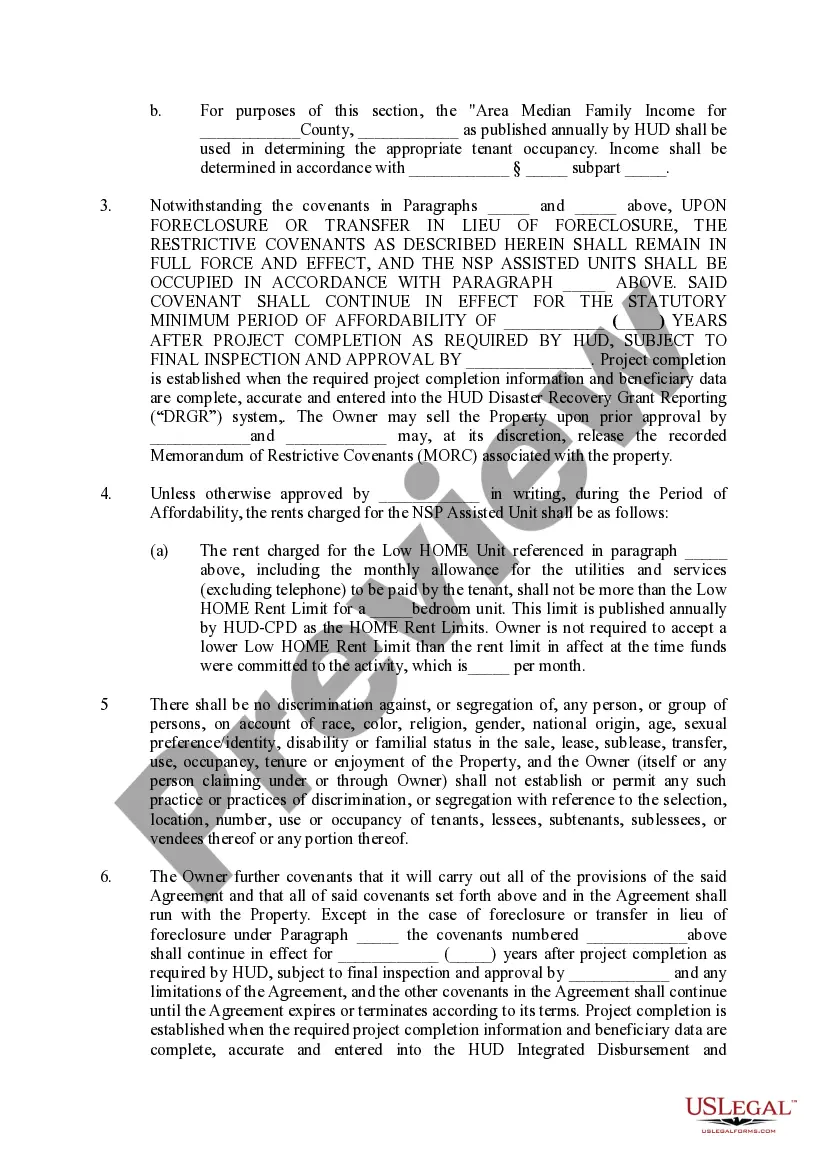
- Specific income restrictions for tenants occupying the property.
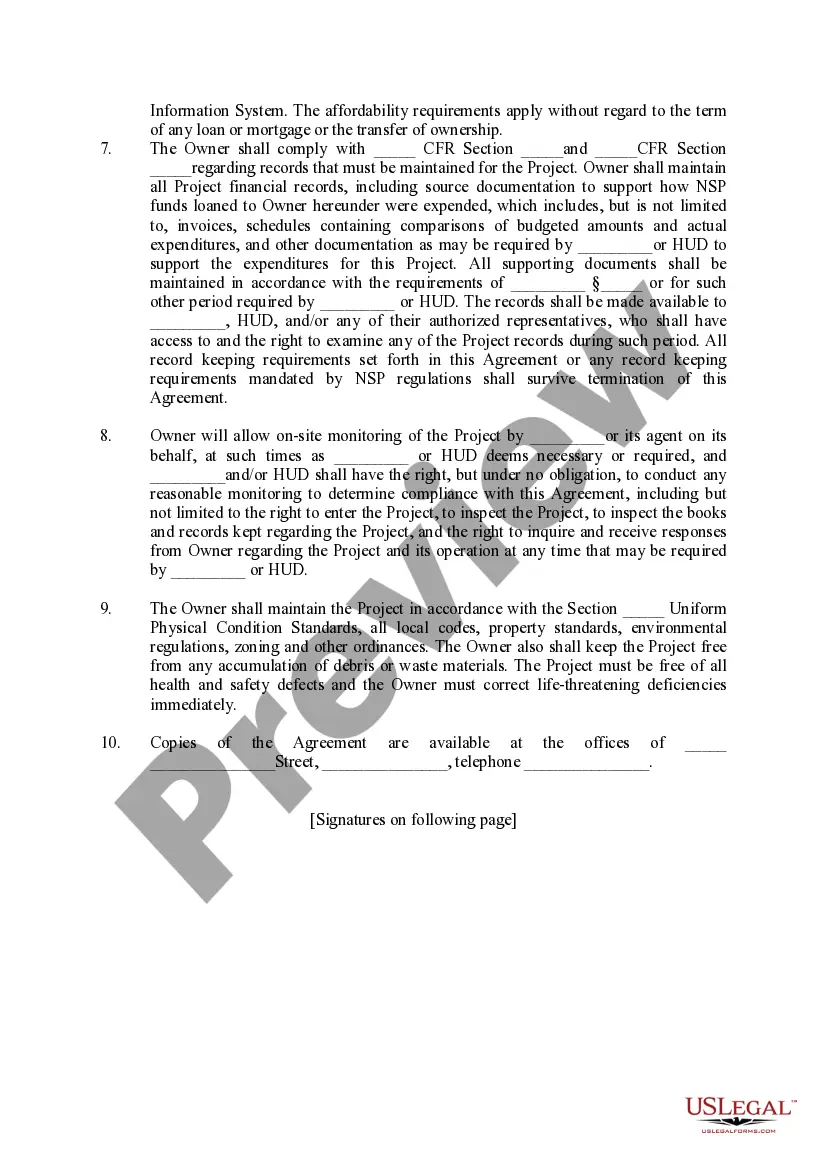
- Details regarding the duration of the covenants and conditions for termination.
- Requirements for record-keeping and compliance monitoring.
- Non-discrimination clauses to prevent unfair treatment of tenants.

Situations where this form applies
This form is ideal for property owners or developers who are entering into agreements to provide affordable housing. It should be utilized when establishing covenants that detail the limitations and responsibilities of the property owner to ensure compliance with housing laws, especially in contexts involving government funding or regulatory oversight.
Who can use this document
- Property owners intending to develop or maintain affordable housing units.
- Nonprofit organizations involved in housing assistance programs.
- Investors or developers required to adhere to funding agreements for affordable housing projects.
- Lenders who need to ensure that properties remain compliant with affordability standards.
How to prepare this document
- Identify all parties involved, including the property owner and any organizations participating in the agreement.
- Specify the project name and attach a detailed description of the property in the designated area.
- Enter required income restrictions based on local median family income guidelines.
- Complete sections related to rent levels and restrictions to ensure affordability compliance.
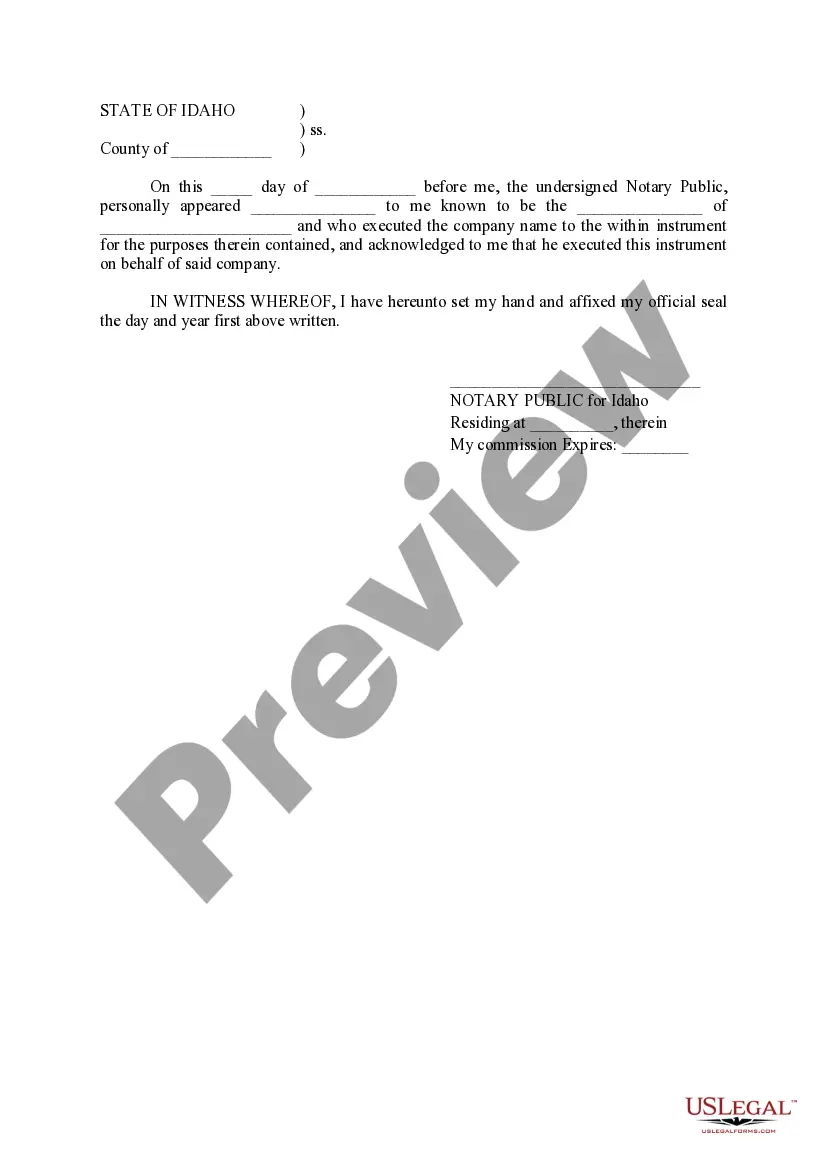
- Sign and date the document, ensuring that all necessary parties are present for notarization if required.
Does this form need to be notarized?
Yes, this form must be notarized to be legally valid. Obtaining notarization ensures that the signatures are authenticated, providing an additional layer of legal assurance. US Legal Forms offers integrated online notarization services, allowing you to complete this process securely via video call, without the need to travel.
Get your form ready online
Our built-in tools help you complete, sign, share, and store your documents in one place.
Make edits, fill in missing information, and update formatting in US Legal Forms—just like you would in MS Word.
Download a copy, print it, send it by email, or mail it via USPS—whatever works best for your next step.
Sign and collect signatures with our SignNow integration. Send to multiple recipients, set reminders, and more. Go Premium to unlock E-Sign.
If this form requires notarization, complete it online through a secure video call—no need to meet a notary in person or wait for an appointment.
We protect your documents and personal data by following strict security and privacy standards.

Make edits, fill in missing information, and update formatting in US Legal Forms—just like you would in MS Word.

Download a copy, print it, send it by email, or mail it via USPS—whatever works best for your next step.

Sign and collect signatures with our SignNow integration. Send to multiple recipients, set reminders, and more. Go Premium to unlock E-Sign.

If this form requires notarization, complete it online through a secure video call—no need to meet a notary in person or wait for an appointment.

We protect your documents and personal data by following strict security and privacy standards.
Typical mistakes to avoid
- Failing to accurately define the income restrictions for tenants.
- Leaving out required signatures or dates, which can invalidate the form.
- Not attaching the property description or necessary exhibits as required.
- Neglecting to update the covenants if there are changes in property use or regulations.
Advantages of online completion
- Convenience: Downloadable forms can be filled out at your own pace.
- Editability: Easily modify sections as new information becomes available.
- Reliability: Forms are created and reviewed by licensed attorneys, ensuring legal compliance.
Looking for another form?

Form popularity
FAQ
The restrictive covenants imposed by the scheme must be registered against the seller by each buyer. In the case of unregistered land the covenants are registered as D(ii) land charges.
Assuming an employee meets the definition of a key employee, an Idaho court will enforce a non-compete agreement as long as it is reasonable with respect to duration, geographic scope and the scope of the activities being restrained.
Certain restrictive covenants will be enforceable, if you are able to prove that they are: reasonable. necessary to protect legitimate business interests; and. of a duration no longer than is necessary to protect those interests.
What happens if I breach a restrictive covenant? If you own a property and unknowingly (or otherwise) breach a restrictive covenant then you could be forced to undo any offending work (such as having to pull down an extension), pay a fee (often running into thousands of pounds) or even face legal action.
In respect of covenants, for them to be enforceable, both the benefit and burden must run in common law or both must run in equity. So if the benefit runs in common law but the burden only runs in equity (or vice versa) the covenant will not be enforceable.
If a neighbour threatens to breach a restrictive covenant binding on them you will probably want to obtain an injunction to prevent breach rather than simply claim monetary compensation.Generally only the owner of land which was, or was part of, the land intended to be benefited by the covenant, can enforce it.
Typically, courts tend to enforce restrictions of between 6 and 12 months, depending upon the seniority of the employee concerned and their access to confidential information and clients. This is subject, of course, to the covenants being reasonable and necessary to protect a legitimate business interest.
Courts will look at a variety of factors to determine if these restrictions are reasonable. Idaho recognizes non-compete agreements and has adopted is own statute governing non-compete agreements.
The covenant must be negative (restrictive). There must be a benefited and a burdened land and the two must be reasonably close together close enough for the benefited land to be genuinely adversely affected by a breach. The covenant must actually benefit the benefiting land.