Arkansas Health Care Declarations - Two Forms - Living Will - Statutory
What is this form?
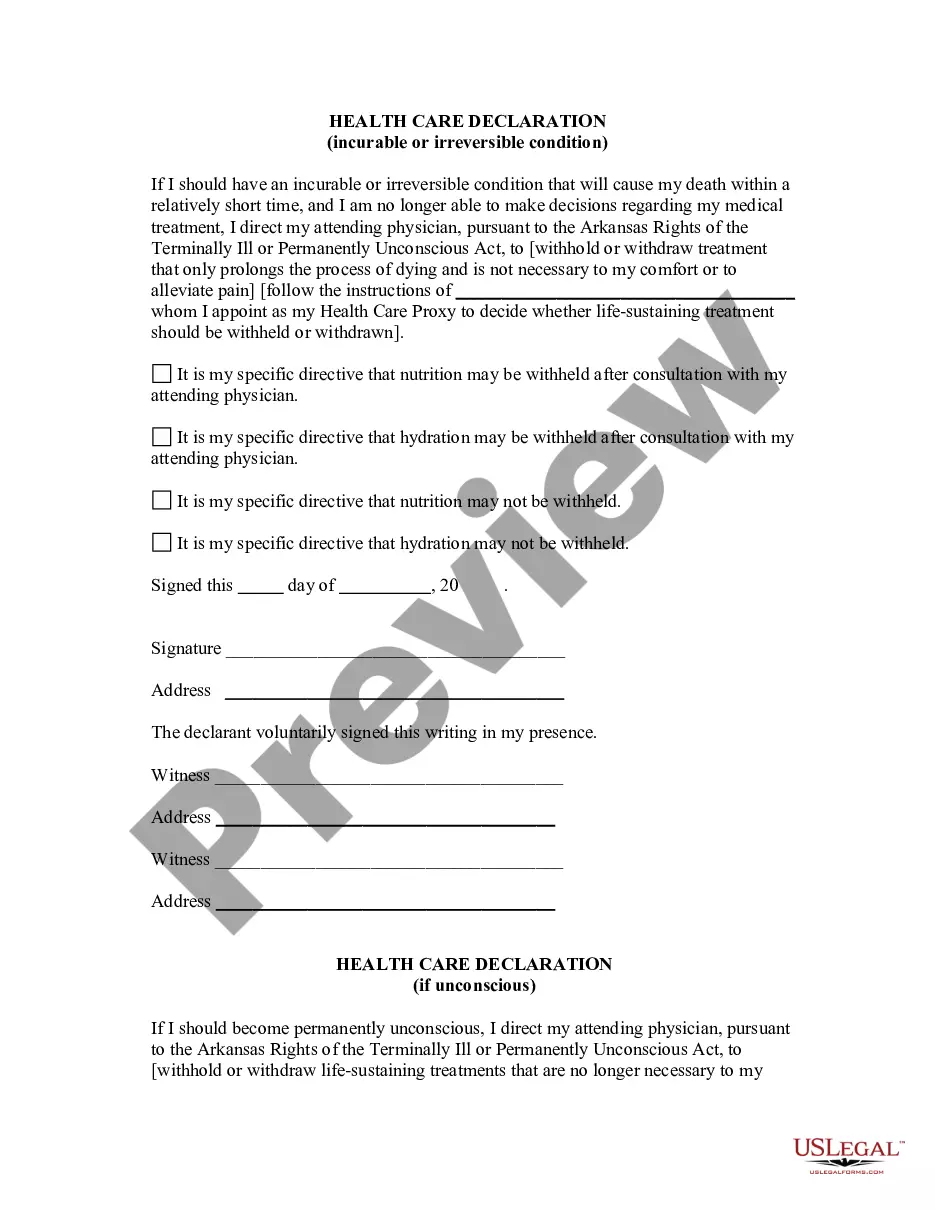
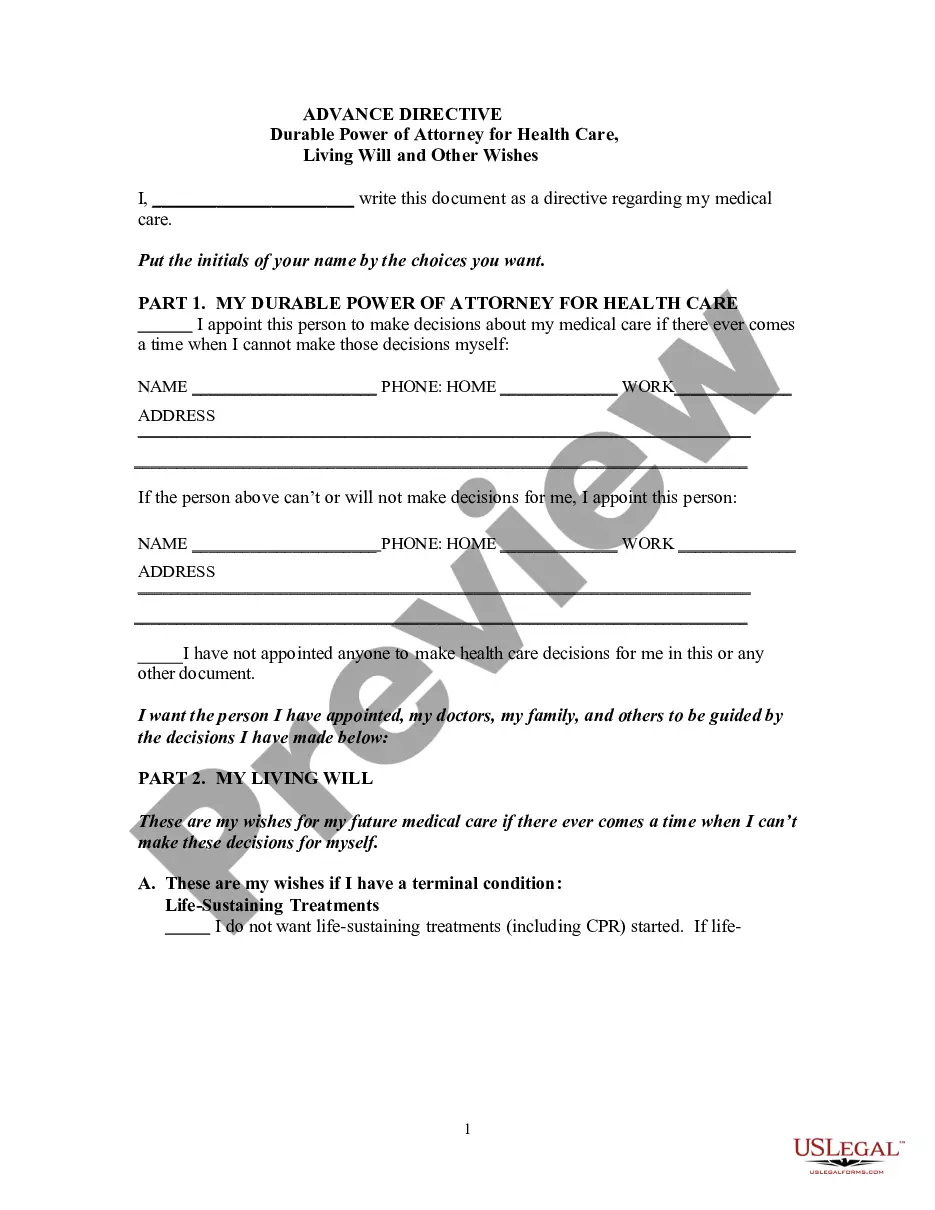
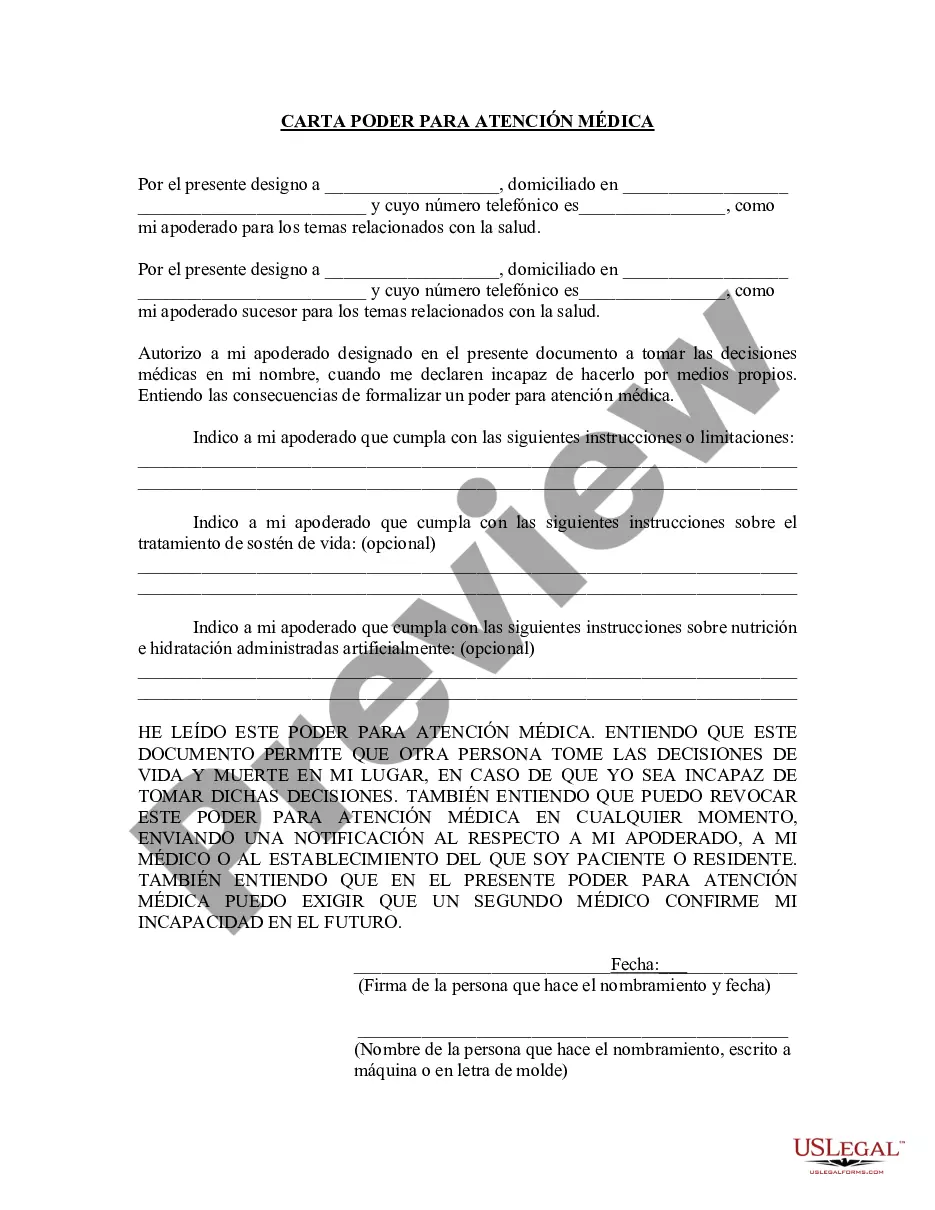
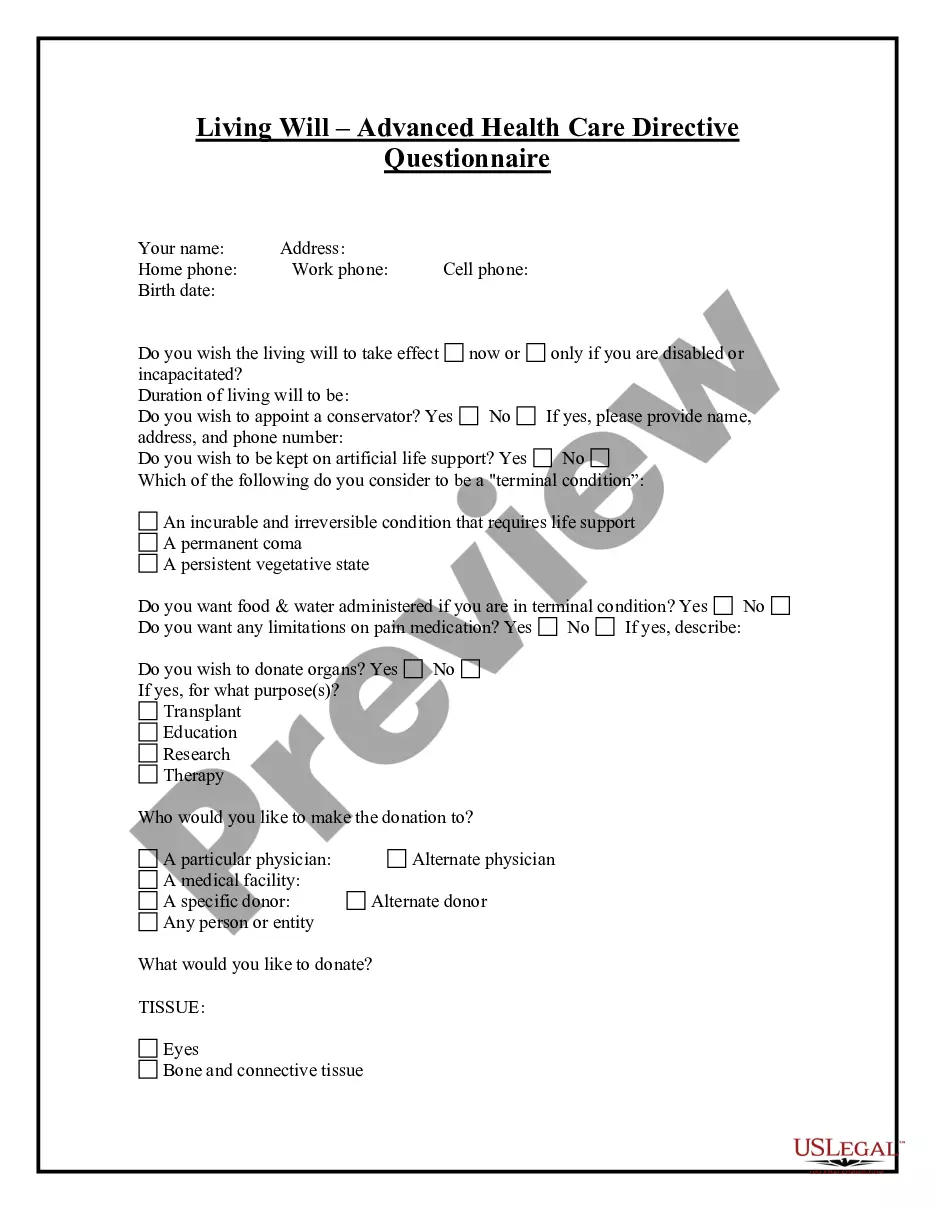
The Health Care Declarations form, specifically designed for creating a Living Will, allows you to appoint a health care proxy and make critical medical decisions on your behalf when you are unable to do so. This form ensures that your wishes regarding medical treatment are known and respected, particularly when facing an incurable or terminal condition. It differs from other health care documents by focusing specifically on your preferences for life-sustaining treatments in critical situations.
Key components of this form
- Designation of a health care proxy to make treatment decisions.
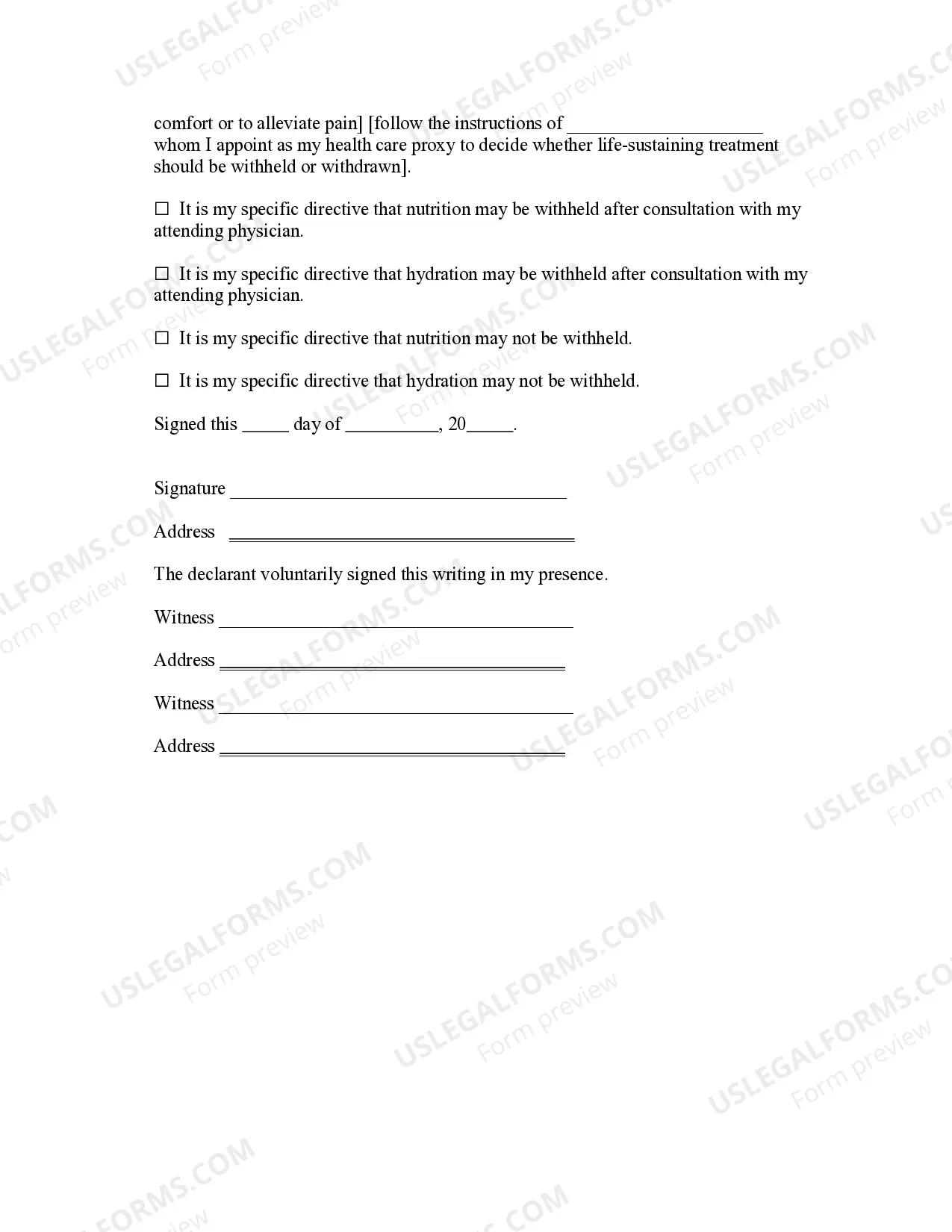
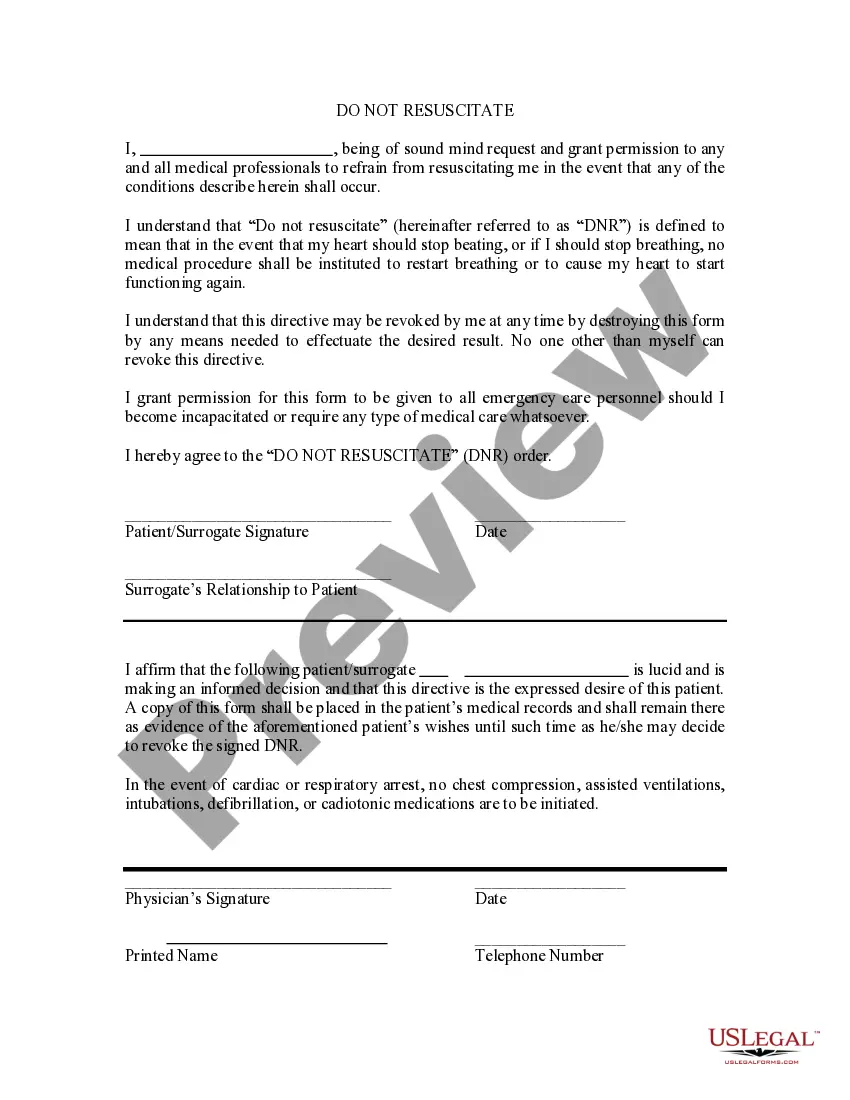
- Specific directives for withdrawing or withholding life-sustaining treatment.
- Instructions regarding nutrition and comfort care during terminal illness.
- Legal references to relevant state statutes governing living wills.
When to use this form
This form is essential when you want to outline your health care preferences in situations where you cannot communicate due to unconsciousness or terminal illness. It is useful for individuals who wish to prevent unwanted medical interventions, ensuring that their values and wishes guide their care at the end of life.
Who should use this form
This form is suitable for:
- Adults who want to plan ahead for potential medical emergencies.
- Individuals diagnosed with terminal or life-limiting illnesses.
- Anyone who wants to ensure their medical treatment preferences are honored.
Steps to complete this form
- Identify yourself as the principal making the declaration.
- Appoint a health care proxy by entering their name and relationship.
- Specify your directives regarding life-sustaining treatments and any conditions.
- Sign and date the form in the presence of witnesses, as required.
Does this document require notarization?
In most cases, this form does not require notarization. However, some jurisdictions or signing circumstances might. US Legal Forms offers online notarization powered by Notarize, accessible 24/7 for a quick, remote process.
Get your form ready online
Our built-in tools help you complete, sign, share, and store your documents in one place.
Make edits, fill in missing information, and update formatting in US Legal Forms—just like you would in MS Word.
Download a copy, print it, send it by email, or mail it via USPS—whatever works best for your next step.
Sign and collect signatures with our SignNow integration. Send to multiple recipients, set reminders, and more. Go Premium to unlock E-Sign.
If this form requires notarization, complete it online through a secure video call—no need to meet a notary in person or wait for an appointment.
We protect your documents and personal data by following strict security and privacy standards.

Make edits, fill in missing information, and update formatting in US Legal Forms—just like you would in MS Word.

Download a copy, print it, send it by email, or mail it via USPS—whatever works best for your next step.

Sign and collect signatures with our SignNow integration. Send to multiple recipients, set reminders, and more. Go Premium to unlock E-Sign.

If this form requires notarization, complete it online through a secure video call—no need to meet a notary in person or wait for an appointment.

We protect your documents and personal data by following strict security and privacy standards.
Typical mistakes to avoid
- Failing to name an alternate health care proxy.
- Not clearly specifying treatment preferences or directives.
- Neglecting to sign the form or have it witnessed according to state requirements.
Why use this form online
- Convenient access to legal forms without the need for in-person consultations.
- Editable templates that allow you to tailor the form to your specific needs.
- Reliable documentation that reflects your wishes and complies with legal standards.
Legal use & context
- This form provides legal guidance to healthcare providers regarding your treatment preferences.
- It is enforceable under state law, ensuring your wishes are respected in medical settings.
- Using this form can help prevent disputes among family members regarding your care.
Main things to remember
- The Health Care Declarations form serves to specify your medical treatment preferences when you cannot communicate.
- It allows you to appoint a health care agent to make decisions on your behalf.
- Completing this form provides clarity and peace of mind regarding your healthcare decisions.
Looking for another form?


Form popularity
FAQ
The primary drawback of a living will is its limited scope. It only addresses specific medical situations and may not cover every scenario that arises in your healthcare journey. This can lead to uncertainty for your loved ones when navigating complex decisions. To ensure clarity and comprehensive guidance, consider exploring the Arkansas Health Care Declarations - Two Forms - Living Will - Statutory through uslegalforms, which can provide a well-rounded approach to your healthcare preferences.
An advanced directive encompasses various documents that outline your preferences for medical treatment if you become unable to communicate. In contrast, a living will specifically details your wishes regarding life-sustaining measures. When considering Arkansas Health Care Declarations - Two Forms - Living Will - Statutory, it's vital to understand that a living will is just one component of a broader advanced directive. Utilizing these tools helps ensure your healthcare choices align with your values.
Yes, a healthcare proxy is indeed classified as an advance directive in Arkansas. It permits you to appoint someone to make medical decisions on your behalf if you are unable to do so. This is an essential element of the Arkansas Health Care Declarations - Two Forms - Living Will - Statutory, ensuring that your healthcare preferences are upheld even when you cannot voice them.
In many contexts, a declaration refers to documents that express your wishes regarding healthcare, making it similar to a living will. However, a living will is a specific type of declaration that outlines your medical treatment preferences. Understanding this distinction is important when navigating the Arkansas Health Care Declarations - Two Forms - Living Will - Statutory, as it helps clarify your end-of-life choices.
The two main directives within the Arkansas health care framework are the living will and the durable power of attorney for health care. The living will expresses your medical treatment preferences, whereas the durable power of attorney allows an appointed individual to make those choices for you. Together, these directives form the basis of the Arkansas Health Care Declarations - Two Forms - Living Will - Statutory, ensuring your healthcare wishes are honored.
The primary difference between a living will and a health care proxy lies in their functions. A living will details your specific medical treatment preferences, while a health care proxy allows someone you trust to make those decisions based on your wishes. Both are critical components of the Arkansas Health Care Declarations - Two Forms - Living Will - Statutory, each serving unique roles in healthcare decision-making.
A statutory living will in Arkansas is a legal document that specifies your healthcare preferences if you become incapacitated. This document lets you communicate your desires regarding life-prolonging treatments and other medical interventions. Creating a statutory living will is an important part of the Arkansas Health Care Declarations - Two Forms - Living Will - Statutory, helping you ensure that your medical wishes are respected.
The two types of advance directives in Arkansas are the living will and the health care proxy. A living will allows you to outline your medical treatment preferences in case you cannot communicate them. Meanwhile, a health care proxy enables you to appoint someone to make those decisions on your behalf. Understanding these Arkansas Health Care Declarations - Two Forms - Living Will - Statutory is key to ensuring your wishes are met.
In Arkansas, a will does not have to be recorded to be valid; however, filing it with the probate court can be beneficial. Recording your will can help manage its distribution and reduce disputes among family members. Furthermore, the Arkansas Health Care Declarations - Two Forms - Living Will - Statutory clearly communicates your health care decisions and can provide direction for those handling your affairs.
Yes, hand-written wills, or holographic wills, are legal in Arkansas provided they meet certain criteria. The key requirement is that the will must be signed and written in your own hand. Incorporating Arkansas Health Care Declarations - Two Forms - Living Will - Statutory is a reliable way to ensure your end-of-life decisions are recognized without complications.