Idaho Easement for Utilities, Streets - Subdivision
Overview of this form
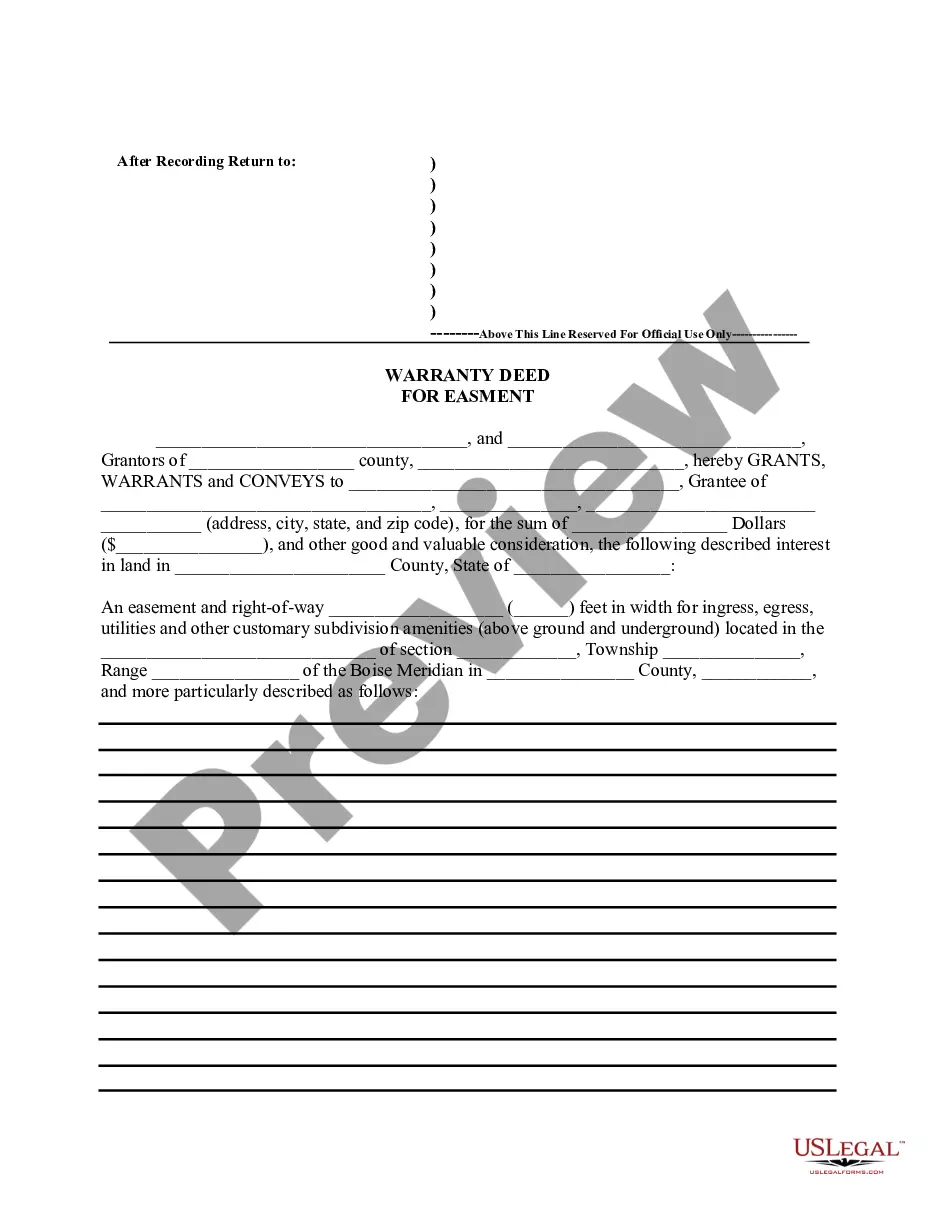
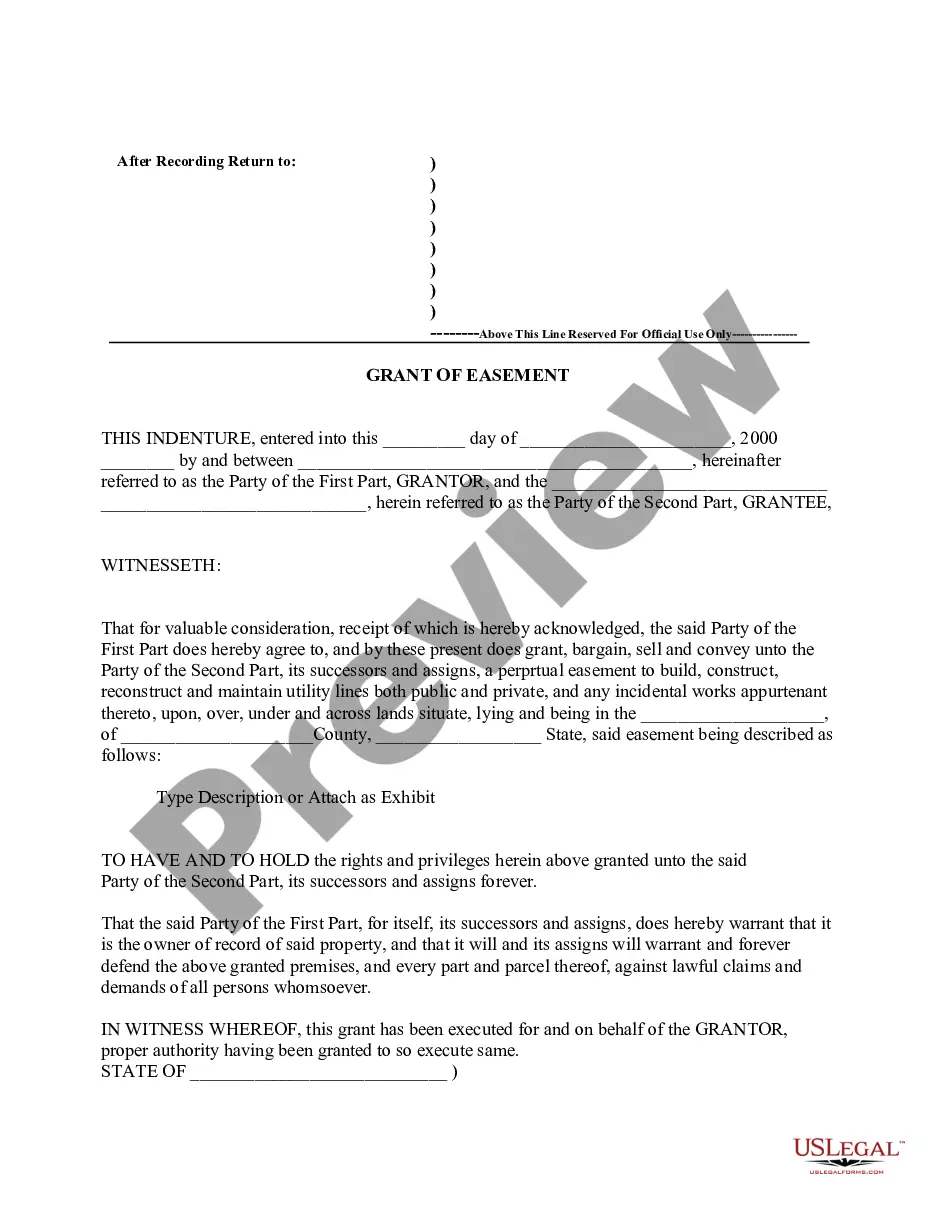
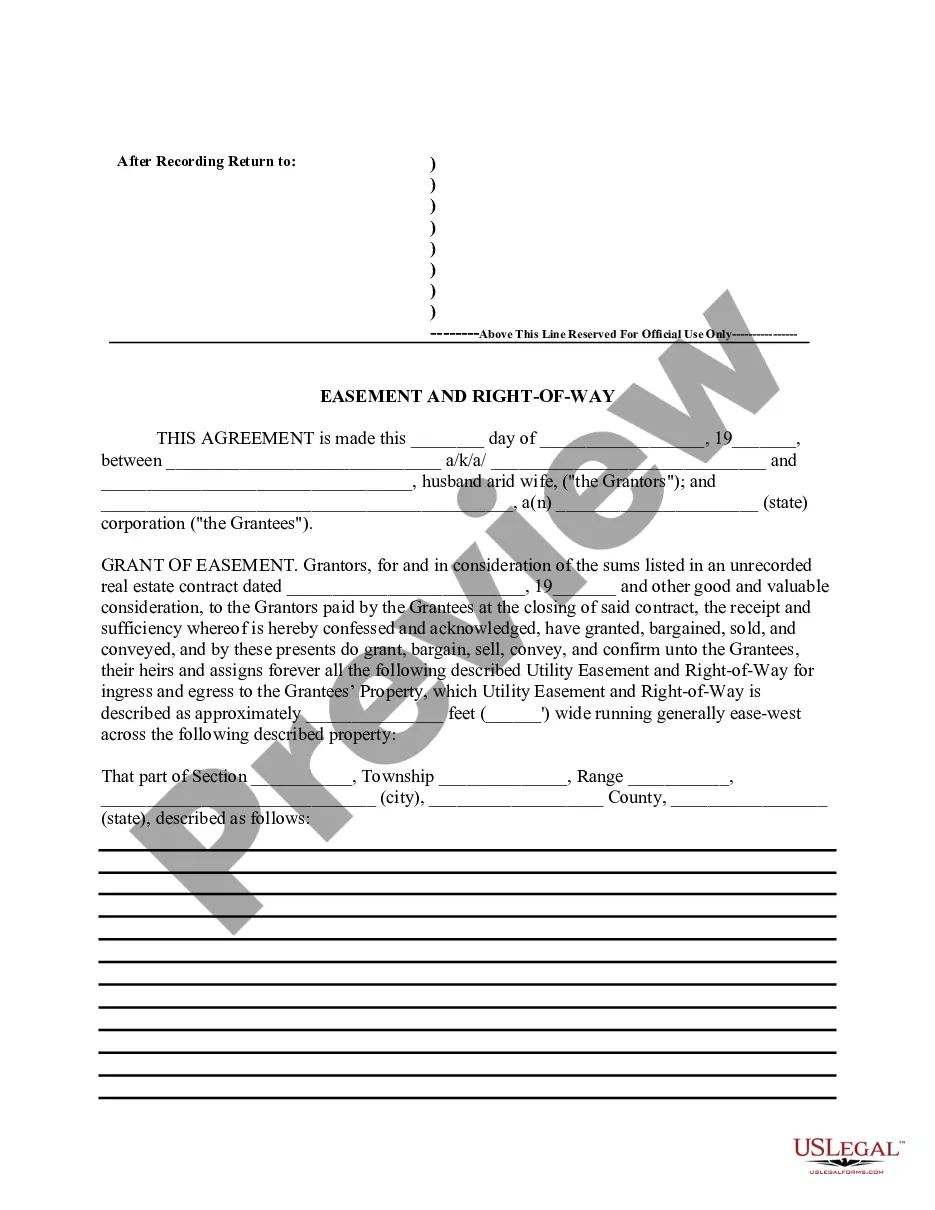
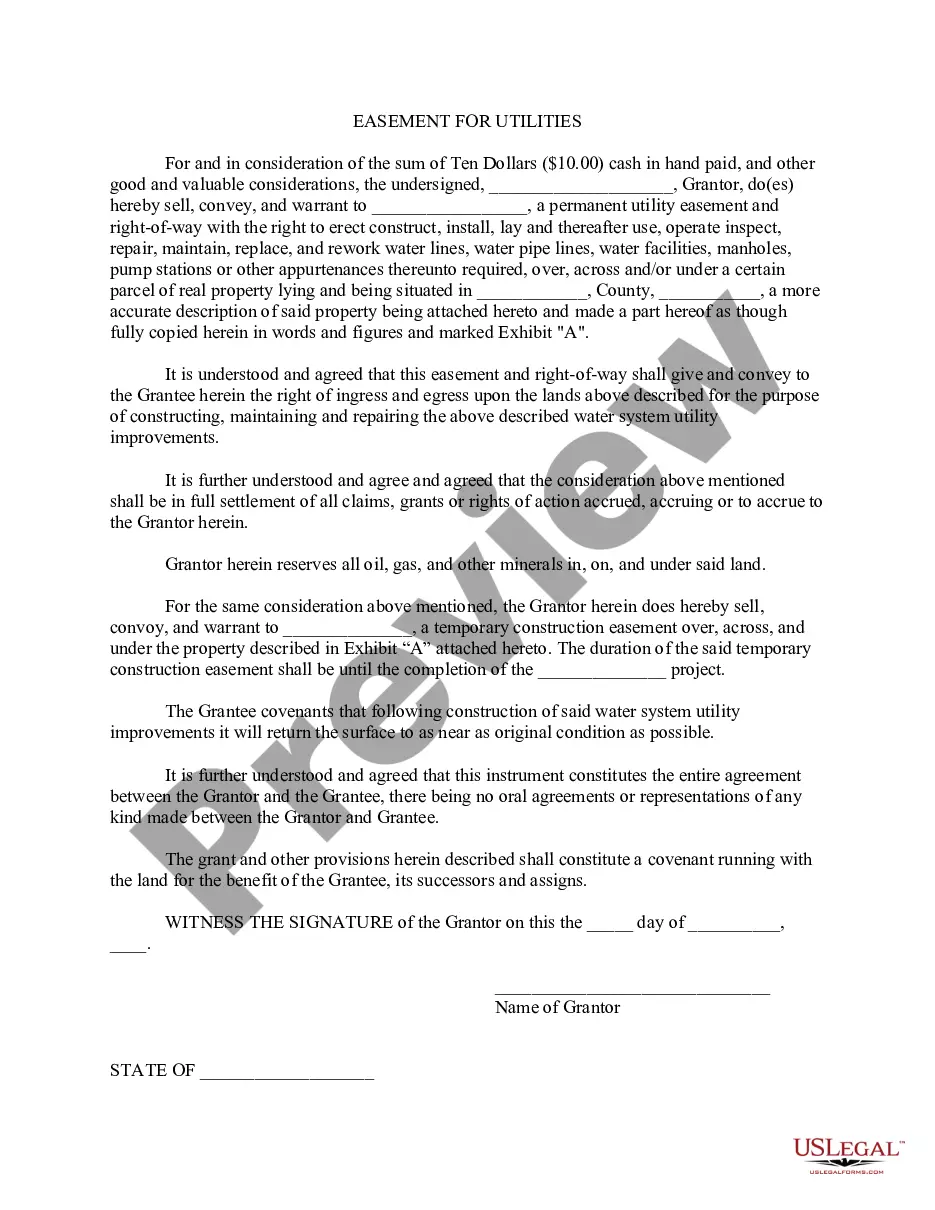
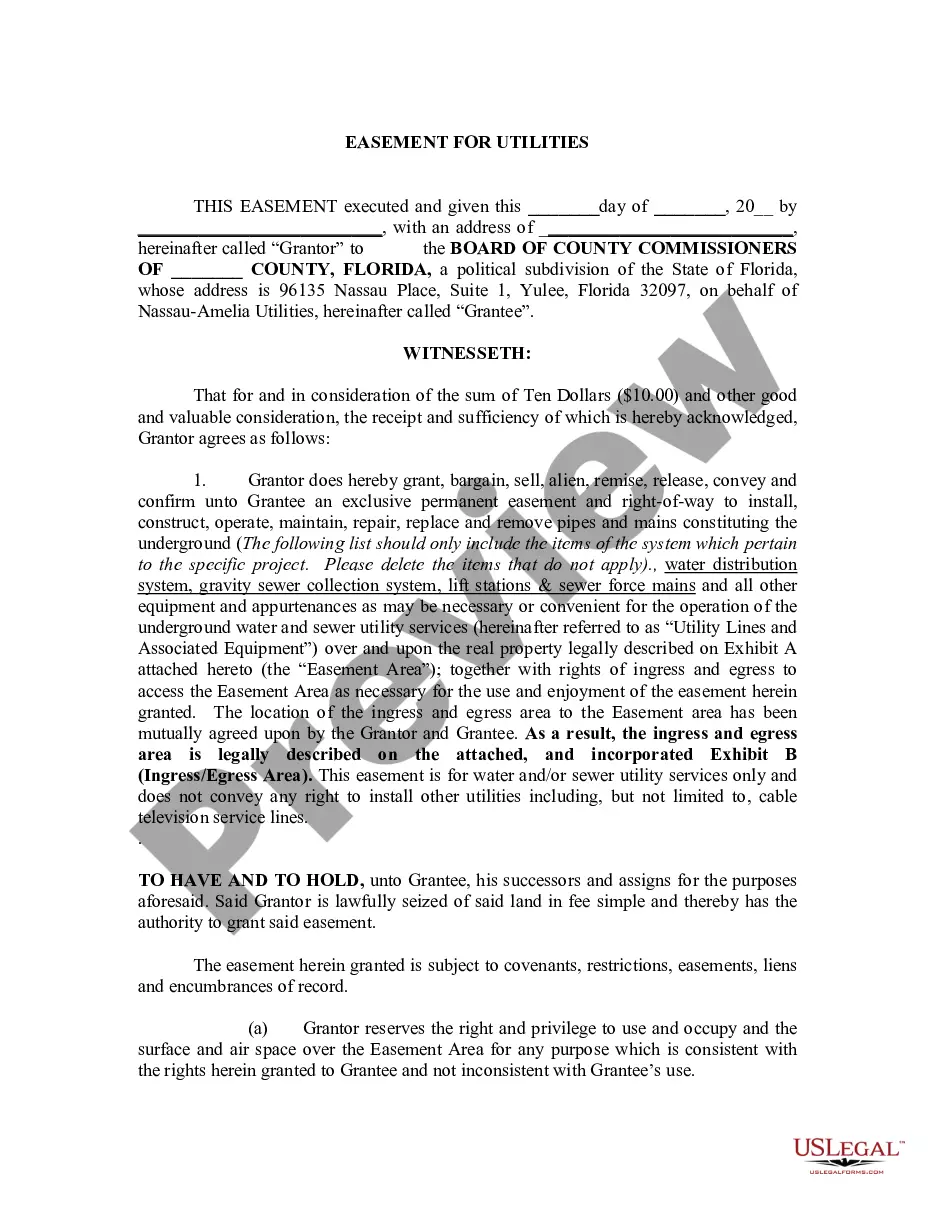
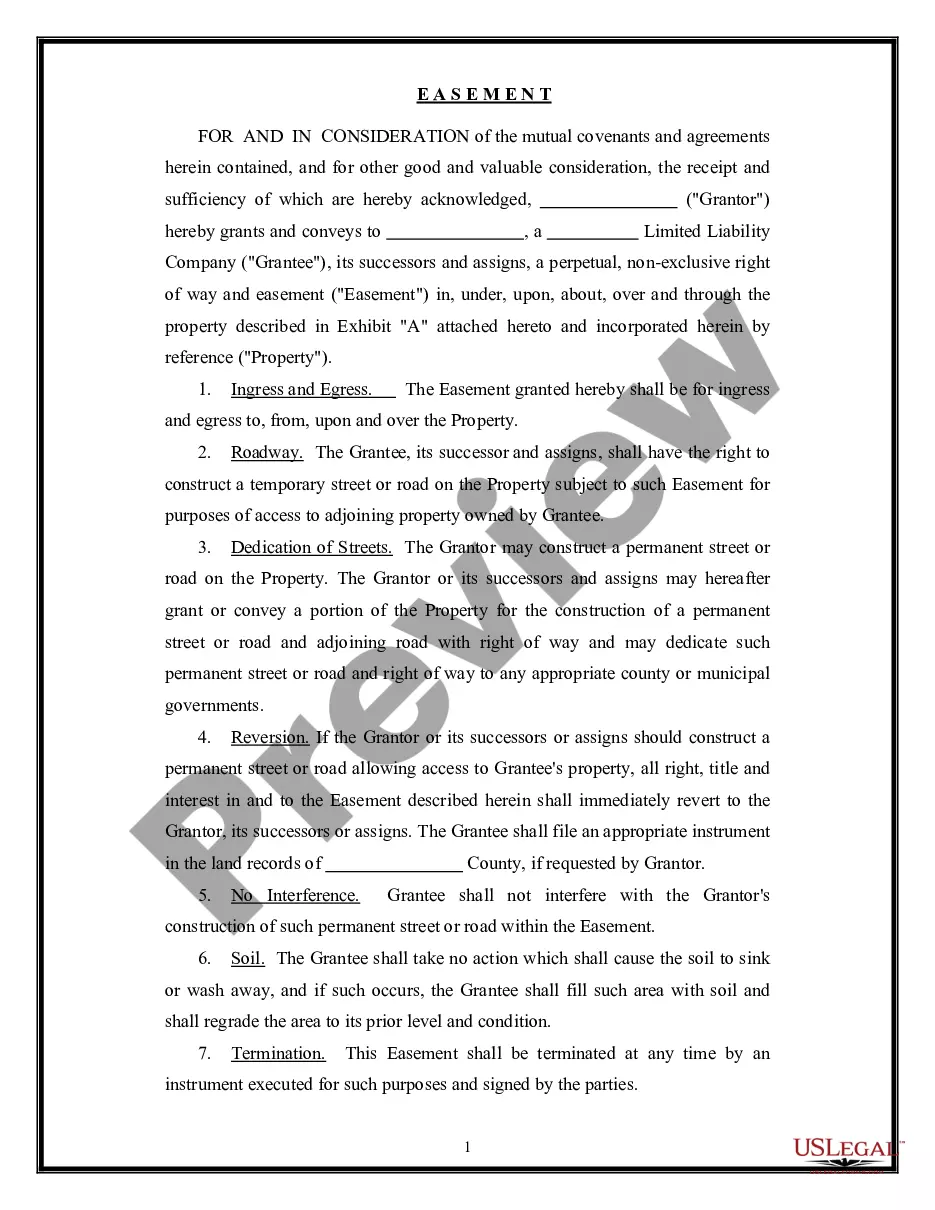
The Easement for Utilities, Streets - Subdivision is a legal document that grants a grantee the right to use a grantor's land for the installation and maintenance of utilities, such as water, electricity, and telecommunications. This form clarifies that while the grantee has rights to use the land for these specific purposes, the property remains under the ownership of the grantor, who retains rights to it for the duration of their life and can pass it on to their heirs. Unlike general easements, this form is tailored specifically for subdivisions, ensuring that utility services can be established without infringing on property ownership rights.
What’s included in this form
- Identification of the grantors and grantee involved
- Specific location and legal description of the easement area
- Defined width of the easement for ingress, egress, and utilities
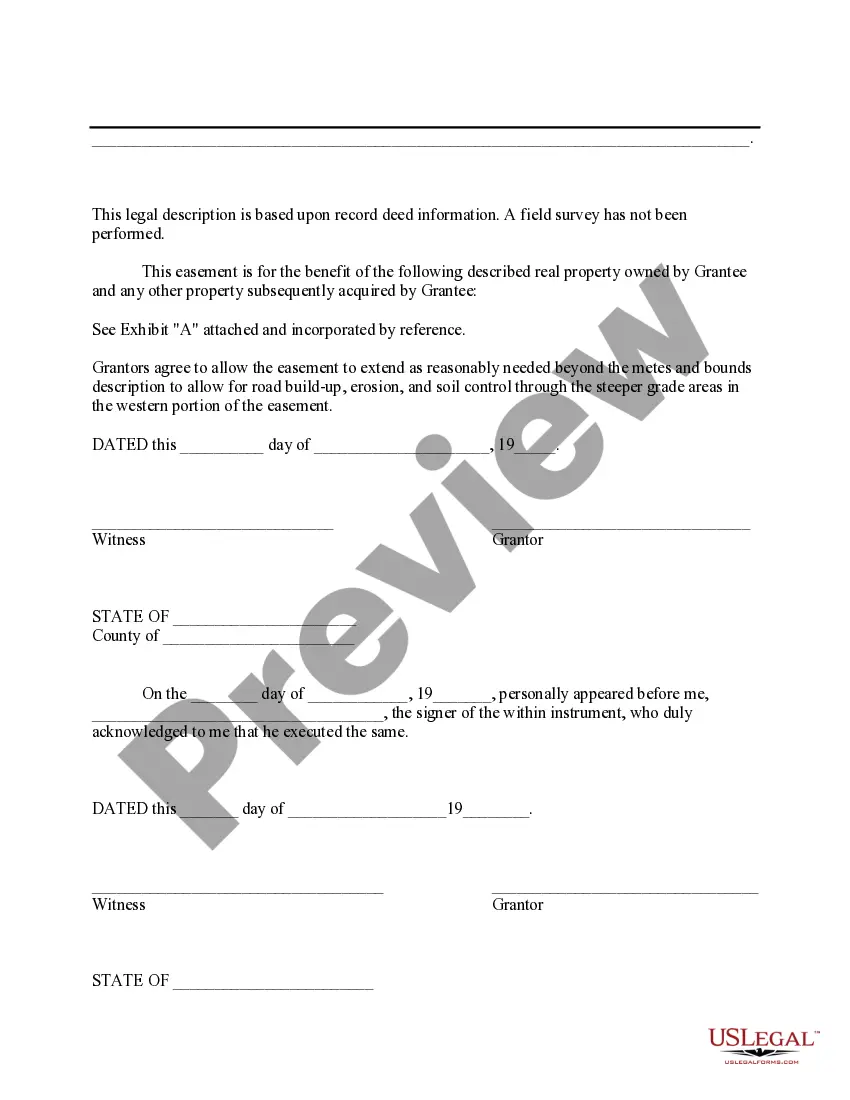
- Provisions regarding future property acquisitions by the grantee
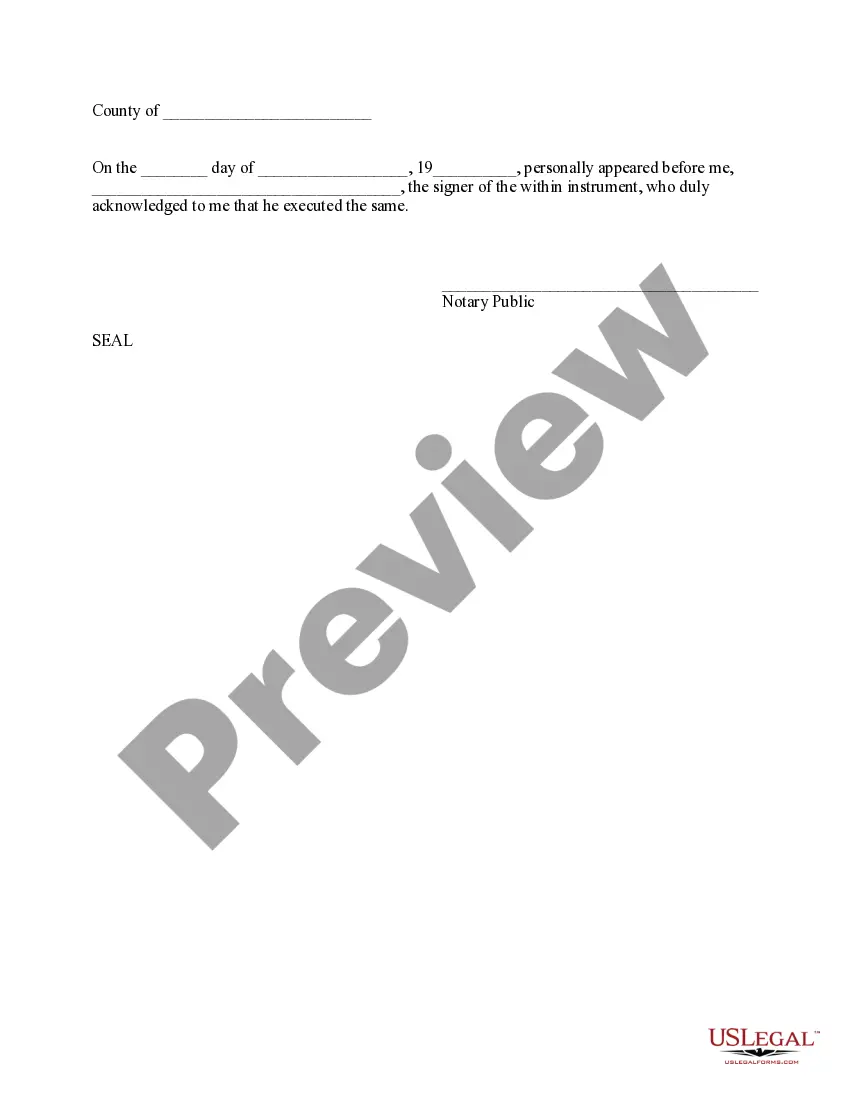
- Signatures of witnesses and notary for legal validation
When this form is needed
This form should be used in scenarios where a property owner wants to allow a utility provider or other entity the right to install and maintain services on their land within a subdivision. Common situations include establishing infrastructure for water, electricity, or communication services. If you are developing a subdivision and need to ensure access for utilities, this easement is essential.
Intended users of this form
- Property owners (grantors) in subdivisions
- Utility companies or other service providers (grantees) needing access to land
- Developers of residential subdivisions looking to formalize utility access
- Legal representatives managing real estate transactions involving easements
How to complete this form
- Identify and enter the names of the grantors and grantee.
- Provide the complete address and legal description of the property involved.
- Specify the exact width of the easement and its intended uses.
- Ensure all parties sign the form in the presence of a notary public.
- Record the document with the appropriate local records office to formalize the easement.
Notarization guidance
Notarization is required for this form to take effect. Our online notarization service, powered by Notarize, lets you verify and sign documents remotely through an encrypted video session, available 24/7.
Get your form ready online
Our built-in tools help you complete, sign, share, and store your documents in one place.
Make edits, fill in missing information, and update formatting in US Legal Forms—just like you would in MS Word.
Download a copy, print it, send it by email, or mail it via USPS—whatever works best for your next step.
Sign and collect signatures with our SignNow integration. Send to multiple recipients, set reminders, and more. Go Premium to unlock E-Sign.
If this form requires notarization, complete it online through a secure video call—no need to meet a notary in person or wait for an appointment.
We protect your documents and personal data by following strict security and privacy standards.

Make edits, fill in missing information, and update formatting in US Legal Forms—just like you would in MS Word.

Download a copy, print it, send it by email, or mail it via USPS—whatever works best for your next step.

Sign and collect signatures with our SignNow integration. Send to multiple recipients, set reminders, and more. Go Premium to unlock E-Sign.

If this form requires notarization, complete it online through a secure video call—no need to meet a notary in person or wait for an appointment.

We protect your documents and personal data by following strict security and privacy standards.
Typical mistakes to avoid
- Failing to provide a complete legal description of the property.
- Not specifying the width or uses of the easement clearly.
- Omitting witness signatures or notarization, if required.
- Neglecting to check local regulations regarding easements.
Benefits of using this form online
- Immediate access to downloadable and editable legal forms.
- Convenient completion and record-keeping for legal documents.
- Drafted by licensed attorneys to ensure legal accuracy.
- Ability to customize the form to fit specific property needs.
Looking for another form?


Form popularity
FAQ
When termed as a utility easement, it means a utility company's right to access and control the portion of another person's land that is located near utility facilities and structures (i.e. utility poles, transformers, overhead or underground electrical lines).
When termed as a utility easement, it means a utility company's right to access and control the portion of another person's land that is located near utility facilities and structures (i.e. utility poles, transformers, overhead or underground electrical lines).
So, having an easement on a property may have a permanent outcome on the property with rights of the home owner. But not all easements are bad.If you live in a rural area, you run into bad easement issues more often, typically where the easement was created by a parcel owner next to your land.
The bottom line is that developers and builders who are presented with utility company easement forms should not just sign them, but think about the kinds of issues they can present. It is easier to negotiate these concessions up front before the lines go in, than to ask the utility company to amend its easement later.
1. Easement in gross. In this type of easement, only property is involved, and the rights of other owners are not considered. For example, a public utility line easement would be an easement in gross and would be recorded in the public records.
Utility easements are one of the most common types of easements for private property, which generally allow public utility companies access to the property for the purpose of installing, repairing and maintaining utility lines.
An easement in gross is personal to the party that receives the benefit of easement. An example of an easement in gross is an easement to a utility company to run a power line across a burdened piece of property. The utility company is the benefited party and there isn't necessarily a benefited parcel of land.