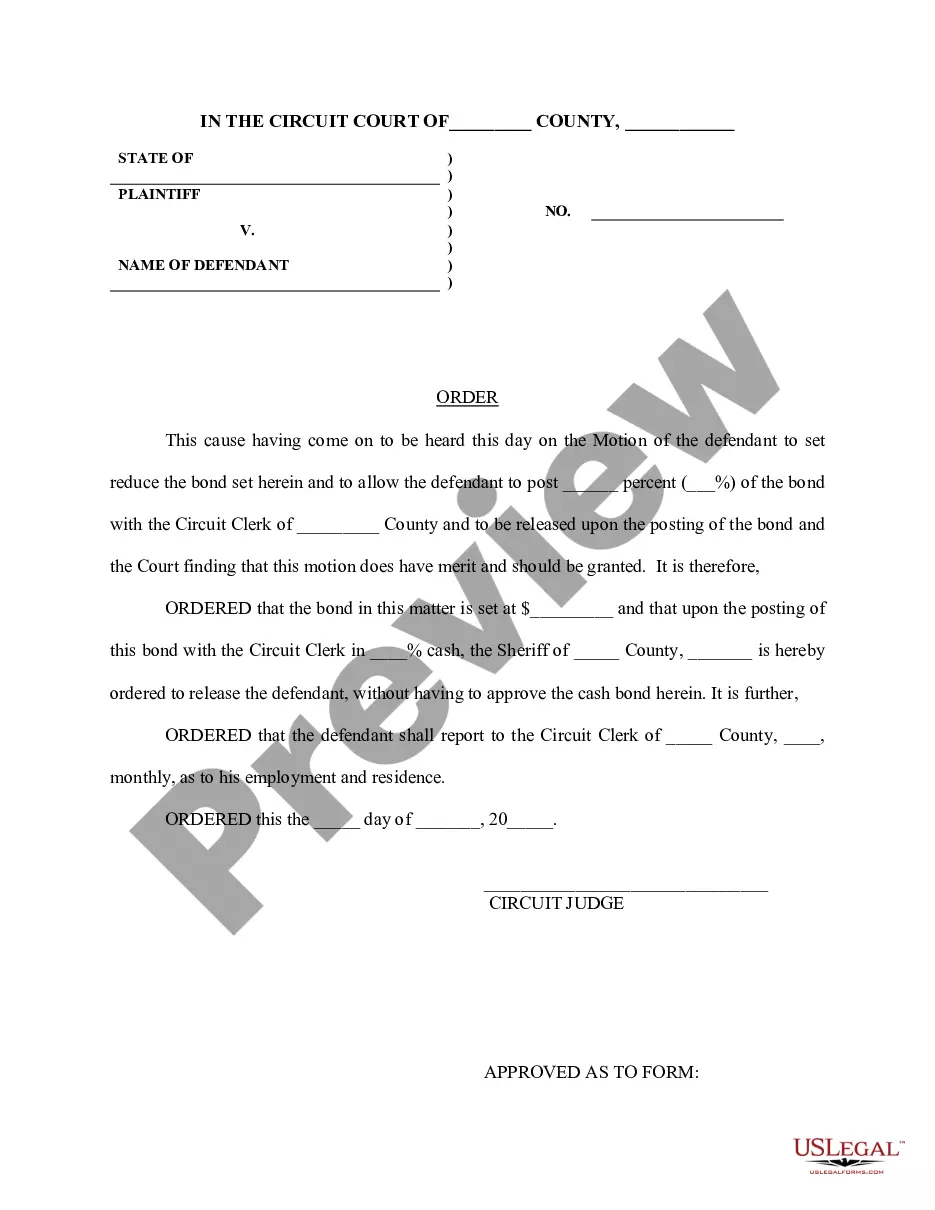
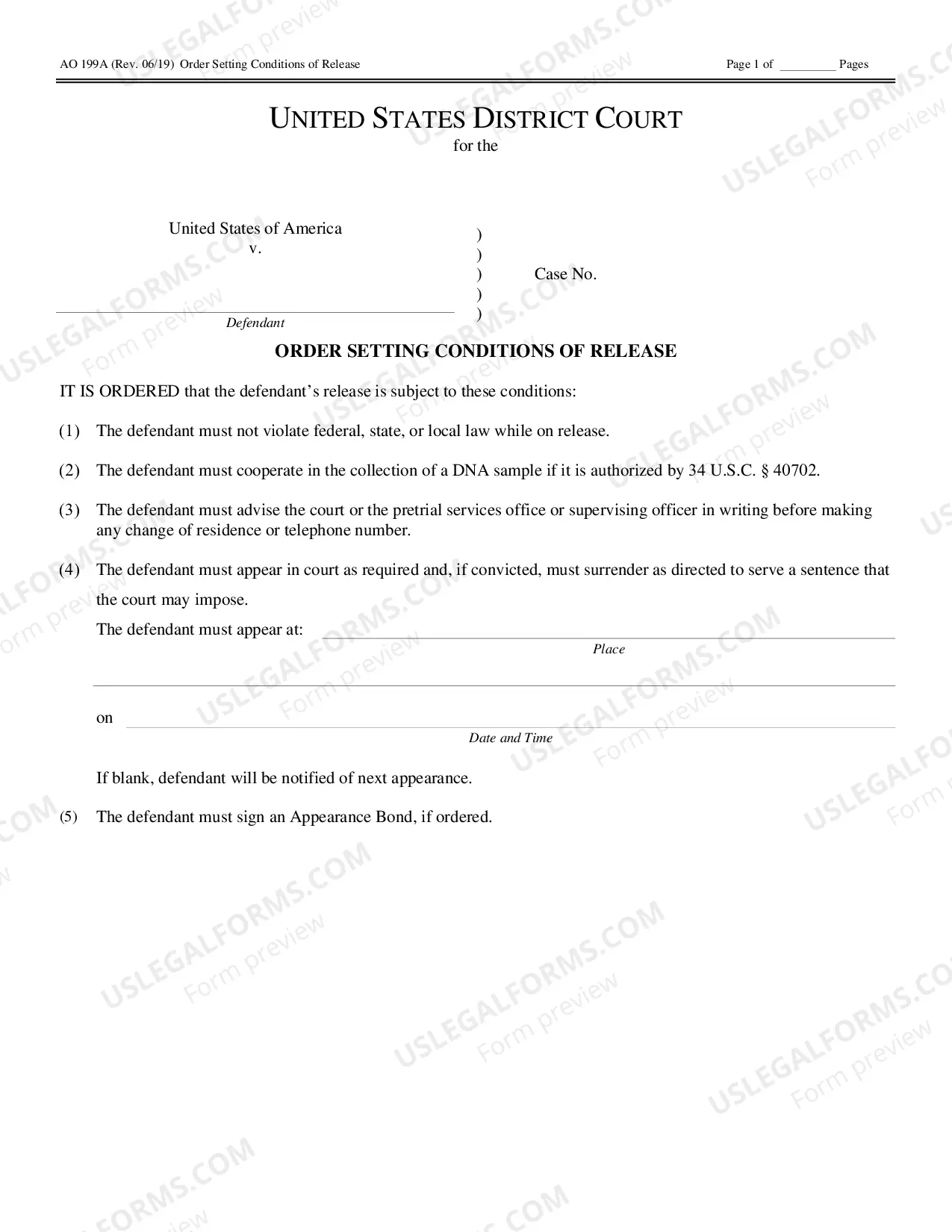
Iowa Order to reduce bond
Description
Get your form ready online
Our built-in tools help you complete, sign, share, and store your documents in one place.
Make edits, fill in missing information, and update formatting in US Legal Forms—just like you would in MS Word.
Download a copy, print it, send it by email, or mail it via USPS—whatever works best for your next step.
Sign and collect signatures with our SignNow integration. Send to multiple recipients, set reminders, and more. Go Premium to unlock E-Sign.
If this form requires notarization, complete it online through a secure video call—no need to meet a notary in person or wait for an appointment.
We protect your documents and personal data by following strict security and privacy standards.

Make edits, fill in missing information, and update formatting in US Legal Forms—just like you would in MS Word.

Download a copy, print it, send it by email, or mail it via USPS—whatever works best for your next step.

Sign and collect signatures with our SignNow integration. Send to multiple recipients, set reminders, and more. Go Premium to unlock E-Sign.

If this form requires notarization, complete it online through a secure video call—no need to meet a notary in person or wait for an appointment.

We protect your documents and personal data by following strict security and privacy standards.
Looking for another form?




How to fill out Order To Reduce Bond?
You might spend numerous hours online searching for the legal document template that meets the state and federal requirements you require. US Legal Forms provides thousands of legal forms that can be reviewed by experts.
You can obtain or create the Iowa Order to reduce bond from our services. If you have a US Legal Forms account, you can Log In and click on the Download button. After that, you can complete, modify, print, or sign the Iowa Order to reduce bond. Each legal document template you acquire is yours permanently.
To get another copy of any purchased form, go to the My documents tab and click on the appropriate button. If you are using the US Legal Forms site for the first time, follow the simple instructions below: First, ensure that you have chosen the correct document template for the region/town of your choice. Review the form outline to confirm you have selected the correct form. If available, utilize the Preview button to browse through the document template as well.
- To find another version of the form, use the Search field to locate the template that meets your needs and specifications.
- Once you have identified the template you wish to use, click Purchase now to proceed.
- Select the payment plan you prefer, enter your credentials, and register for your account on US Legal Forms.
- Complete the transaction. You can use your credit card or PayPal account to pay for the legal form.
- Choose the format of the document and download it to your device.
- Make modifications to your document if needed. You can complete, edit, sign, and print the Iowa Order to reduce bond.
- Download and print thousands of document templates using the US Legal Forms Website, which offers the largest collection of legal forms. Utilize professional and state-specific templates to address your business or personal needs.
Form popularity
FAQ
If you want the money released before the case is finished, there is a process to revoke a bond, which includes a written request to the court in order for a hearing to be set. At the hearing the judge will decide if the defendant should be placed back in jail so that your money can be returned to you.
The magistrate will state that anything the defendant says can be used against him, and that no statement needs to be made by the defendant regarding the circumstances of the crime. The defendant may also be asked if the contact/personal information on the complaint is accurate and complete.
Cash bonds are only released upon order of a judge or dismissal of the charges. The bond can only be returned to the person who posted the bond. Regardless of who posted the bond, the bond may be held by the clerk of court to be applied to any amount the person who posted the bond owes to the State of Iowa.
Usually, when you see the judge in court in the morning at your initial appearance, the judge will set your bail, which may be the same or more or less than what the warrant or sheriff set it. Sometimes there is no bail amount until you first see the judge, which means you will remain in custody until then.
A surety bond is posted by a bonding company. The company usually requires the accused to pay 10% of the bail amount as a fee. If the accused ?jumps bail? by failing to appear in court, the bonding company owes the full amount to the court. The accused then owes that money to the bonding company.
If the judge grants bail, the defendant can pay the set amount directly to the court to secure their release from jail until the trial date. Once the trial ends, regardless of the outcome ? whether found guilty or innocent, whether the charges are dropped or the case is dismissed ? the person gets the bail money back.
One of the conditions of bond printed on the backside of your bail bond receipt, and told to you by the judge setting bail, is: you cannot leave the state without permission of the court. If you leave the state without permission, you will have violated the conditions of bail.