Iowa Fencing Contract for Contractor
Overview of this form
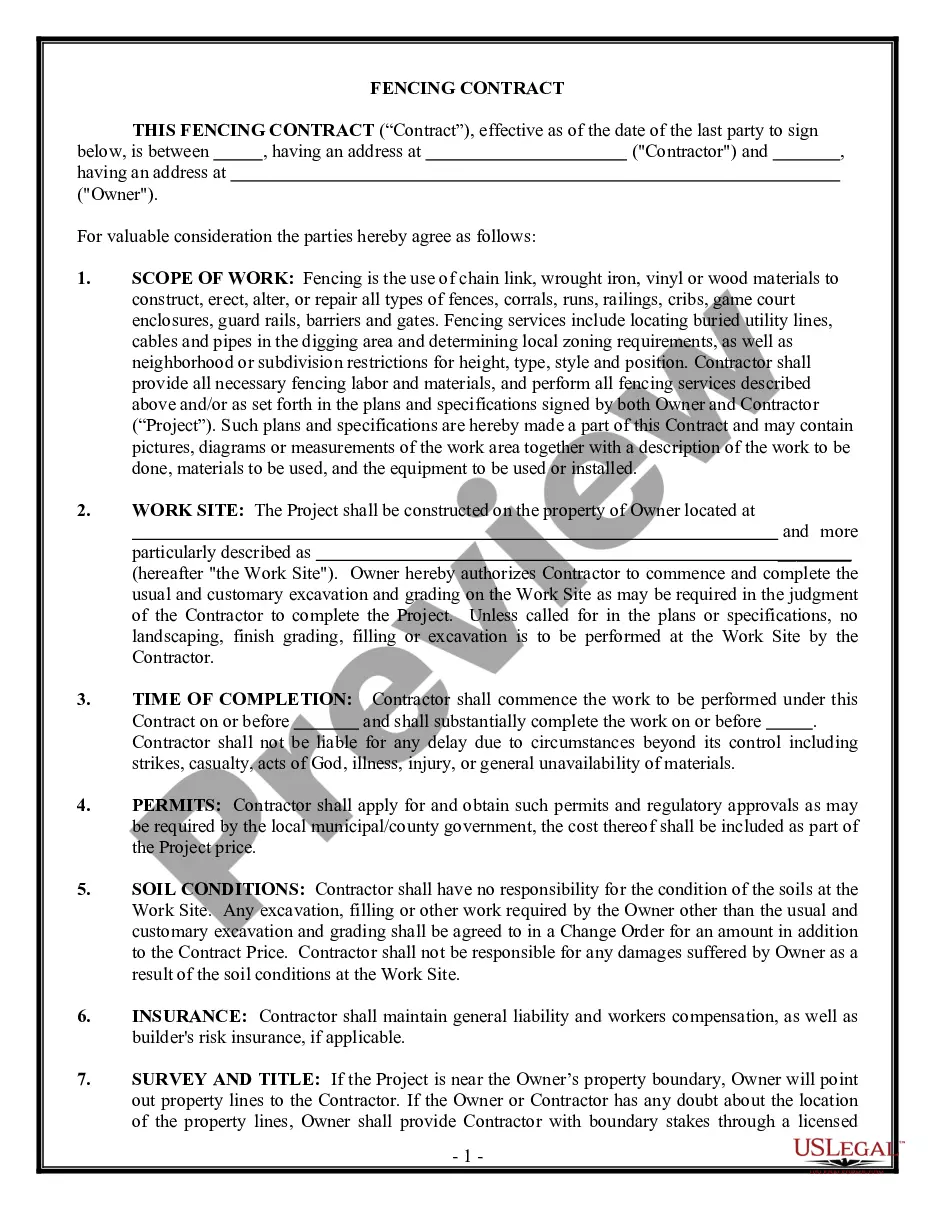
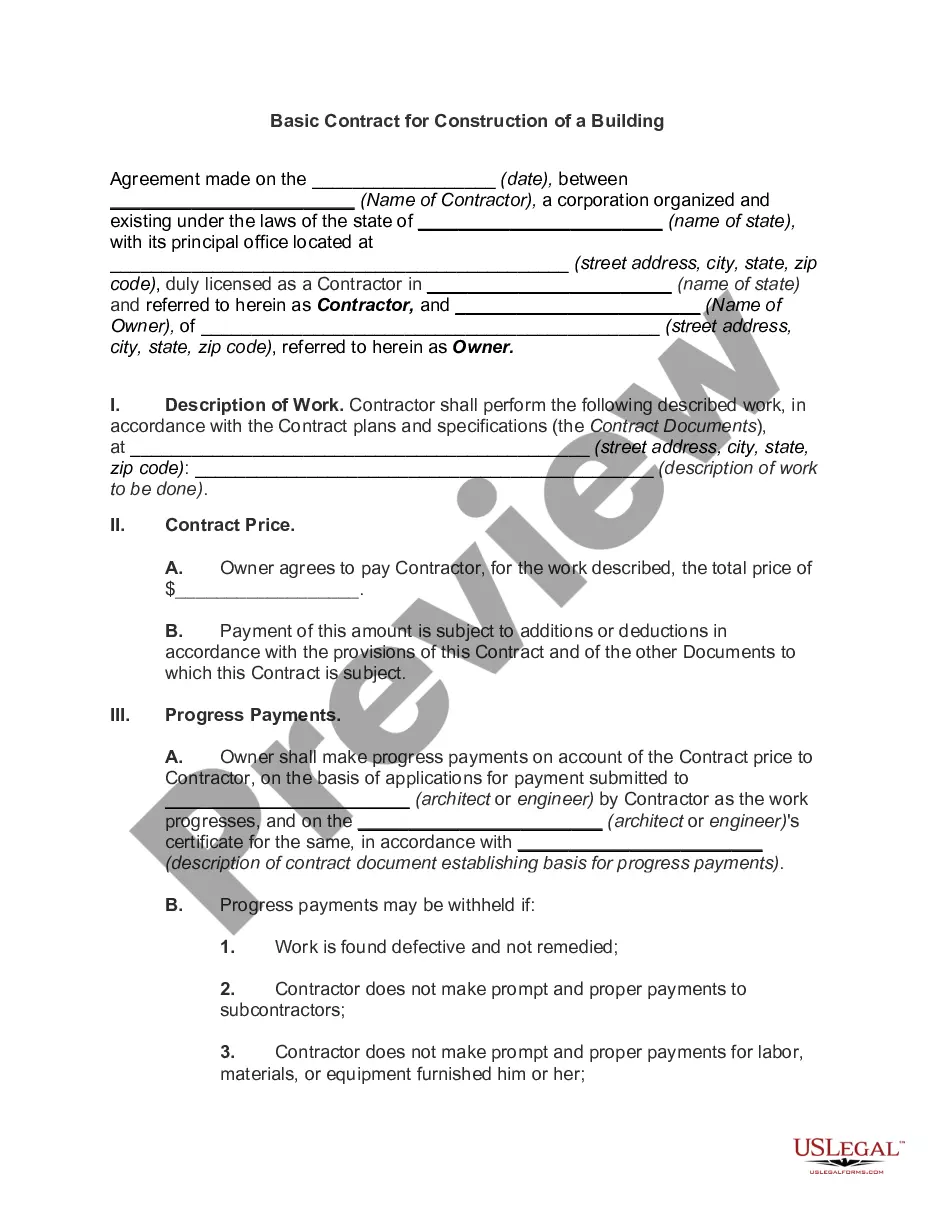
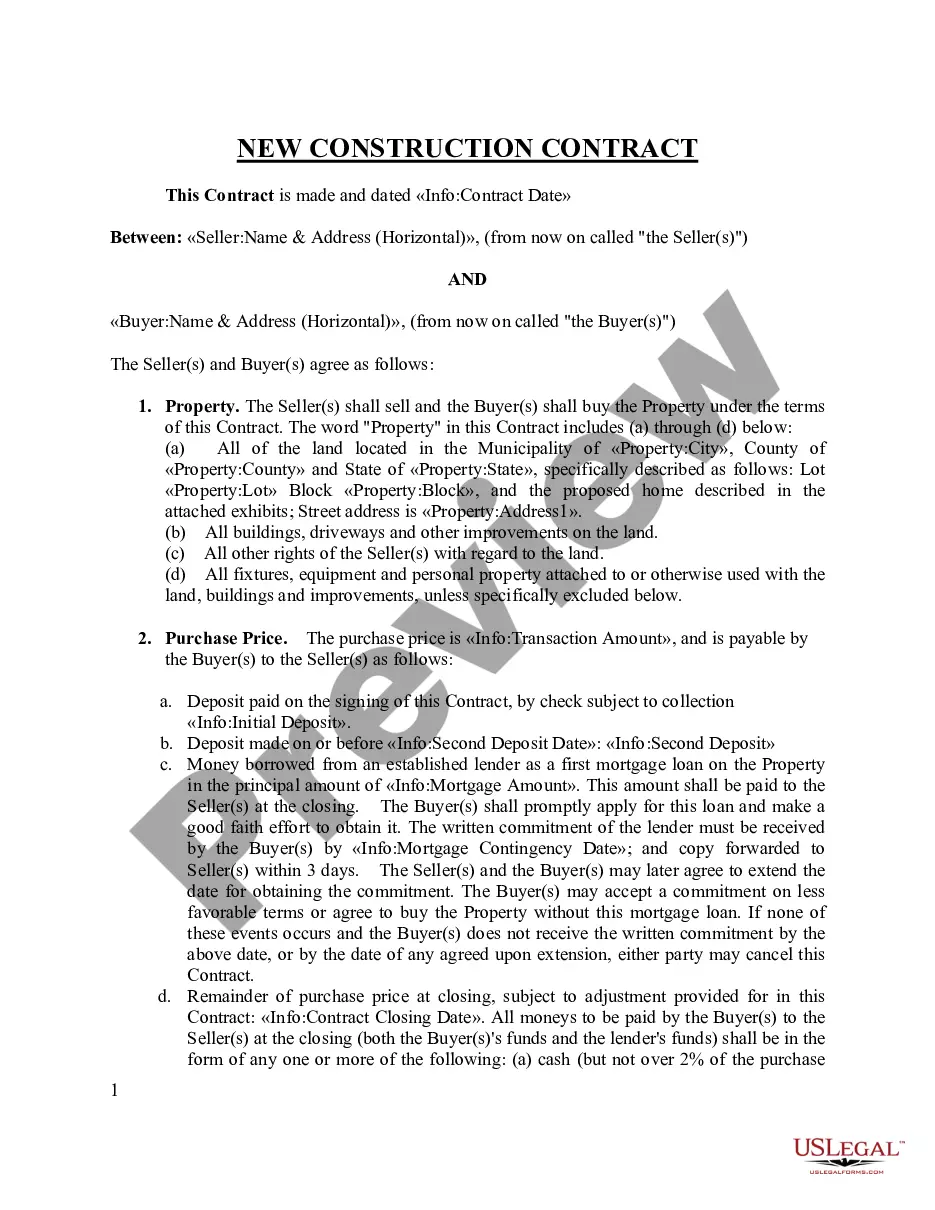
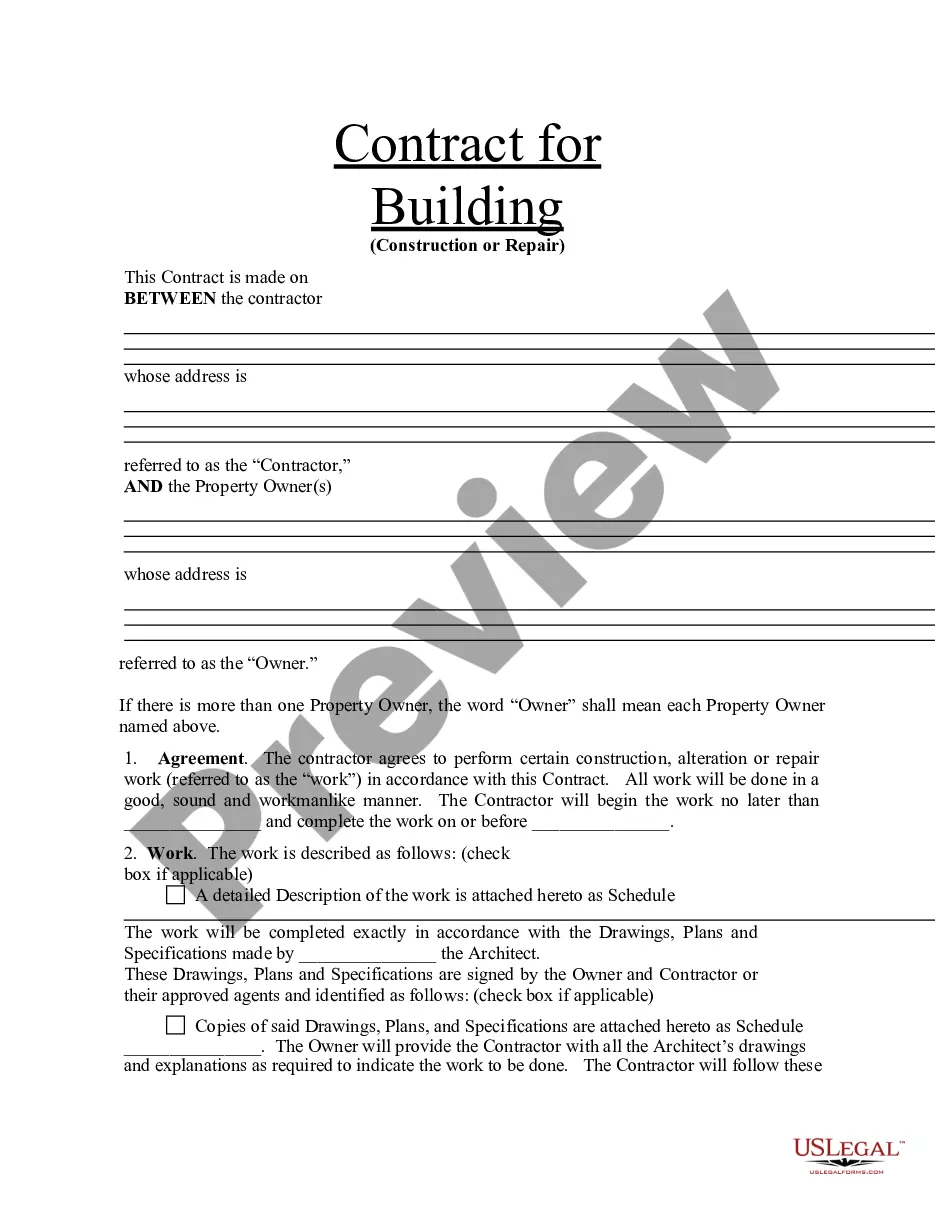
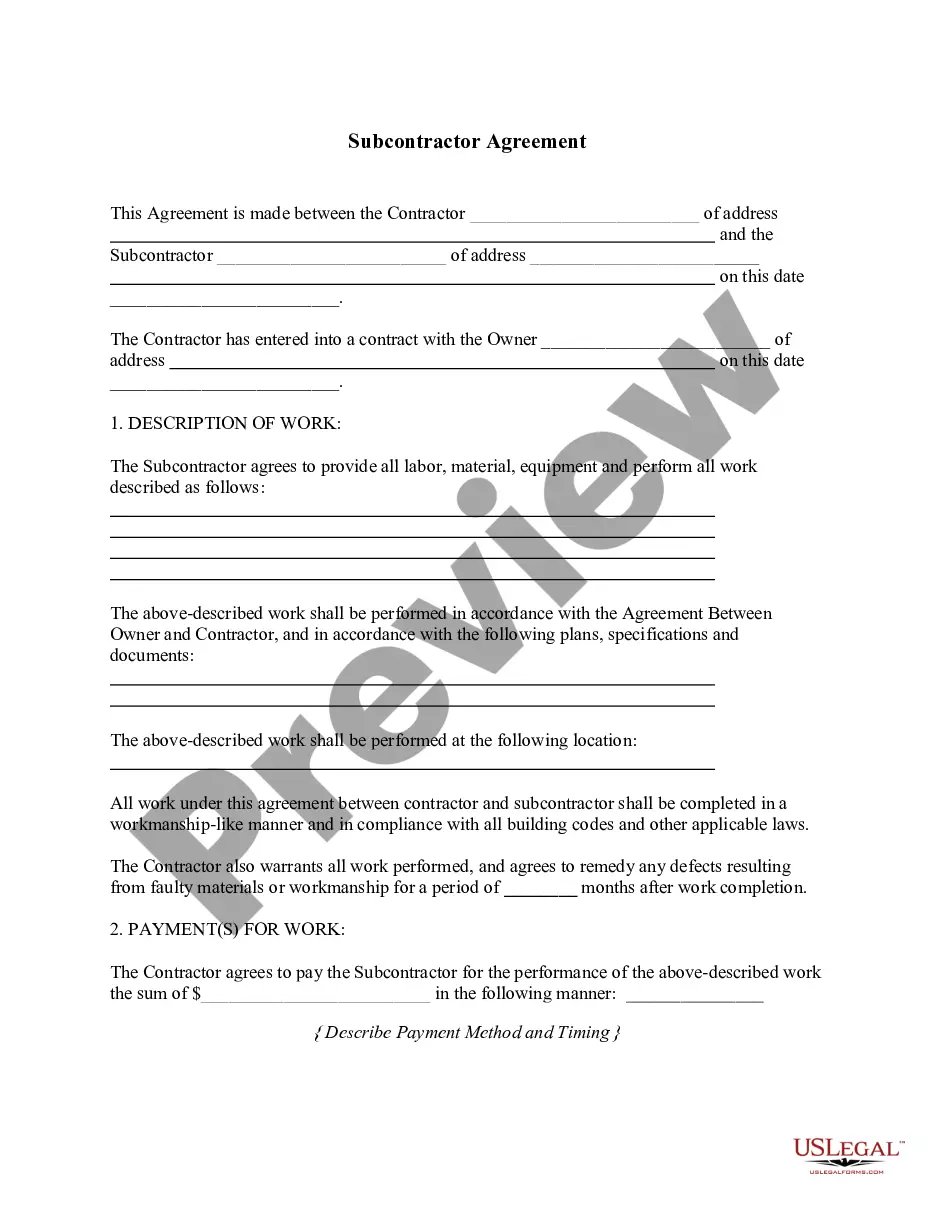
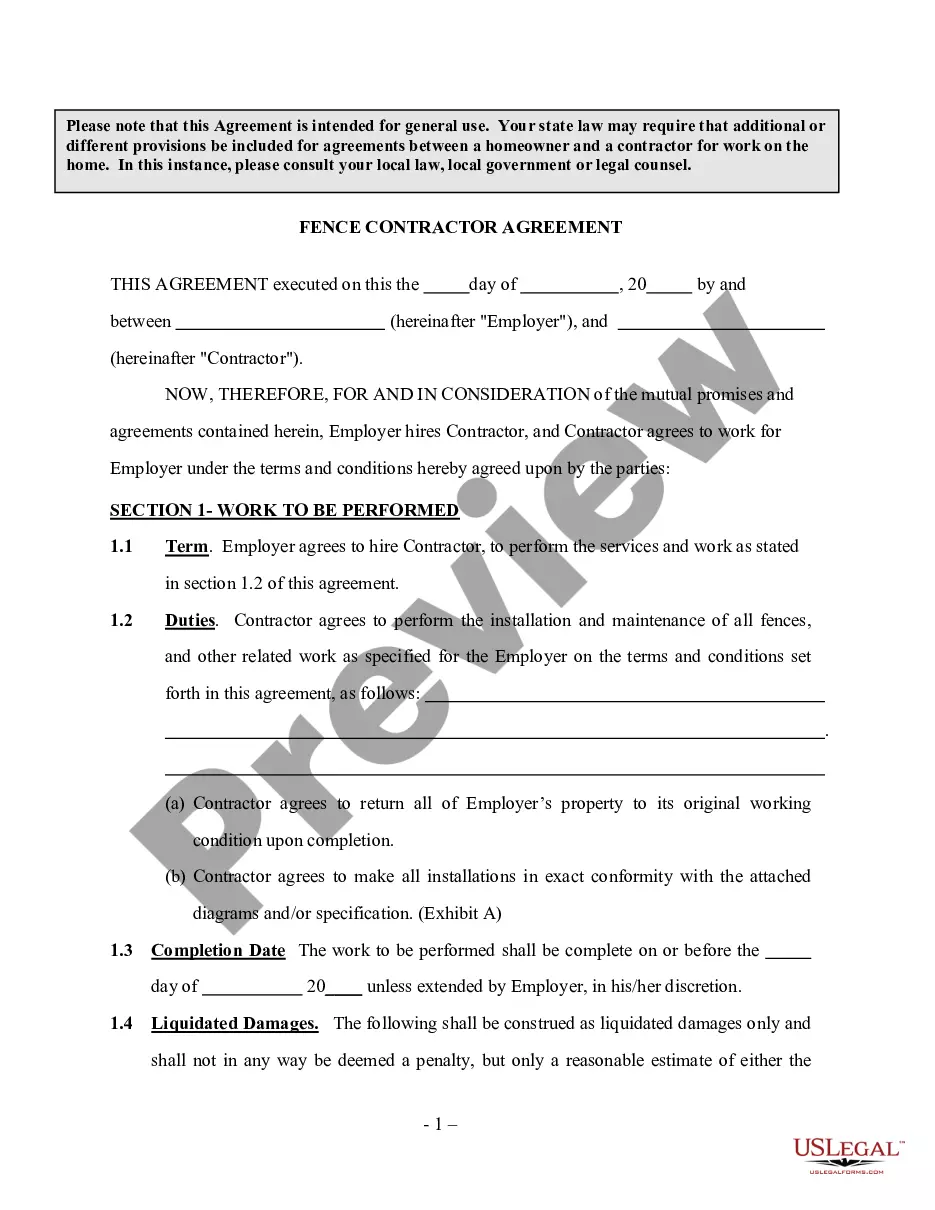
This Fencing Contract for Contractor is a legal document used to formalize an agreement between fencing contractors and property owners. It outlines the project's scope, payment terms, and responsibilities of both parties, differentiating itself from other construction contracts by focusing specifically on fencing work. This form has been drafted to comply with the laws of Iowa, providing legal assurance and clarity for all involved parties.
Form components explained
- Work site details including the specific location of the project.
- Permits: Responsibilities for obtaining necessary permits.
- Soil conditions: Clarification of contractor's non-responsibility regarding soil issues.
- Insurance requirements for the contractor.
- Change orders: Process for modifying the scope of work.
- Payment terms, including conditions for late payment and default.
- Warranties related to workmanship and materials.
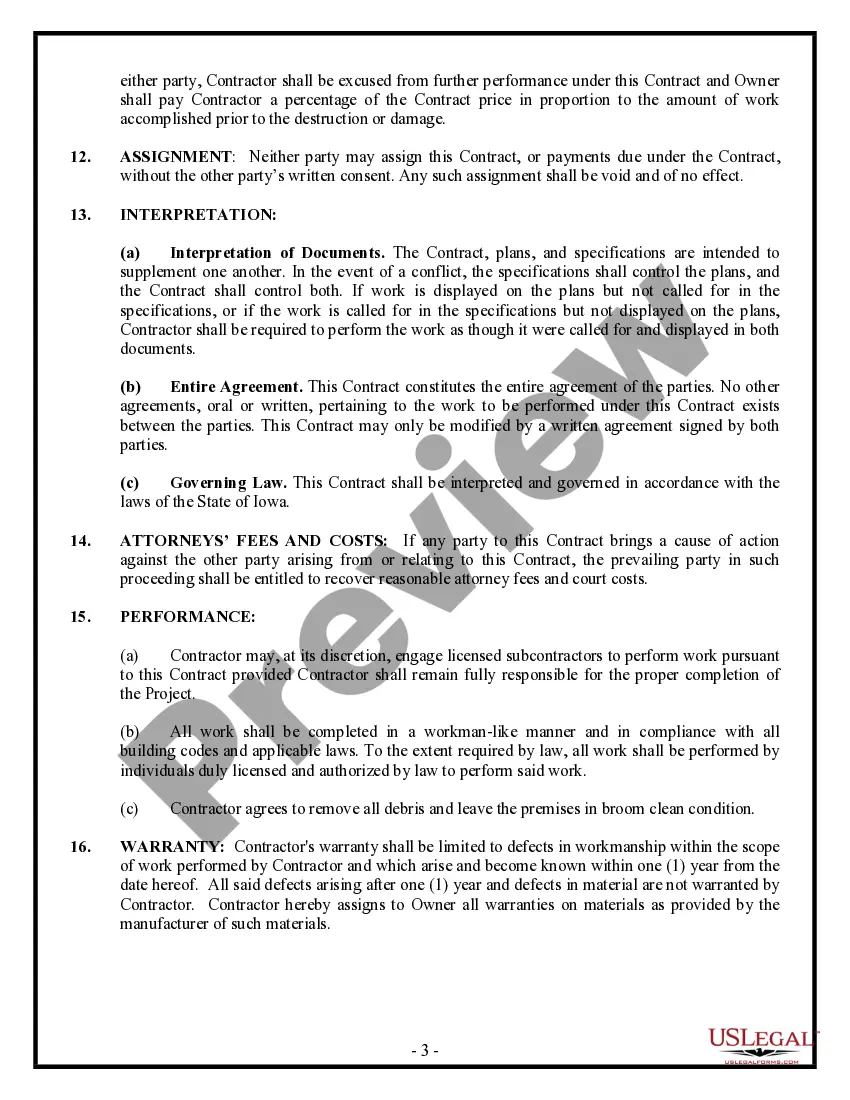
- Conditions for assignment of the contract.

Common use cases
This form should be used when a property owner hires a fencing contractor to install, repair, or replace a fence. It is essential when defining the project's scope, budget, and timeline. Use this contract whenever the terms of the construction need to be documented, particularly in cases involving significant financial investment or when special considerations (like local regulations or unique site conditions) are present.
Who needs this form
- Property owners looking to hire a fencing contractor.
- Fencing contractors seeking to establish a clear agreement with property owners.
- Individuals or businesses involved in fencing projects in Iowa.
How to complete this form
- Identify the parties involved: Clearly enter the names and contact details of both the contractor and the property owner.
- Specify the property: Include the address of the work site.
- Outline the project details: Describe the scope of work and any specific requirements.
- Enter payment terms: Indicate whether the payment arrangement is cost plus or fixed fee.
- Agree on change order procedures: Detail how changes to the project will be handled and documented.
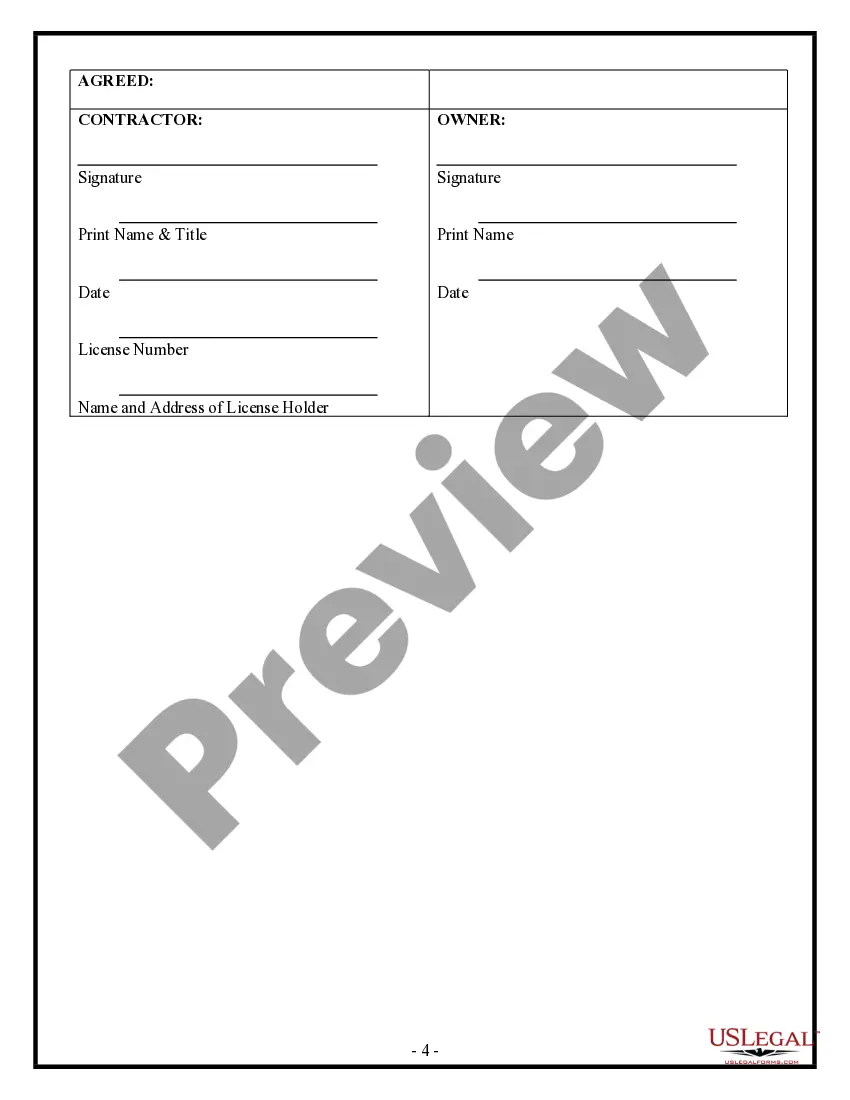
- Obtain signatures: Ensure both parties sign and date the contract to make it legally binding.
Is notarization required?
Notarization is not commonly needed for this form. However, certain documents or local rules may make it necessary. Our notarization service, powered by Notarize, allows you to finalize it securely online anytime, day or night.
Get your form ready online
Our built-in tools help you complete, sign, share, and store your documents in one place.
Make edits, fill in missing information, and update formatting in US Legal Forms—just like you would in MS Word.
Download a copy, print it, send it by email, or mail it via USPS—whatever works best for your next step.
Sign and collect signatures with our SignNow integration. Send to multiple recipients, set reminders, and more. Go Premium to unlock E-Sign.
If this form requires notarization, complete it online through a secure video call—no need to meet a notary in person or wait for an appointment.
We protect your documents and personal data by following strict security and privacy standards.

Make edits, fill in missing information, and update formatting in US Legal Forms—just like you would in MS Word.

Download a copy, print it, send it by email, or mail it via USPS—whatever works best for your next step.

Sign and collect signatures with our SignNow integration. Send to multiple recipients, set reminders, and more. Go Premium to unlock E-Sign.

If this form requires notarization, complete it online through a secure video call—no need to meet a notary in person or wait for an appointment.

We protect your documents and personal data by following strict security and privacy standards.
Common mistakes
- Failing to specify the project location accurately.
- Not including necessary permits in the scope of work.
- Neglecting to address late payment terms.
- Overlooking the importance of completing change orders in writing.
- Not reviewing the insurance requirements carefully.
Advantages of online completion
- Convenient access to legally vetted documents at any time.
- Edit and customize the form to suit specific project needs.
- Eliminate the stress of drafting from scratch with professionally drafted templates.
Legal use & context
- This form provides a clear understanding of the contractual obligations between property owners and fencing contractors.
- Proper completion ensures legal enforceability of the agreement.
- Failure to comply with specified terms can lead to disputes or contract termination.
Main things to remember
- The Fencing Contract is essential for outlining the terms of fencing projects.
- Both parties need to clearly understand their responsibilities and rights.
- State-specific considerations are key to ensuring legality and compliance.
Looking for another form?


Form popularity
FAQ
Generally, general contractor licenses tend to be easier to acquire in many states, including Iowa. The requirements often involve a simple application process and proof of experience rather than extensive exams. If you are preparing for an Iowa fencing contract for contractor, understanding the licensing landscape can be beneficial. Always confirm this information according to your local regulations to find the right contractor.
Yes, it is crucial for a contractor to be licensed. Licensing indicates that the contractor has met certain standards and understands the regulations in your state. For your Iowa fencing contract for contractor, hiring a licensed professional not only ensures compliance but also reflects commitment to quality workmanship. You can feel confident that your project adheres to local laws and safety standards.
Several states do not require a contractor's license, including Montana, Wyoming, and New Hampshire. In these regions, contractors can operate without formal licensing, but this can vary significantly. However, even in states without licensing, it’s wise to check for insurance and references before entering into an Iowa fencing contract for contractor. This practice can protect your interests and ensure quality work.
To verify if a contractor is licensed in Iowa, visit the Iowa Division of Labor’s website. They provide a searchable database where you can enter the contractor’s name or license number. Confirming a license ensures you work with a credible professional for your Iowa fencing contract for contractor. This step adds security to your project and helps you avoid issues down the road.
In Iowa, the need for a handyman to have a license can depend on the services they provide. While minor repairs may not require licensing, more extensive work, like fencing, usually does. To ensure you are compliant, it's wise to reference your Iowa Fencing Contract for Contractor when determining licensing needs.
Writing a contract for contractors, such as an Iowa Fencing Contract for Contractor, involves several key elements. Start by clearly defining the scope of work, payment terms, and timelines. Additionally, include clauses for dispute resolution and any specific project requirements. Ultimately, a well-crafted contract protects both parties and ensures project success.
Creating a fence contract is a straightforward process that involves several key elements. Start by detailing the scope of work, including materials and installation timelines, in your Iowa Fencing Contract for Contractor. Including both parties' information and payment terms will help avoid misunderstandings. For ease, you can use platforms like uslegalforms to help draft a comprehensive contract.
In Iowa, lawn mowing services are typically not subject to sales tax. However, if you include lawn care within your Iowa Fencing Contract for Contractor that also covers landscaping, the tax situation may differ. It's wise to clarify these details to avoid confusion with clients. Reviewing Iowa tax law can provide you with a clearer understanding of these tax regulations.
A fencing contractor is a professional who specializes in the installation and repair of fences. They understand various materials and designs, and can effectively create an Iowa Fencing Contract for Contractor services that outline project specifics. Their expertise ensures that your fencing project meets your needs and adheres to local regulations. Engaging a professional can save you time and effort.
Yes, many contractors in Iowa are required to hold a license. When you draft an Iowa Fencing Contract for Contractor services, verifying that your contractor is properly licensed can ensure that your project meets state regulations. A licensed contractor not only brings credibility but also ensures quality work. Therefore, check with local authorities before you begin.