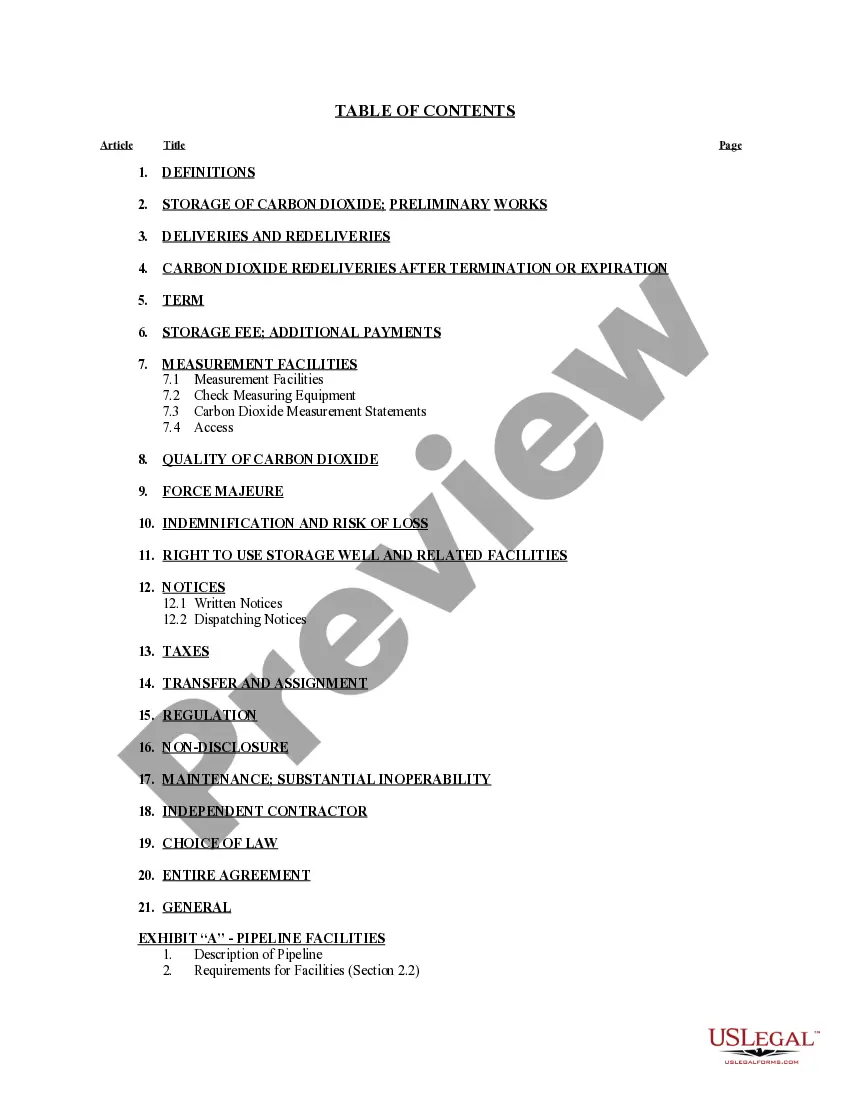
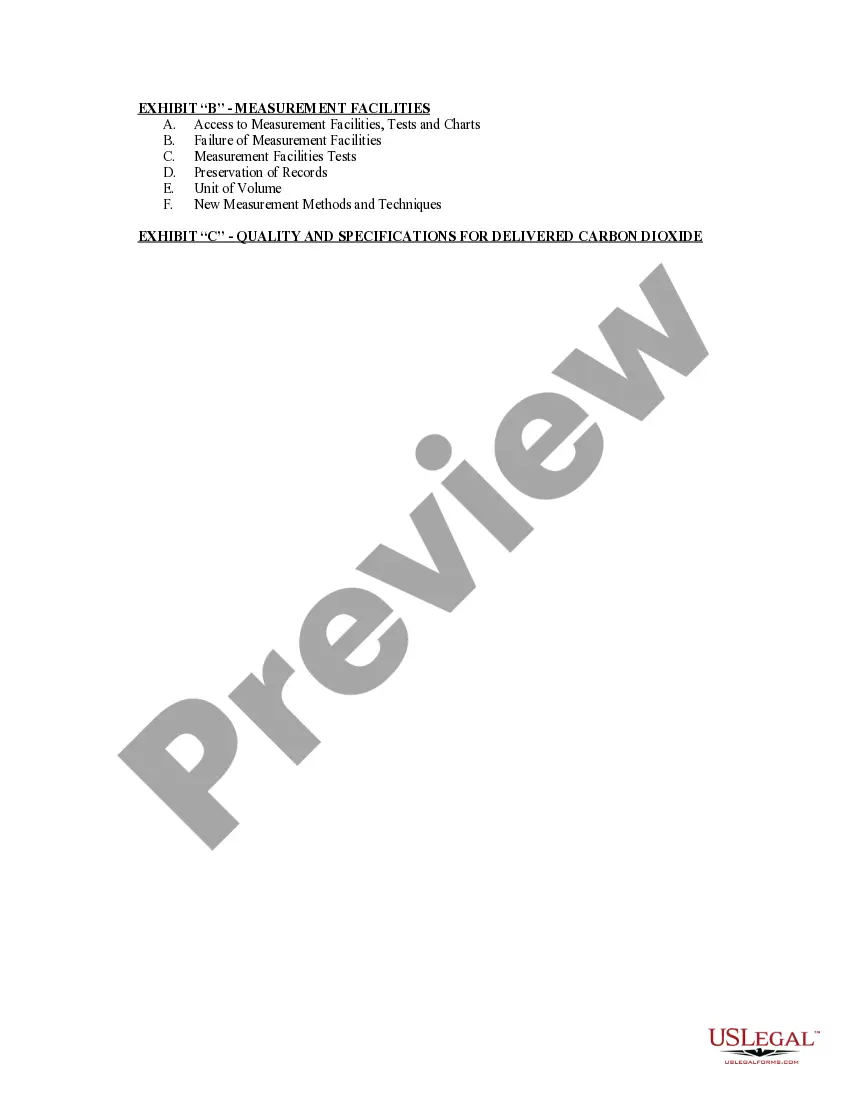
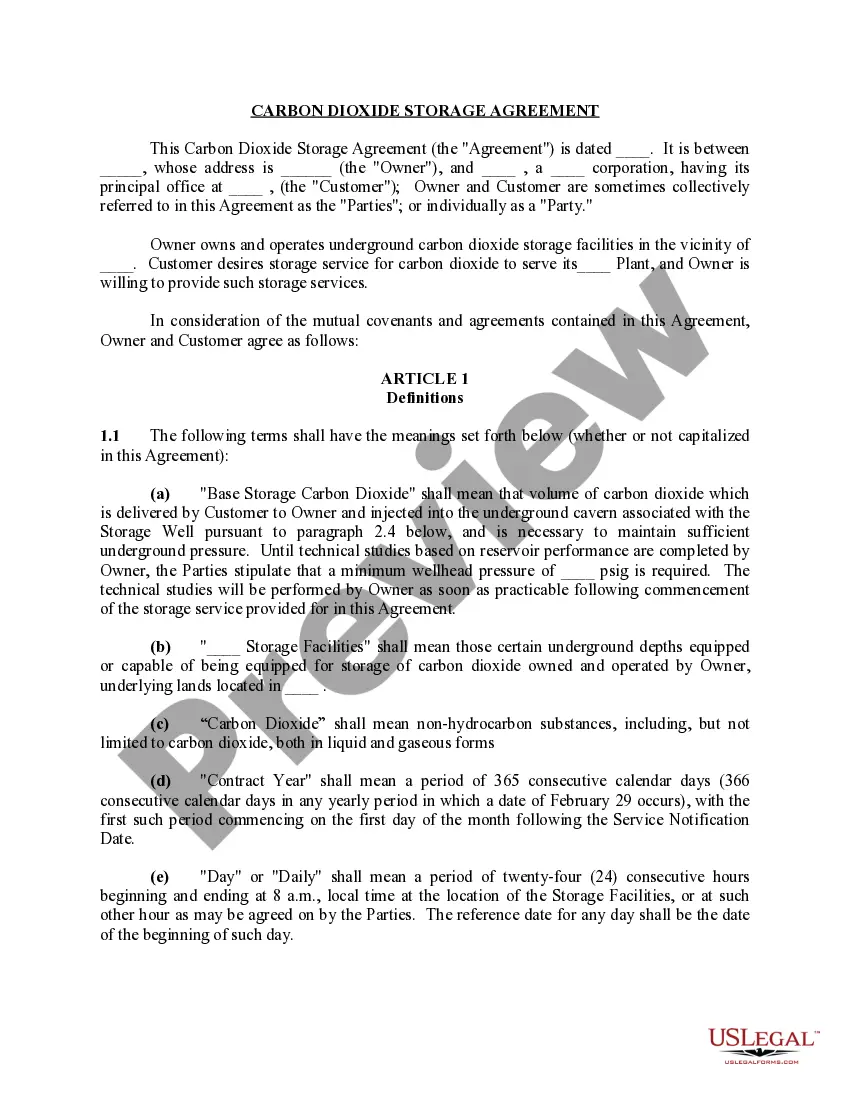
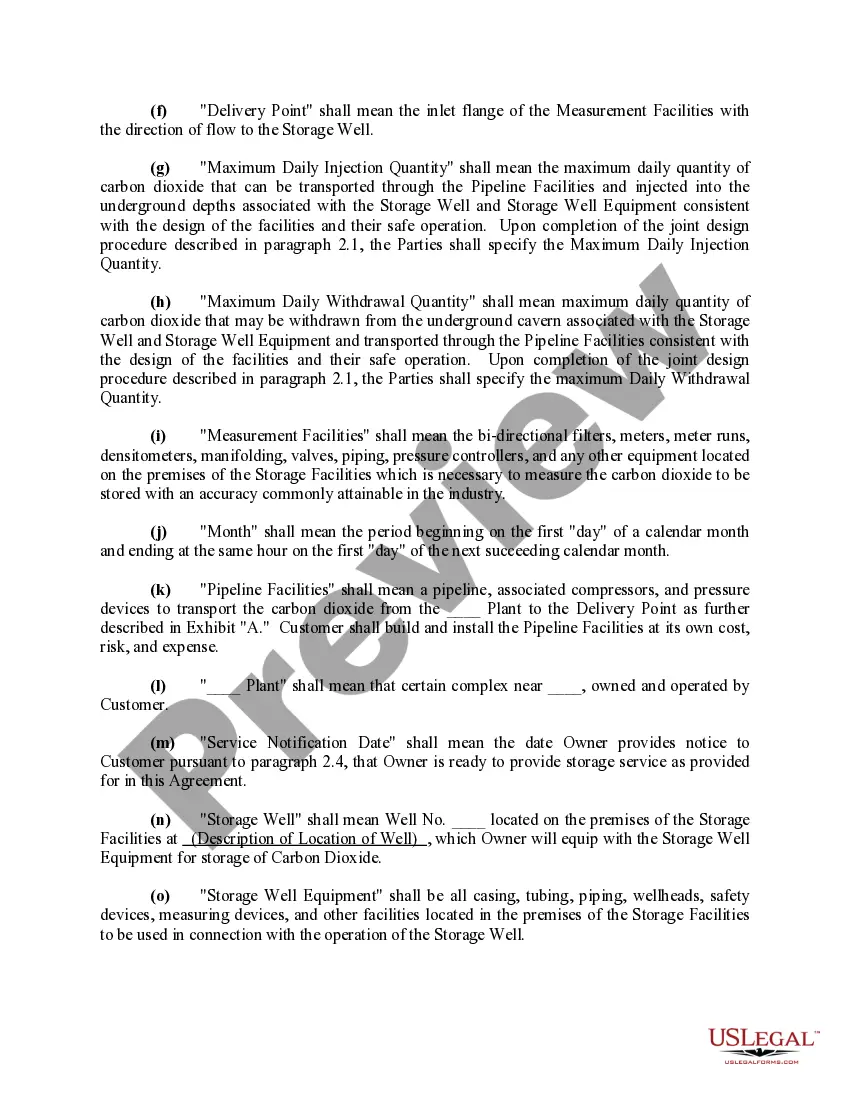
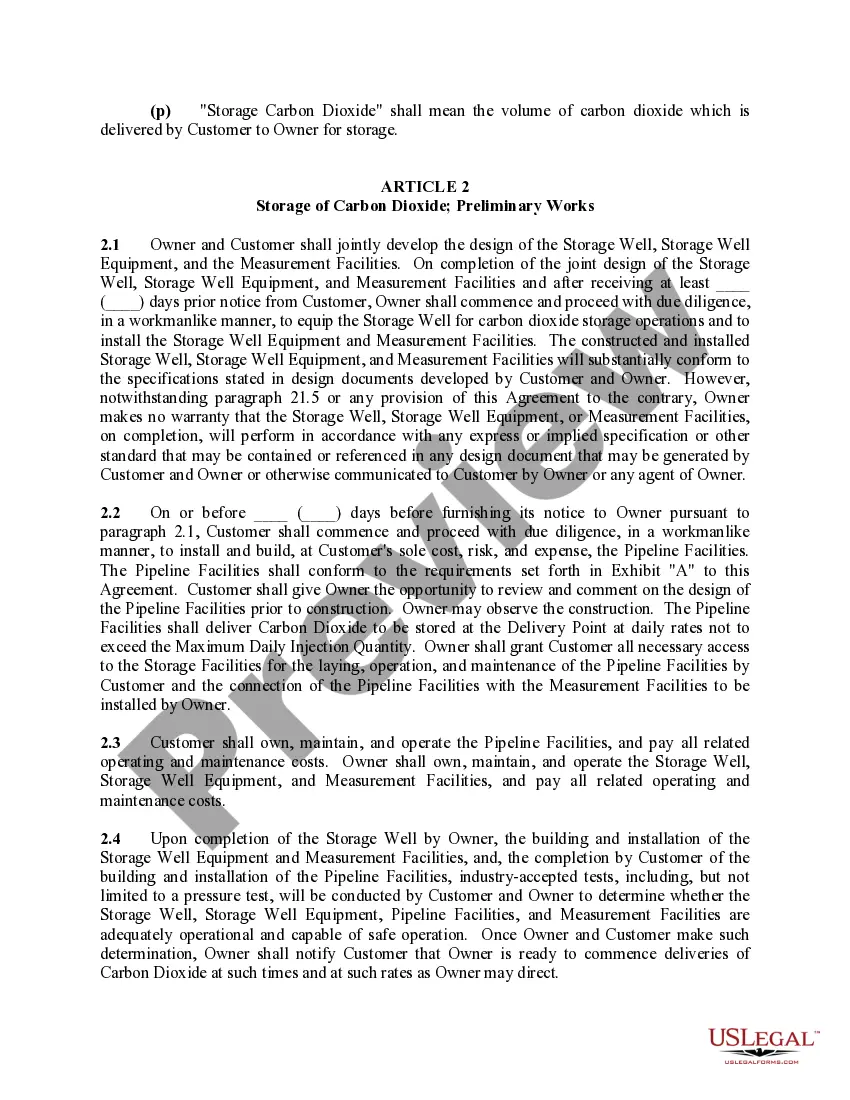
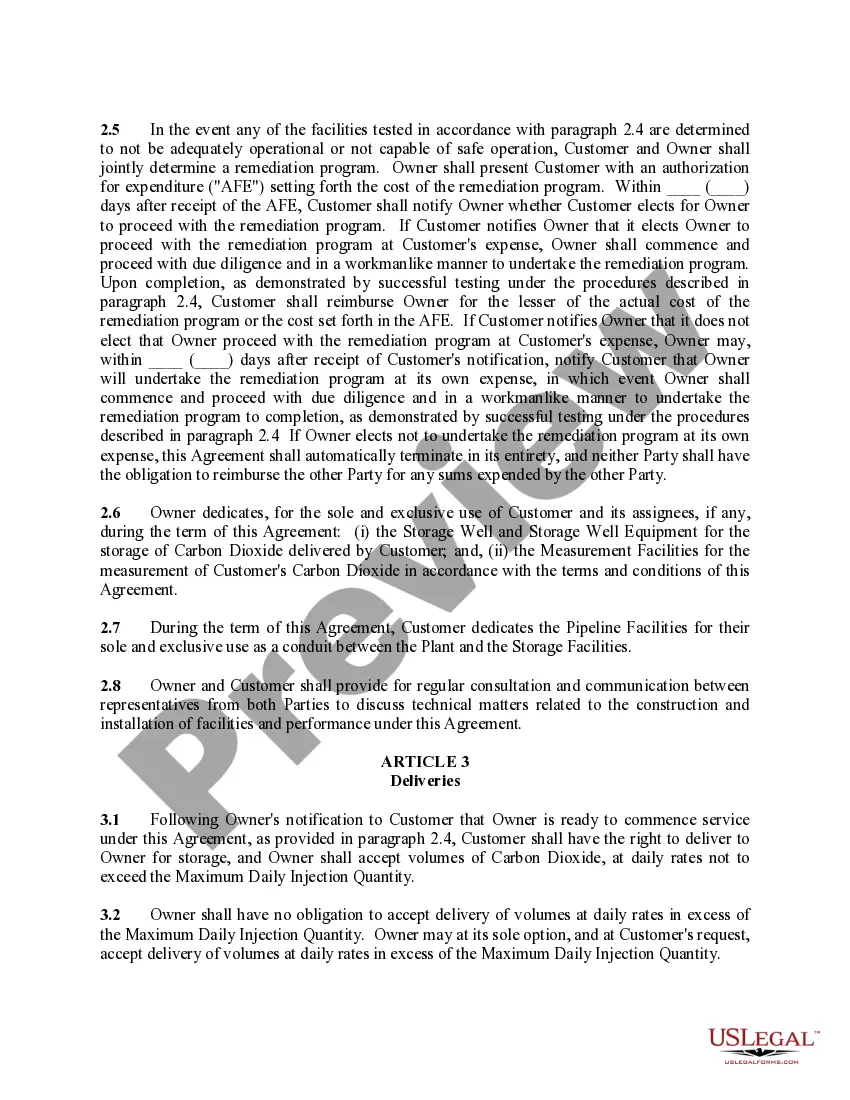
Hawaii Carbon Dioxide Storage Agreement
Description
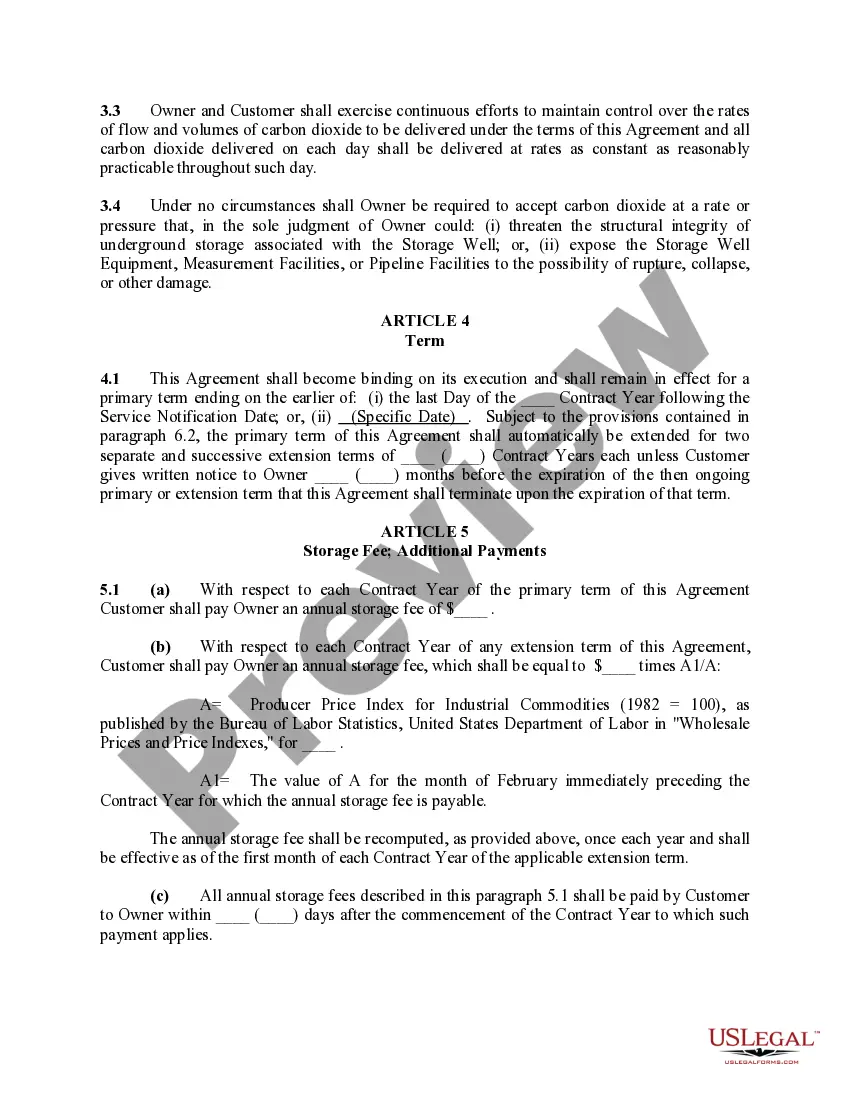
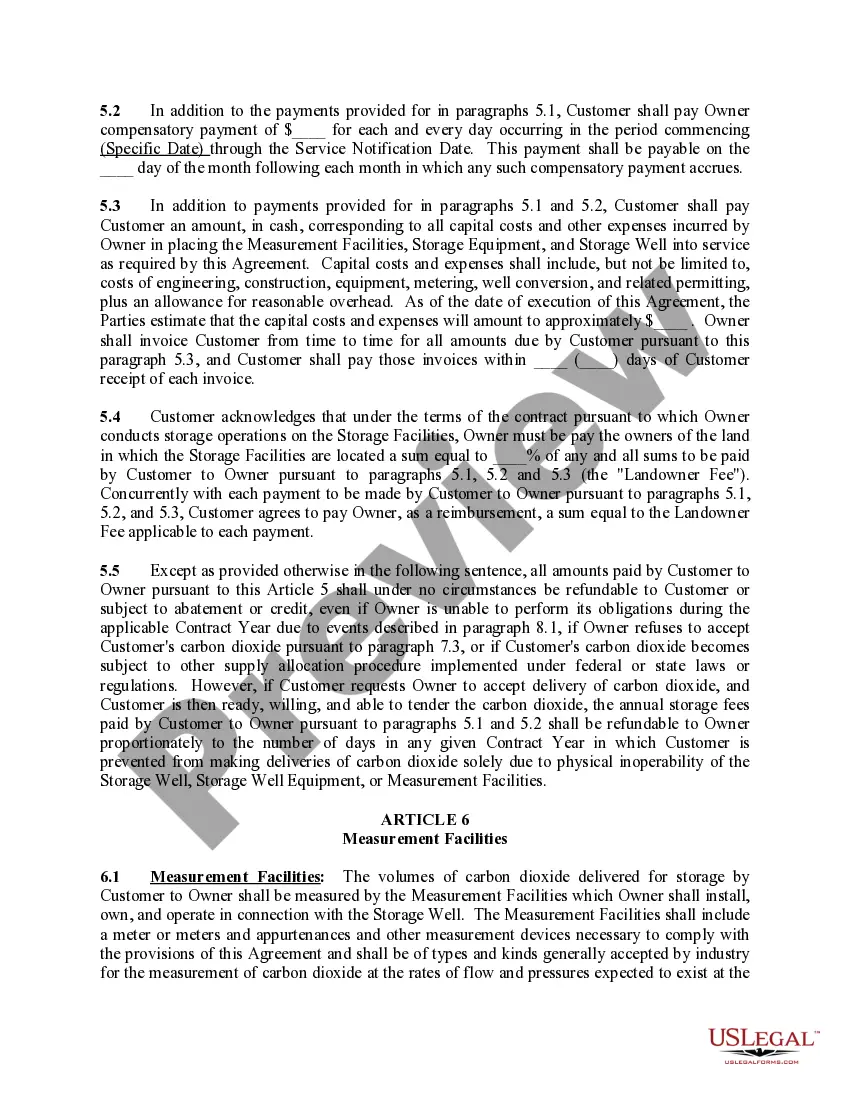
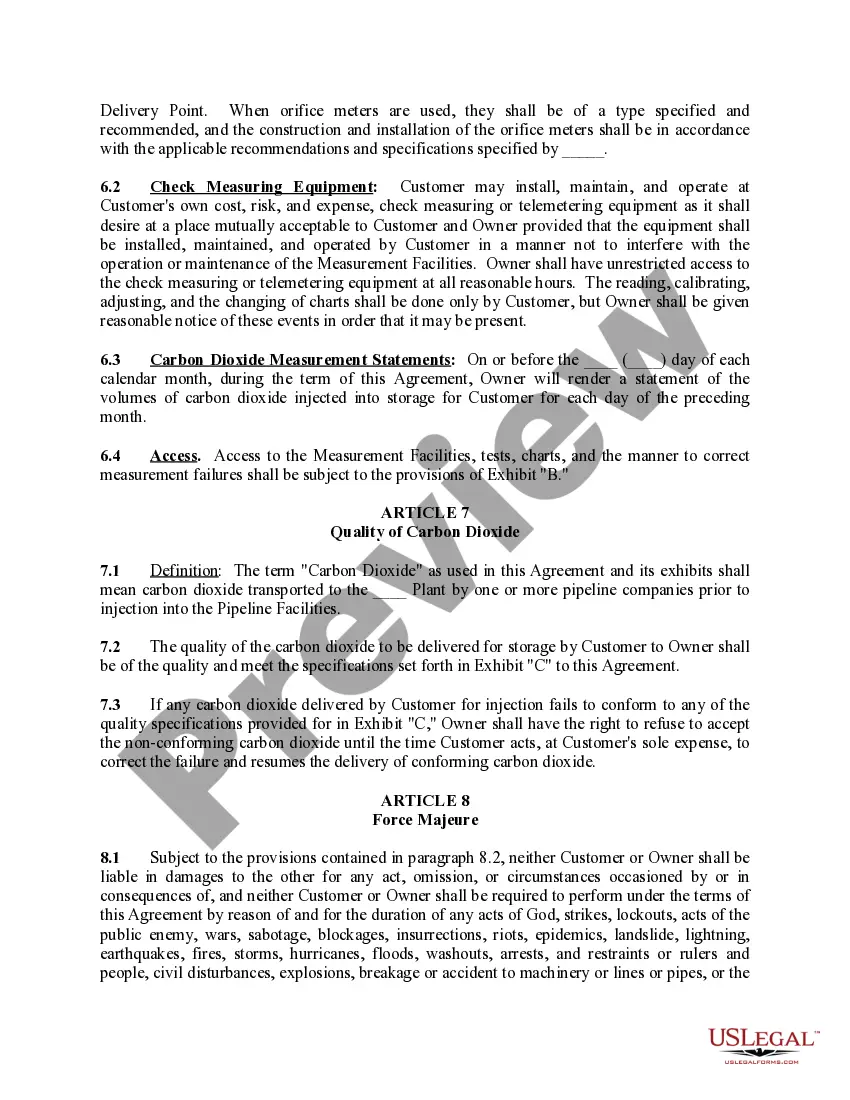

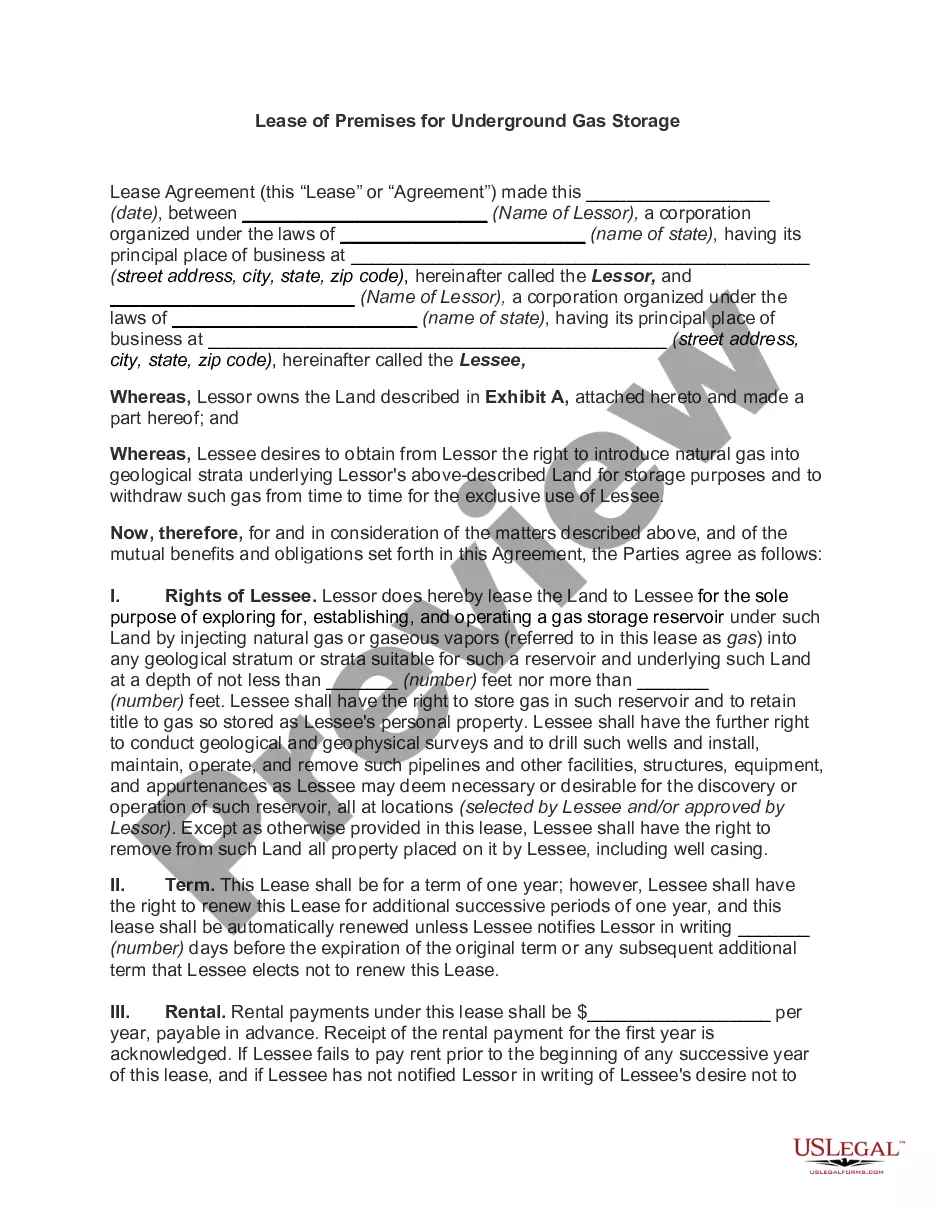
Get your form ready online
Our built-in tools help you complete, sign, share, and store your documents in one place.
Make edits, fill in missing information, and update formatting in US Legal Forms—just like you would in MS Word.
Download a copy, print it, send it by email, or mail it via USPS—whatever works best for your next step.
Sign and collect signatures with our SignNow integration. Send to multiple recipients, set reminders, and more. Go Premium to unlock E-Sign.
If this form requires notarization, complete it online through a secure video call—no need to meet a notary in person or wait for an appointment.
We protect your documents and personal data by following strict security and privacy standards.

Make edits, fill in missing information, and update formatting in US Legal Forms—just like you would in MS Word.

Download a copy, print it, send it by email, or mail it via USPS—whatever works best for your next step.

Sign and collect signatures with our SignNow integration. Send to multiple recipients, set reminders, and more. Go Premium to unlock E-Sign.

If this form requires notarization, complete it online through a secure video call—no need to meet a notary in person or wait for an appointment.

We protect your documents and personal data by following strict security and privacy standards.
Looking for another form?

How to fill out Carbon Dioxide Storage Agreement?
It is possible to invest hrs on-line attempting to find the legal file design that suits the federal and state demands you want. US Legal Forms offers 1000s of legal varieties which are analyzed by experts. You can actually obtain or print the Hawaii Carbon Dioxide Storage Agreement from our services.
If you have a US Legal Forms account, you are able to log in and click on the Obtain button. Following that, you are able to complete, revise, print, or sign the Hawaii Carbon Dioxide Storage Agreement. Each and every legal file design you get is the one you have forever. To have an additional backup for any obtained kind, proceed to the My Forms tab and click on the corresponding button.
If you use the US Legal Forms website for the first time, follow the basic recommendations under:
- First, make sure that you have chosen the best file design for your state/area that you pick. Look at the kind explanation to make sure you have chosen the appropriate kind. If accessible, take advantage of the Review button to search throughout the file design also.
- If you wish to discover an additional version of the kind, take advantage of the Search industry to find the design that meets your requirements and demands.
- Once you have located the design you desire, click on Buy now to continue.
- Find the prices strategy you desire, enter your qualifications, and sign up for an account on US Legal Forms.
- Total the purchase. You may use your charge card or PayPal account to cover the legal kind.
- Find the formatting of the file and obtain it for your product.
- Make adjustments for your file if necessary. It is possible to complete, revise and sign and print Hawaii Carbon Dioxide Storage Agreement.
Obtain and print 1000s of file web templates utilizing the US Legal Forms web site, which offers the most important selection of legal varieties. Use skilled and express-particular web templates to tackle your organization or specific requirements.
Form popularity
FAQ
In May 2023, carbon dioxide hit 424 ppm?a new record. NOAA Climate.gov image, based on Mauna Loa monthly mean data from NOAA Global Monitoring Lab.
416.64 ppm Measurement location = Mauna Loa Observatory, Hawaii.
Weekly average CO2 at Mauna Loa Week beginning on November 05, 209.28 ppmWeekly value from 1 year ago:417.00 ppmWeekly value from 10 years ago:394.80 ppm
The most significant volcanic gas is CO2, which has been monitored since 1958 through three eruption cycles Volcanic CO2 is greatest shortly after an eruption and then decreases exponentially over the subsequent years. Right after the 1984 eruption, Mauna Loa emitted as much CO2 as an American city of 40,000 people.
The representative cost of storage ranges from $5 per ton CO2 in depleted oil and gas fields located onshore, to $18 ton?1 CO2 in an offshore saline reservoir. Onshore saline reservoirs store CO2 at a cost of $6 ton?1 CO2. Our study area did not contain depleted oil and gas fields offshore.
The forecast predicts that the average concentration of carbon-dioxide this year will reach above 420 ± 0.5 ppm (parts per million) at the observing station in Mauna Loa in 2023. This will be the first time that these levels have been reached in the 'Keeling Curve' record, which dates back to 1958.
As a result, we forecast the 2023 annual average CO2 concentration at Mauna Loa to be 420.2 ± 0.5 ppm (Figure 1). This will be the first time in the Keeling Curve record that the annual mean CO2 level has exceeded 420 ppm. We also forecast the global annual mean CO2 concentration to be 419.2 ppm.
This could occur when exposed to levels above 5,000 ppm for many hours. At even higher levels of CO2 can cause asphyxiation as it replaces oxygen in the blood-exposure to concentrations around 40,000 ppm is immediately dangerous to life and health. CO2 poisoning, however, is very rare.