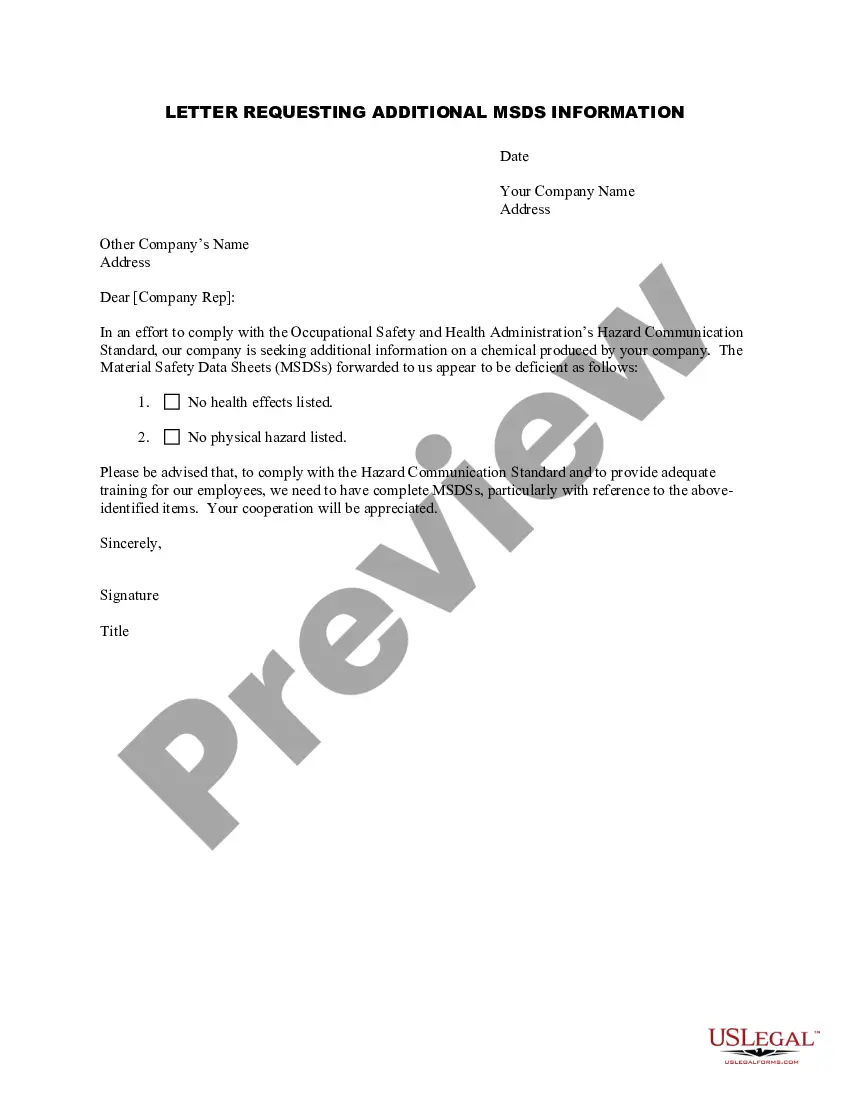
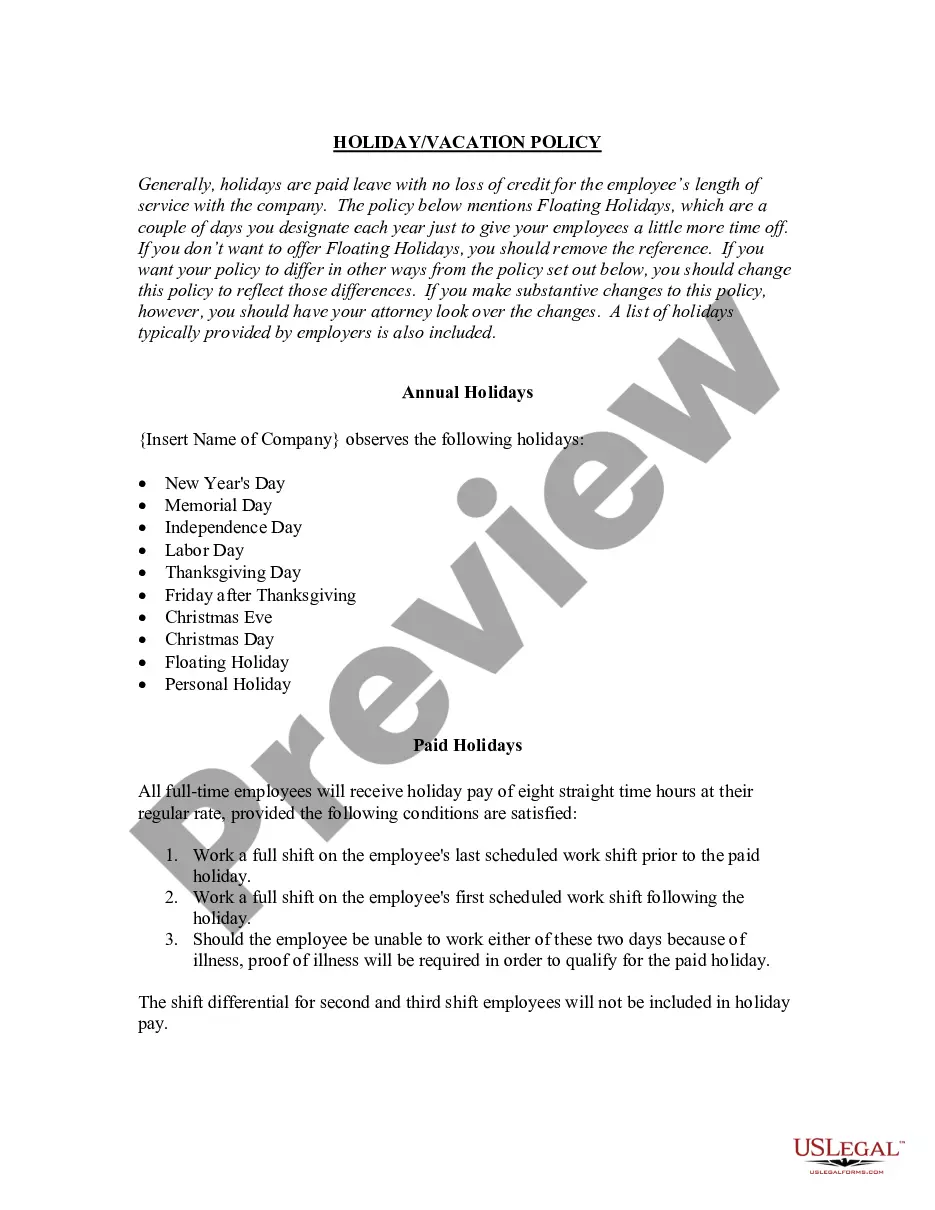
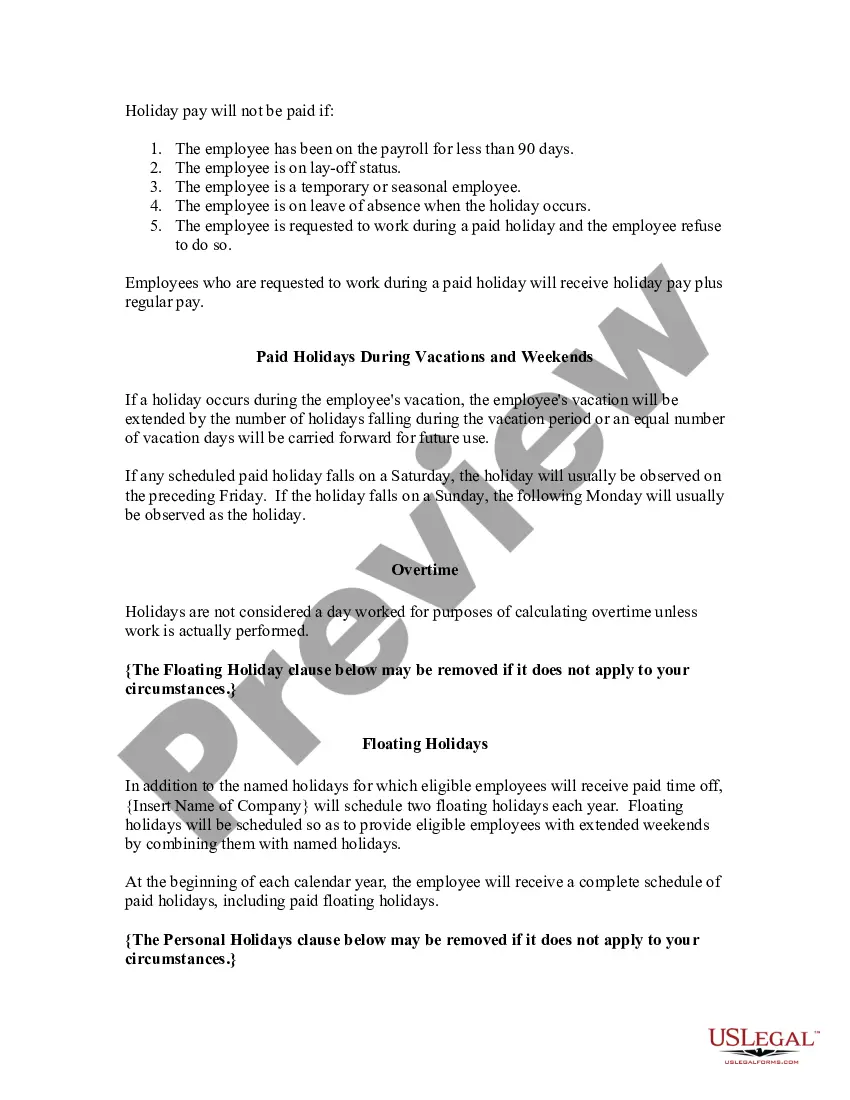
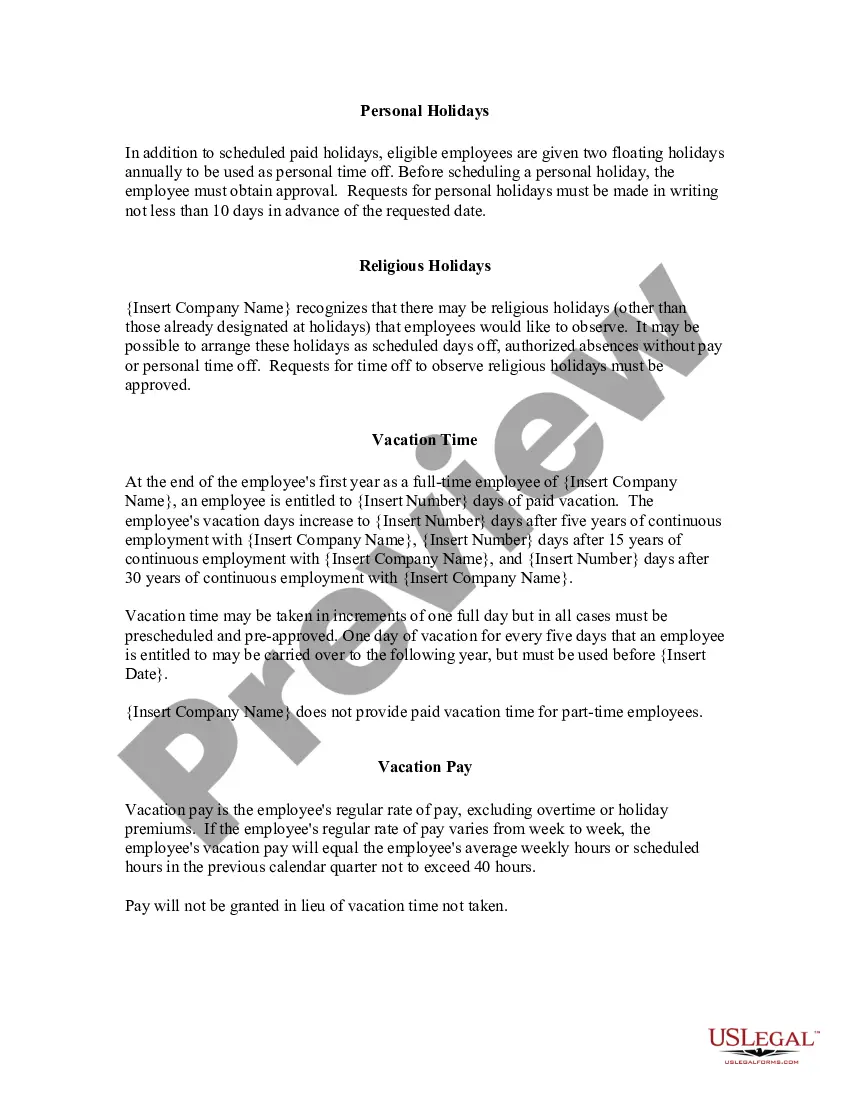
Hawaii Holiday Vacation Policy
Description
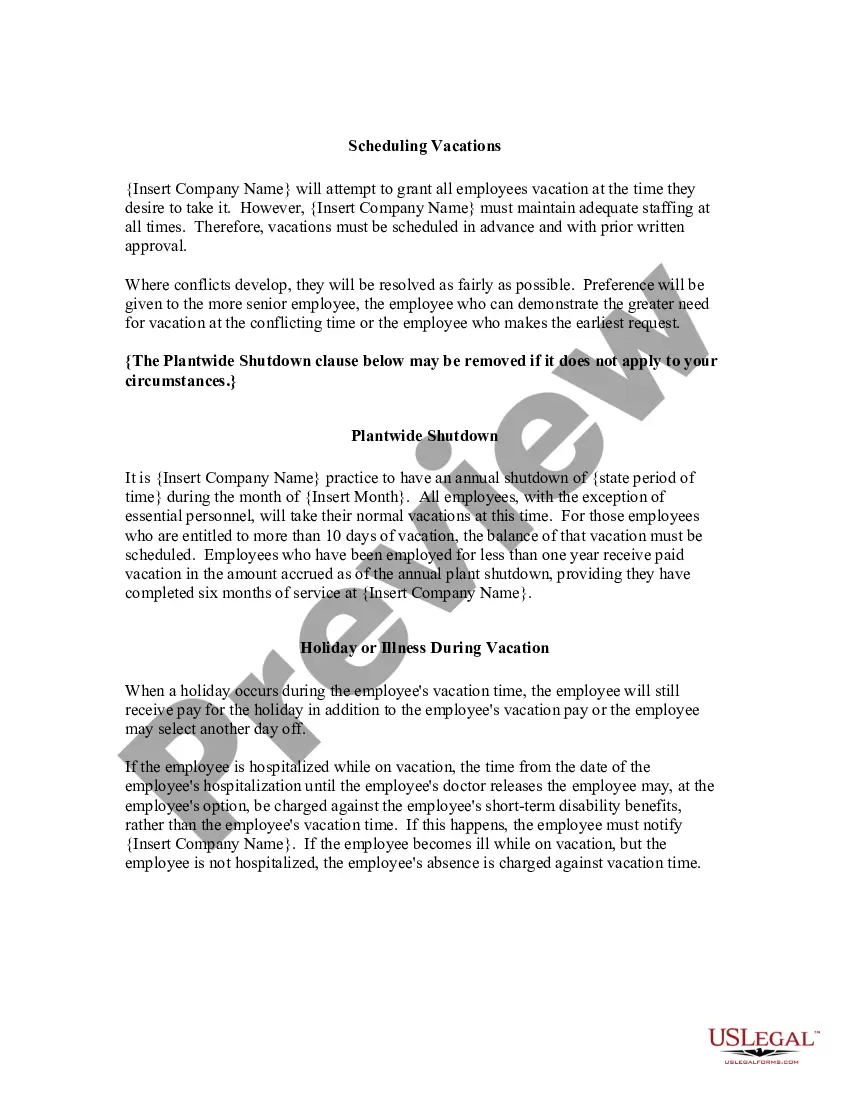
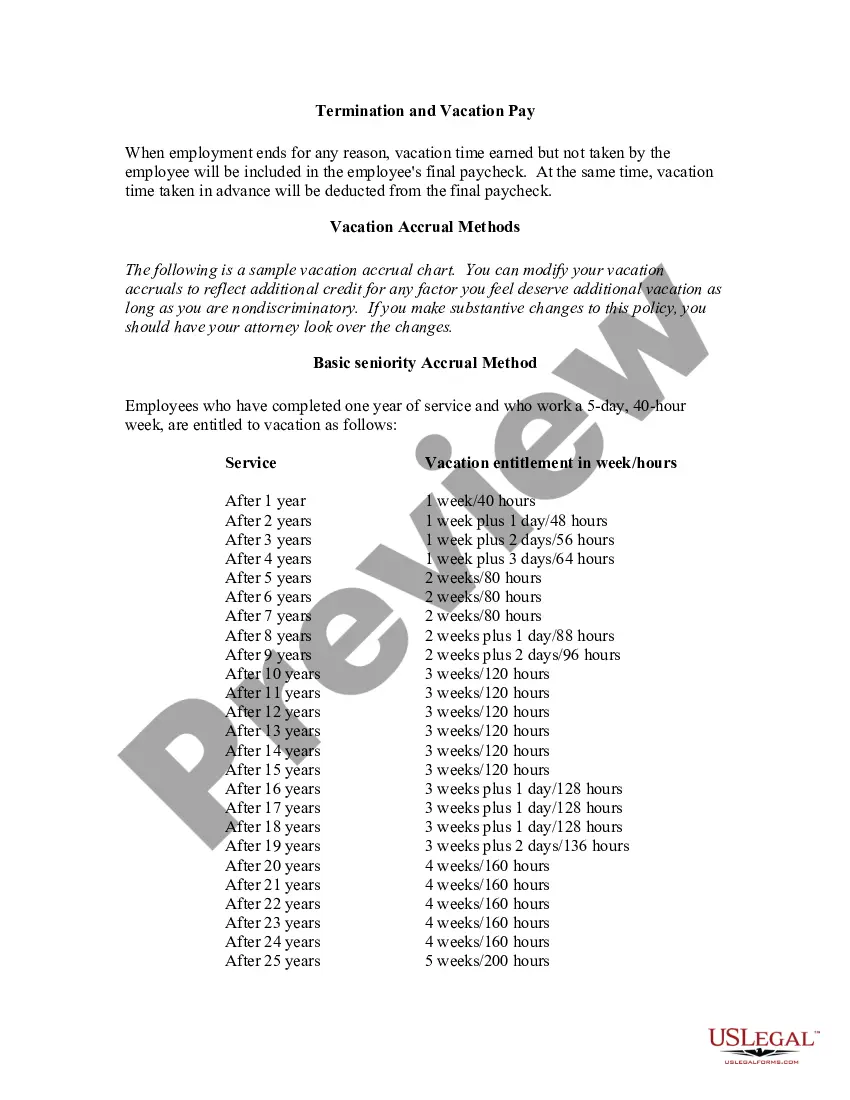
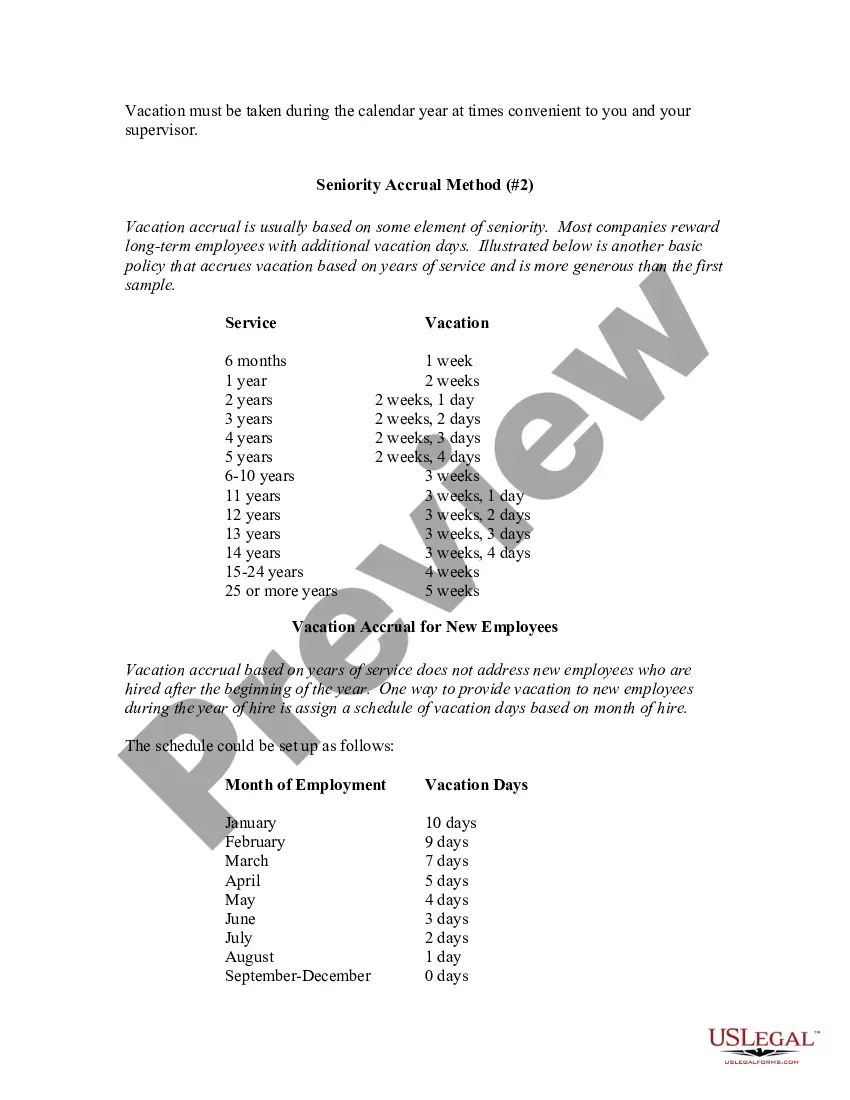
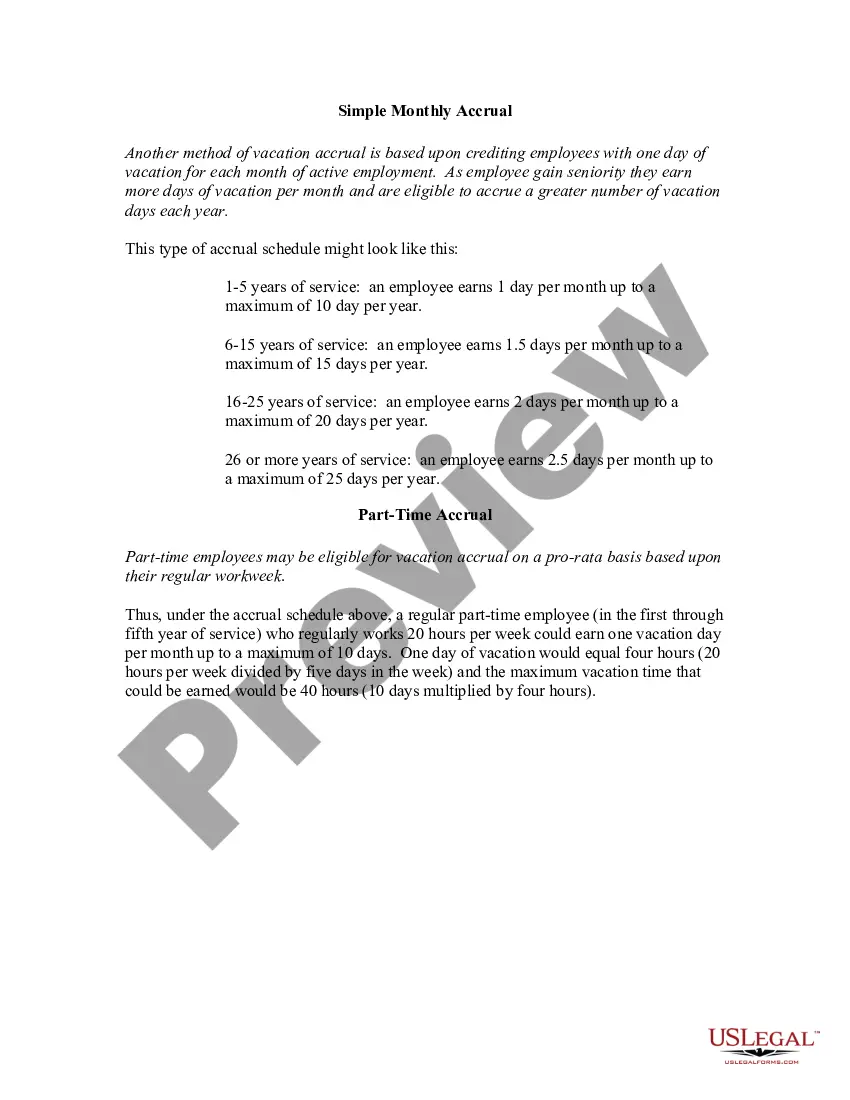
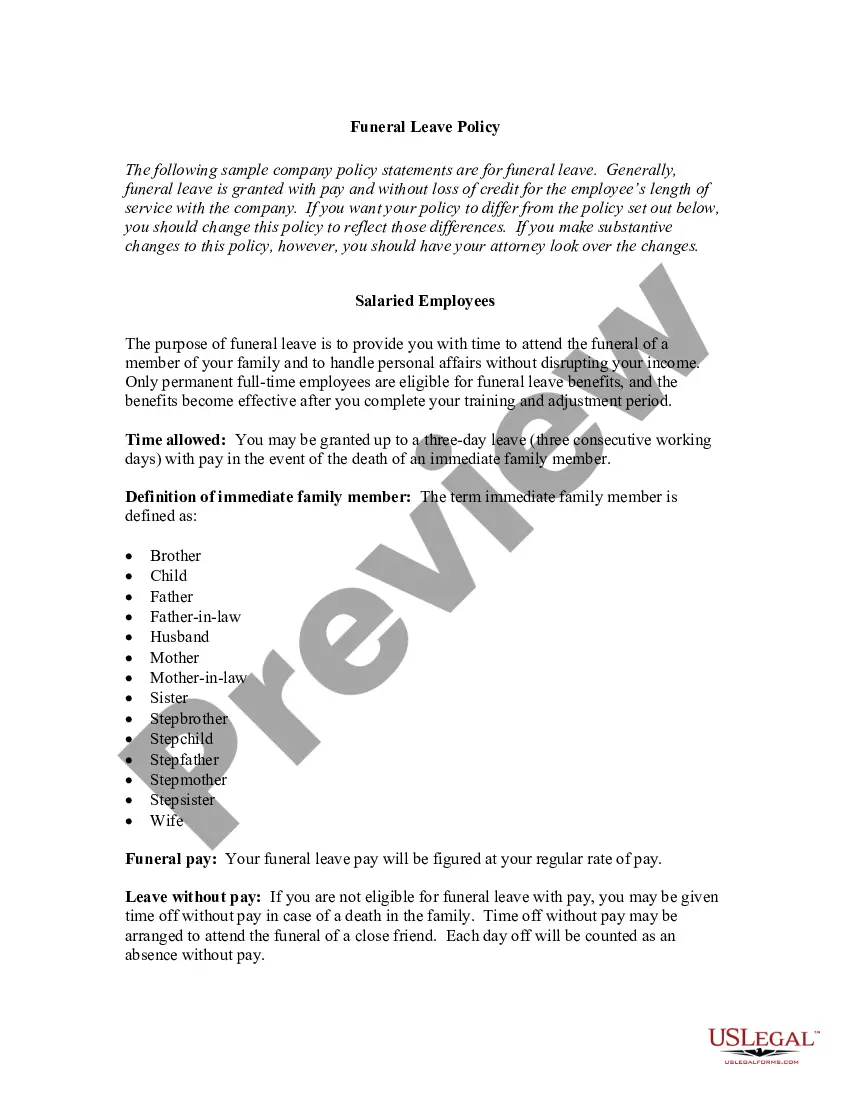
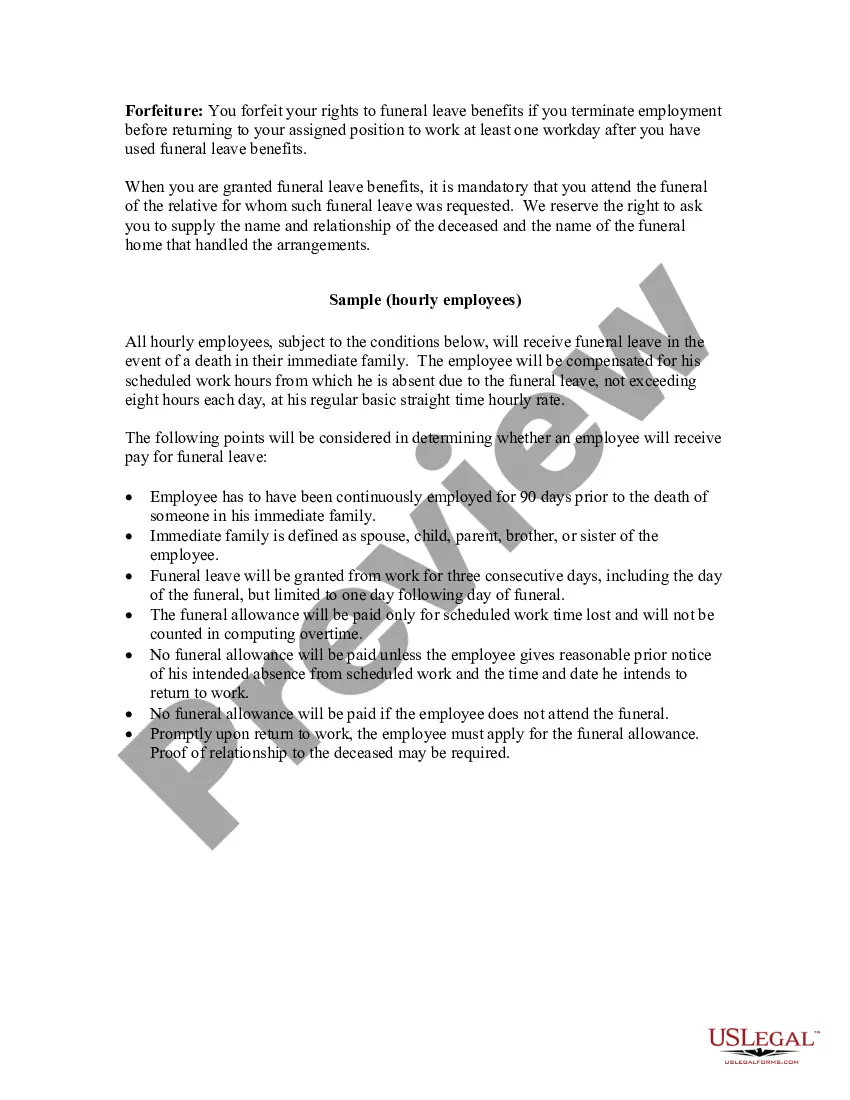
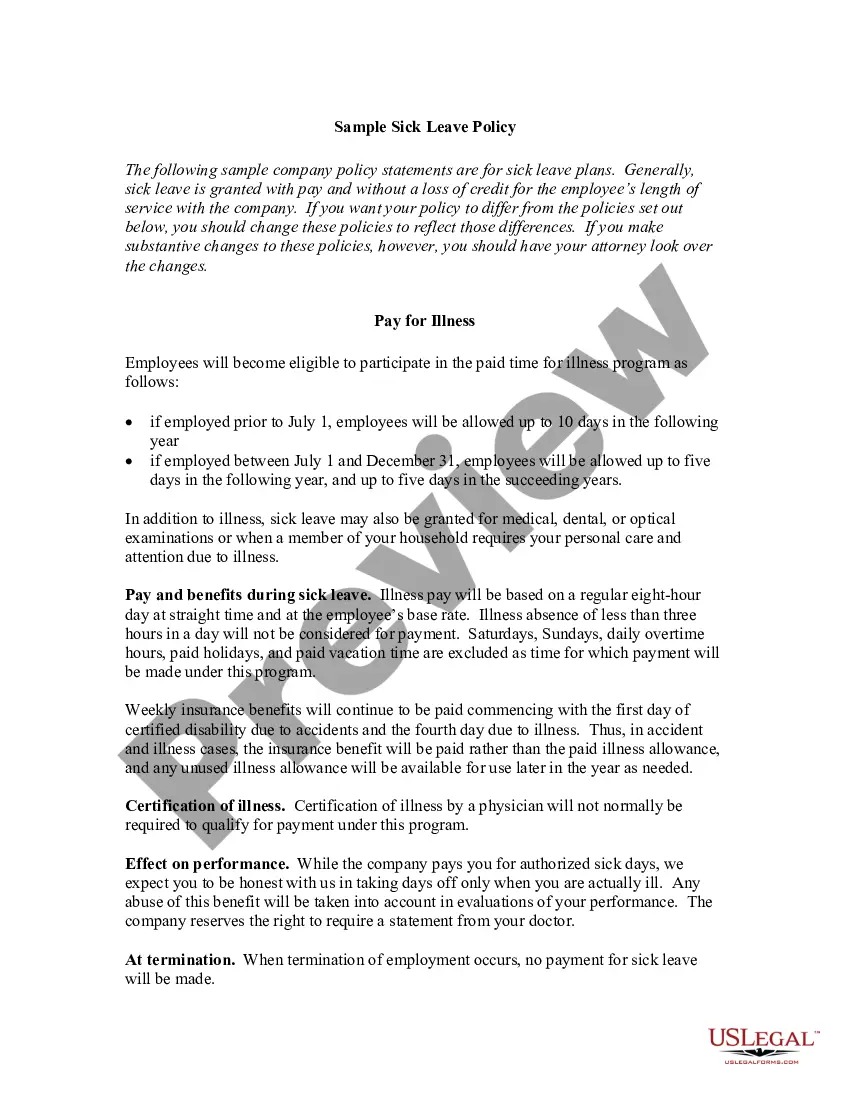

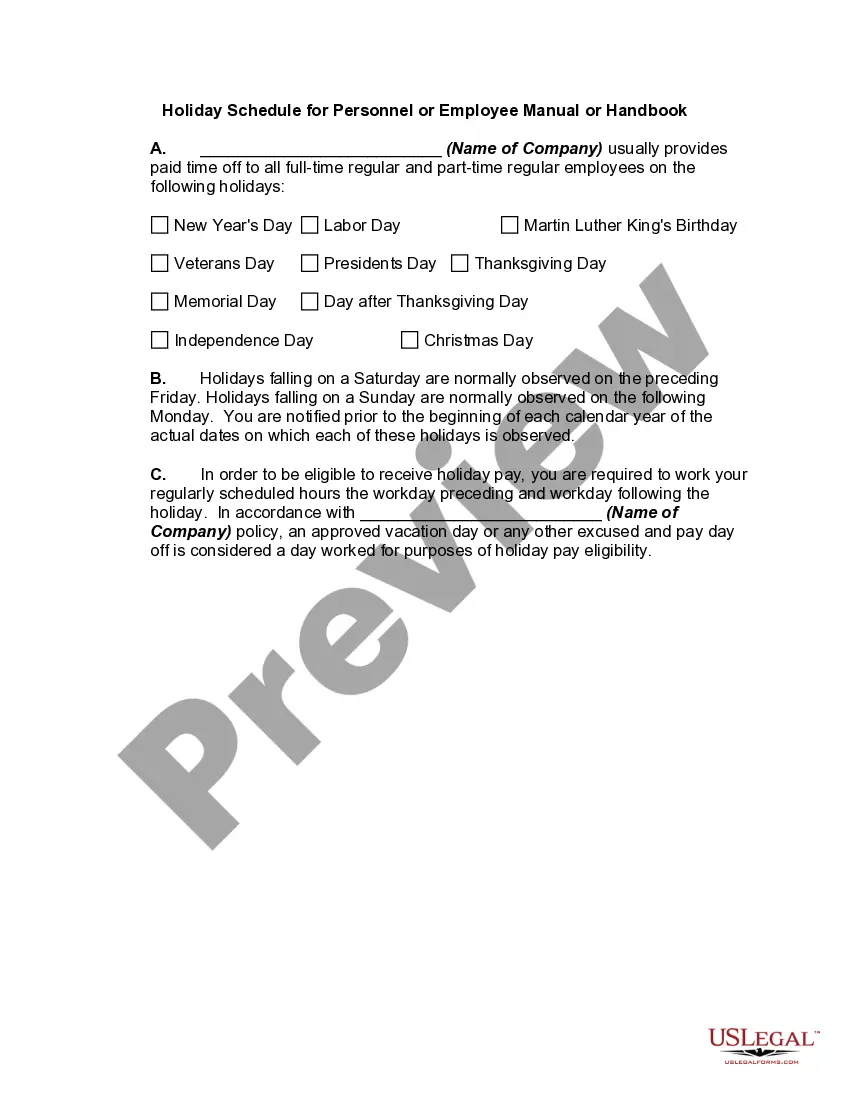

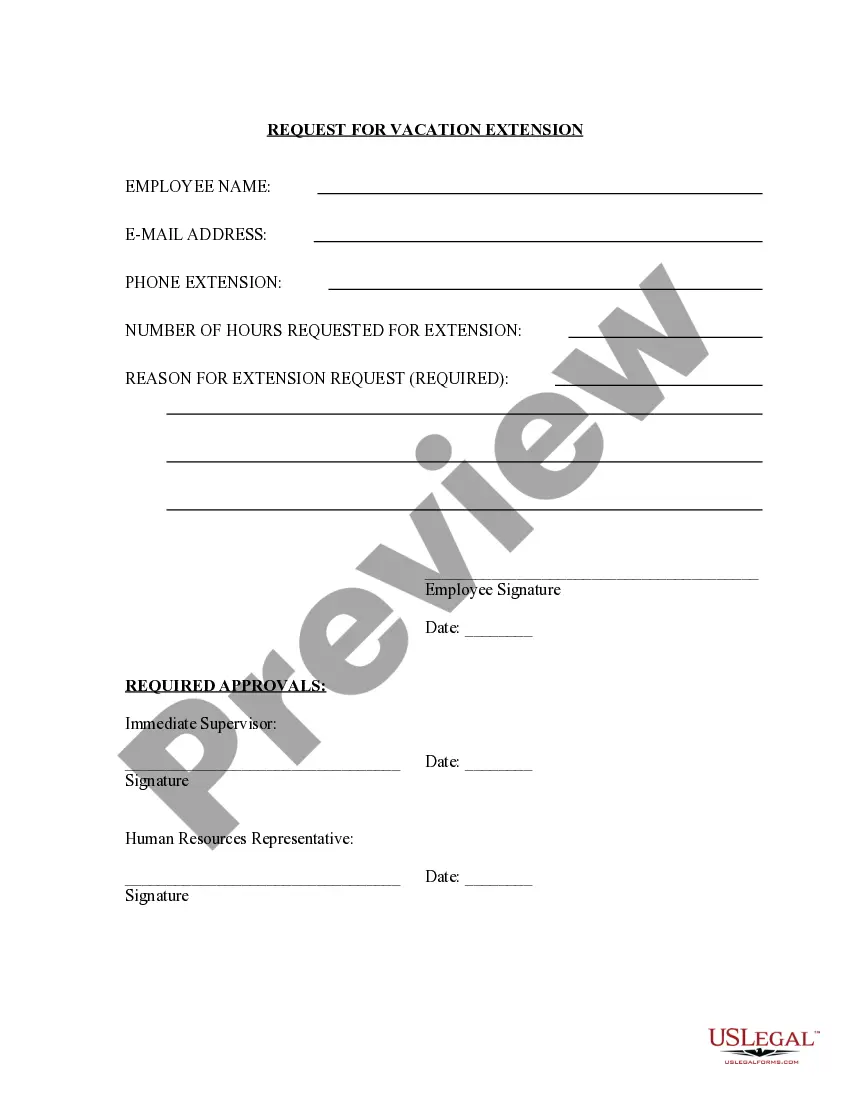
Get your form ready online
Our built-in tools help you complete, sign, share, and store your documents in one place.
Make edits, fill in missing information, and update formatting in US Legal Forms—just like you would in MS Word.
Download a copy, print it, send it by email, or mail it via USPS—whatever works best for your next step.
Sign and collect signatures with our SignNow integration. Send to multiple recipients, set reminders, and more. Go Premium to unlock E-Sign.
If this form requires notarization, complete it online through a secure video call—no need to meet a notary in person or wait for an appointment.
We protect your documents and personal data by following strict security and privacy standards.

Make edits, fill in missing information, and update formatting in US Legal Forms—just like you would in MS Word.

Download a copy, print it, send it by email, or mail it via USPS—whatever works best for your next step.

Sign and collect signatures with our SignNow integration. Send to multiple recipients, set reminders, and more. Go Premium to unlock E-Sign.

If this form requires notarization, complete it online through a secure video call—no need to meet a notary in person or wait for an appointment.

We protect your documents and personal data by following strict security and privacy standards.
Looking for another form?


How to fill out Holiday Vacation Policy?
Are you in the location where you need documents for potentially business or personal purposes almost every day.
There are many legitimate document templates accessible online, but locating trustworthy ones is not easy.
US Legal Forms offers a vast array of form templates, including the Hawaii Holiday Vacation Policy, which can be tailored to meet federal and state requirements.
Choose a convenient file format and download your copy.
Access all the document templates you have purchased in the My documents menu. You may obtain another copy of the Hawaii Holiday Vacation Policy at any time if necessary. Click the required form to download or print the document template.
- If you are already acquainted with the US Legal Forms website and possess your account, simply Log In.
- After that, you can download the Hawaii Holiday Vacation Policy template.
- If you do not have an account and wish to start using US Legal Forms, follow these steps.
- 1. Locate the form you need and ensure it is for the correct area/county.
- 2. Use the Preview feature to review the document.
- 3. Read the description to confirm you have selected the right form.
- 4. If the form is not what you’re looking for, utilize the Search bar to find the form that suits your needs and requirements.
- 5. Once you find the right form, click Purchase now.
- 6. Select the pricing plan you prefer, complete the necessary information to create your account, and pay for the transaction using your PayPal or Visa or Mastercard.
Form popularity
FAQ
According to the Bureau of Labor Statistics, on average American workers receive 10 days of paid time off per year, after they've completed one year of service. That time doesn't include sick days and holidays. While the number goes up or down a bit, depending on industry and region, 10 is the national average.
The terms PTO and vacation often are used interchangeably by employees, but they're not actually the same thing. PTO is considered to be any time an employee is getting paid while away from workit's more all-encompassing than vacation. Think of it like this: all vacation is PTO while not all PTO is vacation.
Mandatory time off, or minimum PTO, is a policy where employers require employees to take at least a certain number of days off from work each year. While away from work, employees receive their regular wages. A mandatory time off (MTO) policy accompanies paid time off or unlimited paid time off policies.
Combining vacation and sick time allows employees to take more time off for rest and relaxation if they do not need as much sick time during a year. PTO leaves employees feeling less obligated to make excuses when they simply need a day off but are not sick enough to see a doctor and get a note.
The terms PTO and vacation often are used interchangeably by employees, but they're not actually the same thing. PTO is considered to be any time an employee is getting paid while away from workit's more all-encompassing than vacation. Think of it like this: all vacation is PTO while not all PTO is vacation.
A mandatory vacation policy is a policy that requires employees to take a set amount of vacation days per year. While most organizations offer their employees paid time off (PTO), some companies mandate employees to use this PTO.
Employers are allowed to restrict when workers can take vacations. Some employers even will force their employees to take paid vacation time off at certain times of the year. When employers do this, it is called forced vacation time.
Here are 10 Reasons Why Vacations Should be Mandatory:Creates a stronger and healthier corporate culture when leaders set a real vacation example and encourage everyone to take well-deserved time off. Promotes a happier, healthier, and more well-balanced workforce. Increases employee retention and loyalty.
In Hawaii, paid vacation and sick leave is not required by law.
If sick leave and vacation are combined into PTO, this rule would apply to all accrued PTO time. In short, if you combine sick leave and vacation into PTO, all laws which are favorable to employees related to sick leave or vacation must be applied to the PTO. For employees, therefore, it is the best of both worlds.