Hawaii Notice of Hearing
Description
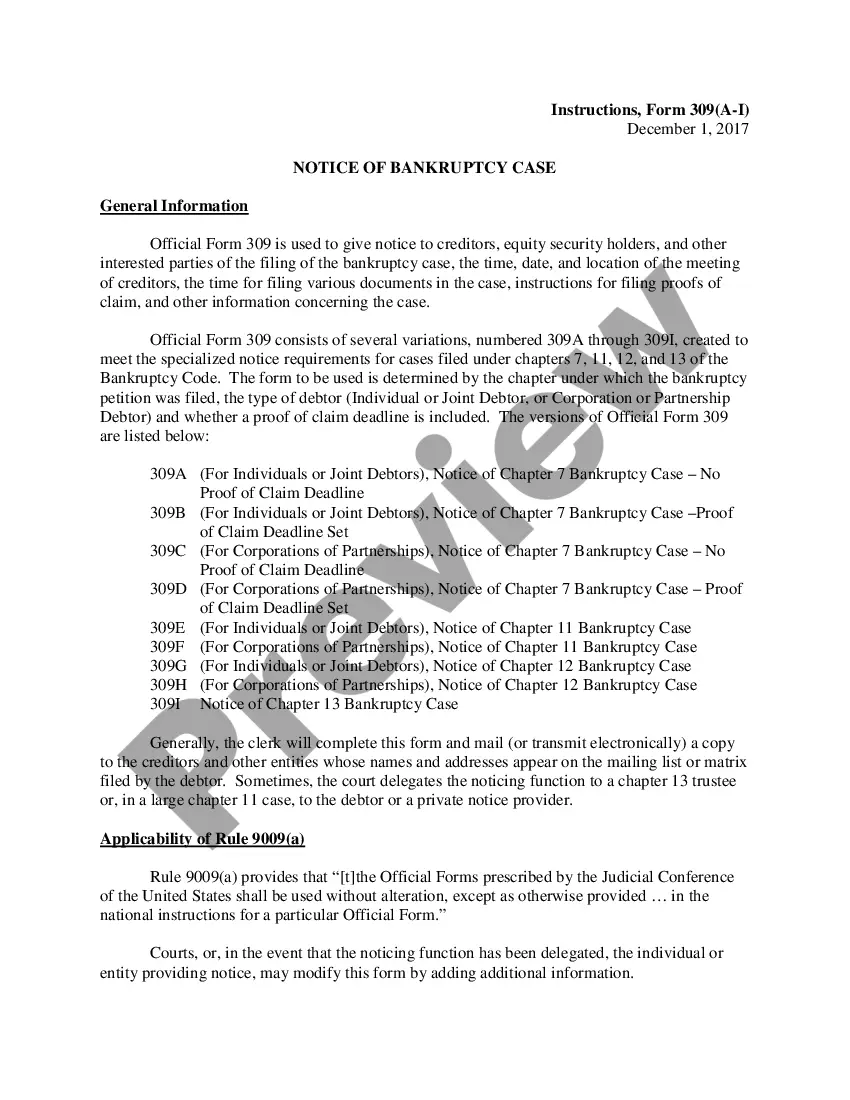
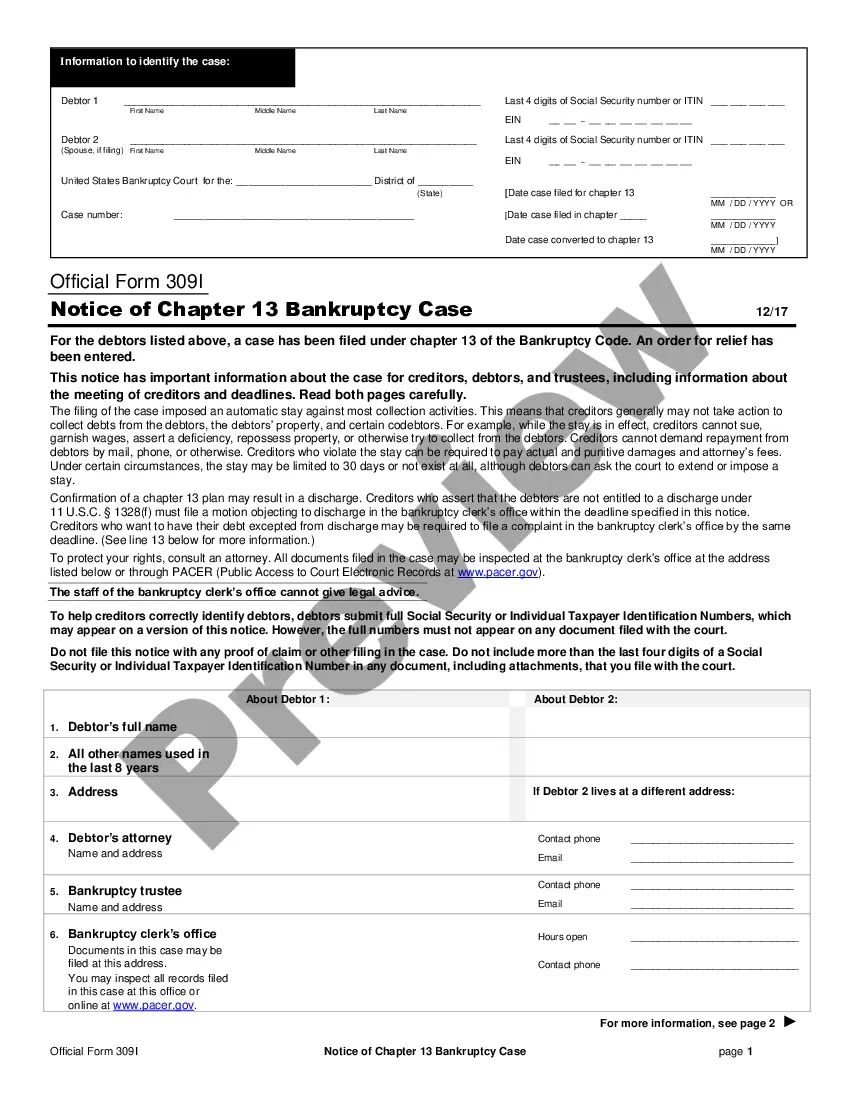
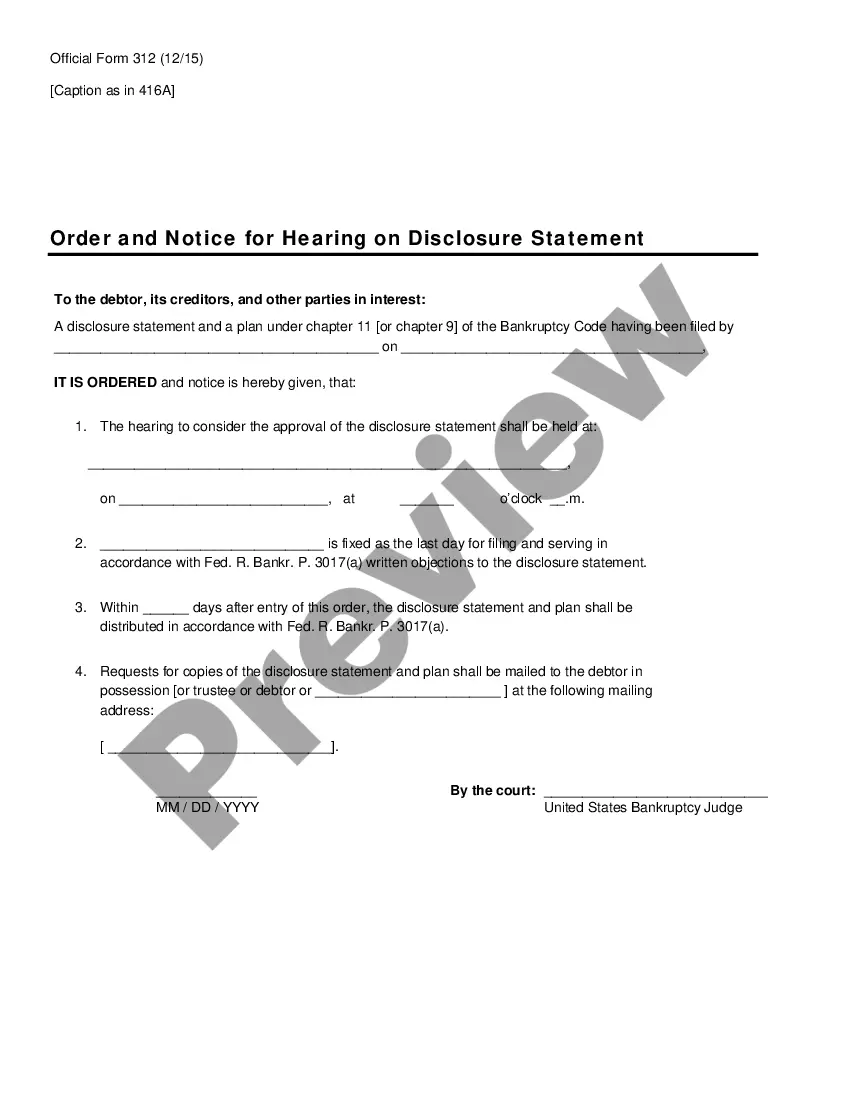
Get your form ready online
Our built-in tools help you complete, sign, share, and store your documents in one place.
Make edits, fill in missing information, and update formatting in US Legal Forms—just like you would in MS Word.
Download a copy, print it, send it by email, or mail it via USPS—whatever works best for your next step.
Sign and collect signatures with our SignNow integration. Send to multiple recipients, set reminders, and more. Go Premium to unlock E-Sign.
If this form requires notarization, complete it online through a secure video call—no need to meet a notary in person or wait for an appointment.
We protect your documents and personal data by following strict security and privacy standards.

Make edits, fill in missing information, and update formatting in US Legal Forms—just like you would in MS Word.

Download a copy, print it, send it by email, or mail it via USPS—whatever works best for your next step.

Sign and collect signatures with our SignNow integration. Send to multiple recipients, set reminders, and more. Go Premium to unlock E-Sign.

If this form requires notarization, complete it online through a secure video call—no need to meet a notary in person or wait for an appointment.

We protect your documents and personal data by following strict security and privacy standards.
Looking for another form?
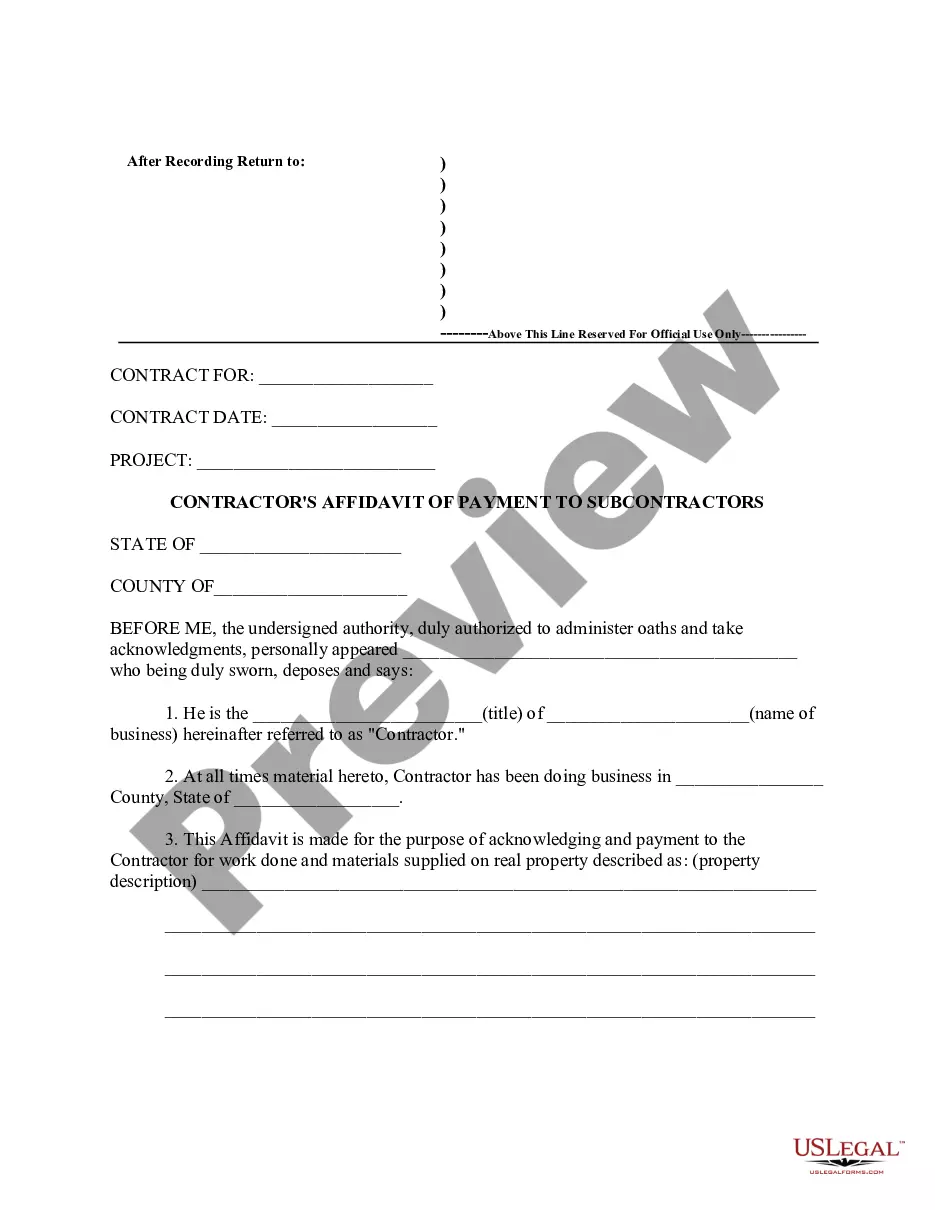
How to fill out Hawaii Notice Of Hearing?
US Legal Forms is the most uncomplicated and lucrative method to discover appropriate legal templates.
It boasts the largest online collection of business and personal legal documents prepared and verified by lawyers.
Here, you can locate printable and fillable templates that adhere to federal and state regulations - just like your Hawaii Notice of Hearing.
Review the form description or preview the document to ensure you've located the one that matches your requirements, or search for another one using the tab above.
Select Buy now once you're confident about its suitability for your needs, and choose the subscription plan that appeals to you most.
- Obtaining your template involves just a few easy steps.
- Users with an existing account and a valid subscription simply need to Log In to the web service and download the form onto their device.
- Later, they can access it in their profile under the My documents tab.
- If you're using US Legal Forms for the first time, here’s how to acquire a properly drafted Hawaii Notice of Hearing.
Form popularity
FAQ
Rule 59 of the Hawaii Family Court pertains to the grounds for a new trial or modification of a previous decision. This rule outlines specific scenarios in which a party may seek to challenge a court's decision, like newly discovered evidence or clerical mistakes. It is important to understand how this rule interacts with the guidelines provided in documents like the Hawaii Notice of Hearing. For those navigating these complex rules, referring to resources from USLegalForms can be invaluable.
The purpose of a hearing is to allow the court to listen to both sides of a legal dispute before making a decision. During a hearing, parties can present evidence, argue their case, and respond to questions. This process is crucial for ensuring fairness and transparency in the judicial system. The Hawaii Notice of Hearing is essential for informing involved parties when and where these important discussions will take place.
To obtain court documents in Hawaii, you can visit the local courthouse or access the Hawaii State Judiciary website. Many court documents, including the Hawaii Notice of Hearing, are available online for public viewing. If you need assistance, consider using platforms like USLegalForms, which offer streamlined access to legal documents and guidance through the retrieval process.
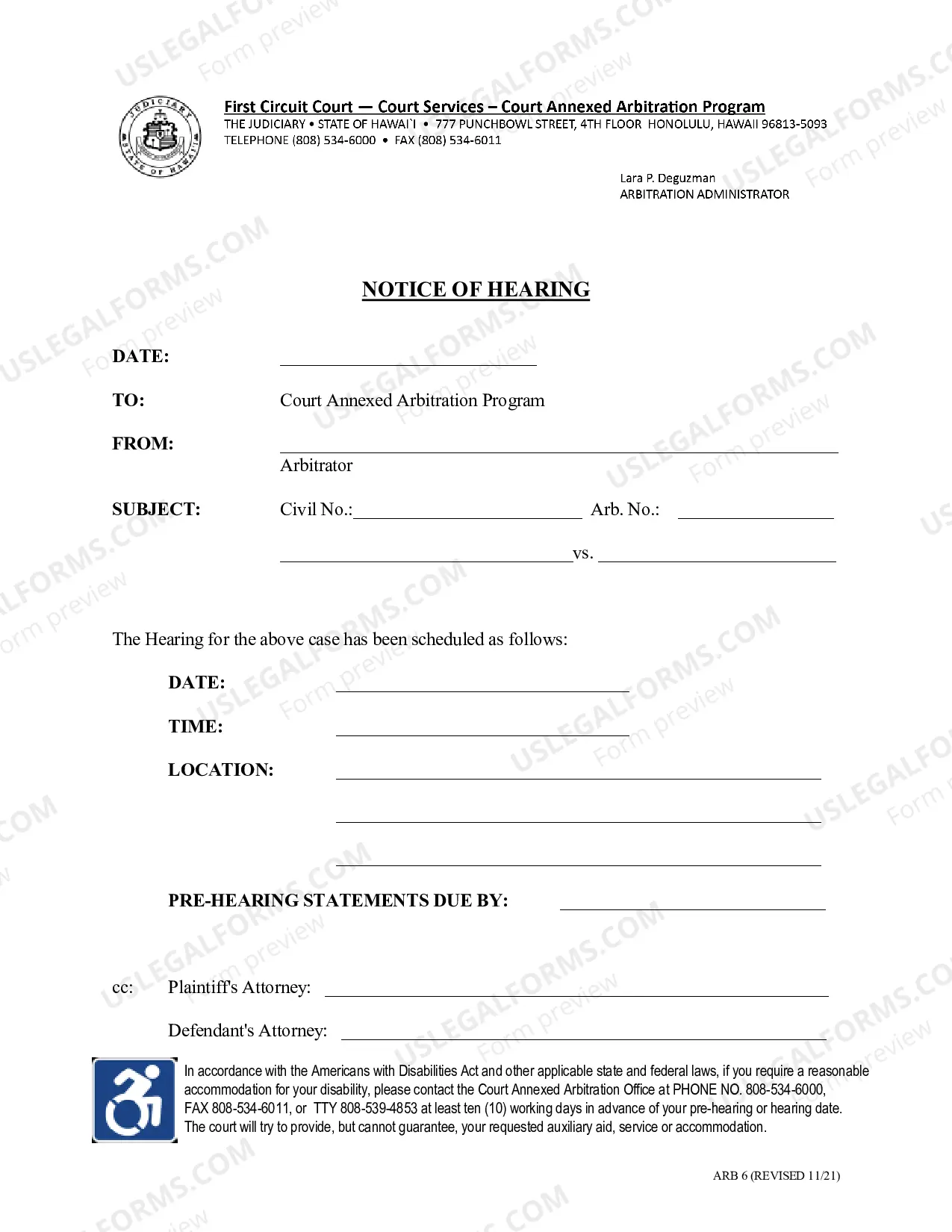
A Hawaii Notice of Hearing is a formal document provided by the court that informs involved parties about the date and time of a scheduled court hearing. This document ensures that all parties have the opportunity to attend and present their cases. It outlines the purpose of the hearing and provides important details about what to expect. Understanding this document is crucial for anyone involved in legal proceedings in Hawaii.
At a notice to appear hearing, individuals are required to show up in court and respond to specific allegations or legal matters concerning them. This hearing serves as a crucial opportunity to present evidence or arguments. Being informed about the Hawaii Notice of Hearing linked to notices to appear allows you to make the most of this important opportunity.
During a notice of hearing, both parties present their sides of the argument to a judge, who listens and asks questions as needed. This is often a preliminary step that can lead to further hearings or final rulings. Knowing what to expect at a Hawaii Notice of Hearing can help you better prepare and respond to the judge’s inquiries during the proceedings.
A hearing is typically a shorter session where specific issues are discussed, often leading to preliminary decisions, while a trial is a more extensive process that includes presenting evidence and testimonies to determine the outcome of a case. Each has distinct procedures and purposes in the legal system. Awareness of these differences can enhance your understanding of the Hawaii Notice of Hearing process.
A notice of hearing is a document that notifies parties about an upcoming court session where they must appear or present their arguments. It is essential to take such notices seriously, as they provide relevant details regarding time, place, and legal context. Having a good understanding of the Hawaii Notice of Hearing can prepare you for effective participation in court.
Rule 9 in Hawaii refers to specific procedural guidelines concerning the handling of certain legal matters, including hearings. These rules help streamline the process and ensure fairness in judicial proceedings. Familiarizing yourself with Rule 9 and the Hawaii Notice of Hearing can be beneficial in navigating your case efficiently.
In removal proceedings, a notice of hearing serves as a formal alert that immigration officials will review a person's status. This notice outlines the specifics of the case and what actions may follow. The Hawaii Notice of Hearing in such cases is vital because timely responses and understanding the process can influence one’s immigration status.