Hawaii Letter to Lienholder to Notify of Trust
What this document covers
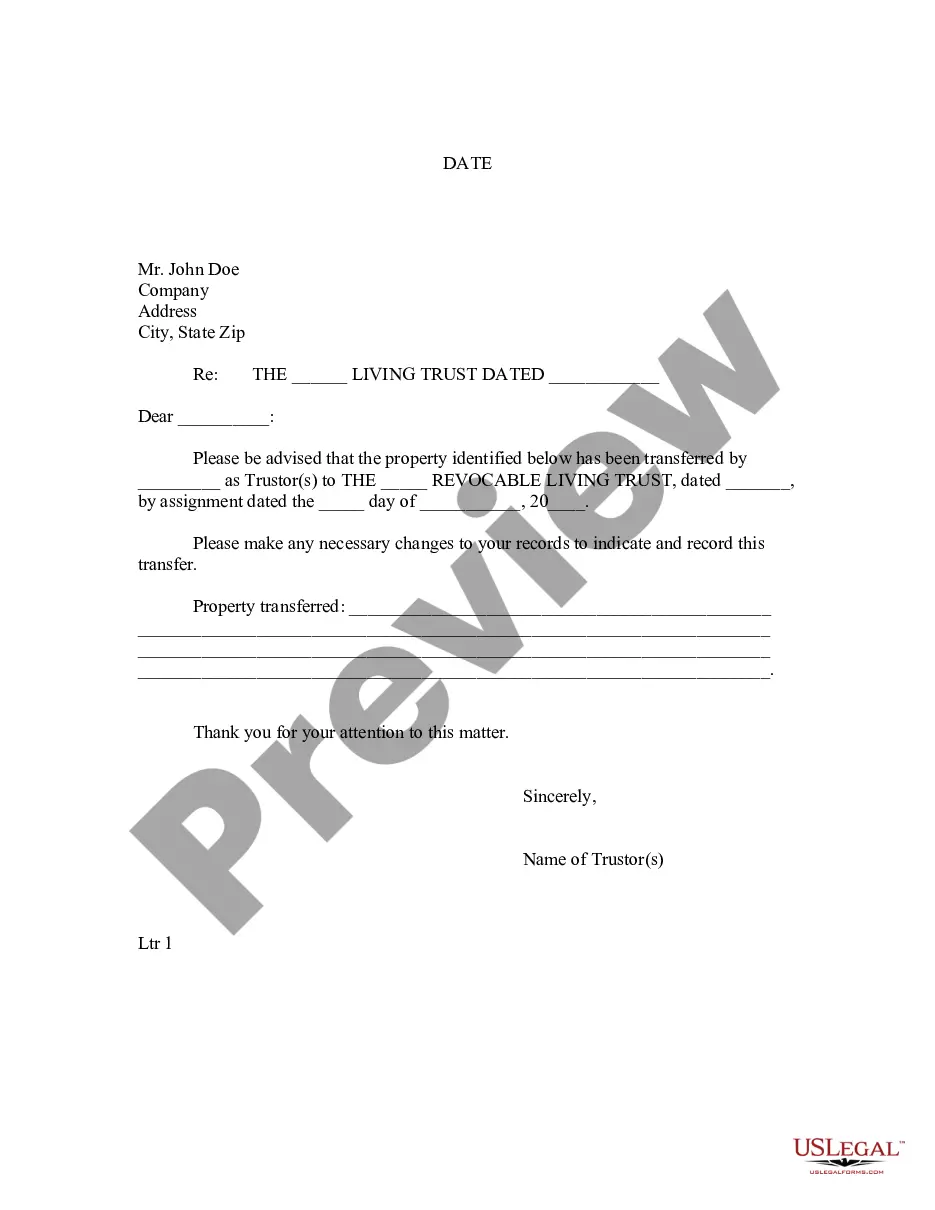
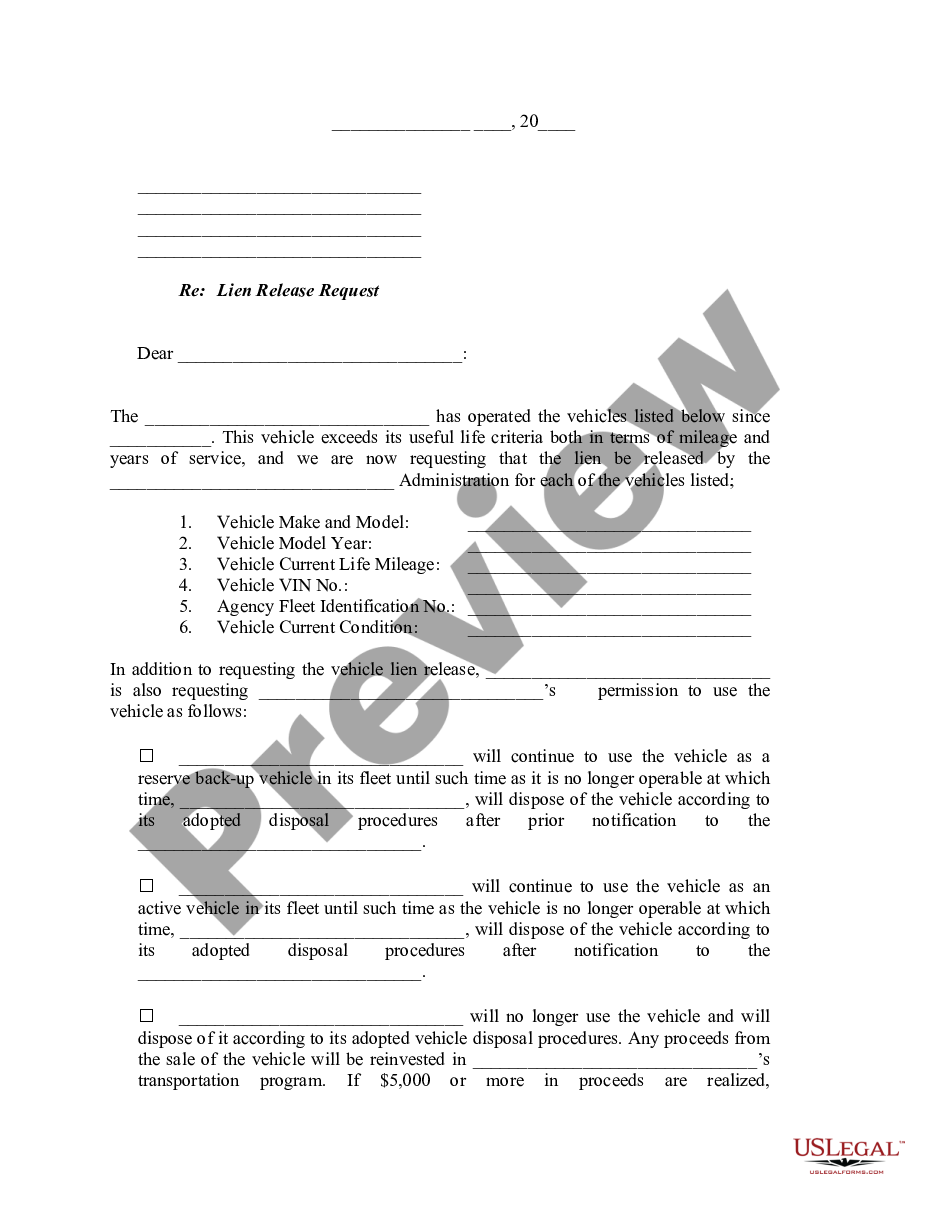
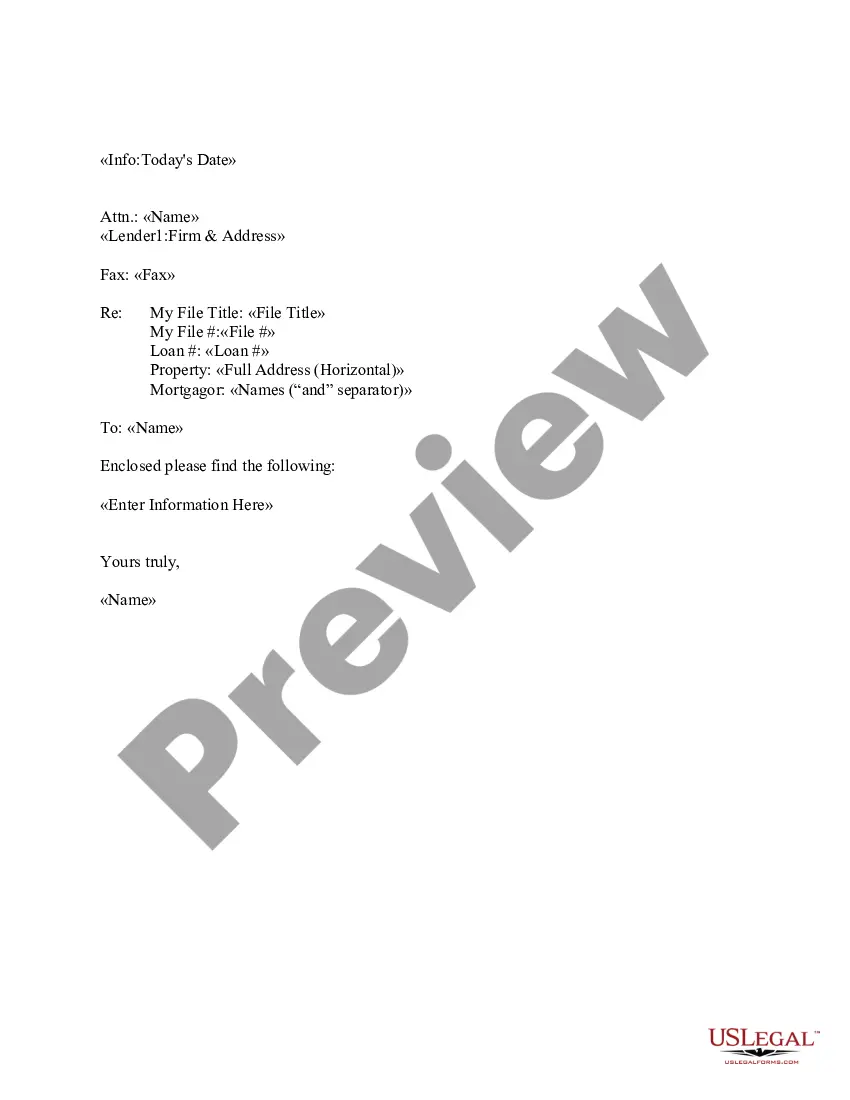
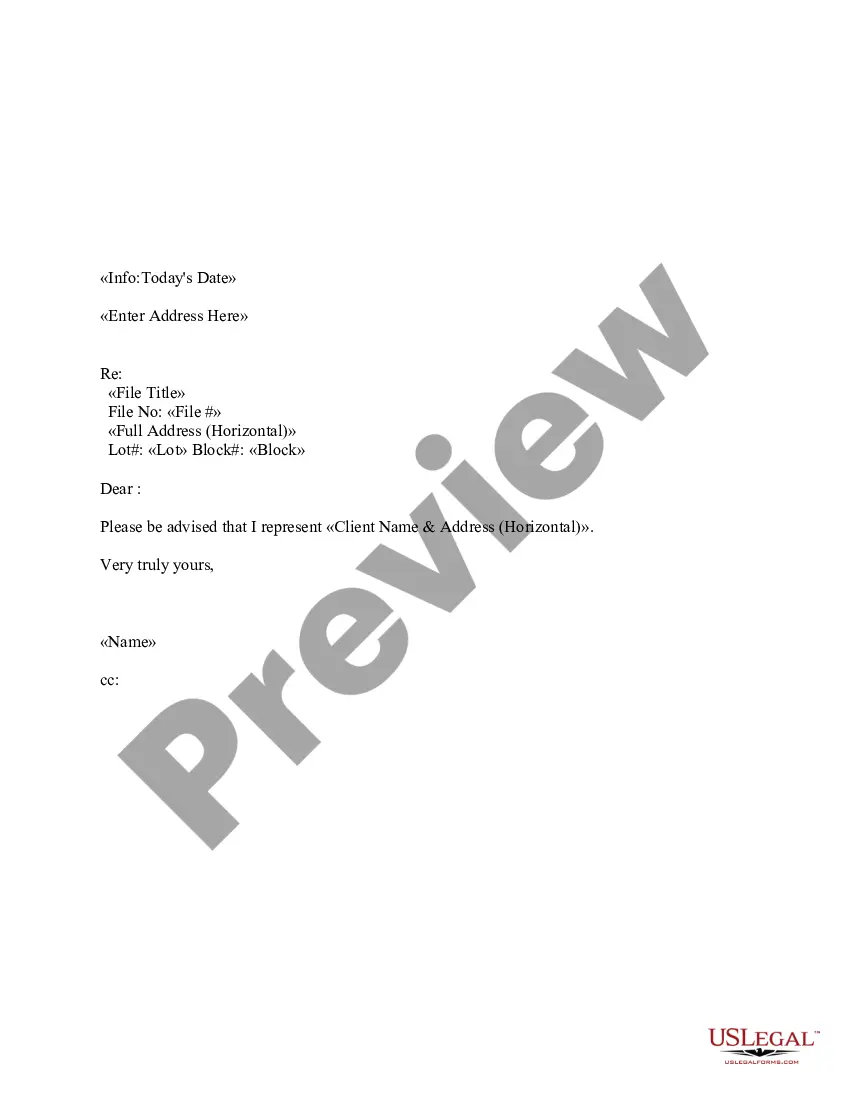
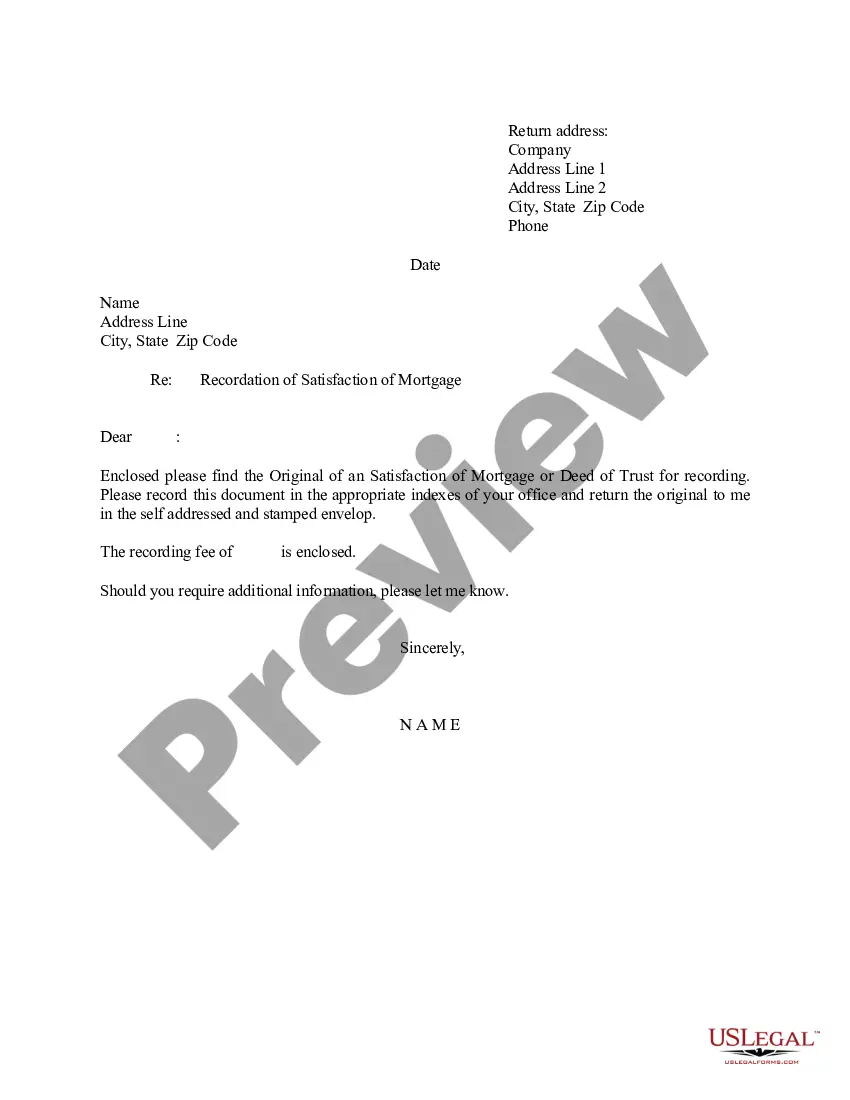
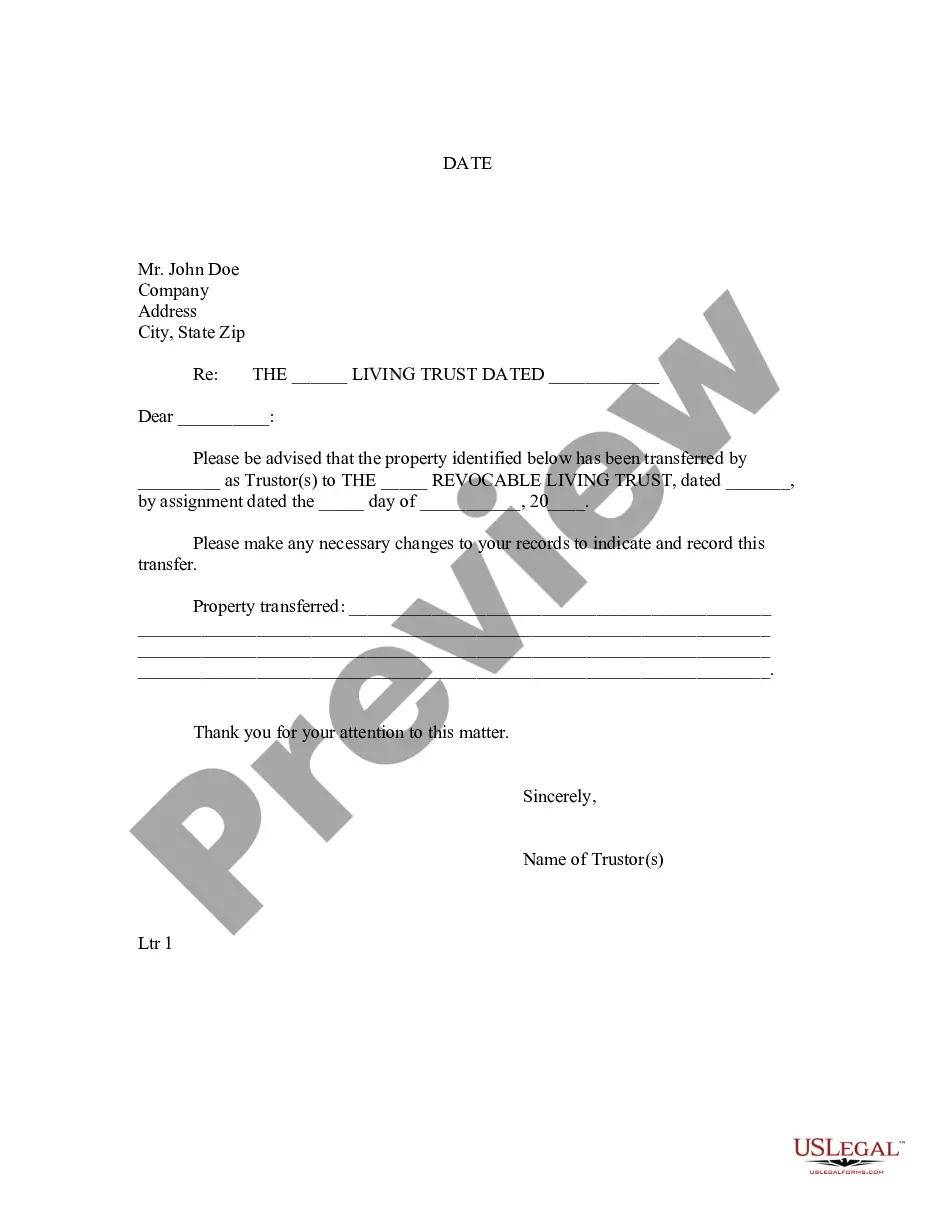
The Letter to Lienholder to Notify of Trust is a formal notification to a lienholder that specific property has been transferred into a living trust. This document is crucial for clarifying ownership and managing the proper records with financial institutions. Unlike other trust-related forms, this letter specifically addresses lienholders, ensuring they are informed of property ownership changes for accurate record-keeping and potential future claims.
Key parts of this document
- Date of the letter
- Identification of the lienholder
- Reference to the living trust's name and date
- Details of the property being transferred
- Signature of the trustor
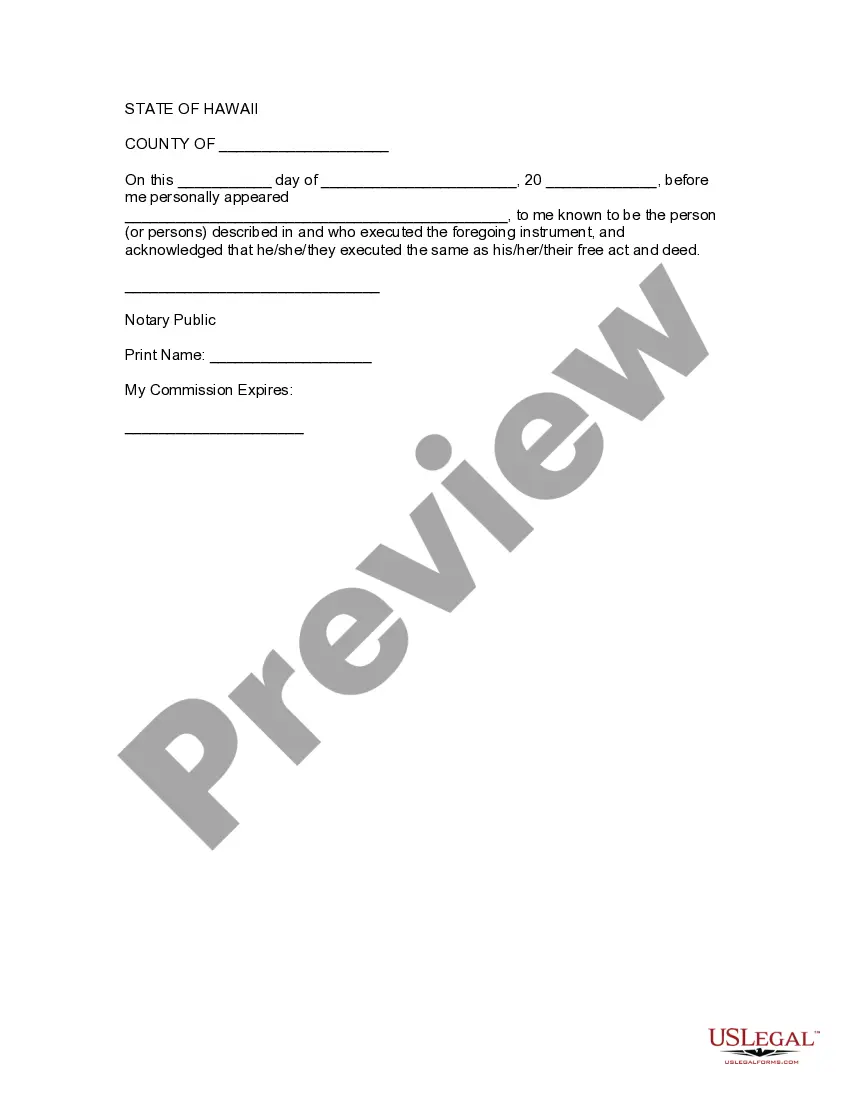
- Notarization section
When to use this document
This letter should be used when a trustor has transferred property into a living trust and needs to formally notify the lienholder, such as a bank or financial institution, of this transfer. It is particularly necessary when the lienholder holds a mortgage or other secured interest in the property affected by the trust, ensuring that all parties have updated and accurate records.
Who should use this form
- Trustors who have established a living trust
- Property owners transferring assets into a trust
- Individuals ensuring proper notification to financial institutions
- Estate planners managing client trusts and property
How to prepare this document
- Enter the date at the top of the letter.
- Identify the lienholder by providing their name and address.
- Fill in the name and date of the living trust being referenced.
- Clearly specify the property that has been transferred into the trust.
- Sign the document to confirm it was completed by the trustor(s).
- If required, have the letter notarized to validate its authenticity.
Does this document require notarization?
This document requires notarization to meet legal standards. US Legal Forms provides secure online notarization powered by Notarize, allowing you to complete the process through a verified video call, available 24/7.
Get your form ready online
Our built-in tools help you complete, sign, share, and store your documents in one place.
Make edits, fill in missing information, and update formatting in US Legal Forms—just like you would in MS Word.
Download a copy, print it, send it by email, or mail it via USPS—whatever works best for your next step.
Sign and collect signatures with our SignNow integration. Send to multiple recipients, set reminders, and more. Go Premium to unlock E-Sign.
If this form requires notarization, complete it online through a secure video call—no need to meet a notary in person or wait for an appointment.
We protect your documents and personal data by following strict security and privacy standards.

Make edits, fill in missing information, and update formatting in US Legal Forms—just like you would in MS Word.

Download a copy, print it, send it by email, or mail it via USPS—whatever works best for your next step.

Sign and collect signatures with our SignNow integration. Send to multiple recipients, set reminders, and more. Go Premium to unlock E-Sign.

If this form requires notarization, complete it online through a secure video call—no need to meet a notary in person or wait for an appointment.

We protect your documents and personal data by following strict security and privacy standards.
Common mistakes to avoid
- Failing to provide accurate property descriptions.
- Neglecting to update the lienholder's details if they have changed.
- Not signing the form or omitting essential trustor information.
- Overlooking notarization if required for the jurisdiction.
Why use this form online
- Convenient access to high-quality legal templates at any time.
- Editable fields that allow customization for specific needs.
- Drafted by licensed attorneys, ensuring legal reliability.
- Instructions provided to guide users through completion.
Looking for another form?


Form popularity
FAQ
To file a lien in Hawaii, you must first gather the necessary information, including details of the property and the amounts owed. Then, prepare a Hawaii Letter to Lienholder to Notify of Trust, which notifies the lienholder of your intention to file. After completing the letter and any required forms, submit your documents to the appropriate county office. It's essential to follow local regulations, and using a reliable service like US Legal Forms can help streamline the process.
To file a lien on property in Hawaii, you must complete a Hawaii Letter to Lienholder to Notify of Trust. This document alerts interested parties about the trust involved in the property. First, gather the necessary information, including the property details and the lienholder information. Then, submit the completed letter to the appropriate county office and ensure you follow up to confirm the filing.
Recording a trust itself is not typically required in Hawaii; however, you do need to record a deed if property is transferred into the trust. This deed will reflect the trust ownership, and you will include information such as the trust name and trustee details. When dealing with lienholders, sending a Hawaii Letter to Lienholder to Notify of Trust can ensure all parties are informed. Consider using uslegalforms for this documentation.
Filing a lien on a property in Hawaii requires completing the necessary forms and submitting them to the Bureau of Conveyances. Make sure to include specific details about the property and the debt owed. After filing, you may want to send a Hawaii Letter to Lienholder to Notify of Trust if the property is held in trust. Utilizing services like uslegalforms can help streamline this process.
To check for a lien on a property in Hawaii, you can perform a title search through the Bureau of Conveyances or hire a title company to assist. By examining public records for any recorded liens against the property, you will gain clarity on any financial claims. If you are dealing with a trust, consider sending a Hawaii Letter to Lienholder to Notify of Trust for proper communication with lienholders. This process can be simplified using uslegalforms.
A trust does not need to be recorded in Hawaii unless you intend to transfer property into the trust. However, recording the property deed when it is transferred is necessary. For any properties affected by liens, it's wise to use a Hawaii Letter to Lienholder to Notify of Trust to keep lienholders informed. Resources like uslegalforms can help streamline this process.
A certificate of trust typically does not require recording in Hawaii, as it serves as a summary of key elements of the trust rather than a full disclosure. However, it can be submitted if needed for specific transactions or to prove the trust exists. Although it is not mandatory, using a Hawaii Letter to Lienholder to Notify of Trust can facilitate communication regarding trust assets. Consider leveraging platforms like uslegalforms for additional guidance.
In Hawaii, registering a trust is generally not required; however, it can be beneficial to establish one formally. You may want to document the trust through a certification that you can present to financial institutions or other relevant parties. While not mandatory, using a Hawaii Letter to Lienholder to Notify of Trust can help ensure proper communication with lienholders regarding the trust's assets. Legal services like uslegalforms can assist with this process.
Documenting a trust involves creating a trust agreement that outlines the terms, conditions, and responsibilities of the trustee. This document should specify the assets in the trust, the beneficiaries’ names, and the distribution plan. Many people find it helpful to work with a qualified attorney or a service like uslegalforms to ensure everything is correctly prepared. Be sure to reference a Hawaii Letter to Lienholder to Notify of Trust when dealing with lienholders.
To transfer ownership of a property in Hawaii, you need to prepare a new deed, typically a warranty deed or quitclaim deed. This deed should include essential details such as the names of the grantor and grantee, the property description, and the date of transfer. After preparing the deed, you must sign it in the presence of a notary public and then record it with the Bureau of Conveyances to update the ownership records. Consider utilizing a Hawaii Letter to Lienholder to Notify of Trust if the property is held in trust.