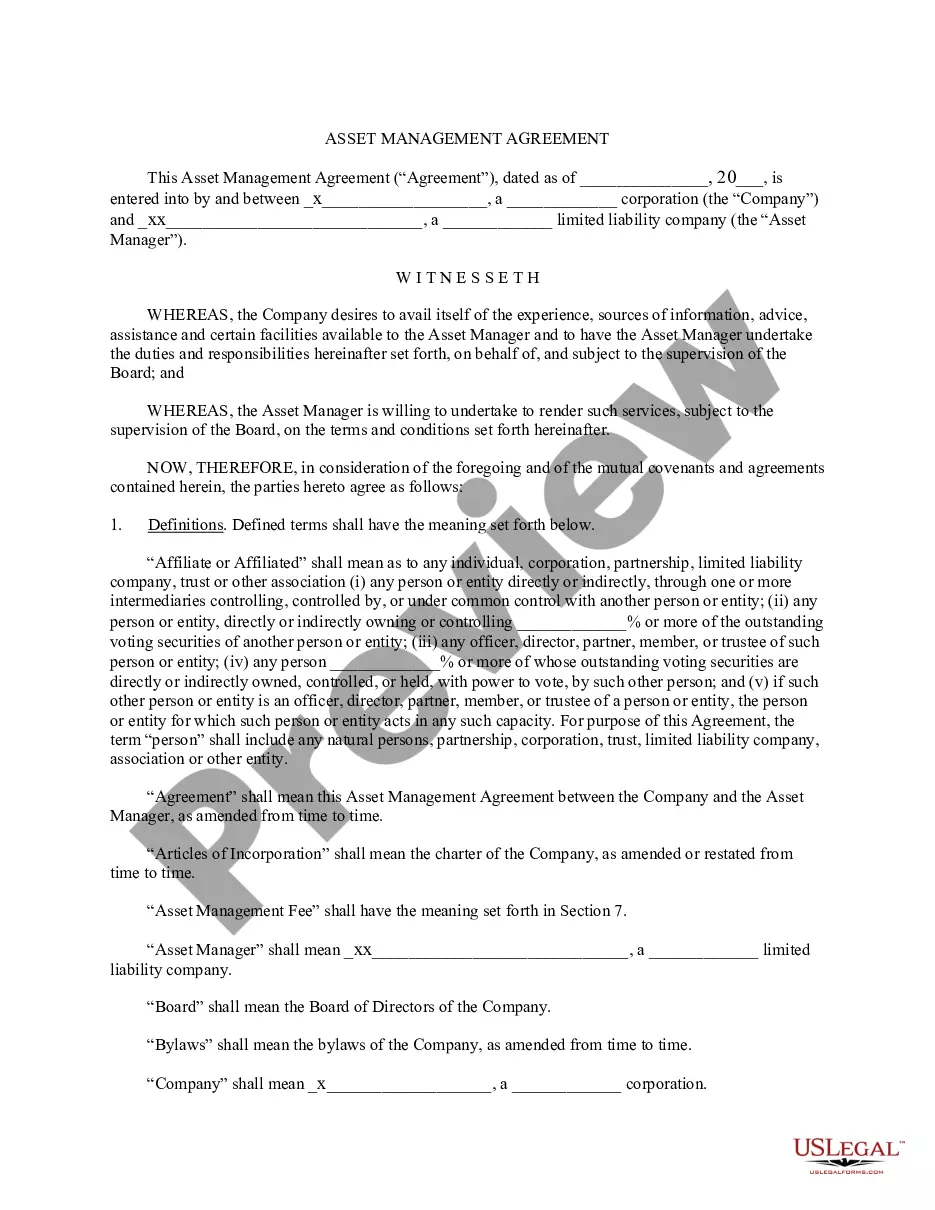
Hawaii Transfer on Death Quitclaim Deed from Individual to a Trust
Overview of this form
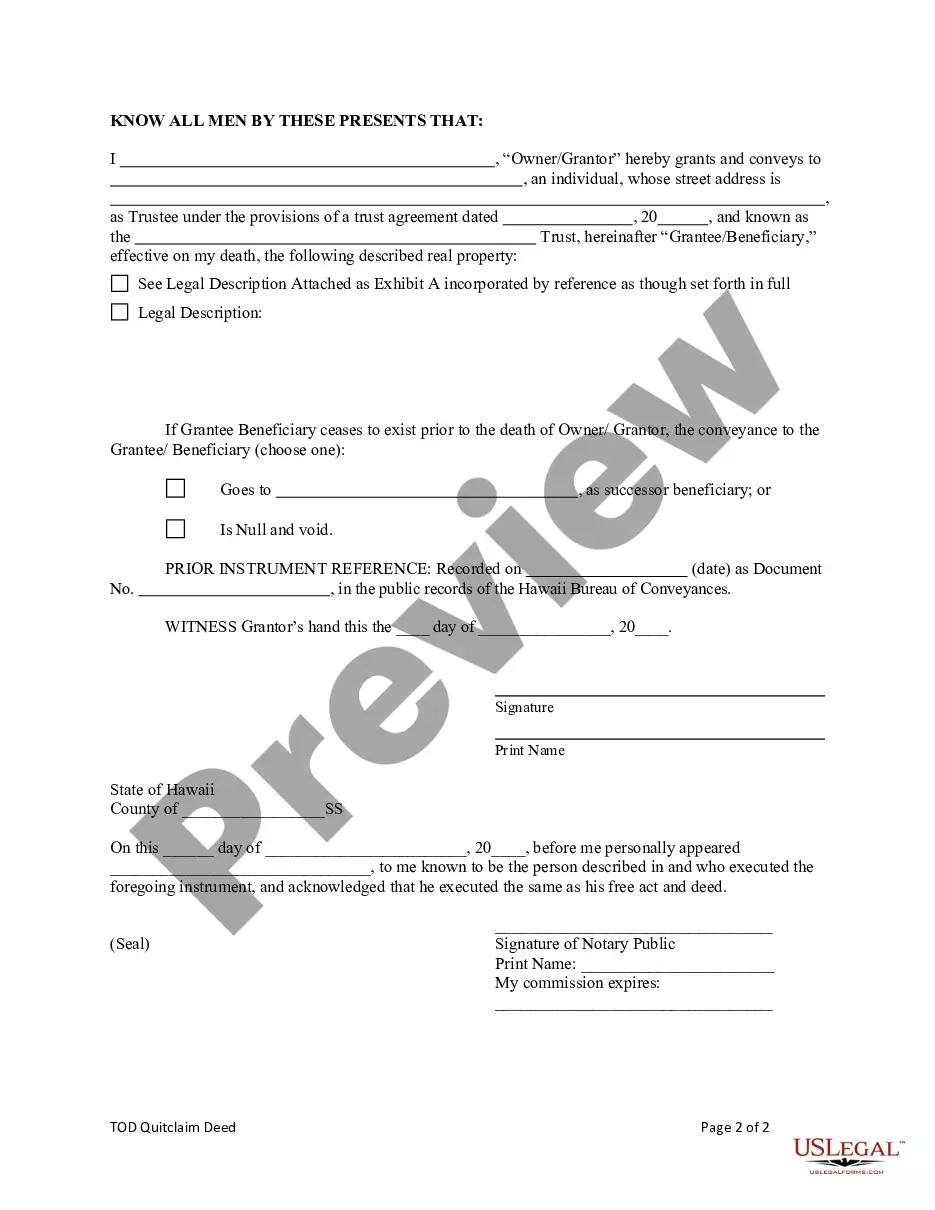
This form is a Transfer on Death Quitclaim Deed, designed to allow an individual (the Grantor) to transfer property to a Trust (the Grantee) upon their death. Unlike standard quitclaim deeds, this transfer is revocable while the Grantor is alive and takes effect only after their death. This form complies with relevant state laws, making it a reliable option for estate planning and property transfer purposes.
What’s included in this form
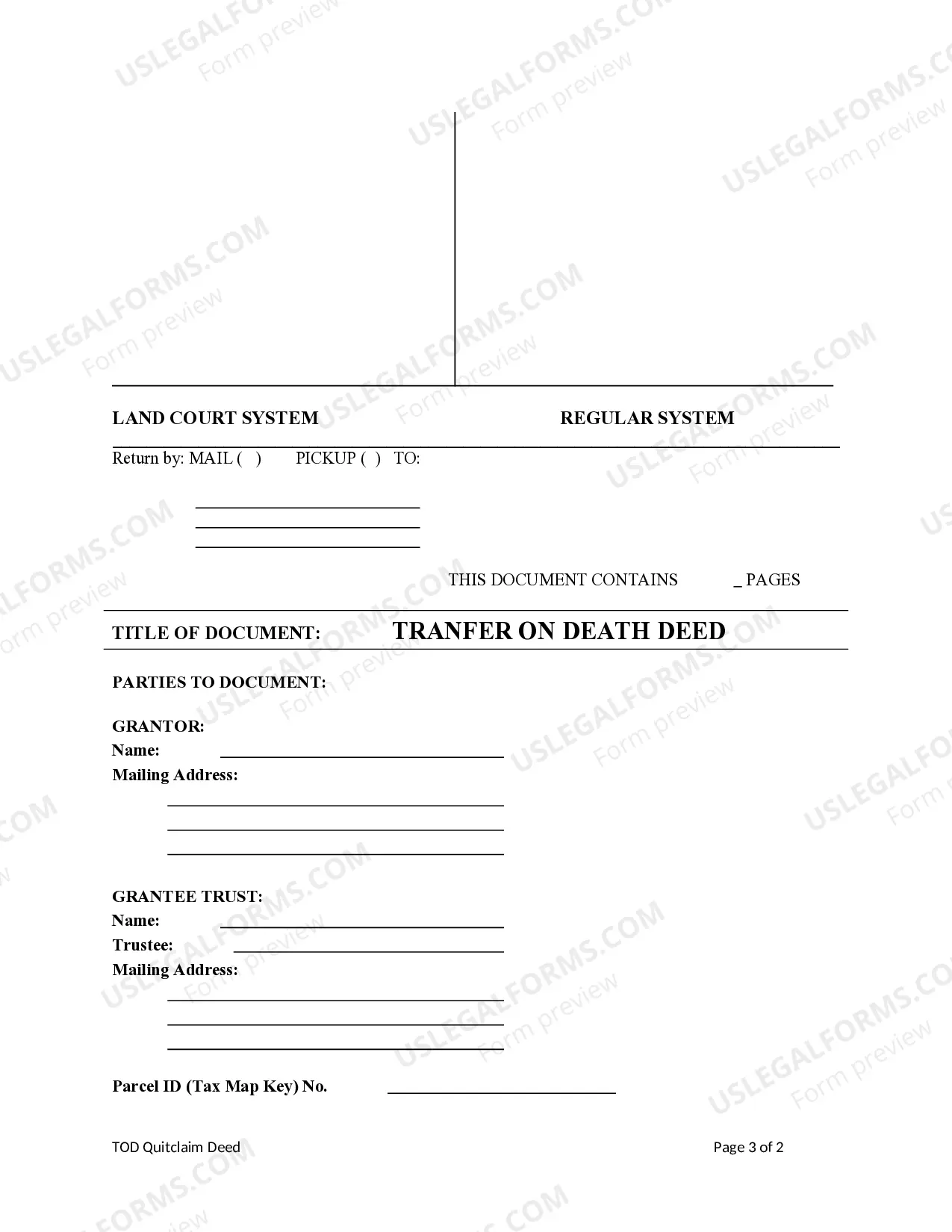
- Identification of the Grantor and Grantee.
- Detailed property description to be transferred.
- Revocation clause allowing the Grantor to change their mind before death.
- Signature and date lines for the Grantor.
- Witness and/or Notary acknowledgment section (if applicable).



When to use this form
This form is useful when an individual wishes to ensure their property is transferred to a Trust upon their death without going through probate. It serves as a practical method to manage assets in estate planning, especially for those wishing to simplify the transfer process for their beneficiaries.
Who needs this form
This form is intended for:
- Individuals who own real estate and wish to designate a Trust as the recipient after death.
- People looking for a revocable method to transfer property.
- Those preparing their estate plan and seeking to avoid probate complications.
How to complete this form
- Identify the parties involved: the Grantor and the Trust.
- Clearly describe the property being transferred.
- Fill in the date and sign the deed as the Grantor.
- If necessary, have the deed witnessed or notarized as per local laws.
- Keep a copy of the completed form for personal records and file it as required in local jurisdictions.
Notarization requirements for this form
This form must be notarized to be legally valid. US Legal Forms provides secure online notarization powered by Notarize, allowing you to complete the process through a verified video call.
Get your form ready online
Our built-in tools help you complete, sign, share, and store your documents in one place.
Make edits, fill in missing information, and update formatting in US Legal Forms—just like you would in MS Word.
Download a copy, print it, send it by email, or mail it via USPS—whatever works best for your next step.
Sign and collect signatures with our SignNow integration. Send to multiple recipients, set reminders, and more. Go Premium to unlock E-Sign.
If this form requires notarization, complete it online through a secure video call—no need to meet a notary in person or wait for an appointment.
We protect your documents and personal data by following strict security and privacy standards.

Make edits, fill in missing information, and update formatting in US Legal Forms—just like you would in MS Word.

Download a copy, print it, send it by email, or mail it via USPS—whatever works best for your next step.

Sign and collect signatures with our SignNow integration. Send to multiple recipients, set reminders, and more. Go Premium to unlock E-Sign.

If this form requires notarization, complete it online through a secure video call—no need to meet a notary in person or wait for an appointment.

We protect your documents and personal data by following strict security and privacy standards.
Typical mistakes to avoid
- Not providing a complete and accurate property description.
- Failing to sign the document properly.
- Not checking specific state requirements for witness or notarization.
- Forgetting to keep a copy for personal records.
Benefits of completing this form online
- Convenient access allowing you to complete the form at your own pace.
- Editable format that can be customized to your needs.
- Reliability of professionally drafted forms adhering to state laws.
Quick recap
- The Transfer on Death Quitclaim Deed is revocable and ensures a smooth property transfer to a trust.
- Proper completion of the form is essential to avoid legal issues.
- Understanding state-specific laws is crucial when utilizing this deed.
Looking for another form?
Form popularity
FAQ
You do not necessarily need a lawyer to complete a Hawaii Transfer on Death Quitclaim Deed from Individual to a Trust, as the process can be straightforward. However, having legal assistance can ensure that the deed complies with local laws and addresses your specific needs correctly. This can prevent potential issues that might arise after your passing. If you want to navigate the process confidently, uslegalforms provides resources and templates that simplify the preparation of such documents.
A quitclaim deed transfers whatever interest the grantor has in the property without any warranties, whereas a transfer on death deed is a more secure option that enables the transfer to occur automatically upon death. The latter provides added assurance in estate planning processes. Choosing a Hawaii Transfer on Death Quitclaim Deed from Individual to a Trust ensures that your property is managed according to your wishes, benefiting your loved ones in the future.
The strongest form of deed is typically considered to be a warranty deed, as it provides guaranteed ownership and a full warranty of title. However, for future transfers, a Hawaii Transfer on Death Quitclaim Deed from Individual to a Trust can also serve as a secure option when well-planned and executed, protecting your assets effectively.
Yes, a quitclaim deed can be used to transfer property out of a trust. However, it is important to follow the specific procedures laid out in the trust agreement to avoid potential legal complications. Engaging with a Hawaii Transfer on Death Quitclaim Deed from Individual to a Trust provides a structured method for managing trust assets efficiently.
While it is not mandatory to hire a lawyer for a transfer on death deed, having legal guidance can be beneficial. An attorney can help ensure the deed is executed correctly and aligns with your overall estate plan. Utilizing a Hawaii Transfer on Death Quitclaim Deed from Individual to a Trust may warrant professional advice to navigate specific legal nuances.
A transfer on death deed offers distinct advantages over a quit claim deed. While both can transfer property, a transfer on death deed specifically allows you to dictate when and how the transfer occurs, often with less tax liability upon death. Therefore, a Hawaii Transfer on Death Quitclaim Deed from Individual to a Trust helps manage your estate more effectively.
Yes, Hawaii allows a transfer on death deed, which can simplify the transfer of property to beneficiaries without the need for probate. This deed enables individuals to transfer ownership of real estate directly to a trust, ensuring a smooth transition of assets. Utilizing a Hawaii Transfer on Death Quitclaim Deed from Individual to a Trust can make estate management significantly easier.
A Transfer on Death (TOD) does not automatically override a trust; rather, it serves as an additional tool for estate planning. A TOD allows direct transfer of property outside of probate, which can complement the terms laid out in a trust. When considering a Hawaii Transfer on Death Quitclaim Deed from Individual to a Trust, it’s wise to assess how both options align with your estate goals and intentions.
A quitclaim deed may not be suitable in scenarios involving the sale of real estate or when a clear title is essential. For instance, if there are existing liens or disputes regarding the property, a more comprehensive deed might be necessary. The Hawaii Transfer on Death Quitclaim Deed from Individual to a Trust can help address certain issues, but it’s essential to evaluate the legal situation first.
Absolutely, you can transfer property from a trust to an individual. This transfer typically requires the trust's terms to allow for such action, often guided by the trustee. By employing a Hawaii Transfer on Death Quitclaim Deed from Individual to a Trust, you can facilitate this process efficiently and protect your estate’s intentions.