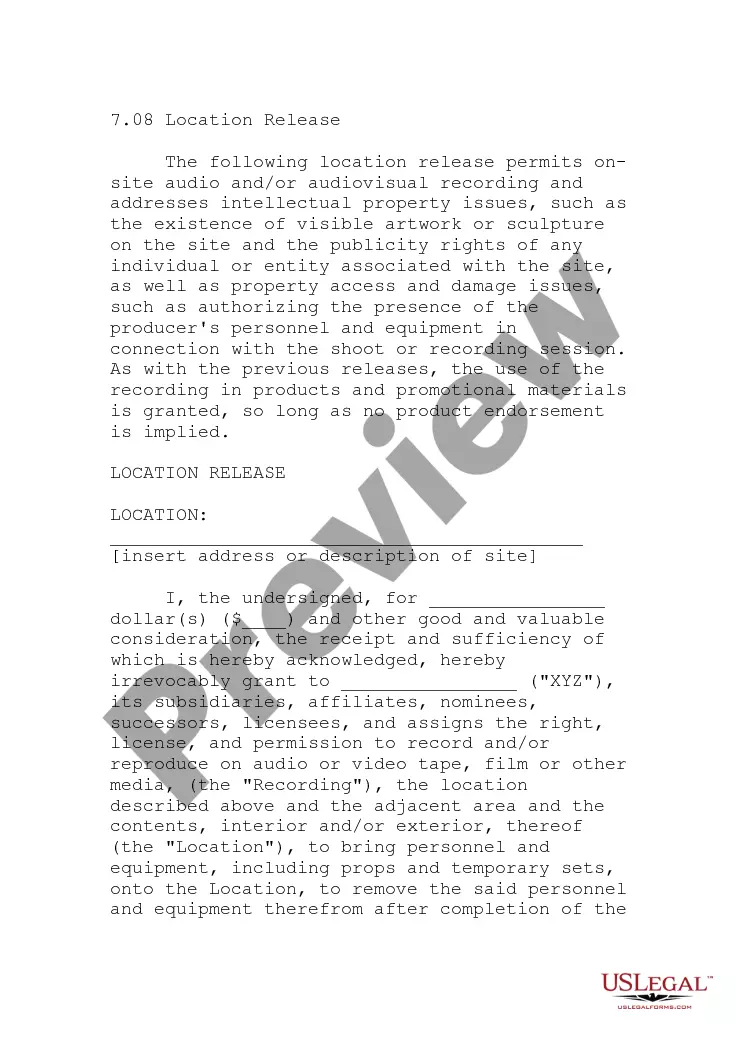
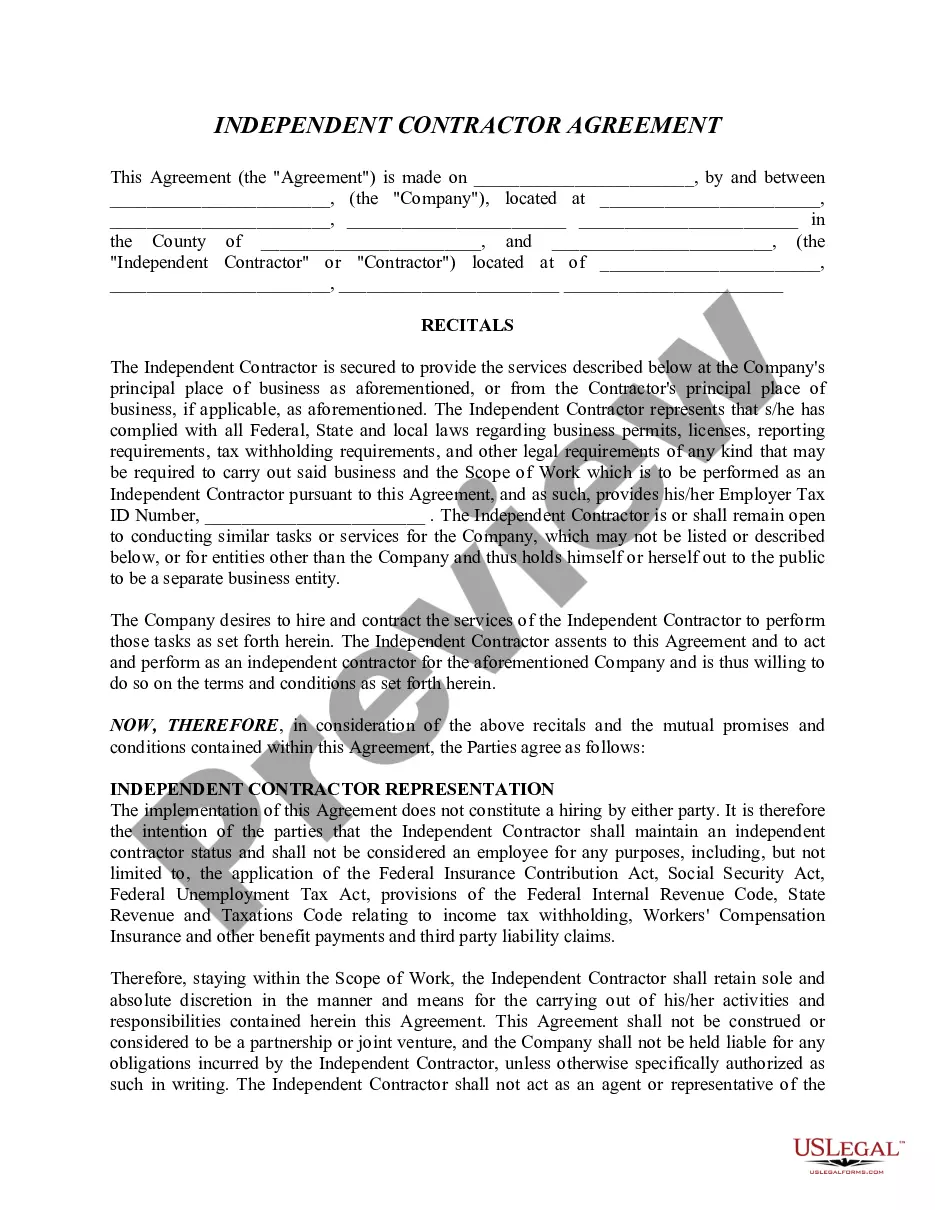
Guam Self-Employed Independent Contractor Payment Schedule
Description

Get your form ready online
Our built-in tools help you complete, sign, share, and store your documents in one place.
Make edits, fill in missing information, and update formatting in US Legal Forms—just like you would in MS Word.
Download a copy, print it, send it by email, or mail it via USPS—whatever works best for your next step.
Sign and collect signatures with our SignNow integration. Send to multiple recipients, set reminders, and more. Go Premium to unlock E-Sign.
If this form requires notarization, complete it online through a secure video call—no need to meet a notary in person or wait for an appointment.
We protect your documents and personal data by following strict security and privacy standards.

Make edits, fill in missing information, and update formatting in US Legal Forms—just like you would in MS Word.

Download a copy, print it, send it by email, or mail it via USPS—whatever works best for your next step.

Sign and collect signatures with our SignNow integration. Send to multiple recipients, set reminders, and more. Go Premium to unlock E-Sign.

If this form requires notarization, complete it online through a secure video call—no need to meet a notary in person or wait for an appointment.

We protect your documents and personal data by following strict security and privacy standards.
Looking for another form?
How to fill out Self-Employed Independent Contractor Payment Schedule?
Finding the appropriate legal document template can be a challenge. Naturally, there are numerous templates available online, but how do you locate the legal form you require? Utilize the US Legal Forms website. The platform provides thousands of templates, including the Guam Self-Employed Independent Contractor Payment Schedule, suitable for business and personal purposes. All documents are reviewed by experts and comply with state and federal regulations.
If you are already registered, Log In to your account and click on the Download button to obtain the Guam Self-Employed Independent Contractor Payment Schedule. Use your account to browse through the legal documents you have previously acquired. Navigate to the My documents section of your account to retrieve another copy of the document you require.
If you are a new user of US Legal Forms, here are easy instructions for you to follow: First, ensure you have chosen the correct form for your city/county. You can review the form using the Review button and check the form description to confirm this is indeed the right one for you. If the form does not meet your needs, use the Search field to find the appropriate form. Once you are confident the form is suitable, click on the Buy now button to purchase the form. Select the pricing plan you desire and enter the required information. Create your account and pay for the order using your PayPal account or credit card. Choose the file format and download the legal document template to your device. Finally, complete, edit, print, and sign the acquired Guam Self-Employed Independent Contractor Payment Schedule.
In summary, US Legal Forms is an invaluable resource for anyone in need of legal document templates that adhere to necessary legal standards.
- US Legal Forms is the largest collection of legal templates where you can find a variety of document templates.
- Use the service to obtain professionally crafted documents that comply with state regulations.
- Ensure to review the terms before downloading any templates.
- The website is user-friendly and guides you through the process.
- Various payment options are available for your convenience.
- Customer support is available for any inquiries or issues.
Form popularity
FAQ
Taxpayers should use Schedule C (Form 1040) to report self-employment income while also utilizing Schedule SE to calculate self-employment tax. This combination is crucial for the Guam Self-Employed Independent Contractor Payment Schedule. Schedule C allows you to outline your income and deduct eligible expenses, while Schedule SE helps compute the tax owed. Utilizing our platform can provide templates and guidance to streamline your filing process.
Self-employment taxes for independent contractors consist of Social Security and Medicare taxes, and they are calculated based on your net earnings. For the Guam Self-Employed Independent Contractor Payment Schedule, you will generally determine your net income from Schedule C, then apply the self-employment tax rate. It's essential to keep accurate records of your income and expenses to ensure you calculate your taxes correctly. Using our platform, you can find resources to help simplify this process.
To report self-employment income, you typically use Schedule C (Form 1040) for the Guam Self-Employed Independent Contractor Payment Schedule. This form helps you detail your income and expenses as an independent contractor. Additionally, you may also need to file Schedule SE to calculate your self-employment tax. Using these forms accurately ensures compliance and helps you understand your earnings better.
The $600 rule refers to the IRS requirement that businesses must issue a Form 1099-MISC to independent contractors who earn $600 or more in a calendar year. This is particularly relevant for those using the Guam Self-Employed Independent Contractor Payment Schedule, as it affects how you report your earnings. By adhering to this rule, you ensure that your income is properly documented, which can help streamline your tax filing process. Utilizing platforms like uslegalforms can assist you in managing these requirements efficiently.
In the United States, if you earn less than $400 in net income from self-employment, you do not need to file a tax return. This is important for those following the Guam Self-Employed Independent Contractor Payment Schedule, as it helps you understand your tax obligations. However, keep in mind that even if you earn under this threshold, you may want to keep records of your income for future reference. It's wise to consult with a tax professional to ensure compliance with local regulations.
To report foreign self-employment income in the US, you must include it on your tax return using Form 1040 and Schedule C. You should report the income in US dollars, and you may be eligible for the Foreign Earned Income Exclusion, which could help reduce your taxable income. Proper documentation is critical here, and platforms like US Legal Forms can guide you through the nuances of a Guam Self-Employed Independent Contractor Payment Schedule for foreign income.
To report payments to independent contractors, you must issue Form 1099-NEC for any non-employee compensation exceeding $600 in a tax year. This form captures crucial information about your payments and provides the IRS with an accurate record of the contractor's earnings. Utilizing resources from US Legal Forms can simplify the process of preparing and filing your Forms 1099, particularly in the context of a Guam Self-Employed Independent Contractor Payment Schedule.
A taxpayer should use Schedule C, also known as the Profit or Loss from Business form, to report self-employment income. This form allows you to detail your income and expenses as a self-employed individual. When you earn income as a Guam Self-Employed Independent Contractor, it's essential to accurately complete this schedule to ensure proper reporting and compliance with tax regulations.