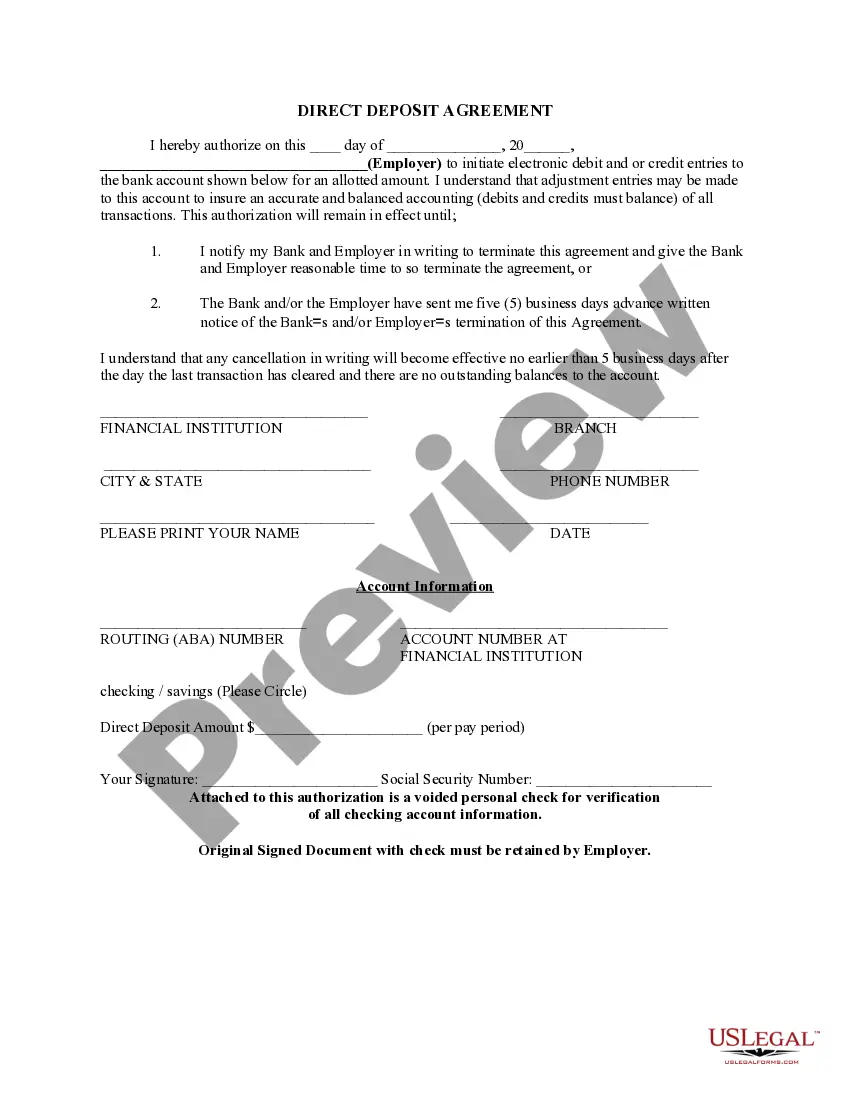
Guam Hazard Communication Training Checklist for Individual Employees
Description
Get your form ready online
Our built-in tools help you complete, sign, share, and store your documents in one place.
Make edits, fill in missing information, and update formatting in US Legal Forms—just like you would in MS Word.
Download a copy, print it, send it by email, or mail it via USPS—whatever works best for your next step.
Sign and collect signatures with our SignNow integration. Send to multiple recipients, set reminders, and more. Go Premium to unlock E-Sign.
If this form requires notarization, complete it online through a secure video call—no need to meet a notary in person or wait for an appointment.
We protect your documents and personal data by following strict security and privacy standards.

Make edits, fill in missing information, and update formatting in US Legal Forms—just like you would in MS Word.

Download a copy, print it, send it by email, or mail it via USPS—whatever works best for your next step.

Sign and collect signatures with our SignNow integration. Send to multiple recipients, set reminders, and more. Go Premium to unlock E-Sign.

If this form requires notarization, complete it online through a secure video call—no need to meet a notary in person or wait for an appointment.

We protect your documents and personal data by following strict security and privacy standards.
Looking for another form?


How to fill out Hazard Communication Training Checklist For Individual Employees?
Are you in a role where you require documents for both business and personal tasks almost every workday.
There are numerous legal document templates accessible online, but finding ones that you can trust is challenging.
US Legal Forms provides thousands of form templates, including the Guam Hazard Communication Training Checklist for Individual Employees, which are designed to comply with federal and state regulations.
Once you find the appropriate form, click Purchase now.
Select the payment plan you want, fill in the necessary information to create your account, and pay using your PayPal or credit card.
- If you are already familiar with the US Legal Forms website and have an account, simply sign in.
- Then, you can download the Guam Hazard Communication Training Checklist for Individual Employees template.
- If you do not have an account and would like to start using US Legal Forms, follow these steps.
- Find the form you need and ensure it's for the correct city/county.
- Use the Preview button to review the form.
- Check the details to confirm that you have selected the correct form.
- If the form does not match your needs, utilize the Search field to locate the form that fits your requirements.
Form popularity
FAQ
They are: Chemical Inventory, Written Program, Labels, Material Safety Data Sheets, and Training. The first element of the Hazard Communication Standard is for employers to develop inventories of all the hazardous chemicals they have at their worksite.
You must provide "effective" HazCom training to your employees at the time of their initial assignment and whenever a new physical or health hazard the employees have not previously been trained about is introduced into their work area.
The Hazard Communication Standard (HCS), 29 CFR 1910.1200 (h), requires all employers to provide information and training to their employees about the hazardous chemicals to which they may be exposed at the time of their initial assignment and whenever a new hazard is introduced into their work area.
Employers in all industries of all sizes must provide training when hazardous chemicals are present in the workplace. This includes health care, dental, labs, construction, manufacturing, cleaning services, etc. Only workers who have potential exposure to the hazardous chemicals need to be trained.
Although OSHA doesn't require training for workers who encounter hazardous chemicals in non-routine, isolated instances, employers tend to provide hazcom training to a broad array of employees to cover their bases, according to Shannon Gainey, technical and regulatory director for consulting firm REACH24H USA.
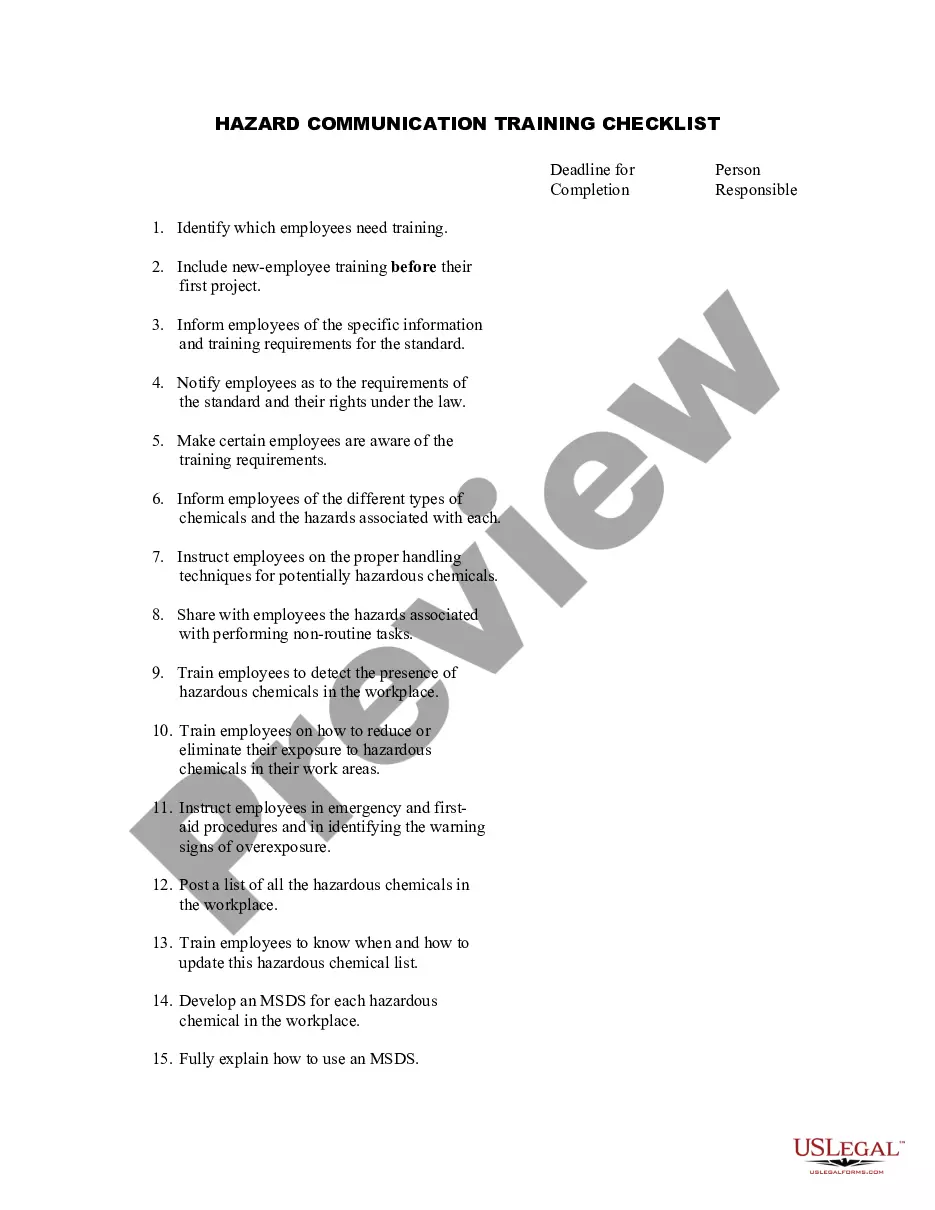
When working with hazardous chemicals, employees must have the proper information and training regarding handling the chemicals, protecting themselves against risk, and understanding any outstanding safety concerns.
Which employees must be trained? OSHA says you must train "employees" which are defined in 1910.1200 as "a worker who may be exposed to hazardous chemicals under normal operating conditions or in foreseeable emergencies.
These are the Five elements of the Hazard Communication Standard. They are: Chemical Inventory, Written Program, Labels, Material Safety Data Sheets, and Training. The first element of the Hazard Communication Standard is for employers to develop inventories of all the hazardous chemicals they have at their worksite.
Updated: Learn the standard and identify responsible staff for particular activities such as training.Prepare and implement a written hazard communication program.Ensure that containers are labeled.Maintain safety data sheets.Inform and train employees.Evaluate and reassess.27-Jul-2017
The program must include labels on containers of hazardous chemicals, safety data sheets (SDSs) for hazardous chemicals, and training for workers. Each employer must also describe in a written program how it will meet the requirements of the HCS in each of these areas.