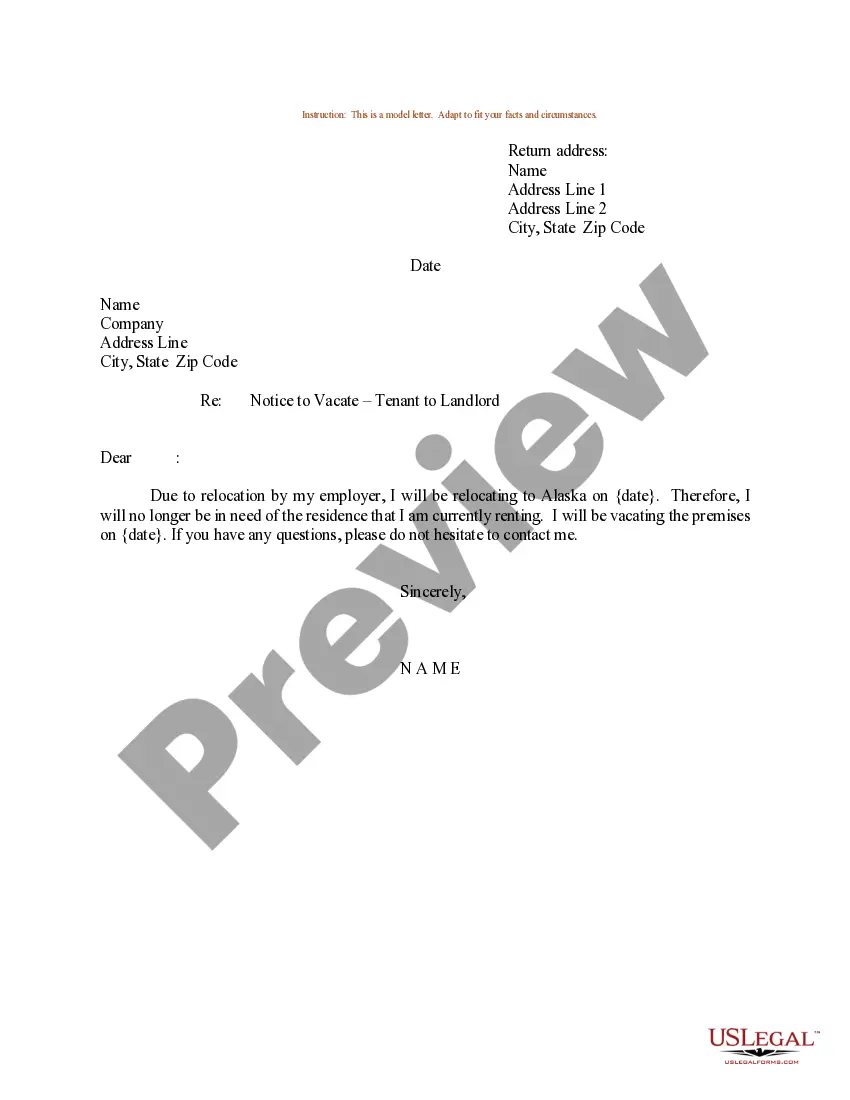
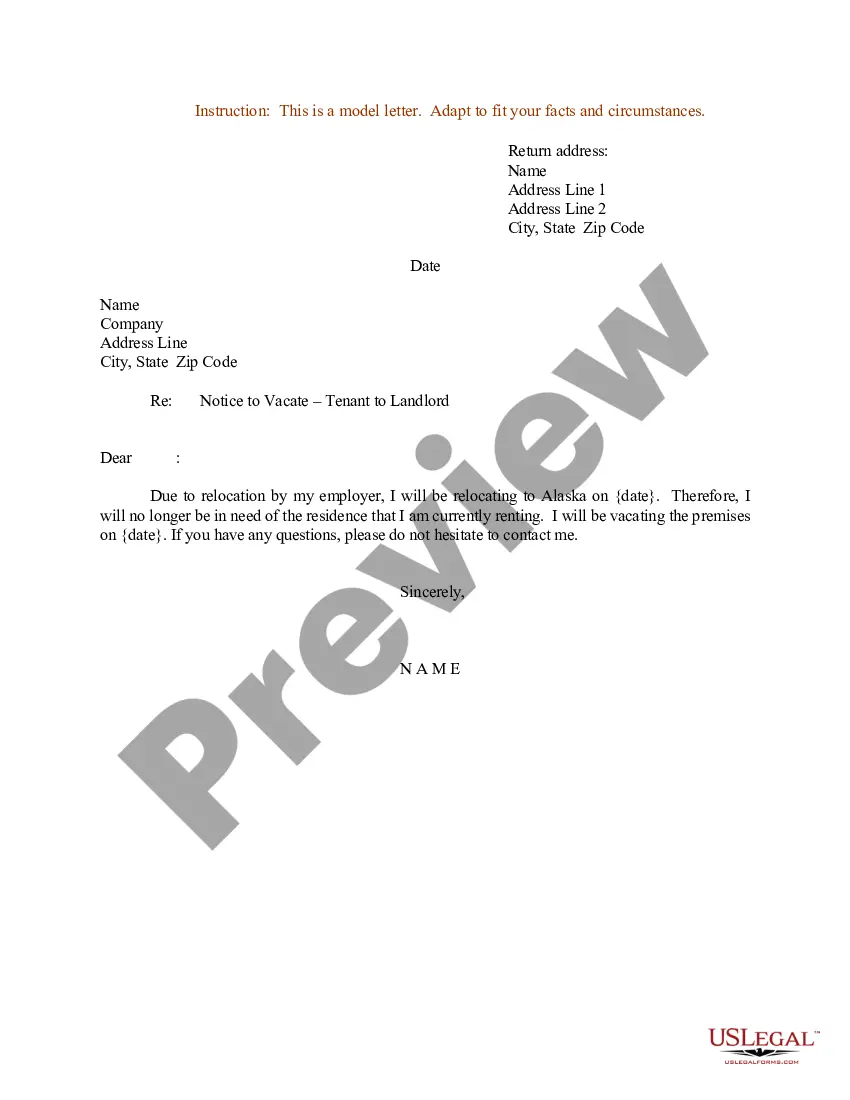
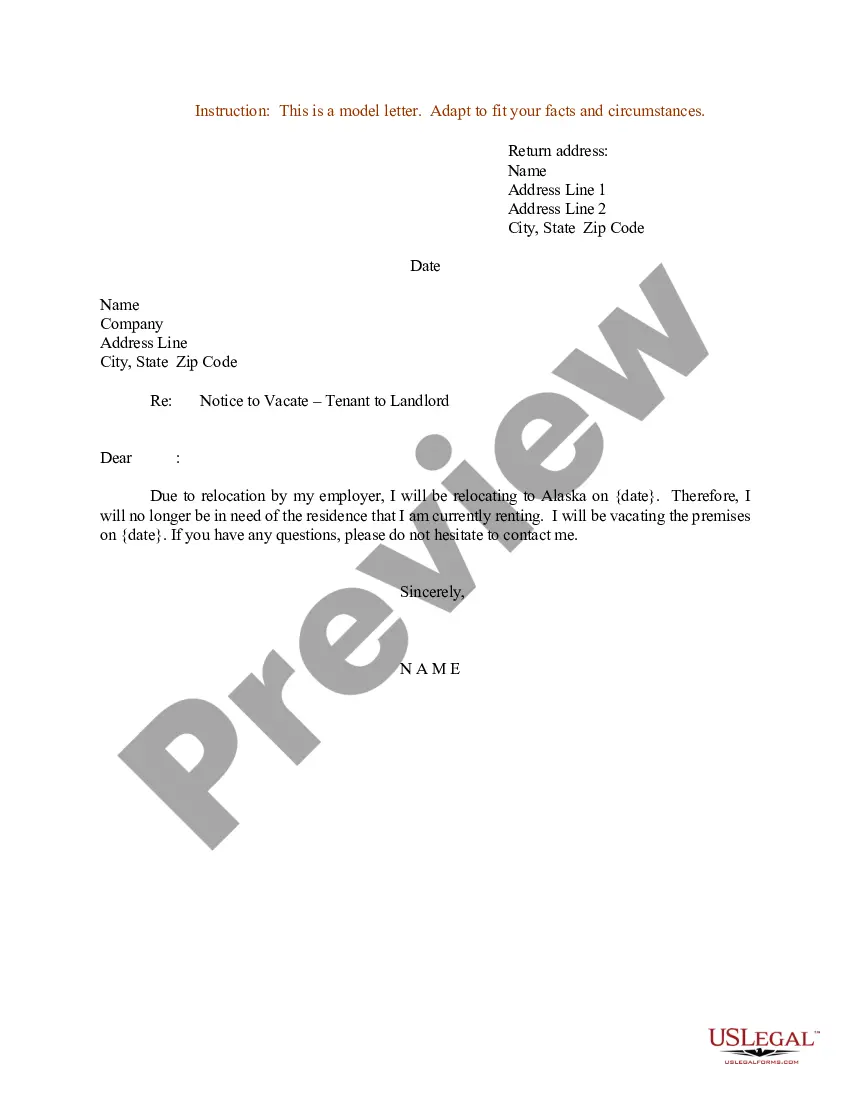
Guam Notice to Vacate for Holding Over
Description
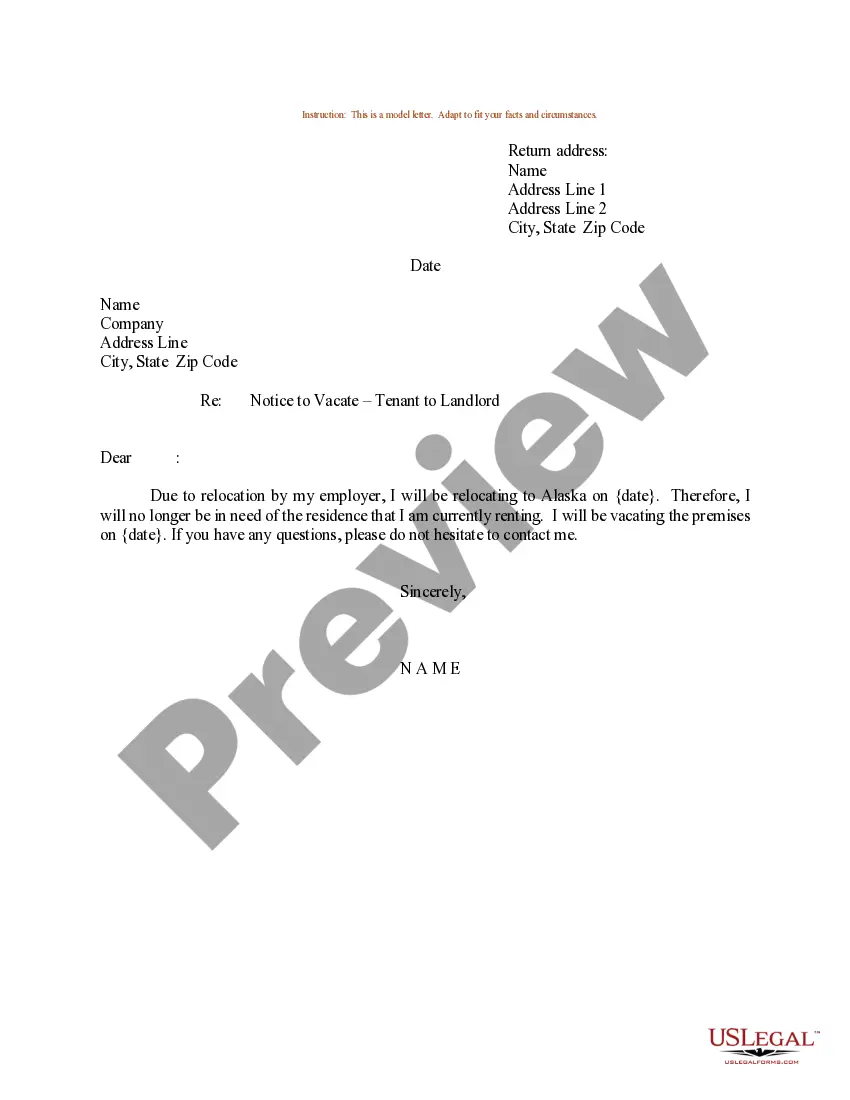
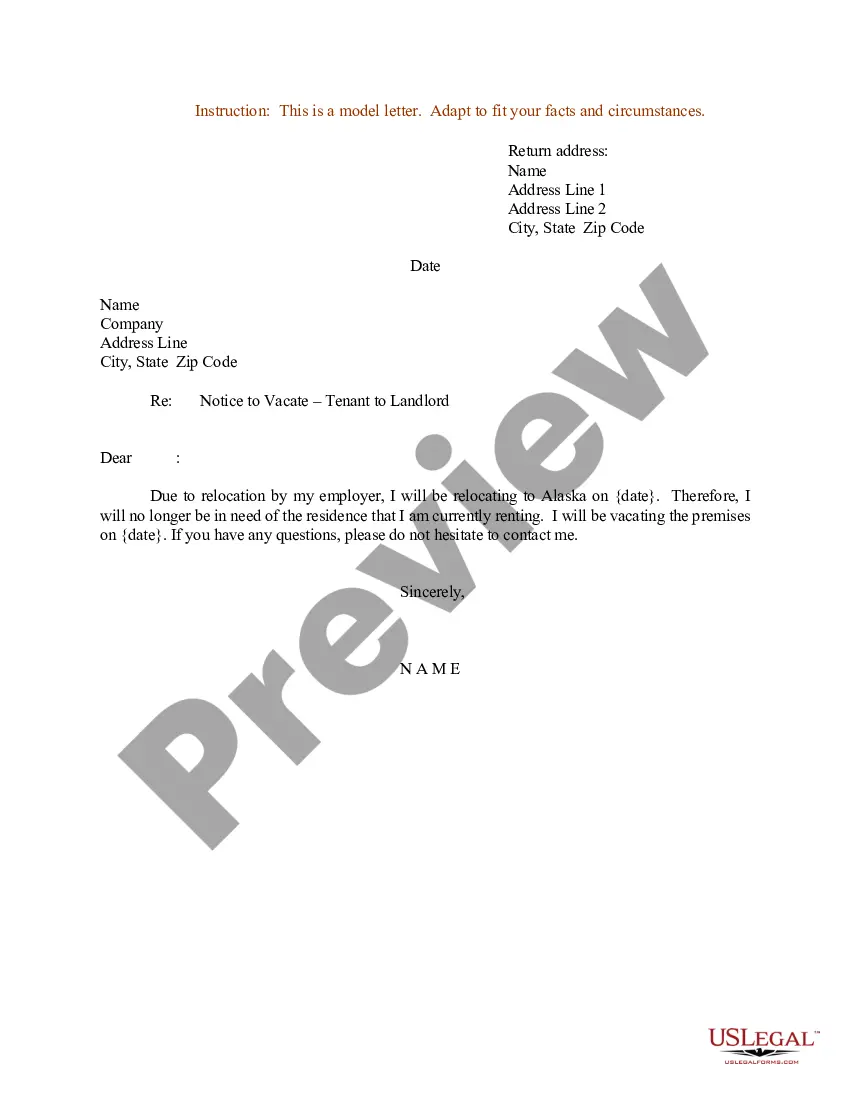
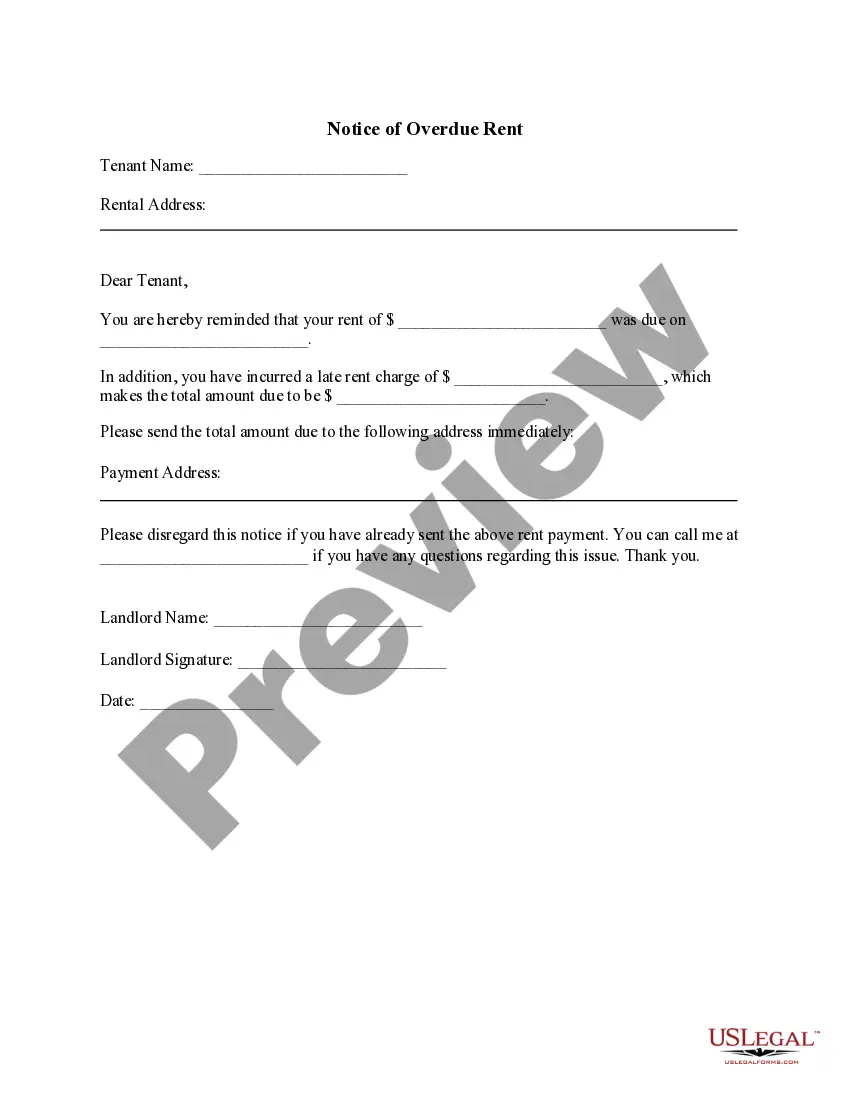
Get your form ready online
Our built-in tools help you complete, sign, share, and store your documents in one place.
Make edits, fill in missing information, and update formatting in US Legal Forms—just like you would in MS Word.
Download a copy, print it, send it by email, or mail it via USPS—whatever works best for your next step.
Sign and collect signatures with our SignNow integration. Send to multiple recipients, set reminders, and more. Go Premium to unlock E-Sign.
If this form requires notarization, complete it online through a secure video call—no need to meet a notary in person or wait for an appointment.
We protect your documents and personal data by following strict security and privacy standards.

Make edits, fill in missing information, and update formatting in US Legal Forms—just like you would in MS Word.

Download a copy, print it, send it by email, or mail it via USPS—whatever works best for your next step.

Sign and collect signatures with our SignNow integration. Send to multiple recipients, set reminders, and more. Go Premium to unlock E-Sign.

If this form requires notarization, complete it online through a secure video call—no need to meet a notary in person or wait for an appointment.

We protect your documents and personal data by following strict security and privacy standards.
Looking for another form?
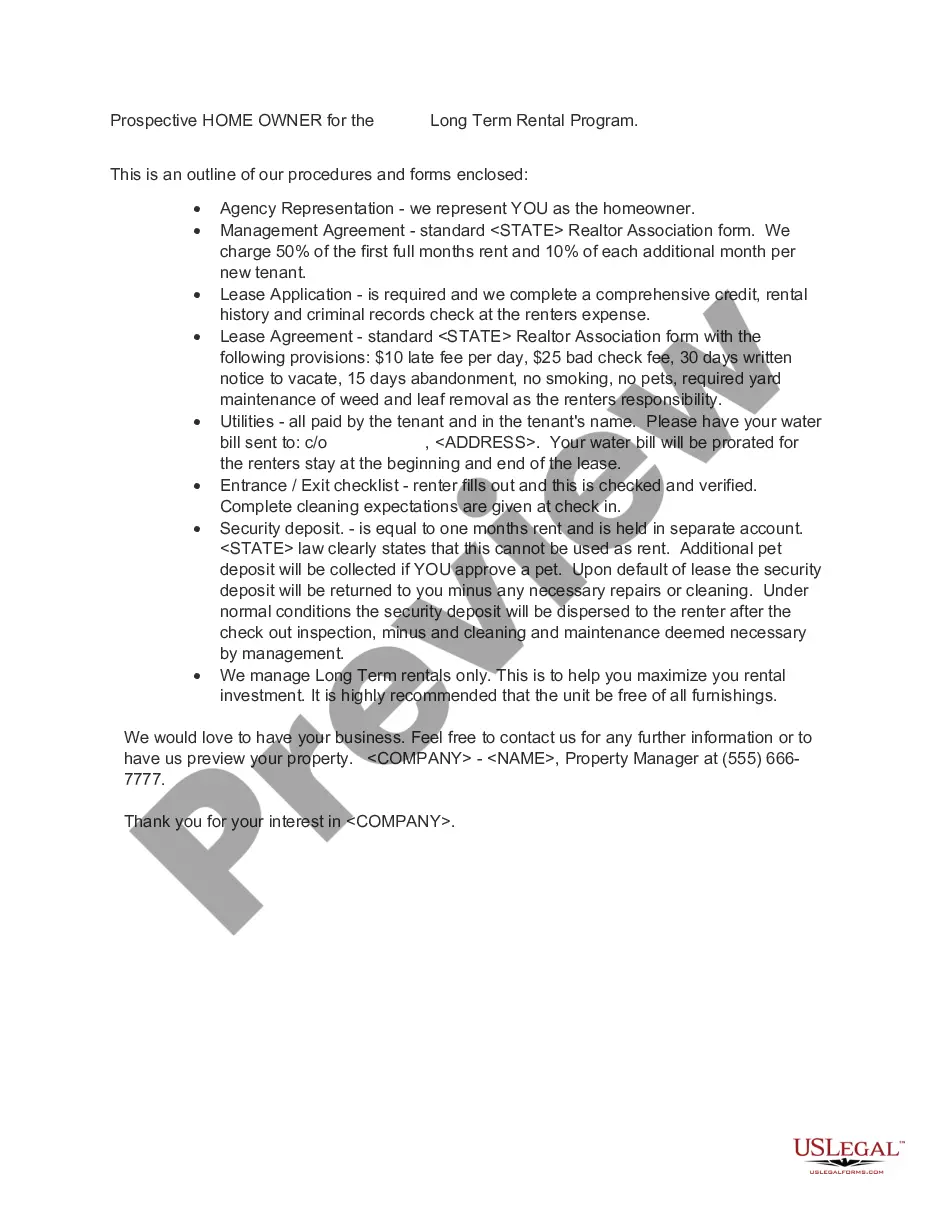
How to fill out Notice To Vacate For Holding Over?
Locating the appropriate legal document template can be a challenge.
Indeed, there are numerous templates accessible online, but how can you find the specific legal form you require.
Utilize the US Legal Forms website. The platform offers a vast selection of templates, including the Guam Notice to Vacate for Holding Over, suitable for business and personal needs.
You can preview the form using the Preview button and read the form description to confirm it is the appropriate one for you.
- All forms are reviewed by experts and comply with federal and state regulations.
- If you are already registered, Log In to your account and click the Download button to access the Guam Notice to Vacate for Holding Over.
- Utilize your account to browse the legal forms you have previously acquired.
- Navigate to the My documents section of your account to download an additional copy of the required document.
- If you are a new user of US Legal Forms, follow these simple steps.
- First, ensure that you have chosen the correct form for your locality.
Form popularity
FAQ
When a tenant holds over, it means they continue residing in the rental property even after their lease has expired. In these situations, landlords may issue a Guam Notice to Vacate for Holding Over to formally request the tenant vacate the property. Both parties should be aware of the legal processes involved to ensure everyone’s rights are observed.
Yes, a landlord may withdraw a notice to vacate if they wish to continue the tenancy. However, communication must be clear and documented to avoid misunderstandings. This process aligns with the procedures outlined in Guam Notice to Vacate for Holding Over.
No, a landlord cannot touch or remove a tenant's personal belongings without permission. This includes any actions taken during or after eviction proceedings. Thus, tenants should be informed of their rights related to the Guam Notice to Vacate for Holding Over to protect their property.
A landlord can typically hold belongings for a reasonable time after eviction or tenant departure. Local laws usually dictate how long a landlord may keep these items, often ranging from a few days to several weeks. Understanding your rights concerning Guam Notice to Vacate for Holding Over may help clarify what you can expect in this situation.
In Tennessee, landlords cannot retaliate against tenants by increasing rent or evicting them for asserting legal rights. It is important for both parties to know their rights under local laws. If you are navigating similar issues, utilizing resources like US Legal Forms could provide valuable guidance.
The timeline to evict a holdover tenant can vary, typically ranging from a few weeks to a few months. It largely depends on local laws, including how quickly a landlord can secure a court date. Understanding Guam Notice to Vacate for Holding Over can help landlords proceed efficiently in this process.
A notice to vacate can be considered invalid if it lacks the required information, such as insufficient notice period or improper delivery. Using the correct format and including essential details is critical when issuing a Guam Notice to Vacate for Holding Over. If tenants receive an invalid notice, they may have grounds to contest eviction.
Typically, a landlord can hold a property for potential tenants under certain conditions. However, this usually requires a signed agreement and potentially a deposit. If you face issues related to your rental and require assistance, consider exploring options via platforms like US Legal Forms to find your best approach.
Yes, a landlord can withdraw a notice to vacate if they change their mind or resolve the issue at hand. However, it's important for them to communicate this clearly to the tenant. In situations involving Guam Notice to Vacate for Holding Over, clear communication fosters a better landlord-tenant relationship.
A holdover refers to the tenant's status of staying in a property after their lease has expired, while eviction is the legal process initiated by a landlord to remove a tenant. Understanding Guam Notice to Vacate for Holding Over can help clarify these differences, as the notice serves as the first step towards potential eviction. Tenants should be proactive in addressing any holdover status.