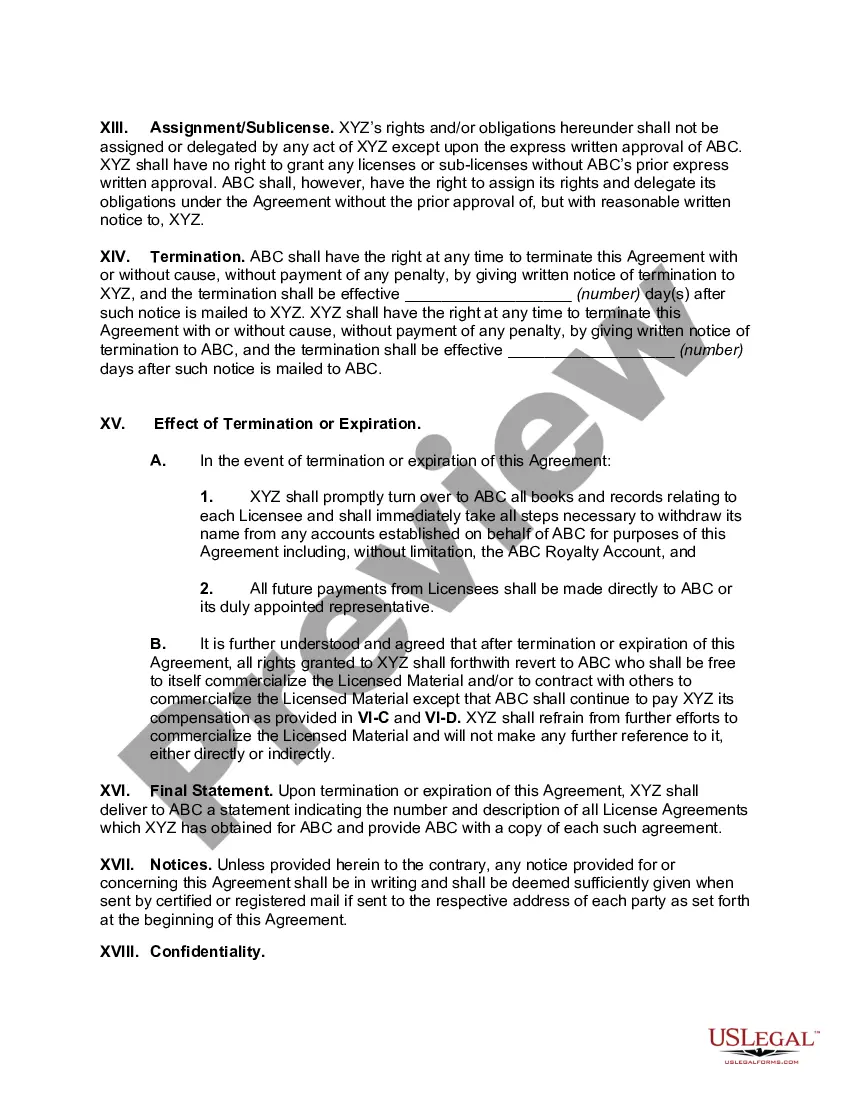
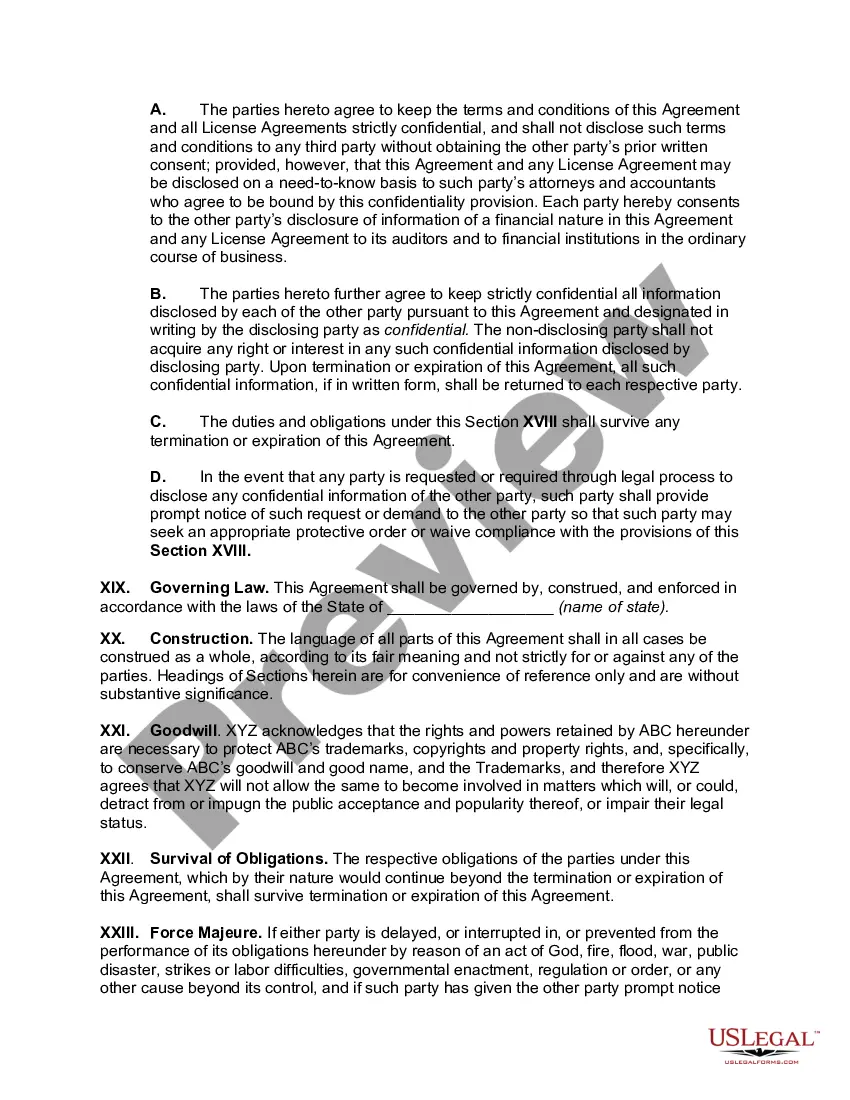
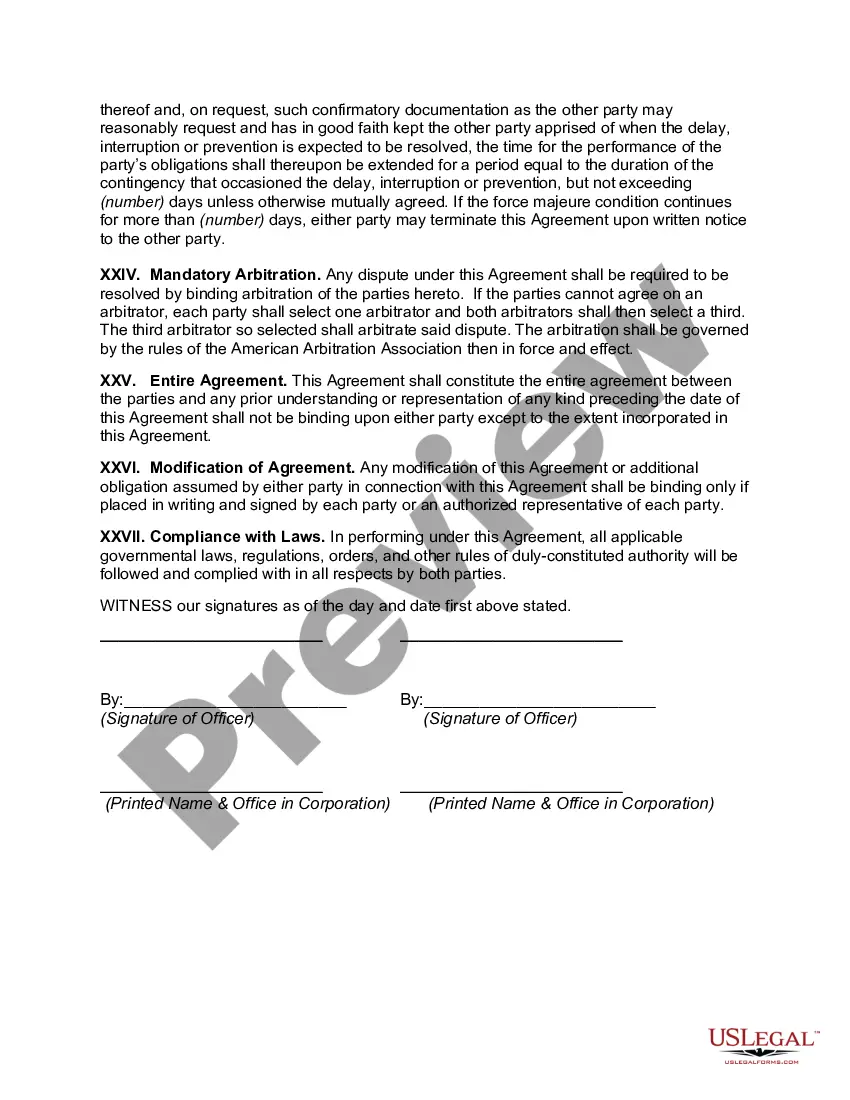
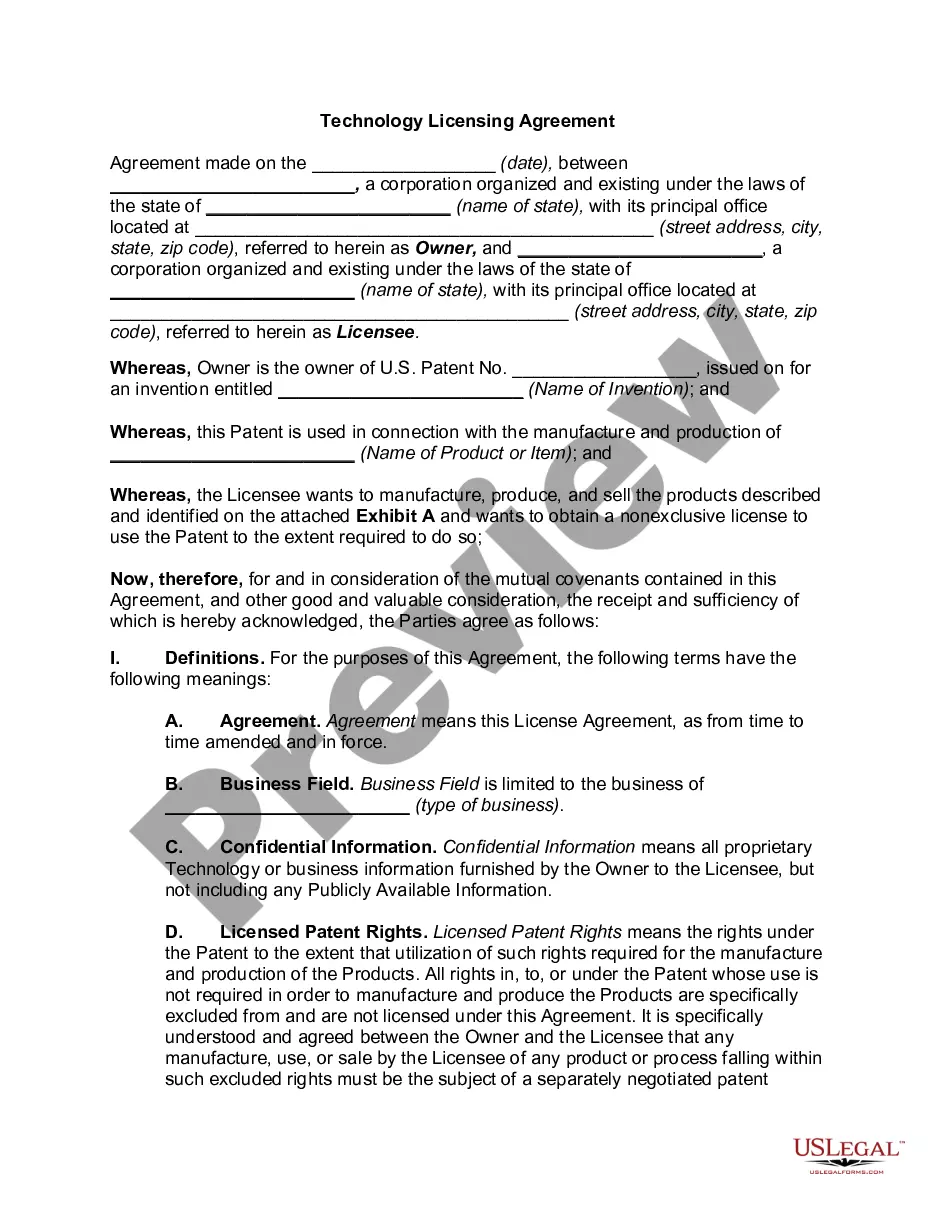
Georgia Licensing Representation Agreement
Description
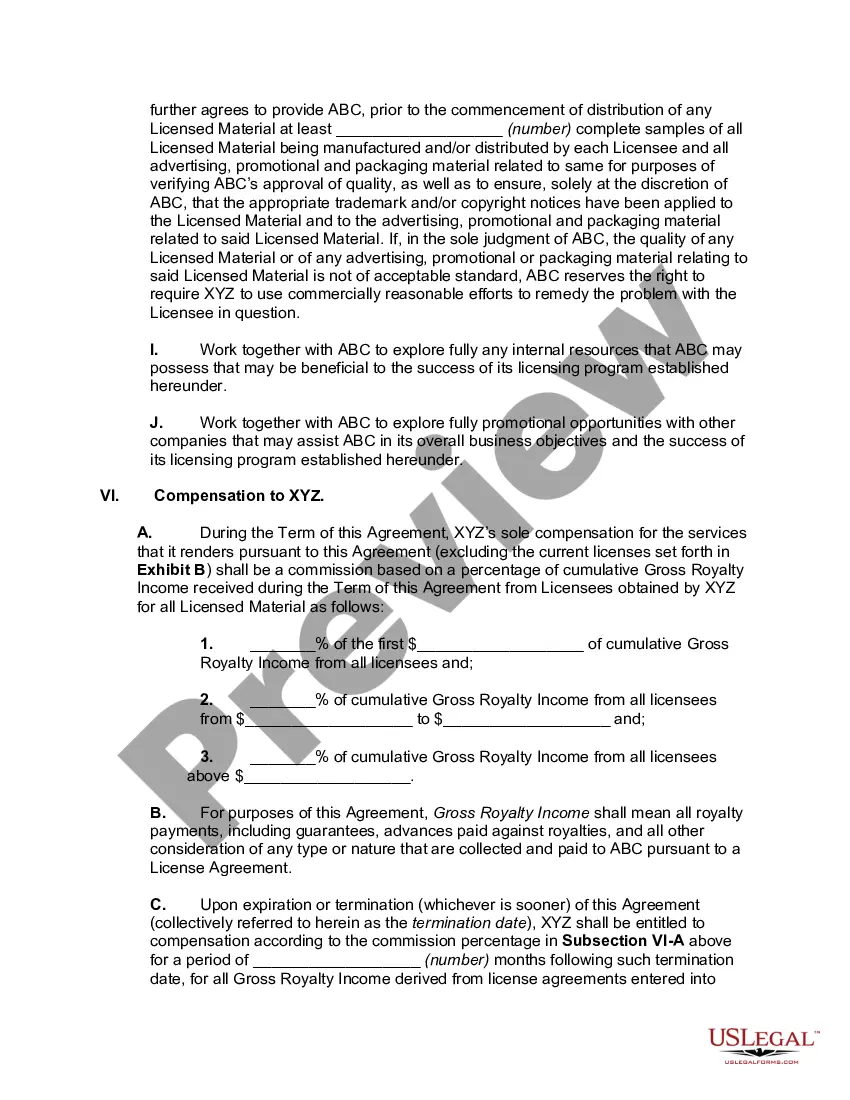
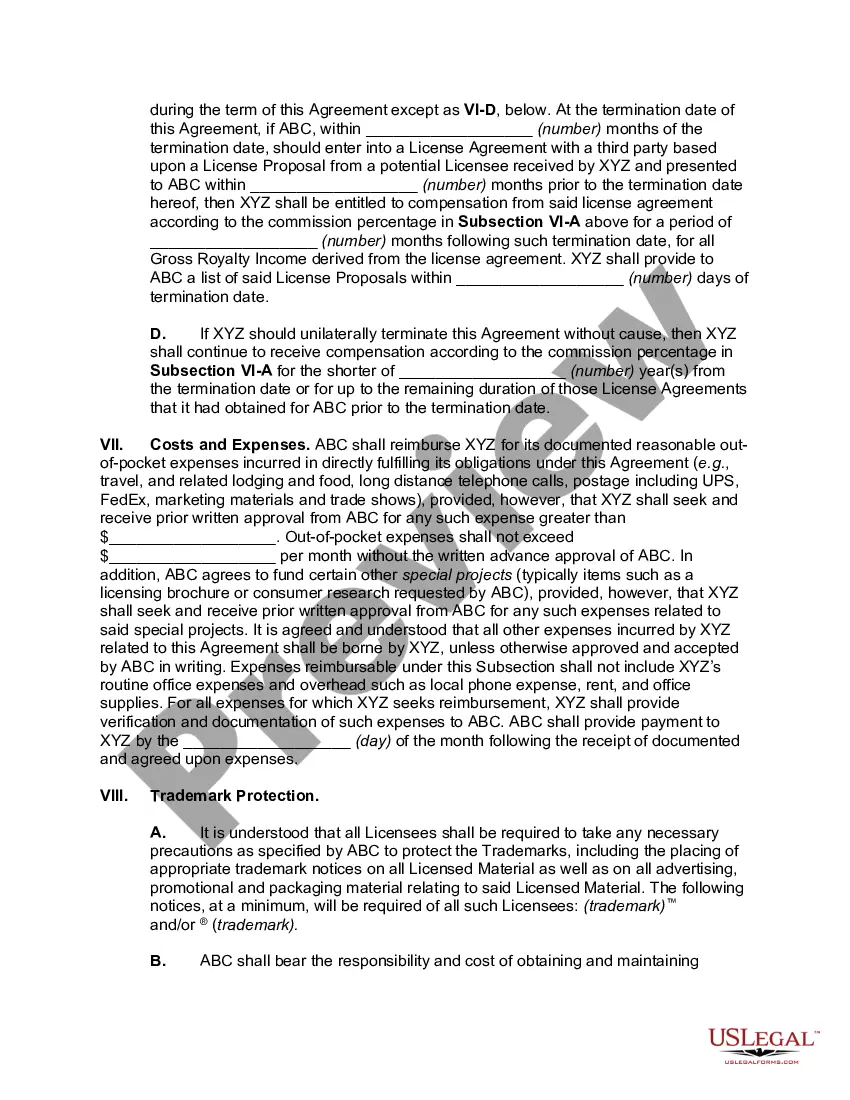
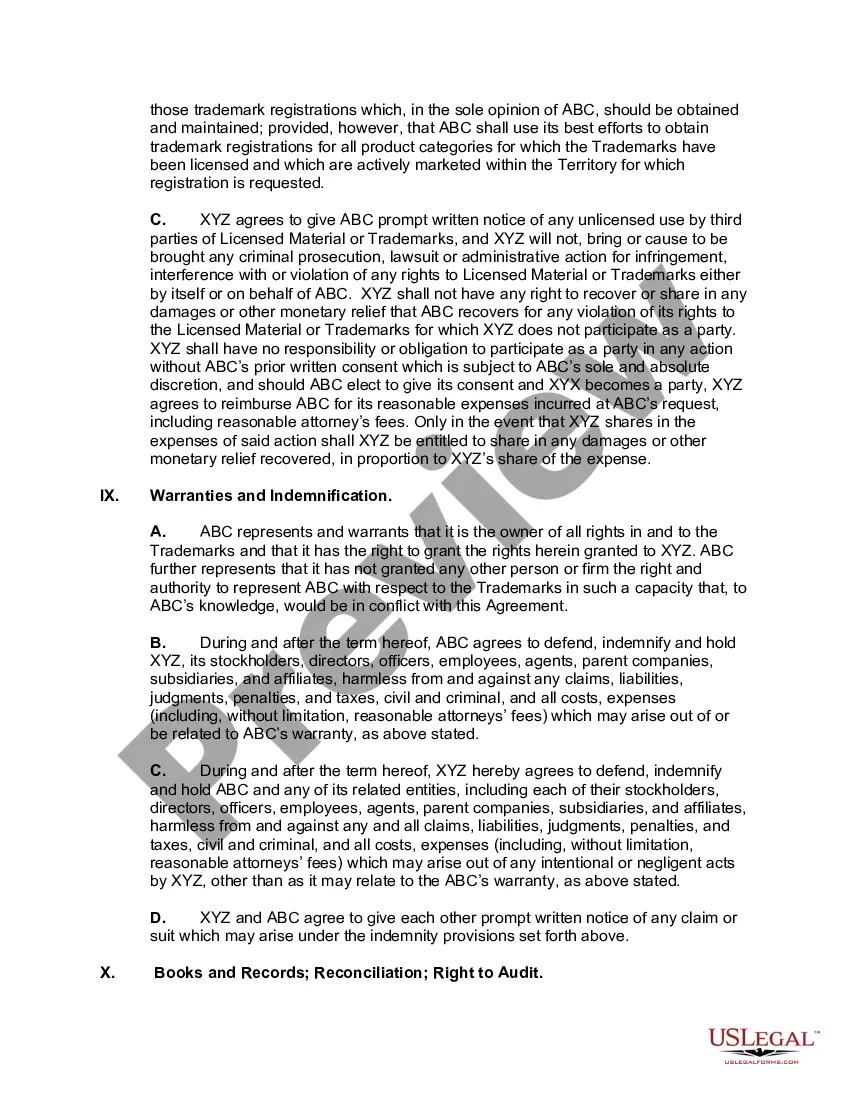
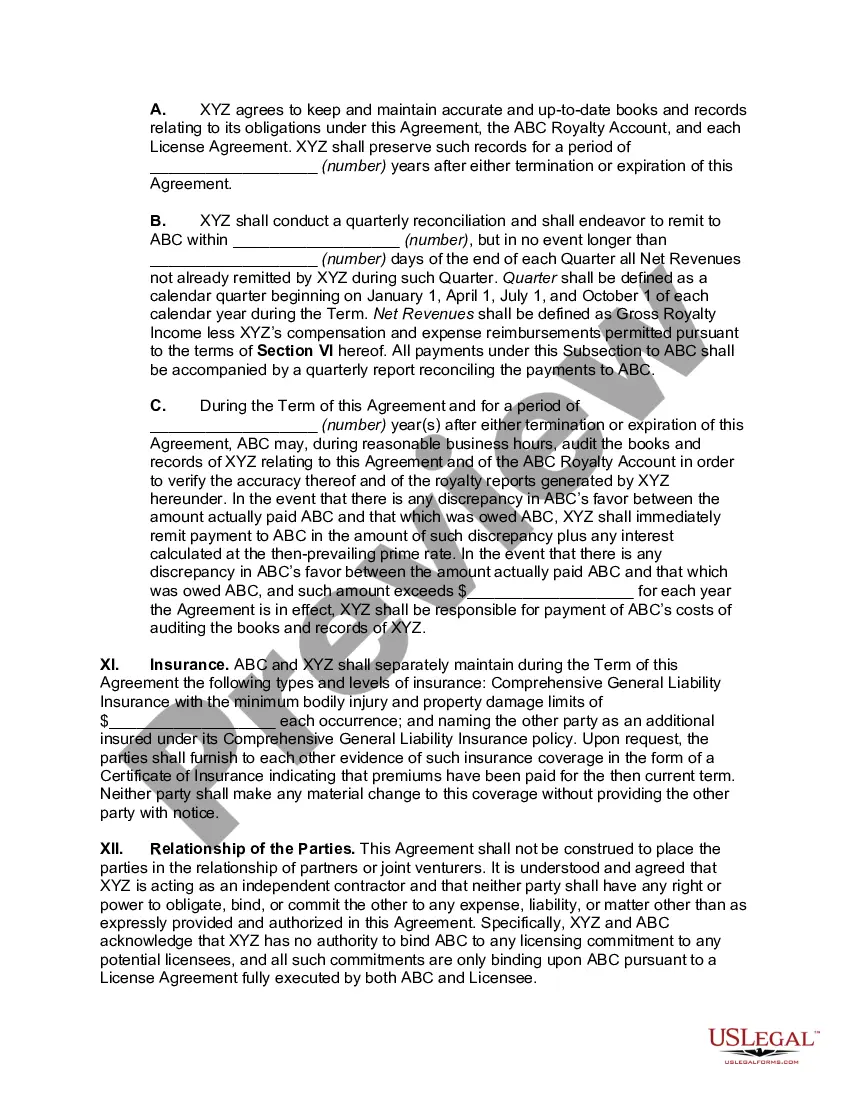
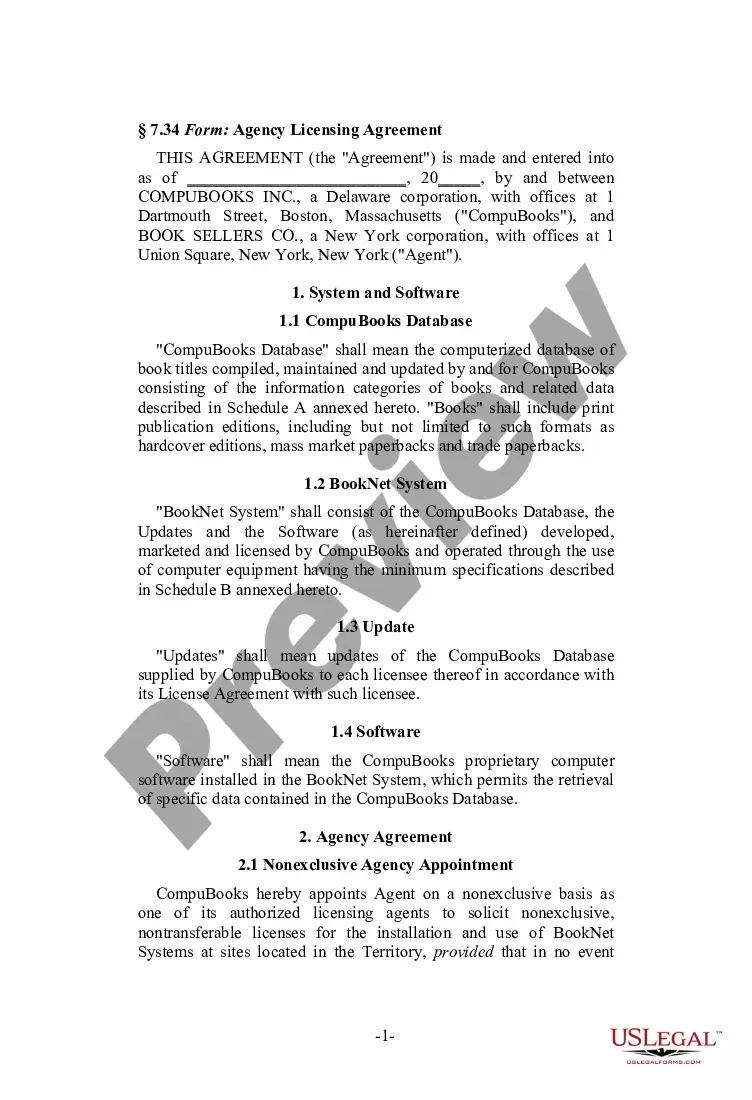
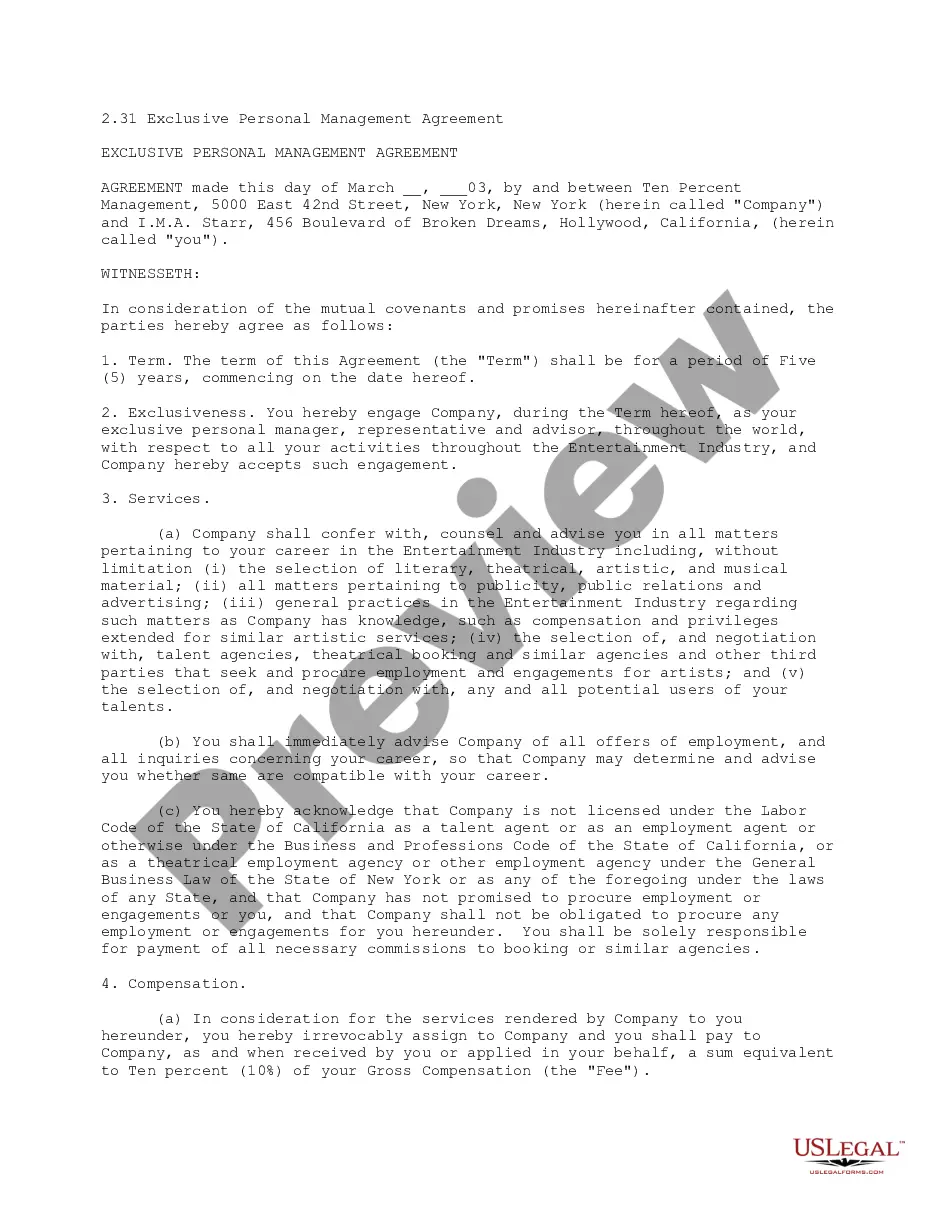
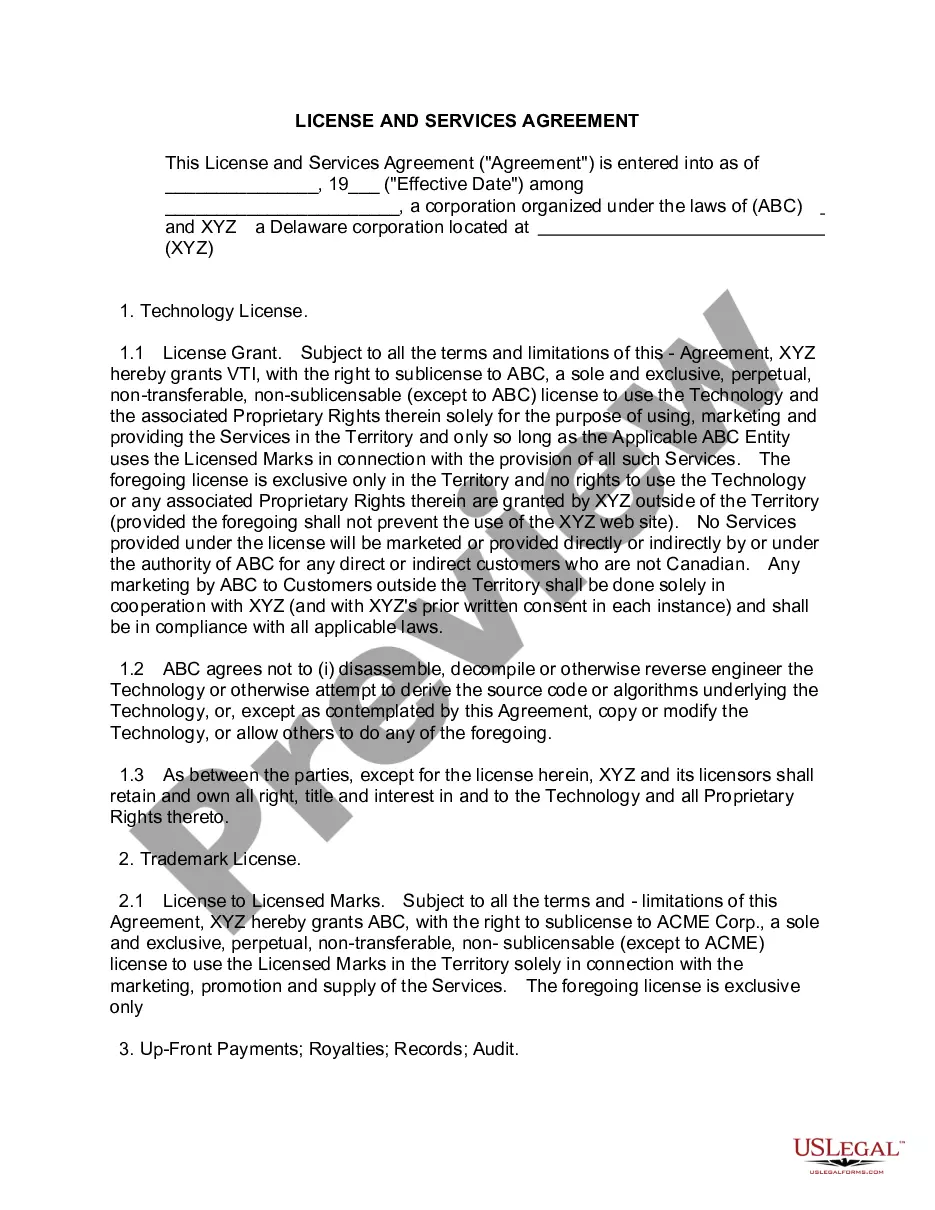
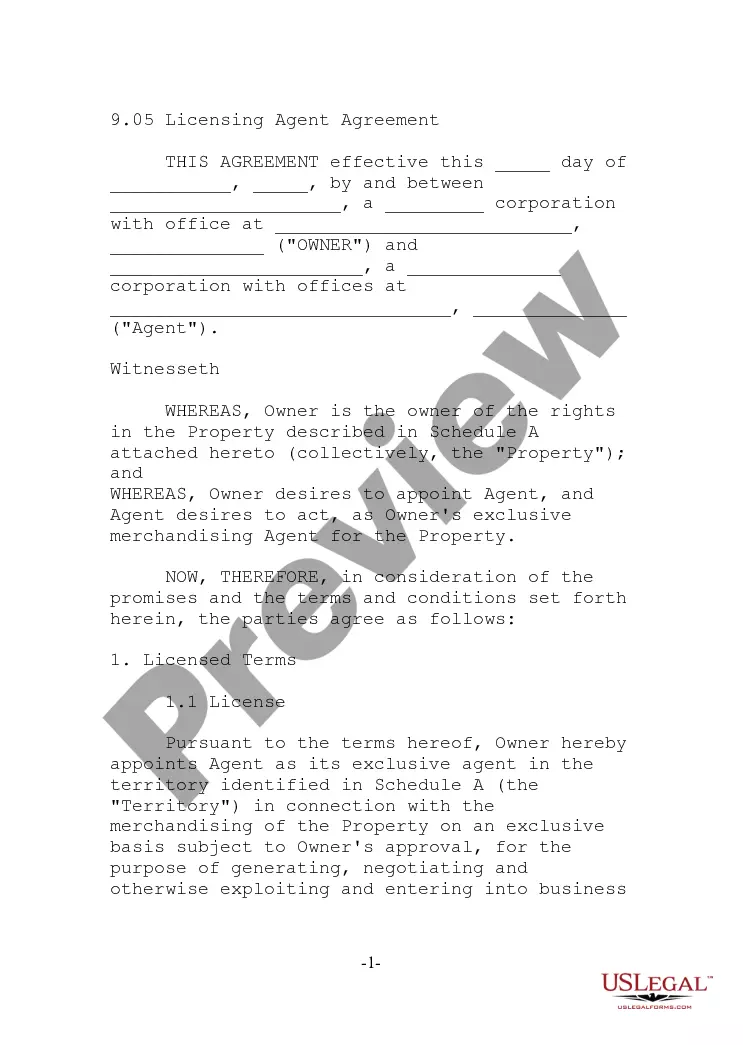
Get your form ready online
Our built-in tools help you complete, sign, share, and store your documents in one place.
Make edits, fill in missing information, and update formatting in US Legal Forms—just like you would in MS Word.
Download a copy, print it, send it by email, or mail it via USPS—whatever works best for your next step.
Sign and collect signatures with our SignNow integration. Send to multiple recipients, set reminders, and more. Go Premium to unlock E-Sign.
If this form requires notarization, complete it online through a secure video call—no need to meet a notary in person or wait for an appointment.
We protect your documents and personal data by following strict security and privacy standards.

Make edits, fill in missing information, and update formatting in US Legal Forms—just like you would in MS Word.

Download a copy, print it, send it by email, or mail it via USPS—whatever works best for your next step.

Sign and collect signatures with our SignNow integration. Send to multiple recipients, set reminders, and more. Go Premium to unlock E-Sign.

If this form requires notarization, complete it online through a secure video call—no need to meet a notary in person or wait for an appointment.

We protect your documents and personal data by following strict security and privacy standards.
Looking for another form?



How to fill out Licensing Representation Agreement?
Selecting the ideal authorized document template can be a challenge.
It goes without saying that there are numerous formats accessible online, but how can you find the legal form you require.
Utilize the US Legal Forms website.
If you are a new user of US Legal Forms, here are some simple steps for you to follow: First, ensure you have selected the correct form for your region/state.
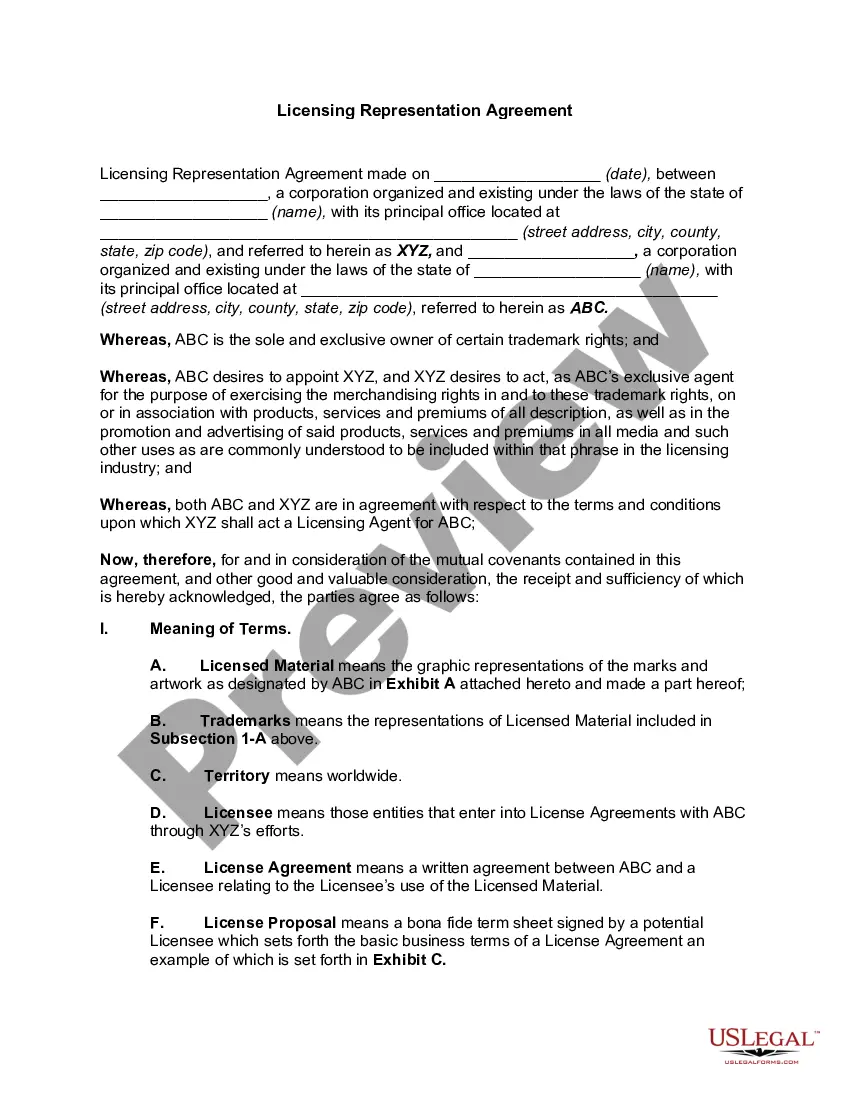
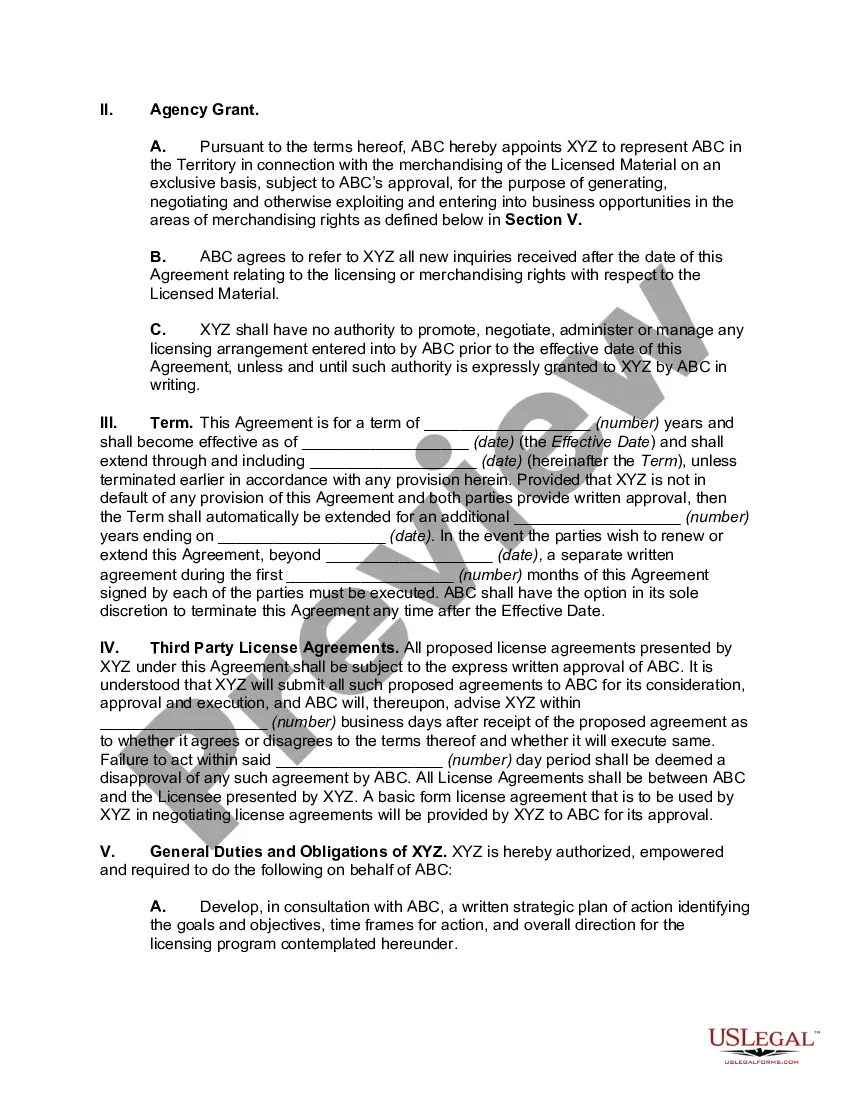
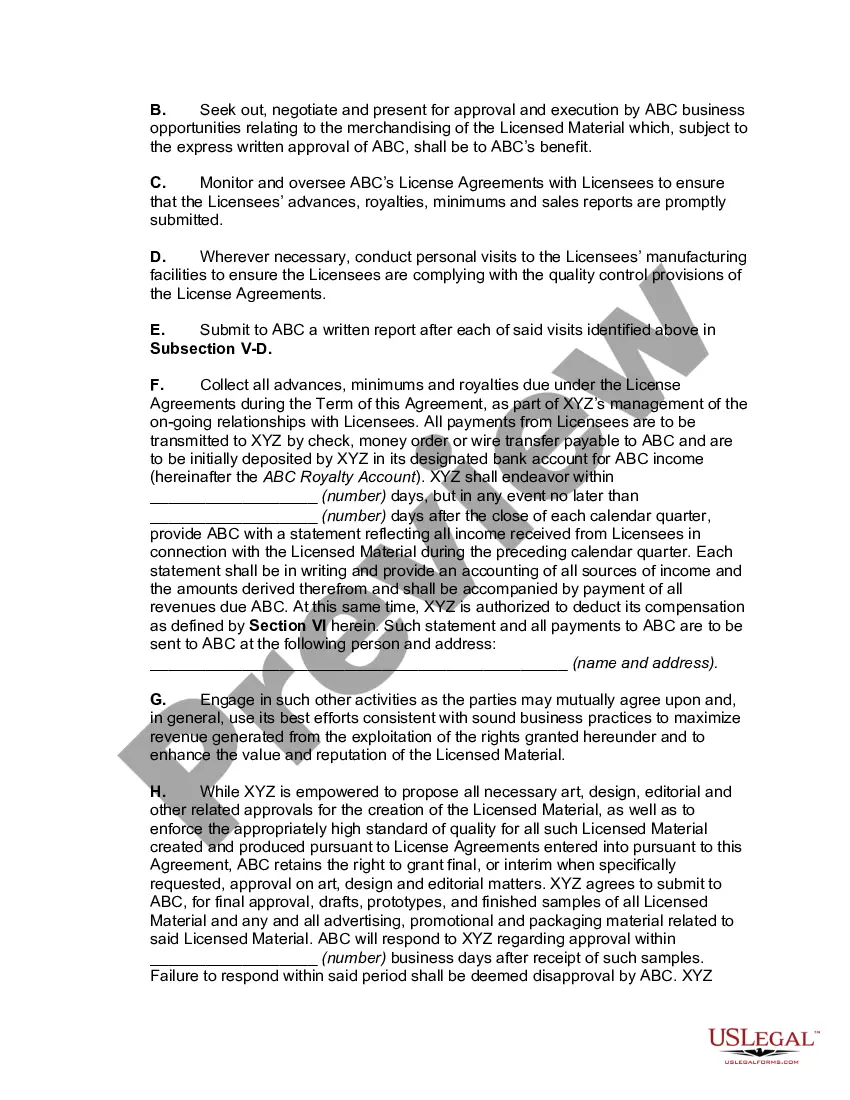
- The service offers thousands of templates, including the Georgia Licensing Representation Agreement, which can be utilized for both business and personal needs.
- All forms are reviewed by experts and comply with state and federal regulations.
- If you are already registered, Log In to your account and click the Download button to access the Georgia Licensing Representation Agreement.
- Use your account to search through the legal forms you have purchased previously.
- Navigate to the My documents section of your account to download another copy of the document you need.
Form popularity
FAQ
Examples of licenses include a company using the design of a popular character, e.g. Mickey Mouse, on their products. Another example would be a clothing manufacturer like Life is Good licensing its designs and brand in a certain country to a local company.
Types of licensing agreement The unique feature of this type of agreement is that even the licensor is excluded to use or exploit the licensed property during the term of the agreement. Copyright, trademark and patent licenses are the best examples of an exclusive license agreement.
A licensing agreement is a contract between two parties (the licensor and licensee) in which the licensor grants the licensee the right to use the brand name, trademark, patented technology, or ability to produce and sell goods owned by the licensor.
Practitioners and licensing executives often refer to three basic types of voluntary licenses: non-exclusive, sole, and exclusive. A non-exclusive licence allows the licensor to retain the right to use the licensed property and the right to grant additional licenses to third parties.
Most licensing agreements will be valid only for a certain length of time....Scope of the AgreementExclusivity.Territory Rights.Guarantees of Sales.
Advantages and Drawbacks of Licensing Intellectual PropertyIncome without overhead.Potentially better marketing.Enter foreign markets more easily.Diffuse conflicts.Risk of IP theft.No guarantee of revenue.Unintended competition.Risk of diminished reputation.More items...?
The advantages of licensing agreement include increasing market share, lowering capital requirements, increasing the return on investment, and decreasing financial and legal risks.
An example of a licensing agreement is a contract between the copyright holders of software and another company, allowing the latter to use the computer software for their daily business operations.
Disadvantages to the licensor include:The licensor having loss of control of their intellectual property. The licensor having to depend on the skills, abilities, and resources of the licensee to generate revenues. The licensor being exposed to intellectual property theft by the licensee.