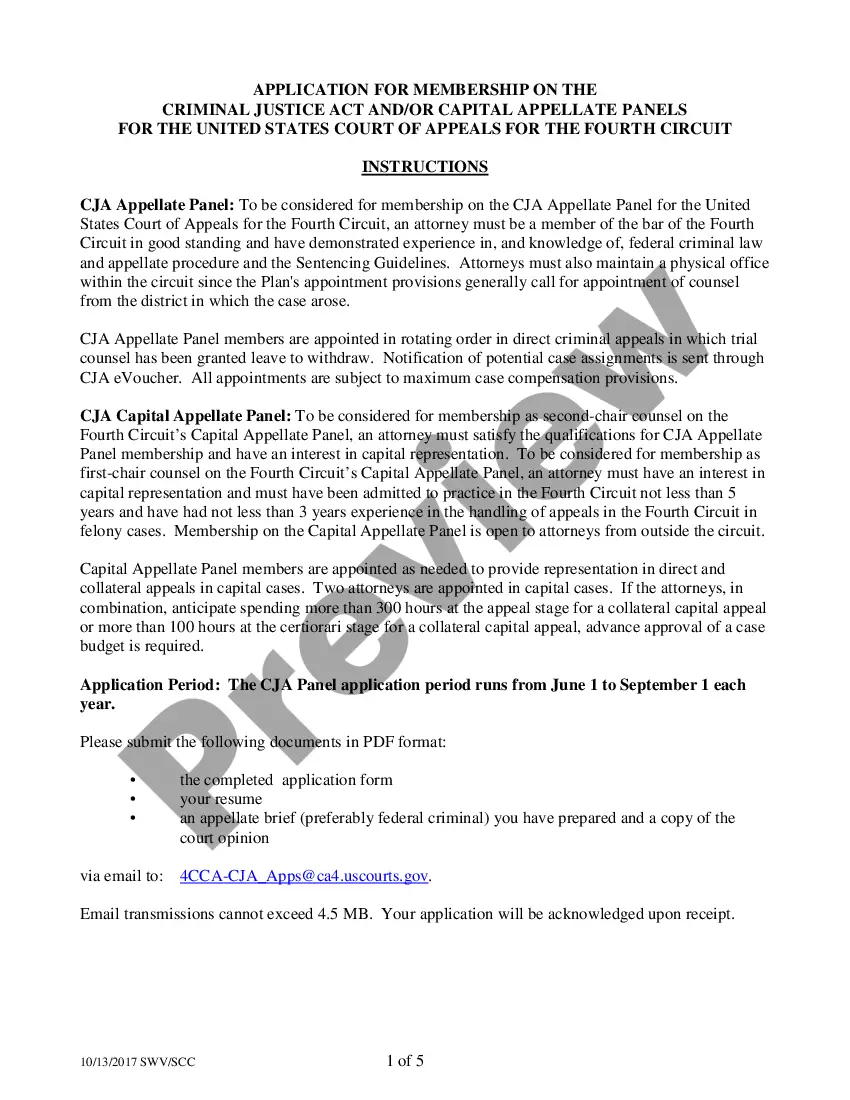
Georgia Temporary Order Allowing Petitioner to Operate Motor Vehicle
Description

Get your form ready online
Our built-in tools help you complete, sign, share, and store your documents in one place.
Make edits, fill in missing information, and update formatting in US Legal Forms—just like you would in MS Word.
Download a copy, print it, send it by email, or mail it via USPS—whatever works best for your next step.
Sign and collect signatures with our SignNow integration. Send to multiple recipients, set reminders, and more. Go Premium to unlock E-Sign.
If this form requires notarization, complete it online through a secure video call—no need to meet a notary in person or wait for an appointment.
We protect your documents and personal data by following strict security and privacy standards.

Make edits, fill in missing information, and update formatting in US Legal Forms—just like you would in MS Word.

Download a copy, print it, send it by email, or mail it via USPS—whatever works best for your next step.

Sign and collect signatures with our SignNow integration. Send to multiple recipients, set reminders, and more. Go Premium to unlock E-Sign.

If this form requires notarization, complete it online through a secure video call—no need to meet a notary in person or wait for an appointment.

We protect your documents and personal data by following strict security and privacy standards.
Looking for another form?

How to fill out Temporary Order Allowing Petitioner To Operate Motor Vehicle?
It is feasible to invest time online searching for the legal document template that meets the state and federal requirements you desire.
US Legal Forms offers thousands of legal forms that are vetted by experts.
You can easily download or print the Georgia Temporary Order Allowing Petitioner to Operate Motor Vehicle from our platform.
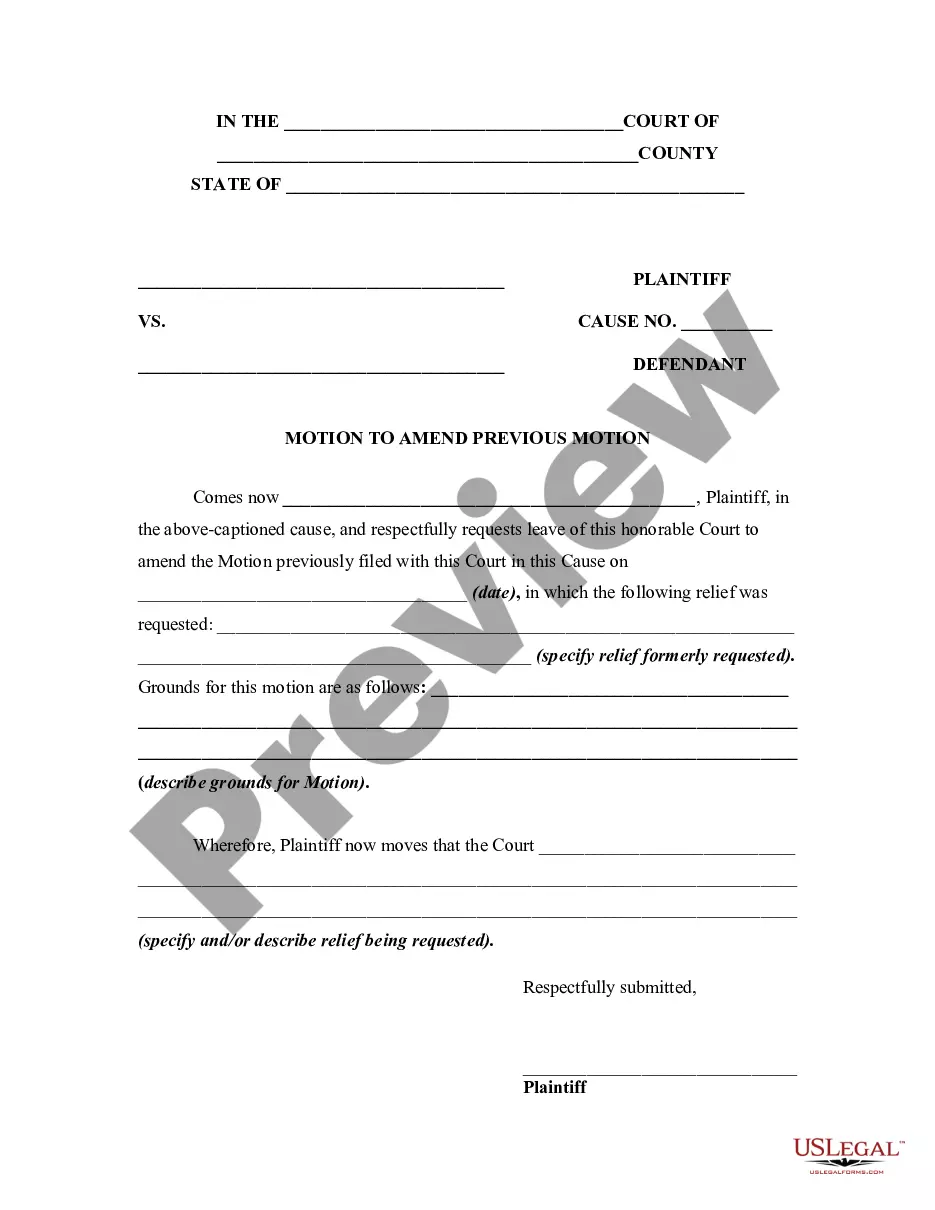
If available, utilize the Preview button to review the document template as well.
- If you possess a US Legal Forms account, you can Log In and click the Obtain button.
- Then, you can fill out, modify, print, or sign the Georgia Temporary Order Allowing Petitioner to Operate Motor Vehicle.
- Every legal document template you acquire is yours indefinitely.
- To retrieve an additional copy of a purchased form, navigate to the My documents section and click the corresponding button.
- If you are using the US Legal Forms website for the first time, follow the simple instructions outlined below.
- First, ensure you have chosen the correct document template for the state/city of your choice.
- Review the form description to confirm you have selected the right template.
Form popularity
FAQ
A civil protective order in Georgia may require a person to stay away from the other party, not go near them, not call them, not e-mail them, and not have any contact with the party in any way, shape, or form.
Your full hearing will be within 30 days of you filing a petition. During the full hearing, the judge will hear your case and any witness testimony, review the evidence, and make a decision. The respondent is notified by the local sheriff's department of and is expected to attend this hearing.
Violating a restraining order in Georgia can come with serious repercussions including being charged with aggravated stalking or going to jail. Violating a protective order can come with a penalty of up to 10 years in prison and a fine up to $10,000.
If you are a victim of violence, you can file a petition for a temporary protective order. A protective order restrains the accused person, also known as the respondent, from harassing, stalking, or threatening the physical safety of the petitioner.
The petitioner has the burden to prove to the court, to a preponderance of the evidence, that it should grant the TPO. In other words, it is up to the petitioner to convince the judge that the respondent stalked the petitioner, and that the petitioner needs protection against future stalking by the respondent.
You can discuss this option with your Legal Advocate. What do I need to do if I want my TPO dismissed? If you want to dismiss your Order, call your Legal Advocate to discuss your options and review a safety plan.
A temporary ex parte order is designed to protect you from the abuser until the court holds a hearing. A hearing is mandatory before you can receive a long-term family violence protective order. You can receive a temporary ex parte order without a court hearing and without the abuser's prior knowledge.
One way to fight a TPO in Georgia is to challenge the petition for TPO procedurally. Pursuant to the Georgia TPO statute, there are specific procedural requirements that must be followed. If certain procedural requirements are not satisfied, you may raise this issue with the court to challenge the TPO.