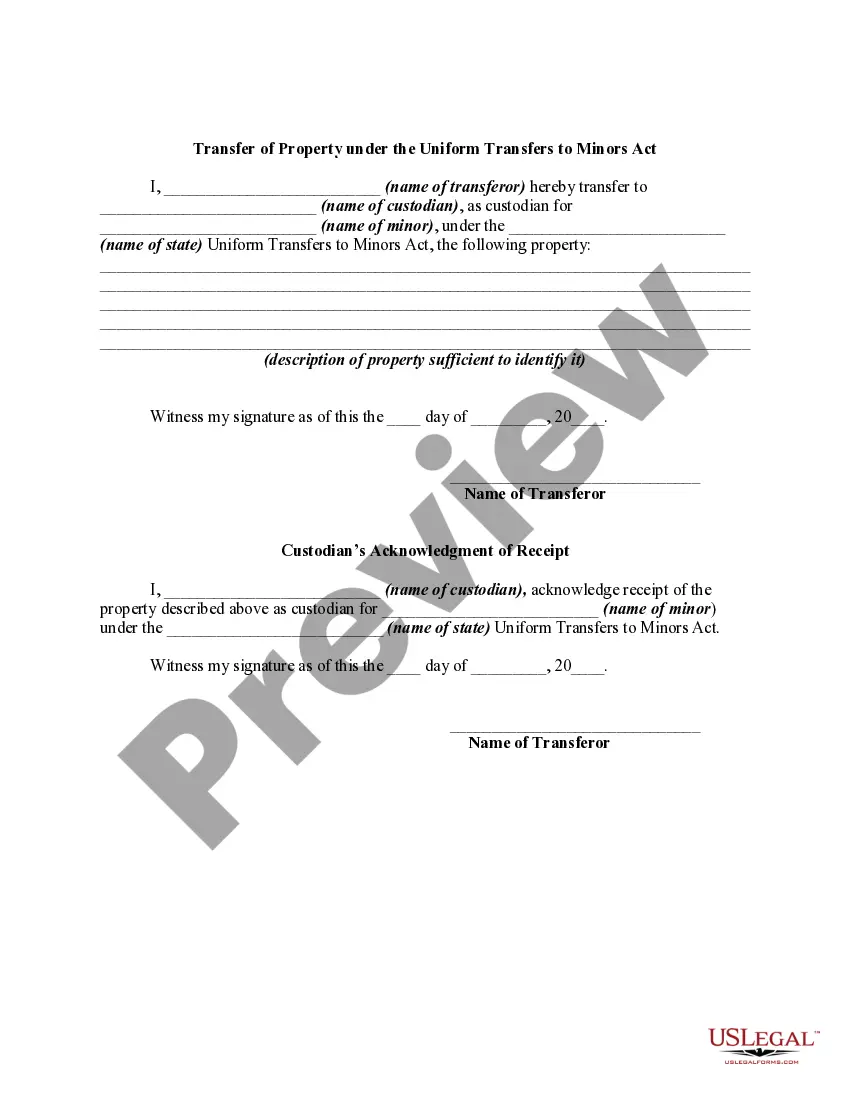
Georgia Transfer of Property under the Uniform Transfers to Minors Act
Description
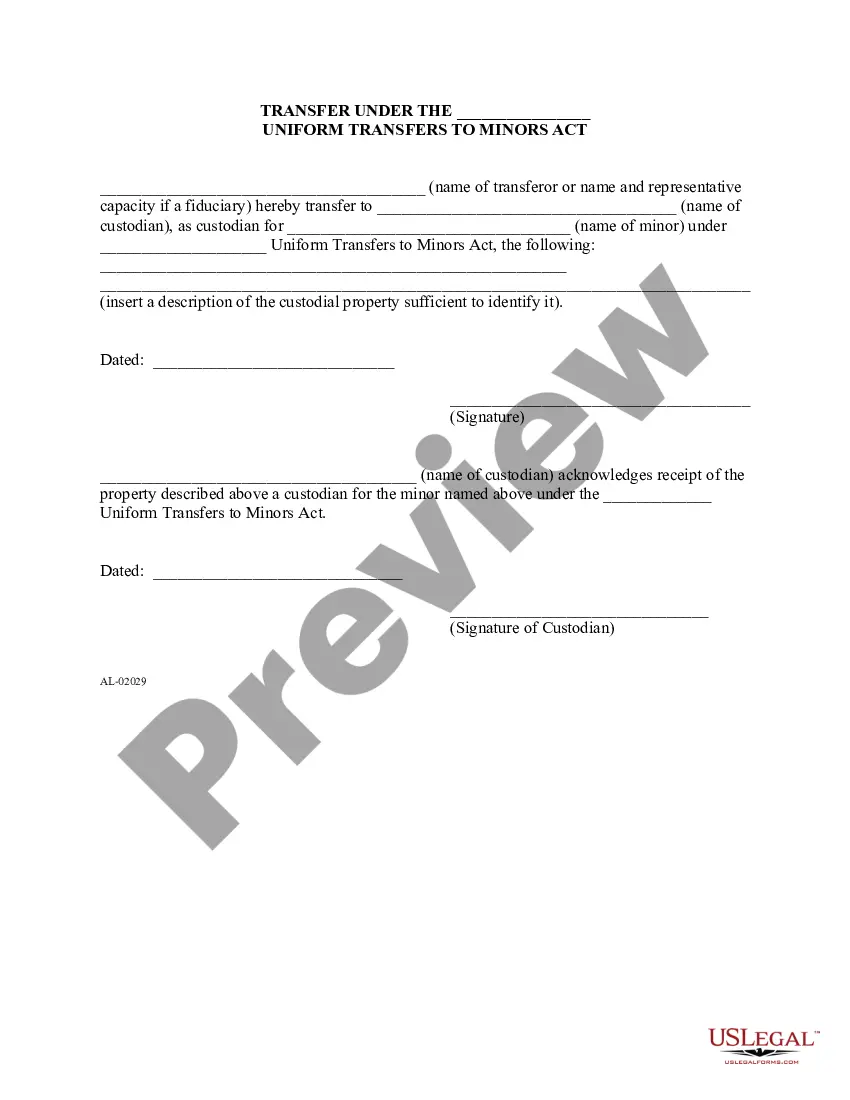
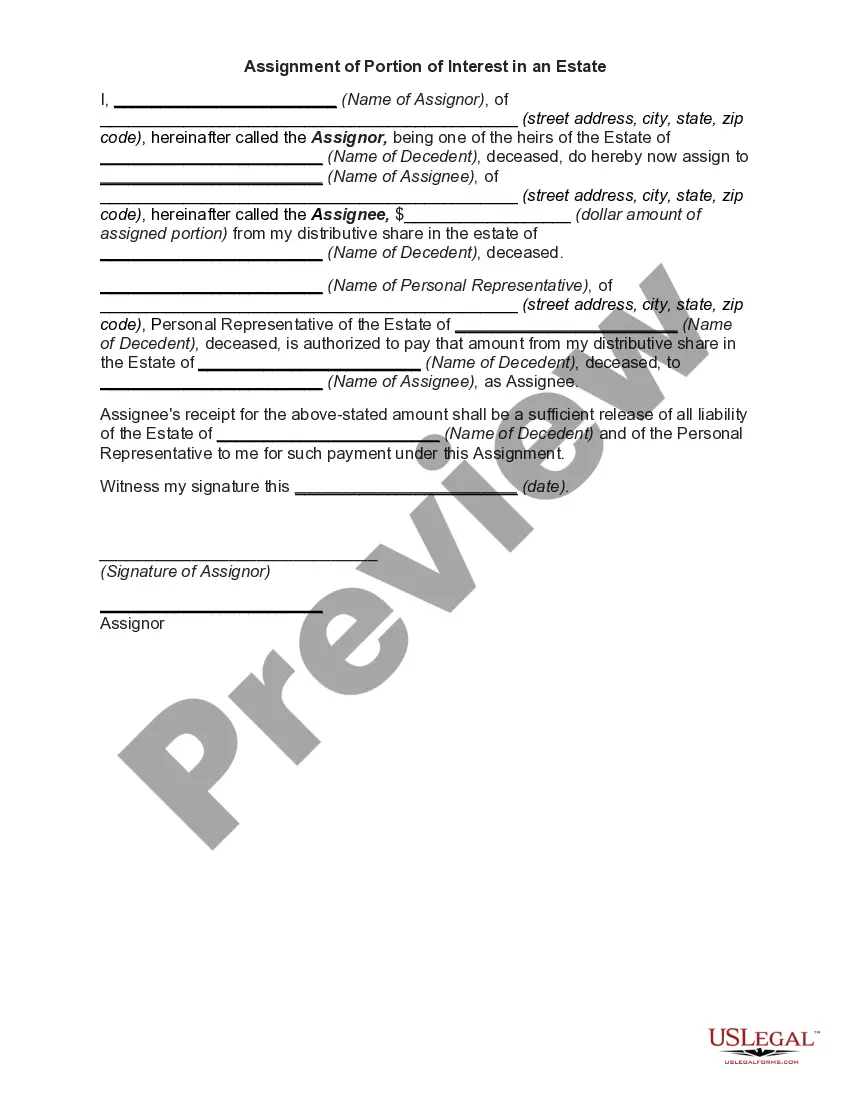
Get your form ready online
Our built-in tools help you complete, sign, share, and store your documents in one place.
Make edits, fill in missing information, and update formatting in US Legal Forms—just like you would in MS Word.
Download a copy, print it, send it by email, or mail it via USPS—whatever works best for your next step.
Sign and collect signatures with our SignNow integration. Send to multiple recipients, set reminders, and more. Go Premium to unlock E-Sign.
If this form requires notarization, complete it online through a secure video call—no need to meet a notary in person or wait for an appointment.
We protect your documents and personal data by following strict security and privacy standards.

Make edits, fill in missing information, and update formatting in US Legal Forms—just like you would in MS Word.

Download a copy, print it, send it by email, or mail it via USPS—whatever works best for your next step.

Sign and collect signatures with our SignNow integration. Send to multiple recipients, set reminders, and more. Go Premium to unlock E-Sign.

If this form requires notarization, complete it online through a secure video call—no need to meet a notary in person or wait for an appointment.

We protect your documents and personal data by following strict security and privacy standards.
Looking for another form?
How to fill out Transfer Of Property Under The Uniform Transfers To Minors Act?
It is feasible to spend several hours online trying to locate the valid document template that fulfills the federal and state requirements you need.
US Legal Forms offers a vast array of valid forms that are reviewed by professionals.
It is easy to download or print the Georgia Transfer of Property under the Uniform Transfers to Minors Act from your service.
If available, use the Preview button to view the document template simultaneously. To find another version of the form, utilize the Search field to locate the template that meets your needs and specifications. Once you have identified the template you want, click on Purchase now to proceed. Choose the pricing plan you prefer, enter your details, and register for an account on US Legal Forms. Complete the transaction. You can use your credit card or PayPal account to purchase the valid form. Select the format of the document and download it to your system. Make alterations to your document if necessary. You can fill out, modify, sign, and print the Georgia Transfer of Property under the Uniform Transfers to Minors Act. Download and print a multitude of document layouts using the US Legal Forms website, which provides the largest collection of valid forms. Utilize professional and state-specific templates to address your business or personal needs.
- If you already have a US Legal Forms account, you may Log In and click the Obtain button.
- Next, you can fill out, modify, print, or sign the Georgia Transfer of Property under the Uniform Transfers to Minors Act.
- Every valid document template you acquire is yours permanently.
- To obtain an additional copy of the downloaded form, go to the My documents tab and click the corresponding button.
- If you are using the US Legal Forms website for the first time, follow the simple instructions below.
- First, ensure that you have selected the correct document template for the county/city of your choice.
- Read the form description to confirm you have selected the appropriate form.
Form popularity
FAQ
As the custodian, you can withdraw money from a custodial account if you need to use it to pay for something that will benefit the minor. You can't take the money back yourself, or give it to someone else.
Transfers made to a UGMA or UTMA account are irrevocable and belong to the child in whose name the account is registered; however, the account is controlled by the custodian until the child reaches a certain age, which varies by state (usually 18 or 21).
How is an UTMA account taxed? UTMA accounts have a few tax implications. While there are no taxes on withdrawals (since contributions are made with after-tax dollars), there may be taxes on any unearned income. Unearned income includes taxable interest, dividends, and capital gains on any assets in the account.
A Uniform Gifts to Minors Act (UGMA) or Uniform Transfers to Minors Act (UTMA) account is an account into which property is set aside for a minor's benefit. Whether a UGMA or UTMA account is used depends on the law of the state in which the account is established.
Can You Withdraw Money From an UTMA Account? It's possible to withdraw money from an UTMA account. However, there's one essential rule you've got to bear in mind ? all withdrawals from a custodial account must be for the direct benefit of the beneficiary.
The custodian can spend or invest the money in the UTMA account at their discretion, as long as it's for the minor's benefit. This covers a wide range of expenses, including education, transportation, and extracurricular activities like music lessons or summer camp for the beneficiary.
Depending on the state a UTMA account is handed over to a child when they reach either age 18 or age 21. In some jurisdictions, at age 18 a UTMA account can only be handed over with the custodian's permission, and at 21 is transferred automatically.
Transferring a UTMA account to a child is simple. You can do so with most financial or investment institutions. You can also consult a tax or business lawyer to help you set up the legal structure, although most financial institutions can do this for you.