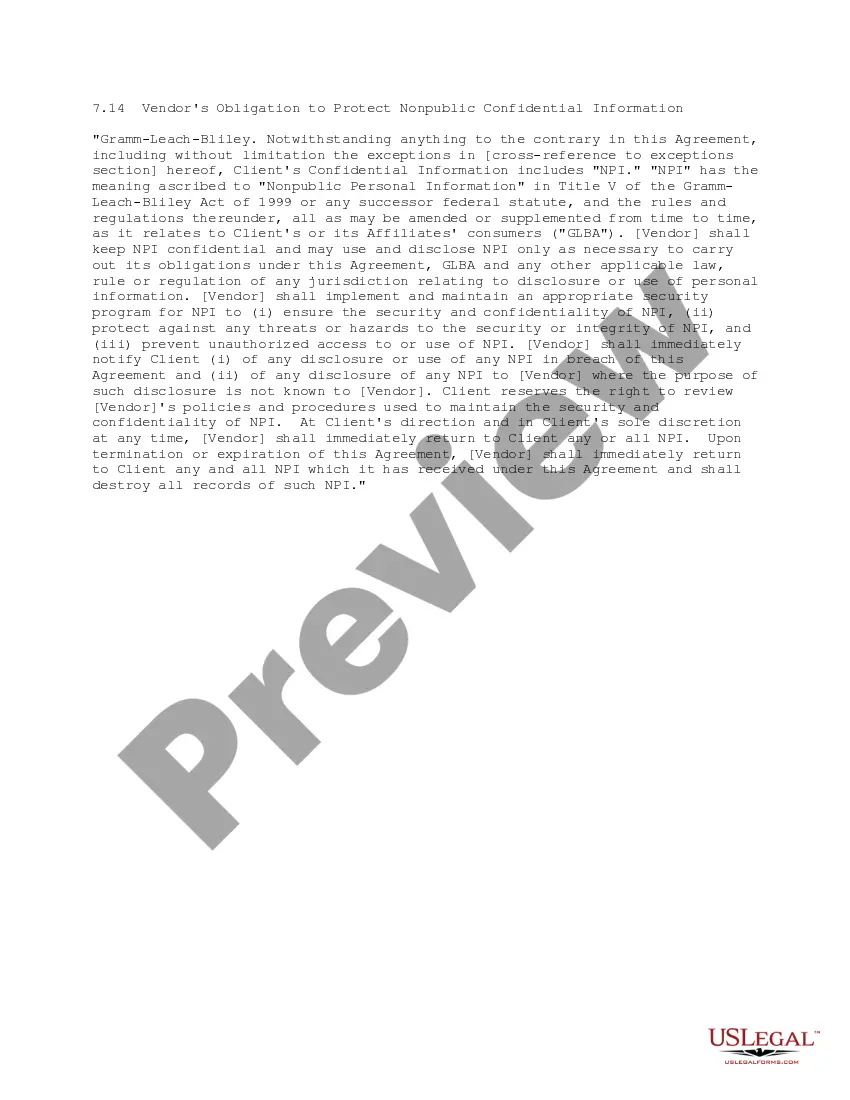
This form, a Vendor's Obligation to Protect Nonpublic Confidential Information, contains a clause for an agreement that establishes a vendors duty to protect private, personal, confidential or other sensitive information that it obtains during the course of its business relationship with the client company.
Florida Vendor's Obligation to Protect Nonpublic Confidential Information
Category:
State:
Multi-State
Control #:
US-IP0714
Format:
Word;
PDF;
Rich Text
Instant download
Description
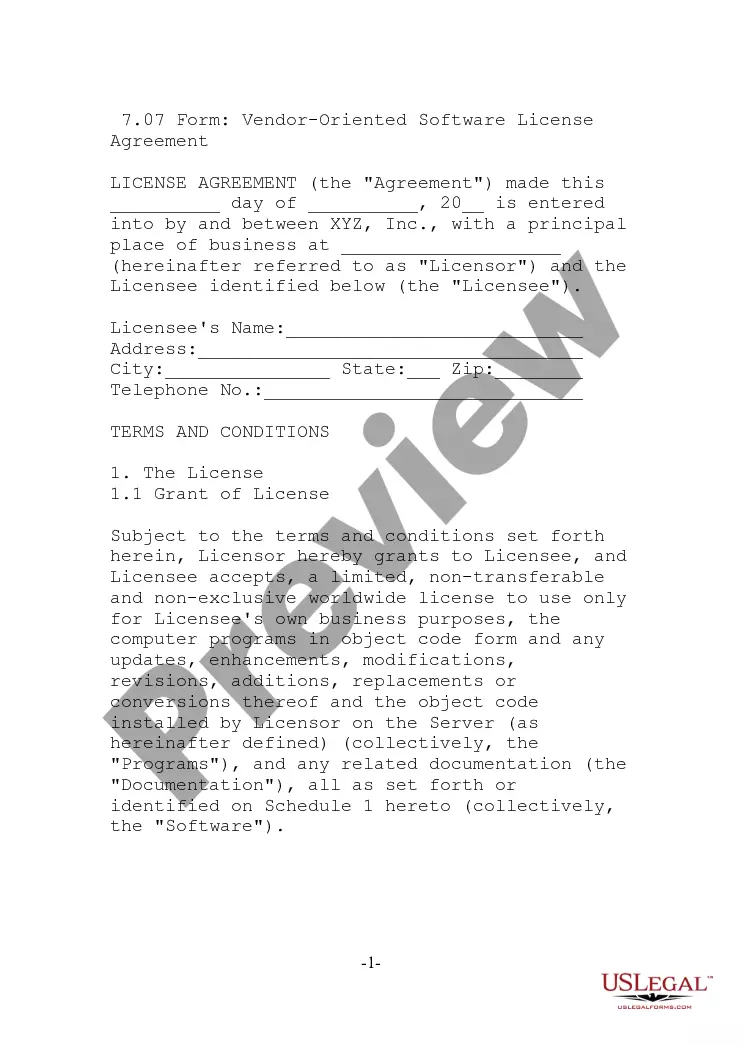
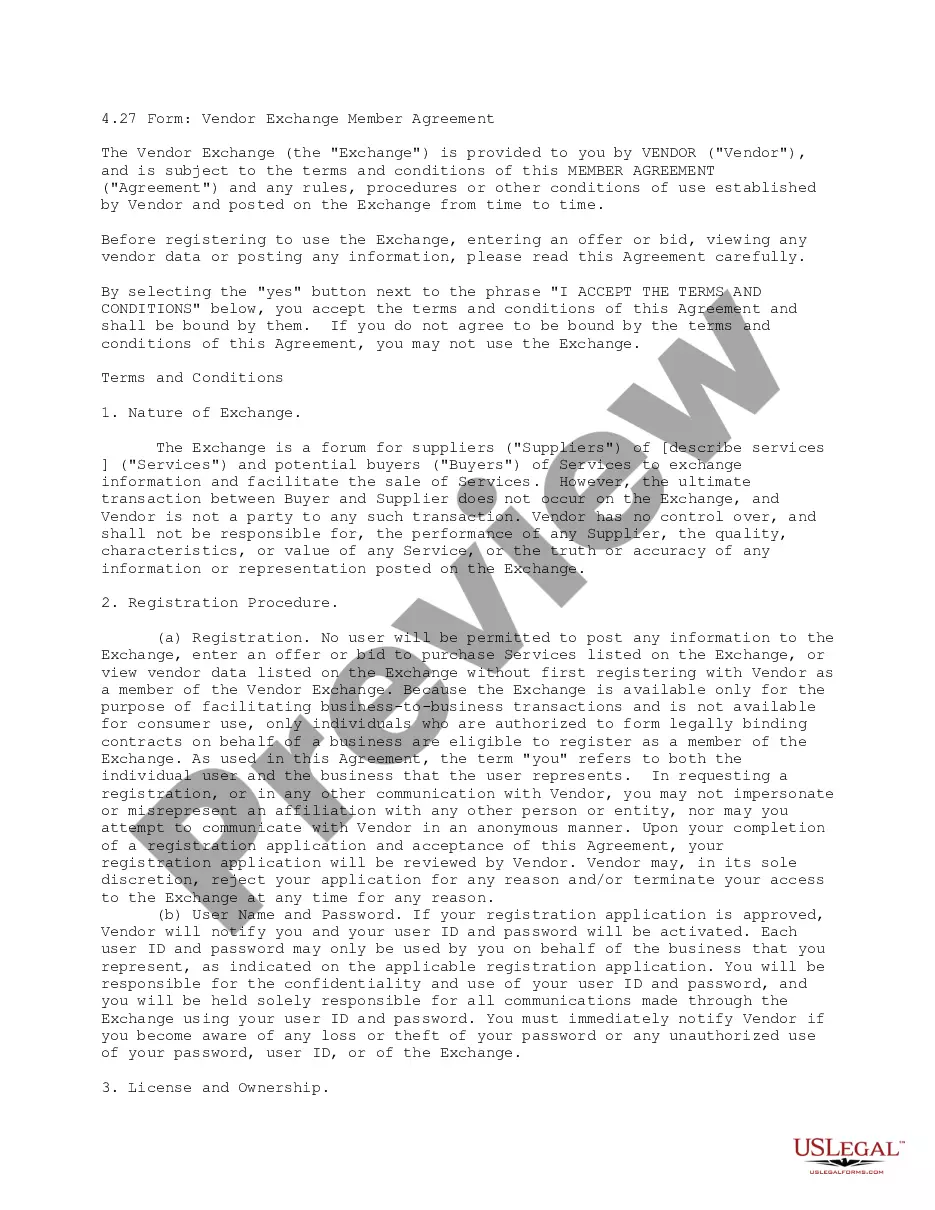
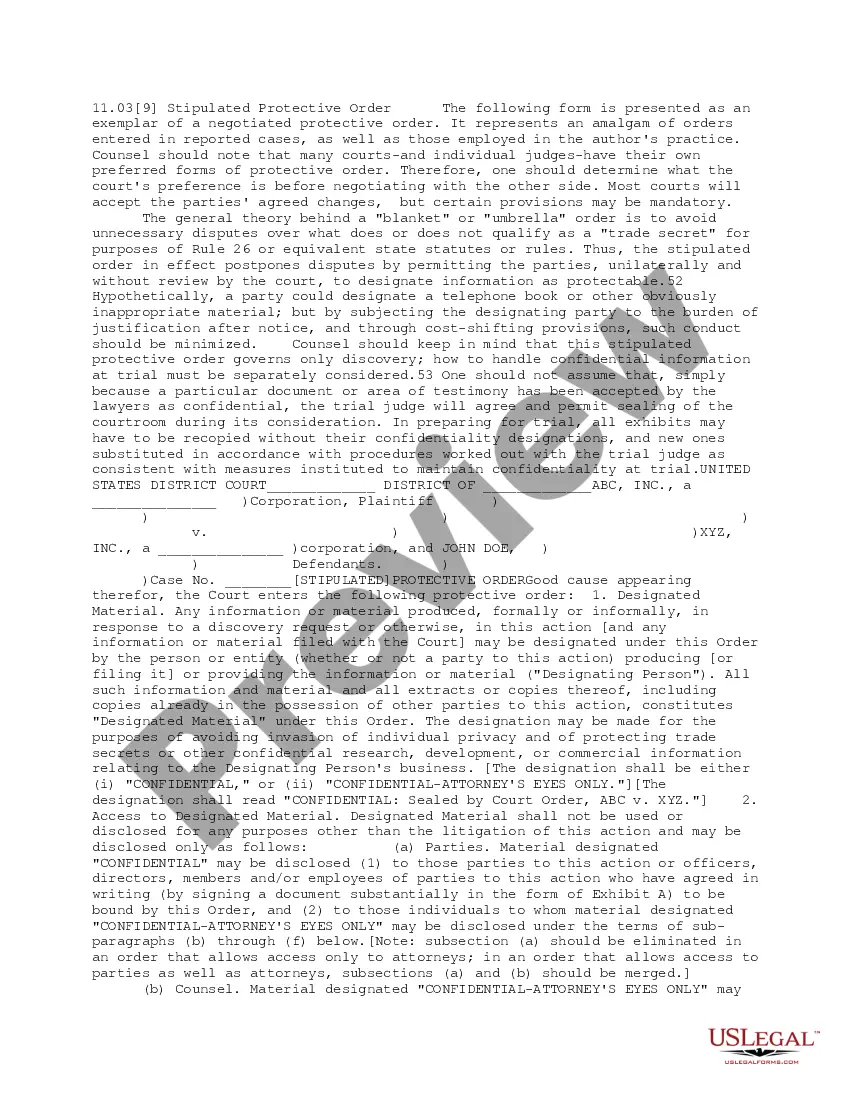
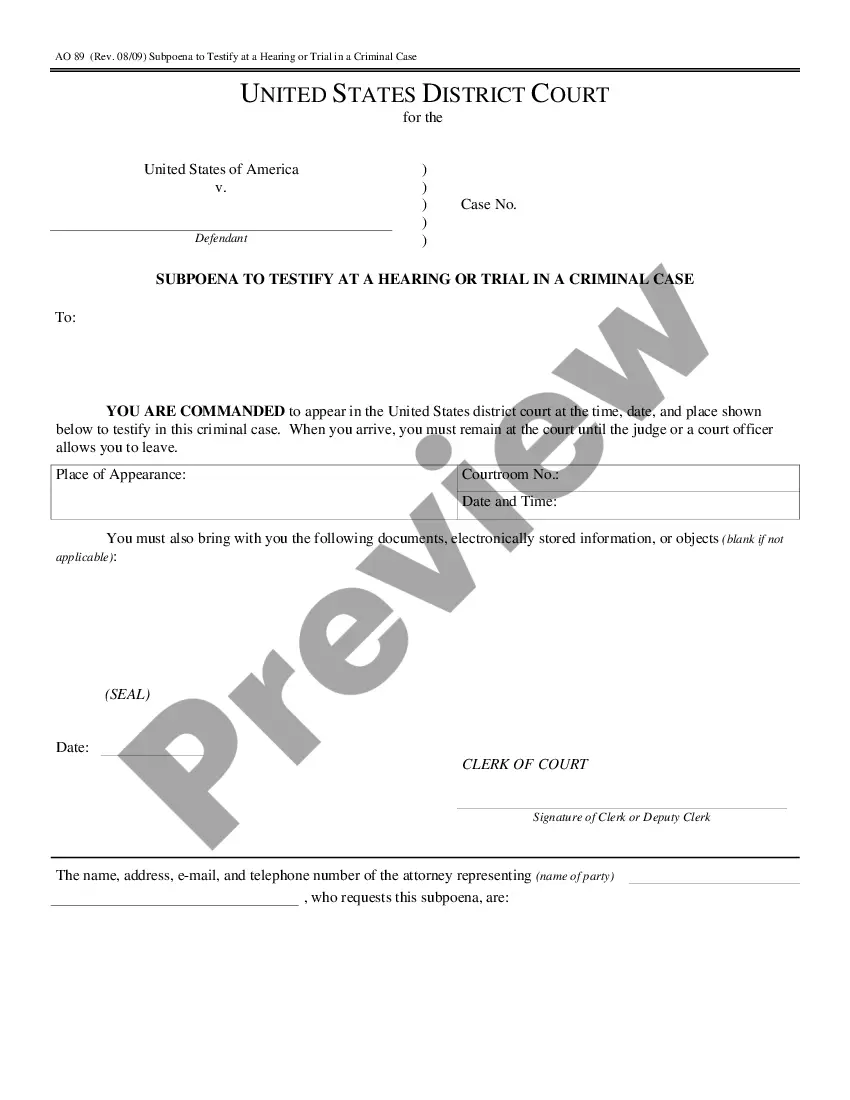
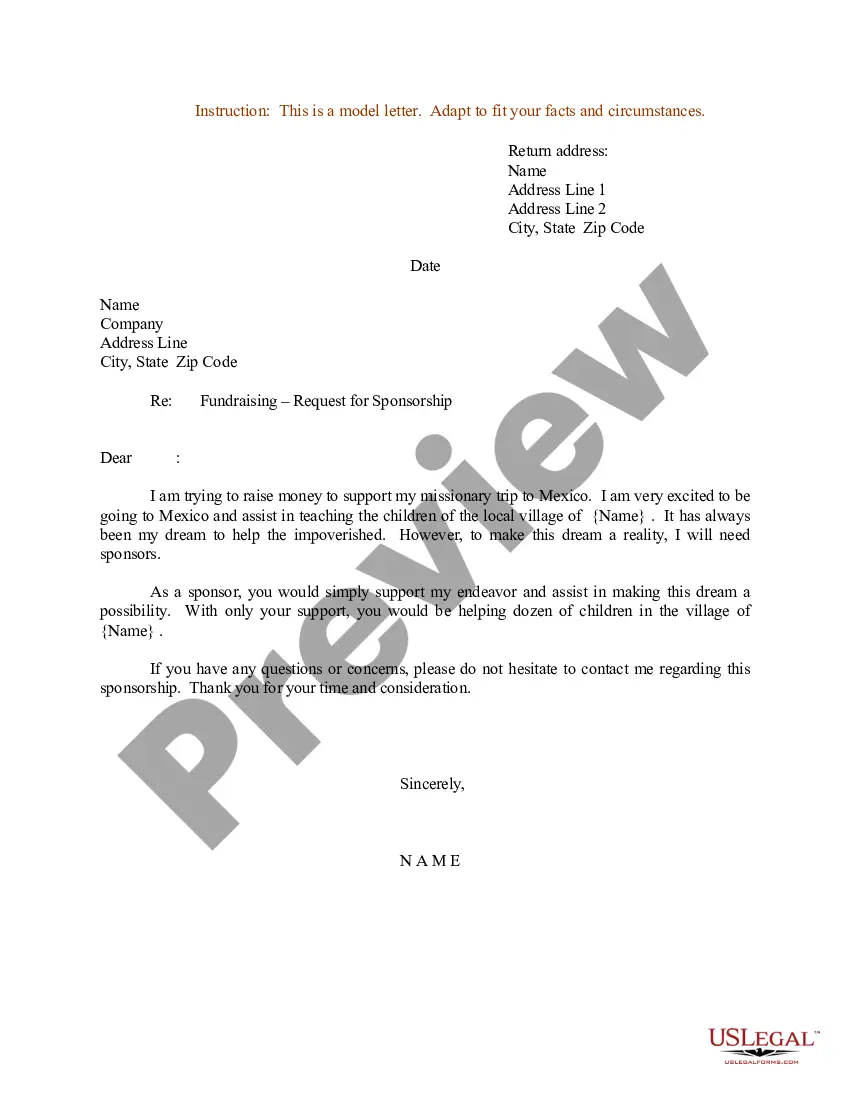
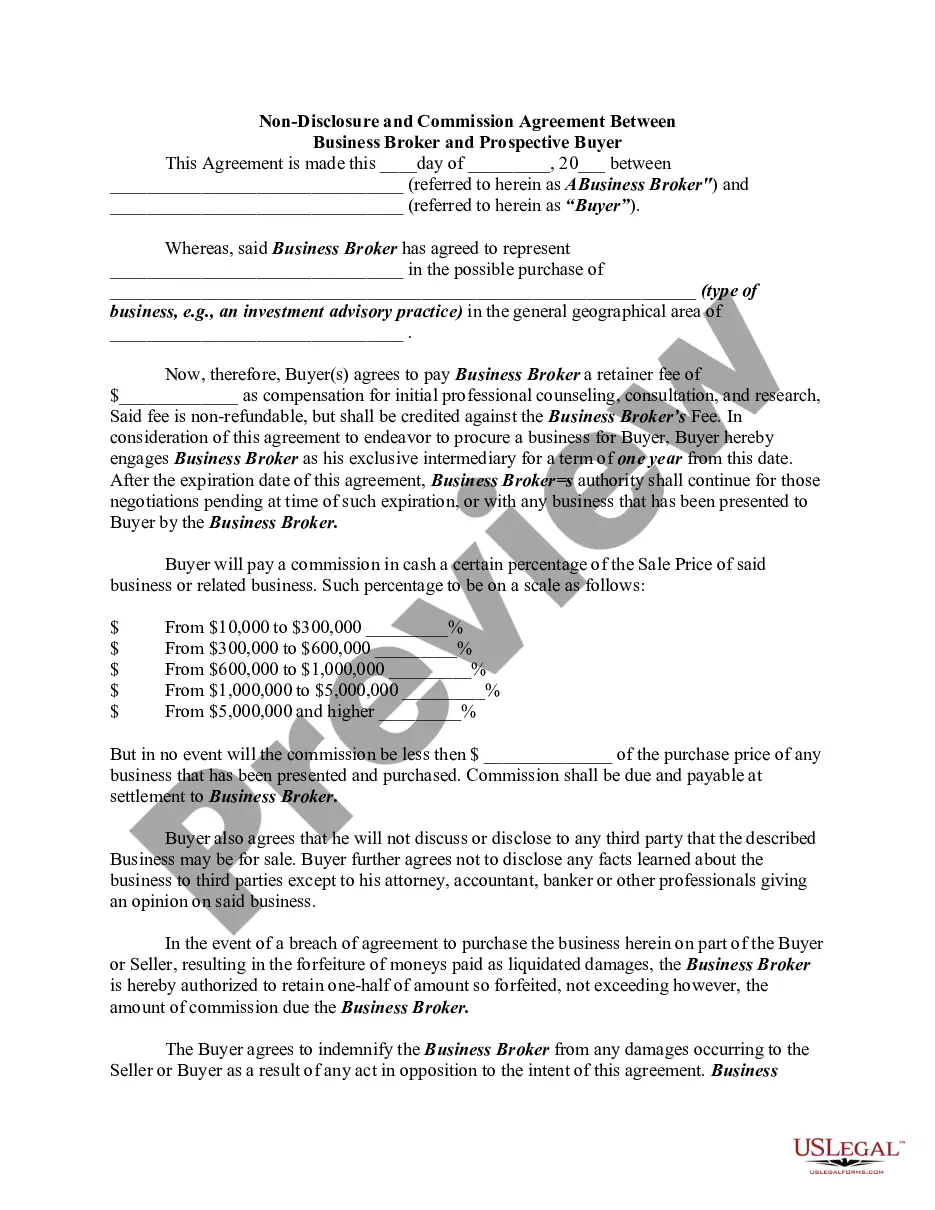
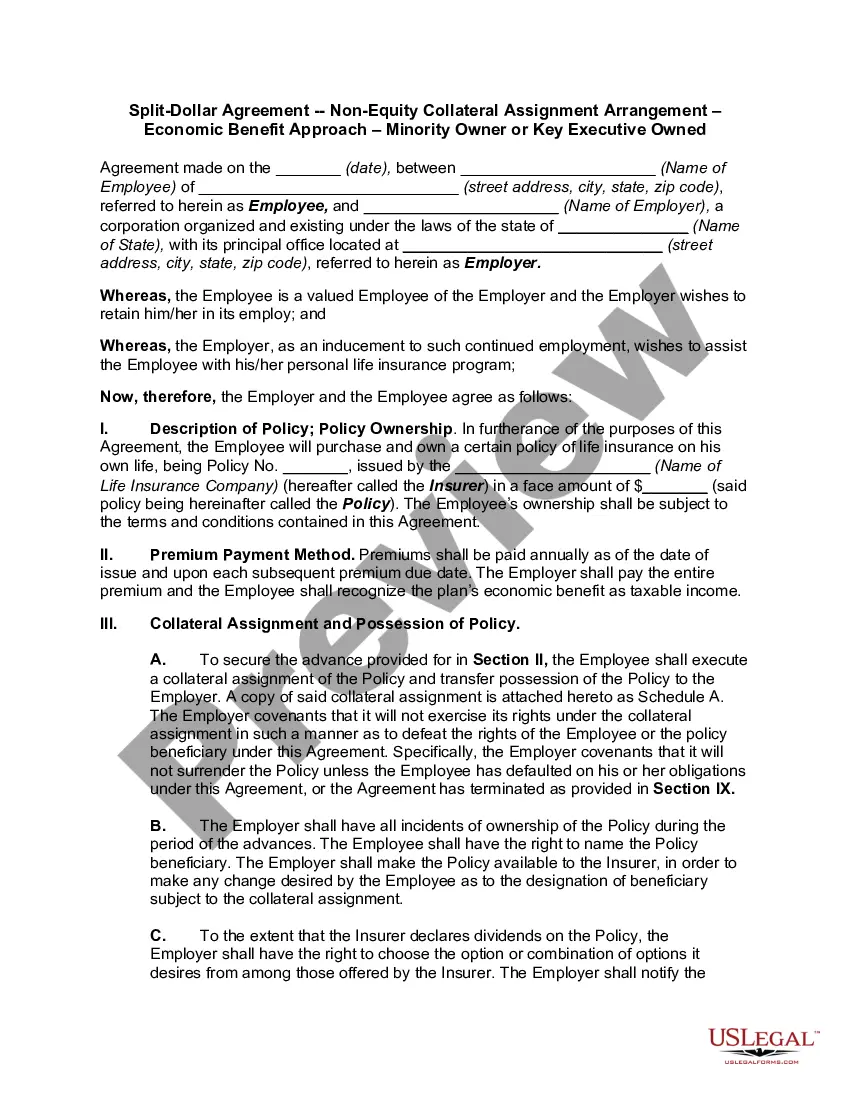
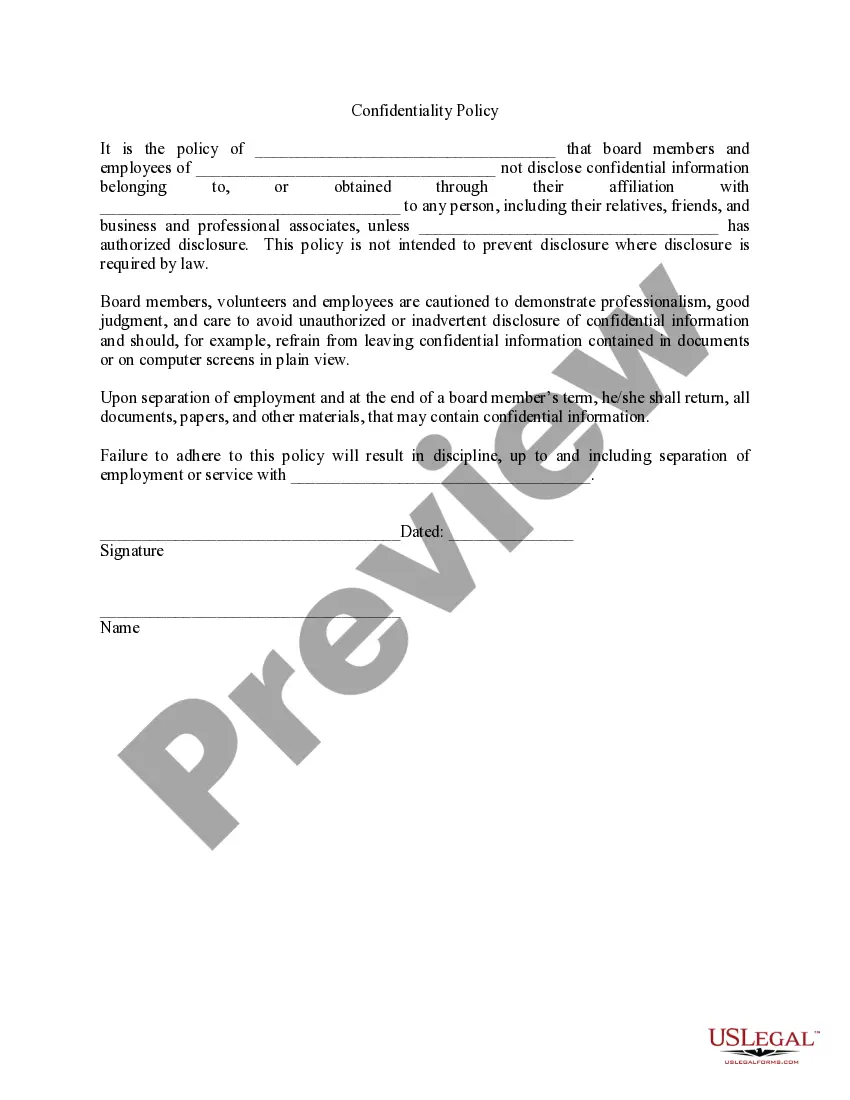


How to fill out Vendor's Obligation To Protect Nonpublic Confidential Information?
If you desire to obtain, acquire, or print legal document templates, utilize US Legal Forms, the largest selection of legal forms, which are accessible online.
Make use of the site's straightforward and user-friendly search function to locate the documents you require.
A range of templates for business and personal purposes are organized by categories and states, or keywords. Use US Legal Forms to find the Florida Vendor's Obligation to Protect Nonpublic Confidential Information in just a few clicks.
Step 5. Process the payment. You can use your Visa or Mastercard or PayPal account to complete the payment.
Step 6. Choose the format of the legal form and download it to your device. Step 7. Complete, edit, and print or sign the Florida Vendor's Obligation to Protect Nonpublic Confidential Information. Every legal document template you purchase is yours permanently. You have access to every form you downloaded in your account. Select the My documents section and choose a form to print or download again. Compete and acquire, and print the Florida Vendor's Obligation to Protect Nonpublic Confidential Information with US Legal Forms. There are numerous professional and state-specific forms you can use for your business or personal needs.
- If you are already a US Legal Forms customer, Log In to your account and click on the Obtain button to access the Florida Vendor's Obligation to Protect Nonpublic Confidential Information.
- You can also access forms you previously downloaded in the My documents tab of your account.
- If you are using US Legal Forms for the first time, follow the instructions below.
- Step 1. Ensure you have selected the form for your correct city/state.
- Step 2. Utilize the Preview option to examine the form's details. Don't forget to read the summary.
- Step 3. If you are not satisfied with the form, use the Search field at the top of the screen to find alternative templates.
- Step 4. Once you have found the form you need, click the Get now button. Choose the pricing plan you prefer and provide your credentials to register for an account.
Form popularity
FAQ
Duty of confidentiality is an essential element in practice of law and aids in maintaining the sanctity of the attorney client relationship. Duty of confidentiality states non-disclosure of any information shared by the client to an attorney.
A Fiduciary owes a Duty of Confidentiality A fiduciary is in a confidential relationship with a principal and duties of trust are owed to the principal. While not explicitly expressed, it is understood that a principal can reasonable rely and trust a fiduciary, because the fiduciary owes a Duty of Confidentiality.
Definition. The ethical duty of a lawyer not to affirmatively disclose information related to the representation of a client. Unlike the attorney-client privilege, the duty of confidentiality is in effect at all times, not just in the face of legal demands for client information.
Confidential information has legal protection through an 'equitable cause of action'. Essentially, this means that it is not a property right. As such, it is not a right that you can assign or license to others.
The information that is confidential to a business or company will not be considered confidential unless the business or company follows the processes outlines in these laws. 19 CFR 201.6 - This law covers the request for business information to be treated as confidential.
In common law jurisdictions, the duty of confidentiality obliges solicitors (or attorneys) to respect the confidentiality of their clients' affairs. Information that solicitors obtain about their clients' affairs may be confidential, and must not be used for the benefit of persons not authorized by the client.
(1) Confidential business information is information which concerns or relates to the trade secrets, processes, operations, style of works, or apparatus, or to the production, sales, shipments, purchases, transfers, identification of customers, inventories, or amount or source of any income, profits, losses, or
Confidentiality is the expectation that information shared with another individual or organization will not be divulged. Privacy, although sometimes confused with confidentiality, is the right of an individual or organization not to divulge information.
Some of the most important confidential documents include contracts and other business documents. Confidential documentation must be properly handled and stored to protect both your organization and the third-party. Most contracts have a confidentiality clause.
Business A states that their business depends on the free flow of information as well as its ability to withhold confidential information. Clients and vendors may ask Company A to agree to non-disclosure or confidentiality agreements before they provide any confidential information.