Florida Notice to Pay Rent
Description
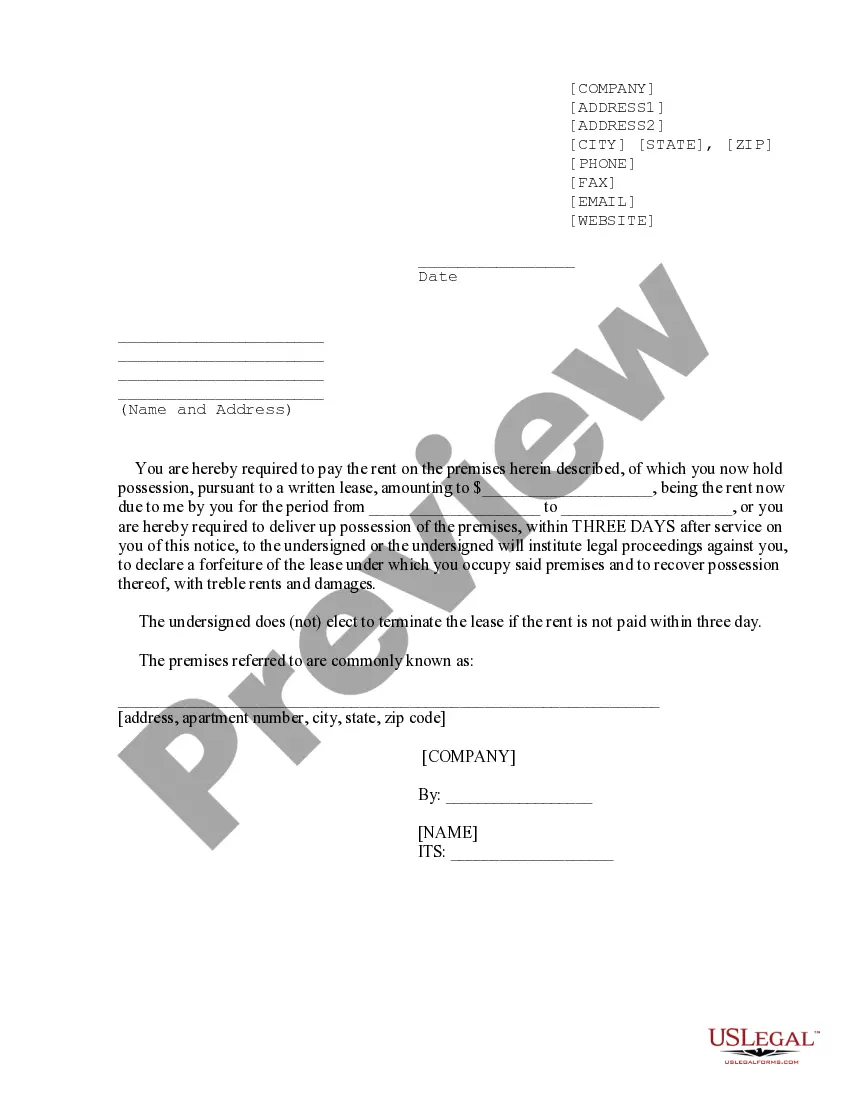
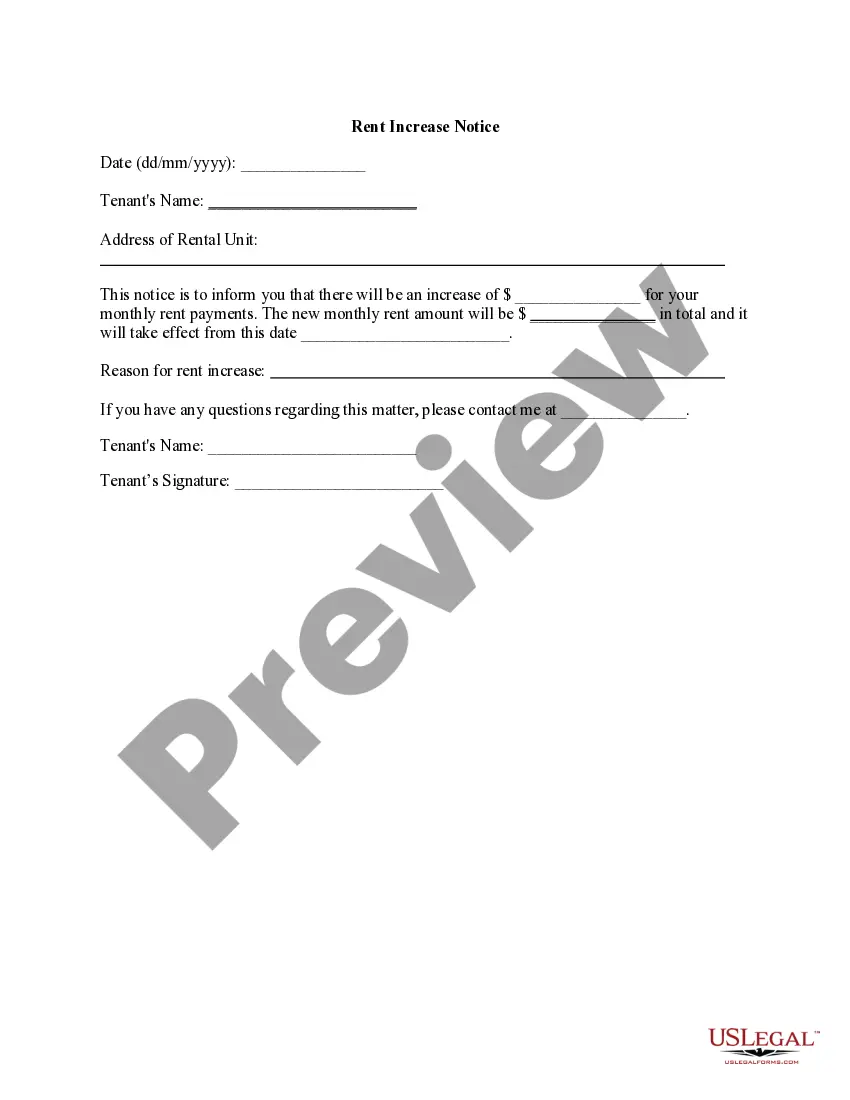
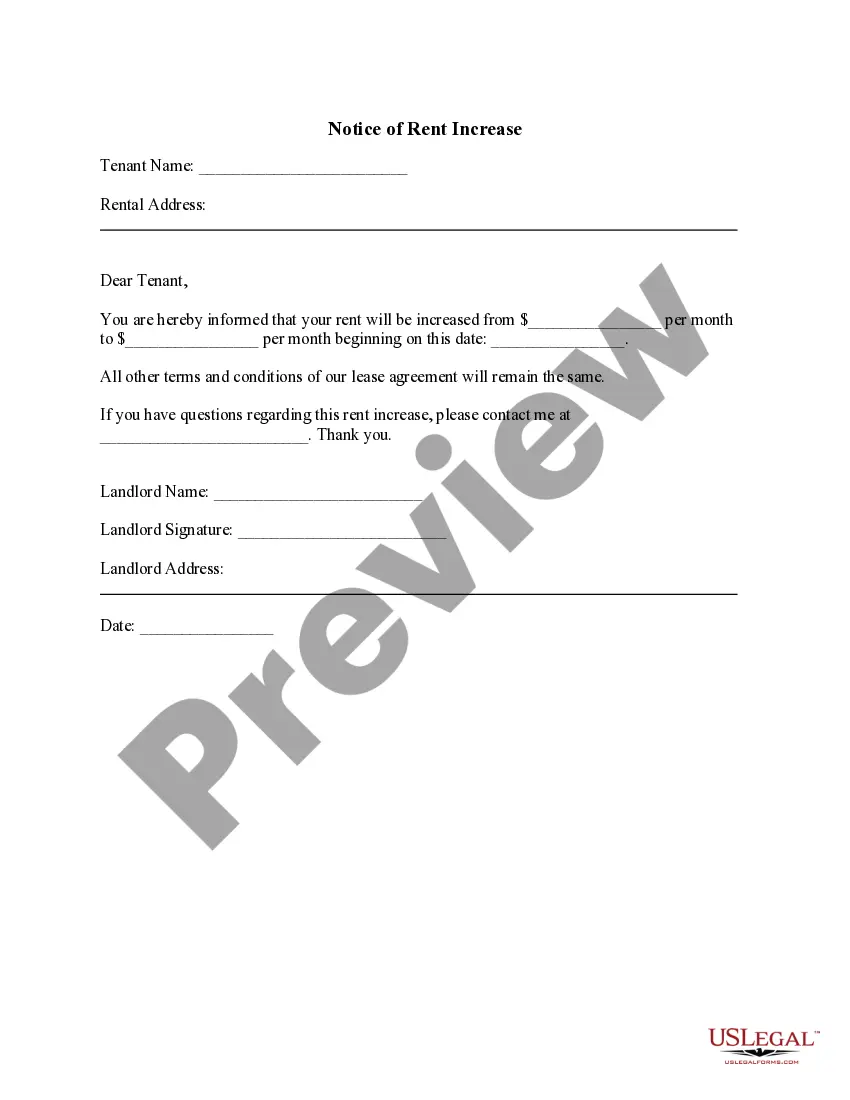
Get your form ready online
Our built-in tools help you complete, sign, share, and store your documents in one place.
Make edits, fill in missing information, and update formatting in US Legal Forms—just like you would in MS Word.
Download a copy, print it, send it by email, or mail it via USPS—whatever works best for your next step.
Sign and collect signatures with our SignNow integration. Send to multiple recipients, set reminders, and more. Go Premium to unlock E-Sign.
If this form requires notarization, complete it online through a secure video call—no need to meet a notary in person or wait for an appointment.
We protect your documents and personal data by following strict security and privacy standards.

Make edits, fill in missing information, and update formatting in US Legal Forms—just like you would in MS Word.

Download a copy, print it, send it by email, or mail it via USPS—whatever works best for your next step.

Sign and collect signatures with our SignNow integration. Send to multiple recipients, set reminders, and more. Go Premium to unlock E-Sign.

If this form requires notarization, complete it online through a secure video call—no need to meet a notary in person or wait for an appointment.

We protect your documents and personal data by following strict security and privacy standards.
Looking for another form?





How to fill out Notice To Pay Rent?
If you wish to finalize, acquire, or create legal documentation templates, utilize US Legal Forms, the premier assortment of legal documents available online.
Take advantage of the website's straightforward and convenient search to obtain the paperwork you need.
A wide range of templates for business and personal purposes are organized by categories and topics, or keywords.
Step 4. Once you have found the form you want, click the Buy now button. Choose the pricing plan you prefer and enter your details to register for an account.
Step 5. Complete the transaction. You can use your credit card or PayPal account to finalize the payment.
- Utilize US Legal Forms to acquire the Florida Notice to Pay Rent in just a few clicks.
- If you are already a client of US Legal Forms, Log In to your account and click on the Acquire button to find the Florida Notice to Pay Rent.
- You can also access forms you previously downloaded in the My documents tab of your account.
- If this is your first time using US Legal Forms, follow the instructions below.
- Step 1. Ensure you have selected the form for the correct state/country.
- Step 2. Use the Review option to examine the form’s content. Remember to check the description.
- Step 3. If you are not satisfied with the template, use the Search field at the top of the screen to find additional versions of the legal document template.
Form popularity
FAQ
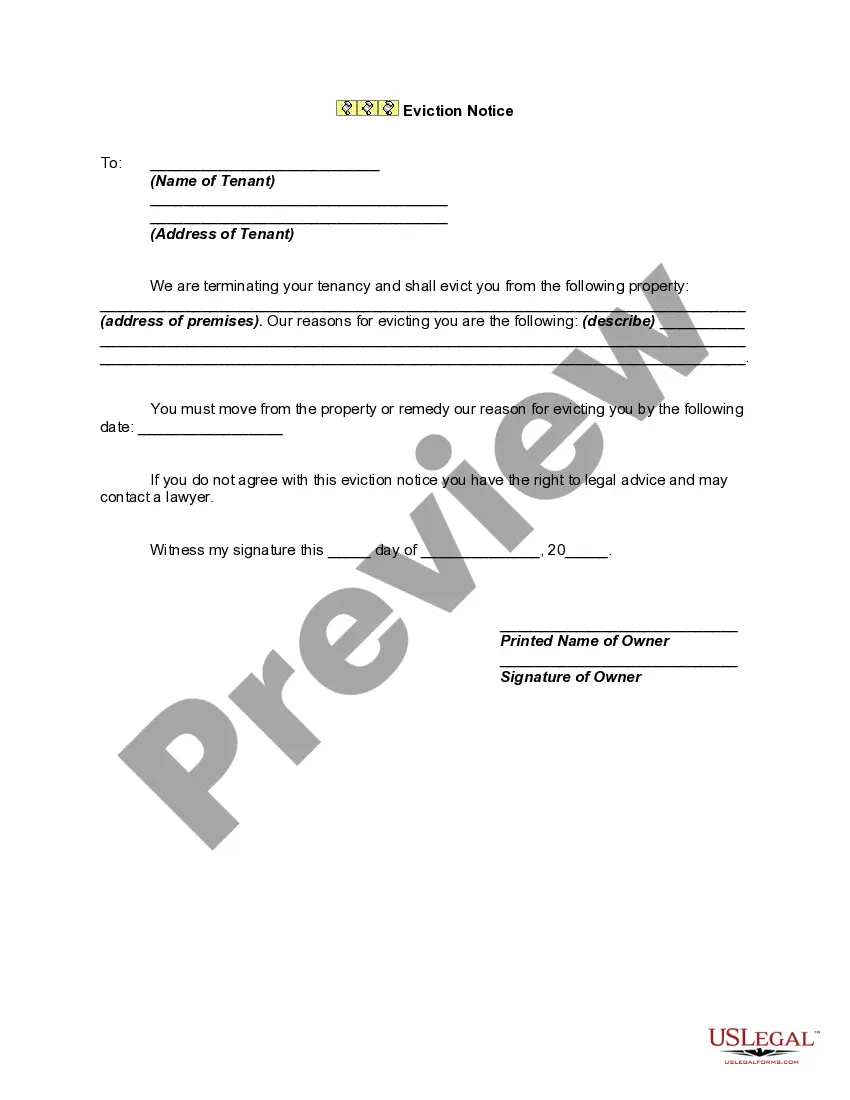
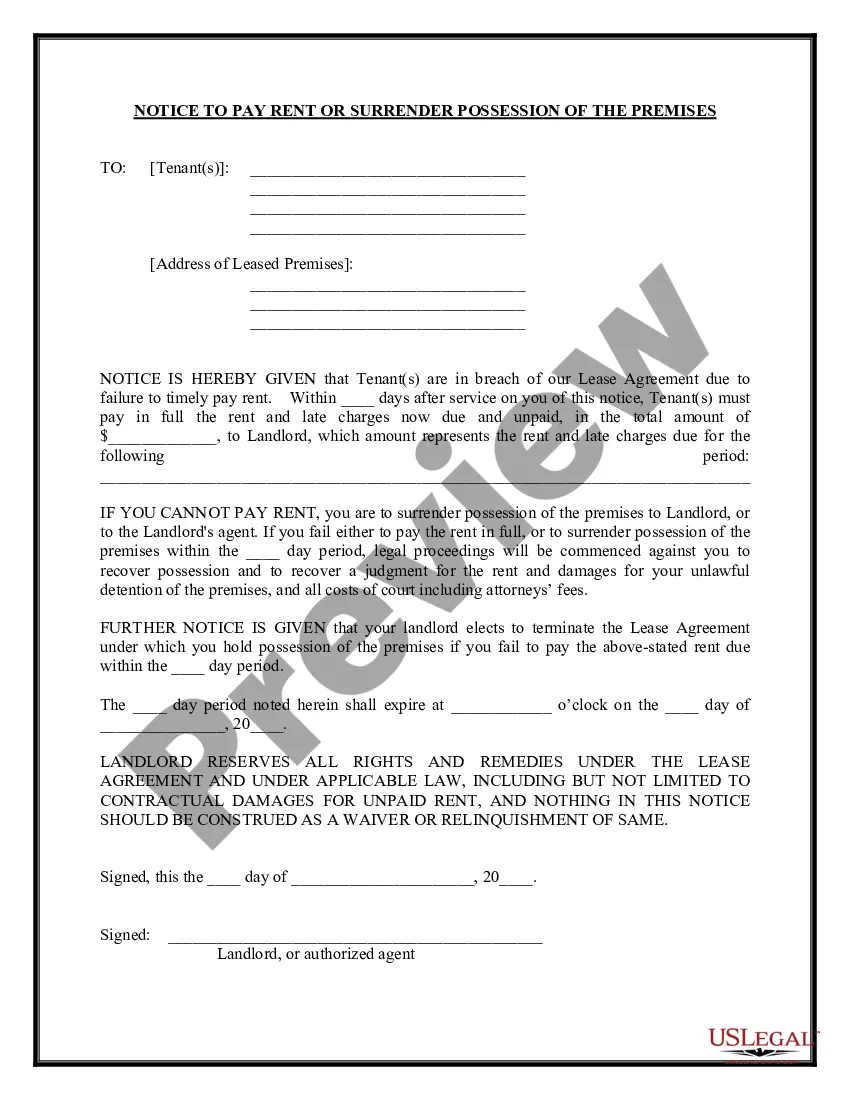
In Florida, you must provide a written Florida Notice to Pay Rent when a tenant fails to pay their rent on time. This notice typically gives the tenant a period of three days to pay the overdue rent before you can take further action, such as filing for eviction. It is essential that the notice is clear and delivered in accordance with local laws. Using platforms like USLegalForms can help you draft an effective notice that complies with Florida regulations.
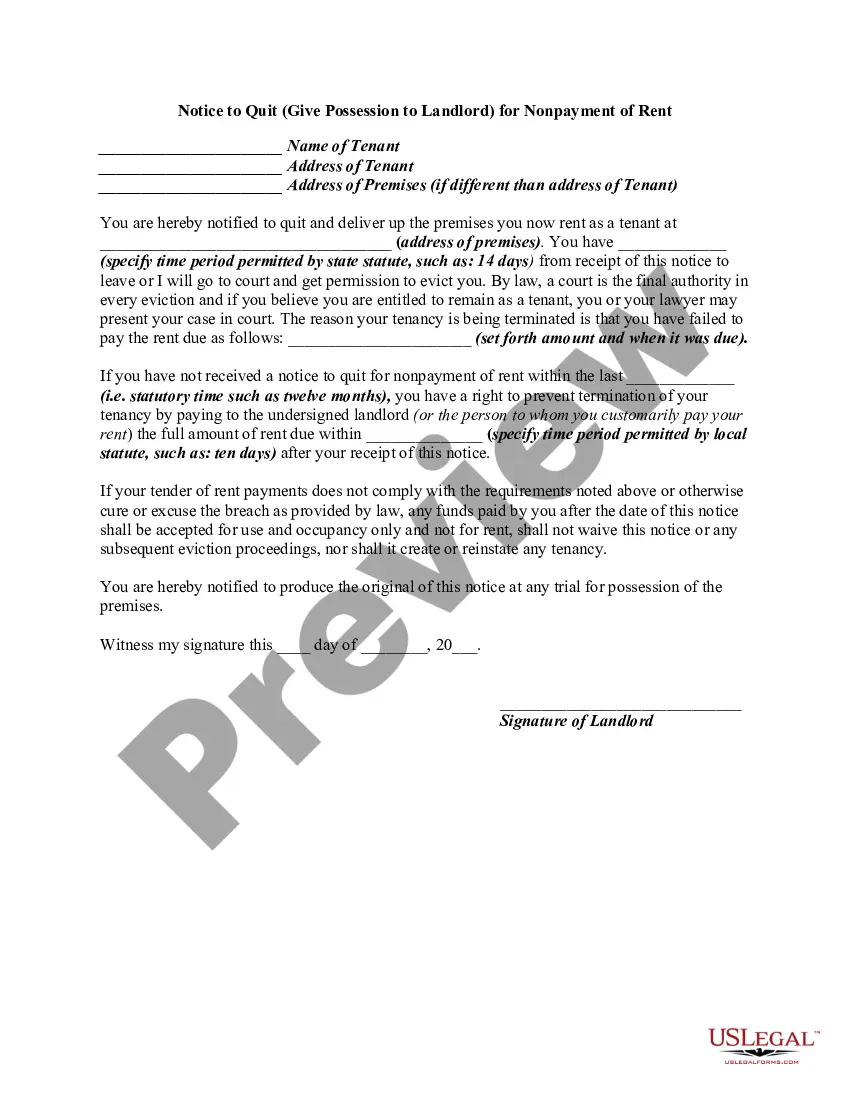
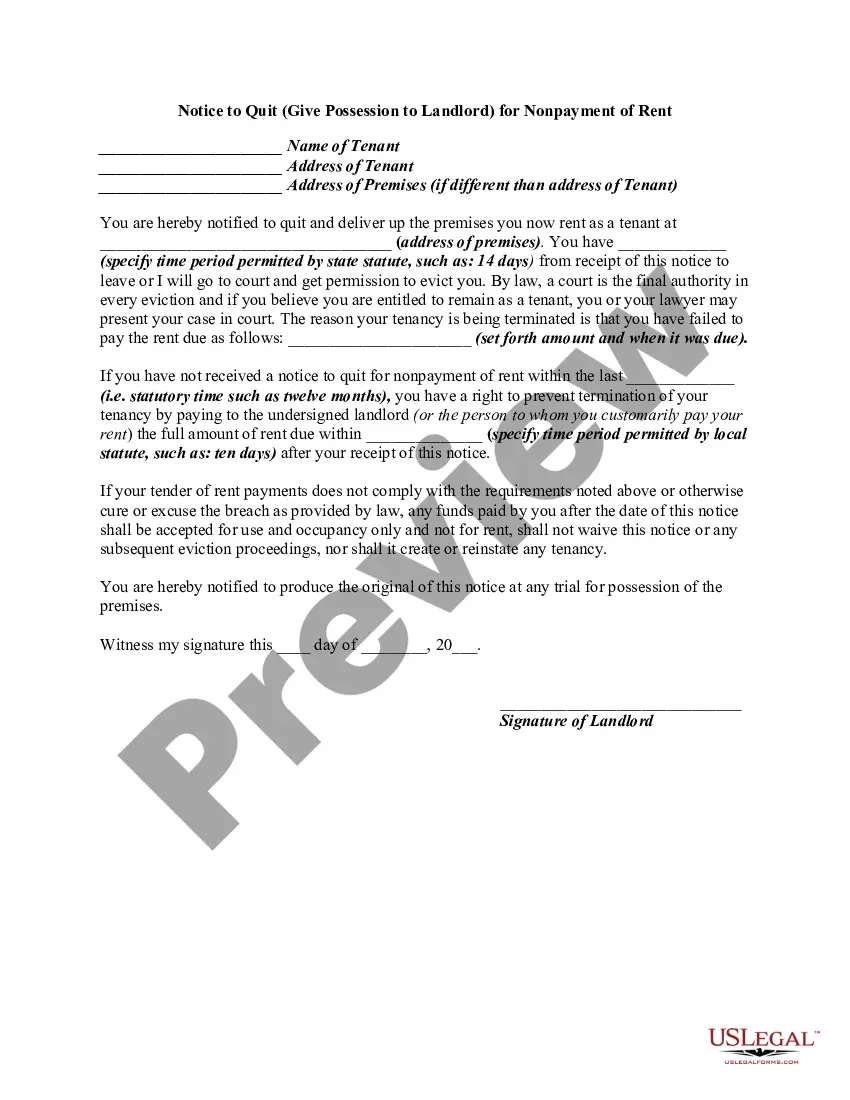
To file an eviction notice in Florida, a landlord should first prepare and serve a Florida Notice to Pay Rent to the tenant. This document must comply with Florida law, stating the amount owed and giving the tenant a chance to pay. If the tenant does not respond within the specified period, the landlord can file a complaint with the local court. Using platforms like USLegalForms can help landlords easily access the necessary legal documents and ensure the eviction process is handled correctly.
In Florida, a tenant can be deemed late on rent if the payment is not received by the due date. Once a tenant fails to pay rent, the landlord must issue a Florida Notice to Pay Rent, which gives the tenant a specific time frame to pay their overdue rent. Typically, this period is three days, after which the landlord may proceed with filing for eviction if payment is not made. It's vital for tenants to communicate with their landlords to avoid escalation.
In Florida, a landlord cannot simply evict a tenant within three days. While the Florida Notice to Pay Rent does allow for swift action against non-paying tenants, legal eviction requires a court process. After serving the notice, landlords must wait for the notice period to expire, then file the eviction suit if the tenant does not pay. This ensures both parties have their rights protected during the process.
The time to evict a tenant in Florida often depends on the specific circumstances of the case. Typically, after filing a Florida Notice to Pay Rent, a landlord may expect the process to take around three to four weeks, assuming no complications arise. However, if the tenant responds or contests the eviction, the process may extend significantly. It’s crucial for landlords to follow the legal procedures correctly to ensure a smooth eviction process.
When the tenancy is month-to-month, the tenant must give the landlord 15 days' notice before the end of any monthly period. (In Miami, the tenant must give the landlord 30 days' notice before the end of the monthly period).
Remember: In Florida, your landlord is never allowed to evict you without a court order. If your landlord tells you to leave your home before a judge orders you to, you do not have to move out. The CDC's Eviction Moratorium has been invalidated and is no longer in effect.
The notice must state that the tenant has three days to either pay rent or move out of the rental unit or the landlord will terminate the tenancy. If the tenant does not pay rent or move, then the landlord can file an eviction lawsuit at the end of the three days.
The minimum notice requirement is 28 days. If you have a monthly tenancy, you will have to give one month's notice. If you pay your rent at longer intervals you have to give notice equivalent to that rental period. For example, if you pay rent every three months, you would have to give three months' notice.
Florida State Laws on Termination for Nonpayment of Rent States set specific rules and procedures for ending a tenancy when a tenant has not paid the rent. Florida landlords must give tenants at least three days in which to pay the rent or move. If the tenant does neither, the landlord can file for eviction.