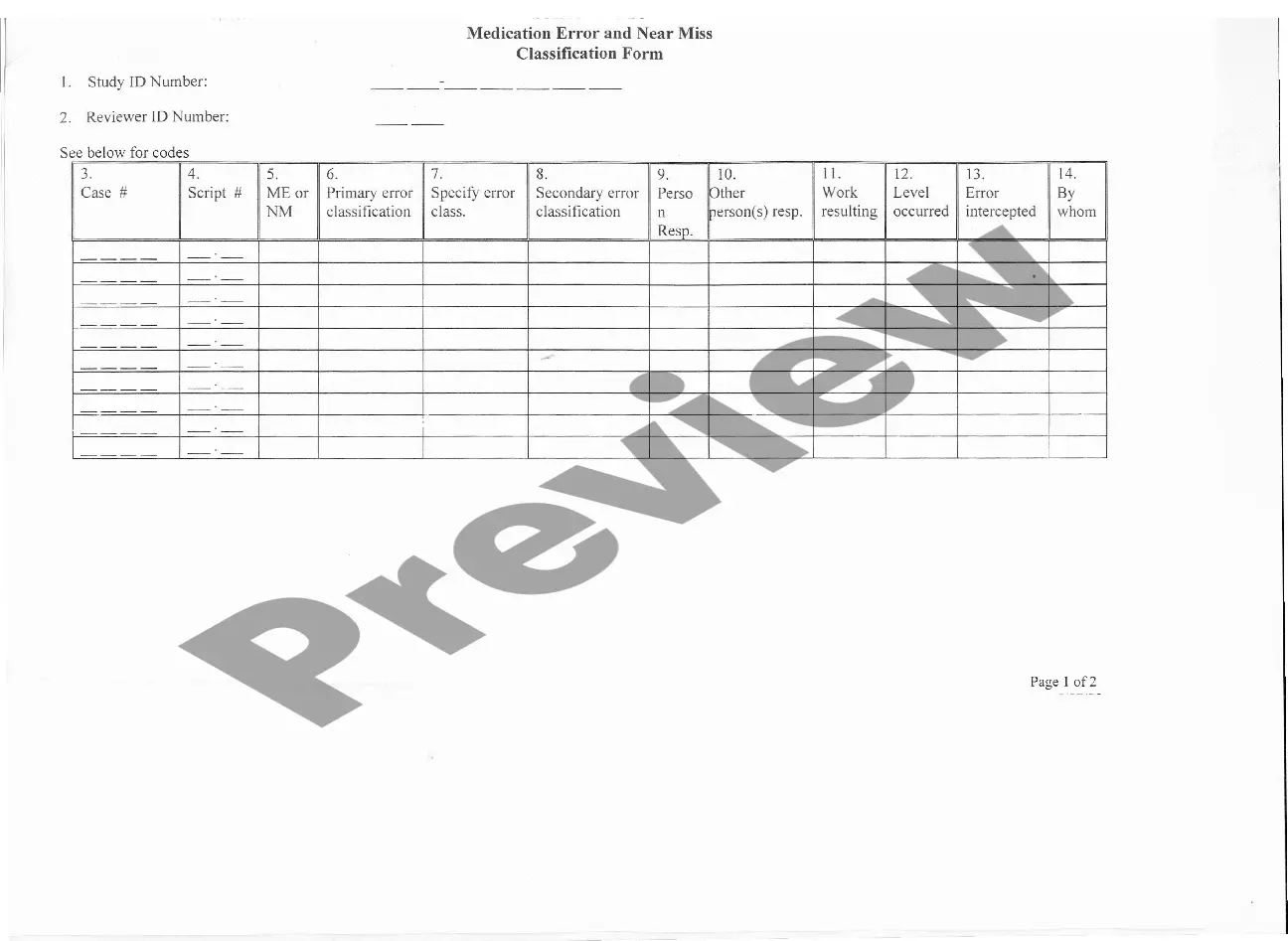
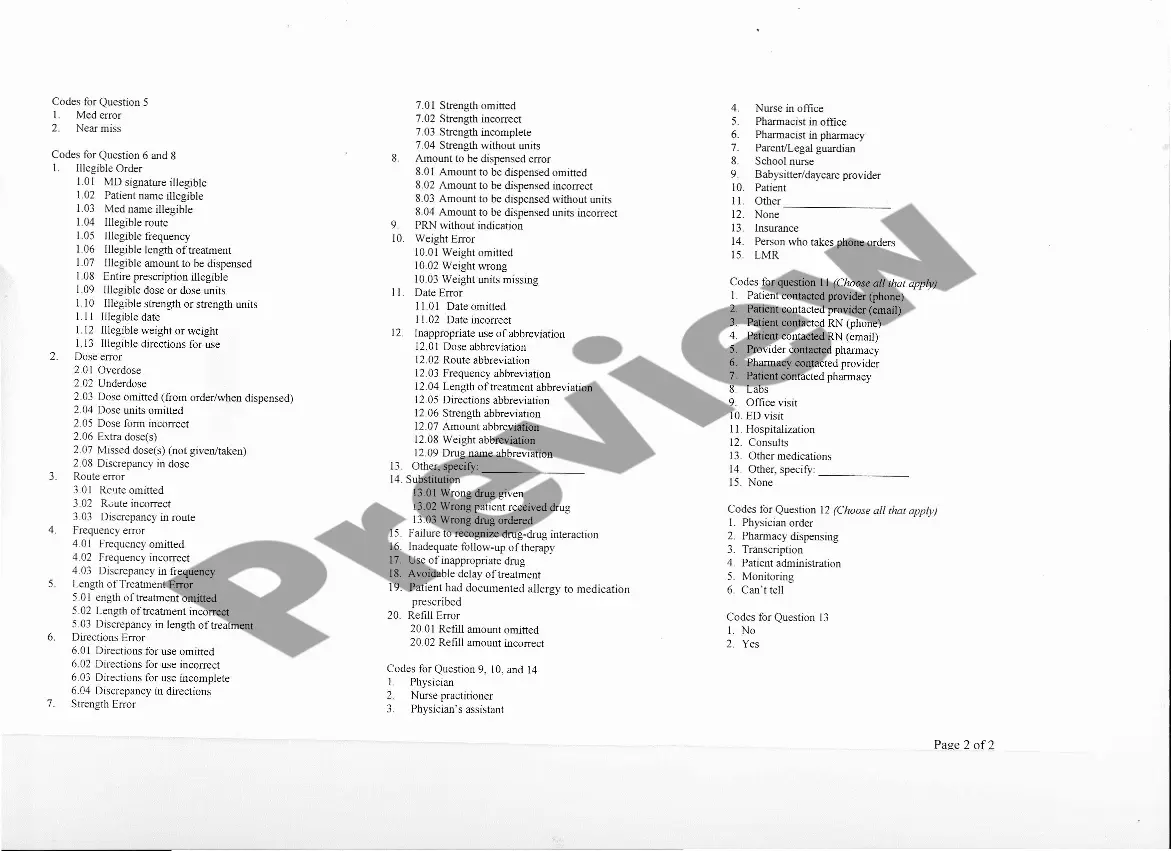
Medication Data Form - Medication Error and Near Miss Classification
Understanding this form
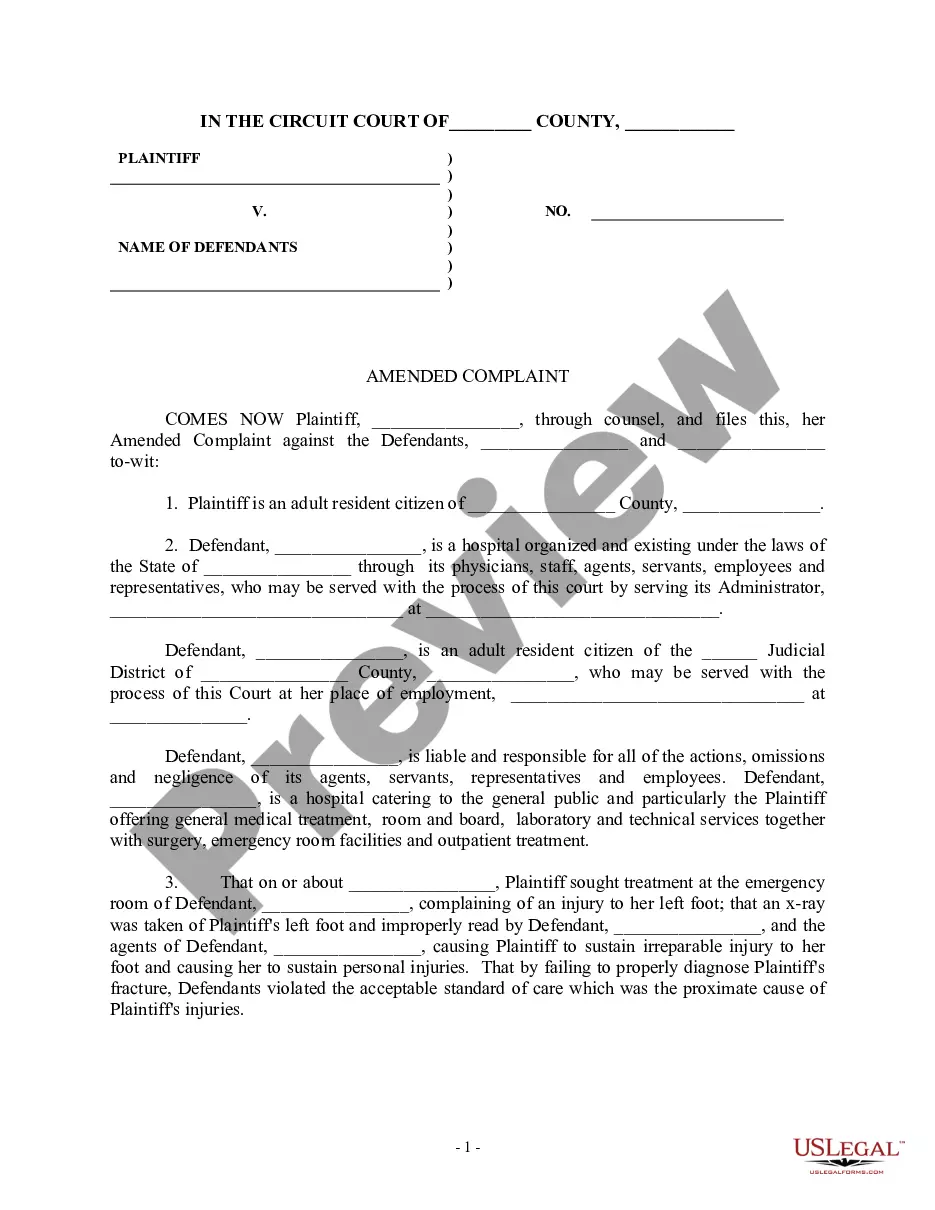
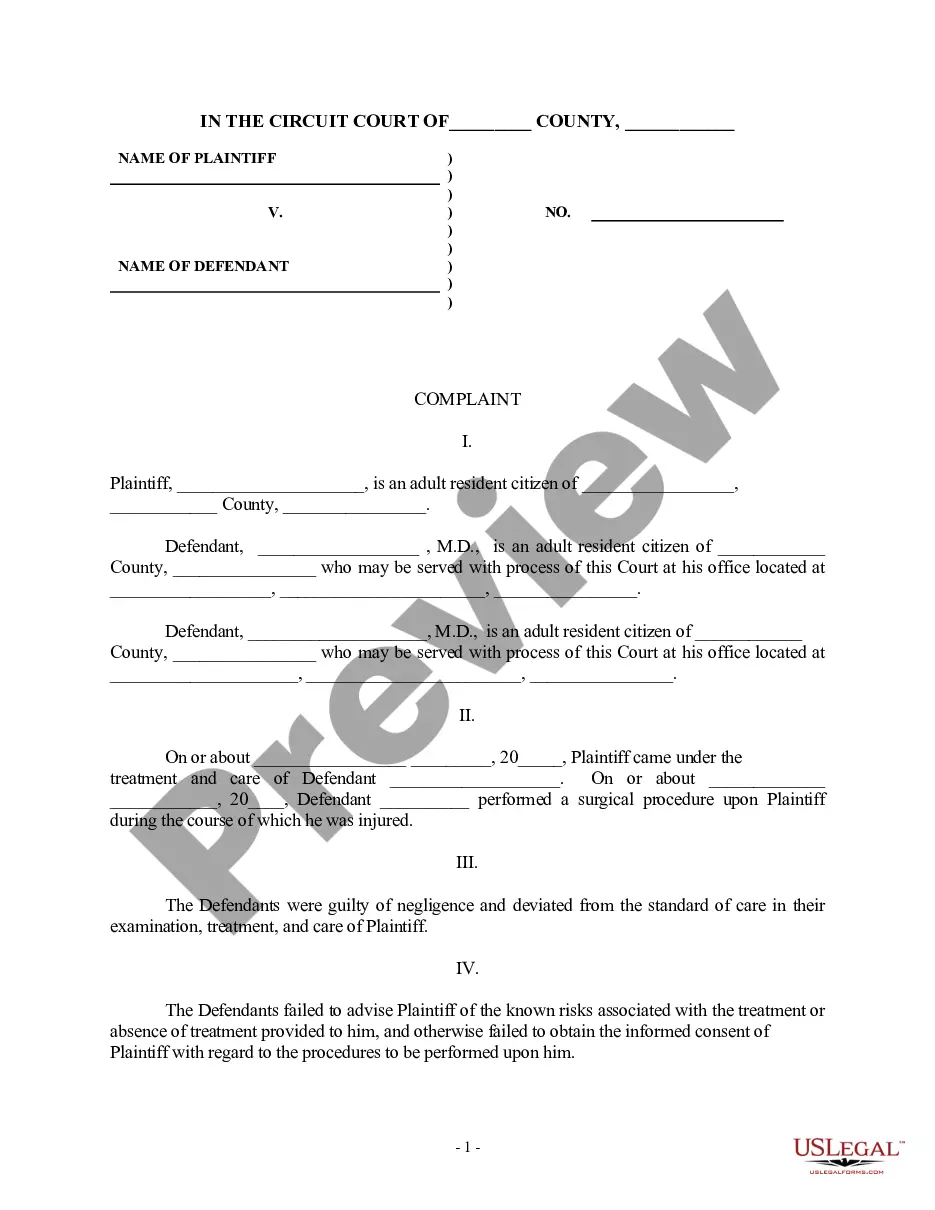
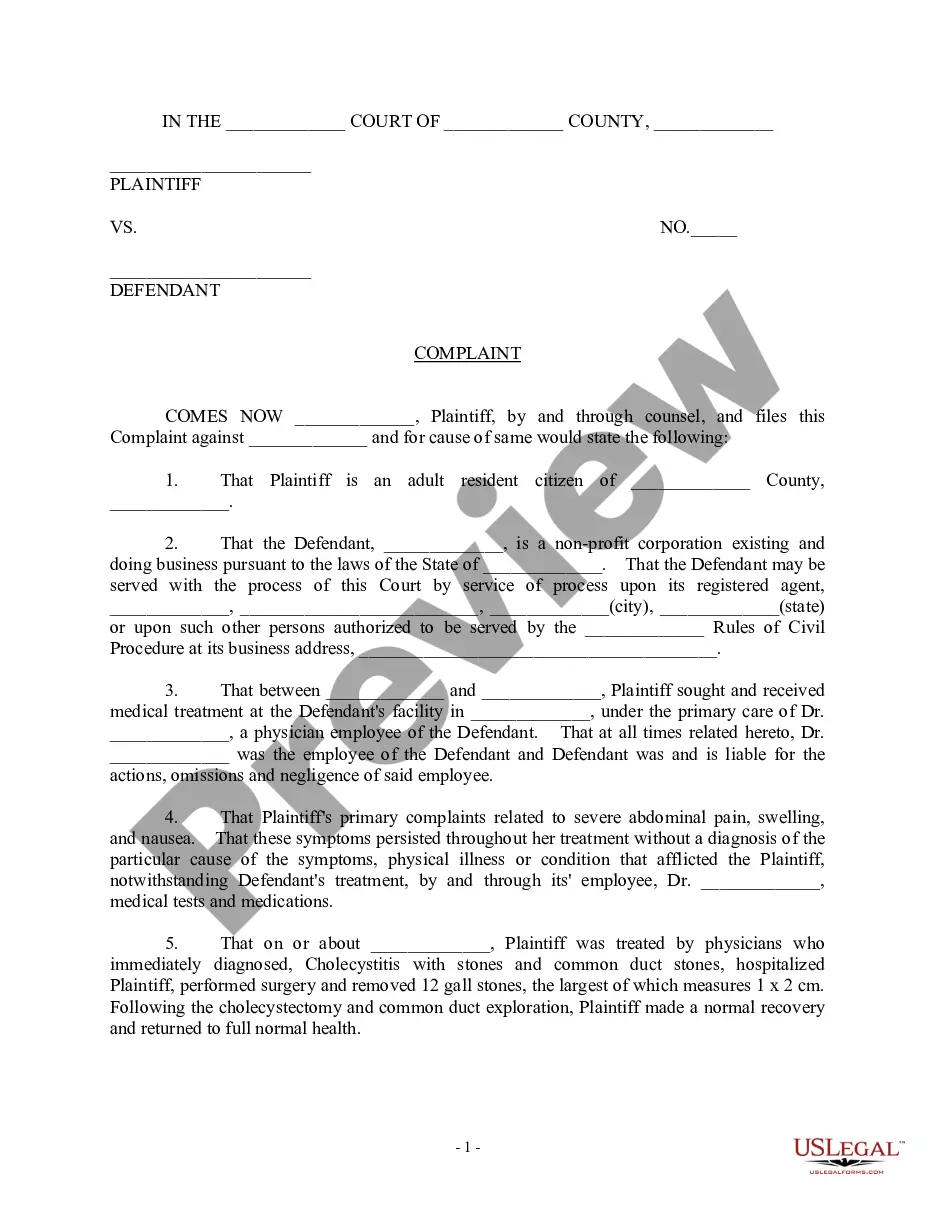
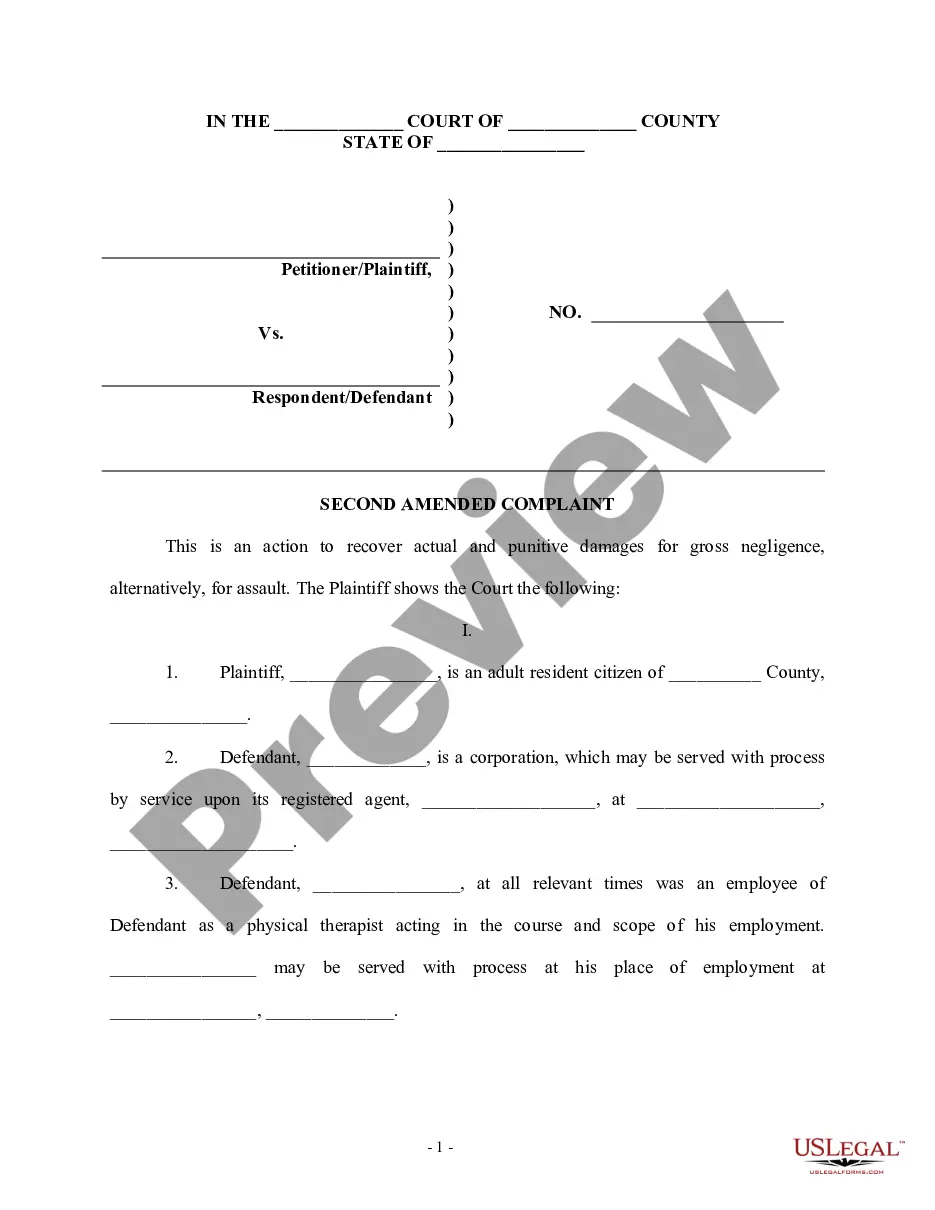
The Medication Data Form for Medication Error and Near Miss Classification is a legal document designed to assist healthcare providers in accurately reporting and classifying medication errors and near misses. This form is essential for quality improvement initiatives, helping to identify trends and enhance patient safety. Unlike other medical documentation forms, this specific form focuses exclusively on medication-related incidents, allowing facilities to evaluate and address potential vulnerabilities in their medication management processes.
Form components explained
- Incident description: Details about the medication error or near miss.
- Patient information: Essential data regarding the affected patient.
- Medication details: Information about the specific medication involved.
- Classification: Options to classify the type of error or near miss.
- Reporterâs information: Contact details of the person reporting the incident.
Situations where this form applies
This form should be utilized by healthcare providers or facilities when a medication error occurs or a near miss is identified. Examples include incorrectly administered doses, wrong medication dispensed, or situations where potential harm to the patient was avoided. Using this form helps maintain a clear record for further investigation, training, and implementing preventive measures.
Who can use this document
The following individuals or entities should use the Medication Data Form:
- Healthcare providers, such as nurses or pharmacists.
- Health facilities, including hospitals and clinics.
- Quality assurance personnel responsible for medication safety.
- Patient safety officers focused on reducing risks in medication management.
Completing this form step by step
- Identify the incident by providing a detailed description of the medication error or near miss.
- Enter patient information, including name, age, and medical record number.
- Specify the medication involved, including the name, dosage, and route of administration.
- Choose the applicable classification for the type of error or near miss from the options provided.
- Provide the reporterâs contact information for follow-up and additional context.
Notarization requirements for this form
This form does not typically require notarization unless specified by local law.
Get your form ready online
Our built-in tools help you complete, sign, share, and store your documents in one place.
Make edits, fill in missing information, and update formatting in US Legal Forms—just like you would in MS Word.
Download a copy, print it, send it by email, or mail it via USPS—whatever works best for your next step.
Sign and collect signatures with our SignNow integration. Send to multiple recipients, set reminders, and more. Go Premium to unlock E-Sign.
If this form requires notarization, complete it online through a secure video call—no need to meet a notary in person or wait for an appointment.
We protect your documents and personal data by following strict security and privacy standards.

Make edits, fill in missing information, and update formatting in US Legal Forms—just like you would in MS Word.

Download a copy, print it, send it by email, or mail it via USPS—whatever works best for your next step.

Sign and collect signatures with our SignNow integration. Send to multiple recipients, set reminders, and more. Go Premium to unlock E-Sign.

If this form requires notarization, complete it online through a secure video call—no need to meet a notary in person or wait for an appointment.

We protect your documents and personal data by following strict security and privacy standards.
Mistakes to watch out for
- Failing to provide a complete incident description.
- Omitting patient information, which is vital for tracking and analytics.
- Misclassifying the type of error, leading to inaccurate data collection.
Advantages of online completion
- Convenience of immediate access and downloadability.
- Editability to customize the form before completion.
- Reliable templates reviewed by licensed attorneys to ensure compliance.
What to keep in mind
- The Medication Data Form is essential for reporting medication errors and near misses.
- Accuracy in details is crucial for effective tracking and improving patient safety.
- Consult state-specific guidelines for any additional requirements.
Looking for another form?

Form popularity
FAQ
This type of prescription drug error is usually the fault of the pharmacist. It is generally the pharmacist's job to keep track of a patient's allergies and all medications the patient is taking (to avoid harmful interactions between more than one medication), although your doctor should have this information as well.
When any error is discovered, the priority must be the patient's safety. The patient must be assessed for any change of status. A physician must be notified, to allow the opportunity to order medication or treatment that might counteract the error.
All medication errors, incidents and near misses should be reported to the duty manager to inform them what has happened and also what action has been taken to rectify the immediate situation and what has been done to prevent it happening again.
All medication errors, incidents and near misses should be reported to the duty manager to inform them what has happened and also what action has been taken to rectify the immediate situation and what has been done to prevent it happening again.
If you make a medication error, return to the basics of the six rights of medication administration: the right drug, dose, route, time, patient and documentation. If the patient tells you it is the wrong medication or treatment, stop and check the order.
The major methods for detecting adverse events are chart review, computerized monitoring, incident reporting, and searching claims data. Medication errors are mainly detected by means of direct observation, voluntary reporting (by doctors, pharmacists, nurses, patients, and others) and chart review.
Let the patient and family know. Notify the rest of the care team. Document the error and report it to the hospital safety committee.
Medication errors can be classified, invoking psychological theory, as knowledge-based mistakes, rule-based mistakes, action-based slips, and memory-based lapses. This classification informs preventive strategies.
While it could be the result of systemic issues or plain human error, medication errors can cause severe physical injury and possible death to patients. These preventable mistakes could also cause severe financial, psychological, and emotional stress to the healthcare provider and organisation.