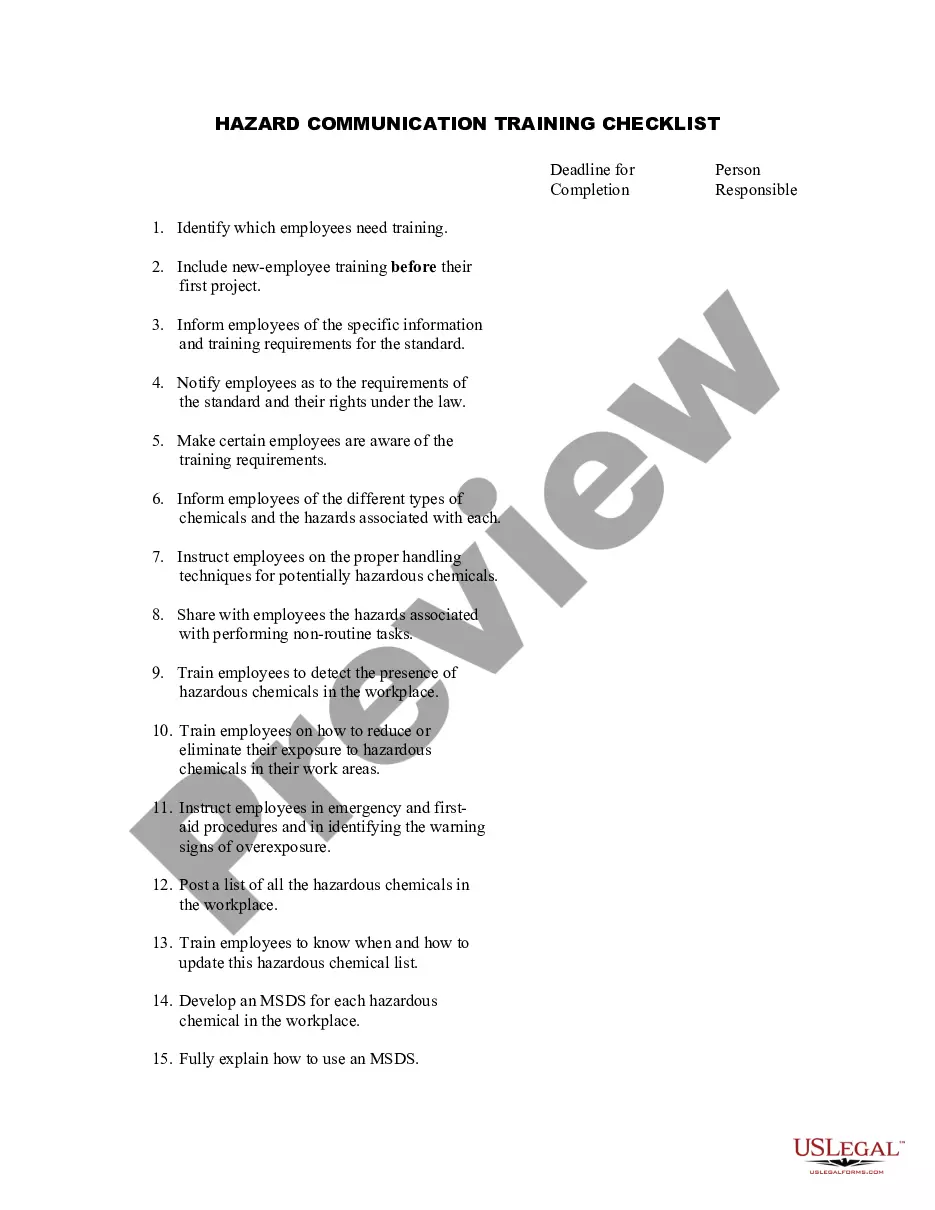
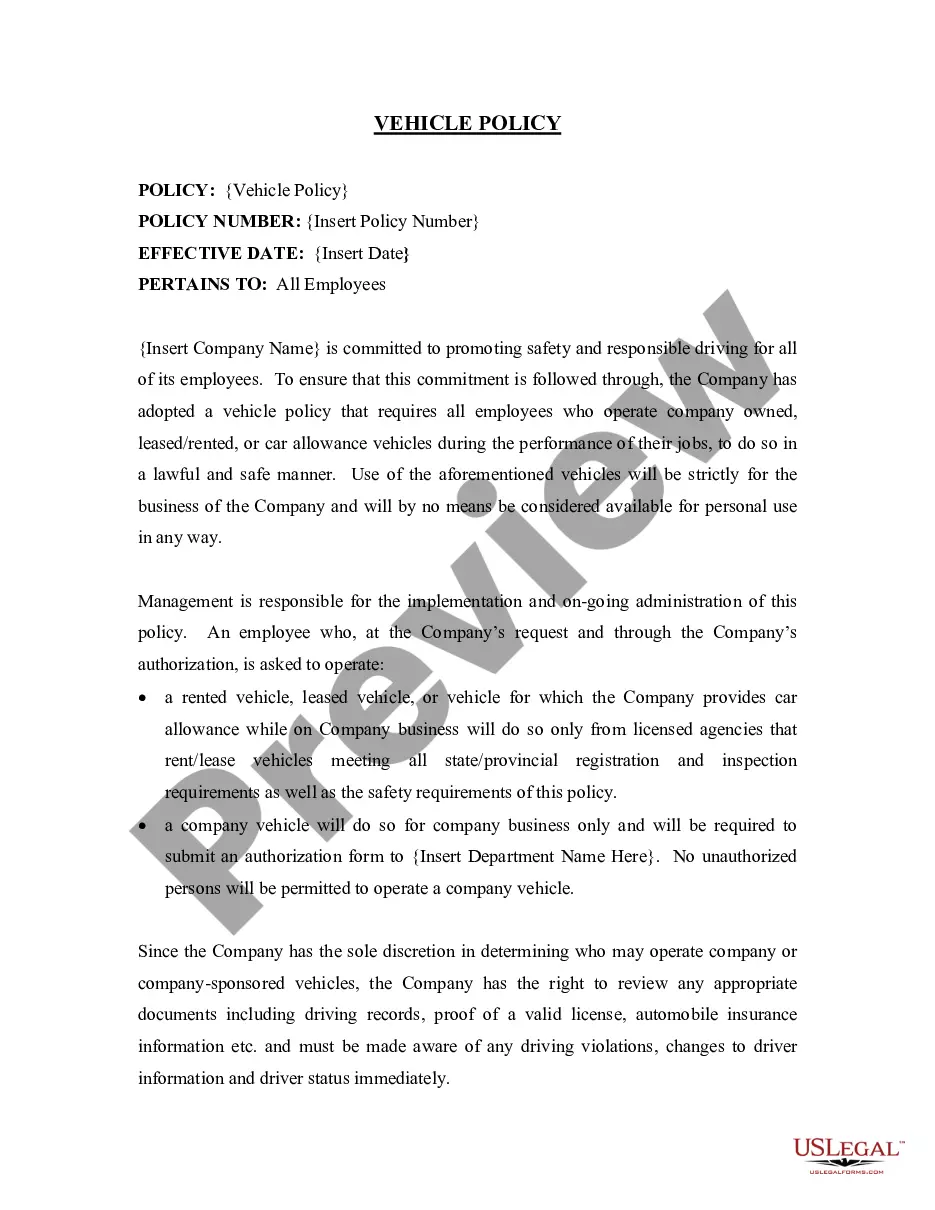
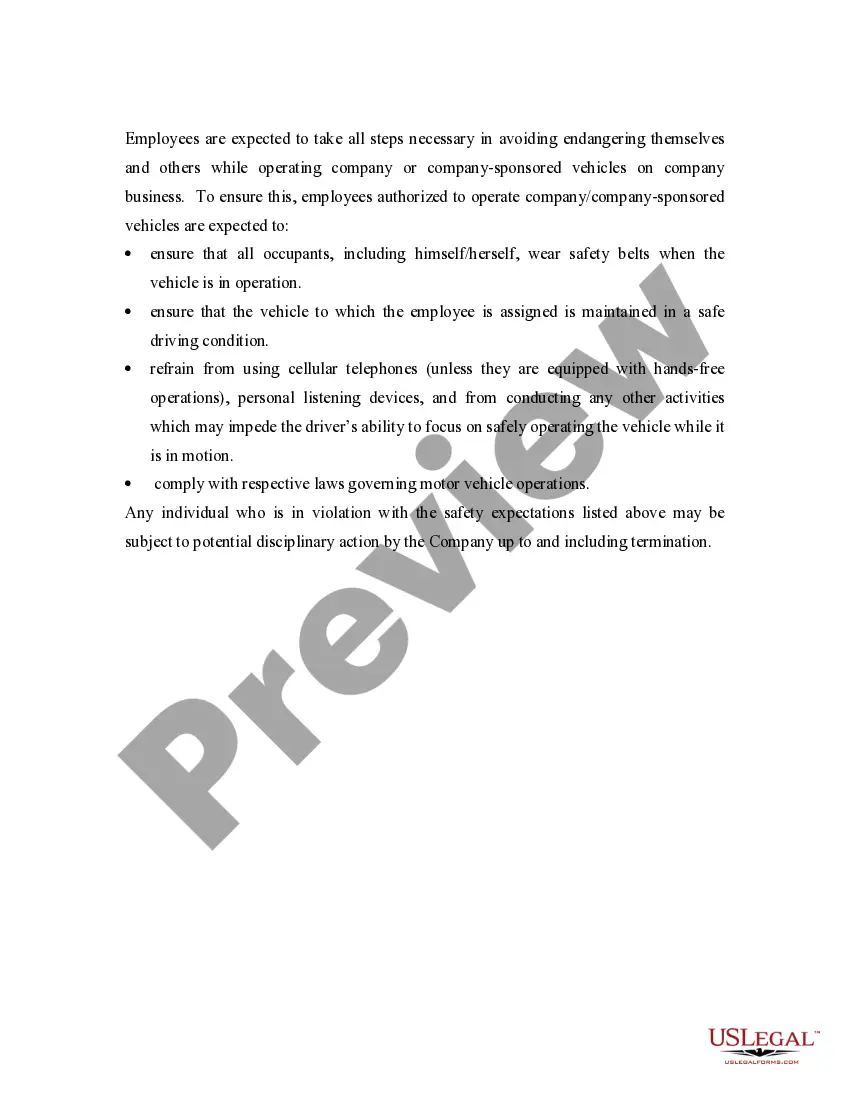
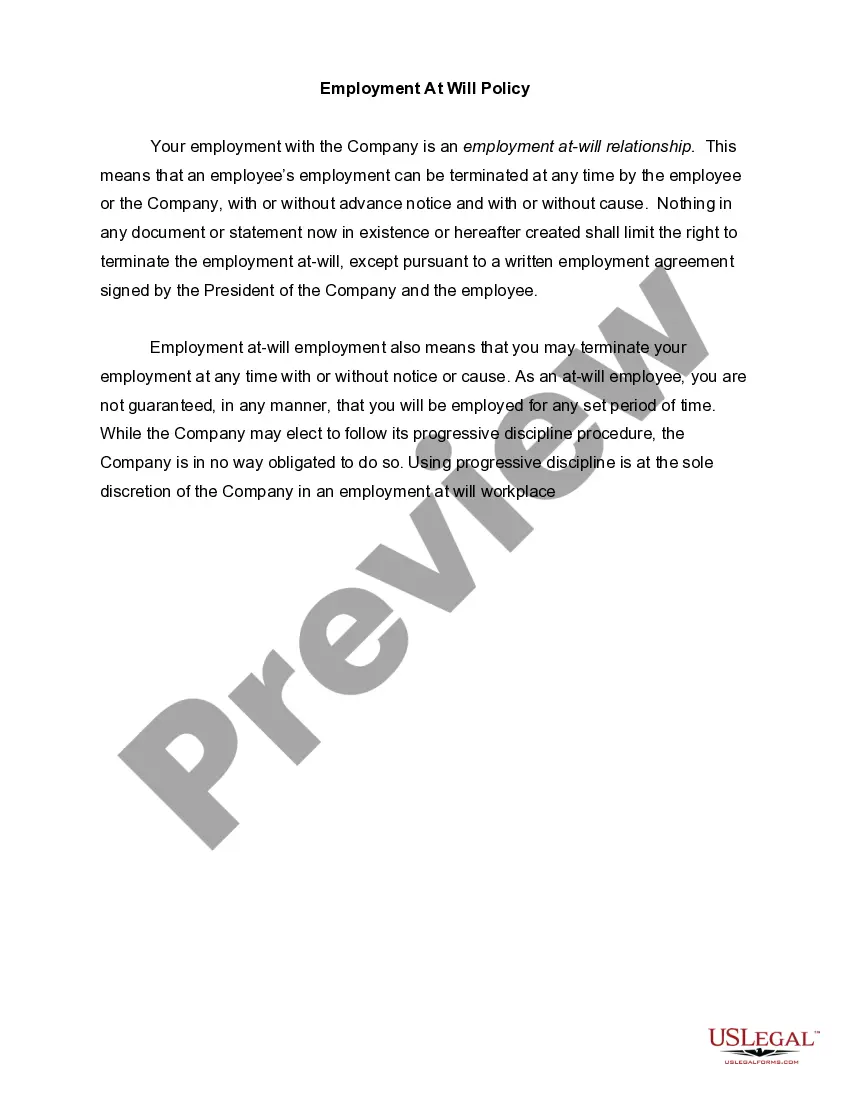
Florida Vehicle Policy
Description
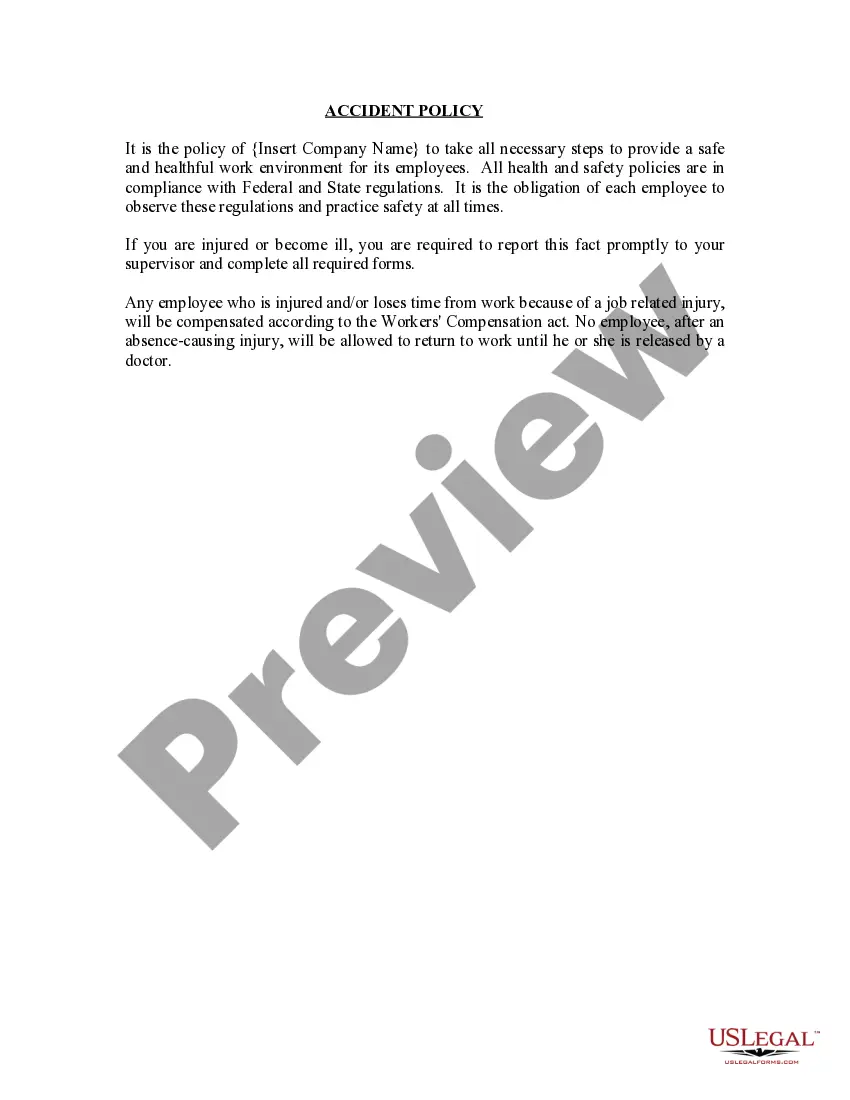
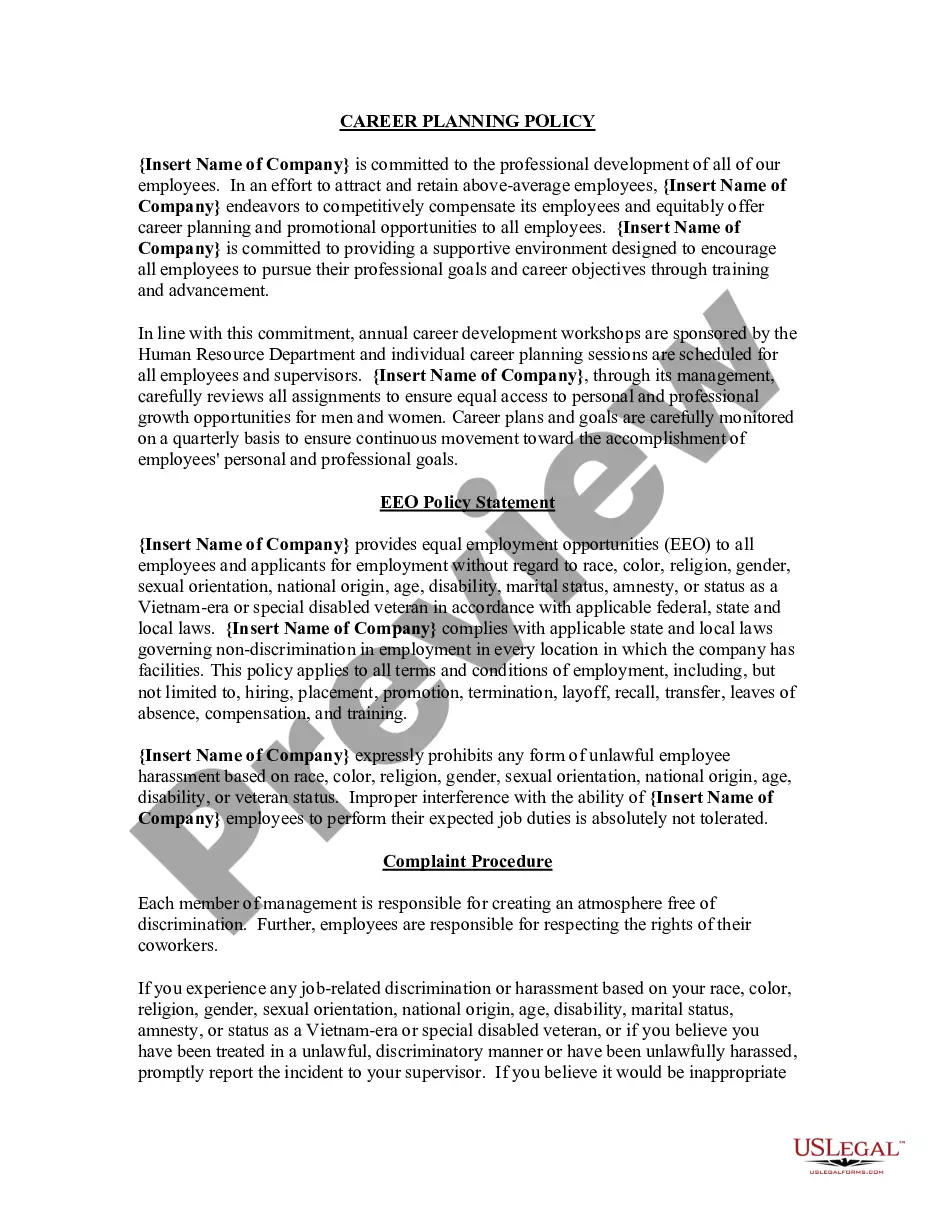
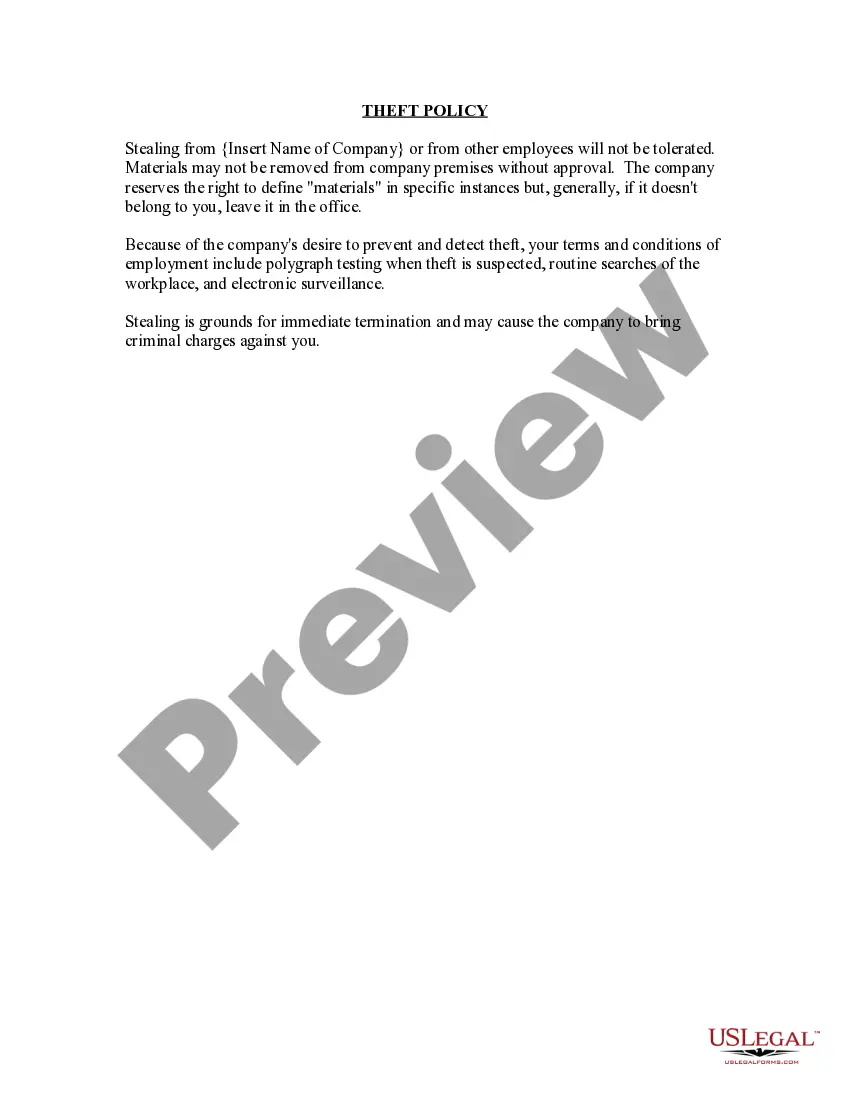
Get your form ready online
Our built-in tools help you complete, sign, share, and store your documents in one place.
Make edits, fill in missing information, and update formatting in US Legal Forms—just like you would in MS Word.
Download a copy, print it, send it by email, or mail it via USPS—whatever works best for your next step.
Sign and collect signatures with our SignNow integration. Send to multiple recipients, set reminders, and more. Go Premium to unlock E-Sign.
If this form requires notarization, complete it online through a secure video call—no need to meet a notary in person or wait for an appointment.
We protect your documents and personal data by following strict security and privacy standards.

Make edits, fill in missing information, and update formatting in US Legal Forms—just like you would in MS Word.

Download a copy, print it, send it by email, or mail it via USPS—whatever works best for your next step.

Sign and collect signatures with our SignNow integration. Send to multiple recipients, set reminders, and more. Go Premium to unlock E-Sign.

If this form requires notarization, complete it online through a secure video call—no need to meet a notary in person or wait for an appointment.

We protect your documents and personal data by following strict security and privacy standards.
Looking for another form?

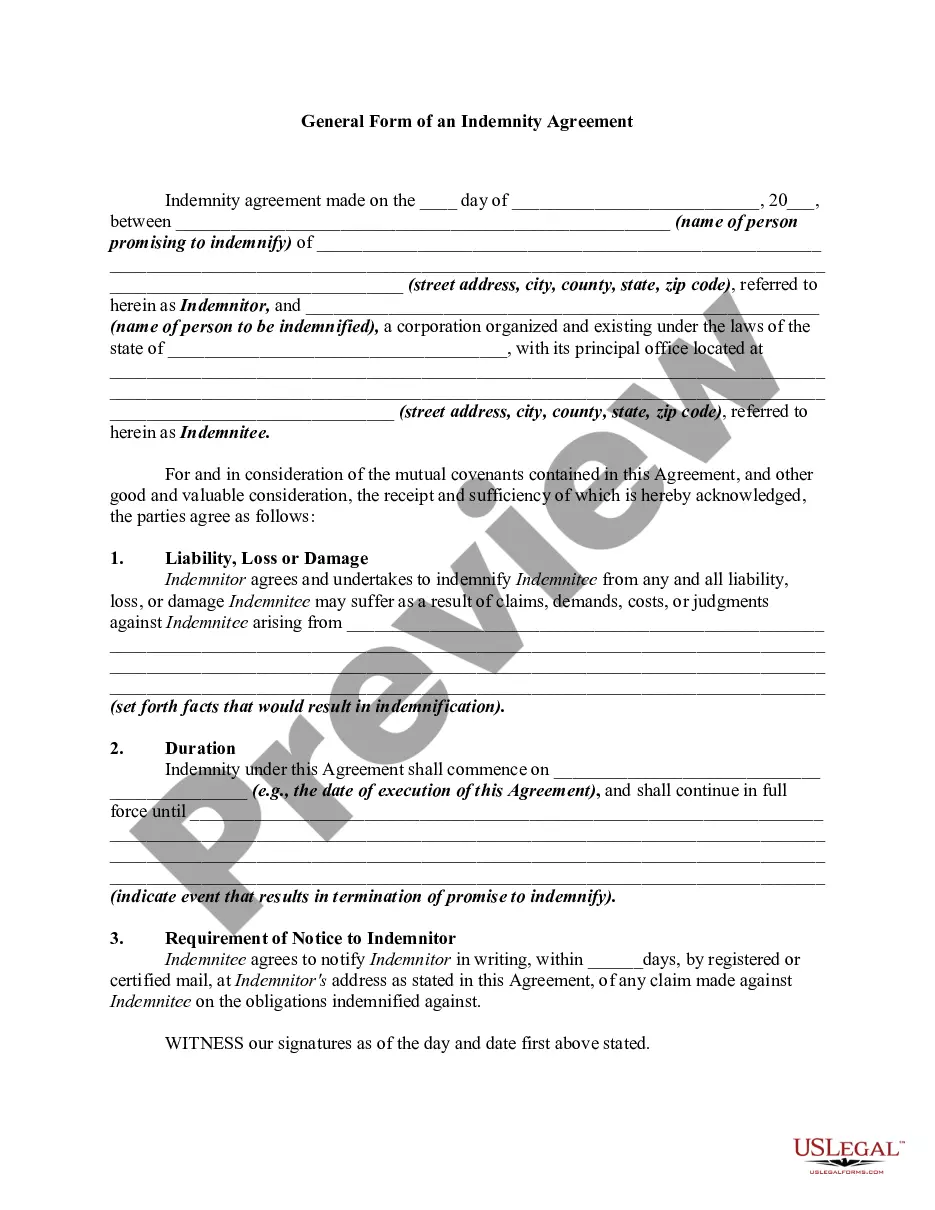


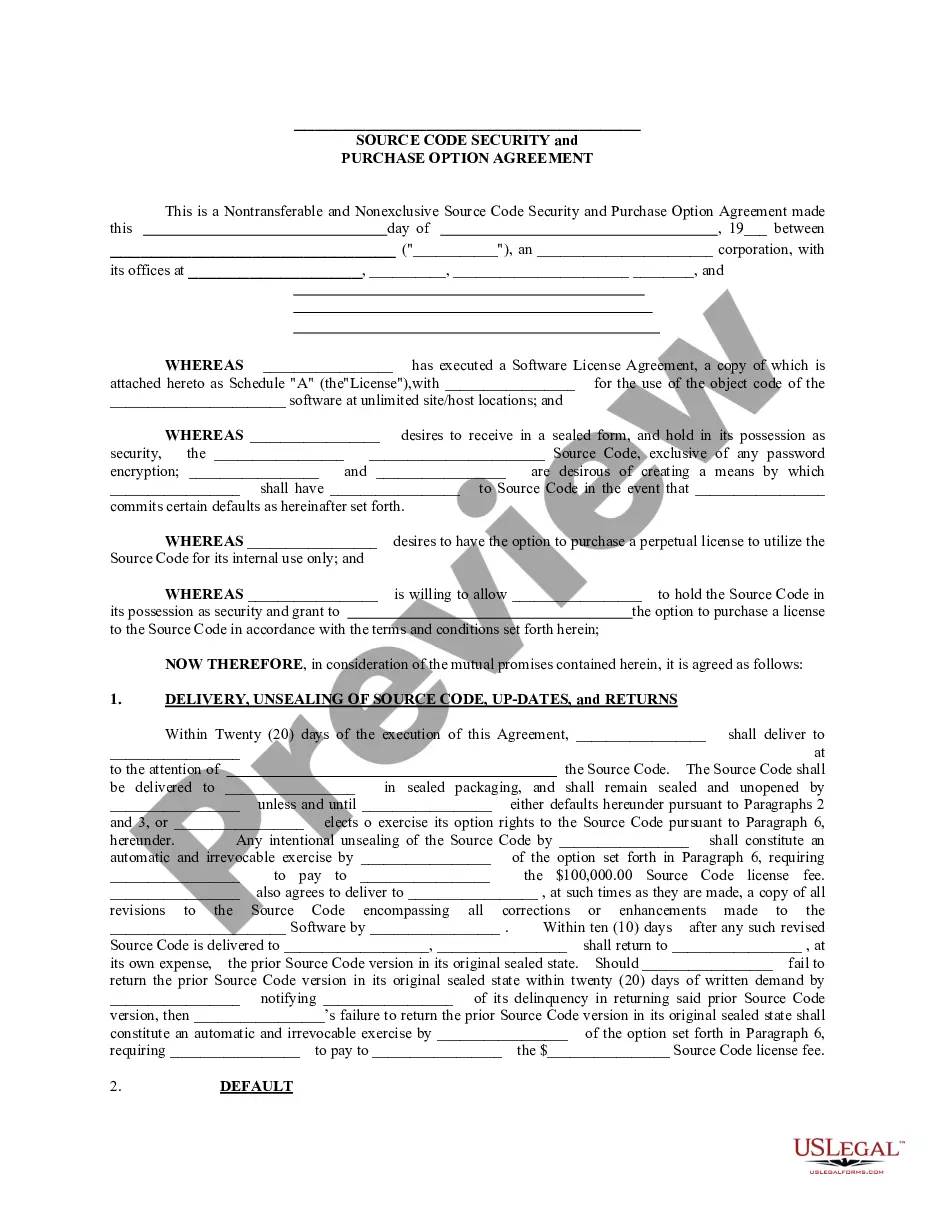
How to fill out Vehicle Policy?
It is feasible to dedicate hours on the web searching for the legal document template that meets the federal and state requirements you need. US Legal Forms provides a vast array of legal forms that are reviewed by professionals.
You can download or print the Florida Vehicle Policy from our service.
If you already possess a US Legal Forms account, you can Log In and then click the Acquire button. Afterwards, you can complete, modify, print, or sign the Florida Vehicle Policy. Every legal document template you obtain is yours indefinitely.
Select the pricing plan you wish, enter your credentials, and register for your account on US Legal Forms. Finalize the transaction. You can use your credit card or PayPal account to pay for the legal document. Retrieve the format of the document and download it to your device. Make changes to your document if possible. You can complete, modify, sign, and print the Florida Vehicle Policy. Obtain and print a multitude of document templates using the US Legal Forms website, which offers the largest selection of legal forms. Utilize professional and state-specific templates to address your business or personal needs.
- To retrieve another copy of a purchased form, visit the My documents tab and click the corresponding button.
- If you are using the US Legal Forms website for the first time, follow the simple instructions below.
- First, ensure you have selected the correct document template for your locale/region of choice.
- Review the form details to confirm you have chosen the accurate form.
- If available, use the Preview button to browse through the document template as well.
- To find another version of the form, use the Search field to locate the template that suits your needs and criteria.
- Once you have found the template you want, click Purchase now to proceed.
Form popularity
FAQ
According to Florida law, if you own a motor vehicle with four or more wheels you must carry $10,000 of personal injury protection (PIP) insurance and a minimum of $10,000 of property damage liability insurance. You may have a deductible of up to $1,000 for PIP coverage and $500 for property damage liability.
When you're reviewing your policy, whether before an accident occurred or after one, there are six basic types of coverage you might come across in your policy: bodily injury liability, personal injury protection, property damage liability, collision coverage, comprehensive coverage, and uninsured/underinsured motorist
In Florida, all owners and operators of motor vehicles are responsible for having insurance coverage for damage they cause to someone else's vehicle in an accident. The penalties for not having such insurance could include suspension of one's driving privileges.
The Florida No-Fault Motor Vehicle Law requires drivers to carry Personal Injury Protection coverage as part of their auto insurance; this No-Fault coverage pays the insured's bills, regardless of fault, up to the limit of the insurance (minimum limit is $10,000).
According to Florida law, if you own a motor vehicle with four or more wheels you must carry $10,000 of personal injury protection (PIP) insurance and a minimum of $10,000 of property damage liability insurance. You may have a deductible of up to $1,000 for PIP coverage and $500 for property damage liability.
Take pictures of landmarks or signs that can help identify the location and any other evidence at the scene, such as tire marks. If possible, locate the person responsible for hitting your car and exchange information. Ask the driver for their license, registration, and insurance ID card. File a police report.
Florida is a "no-fault" car insurance state, which means the insurance claim process is meant to be more efficient after a car accident, since your own insurance pays for your medical bills and other economic losses.
While different states mandate different types of insurance and there are several additional options (such as gap insurance) available, most basic auto policies consist of: bodily injury liability, personal injury protection, property damage liability, collision, comprehensive and uninsured/underinsured motorist.
In Florida, full coverage car insurance is considered either the minimum insurance coverage required by Florida law or a policy that protects drivers in most circumstances, depending on whom you ask. There is no specific definition of full coverage auto insurance in Florida, despite the popularity of the term.
Florida is a no-fault state, which means each driver carries their own insurance to cover medical bills and car repairs up to a certain amount. More specifically, Florida Statutes § 627.736 requires drivers to carry PIP and property damage coverage policies of up to $10,000.