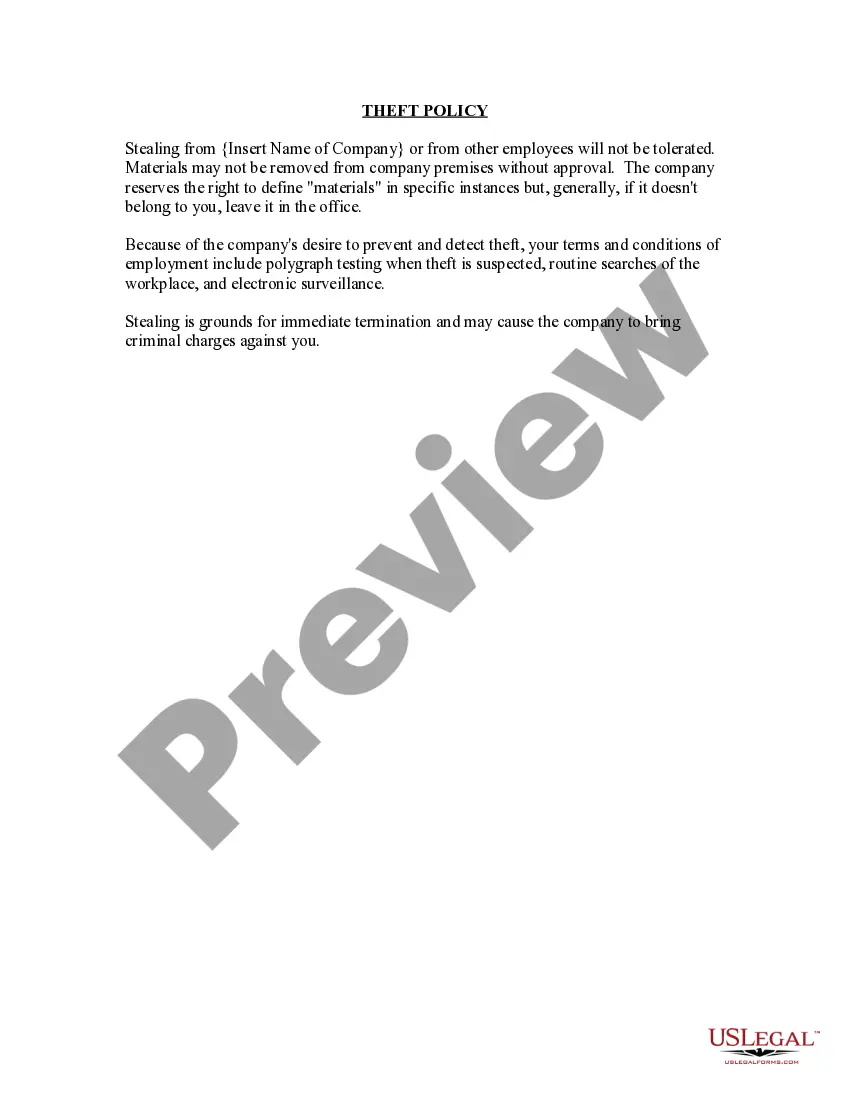
Florida Theft Policy
Description
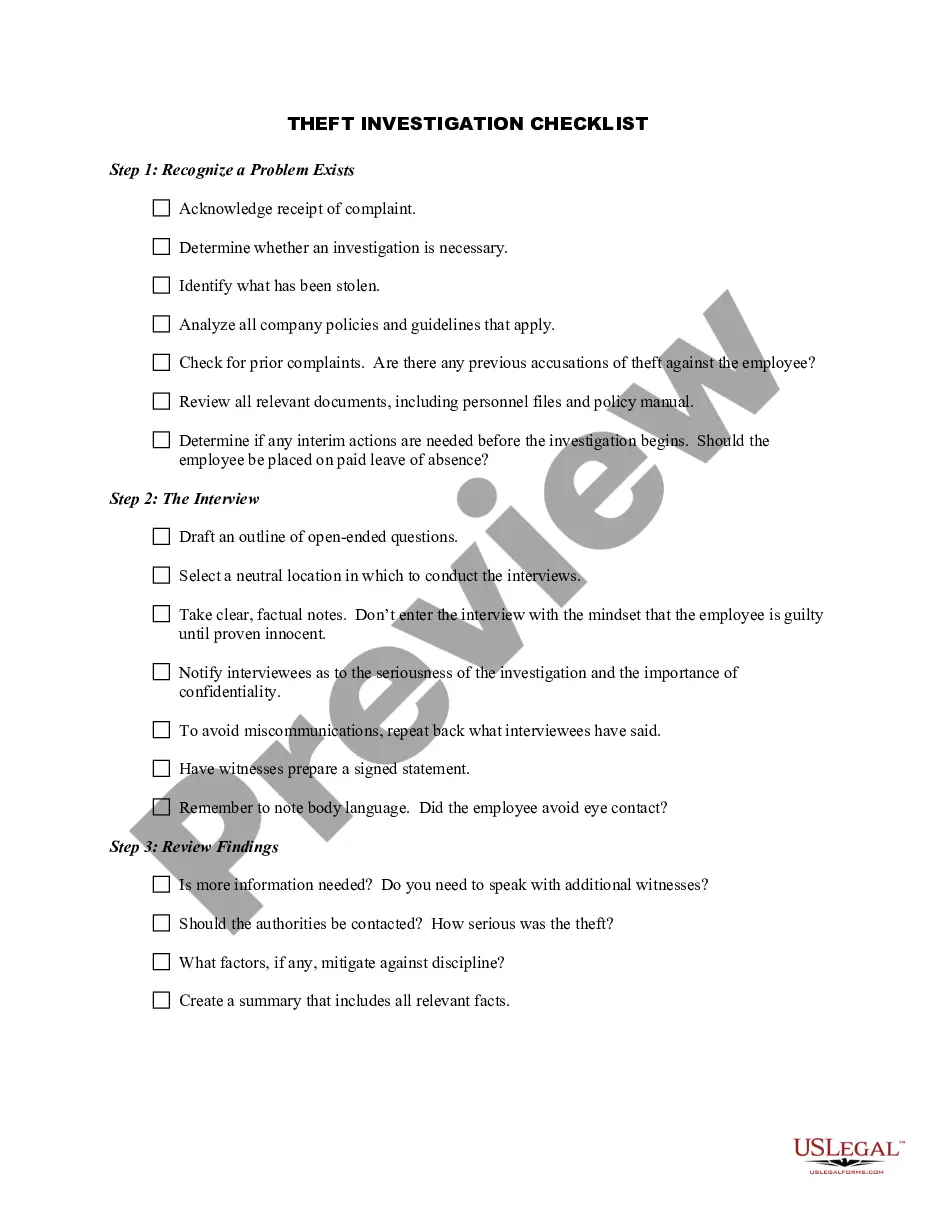
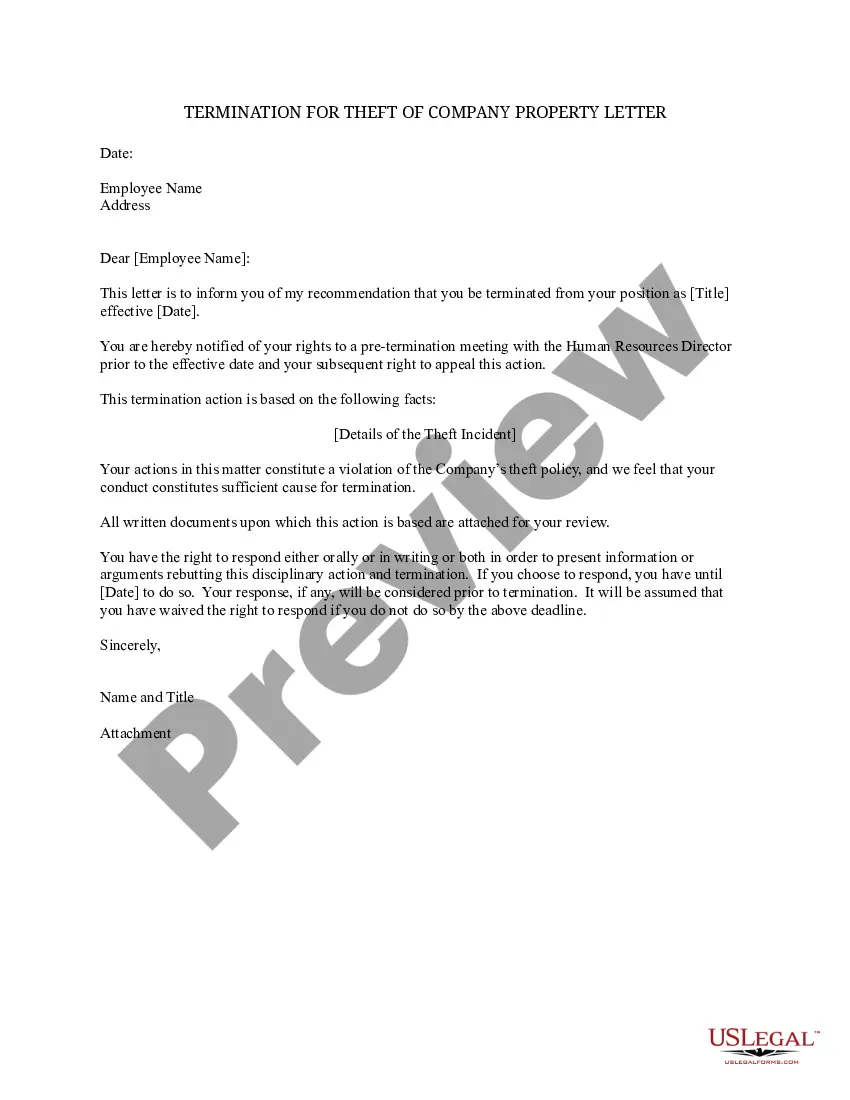
Get your form ready online
Our built-in tools help you complete, sign, share, and store your documents in one place.
Make edits, fill in missing information, and update formatting in US Legal Forms—just like you would in MS Word.
Download a copy, print it, send it by email, or mail it via USPS—whatever works best for your next step.
Sign and collect signatures with our SignNow integration. Send to multiple recipients, set reminders, and more. Go Premium to unlock E-Sign.
If this form requires notarization, complete it online through a secure video call—no need to meet a notary in person or wait for an appointment.
We protect your documents and personal data by following strict security and privacy standards.

Make edits, fill in missing information, and update formatting in US Legal Forms—just like you would in MS Word.

Download a copy, print it, send it by email, or mail it via USPS—whatever works best for your next step.

Sign and collect signatures with our SignNow integration. Send to multiple recipients, set reminders, and more. Go Premium to unlock E-Sign.

If this form requires notarization, complete it online through a secure video call—no need to meet a notary in person or wait for an appointment.

We protect your documents and personal data by following strict security and privacy standards.
Looking for another form?
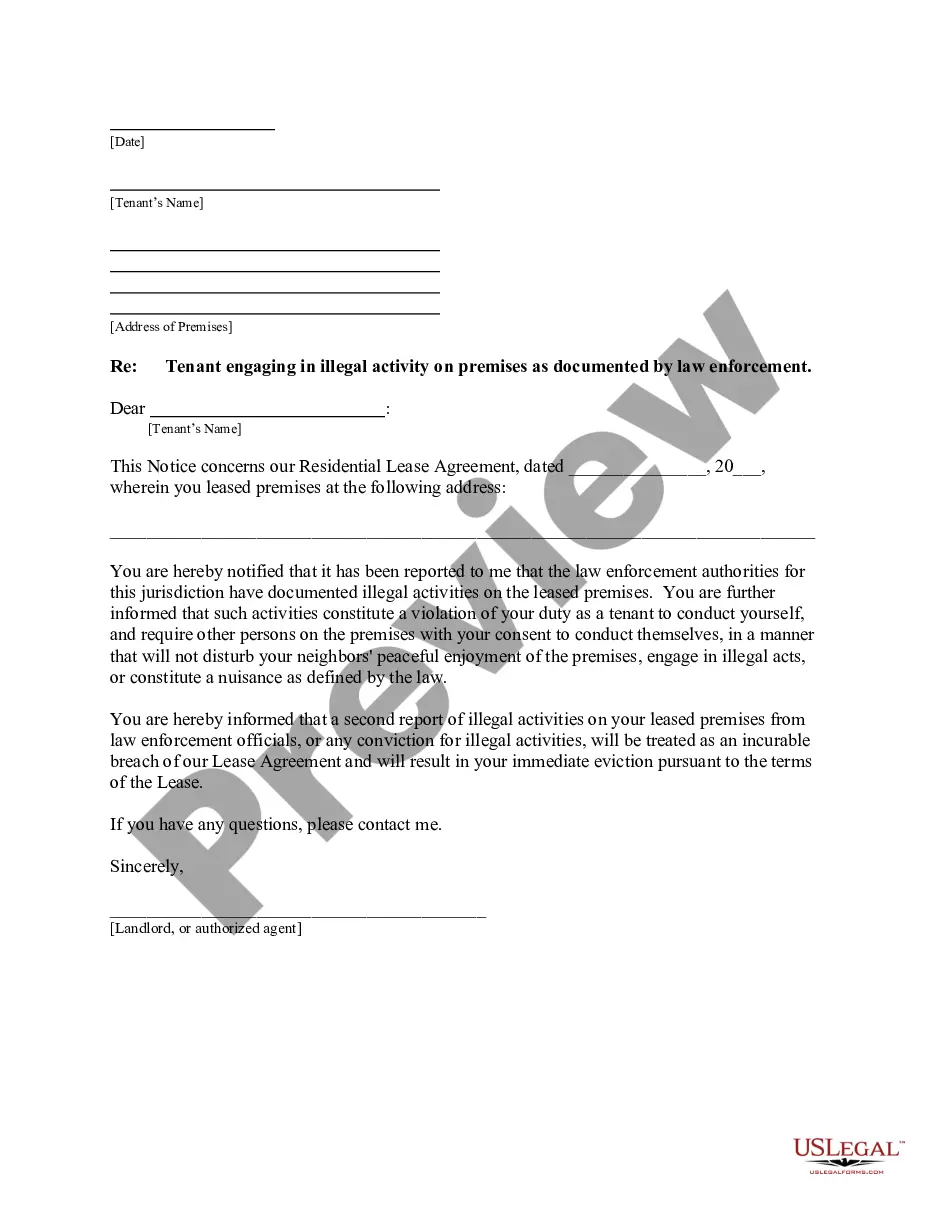

How to fill out Theft Policy?
If you need to thorough, obtain, or create official document templates, utilize US Legal Forms, the largest collection of legal forms, accessible online.
Take advantage of the site's user-friendly and convenient search to find the documents you need.
A selection of templates for both business and personal use are organized by categories and states, or keywords.
Step 4. Once you have located the form you need, click on the Buy now option. Choose the payment plan you prefer and provide your information to register for an account.
Step 5. Process the payment. You may use your credit card or PayPal account to complete the transaction.
- Use US Legal Forms to locate the Florida Theft Policy with just a few clicks.
- If you are already a US Legal Forms client, Log In to your account and click the Acquire option to obtain the Florida Theft Policy.
- You can also access forms you previously downloaded in the My documents tab of your account.
- If this is your first time using US Legal Forms, follow these steps.
- Step 1. Ensure you have selected the form for the correct city/state.
- Step 2. Use the Preview option to review the form's content. Don't forget to read the description.
- Step 3. If you are dissatisfied with the form, utilize the Search area at the top of the screen to find other versions of the legal form template.
Form popularity
FAQ
Florida has a reputation for stiff theft punishments. According to state law, theft becomes a felony when the value of the stolen items exceeds $300. The only state with a lower felony threshold ($200) is New Jersey; the average for most states is $1,000.
What elements need to be proved to establish theft in law?Appropriation;Of property;Belonging to another;Dishonestly;With intention to permanently deprive.
Weekly D2088b (5th DCA 2020), the court found that the amendment to section 812.014, Florida Statutes (2019), applied retroactively. Until September 30, 2019, Florida's theft statute, § 812.014(2)(c)1., Fla. Stat. (2019), made theft of $300 or more, but less than $5,000, a third-degree felony.
You can be charged if the property stolen was less than $100. Potential punishment includes no more than 60 days in jail and no more than a $500 fine. Petit Theft of the First Degree If the stolen property was worth more than $100 but less than $300, the crime will be considered petit theft of the first degree.
Under Florida law, Grand Theft is any intentional and unlawful taking of property valued at $750.00 or more. Grand theft is a felony offense, with penalties that may include prison, probation, fines, restitution, and a permanent criminal record.
What Constitutes Theft in Florida? Florida defines theft as knowingly obtaining, using, or attempting to obtain or use another's property, with the intent to permanently or temporarily: deprive the person of the property, or. convert the property to an unauthorized use (such as embezzlement or misappropriation).
In Florida, Petit Theft is the taking of property valued at under $750 with the intent to deprive the owner of a right or benefit in the property. Petit theft is generally a misdemeanor offense, with penalties that may include jail, probation, community service, and restitution.
As outlined in Section 812.014, Florida Statutes, petit theft occurs where a person steals or endeavors to steal property from a person or business when the value of the property is less than $750.
Theft is often defined as the unauthorized taking of property from another with the intent to permanently deprive them of it. Within this definition lie two key elements: a taking of someone else's property; and. the requisite intent to deprive the victim of the property permanently.