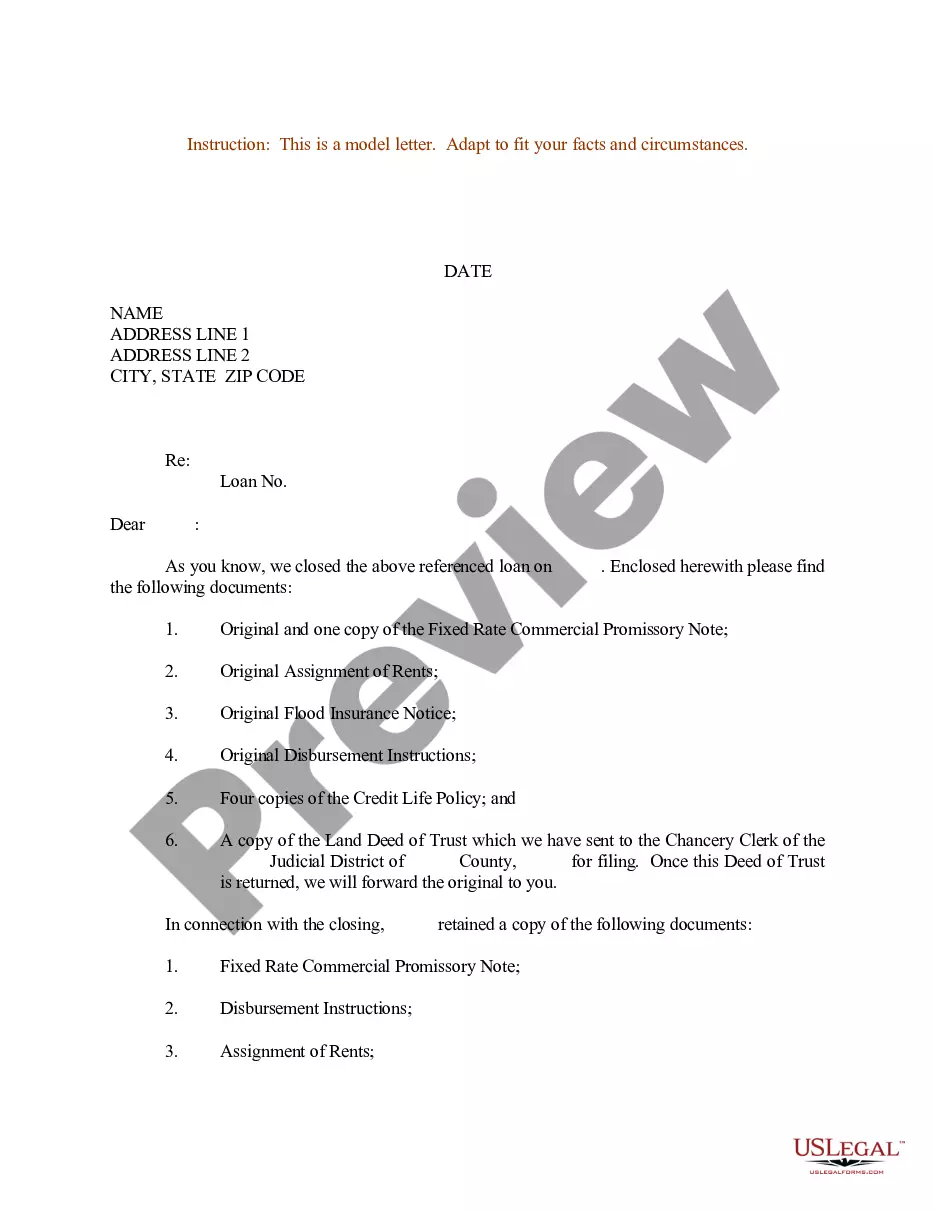
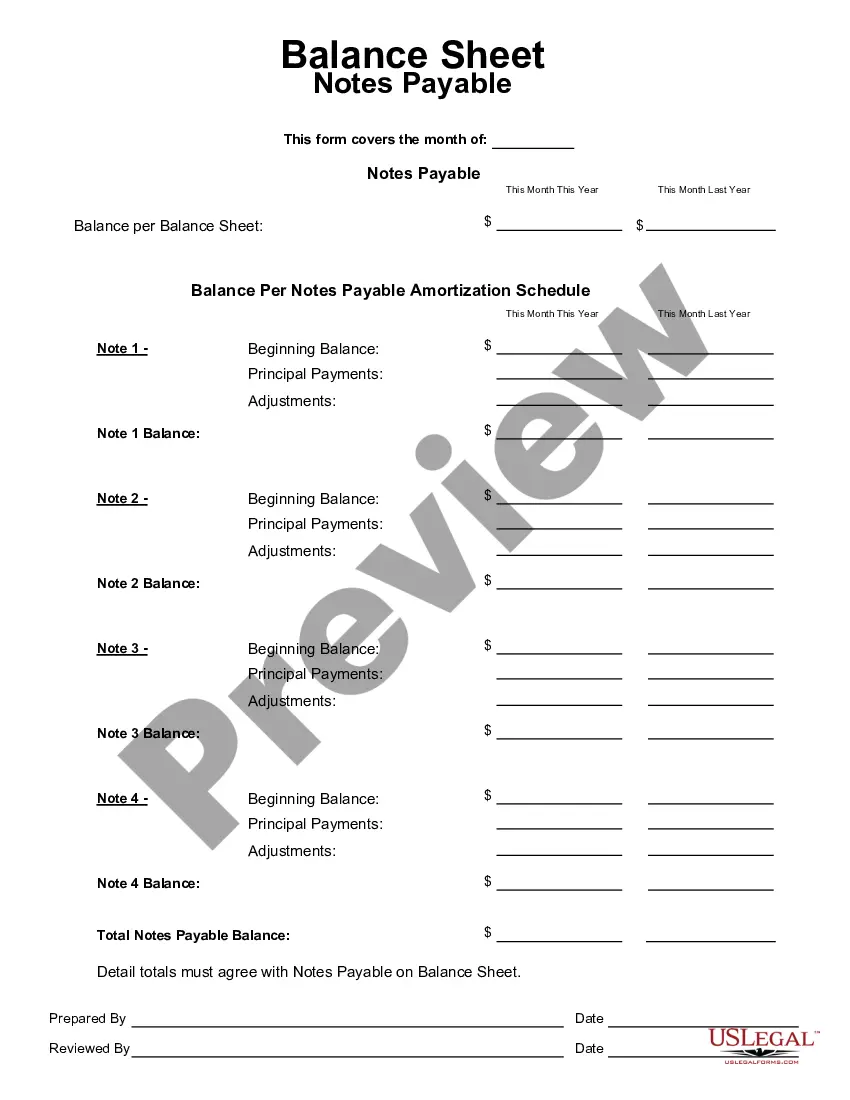
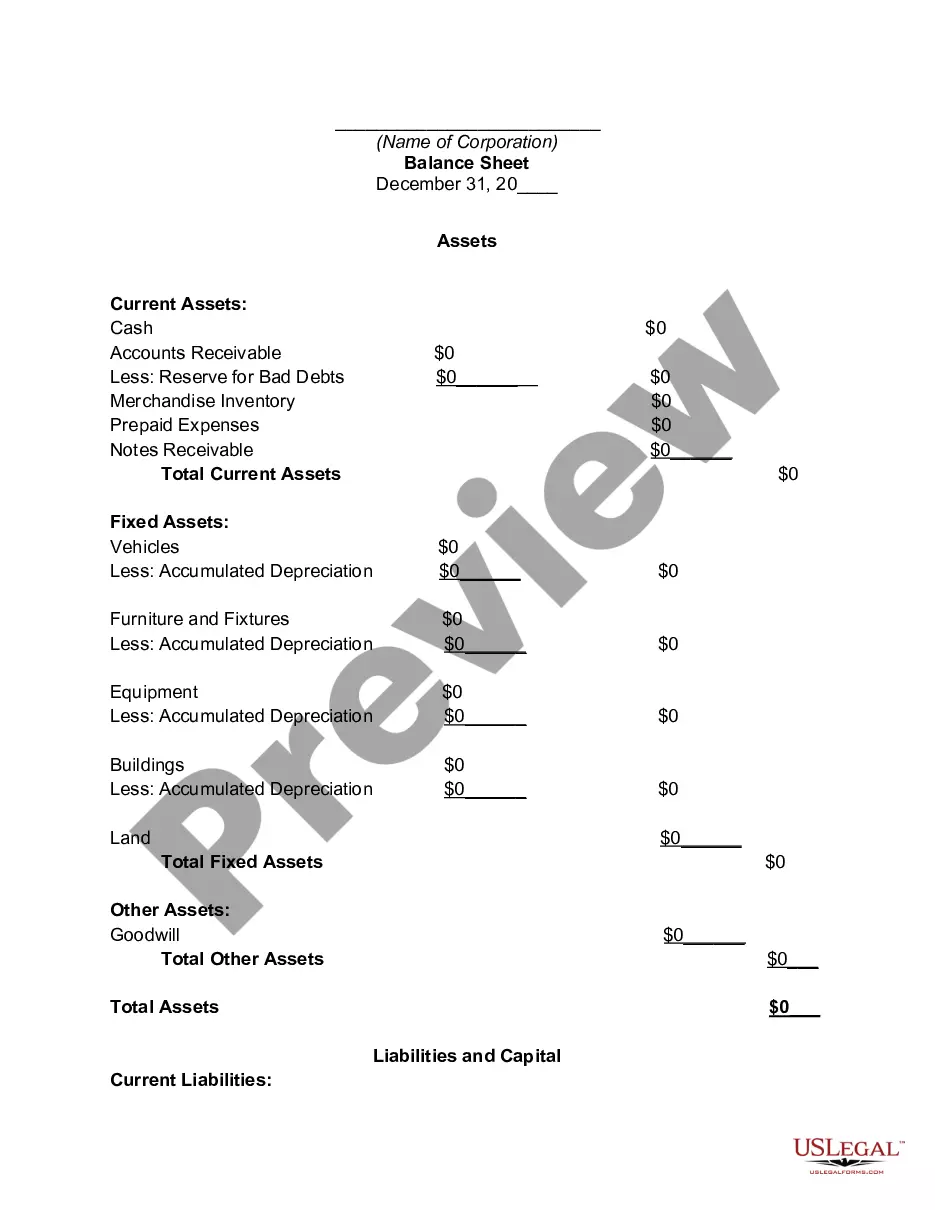
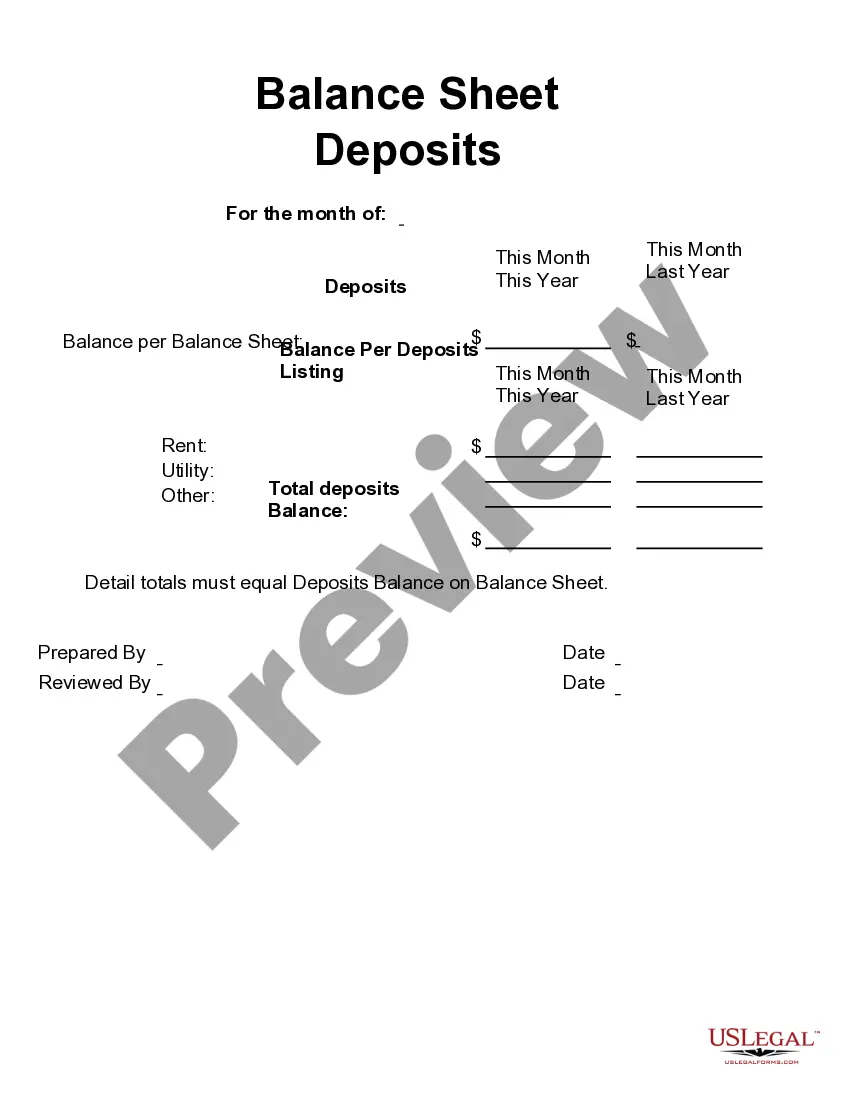
This form is a business type form that is formatted to allow you to complete the form using Adobe Acrobat or Word. The word files have been formatted to allow completion by entry into fields. Some of the forms under this category are rather simple while others are more complex. The formatting is worth the small cost.
Florida Balance Sheet Notes Payable
Category:
State:
Multi-State
Control #:
US-123-AZ
Format:
Word;
PDF;
Rich Text
Instant download
Description
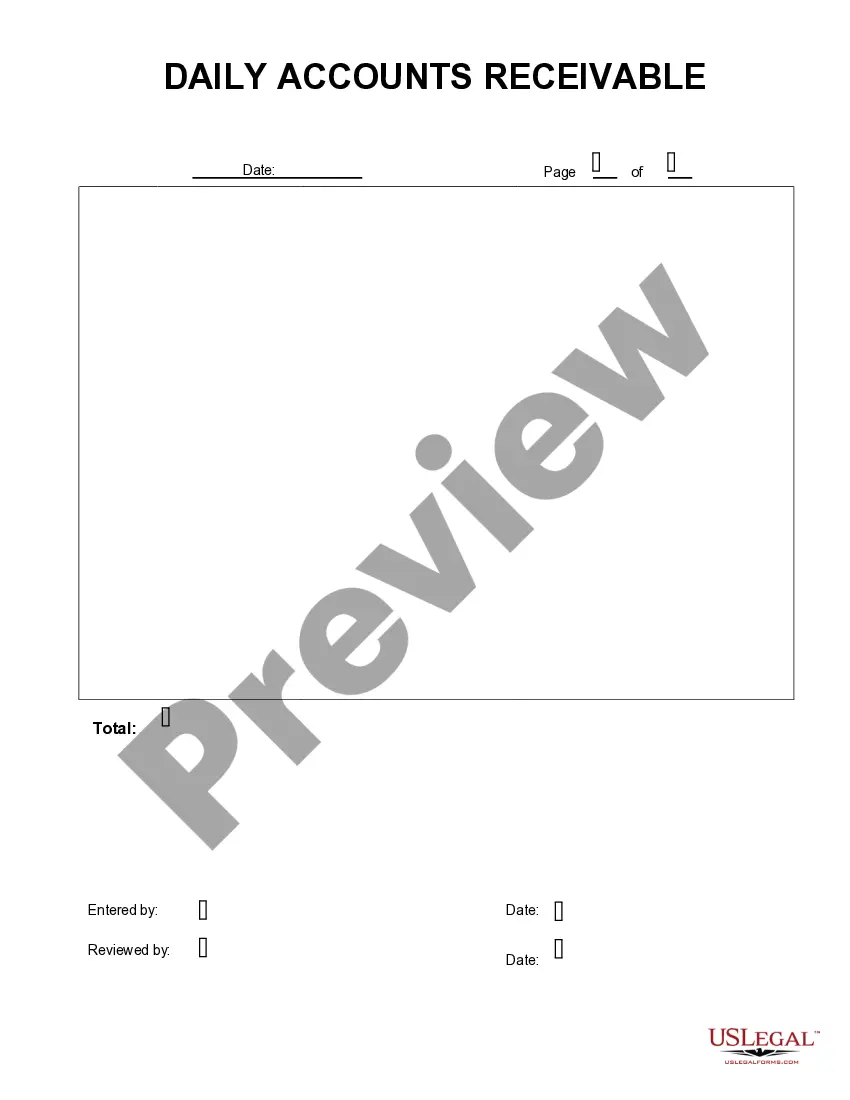
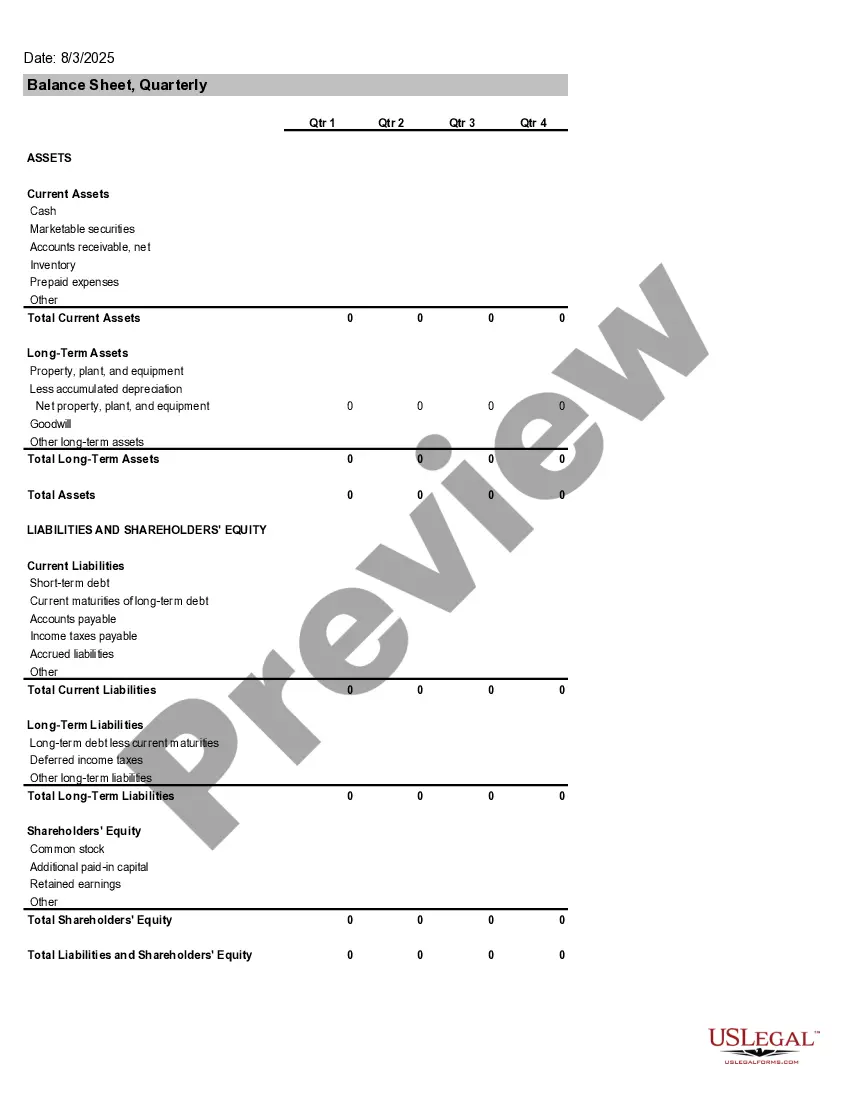
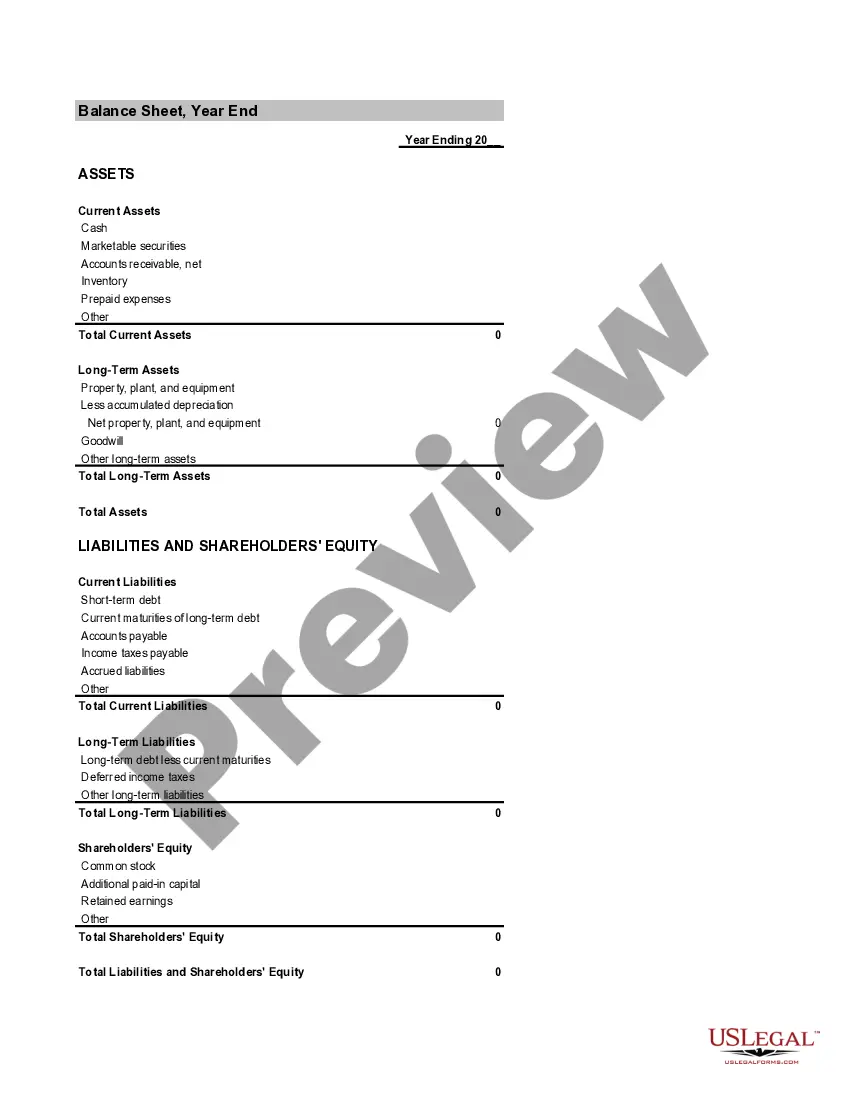
Get your form ready online
Our built-in tools help you complete, sign, share, and store your documents in one place.
Built-in online Word editor
Make edits, fill in missing information, and update formatting in US Legal Forms—just like you would in MS Word.
Export easily
Download a copy, print it, send it by email, or mail it via USPS—whatever works best for your next step.
E-sign your document
Sign and collect signatures with our SignNow integration. Send to multiple recipients, set reminders, and more. Go Premium to unlock E-Sign.
Notarize online 24/7
If this form requires notarization, complete it online through a secure video call—no need to meet a notary in person or wait for an appointment.
Store your document securely
We protect your documents and personal data by following strict security and privacy standards.

Make edits, fill in missing information, and update formatting in US Legal Forms—just like you would in MS Word.

Download a copy, print it, send it by email, or mail it via USPS—whatever works best for your next step.

Sign and collect signatures with our SignNow integration. Send to multiple recipients, set reminders, and more. Go Premium to unlock E-Sign.

If this form requires notarization, complete it online through a secure video call—no need to meet a notary in person or wait for an appointment.

We protect your documents and personal data by following strict security and privacy standards.
Looking for another form?
How to fill out Balance Sheet Notes Payable?
Locating the appropriate legal document template can be a struggle.
Of course, there are numerous templates available online, but how can you acquire the legal form you need.
Utilize the US Legal Forms website. This service provides a vast collection of templates, including the Florida Balance Sheet Notes Payable, that can be utilized for business and personal purposes.
You can view the form using the Preview option and read the form description to confirm it is suitable for your needs.
- All templates are reviewed by experts and meet federal and state requirements.
- If you are already registered, Log In to your account and select the Download option to obtain the Florida Balance Sheet Notes Payable.
- Use your account to search for the legal forms you have previously purchased.
- Navigate to the My documents section of your account to retrieve another copy of the document you require.
- If you are a new user of US Legal Forms, here are some simple steps you should follow.
- First, ensure you have selected the appropriate form for your city/county.
Form popularity
FAQ
USLegalForms provides valuable resources for managing notes payable effectively. Their platform offers templates and guides that simplify the documentation process for Florida balance sheet notes payable. You gain access to customizable forms, helping you meet your specific business needs. Overall, leveraging USLegalForms can enhance your efficiency in maintaining and documenting notes payable.
Notes payable appear under liabilities on the balance sheet, separated into bank debt and other long-term notes payable. Payment details can be found in the notes to the financial statements.
A company's balance sheet provides a tremendous amount of insight into its solvency and business dealings. 1 A balance sheet consists of three primary sections: assets, liabilities, and equity.
They're classified as either current, meaning they'll be paid off within the next 12 months, or noncurrent, which means they will be paid off in more than 12 months. These notes are part of the liabilities of the company, and, therefore, they appear on the balance sheet, not on the income statement.
Notes payable appear as liabilities on a balance sheet. The financial statements are key to both financial modeling and accounting.. Additionally, they are classified as current liabilities when the amounts are due within a year.
Notes to the accounts detail and comment on the information presented in the Balance sheet, Income statement, and Cash flow statement. Notes to the accounts reflect the accounting principles and the facts that can have a significant impact on the judgment of the reader of accounting information.
Notes payable appear under liabilities on the balance sheet, separated into bank debt and other long-term notes payable. Payment details can be found in the notes to the financial statements.
How to Prepare a Basic Balance SheetDetermine the Reporting Date and Period.Identify Your Assets.Identify Your Liabilities.Calculate Shareholders' Equity.Add Total Liabilities to Total Shareholders' Equity and Compare to Assets.10-Sept-2019
Examples of current liabilities include accounts payable, short-term debt, dividends, and notes payable as well as income taxes owed.
Notes to the financial statements disclose the detailed assumptions made by accountants when preparing a company's: income statement, balance sheet, statement of changes of financial position or statement of retained earnings. The notes are essential to fully understanding these documents.