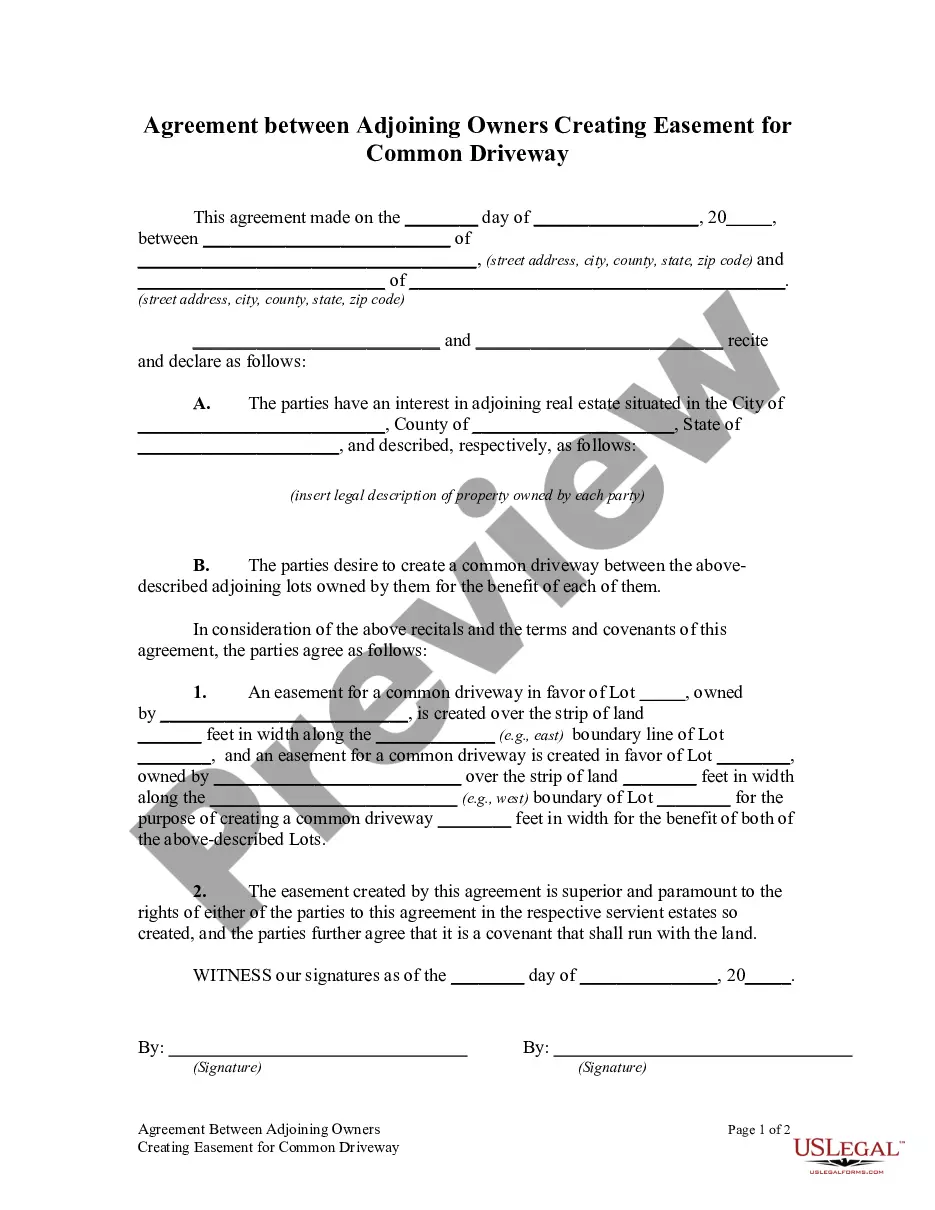
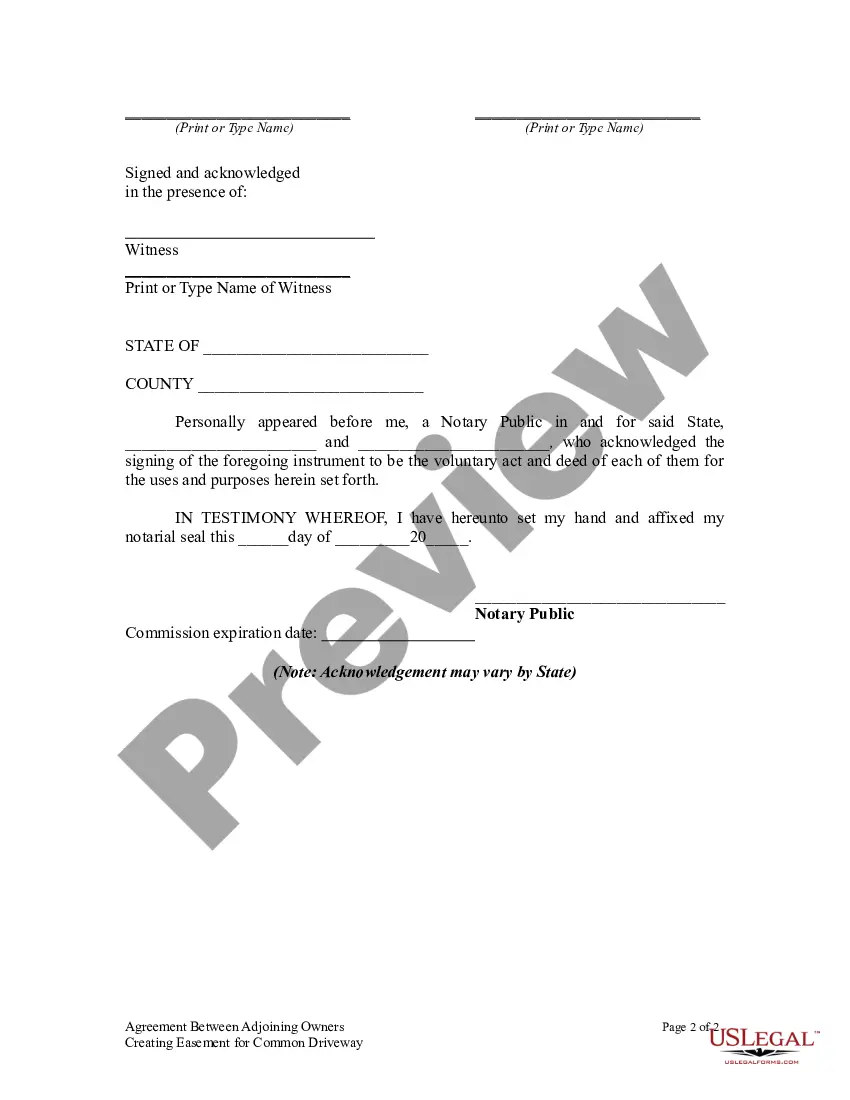
Florida Agreement between Adjoining Owners Creating Easement for Common Driveway
Description
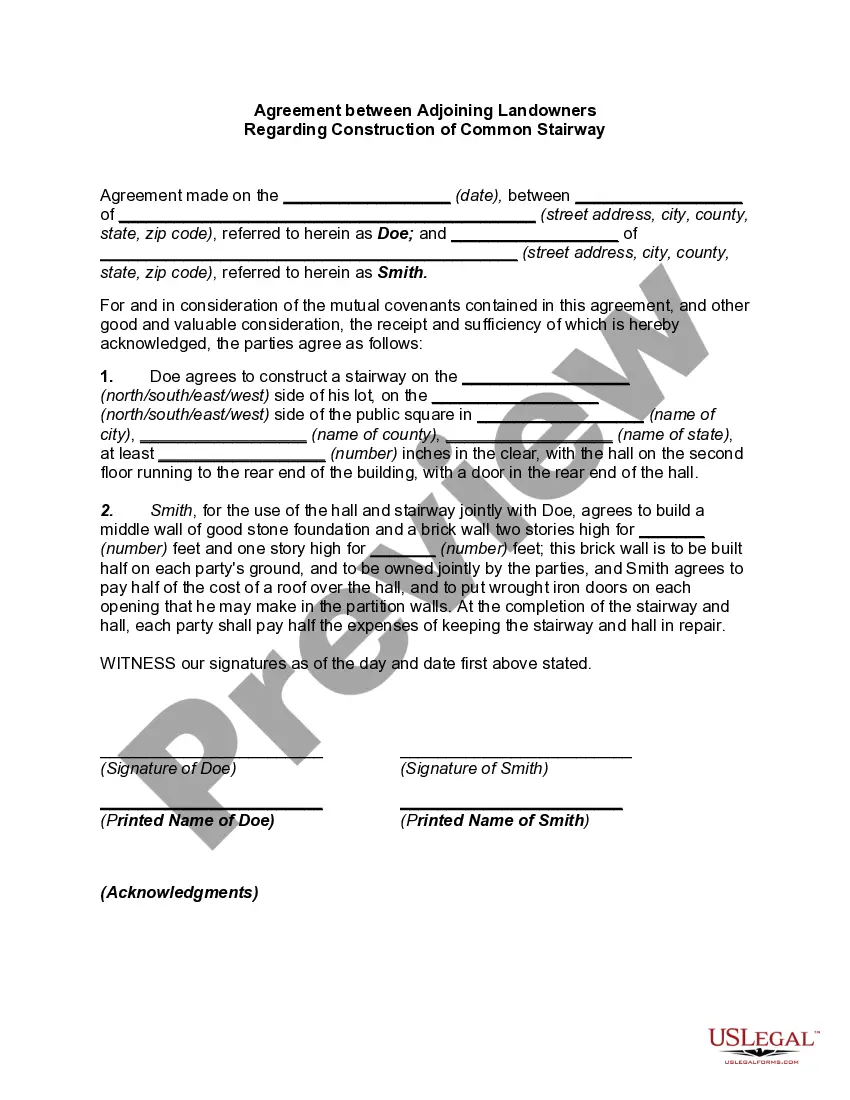
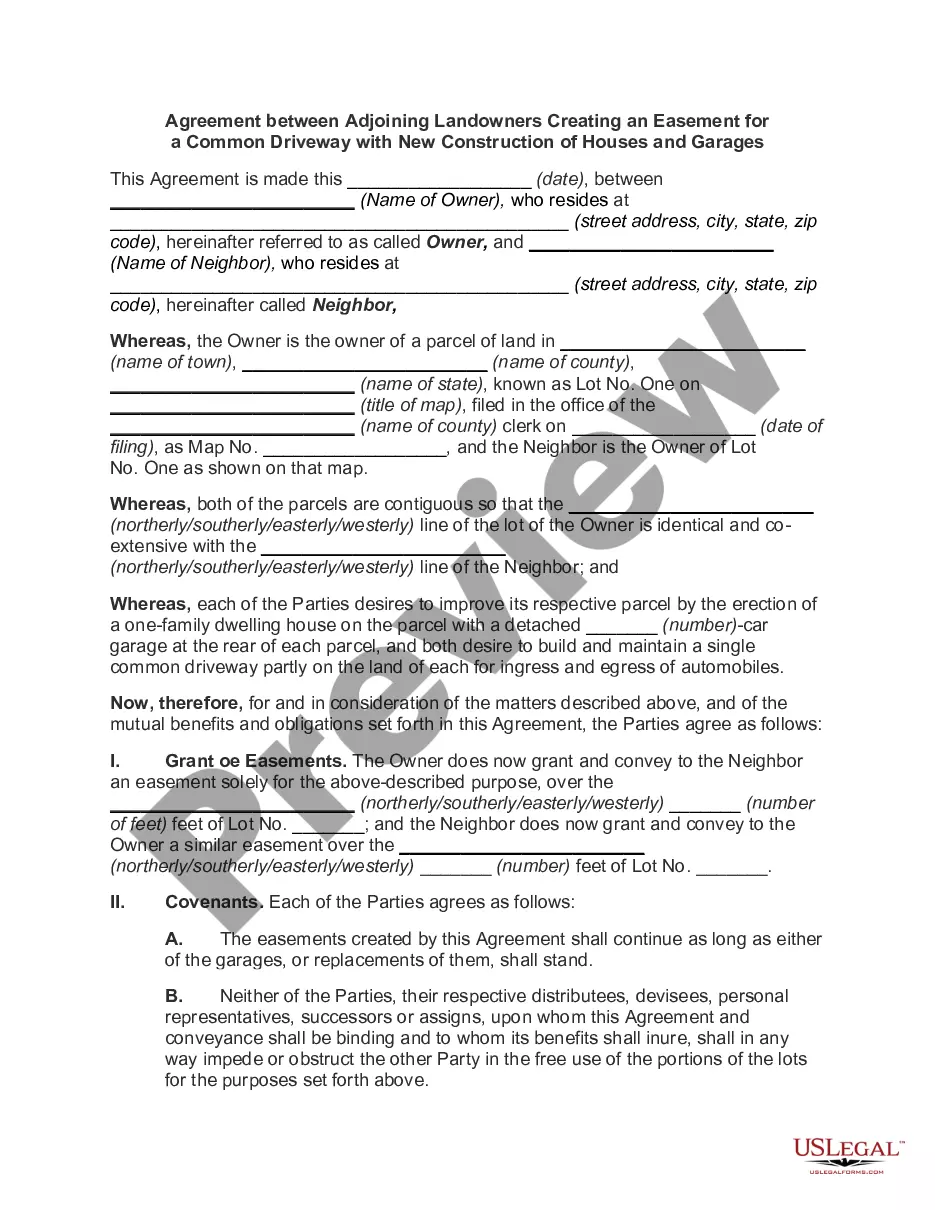
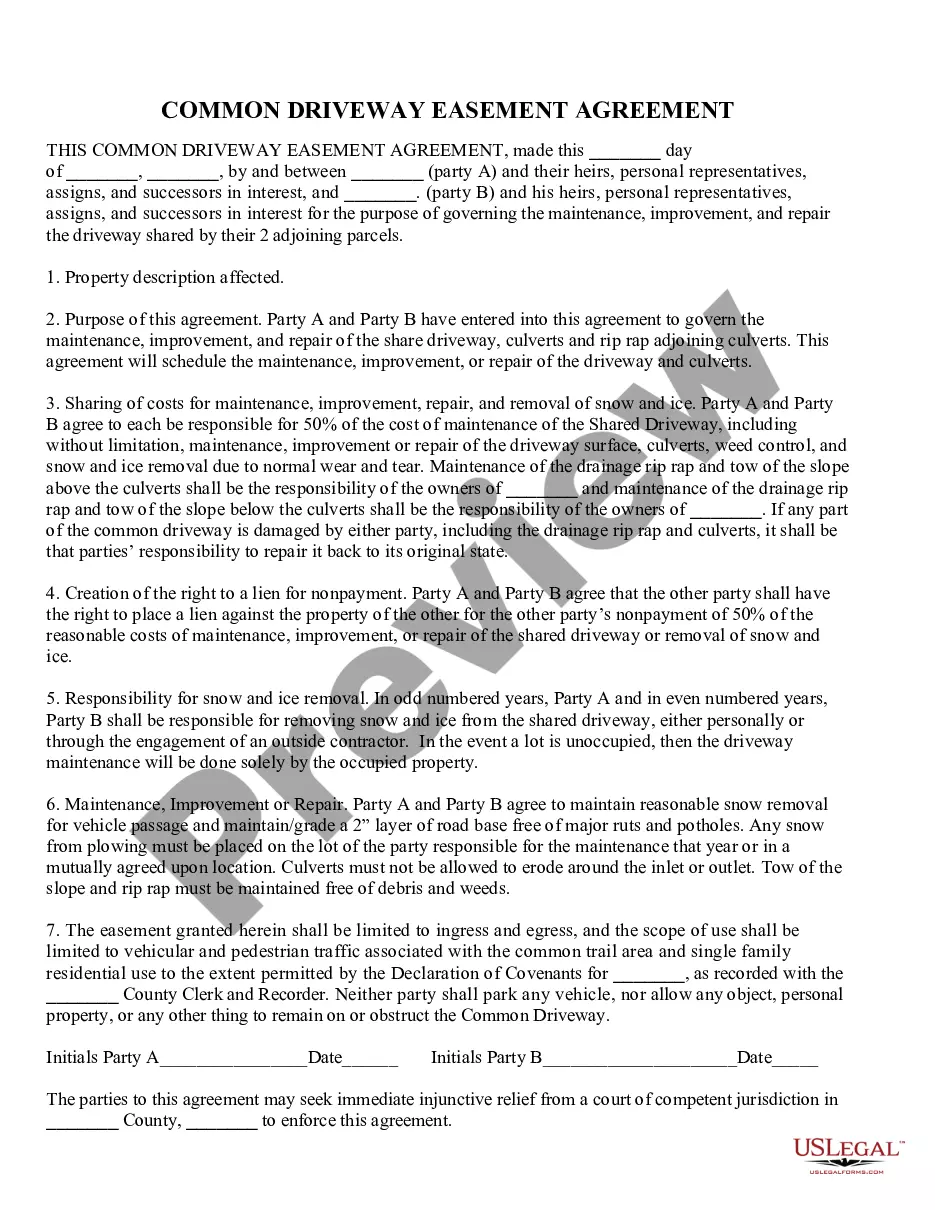
Get your form ready online
Our built-in tools help you complete, sign, share, and store your documents in one place.
Make edits, fill in missing information, and update formatting in US Legal Forms—just like you would in MS Word.
Download a copy, print it, send it by email, or mail it via USPS—whatever works best for your next step.
Sign and collect signatures with our SignNow integration. Send to multiple recipients, set reminders, and more. Go Premium to unlock E-Sign.
If this form requires notarization, complete it online through a secure video call—no need to meet a notary in person or wait for an appointment.
We protect your documents and personal data by following strict security and privacy standards.
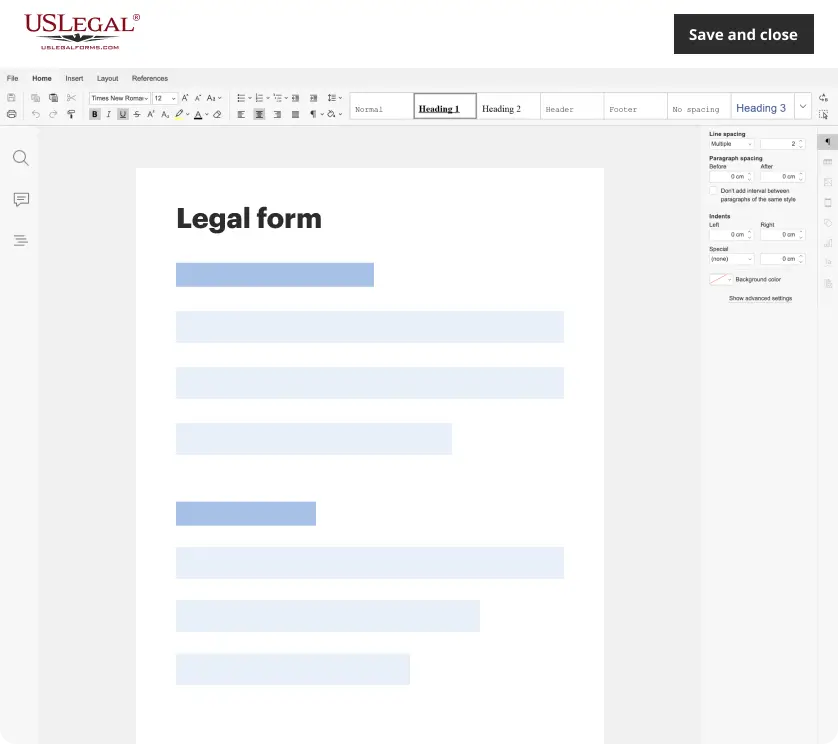
Make edits, fill in missing information, and update formatting in US Legal Forms—just like you would in MS Word.
Download a copy, print it, send it by email, or mail it via USPS—whatever works best for your next step.
Sign and collect signatures with our SignNow integration. Send to multiple recipients, set reminders, and more. Go Premium to unlock E-Sign.

If this form requires notarization, complete it online through a secure video call—no need to meet a notary in person or wait for an appointment.
We protect your documents and personal data by following strict security and privacy standards.
Looking for another form?
How to fill out Agreement Between Adjoining Owners Creating Easement For Common Driveway?
US Legal Forms - one of the largest collections of legal documents in the United States - offers a broad selection of legal form templates that you can download or print. By using the website, you can discover thousands of forms for business and personal purposes, categorized by types, states, or keywords. You can find the latest versions of forms such as the Florida Agreement between Adjoining Owners Creating Easement for Common Driveway within seconds.
If you already have an account, Log In and download the Florida Agreement between Adjoining Owners Creating Easement for Common Driveway from the US Legal Forms library. The Download button will appear on each form you view. You have access to all previously saved forms from the My documents tab of your account.
To use US Legal Forms for the first time, here are simple instructions to help you get started: Ensure you have selected the correct form for your city/region. Click on the Preview button to review the form's content. Check the form details to confirm you have chosen the appropriate form. If the form does not meet your requirements, use the Search field at the top of the screen to find one that does. When you are satisfied with the form, confirm your choice by clicking the Buy now button. Then, select the pricing plan you prefer and provide your information to register for an account. Proceed with the purchase. Use your credit card or PayPal account to complete the transaction. Select the format and download the form onto your device. Make changes. Fill out, modify, and print and sign the saved Florida Agreement between Adjoining Owners Creating Easement for Common Driveway. Every template you add to your account does not have an expiration date and is yours permanently. Therefore, to download or print another copy, simply visit the My documents section and click on the form you require.
- Access the Florida Agreement between Adjoining Owners Creating Easement for Common Driveway with US Legal Forms, one of the most extensive collections of legal document templates.
- Utilize thousands of professional and state-specific templates that meet your business or personal needs and requirements.
Form popularity
FAQ
Different jurisdiction may have different rules and regulation with regards to driveway easements. Generally, a width of 30 feet is fairly common.
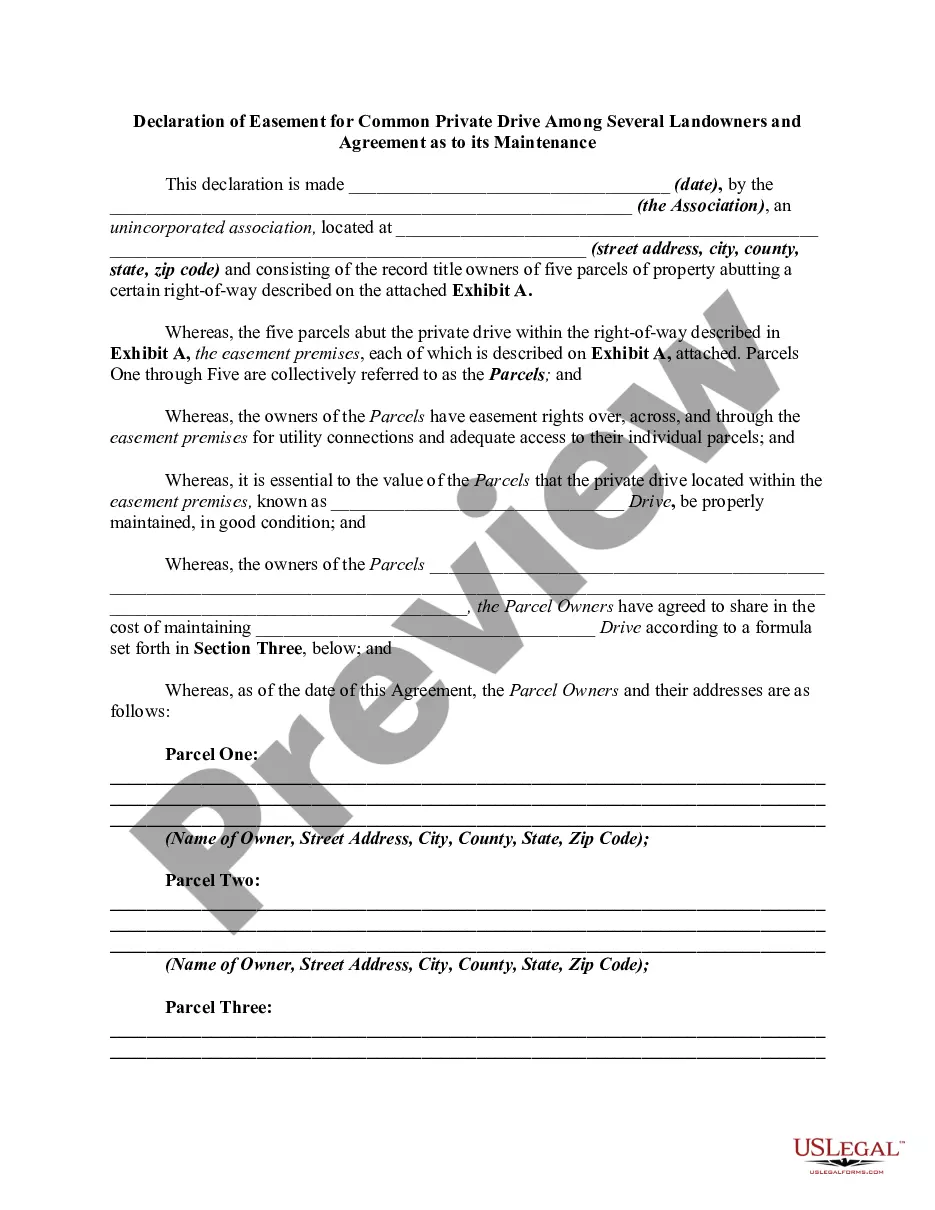
With an easement, a landowner, without sharing profits, has the right to use and enjoy another landowner's land. Easements are created either by a written contract or by implication in situations such as streets, parks, or alleyways.
An express easement is created by title or deed in an official capacity, while an implied easement may be created by necessity or use. Implied easements often come into being when large tracts of land are divided up into smaller parcels for sale or separate use.
§ 704.01(1) (2021). Once created, the location of the easement cannot be changed without agreement. When an easement is blocked, the easement owner may pass over the adjoining land as far as is necessary to avoid the blockade.
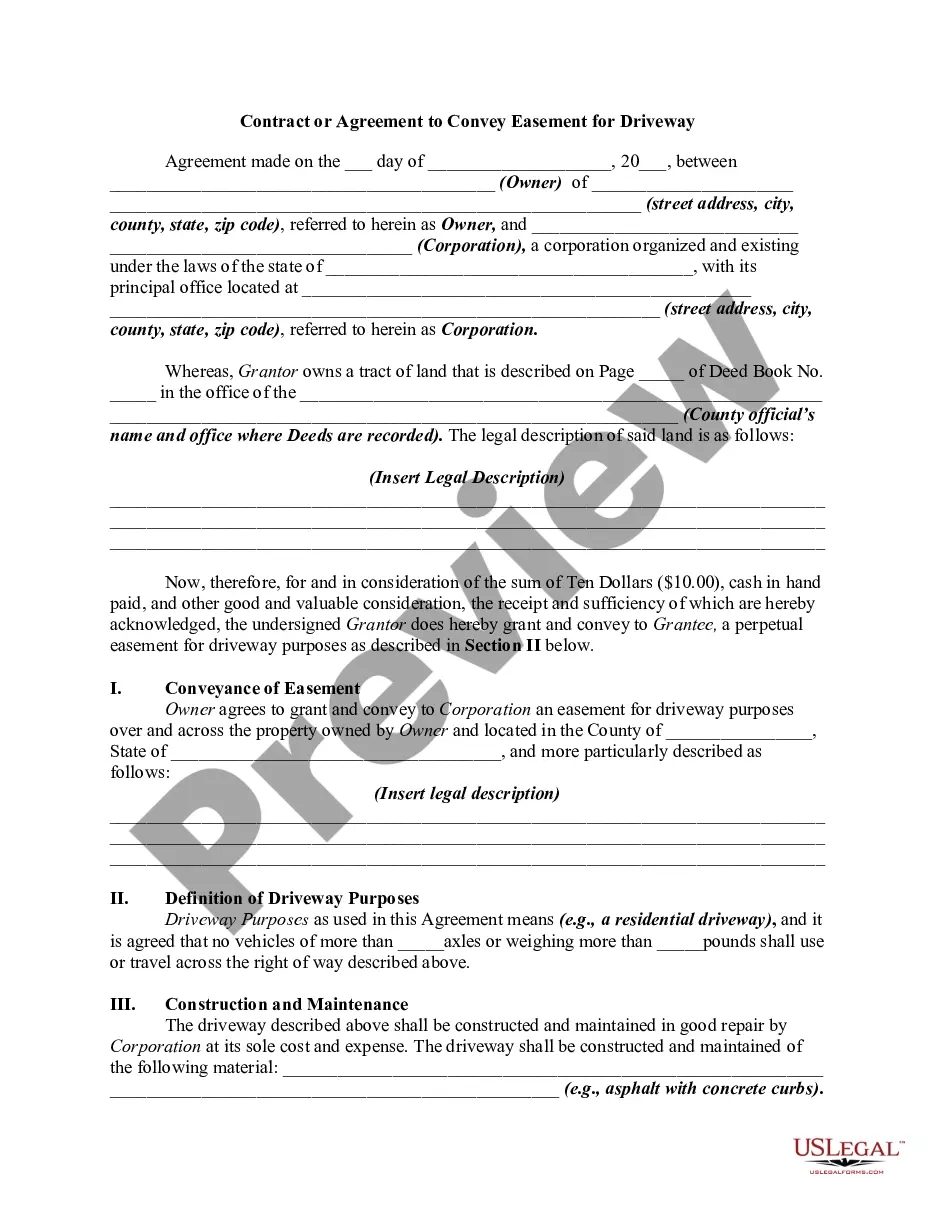
An easement gives the grantee the right to use the property for a specific purpose. However, a right-of-way only allows a grantee to cross over another person's property. Rights-of-ways do not allow you to use the property for any reason. Driveways and sidewalks are examples of rights-of-ways.
The standard easement area for this project is 10 feet by 10 feet. This area provides adequate space to , maintain, repair and replace electric equipment. In some cases, the easement may be wider depending on the equipment necessary to . What does it mean if my property has an underground easement?
1. Right-of-way: The minimum right-of-way width for a private street shall be 25 feet, centered on the roadway, with a minimum 7.5 feet drainage and utility easement on each side. 2.
1st DCA 1986), a party seeking to establish a common law way of necessity under subsection (1) must establish the following elements: 1) that, at one time, both properties were once owned by the same party; 2) that a common grantor conveyed the landlocked parcel, thereby causing the need for an easement; and 3) that, ...