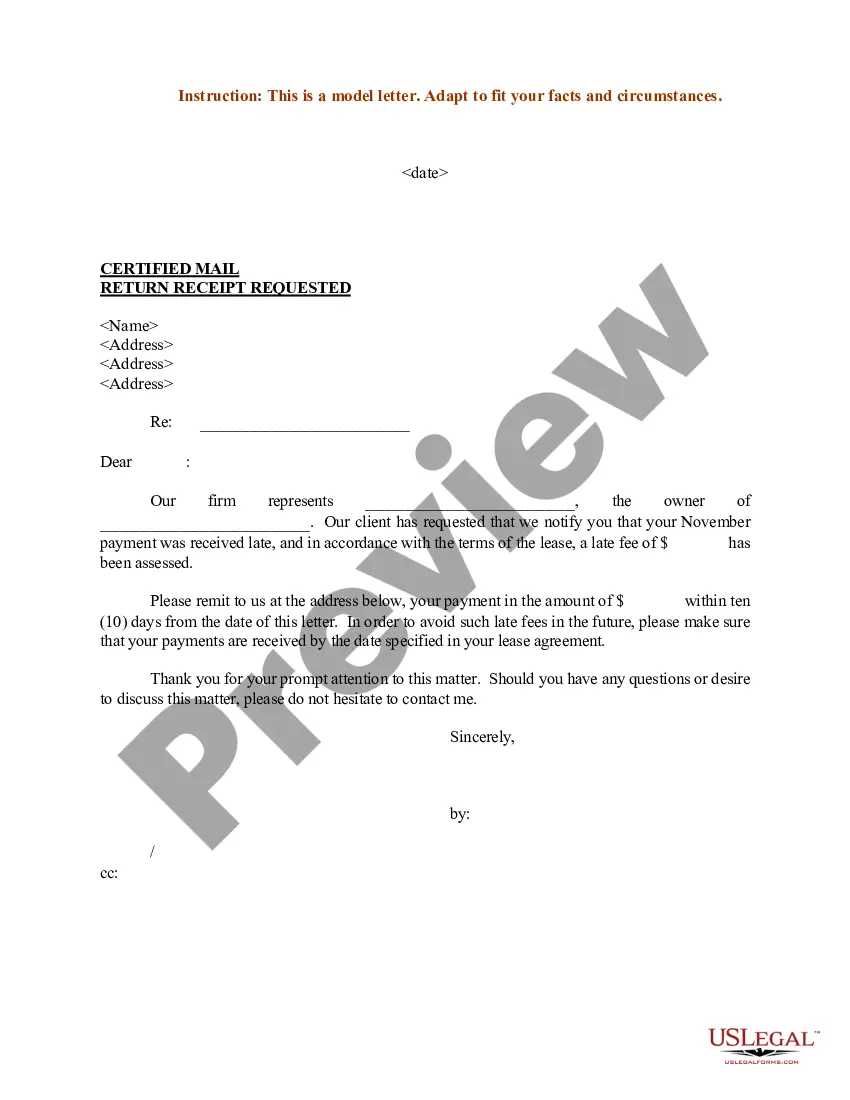
Florida Agreement No Escrow Account Option Agreement
Understanding this form
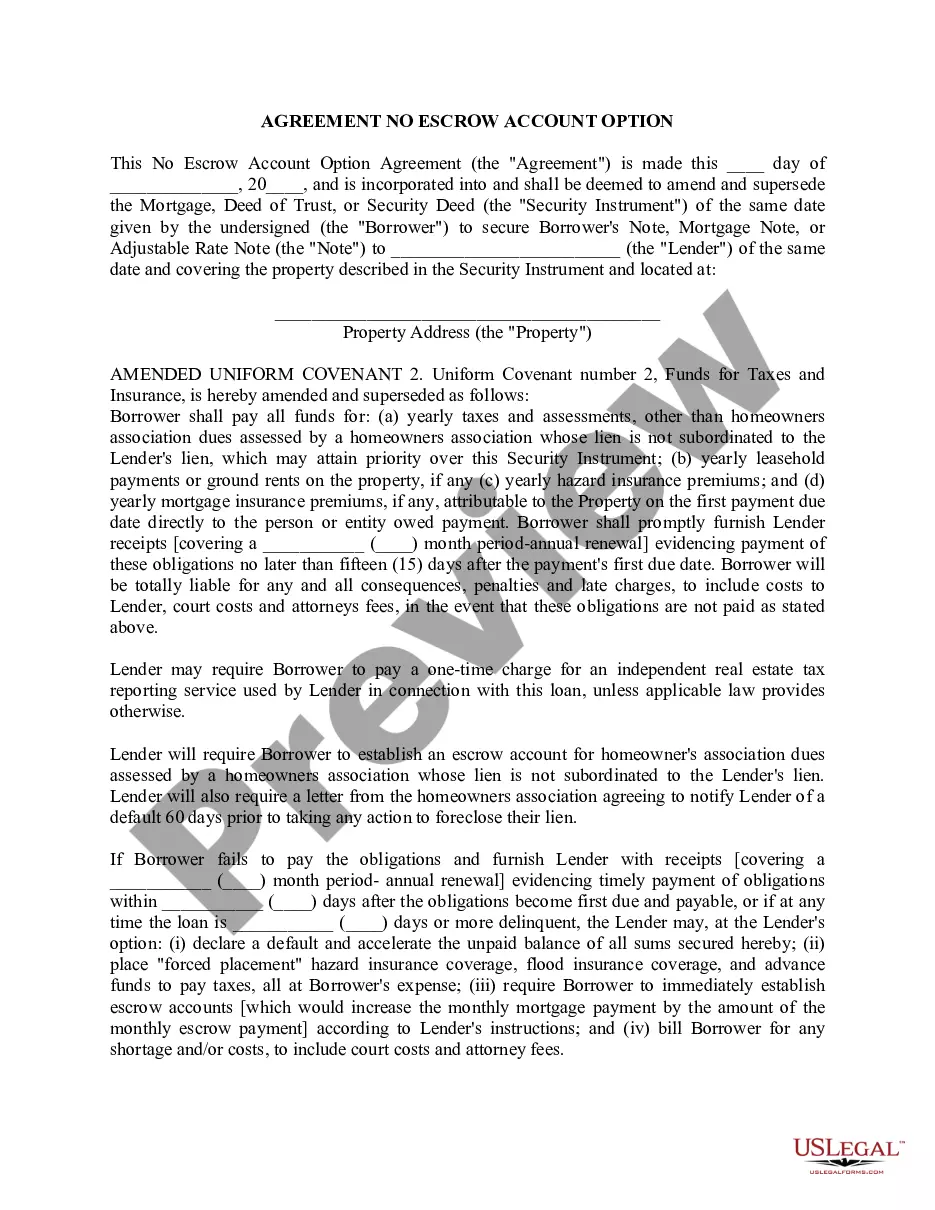
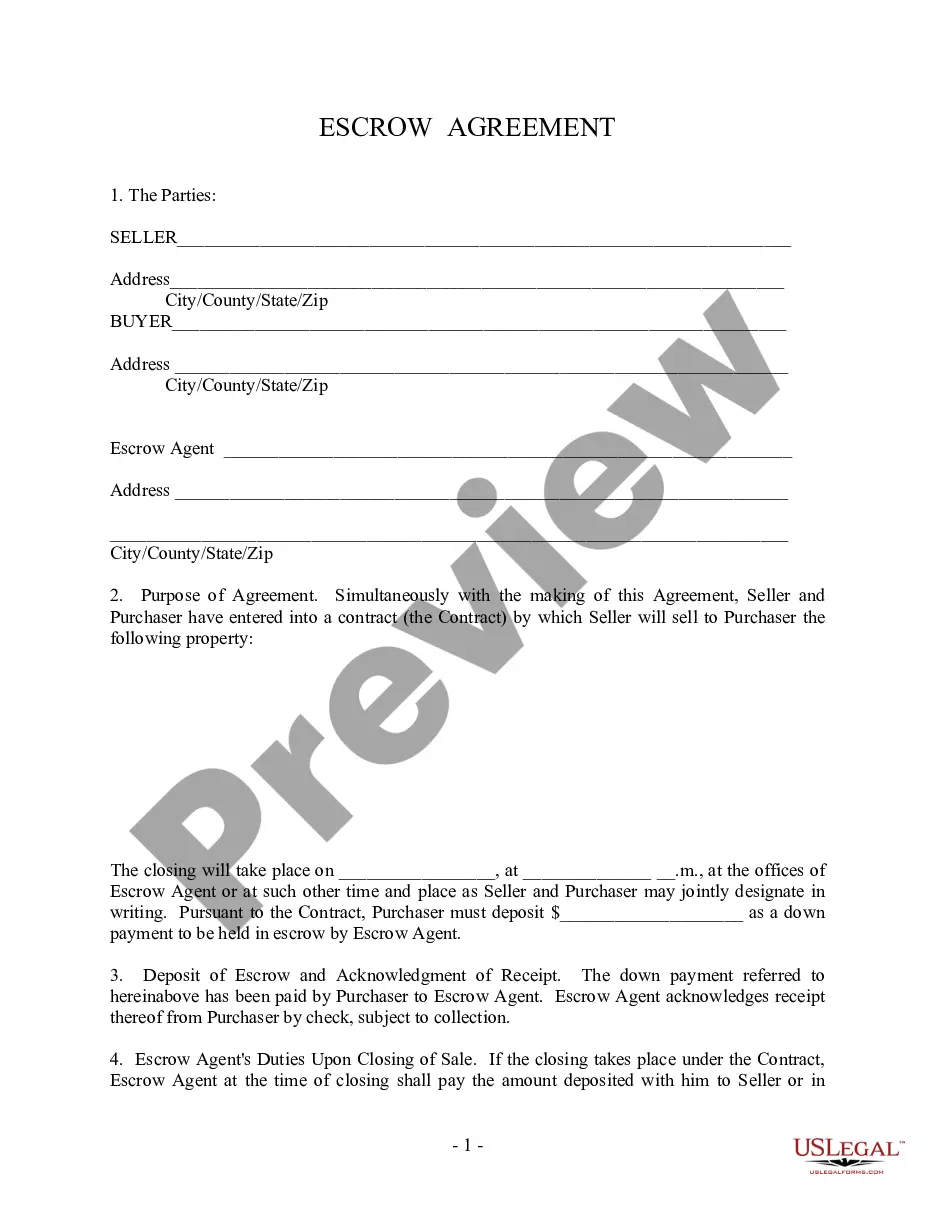
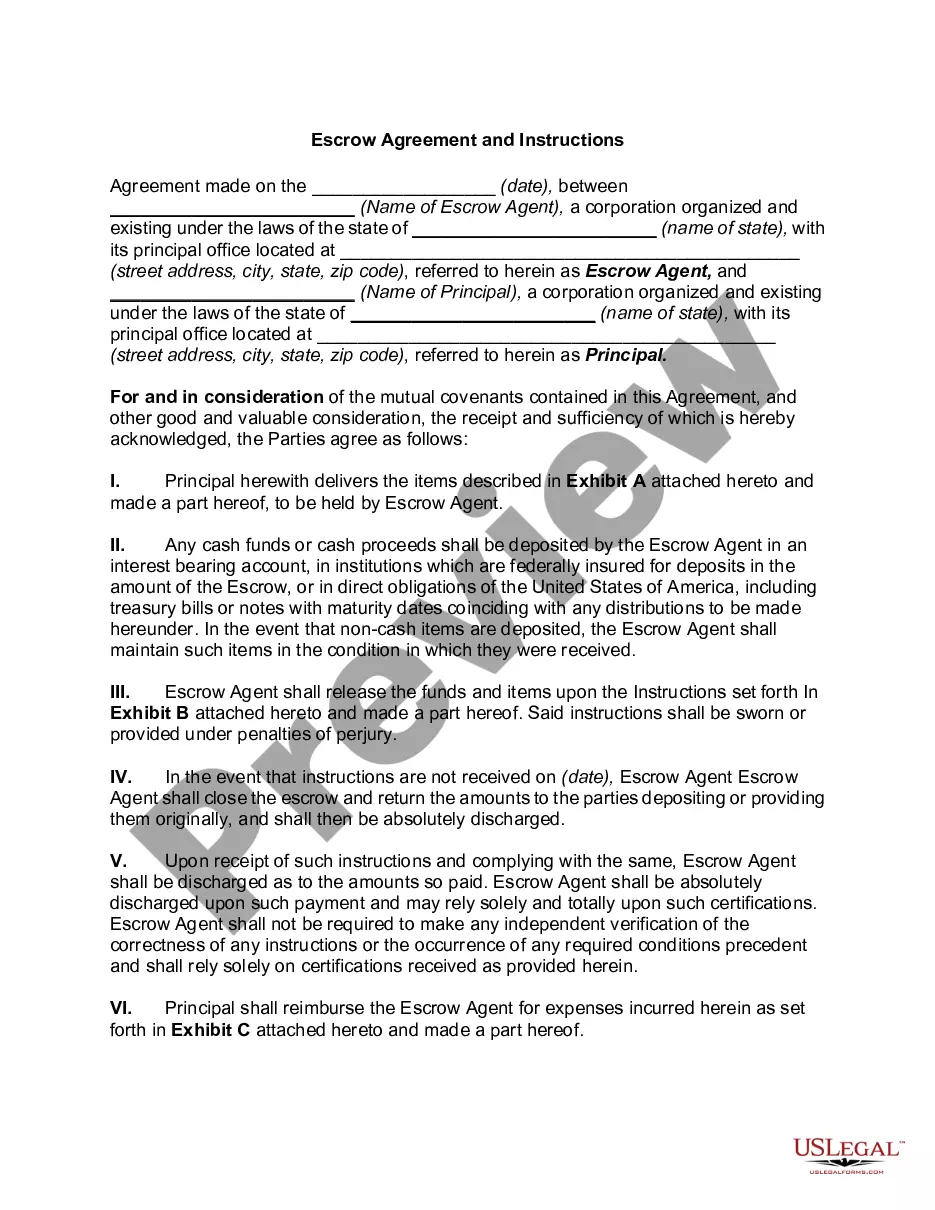
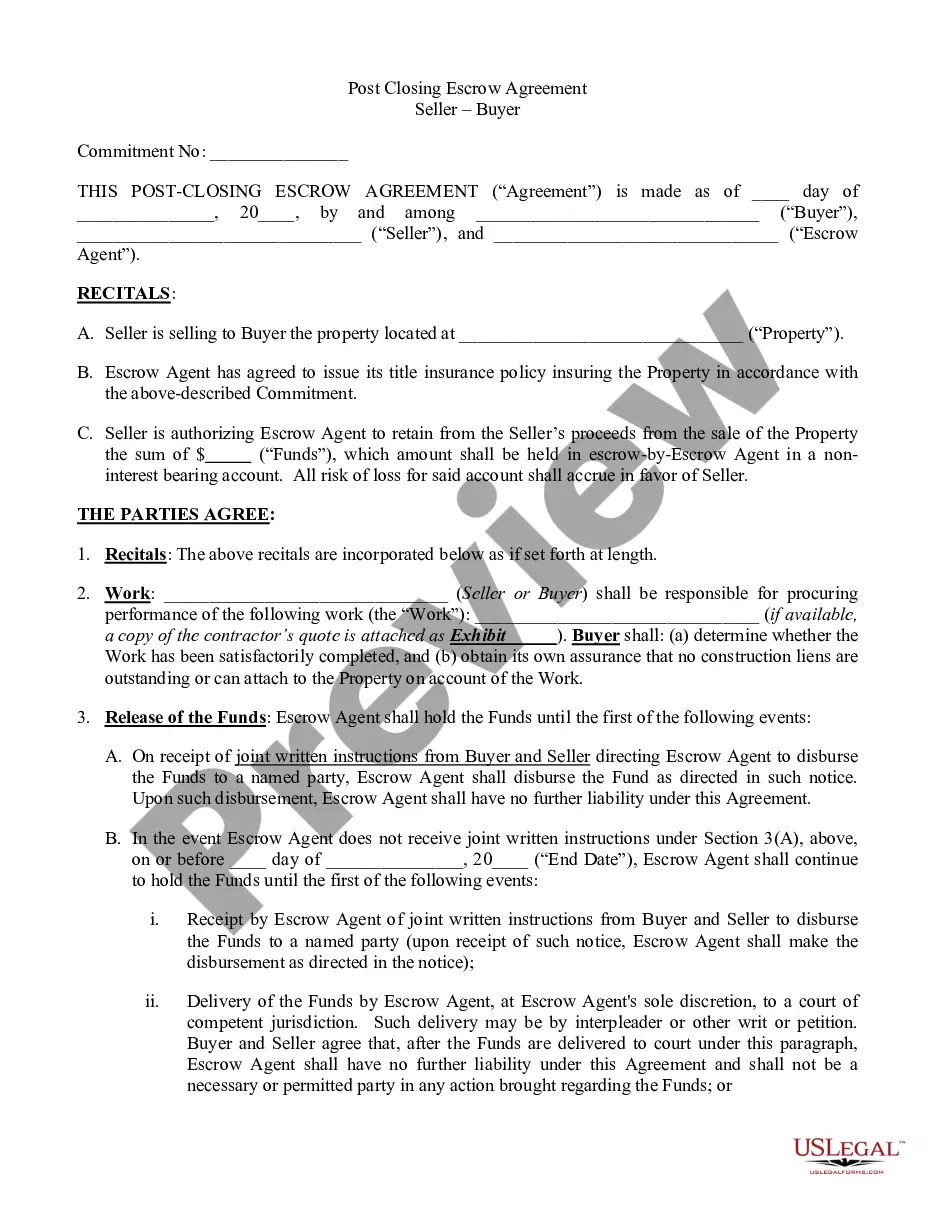
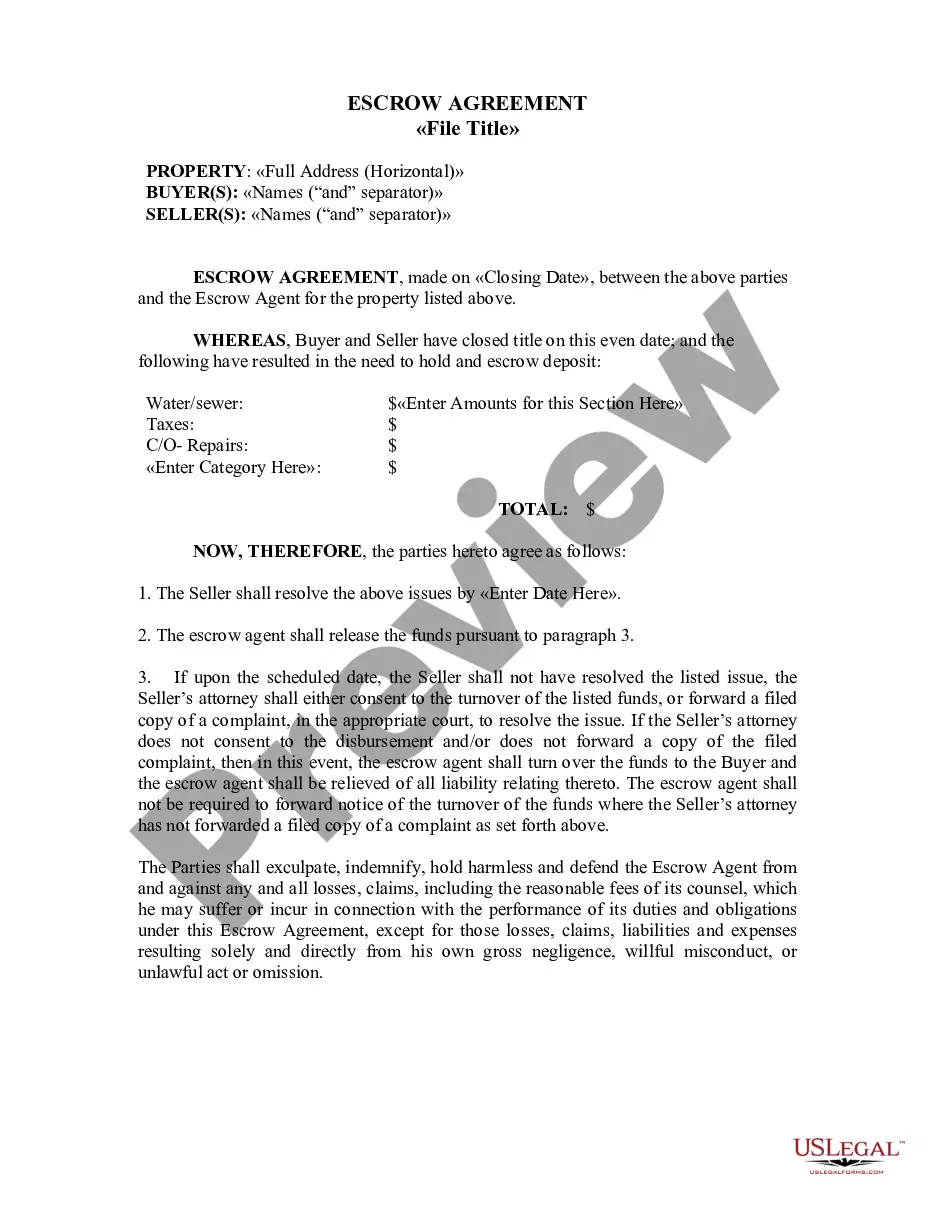
The Agreement No Escrow Account Option Agreement is a legal document that amends the original mortgage to include a no escrow account option between the lender and borrower. This agreement allows the borrower to manage and pay property-related expenses directly, rather than having these costs handled through an escrow account established by the lender. This is different from typical mortgage agreements where funds for taxes and insurance are collected upfront and managed by the lender.
Key components of this form
- Identification of the parties involved: Borrower and Lender
- Property description: Address and details of the property secured by the mortgage
- Amendments to the original mortgage regarding payments for taxes and insurance
- Obligations of the borrower to pay taxes, insurance premiums, and fees directly
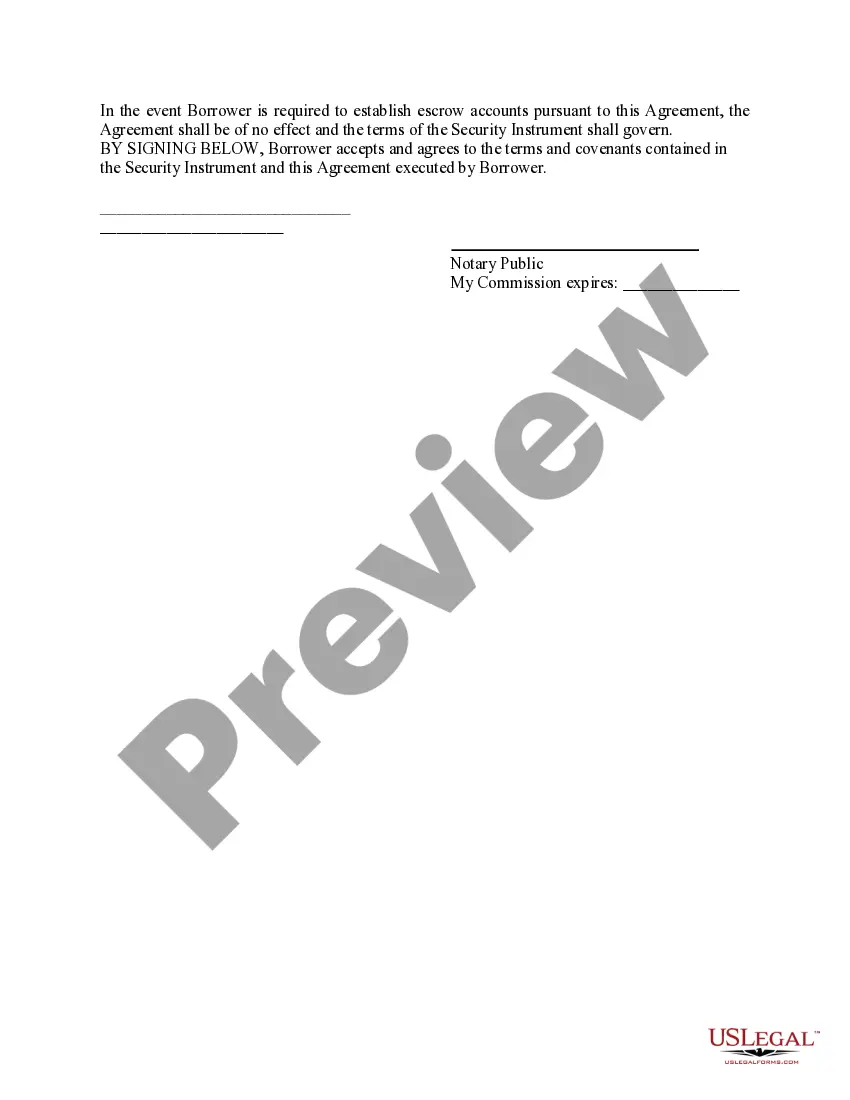
- Consequences for failure to meet payment obligations
When this form is needed
This form is necessary when a borrower wishes to amend their mortgage agreement to eliminate the requirement for an escrow account while still outlining their responsibilities for tax and insurance payments. Such a scenario typically arises when a borrower prefers managing these payments directly to maintain more control over their financial obligations.
Who can use this document
- Borrowers who have an existing mortgage and want to amend it
- Lenders who agree to remove the escrow requirement for specific borrowers
- Homeowners who wish to take on the responsibility of managing their taxes and insurance payments
How to prepare this document
- Enter the date the agreement is made and the names of the lender and borrower.
- Provide the property address that is being secured by the mortgage.
- Review and understand the obligations stated in the amended uniform covenant.
- Sign the agreement to acknowledge acceptance of all terms.
- Ensure that any required receipts for taxes and insurance payments are provided as stipulated in the form.
Does this document require notarization?
This form does not typically require notarization unless specified by local law. Users should verify local regulations to ensure the executed agreement is legally binding.
Get your form ready online
Our built-in tools help you complete, sign, share, and store your documents in one place.
Make edits, fill in missing information, and update formatting in US Legal Forms—just like you would in MS Word.
Download a copy, print it, send it by email, or mail it via USPS—whatever works best for your next step.
Sign and collect signatures with our SignNow integration. Send to multiple recipients, set reminders, and more. Go Premium to unlock E-Sign.
If this form requires notarization, complete it online through a secure video call—no need to meet a notary in person or wait for an appointment.
We protect your documents and personal data by following strict security and privacy standards.

Make edits, fill in missing information, and update formatting in US Legal Forms—just like you would in MS Word.

Download a copy, print it, send it by email, or mail it via USPS—whatever works best for your next step.

Sign and collect signatures with our SignNow integration. Send to multiple recipients, set reminders, and more. Go Premium to unlock E-Sign.

If this form requires notarization, complete it online through a secure video call—no need to meet a notary in person or wait for an appointment.

We protect your documents and personal data by following strict security and privacy standards.
Common mistakes
- Not providing complete and accurate property details.
- Failing to understand the implications of eliminating the escrow account.
- Not signing the document, which can render it invalid.
Benefits of completing this form online
- Convenience of completing the form from anywhere at any time.
- Immediate access to downloadable, attorney-drafted templates.
- Ability to edit and customize the document to fit specific needs.
Looking for another form?
Form popularity
FAQ
Generally, the parties to a transaction must establish an escrow account when using traditional escrow services. The buyer and seller agree on the terms, and an escrow agent is appointed to hold funds securely. However, with the Florida Agreement No Escrow Account Option Agreement, the parties can forego this step, leading to different protocols for managing funds.
An escrow agreement is typically drafted by the parties involved, often with help from legal professionals or real estate agents. The document outlines the terms of the agreement, roles, and expectations for each party, including payment conditions. In the context of the Florida Agreement No Escrow Account Option Agreement, utilizing platforms like uslegalforms can simplify this process and provide reliable templates.
The escrow is created when both the buyer and seller agree on terms and engage an escrow agent. The agent is a neutral third-party responsible for managing the funds and documents exchanged during the transaction. If you consider the Florida Agreement No Escrow Account Option Agreement, the creation of the arrangement may differ slightly, emphasizing clarity and mutual consent between involved parties.
Typically, the buyer and seller reach an agreement and then designate an escrow agent to open the escrow. The escrow agent is responsible for managing the process and holding funds until all contractual obligations are fulfilled. In cases involving the Florida Agreement No Escrow Account Option Agreement, you might identify alternative arrangements with your parties to navigate the transaction without traditional escrow.
In a typical escrow agreement, the parties involved include the buyer, the seller, and the escrow agent. The buyer and seller enter into a contract, while the escrow agent manages the funds and documents. In the context of the Florida Agreement No Escrow Account Option Agreement, it is essential that all parties clearly understand their roles to ensure smooth transactions.
In many cases, you can opt out of an escrow account, especially if you negotiate the terms of your mortgage. The Florida Agreement No Escrow Account Option Agreement is specifically designed for borrowers who prefer to handle their tax and insurance payments independently. Nonetheless, it is important to check with your lender about their specific policies before making any changes. Awareness of your options empowers you to make the best choice for your situation.
Yes, mortgage companies can sometimes require you to have an escrow account. This is often the case if you are a high-risk borrower or if your down payment is less than a certain percentage. However, through the Florida Agreement No Escrow Account Option Agreement, you may have the option to negotiate terms that allow you to avoid this requirement. Understanding your options can help you maintain control over your finances.
An escrow account is not mandatory in Florida, thanks to the provisions in the Florida Agreement No Escrow Account Option Agreement. This choice empowers both landlords and tenants to create tailored agreements based on their unique situations. Avoiding mandatory escrow can simplify transactions and foster smoother relationships. Make sure to document your agreement thoroughly for clarity and security.
Escrow is not mandatory in Florida, especially when using the Florida Agreement No Escrow Account Option Agreement. This option allows for more flexible arrangements between landlords and tenants concerning their deposits. Many property owners and renters prefer to negotiate specific terms that deviate from traditional escrow requirements. Always consult with legal experts if you're uncertain about your obligations.
Yes, you can waive escrows in Florida when both parties agree, as outlined in the Florida Agreement No Escrow Account Option Agreement. By mutually deciding to waive the escrow requirement, landlords and tenants can streamline their transaction process. It is essential to document this agreement clearly to prevent any future disputes. Working with a reliable platform like uslegalforms can help you draft the right agreements.