Florida Notice of Intention to Impose Claim on Security Deposit
About this form
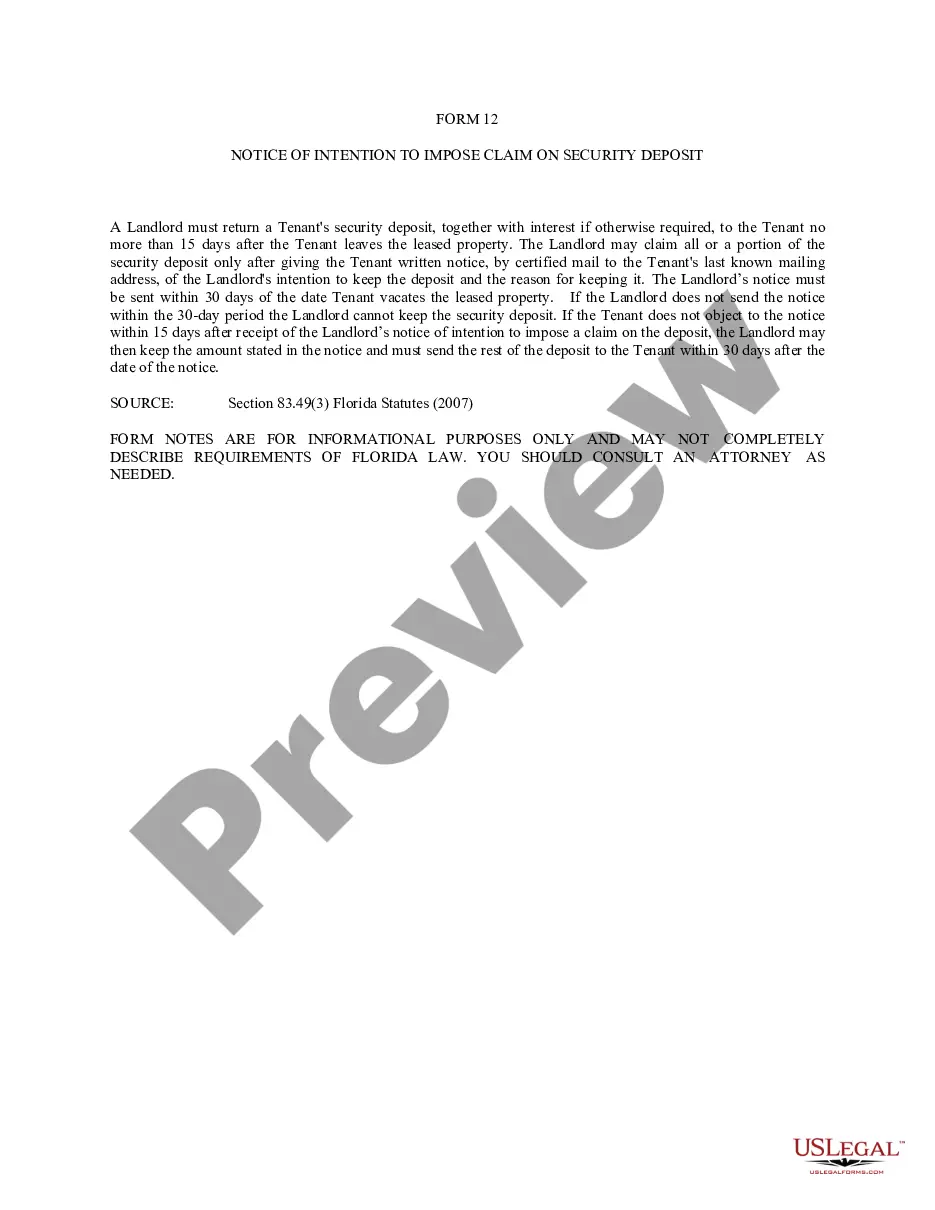
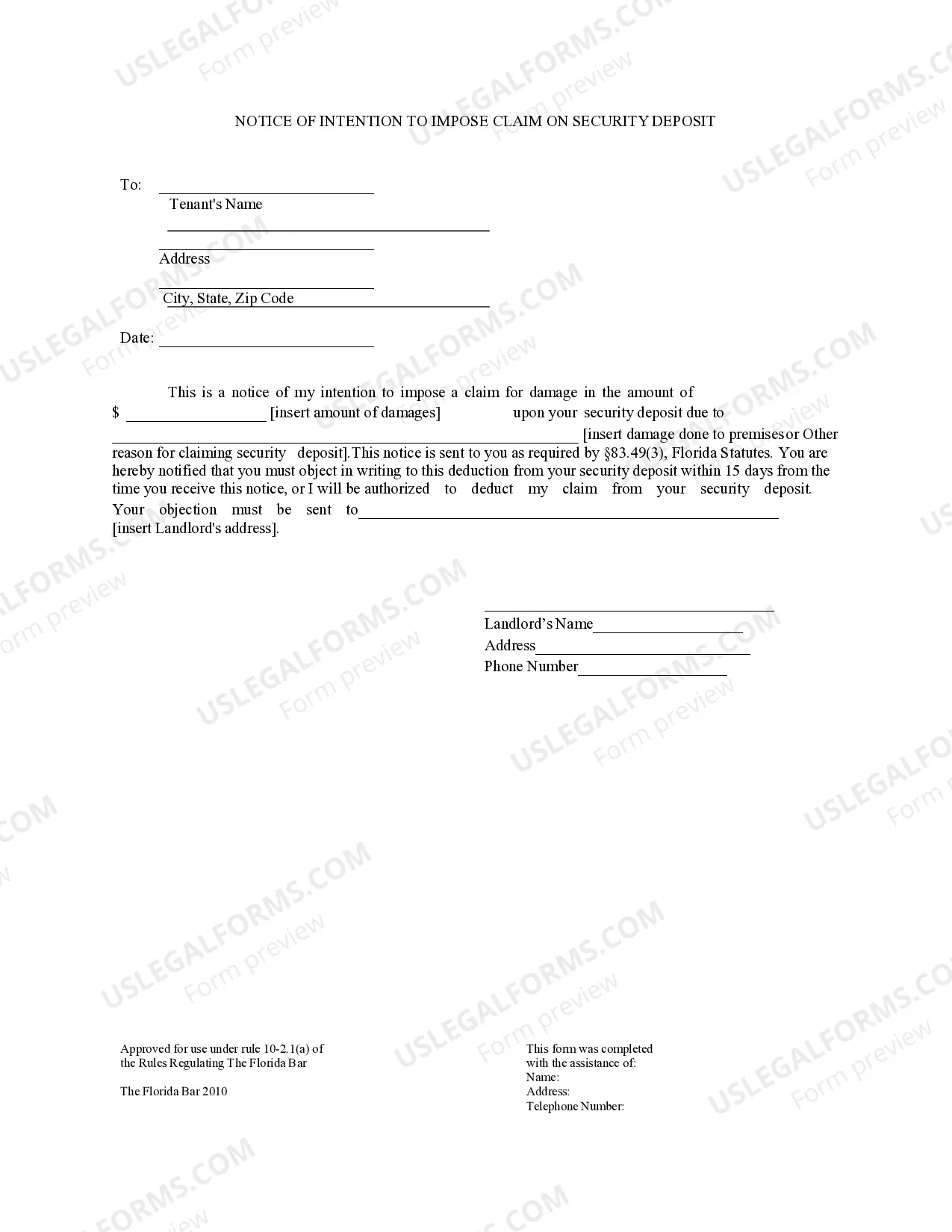
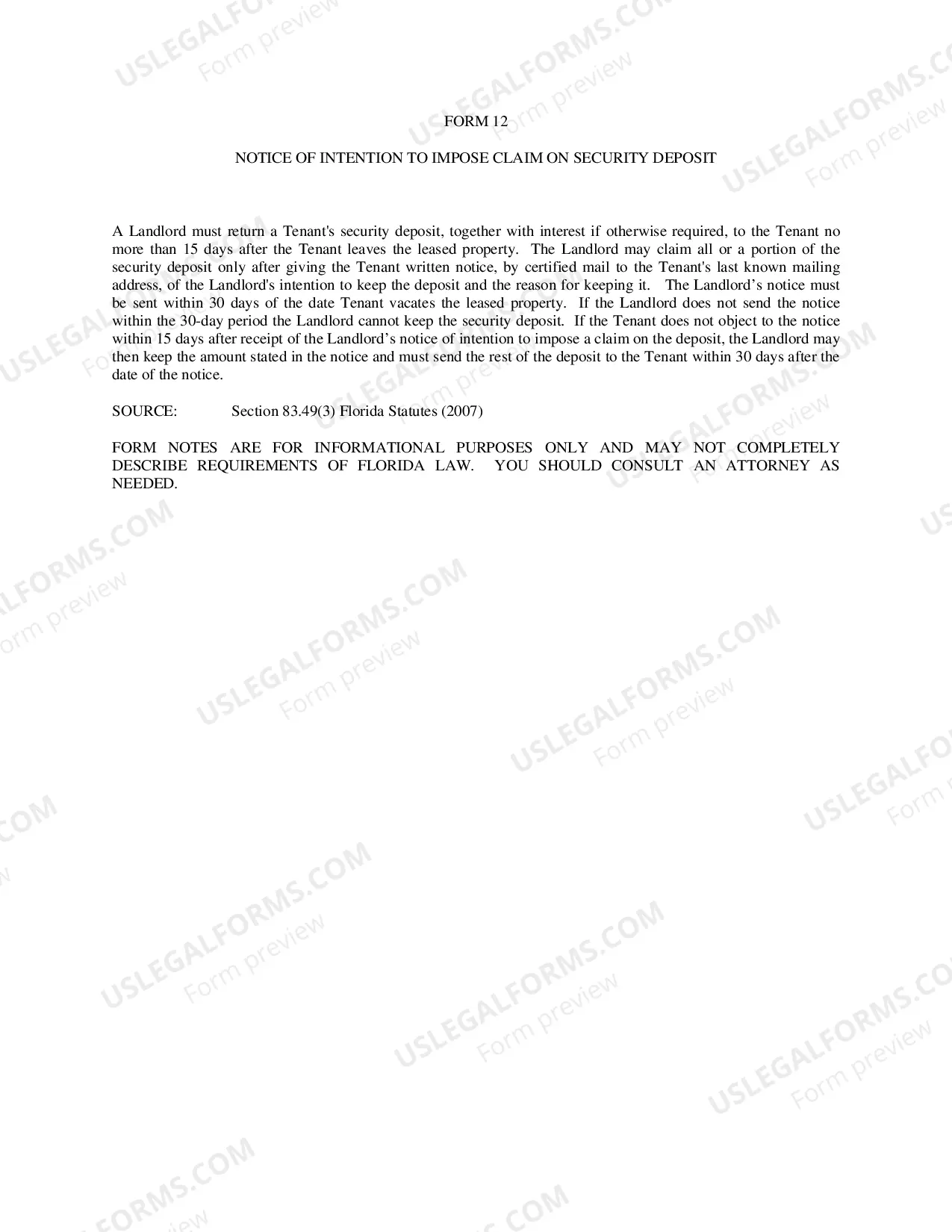
The Notice of Intention to Impose Claim on Security Deposit is a document that landlords use to inform tenants of their intention to deduct specific amounts from the tenant's security deposit due to damages. This form is essential for ensuring that landlords comply with legal requirements regarding the return of security deposits and provides tenants with an opportunity to contest the claim if they disagree with it. Unlike general lease termination notices, this form specifically addresses the issue of security deposit claims, making it a critical tool for both landlords and tenants.
Key components of this form
- Tenant's name and address
- Date of notice
- Specified amount of damages being claimed
- Reason for claiming from the security deposit
- Instructions for the tenant to object to the claim
- Landlord's name and contact information
When to use this document
This form should be used by landlords when they intend to claim damages against a tenant's security deposit. It is required to be sent to the tenant within 30 days of the tenant vacating the property. Landlords must provide written notice to comply with legal obligations and to establish a clear record of their claims for any deductions from the security deposit.
Who needs this form
- Landlords planning to make a claim against a tenant's security deposit
- Property management companies handling rental properties
- Tenants who need to respond to a claim against their security deposit
How to prepare this document
- Enter the tenant's name and address at the top of the form.
- Fill in the date of the notice.
- Specify the amount of damages you are claiming from the security deposit.
- Provide a clear reason for the deduction.
- Include instructions for the tenant to contest the claim within the 15-day window.
- Sign the form and include your contact information.
Does this document require notarization?
This form does not typically require notarization unless specified by local law.
Get your form ready online
Our built-in tools help you complete, sign, share, and store your documents in one place.
Make edits, fill in missing information, and update formatting in US Legal Forms—just like you would in MS Word.
Download a copy, print it, send it by email, or mail it via USPS—whatever works best for your next step.
Sign and collect signatures with our SignNow integration. Send to multiple recipients, set reminders, and more. Go Premium to unlock E-Sign.
If this form requires notarization, complete it online through a secure video call—no need to meet a notary in person or wait for an appointment.
We protect your documents and personal data by following strict security and privacy standards.

Make edits, fill in missing information, and update formatting in US Legal Forms—just like you would in MS Word.

Download a copy, print it, send it by email, or mail it via USPS—whatever works best for your next step.

Sign and collect signatures with our SignNow integration. Send to multiple recipients, set reminders, and more. Go Premium to unlock E-Sign.

If this form requires notarization, complete it online through a secure video call—no need to meet a notary in person or wait for an appointment.

We protect your documents and personal data by following strict security and privacy standards.
Avoid these common issues
- Failing to send the notice within the required 30 days.
- Not providing a clear reason for the claim against the security deposit.
- Omitting the tenant's address or other critical details.
- Not keeping a copy of the notice for your records.
Why complete this form online
- Immediate access: download the form right after purchase.
- Editability: customize the form easily to fit your situation.
- Legality: ensure compliance with state laws through professionally drafted templates.
Quick recap
- The Notice of Intention to Impose Claim on Security Deposit is crucial for landlords when claiming damages.
- Ensure the notice is sent within 30 days of the tenant vacating the property.
- Tenants have 15 days to contest the claim after receiving the notice.
Looking for another form?

Form popularity
FAQ
When writing a letter asking for a security deposit, maintain a polite tone while clearly expressing your request. Mention the amount of the deposit and reference the Florida Notice of Intention to Impose Claim on Security Deposit to reinforce your position. Providing context, such as your tenancy duration and any relevant agreements, can be helpful. You may consider using uslegalforms for sample letters and tools to guide you through the process.
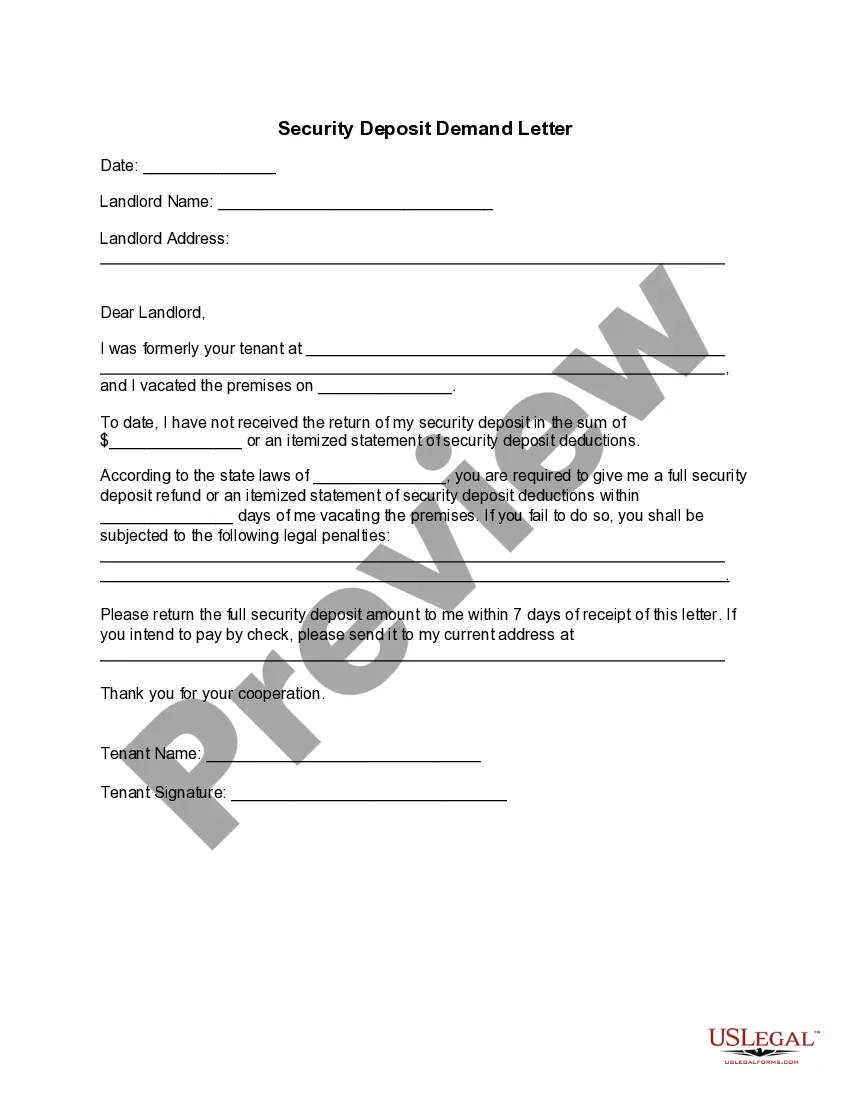
To write a demand letter to a landlord, first, provide your contact information and the property address. Clearly state the purpose of your letter, referencing the Florida Notice of Intention to Impose Claim on Security Deposit to affirm your legal right to the deposit. Be direct yet polite, specifying the amount owed and the date by which you expect a response. A well-crafted letter can prompt a quicker resolution of the issue.
When writing a demand letter for a security deposit, begin with your contact information followed by the landlord's details. Clearly state the amount you are requesting based on the Florida Notice of Intention to Impose Claim on Security Deposit. Include any relevant dates, payments, or agreements to strengthen your position. Using a template can help ensure you cover all necessary points in a professional manner.
To ask for a deposit politely, start your letter by addressing the landlord or property manager respectfully. Clearly outline your reason for requesting the deposit and mention any previous agreements about it. Use the Florida Notice of Intention to Impose Claim on Security Deposit as a reference to ensure clarity. A sample letter might include appreciation for their past cooperation and a polite request for the return of the deposit.
Disputing a security deposit in Florida begins by formally contacting your landlord to express your concerns. Refer to the Florida Notice of Intention to Impose Claim on Security Deposit and outline your case, including any evidence that supports your claim. Make sure to escalate the issue as necessary, utilizing platforms like uslegalforms for templates and guidance on the dispute process.
In Florida, landlords must return security deposits within 15 to 30 days after tenant move-out, as specified in the Florida Notice of Intention to Impose Claim on Security Deposit. If deductions are made, landlords are required to provide an itemized list of these deductions. Understanding this law can help you ensure you receive your rightful refund.
Filing a claim against a landlord for a security deposit involves gathering all relevant documents, such as your lease and payment records. Next, submit a formal claim to your local small claims court, along with a copy of the Florida Notice of Intention to Impose Claim on Security Deposit. It's advisable to outline the reasons for your claim and any communication you've had with your landlord.
To object to a security deposit in Florida, you should send a notice to your landlord, stating your objections clearly, along with evidence to support your claims. Reference the Florida Notice of Intention to Impose Claim on Security Deposit to ensure that you follow the proper procedures. Keep copies of all correspondence for future reference.
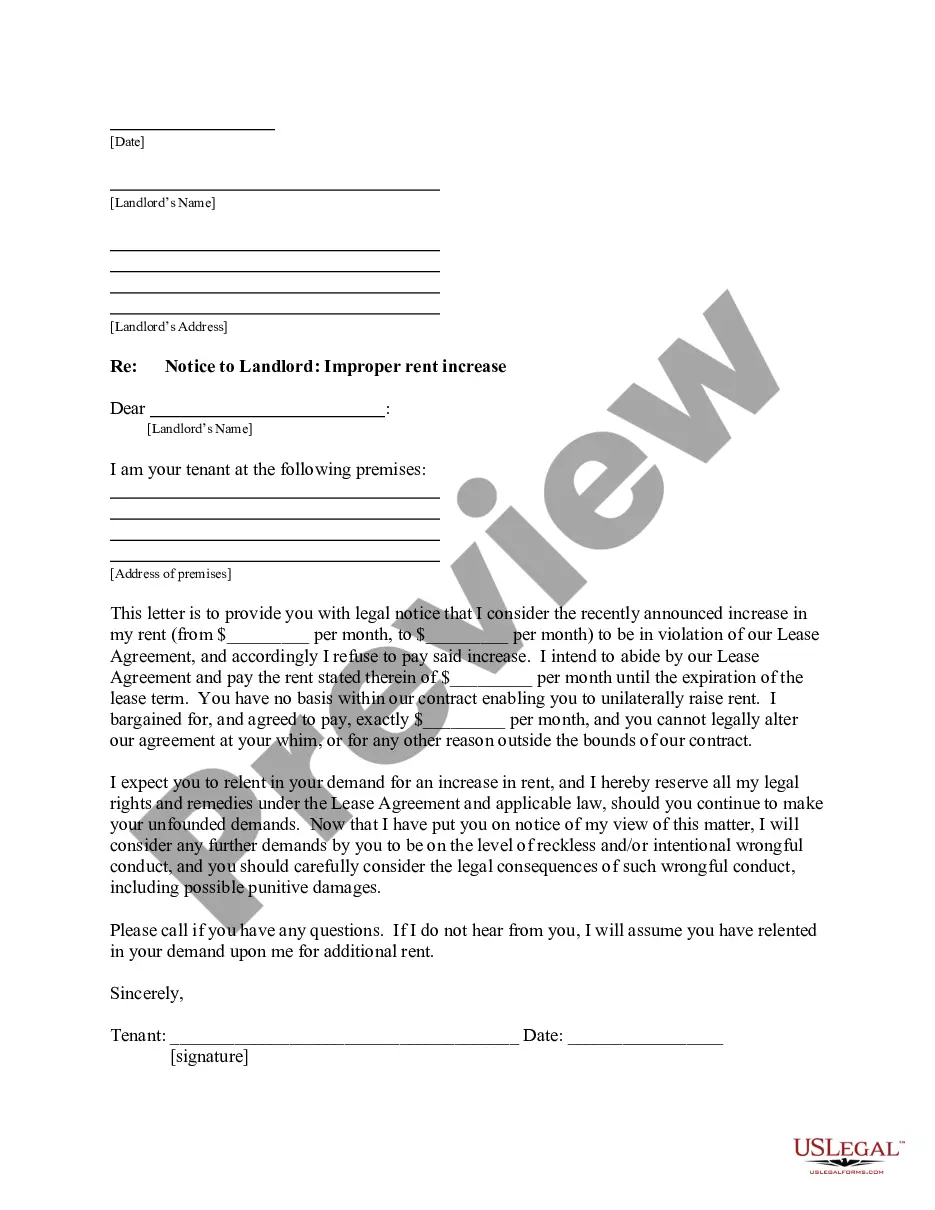
You can dispute security deposit charges in Florida by first reviewing your lease agreement for any discrepancies. If you believe charges are unjustified, send a written dispute to your landlord, referencing the Florida Notice of Intention to Impose Claim on Security Deposit. Document all communication and maintain a record of your rent payment history to strengthen your position.
To write a demand letter to your landlord regarding the Florida Notice of Intention to Impose Claim on Security Deposit, begin by clearly stating your intention to recover the deposit. Include relevant details such as your address, the rental property address, and the amount of the deposit. Be sure to mention any deductions made by the landlord, if applicable, and request a response within a specific timeframe.