Florida Roofing Contract for Contractor
About this form
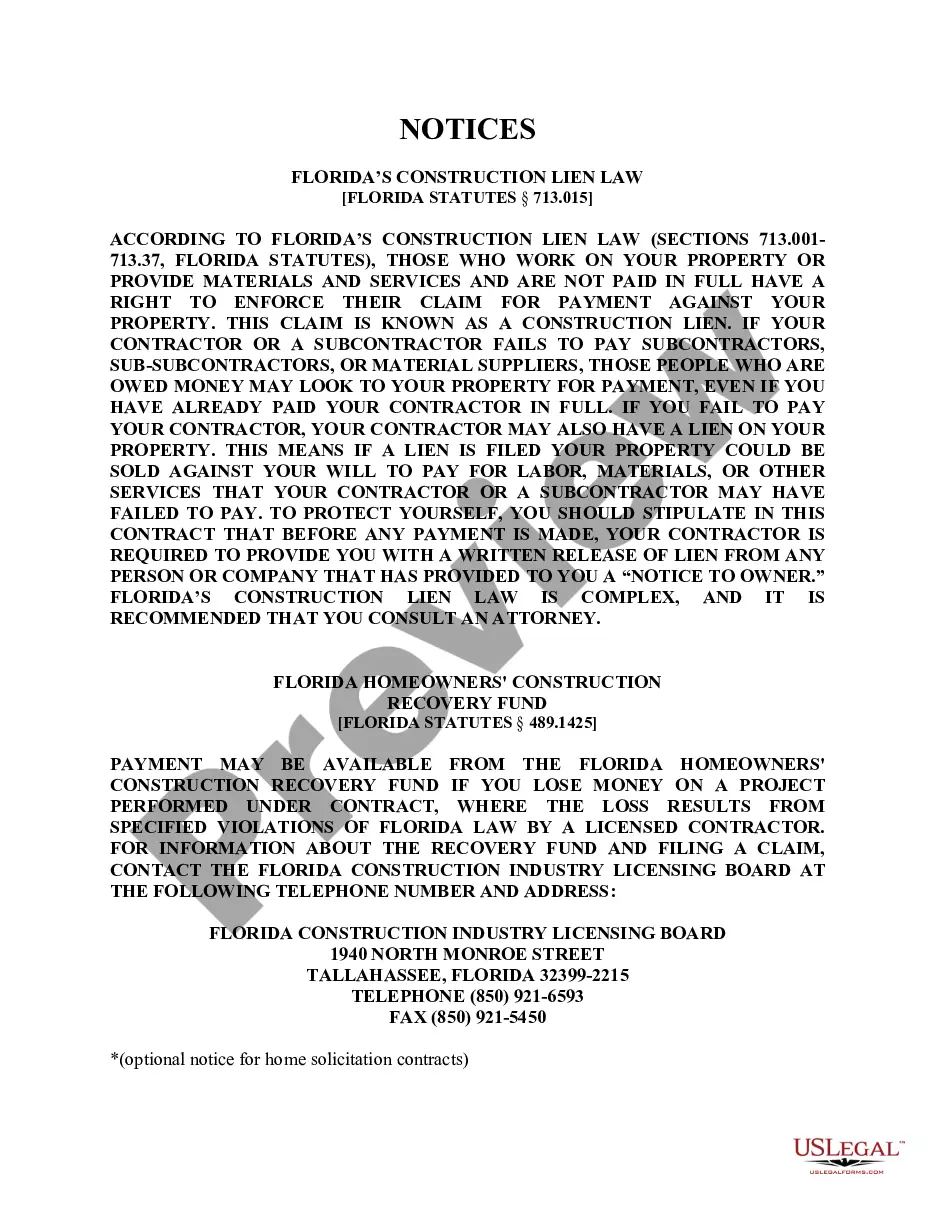
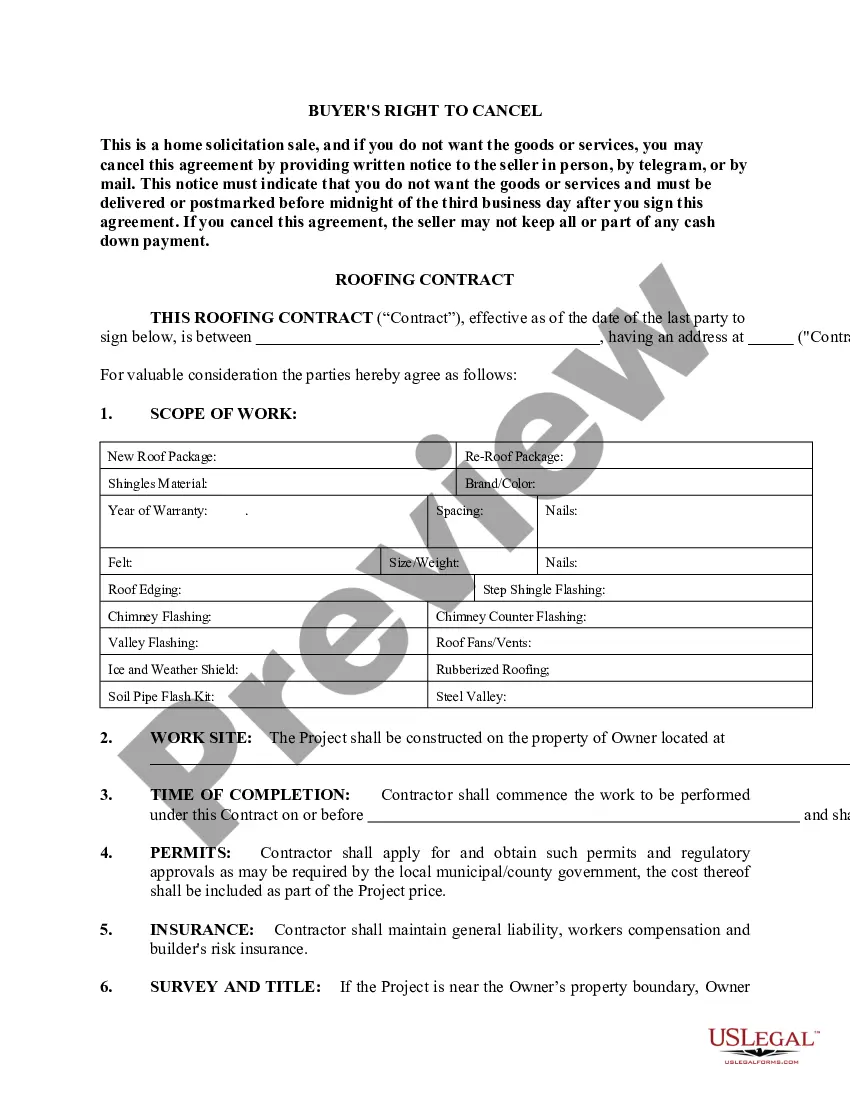
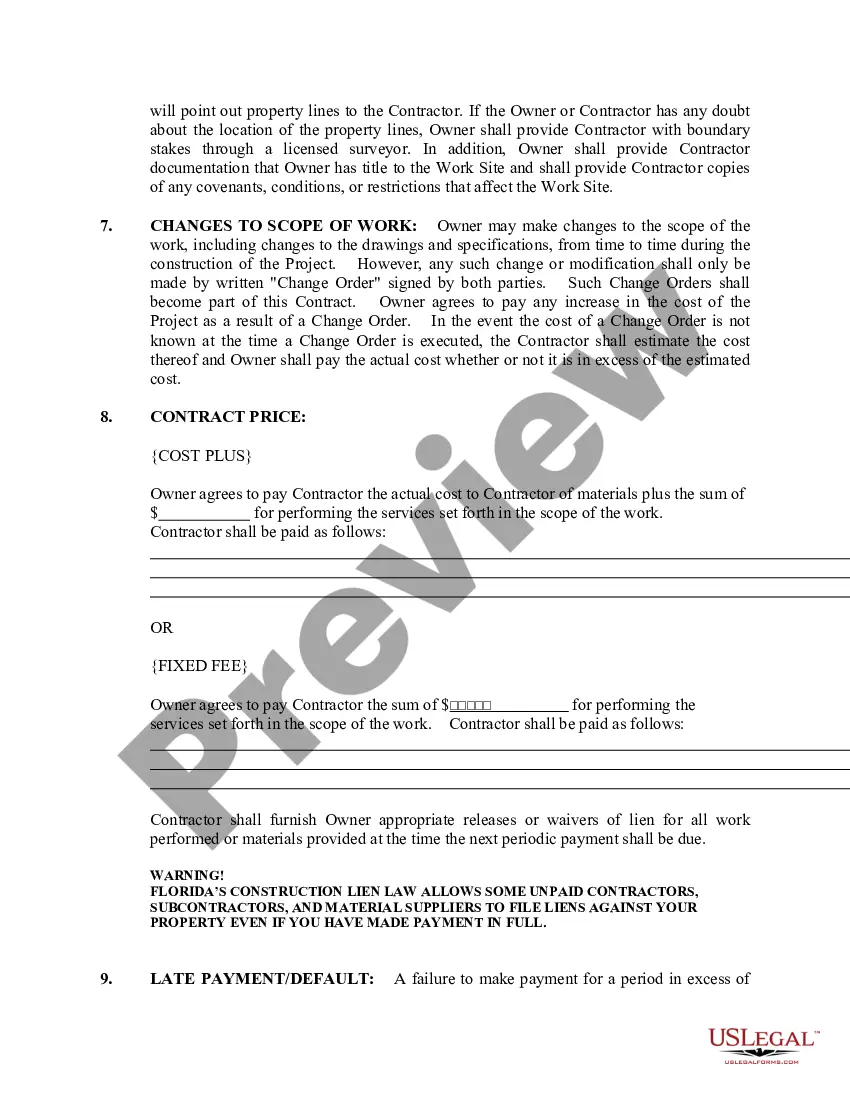
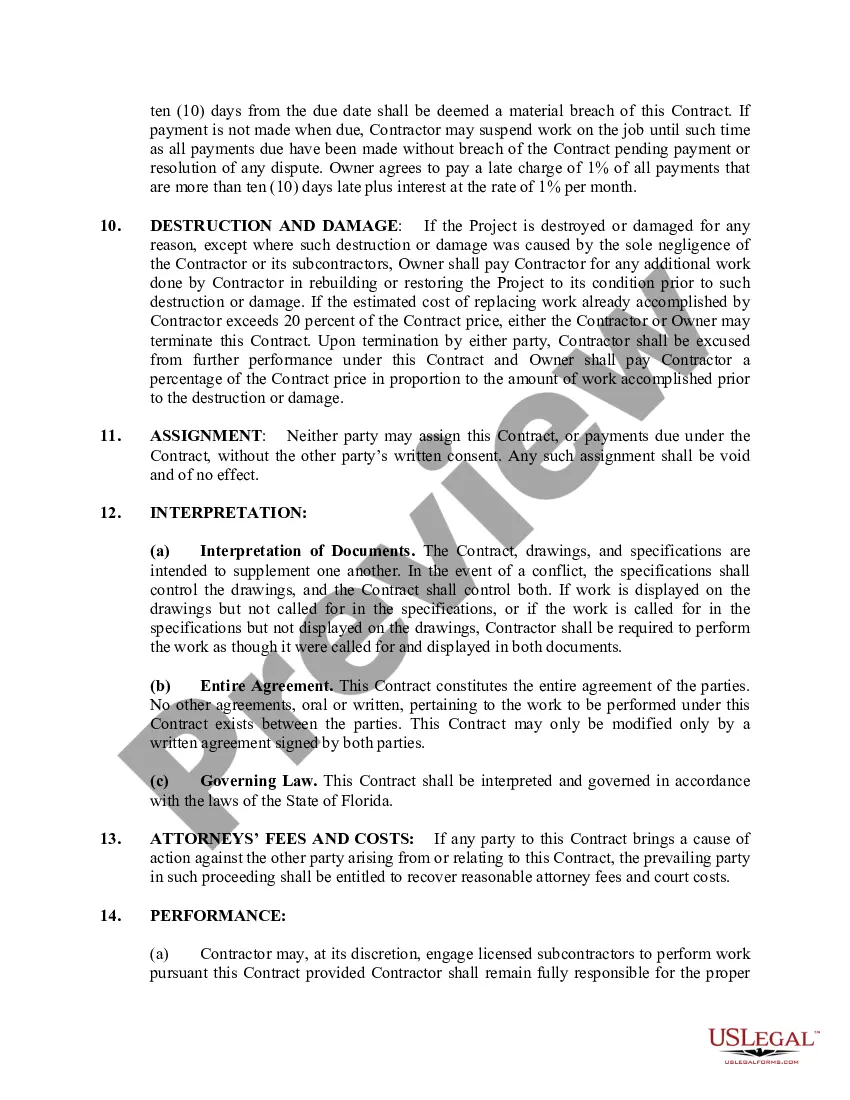
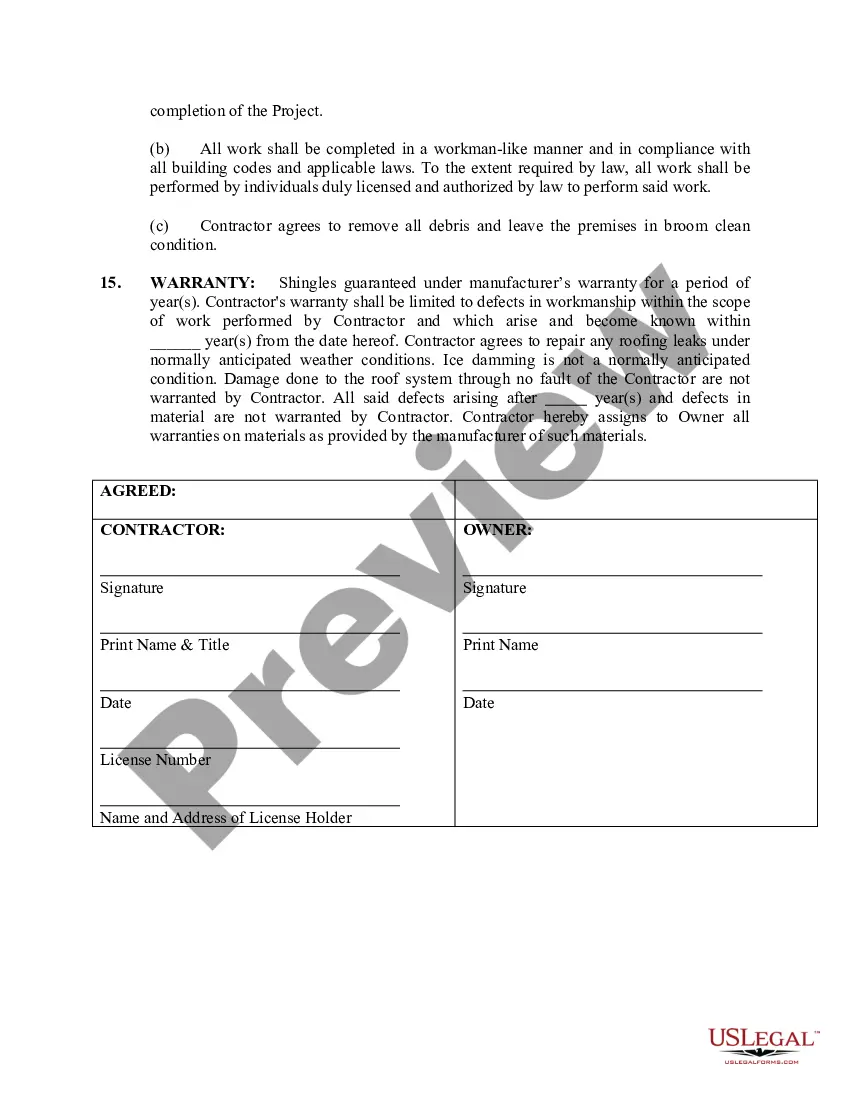
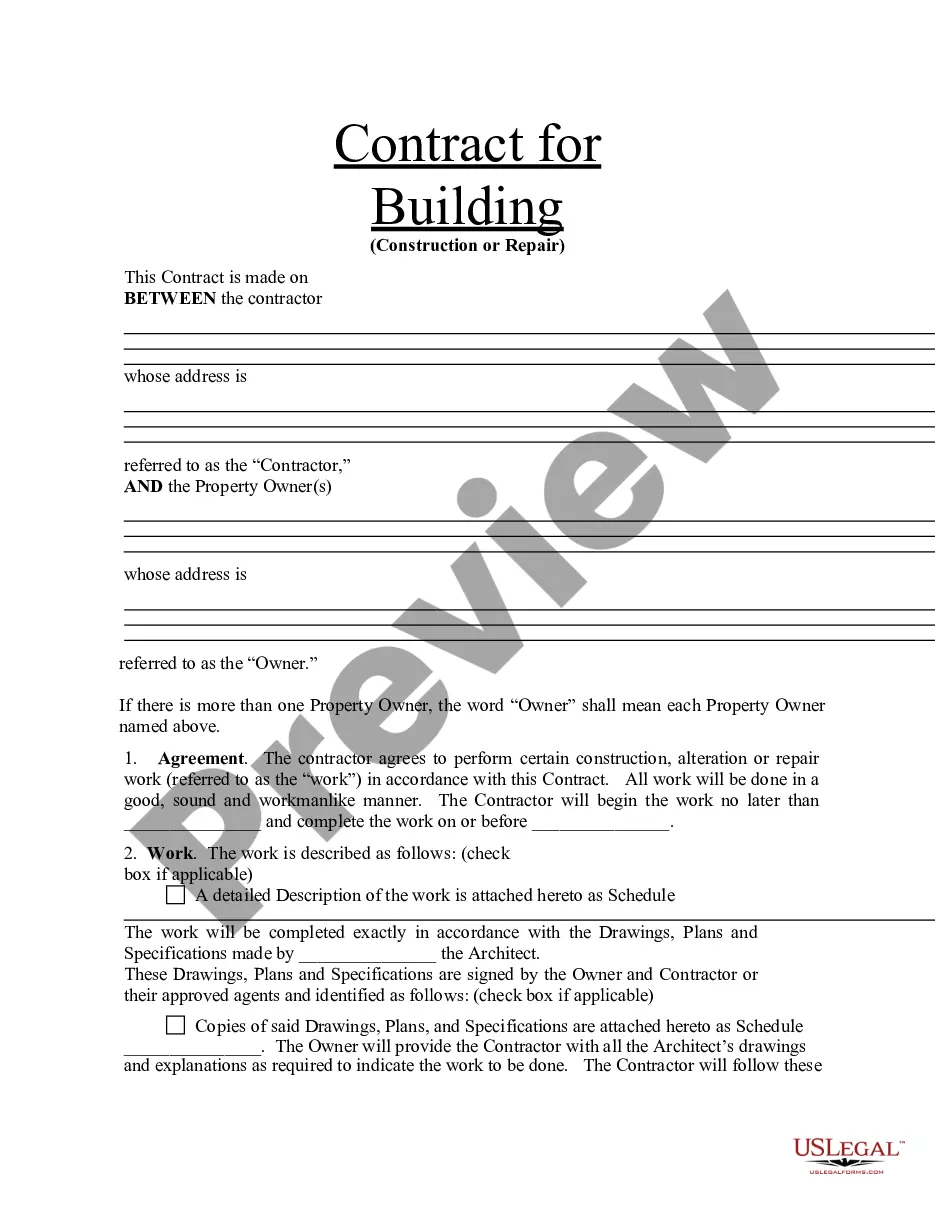
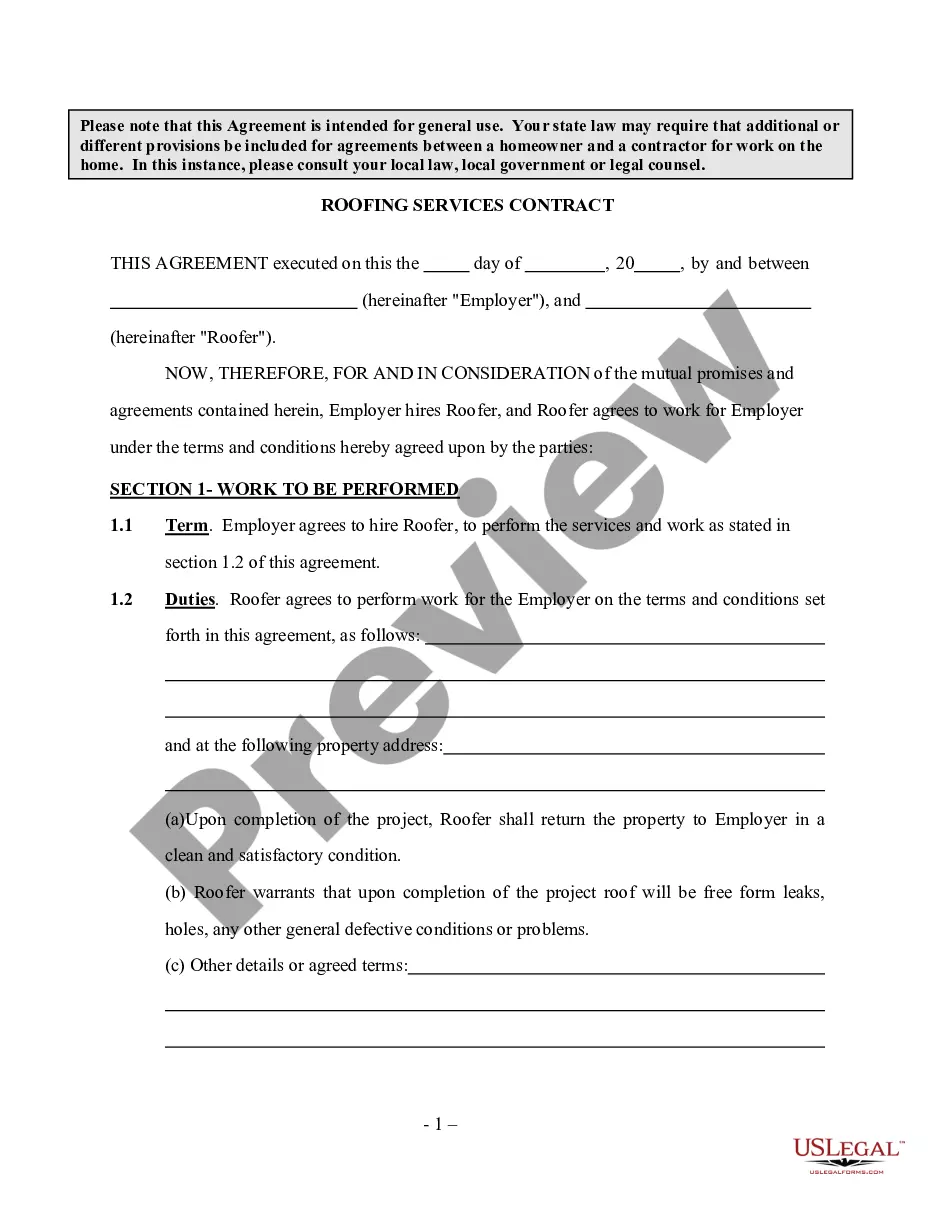
The Roofing Contract for Contractor is a legal document that formalizes the agreement between roofing contractors and property owners. This contract is tailored for projects that can be billed either as a cost-plus or a fixed-fee arrangement. It outlines essential terms related to change orders, the work site, warranties, and insurance, ensuring compliance with Florida's legal requirements. Unlike generic contracts, this form is specifically designed to protect both parties in the roofing industry, providing clarity and legal backing tailored to Florida's laws.
Key components of this form
- Payment arrangements: Choose between cost-plus or fixed fee.
- Change orders: Establishes how modifications to the project are managed.
- Permits: Outlines responsibility for obtaining necessary permits.
- Insurance: Specifies types of insurance the contractor must maintain.
- Late payment clauses: Details consequences for delayed payments.
- Termination provisions: Conditions under which either party may exit the contract.

When to use this document
This Roofing Contract for Contractor should be used when a property owner hires a roofing contractor for residential or commercial roofing projects in Florida. It is particularly important when there are substantial renovations involved, or when the project requires specific permits and insurance. If you want to establish clear expectations and protect your interests, it is advisable to use this form prior to beginning any roofing work.
Who should use this form
- Property owners seeking roofing services.
- Licensed roofing contractors operating in Florida.
- Individuals involved in the management or oversight of roofing projects.
- Homeowners planning significant roofing renovations or installations.
Instructions for completing this form
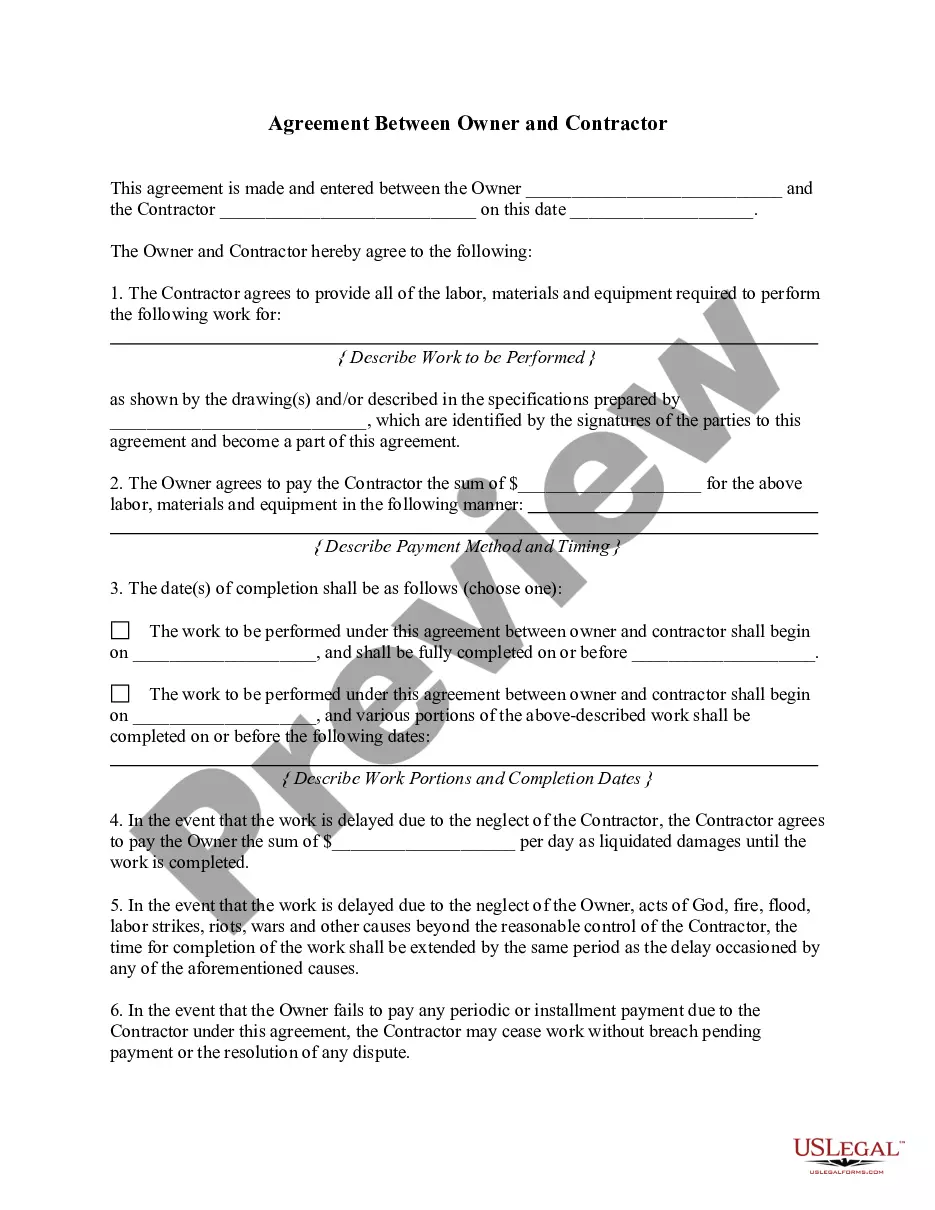
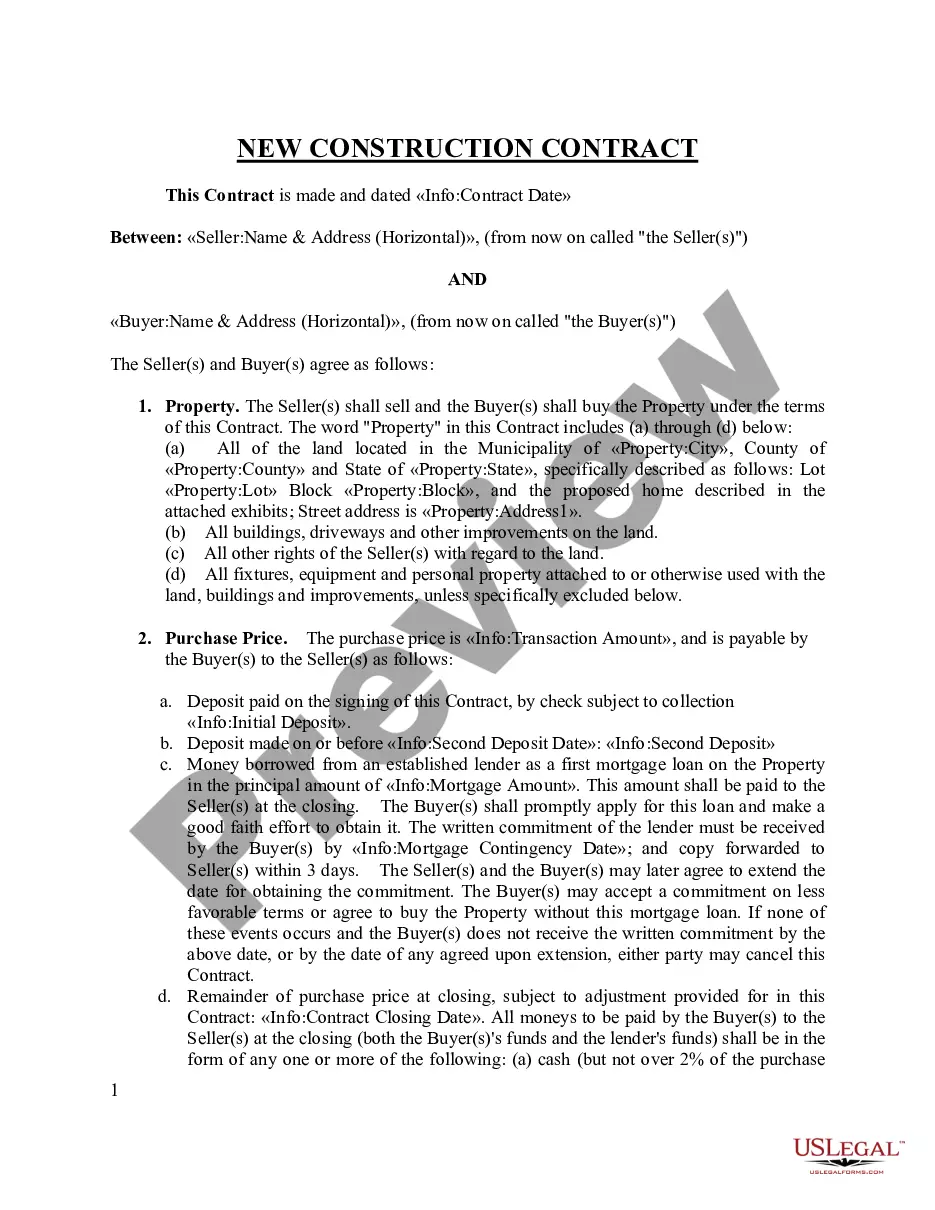
- Identify the parties involved: Enter the names and contact information of the contractor and the property owner.
- Specify the project details: Clearly define the scope of work, including materials and timelines.
- Determine payment terms: Indicate whether the payment will be on a cost-plus basis or a fixed fee.
- Include any change order provisions: Note how changes to the project can be authorized.
- Sign and date the contract: Ensure both parties sign and date the document to make it legally binding.
Does this form need to be notarized?
This form does not typically require notarization to be legally valid. However, some jurisdictions or document types may still require it. US Legal Forms provides secure online notarization powered by Notarize, available 24/7 for added convenience.
Get your form ready online
Our built-in tools help you complete, sign, share, and store your documents in one place.
Make edits, fill in missing information, and update formatting in US Legal Forms—just like you would in MS Word.
Download a copy, print it, send it by email, or mail it via USPS—whatever works best for your next step.
Sign and collect signatures with our SignNow integration. Send to multiple recipients, set reminders, and more. Go Premium to unlock E-Sign.
If this form requires notarization, complete it online through a secure video call—no need to meet a notary in person or wait for an appointment.
We protect your documents and personal data by following strict security and privacy standards.

Make edits, fill in missing information, and update formatting in US Legal Forms—just like you would in MS Word.

Download a copy, print it, send it by email, or mail it via USPS—whatever works best for your next step.

Sign and collect signatures with our SignNow integration. Send to multiple recipients, set reminders, and more. Go Premium to unlock E-Sign.

If this form requires notarization, complete it online through a secure video call—no need to meet a notary in person or wait for an appointment.

We protect your documents and personal data by following strict security and privacy standards.
Avoid these common issues
- Failing to obtain necessary permits before starting work.
- Not specifying the scope of work clearly, leading to misunderstandings.
- Ignoring insurance requirements, which can result in liability issues.
- Neglecting to document changes to the agreement in writing.
- Not clearly outlining payment terms, leading to disputes over costs.
Why complete this form online
- Convenience: Access the contract anytime and from anywhere with an internet connection.
- Editability: Easily customize the form to fit the specific details of your project.
- Reliability: Use a pre-drafted contract prepared by licensed attorneys to ensure legal soundness.
- Time-saving: Download and print the form instantly, eliminating unnecessary delays.
Summary of main points
- The Roofing Contract for Contractor clearly outlines the responsibilities and expectations of both property owners and roofing contractors.
- Using this form helps to prevent disputes and ensures compliance with Florida law.
- It's crucial to document all changes and maintain clear communication throughout the project.
Looking for another form?


Form popularity
FAQ
Creating a roofing estimate involves evaluating the project site and determining material and labor costs. Provide a detailed list of expenses, including any potential additional costs. Be transparent about your estimates to build trust with your clients. For a comprehensive approach, consider utilizing a Florida Roofing Contract for Contractor template from uslegalforms to enhance your estimate's professionalism.
To write a roofing proposal, detail the project's scope, including the type of roofing materials and labor involved. Include a breakdown of costs, estimated timeline, and any other relevant terms. Ensure that the proposal aligns with the specific needs of the client. A Florida Roofing Contract for Contractor from uslegalforms can provide a solid foundation for your proposal.
A simple contract proposal should begin with a summary of the project and a clear statement of services provided. Outline the timeframe, costs, and any terms and conditions applicable. Keeping the language straightforward helps avoid misunderstandings. For a more formalized approach, use a Florida Roofing Contract for Contractor template available on uslegalforms to ensure you cover all necessary elements.
Writing a roofing bid requires gathering information about the project, including dimensions, materials, and labor costs. Break down your costs clearly, showing material prices, labor rates, and any additional expenses. Be precise and competitive to attract potential clients. You can refer to uslegalforms for a Florida Roofing Contract for Contractor to help structure your bid professionally.
Filling out a contractor agreement involves entering essential details, such as the names of both parties, project details, and terms of payment. Make sure to specify the responsibilities of each party and any relevant deadlines. It is crucial to review the agreement for clarity before signing. You can streamline this process by utilizing a Florida Roofing Contract for Contractor from uslegalforms, ensuring you meet all legal standards.
Yes, you can potentially get out of a roofing contract, but certain conditions must be met. If both parties mutually agree to terminate or if the contract contains a cancellation clause, you can exit the agreement legally. It's advisable to review your Florida Roofing Contract for Contractor carefully and consult legal guidance if necessary to ensure a smooth process.
Creating a roofing contract involves several steps, including defining the scope of work, establishing payment terms, and specifying timelines. The Florida Roofing Contract for Contractor template ensures you cover all essential details and protects both parties. You can find these templates on platforms like USLegalForms, which provide easy-to-customize options to suit your project's needs.
Yes, in Florida, roofing contractors must possess a valid contractor's license. This requirement ensures that contractors meet specific training and safety standards crucial for roofing projects. By using a licensed professional, you can have peace of mind knowing your project complies with state regulations and achieves quality workmanship.
A contract is legally binding as long as it meets specific criteria, such as mutual consent, valid consideration, and a legal purpose. The Florida Roofing Contract for Contractor will hold both parties accountable for their commitments, reinforcing the importance of clear communication and thorough documentation. Ensure you understand the terms before signing, as this will protect your rights and obligations.
Yes, roofing contracts are binding agreements between the contractor and the client. Once both parties sign the Florida Roofing Contract for Contractor, it becomes enforceable by law. This means that both parties must adhere to the terms outlined in the contract, providing a clear understanding of each party's obligations and expectations.